A 14-day itinerary combining Kilimanjaro, Serengeti, and Ngorongoro safaris with a Zanzibar beach escape typically starts with climbing Mount Kilimanjaro (allowing 5-7 days for the trek), followed by 2-3 days exploring the Serengeti and Ngorongoro Crater, and concludes with 3-4 days relaxing on Zanzibar’s beaches. This allows for a well-rounded introduction to Tanzania’s diverse natural wonders and cultural experiences, with 2026-2027 planning needing early booking for peak seasons.
Understanding the Kilimanjaro Serengeti Ngorongoro and Zanzibar 14 Day Itinerary
This 14-day itinerary is a potent distillation of Tanzania’s most sought-after experiences. It’s crafted for travelers who want to see the highlights but have limited time, packing in a challenging mountain ascent, world-class wildlife viewing, and idyllic beach relaxation. The sequence is crucial: ascending Kilimanjaro first allows you to acclimatize before the physical demands of the trek, and tackling the mountain before the safari can be beneficial as it primes your body for the active days ahead. Following the safari, the transition to Zanzibar provides a well-earned period of rest and rejuvenation. Planning for 2026-2027 is advisable, especially if aiming for peak safari or climbing seasons, as popular dates and accommodations fill up quickly.
The appeal of this specific Kilimanjaro Serengeti Ngorongoro and Zanzibar 14 day itinerary lies in its ability to offer a profound sense of accomplishment (Kilimanjaro), awe (Serengeti/Ngorongoro), and serenity (Zanzibar) within a manageable timeframe. It’s a journey that appeals to a broad range of adventurers, from those seeking a physical challenge to wildlife enthusiasts and those yearning for a tropical escape. Each component offers a distinct facet of Tanzania, creating a rich and varied travel narrative.
The Grand Tanzania Experience: A 14-Day Overview
This itinerary is a carefully balanced blend of adventure, wildlife, and relaxation. It’s not just about ticking boxes; it’s about experiencing the essence of Tanzania. Here’s a typical flow:
- Days 1-7: Mount Kilimanjaro Ascent – Fly into Kilimanjaro International Airport (JRO), meet your support team, and begin your trek. The exact number of days depends on the chosen route, with most popular options like Machame taking 6-7 days. This portion focuses on acclimatization, trekking through diverse ecosystems, and reaching Uhuru Peak.
- Day 8: Descent and Transfer to Safari Starting Point – After descending Kilimanjaro, you’ll likely transfer to Arusha or Moshi for a short rest before your safari begins.
- Days 9-10: Serengeti & Ngorongoro Safari – Fly or drive to the Serengeti National Park for incredible wildlife viewing. Depending on time and preference, a visit to the Ngorongoro Crater follows, renowned for its dense animal population.
- Day 11: Transfer to Zanzibar – A short flight from a local airstrip (like Seronera in Serengeti or Arusha) takes you to the spice island of Zanzibar.
- Days 11-14: Zanzibar Relaxation and Exploration – Settle into your chosen beach location, explore Stone Town, or engage in water activities.
- Day 14: Departure – Fly from Zanzibar International Airport (ZNZ) for your onward journey.
This structure ensures that the physical exertion of Kilimanjaro is followed by periods of recovery and distinct experiences, making the overall journey more enjoyable and less exhausting. For 2026-2027 travel, booking this sequence well in advance is key, especially for Kilimanjaro permits and popular safari lodges.
Conquering Kilimanjaro: Your Mountain Ascent (Days 1-7)
The ascent of Mount Kilimanjaro is often the primary motivation for visiting Tanzania. It’s the Roof of Africa, a dormant volcano standing at 5,895 meters (19,341 feet) above sea level. A 14-day itinerary usually allocates 6-7 days for the climb itself, which is crucial for proper acclimatization and increasing success rates. The journey from the lush rainforest at the base to the barren alpine desert and finally the arctic summit zone is a remarkable ecological traverse.
Choosing Your Kilimanjaro Route
The route you choose significantly impacts your experience, acclimatization profile, scenery, and overall success rate. For a 14-day trip that includes other destinations, efficient route selection is paramount. The most popular routes for a 14-day Tanzania adventure are those that offer a good balance of acclimatization and scenic beauty, typically ranging from 6 to 7 days. Shorter routes (5 days) are generally discouraged due to lower success rates and increased risk of altitude sickness.
Machame Route: The Popular Choice
The Machame Route, often called the “Whiskey Route,” is arguably the most popular for trekkers seeking a challenging yet rewarding climb. It’s known for its scenic beauty and excellent acclimatization profile, with a “climb high, sleep low” strategy integrated into its design. For a Kilimanjaro Serengeti Ngorongoro and Zanzibar 14 day itinerary, the 6 or 7-day Machame is an excellent fit.
- Duration: Typically 6 or 7 days. The 7-day option provides an extra day for acclimatization, significantly boosting success rates.
- Scenery: It traverses diverse landscapes, from rainforest to moorland, alpine desert, and arctic zones, offering stunning views.
- Acclimatization: Very good, especially on the 7-day version, due to its circuitous path.
- Difficulty: Moderate to challenging. Requires good physical fitness.
- Crowds: Can be busy, particularly during peak seasons (January-March, June-October).
- Accommodation: Camping.
- Typical Itinerary (7-Day Machame):
- Day 1: Machame Gate (1,800m) to Machame Camp (3,000m) – Trek through rainforest.
- Day 2: Machame Camp (3,000m) to Shira Camp (3,800m) – Moorland terrain with great views.
- Day 3: Shira Camp (3,800m) to Barranco Camp (3,950m) via Lava Tower (4,600m) – “Climb high, sleep low” day.
- Day 4: Barranco Camp (3,950m) to Karanga Camp (4,000m) – Ascend the Barranco Wall.
- Day 5: Karanga Camp (4,000m) to Barafu Camp (4,650m) – Approach the summit zone.
- Day 6: Barafu Camp (4,650m) to Uhuru Peak (5,895m) then descend to Mweka Camp (3,100m) – Summit night.
- Day 7: Mweka Camp (3,100m) to Mweka Gate (1,600m) – Final descent.
For a Kilimanjaro Serengeti Ngorongoro and Zanzibar 14 day itinerary, the 7-day Machame is often preferred for its higher success rate, allowing a buffer day if needed before transitioning to your safari.
Alternative Routes for 2026-2027 Climbs
While Machame is popular, other routes offer different advantages:
- Lemosho Route: Considered one of the most scenic routes, it offers excellent acclimatization and a high success rate. It’s longer (7-8 days) and starts in the west. For a 14-day trip, fitting an 8-day Lemosho might be tight but is achievable if safari days are slightly compressed or if you opt for a 5-day safari portion. It’s a strong contender for those prioritizing scenery and acclimatization over speed.
- Marangu Route: The “Coca-Cola” route, it’s the only one offering hut accommodation. It’s the shortest (5 days) and often has the lowest success rates due to poor acclimatization. It’s generally not recommended for this kind of comprehensive itinerary due to the risks involved.
- Northern Circuit: The longest route (9-10 days), offering the highest success rates and superb acclimatization. While ideal for climbing, it’s usually too long for a 14-day itinerary that must include safari and Zanzibar.
When planning for 2026-2027, consider that the Lemosho route is a fantastic alternative to Machame if you can allocate an extra day to the climb, enhancing your chances of success and enjoyment.
Essential Preparation for Your Kilimanjaro Climb
Successful Kilimanjaro climbs, especially when part of a larger Kilimanjaro Serengeti Ngorongoro and Zanzibar 14 day itinerary, hinge on preparation. This isn’t just about booking; it’s about physical readiness and understanding what’s required.
- Physical Fitness: Focus on cardiovascular endurance (hiking, running, cycling) and strength training, particularly for your legs and core. Train by hiking with a loaded backpack on varied terrain.
- Gear: Proper gear is non-negotiable. This includes waterproof and windproof outer layers, warm mid-layers, thermal base layers, insulated boots, gloves, a warm hat, a headlamp, and a good quality sleeping bag. Climb 4 Africa can provide detailed packing lists.
- Acclimatization: This is the most critical factor. Choose a longer route (6-7 days minimum for Kilimanjaro). Hydrate well, avoid alcohol and caffeine, and ascend slowly. Listen to your body and your guide.
- Mental Preparation: Kilimanjaro is a mental challenge as much as a physical one. Be prepared for cold, wind, and fatigue. A positive attitude and determination are key.
- Travel Insurance: Ensure your policy covers high-altitude trekking and emergency evacuation.
For 2026-2027 expeditions, start your fitness training at least 3-6 months in advance.
What to Expect on the Mountain
Life on Kilimanjaro is simple: walk, eat, sleep, repeat. Your days will involve trekking for 4-8 hours, stopping for meals prepared by your cook, and resting at camp. Nights are cold, often dropping below freezing. Summit night is the most demanding: starting around midnight, you’ll trek in darkness for 6-8 hours to reach Uhuru Peak by sunrise, then descend rapidly to a lower altitude to mitigate altitude sickness. Your guides are experienced and will monitor your health closely. Porters carry the bulk of your gear, allowing you to focus on walking.
The success of your climb is intrinsically linked to the quality of your guides and porters. Climb 4 Africa prides itself on employing experienced, certified guides who prioritize safety and acclimatization above all else. Their expertise is invaluable, especially during the challenging summit push.
The Wildlife Spectacle: Serengeti & Ngorongoro (Days 8-10)
After the physical exertion of Kilimanjaro, the Serengeti and Ngorongoro Crater offer a contrasting but equally awe-inspiring experience. This is where you’ll witness Tanzania’s legendary wildlife in its natural habitat. For a 14-day itinerary, dedicating 2-3 days to this region is a minimum, usually involving a flight from Arusha to the Serengeti, followed by a drive to the Ngorongoro Conservation Area.
Serengeti National Park: The Endless Plains
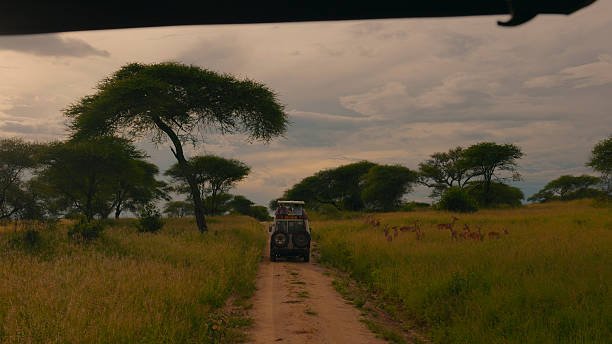
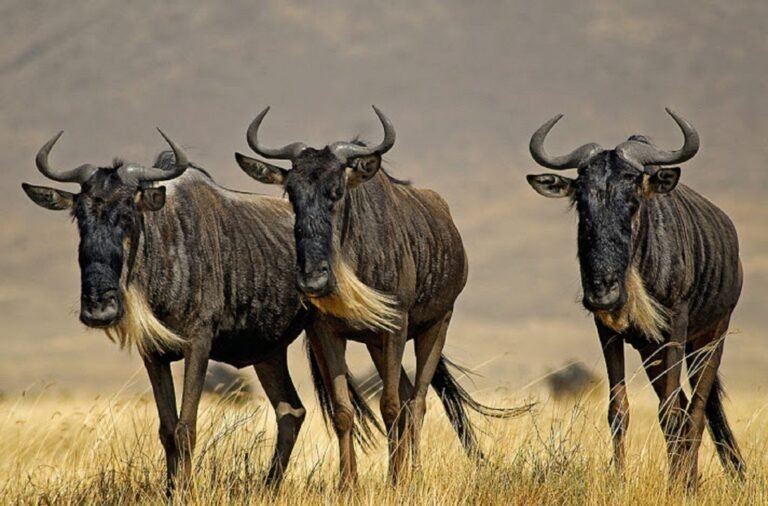
The Serengeti is synonymous with African safaris. Its name derives from the Maasai word ‘Siringet,’ meaning “endless plains.” This vast ecosystem is home to an astonishing array of wildlife, including the Big Five (lion, leopard, elephant, rhino, buffalo), cheetahs, giraffes, zebras, wildebeest, and countless other species. The Great Migration, where over 1.5 million wildebeest and zebras traverse the plains in search of fresh grazing, is one of the planet’s most spectacular natural events, though its timing varies annually.
- Key Attractions: The sheer abundance and diversity of wildlife, the dramatic landscapes, and the Great Migration (depending on the season).
- Wildlife Viewing: Best experienced during morning and late afternoon game drives when animals are most active.
- Accommodation: Ranges from luxury tented camps to lodges, strategically located to maximize wildlife viewing opportunities.
If your Kilimanjaro Serengeti Ngorongoro and Zanzibar 14 day itinerary falls during the migration season (roughly June-October for the western corridor and northern Serengeti), you might witness river crossings, a truly dramatic spectacle. For 2026-2027, booking Serengeti accommodation during these periods requires significant advance planning.
Ngorongoro Crater: Africa’s ‘Eighth Wonder’
A UNESCO World Heritage Site, the Ngorongoro Crater is a caldera formed by a massive volcanic eruption. Its unique ecosystem supports an exceptionally high density of wildlife, including a rare black rhino population. Unlike the Serengeti’s vast plains, the crater offers a more concentrated wildlife viewing experience within its 260 square kilometer floor.
- Key Attractions: The dense concentration of wildlife, the chance to see black rhinos, beautiful scenery from the crater rim.
- Wildlife Viewing: Game drives take place on the crater floor. A full day is usually sufficient to explore the crater.
- Conservation Status: The crater is part of the larger Ngorongoro Conservation Area, which also includes Olduvai Gorge.
A typical Kilimanjaro Serengeti Ngorongoro and Zanzibar 14 day itinerary might include a full day game drive in the Ngorongoro Crater, often on the way from the Serengeti towards Arusha for the flight to Zanzibar. This conserves travel time and maximizes wildlife encounters.
Safari Logistics: Getting Around and Staying
Safari travel in Tanzania is typically done in custom-built 4×4 safari vehicles with pop-up roofs for optimal game viewing. Experienced guides are essential; they know the parks, animal behavior, and the best locations for sightings. For a 14-day trip, incorporating flights between Kilimanjaro/Arusha and the Serengeti can save significant travel time, allowing more hours for game drives. These internal flights typically depart from Arusha or local airstrips within the parks.
- Vehicle: 4×4 Land Cruisers or Land Rovers are standard, equipped with charging ports and often coolers.
- Guides: Professional, knowledgeable guides are crucial for an enriching safari experience.
- Accommodation: Options range from budget-friendly lodges to ultra-luxury tented camps. Choosing accommodation that aligns with your safari interests (e.g., proximity to migration routes) is important.
- Pace: For a 14-day trip, a balance between driving and flying is recommended. A typical safari portion might involve:
- Day 8: Descend Kilimanjaro, transfer to Arusha, overnight.
- Day 9: Fly from Arusha to Serengeti, afternoon game drive, overnight in Serengeti.
- Day 10: Morning game drive in Serengeti, drive to Ngorongoro Conservation Area, descend into the crater for game drive, overnight on crater rim or nearby.
When booking your 2026-2027 safari, inquire about vehicle quality, guide experience, and the specific lodges or camps included. Climb 4 Africa works with reputable safari partners to ensure a smooth experience.
Zanzibar’s Tropical Allure: Island Paradise (Days 11-14)
After the mountain and savanna, Zanzibar offers a complete change of pace: pristine beaches, turquoise waters, and a rich history. This is the perfect place to unwind and reflect on your Tanzanian adventure. A 3-4 day stay is ideal for experiencing its highlights.
Stone Town: A UNESCO World Heritage Site
Your introduction to Zanzibar will likely be Stone Town, the historic heart of Zanzibar City. This ancient trading center is a labyrinth of narrow streets, bustling bazaars, intricately carved wooden doors, and historic buildings that reflect Arab, Persian, Indian, and European influences. A guided walking tour is highly recommended to understand its complex history, visit landmarks like the House of Wonders, the Old Fort, and the former Slave Market, and experience the vibrant local life.
- Key Activities: Walking tours, visiting historical sites, exploring markets, enjoying rooftop restaurants.
- Duration: A half-day to a full-day is usually sufficient for a good overview.
Many Kilimanjaro Serengeti Ngorongoro and Zanzibar 14 day itinerary packages include an overnight in Stone Town upon arrival, offering an immediate immersion into the island’s unique culture before heading to the beaches.
Northern Zanzibar Beaches: Nungwi & Kendwa
Located at the northern tip of the island, Nungwi and Kendwa are famous for their stunning white-sand beaches, crystal-clear waters, and spectacular sunsets. These areas are generally more developed, offering a wide range of accommodations, restaurants, and water sports activities.
- Atmosphere: Lively, popular, good for swimming and sunbathing.
- Activities: Snorkeling, diving, sunset cruises, dhow trips, swimming with turtles (at Mnarani Marine Turtle Conservation Pond).
- Tides: Less affected by extreme tides compared to the east coast, making them ideal for swimming at any time.
These beaches are a great choice for those who enjoy a bit more activity and a vibrant social scene. They are perfect for unwinding after the intensity of Kilimanjaro and safari.
Eastern Zanzibar Beaches: Paje & Jambiani
The east coast of Zanzibar is characterized by long stretches of powdery white sand, swaying palm trees, and the vibrant turquoise of the Indian Ocean. Paje and Jambiani are popular spots known for their laid-back vibe and excellent conditions for water sports.
- Atmosphere: Relaxed, bohemian, popular with kite surfers.
- Activities: Kite surfing, windsurfing, snorkeling, diving (especially around Mnemba Atoll), spice tours, village tours.
- Tides: Experience significant tidal changes, revealing vast sandbanks at low tide, which can be a unique spectacle.
Paje and Jambiani are ideal for travelers seeking a quieter, more tranquil beach experience, with opportunities for adventure sports like kite surfing. They offer a different, but equally beautiful, coastal charm compared to the north.
Beyond the Beach: Zanzibar Activities
While beaches are a major draw, Zanzibar offers more:
- Spice Tours: Visit a spice farm to learn about and taste exotic spices like cloves, cinnamon, nutmeg, and vanilla.
- Prison Island: A short boat trip from Stone Town, known for its giant tortoises and historical prison ruins.
- Diving and Snorkeling: Mnemba Atoll, off the northeast coast, is a world-renowned marine conservation area perfect for diving and snorkeling.
- Sunset Dhow Cruises: A classic Zanzibar experience, sailing along the coast on a traditional dhow.
Incorporating a few of these activities can enrich your Zanzibar experience beyond just lounging on the beach, making your Kilimanjaro Serengeti Ngorongoro and Zanzibar 14 day itinerary even more memorable.
smooth Travel Logistics: Flights, Transfers, and Visas
Navigating Tanzania requires careful planning of logistics, especially for a multi-destination trip like this. Efficient transfers and clear visa requirements are essential for a smooth 14-day adventure.
International Flights
Most international travelers arrive at Kilimanjaro International Airport (JRO), which serves the northern safari circuit and Kilimanjaro. Your journey will likely begin here. For departure, you will fly out of Zanzibar International Airport (ZNZ), saving you a long overland journey back to the mainland.
Internal Travel: Flights and Road Transfers
Internal travel is a key component of a Kilimanjaro Serengeti Ngorongoro and Zanzibar 14 day itinerary:
- Kilimanjaro to Safari: After descending Kilimanjaro, you’ll typically be transferred by road to Arusha or Moshi for an overnight stay. The next day, you’ll either drive to the Serengeti/Ngorongoro or take a scenic light aircraft flight from Arusha Airport (ARK) to a Serengeti airstrip (e.g., Seronera). Flights significantly reduce travel time, allowing more time for safaris.
- Serengeti to Ngorongoro: This is usually a game drive en route, taking several hours depending on your location in the Serengeti.
- Ngorongoro/Arusha to Zanzibar: From either the Ngorongoro Conservation Area or Arusha, you’ll take a short domestic flight to Zanzibar (ZNZ).
- On Zanzibar: Transfers between the airport, Stone Town, and your chosen beach resort are typically arranged by your tour operator.
For 2026-2027 travel, booking these internal flights well in advance is recommended, as seats on popular routes can be limited.
Visas and Vaccinations
Visas: Most nationalities require a visa for Tanzania. These can often be obtained online in advance (e-visa) or upon arrival at JRO or ZNZ. It is advisable to check the latest requirements with your embassy or the Tanzanian immigration website before your trip. A single visa covers both mainland Tanzania and Zanzibar.
Vaccinations: Yellow Fever vaccination is typically required if arriving from or transiting through a country with a risk of Yellow Fever. Consult your doctor or a travel clinic for recommended vaccinations and malaria precautions, especially for Zanzibar and lower-altitude safari areas. It’s wise to start this consultation process several months before your 2026-2027 travel dates.
Health: Altitude sickness is a risk on Kilimanjaro. Ensure you understand the symptoms and prevention methods. Pack a comprehensive first-aid kit. For the safari and Zanzibar, insect repellent is essential.
Best Time to Go for Your 14-Day Tanzania Trip
The best time to start your Kilimanjaro Serengeti Ngorongoro and Zanzibar 14 day itinerary depends on your priorities, as Tanzania has distinct seasons.
- Kilimanjaro Climbing Seasons: The best times are during the dry seasons: January-March and June-October. These months offer clearer skies and less rain, making for a more comfortable and safer climb.
- Serengeti Migration: The Great Migration is a year-round phenomenon, but specific events like river crossings are best seen between June and October (Western Corridor/North). For calving season, head to the southern Serengeti in January-February.
- Zanzibar Weather: Zanzibar is warm year-round. The driest and most pleasant months are generally June to October and December to February. The “long rains” typically occur from March to May, and “short rains” in November.
Combining Interests:
- Peak Experience (Dry & Clear): June-October offers the best weather for Kilimanjaro and excellent safari conditions. Zanzibar is also pleasant. This is a very popular period, so booking for 2026-2027 is essential.
- Shoulder Seasons (Good Balance): January-February offers good Kilimanjaro weather and the calving season in the Serengeti. Zanzibar is also good.
- Lesser Crowds/Lower Prices: November and March-May can offer lower prices and fewer crowds, but you risk encountering more rain, especially during the long rains (April-May).
For a Kilimanjaro Serengeti Ngorongoro and Zanzibar 14 day itinerary aiming for optimal conditions across all destinations, June-October 2026 or 2027 would be the prime window. If migration river crossings are a must-see, focus on July-September.
Customizing Your Kilimanjaro Serengeti Ngorongoro and Zanzibar 14 Day Itinerary
This 14-day itinerary is a template, and its strength lies in its customizability. Your interests, fitness level, budget, and travel style can all shape the perfect trip.
- Climb Duration: If you are a very experienced trekker and want to shave a day off Kilimanjaro, a 6-day Machame route is an option, but a 7-day trek is strongly recommended for acclimatization and success.
- Safari Pace: You could opt for a single destination safari (e.g., 3 full days in the Serengeti) instead of combining Serengeti and Ngorongoro, if you prefer a more relaxed pace. Conversely, a slightly longer safari (3-4 days) can be arranged if your Kilimanjaro climb is shorter.
- Zanzibar Focus: Decide whether you prefer the lively beaches of the north (Nungwi/Kendwa) or the more tranquil, kite-surfing hubs of the east (Paje/Jambiani). You could also split your time between both.
- Add-ons: For those with slightly more time or specific interests, consider adding a day trip to Tarangire National Park (known for elephants) or Lake Manyara (tree-climbing lions).
- Accommodation Style: From basic but comfortable camping on Kilimanjaro to mid-range lodges on safari and boutique hotels or luxury resorts in Zanzibar, your choices can significantly impact the cost and experience.
Climb 4 Africa specializes in tailoring these experiences. When you inquire for 2026-2027, be sure to mention your preferences for route, accommodation level, and any specific interests you have. This collaborative approach ensures your Kilimanjaro Serengeti Ngorongoro and Zanzibar 14 day itinerary is perfectly suited to you.
Booking Your 2026-2027 Tanzania Adventure
Booking a comprehensive trip like the Kilimanjaro Serengeti Ngorongoro and Zanzibar 14 day itinerary requires careful consideration. Early planning is crucial, especially for 2026-2027 travel, to secure preferred dates, accommodations, and permits.
Key Booking Factors:
- Kilimanjaro Permits: These are issued by the park authorities and can sell out, particularly for certain dates. Booking well in advance ensures your preferred climb dates are secured.
- Safari Lodges/Camps: High-demand lodges, especially those within national parks or with prime locations (like Ngorongoro Crater rim), book up months, sometimes over a year, in advance for peak seasons.
- Internal Flights: Booking these early can often secure better rates and guaranteed seats.
- Zanzibar Accommodation: Popular beach resorts, particularly those offering specific amenities or in prime locations, also require advance booking for 2026-2027.
- Tour Operator Choice: Selecting a reputable operator like Climb 4 Africa is vital. They handle all the complex logistics, have experienced guides and crews, and provide essential support on the ground. They can also advise on the best times to travel and tailor your itinerary to your specific needs.
When you are ready to plan your 2026-2027 adventure, reaching out to a local expert is the best next step. Climb 4 Africa can provide detailed itineraries, current availability, and transparent pricing. To get started, consider what aspects of this Kilimanjaro Serengeti Ngorongoro and Zanzibar 14 day itinerary appeal most to you, your preferred travel dates, and your budget. You can contact them directly via WhatsApp at +255 747 477 898 or email at climb4africa@gmail.com. They are ready to help you craft an unforgettable Tanzanian journey, ensuring all the intricate details are handled so you can focus on the incredible experiences ahead.
Remember, a trip of this magnitude is an investment in experiences. The memories created climbing Kilimanjaro, witnessing the wildlife of the Serengeti and Ngorongoro, and relaxing on Zanzibar’s shores will last a lifetime. By planning wisely and working with experienced local partners, your Kilimanjaro Serengeti Ngorongoro and Zanzibar 14 day itinerary for 2026 or 2027 will be everything you dreamed of and more.
Check Availability for Kilimanjaro Serengeti Ngorongoro And Zanzibar: Your 14-Day Tanzania…
Ready to compare dates, prices, and the best option for your group? Send the package name and travel month so the team can reply with a clear quote, availability, and what is included.
Nov 23, – 3 Day Serengeti And Ngorongoro Safari From Zanzibar
Nov 23, 2026 – 3 Day Serengeti and Ngorongoro Safari from Zanzibar.
View package details
3-Day Serengeti & Ngorongoro Safari From Zanzibar By Flight 2027
3-Day Serengeti & Ngorongoro Safari From Zanzibar by Flight is explained with current 2027 planning, price, itinerary and booking information.
View package details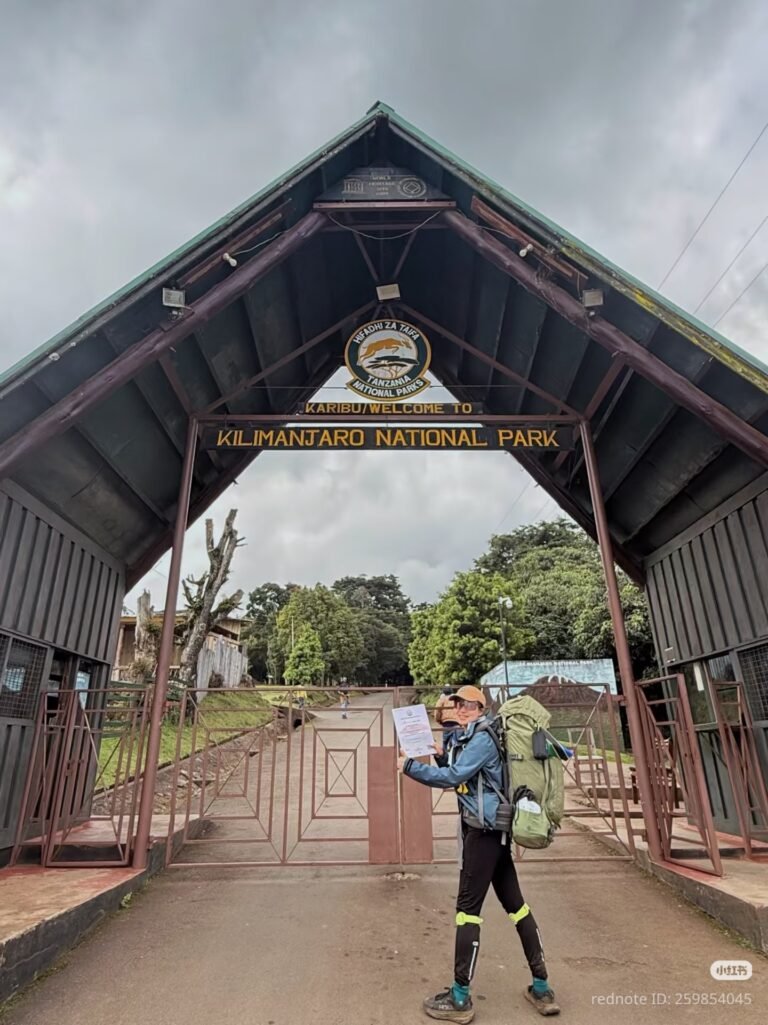
Tanzania Kilimanjaro And Safari Holiday Packages 2027
An expert, long-form guide to combining Kilimanjaro treks with Tanzania safaris and Zanzibar experiences, with practical planning and booking guidance for 2027.
View package details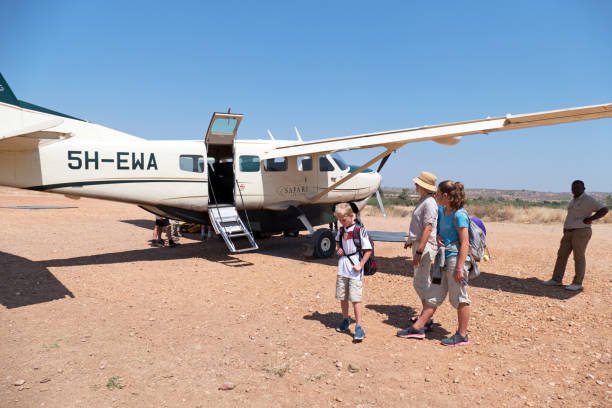
1-Day Serengeti Safari From Zanzibar By Flight: Cost & Itinerary 2026-2027
Is a 1-day Serengeti safari from Zanzibar feasible? Get the expert breakdown on the flight logistics, cost factors, and how to manage your expectations for this intense, one-day wildlife...
View package details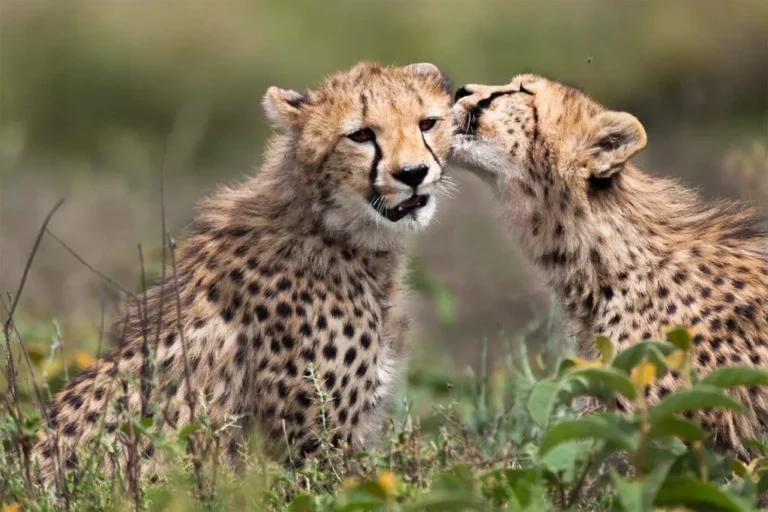
Nov 28, – 3 Day Fly-In Serengeti Group Safari From Zanzibar 2026
A detailed look at the 3-day fly-in Serengeti group safari departing November 28, 2026, including logistics, itinerary highlights, and travel tips for your Tanzania adventure.
View package detailsKilimanjaro Airport To Zanzibar Flights: Ticket Prices & Airlines 2026-2027
A practical guide to flying from Kilimanjaro International Airport (JRO) to Zanzibar, covering airline choices, baggage logistics for climbers, and how to book your connection.
View package details2-Day Serengeti Safari From Zanzibar By Flight: Price & Booking Guide
A practical guide to booking a 2-day Serengeti safari from Zanzibar by flight, covering itinerary logistics, cost considerations, and how to maximize your short time in the bush.
View package details2-Day Tarangire & Ngorongoro Safari From Zanzibar: Flight Package Cost 2026
A detailed guide on the logistics, cost factors, and itinerary realities for a 2-day fly-in safari from Zanzibar to Tarangire National Park and the Ngorongoro Crater.
View package details4-Day Serengeti Safari From Zanzibar With Return Flights: A Planning Guide
A deep look at planning a 4-day fly-in safari from Zanzibar to the Serengeti, covering flight logistics, itinerary structures, and the critical decisions needed for a successful 2026 or...
View package detailsZanzibar To Serengeti Safari By Flight: Prices & Packages 2026-2027
A practical guide to booking a Zanzibar to Serengeti safari by flight in 2027, covering route options, baggage logistics, and how to choose the right itinerary length.
View package details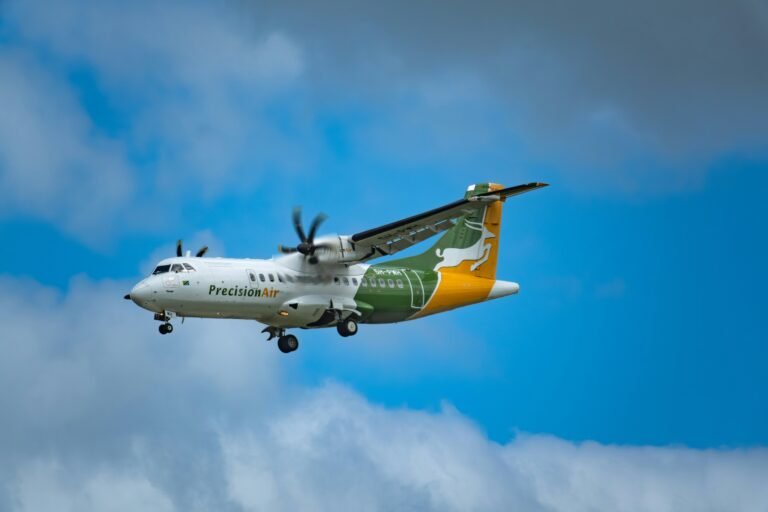
Zanzibar To Ngorongoro Crater: Flight And Road Transfer Costs ( Guide)
A detailed guide on navigating the logistical chain between Zanzibar and the Ngorongoro Crater, covering flight options, airport choices, and the cost variables involved.
View package detailsZanzibar To Ngorongoro Crater Safari By Flight: Price & Travel Options 2027
A deep look at the logistics, costs, and planning decisions required for flying from Zanzibar to start your Ngorongoro Crater Safari, designed for the experienced traveler.
View package detailsNo related package matches those filters. Clear one or more filters to see the other topic-matched options.