A combined Kilimanjaro climb, Tanzania safari, and Kenya Masai Mara itinerary typically spans 14-21 days, beginning with the trek up Kilimanjaro (5-9 days depending on route), followed by a 3-5 day safari in Tanzania’s northern parks (like Serengeti and Ngorongoro), and concluding with a 3-4 day safari in Kenya’s Masai Mara. This adventure offers a unique blend of high-altitude challenge and incredible wildlife viewing, with 2026 and 2027 bookings now open for tailored experiences.

Planning Your Ultimate East African Adventure: Kilimanjaro, Tanzania Safari, and Kenya Masai Mara
Combining a Kilimanjaro climb with a Tanzania safari and a Kenya Masai Mara extension is the quintessential East African experience. It’s a journey that tests your limits on Africa’s highest peak and then immerses you in some of the planet’s most spectacular wildlife landscapes. For many travelers, this is a special trip, and getting the itinerary right is crucial. This guide breaks down how to weave these incredible experiences together, offering practical advice for planning your 2026 or 2027 expedition.
We’ll look at the best ways to sequence your adventure, consider the optimal durations for each component, and highlight what makes each destination unique. Whether you’re aiming for the summit of Kilimanjaro, witnessing the Great Migration in the Serengeti, or tracking big cats in the Masai Mara, this article provides the details you need to craft an unforgettable journey.
Choosing Your Kilimanjaro Climb Route: The Foundation of Your Itinerary
The Kilimanjaro climb is often the most physically demanding part of your East African adventure, and selecting the right route is fundamental. The route dictates the duration, difficulty, scenery, and acclimatization profile, all of which impact your overall experience and success rate. For a combined Kilimanjaro climb Tanzania safari and Kenya Masai Mara itinerary, starting with Kilimanjaro makes logical sense, as it’s generally easier to fly out of Kilimanjaro International Airport (JRO) or Arusha Airport towards your safari destinations.
Here’s a comparison of the most popular routes, considering their suitability for travelers who will then start safaris:
Marangu Route (Coca-Cola Route)
- Duration: 5 or 6 days.
- Pros: Generally considered the easiest and most affordable. Offers comfortable hut accommodation, which is a significant comfort factor after days of trekking. It’s the only route with huts, others use camping.
- Cons: Lower success rate due to rapid ascent and poor acclimatization. Can be crowded. Scenery is less varied as you ascend and descend the same path.
- Suitability for Combined Trip: A good choice if time is very limited or comfort is a high priority. However, the lower success rate might be a gamble if reaching the summit is paramount before your safari.
Machame Route (Whiskey Route)
- Duration: 6 or 7 days.
- Pros: Very popular due to its scenic beauty and excellent acclimatization profile, leading to higher success rates. It uses a “climb high, sleep low” strategy effectively. Offers camping accommodation.
- Cons: Steeper sections, particularly the “Mawenzi Wall” scramble on the 7-day option, which can be challenging for some.
- Suitability for Combined Trip: Highly recommended for most travelers. The 7-day Machame route provides excellent acclimatization, significantly increasing summit chances and ensuring you’re in good physical condition for your subsequent safari. It’s a well-rounded option that balances challenge and reward.
Learn more about specific dates and group departures for the Machame Route for 2026-2027: Machame Route Kilimanjaro Group Departures.
Lemosho Route
- Duration: 7 or 8 days.
- Pros: Considered one of the most beautiful routes, offering stunning panoramic views and a remote trekking experience for the first few days. Excellent acclimatization profile, very high success rates.
- Cons: More expensive due to longer duration and remoteness.
- Suitability for Combined Trip: Ideal if you want the best chance of summiting and enjoy a more in-depth, less crowded trek. An 8-day Lemosho trek leaves you feeling strong and accomplished for the safari portion.
Northern Circuit Route
- Duration: 9 days.
- Pros: The longest route, offering the best acclimatization and thus the highest success rates. It circumnavigates the mountain, providing diverse scenery and a more relaxed pace.
- Cons: Most expensive due to its length. Requires the most time commitment.
- Suitability for Combined Trip: Perfect for those who want the absolute best chance of summiting and a truly comprehensive Kilimanjaro experience before their safari. If you have the time and budget, this is unparalleled.
Decision Point: For a balanced Kilimanjaro climb Tanzania safari and Kenya Masai Mara itinerary in 2026-2027, the 6 or 7-day Machame Route or the 7-day Lemosho Route are generally the top recommendations. They offer a superior acclimatization profile compared to shorter routes like Marangu, significantly boosting your chances of reaching Uhuru Peak while ensuring you have energy for your wildlife adventures.
Timing Your Kilimanjaro Climb: Best Seasons and Duration Considerations
Successful acclimatization is paramount on Kilimanjaro. Ascending too quickly is the primary reason for altitude sickness and summit failure. The duration of your climb is directly linked to acclimatization. Shorter climbs (5-6 days) are faster but riskier. Longer climbs (7-9 days) allow your body more time to adjust to the altitude, dramatically improving your chances of reaching the summit safely and enjoying the experience.
Key Acclimatization Principles:
- Go Pole Pole (Slowly Slowly): This Swahili phrase is the mantra on Kilimanjaro. A slower pace allows your body to produce more red blood cells to carry oxygen.
- Hydration: Drink at least 3-4 liters of water daily.
- Eat Well: Maintain your energy levels with regular, nutritious meals.
- Avoid Alcohol and Smoking: These hinder acclimatization.
- Listen to Your Body: Report any symptoms of altitude sickness to your guide immediately.
When planning your Kilimanjaro climb Tanzania safari and Kenya Masai Mara itinerary, consider that after a strenuous 6-9 day trek, you’ll likely want a day or two of rest and recovery before starting your safari. This allows your body to recover from the exertion and altitude, ensuring you can fully enjoy the wildlife viewing.
Kilimanjaro’s Best Climbing Seasons (2026-2027)
Kilimanjaro can be climbed year-round, but certain periods offer significantly better weather conditions:
- January to March: Generally dry and warm. Excellent visibility. This is a popular time.
- June to October: This is the longest dry season. Days are usually sunny and clear, with cooler temperatures. This period often aligns well with the Great Migration in the Serengeti, making it a prime time for a combined trip.
Avoid (if possible):
- April and May: The long rainy season. Heavy rainfall, especially at lower altitudes, can make trekking difficult and less enjoyable.
- November: The short rainy season. Intermittent showers are common, though usually not continuous.
For your 2026-2027 plans: Aiming for the dry seasons (June-October or January-March) will provide the most pleasant trekking conditions and clearer skies for photography on your Kilimanjaro climb, setting a positive tone for the rest of your adventure.
Designing Your Tanzania Safari: Parks and Experiences
After descending Kilimanjaro, a Tanzania safari offers a starkly beautiful contrast. Tanzania boasts some of Africa’s most iconic national parks, renowned for their abundant wildlife and dramatic landscapes. For a combined Kilimanjaro climb Tanzania safari and Kenya Masai Mara itinerary, focusing on the Northern Circuit parks is the most logistically sensible and rewarding choice.
Here are the must-visit parks and typical durations:
Serengeti National Park
- Duration: 2-4 days.
- Why Visit: Vast plains teeming with wildlife, famous for the Great Migration (wildebeest and zebra). Incredible predator sightings (lions, cheetahs, leopards).
- Highlights: Witnessing millions of wildebeest and zebras on the move, lion prides, cheetah hunts, diverse birdlife.
- Best for: Experiencing the sheer scale of African wildlife. The migration’s location varies seasonally, so timing is key for optimal viewing.
Ngorongoro Conservation Area (Ngorongoro Crater)
- Duration: 1 day (crater descent) or 1-2 days (including surrounding areas).
- Why Visit: A UNESCO World Heritage Site and a natural caldera, the Crater floor is a wildlife haven with an incredibly high density of animals, including the Big Five (lion, leopard, elephant, rhino, buffalo).
- Highlights: Excellent chances of spotting rhinos, large lion prides, hippos, and abundant birdlife within a relatively small area.
- Best for: Guaranteed Big Five sightings and a condensed, spectacular wildlife viewing experience.
Tarangire National Park
- Duration: 1-2 days.
- Why Visit: Known for its large elephant herds, baobab trees, and diverse birdlife. Particularly vibrant during the dry season (June-October) when animals congregate around the Tarangire River.
- Highlights: Observing elephants interacting, the unique landscape dominated by ancient baobabs.
- Best for: Elephant encounters and a different landscape compared to the Serengeti.
Lake Manyara National Park
- Duration: Half-day to 1 day.
- Why Visit: Famous for its tree-climbing lions (though sightings are not guaranteed), large troops of baboons, and diverse birdlife. Offers beautiful views over Lake Manyara.
- Highlights: Birdwatching, spotting hippos in the lake, and the elusive tree-climbing lions.
- Best for: A shorter safari stop, often visited en route to the Serengeti or Ngorongoro.
Typical Tanzania Safari Duration for a Combined Trip: Most travelers opt for a 3 to 5-day safari after Kilimanjaro. A common and highly effective itinerary would be:
- Day 1: Drive from Arusha to Tarangire National Park, afternoon game drive.
- Day 2: Full day game drive in Tarangire or drive to Serengeti, afternoon game drive.
- Day 3: Full day game drive in Serengeti.
- Day 4: Morning game drive in Serengeti, drive to Ngorongoro Conservation Area, descend into the Crater for afternoon game drive.
- Day 5: Morning activity in Ngorongoro (e.g., Maasai village visit) or drive back to Arusha.
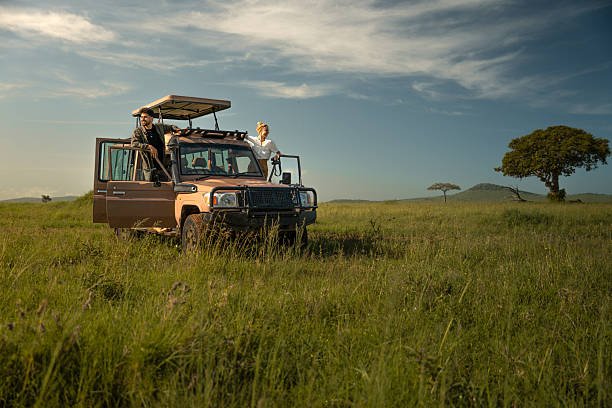
Logistics Note: Your safari vehicle (usually a 4×4 Land Cruiser) and driver-guide will be arranged. Accommodation can range from budget-friendly tented camps to luxury lodges.
Adding the Kenya Masai Mara: Wildlife Highlights and Timing
The Masai Mara National Reserve in Kenya is world-renowned for its spectacular wildlife density and is a natural extension to a Tanzania safari, especially if your trip is timed for the Great Migration. Crossing the border from Tanzania to Kenya (or vice versa) is common and adds immense value to your Kilimanjaro climb Tanzania safari and Kenya Masai Mara itinerary.
Why the Masai Mara?
- The Great Migration: From roughly July to October, the Mara hosts millions of wildebeest and zebras as they migrate from the Serengeti in search of greener pastures. The Mara River crossings during this period are a dramatic highlight.
- Predator Paradise: The Mara is one of the best places on Earth to see lions, cheetahs, and leopards in their natural habitat.
- Abundant Wildlife: Beyond the migration, the Mara has resident populations of all the Big Five, plus numerous other species like giraffes, zebras, hyenas, and diverse birdlife.
- Maasai Culture: The reserve is the ancestral home of the Maasai people, offering opportunities to visit a Maasai village and learn about their traditions.
Recommended Duration in Masai Mara: A minimum of 3 full days is recommended to truly appreciate the Mara. This allows for:
- Day 1: Arrive in the Masai Mara (often via light aircraft from a Tanzanian airstrip or by road from the border). Afternoon game drive.
- Day 2: Full day of game drives, potentially focusing on predator sightings or specific areas.
- Day 3: Morning game drive, perhaps including a visit to a Maasai village or a hot air balloon safari (an unforgettable, albeit expensive, experience). Depart in the afternoon.
Connecting Tanzania and Kenya:
- By Air: The most efficient way is to take a light aircraft flight from an airstrip in the Serengeti (e.g., Kogatende or Seronera) to the Masai Mara (e.g., Musiara or Ol Kiombo), or from Arusha/Kilimanjaro to the Mara. This saves significant travel time.
- By Road: It’s possible to drive from the Serengeti or Arusha to the border and then continue to the Masai Mara. This is more time-consuming and can be rougher, but it offers a more budget-friendly option and allows you to see more of the landscape. Ensure you have the correct border crossing arrangements and visa information.
For 2026-2027 travelers: If your primary goal is to witness the Great Migration river crossings, plan your trip for late July to September. For general abundant wildlife viewing, June to October is excellent, and even the shoulder months can offer great experiences with fewer crowds.
smooth Integration: Logistics and Travel Flow
Successfully combining a Kilimanjaro climb, Tanzania safari, and Kenya Masai Mara trip requires careful logistical planning. The sequence, travel methods, and timing between destinations are crucial for a smooth and enjoyable experience.
Logical Sequencing:
- Kilimanjaro Climb: Start with the climb. It’s often best to do this first while you are fresh and have the most energy. Descending from Kilimanjaro and having a day or two of rest in Arusha or Moshi is advisable before embarking on safaris.
- Tanzania Safari: Focus on the Northern Circuit parks (Serengeti, Ngorongoro, Tarangire, Manyara) as they are geographically close and well-connected.
- Kenya Masai Mara: This can be integrated either before or after the Tanzania safari, but doing it after the Tanzania safari often makes more sense logistically, especially if you are flying out of Nairobi.
Example Itinerary Flow (Approx. 18 Days):
- Days 1-7: Kilimanjaro Climb (e.g., 7-day Machame Route).
- Day 8: Descend Kilimanjaro, transfer to Arusha/Moshi, rest and recover.
- Day 9: Drive to Tarangire National Park, afternoon game drive.
- Day 10: Drive to Serengeti National Park, afternoon game drive.
- Day 11: Full day game drive in Serengeti.
- Day 12: Morning game drive in Serengeti, drive to Ngorongoro Conservation Area, descend into the Crater for game drive.
- Day 13: Drive to the Kenya border (e.g., Namanga) or fly from Serengeti to Masai Mara. Transfer to Masai Mara camp/lodge. Afternoon game drive.
- Day 14: Full day game drive in Masai Mara.
- Day 15: Full day game drive in Masai Mara.
- Day 16: Morning game drive, depart from Masai Mara (e.g., fly to Nairobi).
- Day 17: Nairobi exploration or departure.
- Day 18: International departure from Nairobi (NBO).
Travel Between Destinations:
- Arusha/Kilimanjaro to Safari Parks: Typically by private 4×4 safari vehicle with a driver-guide.
- Serengeti to Masai Mara: Can be done by road (long and potentially rough) or, more commonly, by light aircraft flight from a Serengeti airstrip (e.g., Kogatende for migration) to an airstrip in the Mara. This is highly recommended for saving time and comfort, especially if you’ve just finished a trek.
- Masai Mara to Nairobi: Usually by light aircraft flight to Wilson Airport in Nairobi, followed by a transfer. Road transfers are possible but very long.
Visas and Border Crossings: Ensure you have the correct visas for Tanzania and Kenya. For border crossings, especially by road, your tour operator will assist with the necessary arrangements.
Accommodation Styles: Choose accommodation that suits your budget and preference – from basic camping and mid-range lodges to luxury tented camps and hotels. For a Kilimanjaro climb Tanzania safari and Kenya Masai Mara itinerary, booking a package with a reputable operator like Climb 4 Africa simplifies these complex logistics immensely.
Best Time to Travel for This Combined Itinerary (2026-2027)
The optimal time for a combined Kilimanjaro climb Tanzania safari and Kenya Masai Mara itinerary hinges on balancing the best weather for climbing and the most spectacular wildlife viewing, particularly the Great Migration.
- June to October: This is arguably the best overall window.
- Kilimanjaro: These months fall within Kilimanjaro’s main dry season. Expect clear skies, good visibility, and cooler temperatures, making for excellent trekking conditions.
- Tanzania Safari: The Serengeti plains are vibrant, and the dry conditions mean animals congregate around water sources, making sightings easier.
- Masai Mara: This period coincides with the Great Migration, including the dramatic Mara River crossings (typically July to September). The Mara is teeming with wildebeest, zebras, and their predators.
Other Considerations for 2026-2027:
- January to March: Another excellent dry season for Kilimanjaro. Wildlife is abundant across Tanzania, though the Great Migration will be in the southern Serengeti or Ndutu area (Tanzania side), not the Mara River. This is a good option if witnessing the migration river crossings isn’t your top priority but you still want good climbing and safari conditions.
- Shoulder Seasons (e.g., late May, early November): Can offer fewer crowds and potentially lower prices, but you risk encountering some rain. Wildlife viewing is still good, but weather can be unpredictable.
Recommendation for 2026-2027: If witnessing the Great Migration river crossings is a highlight you dream of, aim for late July to September. For a balance of good weather on Kilimanjaro and excellent wildlife viewing across both countries, June, August, or September are fantastic choices.
Essential Packing and Preparation for Your Adventure
Packing for a trip that involves high-altitude trekking and varied safari environments requires careful consideration. You need gear for cold, wet conditions on the mountain and lighter, breathable clothing for the heat of the plains, plus specific items for wildlife viewing.
Kilimanjaro Gear Essentials:
- Clothing: Layering is key.
- Base Layers: Moisture-wicking thermal underwear (synthetic or merino wool).
- Mid Layers: Fleece jackets or down vests for insulation.
- Outer Layer: Waterproof and windproof jacket and trousers (Gore-Tex or similar).
- Headwear: Warm hat (beanie), sun hat with a brim, balaclava or neck gaiter.
- Handwear: Warm, waterproof gloves or mittens, liner gloves.
- Footwear: Broken-in hiking boots (waterproof), comfortable camp shoes or trainers.
- Socks: Wool or synthetic hiking socks (multiple pairs).
- Sleeping Bag: Rated for -10°C to -20°C (4-season bag).
- Trekking Poles: Essential for stability and reducing knee strain.
- Headlamp: With extra batteries.
- Sun Protection: High SPF sunscreen, lip balm, sunglasses.
- Personal Items: Water bottles/hydration reservoir (at least 3L capacity), personal first-aid kit, toiletries, hand sanitizer, wet wipes.
Safari Gear Essentials:
- Clothing: Neutral, earth-toned colors (khaki, beige, olive green) are best for safaris to blend in. Avoid bright colors.
- Lightweight Trousers and Shorts: For warmer days.
- T-shirts and Long-sleeved Shirts: Breathable fabrics. Long sleeves protect from sun and insects.
- Fleece or Light Jacket: For cooler evenings and early mornings.
- Comfortable Walking Shoes/Sandals: For around lodges/camps.
- Binoculars: Essential for wildlife viewing.
- Camera: With extra batteries and memory cards. Telephoto lens is highly recommended.
- Insect Repellent: Containing DEET or Picaridin.
- Hat: Wide-brimmed for sun protection.
General Travel Items:
- Passport and visas
- Travel insurance documents
- Money (USD is widely accepted for tips and some purchases, local currency for smaller items)
- Adapter for electronics
- Small backpack for day trips/hikes
- Medications (prescription and over-the-counter)
Preparation:
- Fitness: Begin a consistent fitness program focusing on cardiovascular endurance and leg strength at least 3-6 months before your trip. Hiking with a weighted backpack is highly recommended.
- Medical Advice: Consult your doctor about vaccinations (e.g., Yellow Fever may be required, Hepatitis A, Typhoid) and malaria prophylaxis.
- Travel Insurance: Ensure it covers high-altitude trekking and emergency evacuation.
Booking Your Kilimanjaro, Safari, and Masai Mara Adventure
Crafting a comprehensive Kilimanjaro climb Tanzania safari and Kenya Masai Mara itinerary involves complex logistics, and partnering with an experienced tour operator is highly recommended. A reputable company will handle permits, guides, porters, vehicles, accommodation, internal transfers, and ensure safety standards are met.
Why Choose a Local, Expert Operator for 2026-2027?
- Local Expertise: Operators like Climb 4 Africa have in-depth knowledge of Kilimanjaro routes, local park conditions, and the best safari guides. They understand the nuances of acclimatization, wildlife behavior, and cultural sensitivities.
- Safety First: Experienced operators prioritize safety with well-trained guides, proper equipment, and emergency protocols.
- Tailored Itineraries: They can customize your trip to your specific interests, budget, and time constraints, ensuring the perfect blend of trekking and wildlife viewing.
- Logistical Management: They handle all the intricate details, from park fees and permits to inter-country transfers, saving you immense stress and time.
- Value for Money: While not always the cheapest, they offer the best overall value by providing quality services, experienced staff, and a higher chance of a successful and enjoyable trip.
What to Look For When Booking:
- Operator Reputation: Check reviews on platforms like TripAdvisor.
- Inclusions: Clearly understand what is included (e.g., park fees, meals on the mountain, guides, porters, safari vehicle, accommodation) and what is excluded (e.g., international flights, visas, tips, personal gear).
- Guide Qualifications: Ensure guides are certified and experienced.
- Safety Standards: Inquire about emergency procedures and equipment.
- Sustainability Practices: Look for operators committed to responsible tourism.
Planning for 2026-2027: Popular dates, especially during the dry seasons and migration season, book up quickly. It’s advisable to start planning and booking 9-12 months in advance for 2026 and 2027 to secure your preferred dates and accommodations.
Ready to plan your dream Kilimanjaro climb Tanzania safari and Kenya Masai Mara itinerary? For personalized advice, custom itineraries, and expert guidance for your 2026-2027 adventure, reach out to the specialists at Climb 4 Africa. We’re passionate about creating unforgettable East African experiences.
Contact us today:
- WhatsApp: +255 747 477 898
- Email: climb4africa@gmail.com
Let Climb 4 Africa help you craft the perfect journey, blending the challenge of Kilimanjaro with the thrill of East African wildlife.
Check Availability for Kilimanjaro Climb Tanzania Safari & Kenya Masai Mara Itinerary: Expert Guide
Ready to compare dates, prices, and the best option for your group? Send the package name and travel month so the team can reply with a clear quote, availability, and what is included.
Afcon Tanzania Football Kilimanjaro And Safari Tour
AFCON 2027 Tanzania Football Kilimanjaro and Safari Tour.
View package details
Kilimanjaro Safari And Afcon Final Package
Kilimanjaro Safari and AFCON Final Package.
View package detailsAFCON 2027 Safari from Kilimanjaro Airport
Mwongozo wa kina wa AFCON 2027 Safari starting from Kilimanjaro Airport, ukiruhusu kupanga ratiba, usafiri, mapumziko ya kambi, na maeneo ya kuzunguka ili kuonyesha wanyama na mandhari ya...
View package details
Kilimanjaro to Nairobi AFCON Travel Package
Mpango wa safari wa Kilimanjaro hadi Nairobi kwa AFCON unaowezesha kushuhudia milima na miji miwili mikubwa ya Afrika pamoja na mechi za AFCON kwa njia salama na ya kipekee.
View package details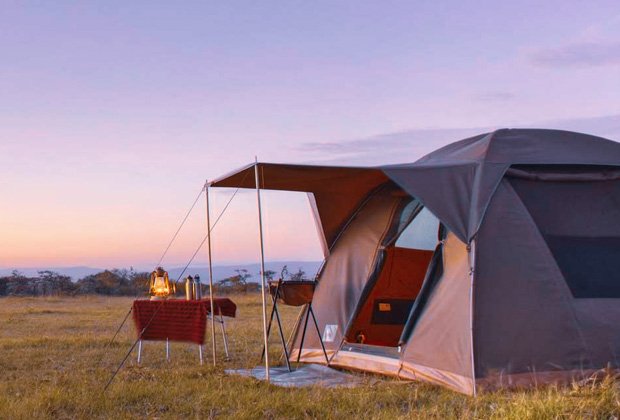
AFCON 2027 Safari from Moshi: Safari ya Afrika Mashariki kwa Mashabiki wa Soka
Safari ya kipekee ya AFCON 2027 inayochukua mji wa Moshi kuwa kituo cha kuanzia kwa mbuga ya wanyamapori na milima ya Kilimanjaro, ikijumuisha uhifadhi wa ndani na mwongozo wa kiusimamizi...
View package details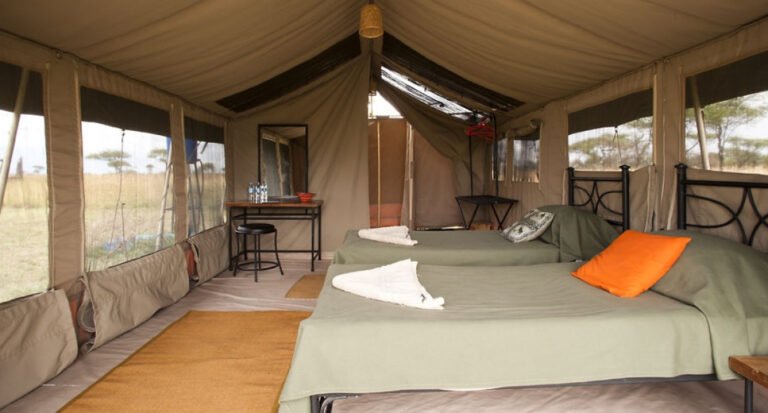
Afcon Kilimanjaro Ngorongoro And Zanzibar Holiday
AFCON 2027 Kilimanjaro Ngorongoro and Zanzibar Holiday.
View package details
Afcon Mount Kilimanjaro And Serengeti Package
AFCON 2027 Mount Kilimanjaro and Serengeti Package.
View package detailsAFCON 2027 Safari Packages from Tanzania
Hitaji la safari ya kundoka ili kufurahia AFCON 2027? Chagua kutoka kwa mikakati ya safari nchini Tanzania inayoambatana na wildlife, mbuga maarufu, na uwekaji wa huduma ya kimataifa ya...
View package detailsAFCON 2027 Mid Range Safari Packages Tanzania
Mwongozo wa safari ya kati ya AFCON 2027 Tanzania kutoka Climb 4 Africa: mipango ya njia, maeneo ya msitu wa serikali, na usalama wa wasafiri. Onyesha jinsi ya kuchagua kilima cha kati...
View package details
Kilimanjaroo Climb After AFCON 2027
Mwongozo wa kina wa kupanda Kilimanjaro baada ya AFCON 2027: njia zinazofaa, ratiba inayoakisi acclimatization, na vidokezo vya kupanga pamoja na namna ya kuwasiliana na Climb 4 Africa kwa...
View package details

No related package matches those filters. Clear one or more filters to see the other topic-matched options.