Combining a Kilimanjaro climb, Rwanda gorilla trekking, and a Serengeti safari offers an unparalleled East African adventure, typically requiring 18-25 days for 2026-2027 departures, depending on chosen routes and safari intensity. This epic journey blends challenging trekking with iconic wildlife encounters and the profound experience of seeing mountain gorillas in their natural habitat, with costs varying significantly based on accommodation, route, and inclusions, but generally ranging from $7,000 to $15,000+ per person for a comprehensive package. Planning involves coordinating logistics across three countries, securing permits, and selecting the best seasons for each activity to maximize your experience.
The Grand East African Triad: Kilimanjaro, Gorillas, and Serengeti
Embarking on a journey that encompasses the summit of Africa’s highest peak, Mount Kilimanjaro, the intimate encounter with mountain gorillas in Rwanda’s lush forests, and the boundless wildlife spectacles of Tanzania’s Serengeti National Park is the zenith of an East African adventure. This is not a typical holiday; it’s a carefully orchestrated expedition that combines physical challenge, profound wildlife encounters, and impressive landscapes. For travelers in 2026 and 2027 seeking an experience that is both exhilarating and deeply moving, this trifecta represents the pinnacle of what the continent offers. It requires meticulous planning to weave together three distinct, world-class experiences across two nations, ensuring smooth transitions and maximizing every moment of your precious travel time.
Each component offers a unique facet of Africa’s natural grandeur. Kilimanjaro tests your endurance and rewards you with panoramic views from the Roof of Africa. Rwanda’s Volcanoes National Park provides a rare, humbling opportunity to observe gorillas in their natural social structures, guided by expert trackers. And the Serengeti delivers the quintessential safari experience, a vast ecosystem teeming with iconic predators, migratory herds, and diverse birdlife. Successfully combining these requires an understanding of each destination’s specific demands, optimal travel times, and the logistical nuances of inter-country travel. This guide aims to provide a comprehensive roadmap for planning such an extraordinary expedition, drawing on practical expertise to help you navigate the complexities and create an unforgettable East African odyssey for 2026-2027.
Understanding the Core Components: Kilimanjaro, Rwanda Gorillas, Serengeti
To successfully plan a trip combining Kilimanjaro, Rwanda gorilla trekking, and a Serengeti safari, it’s crucial to understand what each element entails and how they differ in terms of physical demands, logistical requirements, and optimal timing. This isn’t a simple package tour; it’s a multi-faceted expedition.
Mount Kilimanjaro: The “Roof of Africa”
Climbing Kilimanjaro is a significant physical and mental undertaking. It’s a high-altitude trek, not a technical climb, meaning no ropes or specialized climbing gear are required for most routes. Success hinges on acclimatization, fitness, and proper preparation. The mountain’s elevation (5,895 meters / 19,341 feet) means altitude sickness is a primary concern, and choosing the right route with adequate acclimatization days is paramount. The most popular routes, such as Machame and Lemosho, offer better acclimatization profiles and are therefore recommended for a higher success rate. The climb typically takes 6 to 9 days, depending on the route chosen. The trekking season generally aligns with Tanzania’s dry seasons, from January to March and June to October, though these periods can also be the busiest and therefore more expensive for 2026-2027 bookings.
Rwanda Gorilla Trekking: An Intimate Wildlife Encounter
Gorilla trekking in Rwanda is centered around Volcanoes National Park, home to several habituated gorilla families. The experience involves a guided trek through dense rainforest, led by experienced trackers who locate the gorillas. The trek duration can vary from 30 minutes to several hours, depending on the gorillas’ movements. What makes this experience unique is the limited number of permits available daily (only 8 permits per gorilla family) to minimize the impact on the gorillas. This scarcity means permits must be booked well in advance, especially for peak seasons in 2026-2027. The permit cost is substantial, reflecting the conservation efforts and the exclusive nature of the encounter. The trek itself can be physically demanding, requiring a moderate level of fitness due to the steep, muddy terrain and altitude.
Serengeti Safari: The Great Wildlife Spectacle
The Serengeti National Park in Tanzania is synonymous with African wildlife. It’s famous for its vast plains, dramatic predator-prey interactions, and the Great Migration, where millions of wildebeest, zebras, and gazelles traverse the ecosystem in search of fresh pastures. A safari here involves game drives in specialized 4×4 vehicles, often with pop-up roofs for optimal viewing. The experience is less physically demanding than climbing Kilimanjaro or trekking for gorillas, but it requires patience and knowledge of animal behavior to witness the best sightings. The timing of a Serengeti safari is often dictated by the Great Migration, which moves throughout the year, with different areas offering unique viewing opportunities. For instance, the calving season (December-March) is in the southern Serengeti, while the river crossings (July-October) are typically in the western or northern Serengeti.
Understanding these distinct components is the first step towards integrating them into a cohesive and rewarding travel plan for your 2026-2027 adventure.
Why Combine Kilimanjaro, Rwanda Gorilla Trekking, and Serengeti Safari?
The appeal of combining these three iconic East African experiences lies in their complementary nature, offering a multifaceted exploration of the continent’s natural wonders and cultural richness. It’s about experiencing Africa at its most profound and diverse, from conquering a mountain to observing primates and witnessing vast wildlife herds.
- Ultimate Diversity: This combination covers three vastly different yet equally spectacular environments. You’ll experience the alpine desert of Kilimanjaro, the dense, mist-shrouded montane forests of Rwanda, and the sprawling savanna of the Serengeti. This offers an unparalleled breadth of natural beauty and ecological systems.
- Iconic Encounters: Each element is a bucket-list item in itself. Kilimanjaro is a global trekking landmark. Mountain gorillas are among the most endangered and charismatic primates on Earth. The Serengeti hosts one of the planet’s most astonishing wildlife events, the Great Migration. Combining them ensures you tick off multiple ‘special’ experiences in a single trip.
- Conservation Impact: By choosing to trek for gorillas in Rwanda and safari in the Serengeti, you are directly contributing to vital conservation efforts. The revenue from permits and park fees in both countries supports anti-poaching initiatives, habitat protection, and community development programs. Your travel becomes a force for good.
- Logistical Synergy: While requiring planning, these destinations are relatively well-connected within East Africa, particularly through hubs like Nairobi (Kenya) and Kilimanjaro International Airport (Tanzania). Many operators specialize in multi-country East African itineraries, making the logistics manageable when booked through an expert.
- Personal Achievement and Reflection: The physical challenge of Kilimanjaro, the emotional connection formed with gorillas, and the awe inspired by the Serengeti’s wildlife provide a profound personal journey. It’s a trip that offers not just sights, but also growth, perspective, and lasting memories.
For travelers planning for 2026-2027, this combination offers a comprehensive and deeply rewarding exploration of East Africa’s natural heritage, providing a rich mix of experiences that few other itineraries can match.
Crafting Your Ideal Itinerary: Duration, Flow, and Logistics for 2026-2027
Designing an itinerary that seamlessly integrates a Kilimanjaro climb, Rwanda gorilla trekking, and a Serengeti safari requires careful consideration of timing, travel days, and the order of activities. The goal is to maximize your experience while minimizing travel fatigue and ensuring you arrive at each destination at the optimal time. For 2026-2027, a typical trip duration ranges from 18 to 25 days.
Recommended Itinerary Flow:
A common and logical flow often starts with the Serengeti safari, moves to Kilimanjaro, and concludes with gorilla trekking in Rwanda. This order can vary, but it often works well logistically and physically.
- Serengeti Safari (Days 1-5/7): Begin your adventure with a safari in the Serengeti and potentially the Ngorongoro Crater. This allows you to acclimatize to the region and its wildlife without immediate physical exertion. You’ll fly into Kilimanjaro International Airport (JRO) and take a short flight or drive to your safari starting point.
- Kilimanjaro Climb (Days 6-14/16): After your safari, you’ll transition to Moshi or Arusha, the gateway towns for Kilimanjaro. You’ll undergo a pre-climb briefing and preparation before commencing your 6-9 day trek. This sequence allows you to recover from the climb before the next leg.
- Transition to Rwanda (Day 15/17): Following your descent from Kilimanjaro and a day or two of rest and recovery in Arusha, you will fly from Kilimanjaro International Airport (JRO) to Kigali, Rwanda. This flight typically connects through Nairobi or Addis Ababa and takes several hours.
- Gorilla Trekking in Rwanda (Days 16/18 – 19/21): Upon arrival in Kigali, you’ll spend a night before driving to Volcanoes National Park in Musanze. You’ll then undertake your gorilla trek, possibly combining it with a visit to the Dian Fossey research center or a golden monkey trek. This is often followed by a return to Kigali for your departure.
Alternative Flows:
- Kilimanjaro First: Some prefer to tackle the mountain climb first. This requires good fitness upon arrival and a strong recovery plan afterward before proceeding to other activities.
- Gorillas First: Starting with gorillas in Rwanda and then flying to Tanzania for the Serengeti and Kilimanjaro is also feasible, especially if prioritizing the gorilla permit availability at specific dates in 2026 or 2027.
Key Logistical Considerations for 2026-2027:
- Permit Availability: Gorilla permits in Rwanda are highly sought after and must be booked months, if not a year, in advance for prime dates in 2026-2027. Kilimanjaro park fees and guide availability also need early confirmation.
- Internal Flights: Flights between Kilimanjaro (JRO), Kigali (KGL), and safari airstrips are critical. Booking these in advance is essential, especially during peak seasons.
- Visas and Vaccinations: Ensure you have the necessary visas for Tanzania and Rwanda and consult your doctor about recommended vaccinations and malaria prophylaxis well before your departure.
- Pace and Recovery: Build in rest days. Descending Kilimanjaro is taxing, and the transition to a gorilla trek or safari requires time to adjust. Rushing can detract from the experience.
The exact duration will depend on the Kilimanjaro route chosen (6-9 days), the length of your Serengeti safari (3-5 days is common), and whether you add other activities like the Ngorongoro Crater, Lake Manyara, or chimpanzee trekking. A 20-day itinerary might look like: 4 days Serengeti, 1 day travel/prep for Kili, 7 days Kili climb, 1 day rest, 1 day travel to Rwanda, 1 day gorilla trek, 1 day travel home. Adjustments for 2026-2027 departures should be made based on permit availability and your personal preferences for pace.
Kilimanjaro Climb: Routes, Seasons, and Preparation
Mount Kilimanjaro presents a variety of routes, each with its own challenges, scenery, and acclimatization profiles. Choosing the right route is fundamental to your Kilimanjaro climb experience, especially when integrated into a larger East African itinerary for 2026-2027.
Popular Kilimanjaro Routes and Their Suitability:
- Machame Route (7 days): Known as the ‘Whiskey Route’, it’s popular for its scenic beauty and excellent acclimatization profile, offering a good balance of ascent and descent for higher success rates. It’s generally considered more challenging than Marangu but offers better camping experiences.
- Lemosho Route (7-8 days): Highly recommended for its stunning scenery and superior acclimatization, leading to higher success rates. It starts in the west and offers a more remote and wild feel before merging with the Machame route. The 8-day version provides an extra acclimatization day.
- Marangu Route (5-6 days): The ‘Coca-Cola Route’, it’s the oldest and most direct. It’s the only route offering dormitory-style accommodation in huts rather than camping. However, its steeper ascent profile means poorer acclimatization and lower success rates, making it less ideal for those combining it with other demanding activities.
- Northern Circuit (9 days): The longest route, offering the best acclimatization and highest success rates. It circles the mountain, providing varied and spectacular views, and is ideal for those who want a more relaxed pace and a greater chance of reaching the summit.
For a combined Kilimanjaro climb, Rwanda gorilla trekking, and Serengeti safari in 2026-2027, the Lemosho or Machame 7-day routes are often the best compromise between time, scenery, and success rate. The 8-day Lemosho or the 9-day Northern Circuit offer superior acclimatization but add valuable days to an already extensive itinerary.
Best Seasons for Climbing Kilimanjaro:
The dry seasons are considered the best times to climb Kilimanjaro, offering clearer skies and less rainfall. These periods are:
- January to March: Generally clear, dry, and colder. Good for those who prefer colder conditions and fewer crowds.
- June to October: The longest dry season, with moderate temperatures and clear skies. This is peak season, meaning more climbers and potentially higher costs for 2026-2027 departures.
The shoulder months (April-May and November-December) can be unpredictable with rain, though they offer fewer crowds and lower prices.
Preparation for Your Kilimanjaro Climb:
Physical fitness is crucial. Focus on cardiovascular exercises like hiking, running, and cycling in the months leading up to your climb. Strength training for your legs and core is also beneficial. Mental preparation is equally important; understand the challenges of altitude and be prepared for long trekking days. For 2026-2027 expeditions, start your training at least 3-6 months in advance. Ensure you have appropriate gear: high-quality hiking boots, warm layers, waterproofs, a good sleeping bag, and a daypack. Your tour operator will provide a detailed packing list.
Key Kilimanjaro Considerations:
- Acclimatization is King: The longer the route, the better the acclimatization and the higher the success rate.
- Pace Yourself: “Pole pole” (slowly, slowly) is the mantra on Kilimanjaro.
- Hydration and Nutrition: Drink plenty of water and eat well to maintain energy levels.
- Professional Guides: Choose an operator with experienced, certified guides who prioritize safety.
Rwanda Gorilla Trekking: Permits, Parks, and Etiquette
Gorilla trekking in Rwanda offers an unparalleled opportunity to witness mountain gorillas in their natural, biodiverse habitat. It’s a highlight for many travelers planning an East African adventure for 2026-2027.
Volcanoes National Park: The Premier Location
Located in northwestern Rwanda, Volcanoes National Park is part of the Virunga Massif, a range of volcanoes that also spans Uganda and the Democratic Republic of Congo. Rwanda is renowned for its well-organized and accessible gorilla trekking experience, often considered more luxurious and logistically smoother than other locations. The park is home to several habituated gorilla families, each offering a unique trekking experience.
Securing Your Gorilla Permit: The Critical Step
A gorilla permit is mandatory for every visitor and allows for one hour of observation with a habituated gorilla family. Permits cost $1,500 per person for foreign non-residents, a price that has remained consistent but is subject to change for future years. Due to the limited number of permits (8 per group per day) and high demand, especially for prime dates in 2026-2027, booking well in advance is absolutely essential. It is recommended to book 6-12 months ahead, or even earlier for peak seasons. Permits are non-refundable and non-transferable once purchased, though under specific medical circumstances, extensions or refunds might be considered by the Rwanda Development Board (RDB).
The Gorilla Trekking Experience:
On the day of your trek, you’ll report to the park headquarters in Kinigi for a briefing on gorilla trekking rules and regulations. You’ll then be assigned to a specific gorilla family based on your preferences (if possible) and fitness level. Porters are available for hire at the park entrance to help carry your backpack and provide assistance on the trail, which can be invaluable on steep, slippery terrain. The trek can last anywhere from 30 minutes to several hours, navigating through dense forest and often up steep inclines. Once the gorillas are located, you will spend one hour observing them, maintaining a respectful distance while trackers and guides ensure your safety and the gorillas’ well-being.
Gorilla Trekking Etiquette and Rules:
Adhering to strict rules is paramount to protect the gorillas and ensure a positive experience:
- Maintain Distance: Stay at least 7 meters (20 feet) away from the gorillas.
- No Flash Photography: The flash can disturb the gorillas.
- Keep Voices Low: Avoid startling the gorillas.
- No Eating or Drinking: Do not eat, drink, or smoke near the gorillas.
- Limit Group Size: Maximum 8 visitors per gorilla group.
- No Touching: Never attempt to touch a gorilla.
- Limit Visits: A maximum of one hour is permitted with the gorillas per visit.
- Sickness: If you have a cold or other contagious illness, you may be asked not to trek.
Combining this with other activities in Rwanda, such as visiting the Genocide Memorial in Kigali or trekking for Golden Monkeys, can enrich your experience. For 2026-2027, booking your permits through a reputable operator like Climb 4 Africa is highly recommended to navigate the process smoothly.
Serengeti Safari: Wildlife, Migration, and Best Viewing Times
The Serengeti National Park is the jewel in Tanzania’s crown and a must-visit for any wildlife enthusiast. Its vastness and abundant wildlife make it a cornerstone of any East African safari, especially when combined with Kilimanjaro and gorilla trekking.
The Serengeti Ecosystem: A Wildlife Haven
Spanning over 14,750 square kilometers, the Serengeti is home to an astonishing array of wildlife, including the Big Five (lion, leopard, elephant, rhino, buffalo), cheetahs, giraffes, hippos, crocodiles, and over 500 species of birds. The park’s diverse habitats, from open grasslands and acacia woodlands to riverine forests, support this incredible biodiversity.
The Great Migration: A Natural Wonder
The Serengeti is most famous for the Great Migration, a continuous movement of over 1.5 million wildebeest, 200,000 zebras, and 400,000 gazelles. This epic journey is driven by the search for greener pastures and water, following the rains. Witnessing the migration is a highlight for many, but its location varies throughout the year.
Best Times to Visit for Wildlife Viewing (2026-2027):
The optimal time to visit the Serengeti depends on what you wish to see:
- December to March (Calving Season): The herds are concentrated in the southern Serengeti and Ndutu plains, where millions of wildebeest give birth. This is a prime time for predator action as lions, cheetahs, and hyenas take advantage of the vulnerable newborns. The weather is warm and generally dry.
- April to May (Green Season): This is the ‘long rains’ period. While game viewing is still possible, many lodges and camps close or operate with reduced services. The landscape is lush and green, and crowds are minimal.
- June to October (Dry Season & River Crossings): As the dry season progresses, the herds move north and west. This period is famous for the dramatic river crossings of the Grumeti and Mara rivers, where wildebeest and zebras brave crocodile-infested waters. This is peak season, often coinciding with the best time for Kilimanjaro climbs as well, making it a busy time for 2026-2027 bookings.
- November (Short Rains): A brief period of rain, after which the herds begin to move back towards the southern plains.
For a combined trip including a Kilimanjaro climb, aiming for the dry seasons (June-October) often works well as they are favorable for both activities. However, this also means higher demand and prices. If the primary goal is witnessing the migration river crossings, timing your safari for July-September is crucial.
Safari Experience in the Serengeti:
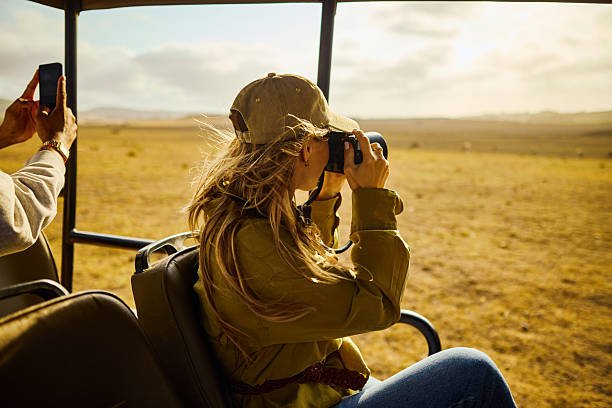
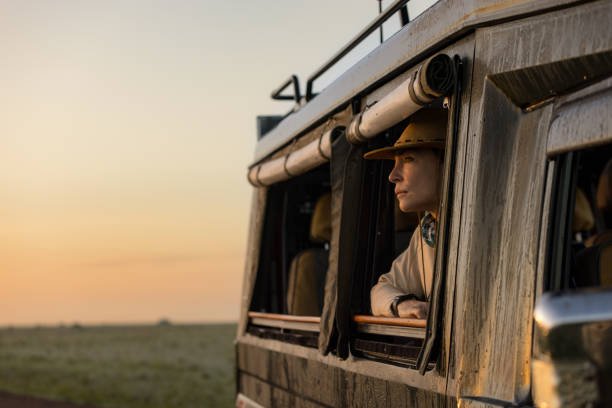
Safaris are typically conducted in open-top 4×4 safari vehicles, allowing for unobstructed views and photography. Game drives can be full-day affairs or split into morning and afternoon sessions. Many lodges offer unique experiences like hot air balloon safaris at sunrise, walking safaris (in designated areas), and cultural visits to Maasai villages. For 2026-2027, consider staying in different regions of the Serengeti to experience its diverse wildlife concentrations throughout the year.
Serengeti Safari Checklist:
- Binoculars: Essential for spotting distant wildlife.
- Camera with Zoom Lens: To capture close-ups.
- Sun Protection: Hat, sunglasses, sunscreen.
- Insect Repellent: Especially for evenings.
- Lightweight Clothing: Neutral colors are best.
Logistics and Travel Between Destinations
smooth travel between Kilimanjaro, Rwanda, and the Serengeti is crucial for a stress-free combined adventure in 2026-2027. This involves understanding flight routes, visa requirements, and ground transportation.
International Flights:
Most international travelers will fly into Kilimanjaro International Airport (JRO) in Tanzania. Some may also fly into Julius Nyerere International Airport (DAR) in Dar es Salaam, requiring an internal flight to Arusha or Kilimanjaro. For Rwanda, the primary international gateway is Kigali International Airport (KGL).
Inter-Country Travel:
Tanzania to Rwanda:
The most efficient way to travel between Tanzania and Rwanda is by air. You will typically fly from Kilimanjaro International Airport (JRO) to Kigali International Airport (KGL). These flights usually involve a stopover in Nairobi (Kenya) or Addis Ababa (Ethiopia) and can take anywhere from 4 to 8 hours depending on the layover duration. Booking these flights in advance is essential for 2026-2027 travel dates.
Within Tanzania (Serengeti & Kilimanjaro):
Serengeti to Kilimanjaro: After your safari, you’ll usually take a light aircraft flight from an airstrip in the Serengeti (e.g., Seronera) back to Arusha Airport (ARK) or Kilimanjaro International Airport (JRO). This significantly cuts down travel time compared to driving.
Arusha/JRO to Moshi: Moshi is the main town for Kilimanjaro climbs. It’s a short drive (about 1-1.5 hours) from Arusha and a bit longer from JRO (about 2-2.5 hours).
Visas:
- Tanzania Visa: Most nationalities can obtain a tourist visa on arrival at JRO or apply online in advance. Check the latest requirements for your nationality.
- Rwanda Visa: Visas can also be obtained on arrival for many nationalities, or pre-arranged online. East African Tourist Visas may be an option if you plan to visit other East African countries.
It is crucial to verify the most current visa requirements for both Tanzania and Rwanda for your 2026-2027 travel plans, as regulations can change.
Ground Transportation:
- Safari Vehicles: In the Serengeti, you’ll use specialized 4×4 safari vehicles with experienced driver-guides.
- Kilimanjaro Transfers: Operators provide transfers from JRO/Arusha to Moshi, and transport to the mountain’s starting point.
- Rwanda Transfers: Upon arrival in Kigali, you’ll typically be transferred to your hotel. The drive to Volcanoes National Park (Musanze) is about 2-3 hours.
Working with an experienced tour operator like Climb 4 Africa simplifies these logistical complexities, ensuring all transfers, internal flights, and connections are coordinated effectively for your 2026-2027 adventure.
Budgeting for Your Kilimanjaro, Gorilla Trek, and Serengeti Adventure
Combining these three incredible experiences represents a significant investment, and understanding the cost components is vital for planning your 2026-2027 trip. Prices can vary widely based on the level of accommodation, route choice, group size, and operator.
Estimated Cost Breakdown (Per Person):
| Component | Estimated Cost Range (USD) | Notes |
|---|---|---|
| Kilimanjaro Climb (7-day route) | $2,000 – $4,500+ | Includes park fees, guide/porter wages, food, camping equipment, transfers. Longer routes or luxury services increase cost. |
| Rwanda Gorilla Permit | $1,500 | Mandatory per person, fixed by the government. Booked well in advance for 2026-2027. |
| Serengeti Safari (4-5 days) | $1,500 – $4,000+ | Includes park fees, accommodation (mid-range to luxury lodges/tented camps), vehicle, guide, meals. Ngorongoro Crater fees are additional. |
| Internal Flights | $500 – $1,000 | JRO to Serengeti airstrip, Serengeti to Arusha/JRO, JRO to KGL. |
| Visas & Vaccinations | $100 – $300 | Varies by nationality and health advice. |
| Tips & Personal Expenses | $500 – $1,000+ | Tips for guides, porters, drivers; souvenirs, drinks, optional activities. |
| International Flights | $1,000 – $2,500+ | Highly variable based on origin, booking time, and class. |
| Total Estimated Range (excluding international flights) | $6,100 – $13,300+ | This is a broad estimate for a mid-range to upper-mid-range experience. |
Factors Influencing Cost:
- Operator Choice: Reputable operators with excellent safety records and experienced staff often command higher prices but offer better value and peace of mind. Climb 4 Africa focuses on providing high-quality, locally-supported experiences.
- Accommodation Level: From basic camping on Kilimanjaro to luxury lodges in the Serengeti, your choice significantly impacts the budget.
- Kilimanjaro Route: Longer routes with better acclimatization (e.g., Lemosho, Northern Circuit) are generally more expensive due to more days and staff.
- Safari Duration and Style: More days on safari and exclusive lodges increase costs. Private safaris are more expensive than group departures.
- Time of Year: Peak seasons (dry months for Kilimanjaro, July-October for Serengeti migration) are typically more expensive for 2026-2027 travel.
Saving Money:
- Travel in Shoulder Seasons: Consider the fringes of the main seasons for potential savings.
- Join a Group Departure: Shared costs can reduce the per-person price for safaris. Climb 4 Africa offers group departures for Kilimanjaro and safaris.
- Book in Advance: Early booking can sometimes secure better rates, especially for flights and permits.
When budgeting for 2026-2027, it’s wise to add a contingency of 10-15% for unexpected expenses or personal purchases.
Health and Safety Considerations
Traveling in East Africa involves specific health and safety considerations that require careful planning to ensure a safe and enjoyable experience, especially when undertaking demanding activities like climbing Kilimanjaro and trekking for gorillas.
Altitude Sickness (AMS) on Kilimanjaro:
This is the most significant health risk on Kilimanjaro. Symptoms can range from headaches and nausea to severe pulmonary or cerebral edema. Prevention is key:
- Choose a longer route: Routes like Lemosho or Northern Circuit offer better acclimatization.
- Ascend slowly: The mantra “pole pole” (slowly, slowly) is vital.
- Stay hydrated: Drink plenty of water.
- Avoid alcohol and smoking: These can exacerbate altitude effects.
- Inform your guide: Report any symptoms immediately.
Your guides are trained to manage altitude sickness, and timely descent is the most effective treatment.
Malaria Prevention:
Malaria is present in Tanzania and Rwanda, particularly at lower altitudes. Consult your doctor about appropriate anti-malarial medication for your trip in 2026-2027. Use insect repellent containing DEET, especially during dawn and dusk, and wear long sleeves and trousers.
Vaccinations and Health Advice:
Consult your doctor or a travel clinic 4-6 weeks before your trip for recommended vaccinations and health advice. Common recommendations include:
- Yellow Fever: Required for entry into some countries and often recommended for Rwanda.
- Hepatitis A and B
- Typhoid
- Tetanus/Diphtheria
- Rabies (consider if spending extensive time in rural areas)
A COVID-19 vaccination and testing may still be required depending on travel policies in 2026-2027.
Safety on Safari and Trekking:
- Kilimanjaro Guides: Always follow your guide’s instructions. They are experienced professionals prioritizing your safety.
- Gorilla Trekking: Maintain the recommended distance from gorillas and follow all park rules.
- Safari Drivers: Stay inside your vehicle during game drives unless instructed otherwise by your guide. Never feed wild animals.
- General Safety: Be aware of your surroundings, especially in towns and cities. Secure your valuables.
Travel Insurance:
Comprehensive travel insurance is non-negotiable. It should cover trip cancellation, medical emergencies (including high-altitude evacuation), lost luggage, and personal liability. Ensure your policy covers trekking at high altitudes and potentially remote medical evacuation.
Proper preparation and adherence to safety guidelines will significantly enhance your experience and ensure a healthy adventure for your 2026-2027 journey.
Booking Your Ultimate East Africa Trip with Climb 4 Africa
Planning a complex, multi-destination trip like a Kilimanjaro climb, Rwanda gorilla trek, and Serengeti safari requires expertise and local knowledge. Climb 4 Africa specializes in crafting these incredible East African journeys, ensuring a smooth and unforgettable experience for your 2026-2027 adventure.
Why Choose Climb 4 Africa?
- Local Expertise: As a Tanzanian-based company, we have an intimate understanding of the destinations, logistics, and best practices on the ground.
- Tailor-Made Itineraries: We don’t offer one-size-fits-all packages. We work with you to design an itinerary that perfectly matches your interests, budget, and available time, integrating Kilimanjaro, Rwanda, and the Serengeti with precision.
- Safety First: Your safety is our top priority. We partner with certified guides, use well-maintained equipment, and adhere to strict safety protocols, especially on Kilimanjaro and during wildlife encounters.
- Responsible Tourism: We are committed to sustainable and responsible travel practices that benefit local communities and support conservation efforts.
- Comprehensive Support: From initial planning and visa advice to on-the-ground logistics and post-trip follow-up, we provide dedicated support throughout your journey.
Next Steps for Your 2026-2027 Expedition:
To begin planning your Kilimanjaro climb, Rwanda gorilla trekking, and Serengeti safari, we recommend the following:
- Contact Us: Reach out to our team to discuss your dream trip. Provide your preferred travel dates for 2026 or 2027, the approximate duration you have in mind, and any specific interests (e.g., specific Kilimanjaro route, migration focus for safari).
- Consultation: We will schedule a consultation to understand your requirements and provide initial itinerary suggestions and budget estimates.
- Itinerary Design: Based on your feedback, we will develop a detailed, tailor-made itinerary, including daily activities, accommodation options, and a clear breakdown of costs.
- Booking and Confirmation: Once you approve the itinerary, we will proceed with booking permits (especially crucial for gorillas), internal flights, accommodation, and ground arrangements. Early booking is essential for 2026-2027 dates.
Let us help you create the ultimate East African adventure, combining the best of Kilimanjaro’s heights, Rwanda’s primate encounters, and the Serengeti’s wildlife wonders. Your extraordinary journey awaits.
For personalized planning and inquiries regarding your 2026-2027 Kilimanjaro climb, Rwanda gorilla trekking, and Serengeti safari, please feel free to connect with us:
WhatsApp: +255 747 477 898
Email: climb4africa@gmail.com
Website: Climb 4 Africa
Check Availability for Kilimanjaro Climb, Rwanda Gorilla Trekking & Serengeti Safari: The Ultimate
Ready to compare dates, prices, and the best option for your group? Send the package name and travel month so the team can reply with a clear quote, availability, and what is included.

Afcon Mount Kilimanjaro And Serengeti Package
AFCON 2027 Mount Kilimanjaro and Serengeti Package.
View package details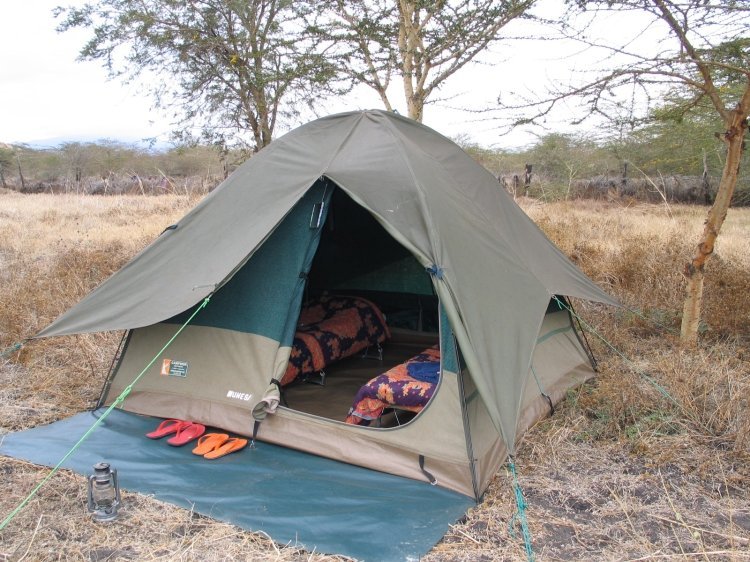
Three Day Serengeti Safari During AFCON 2027
Mwongozo wa kiutendaji kwa safari ya siku tatu ya Serengeti wakati AFCON 2027, ukijumuisha mwelekeo wa maeneo, ratiba ya siku, na ushauri wa ubashiri wa kupanga pamoja na jinsi ya...
View package details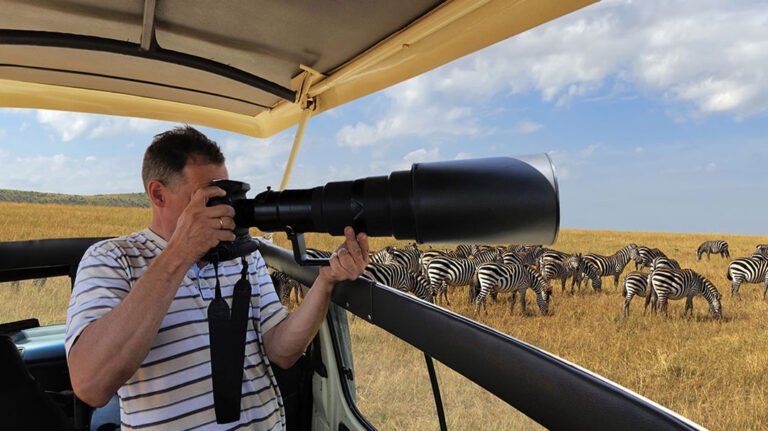
Kilimanjaro Safari And Afcon Final Package
Kilimanjaro Safari and AFCON Final Package.
View package detailsAfcon Tanzania Football Kilimanjaro And Safari Tour
AFCON 2027 Tanzania Football Kilimanjaro and Safari Tour.
View package detailsAFCON 2027 Safari from Kilimanjaro Airport
Mwongozo wa kina wa AFCON 2027 Safari starting from Kilimanjaro Airport, ukiruhusu kupanga ratiba, usafiri, mapumziko ya kambi, na maeneo ya kuzunguka ili kuonyesha wanyama na mandhari ya...
View package details
Kilimanjaro to Nairobi AFCON Travel Package
Mpango wa safari wa Kilimanjaro hadi Nairobi kwa AFCON unaowezesha kushuhudia milima na miji miwili mikubwa ya Afrika pamoja na mechi za AFCON kwa njia salama na ya kipekee.
View package details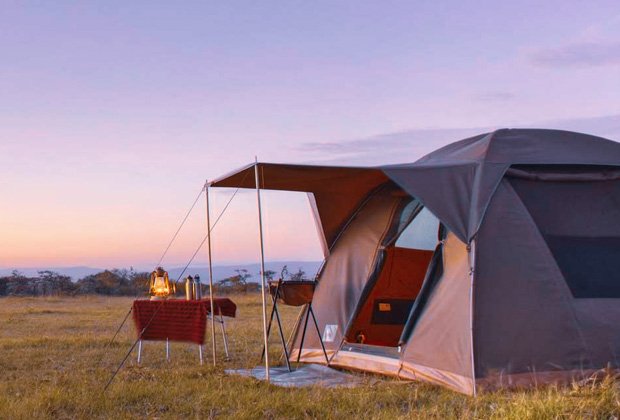
AFCON 2027 Safari from Moshi: Safari ya Afrika Mashariki kwa Mashabiki wa Soka
Safari ya kipekee ya AFCON 2027 inayochukua mji wa Moshi kuwa kituo cha kuanzia kwa mbuga ya wanyamapori na milima ya Kilimanjaro, ikijumuisha uhifadhi wa ndani na mwongozo wa kiusimamizi...
View package details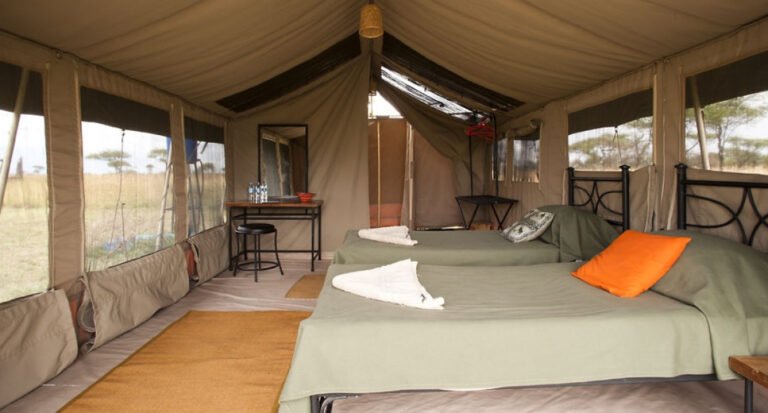
Afcon Kilimanjaro Ngorongoro And Zanzibar Holiday
AFCON 2027 Kilimanjaro Ngorongoro and Zanzibar Holiday.
View package details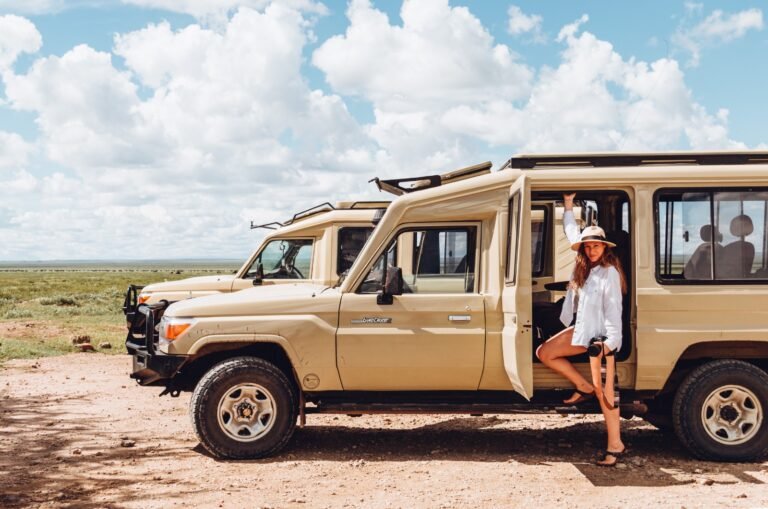
Afcon Private Serengeti Safari With Lodges
AFCON 2027 Private Serengeti Safari with Lodges.
View package detailsAfcon Luxury Serengeti Safari Packages
AFCON 2027 Luxury Serengeti Safari Packages.
View package details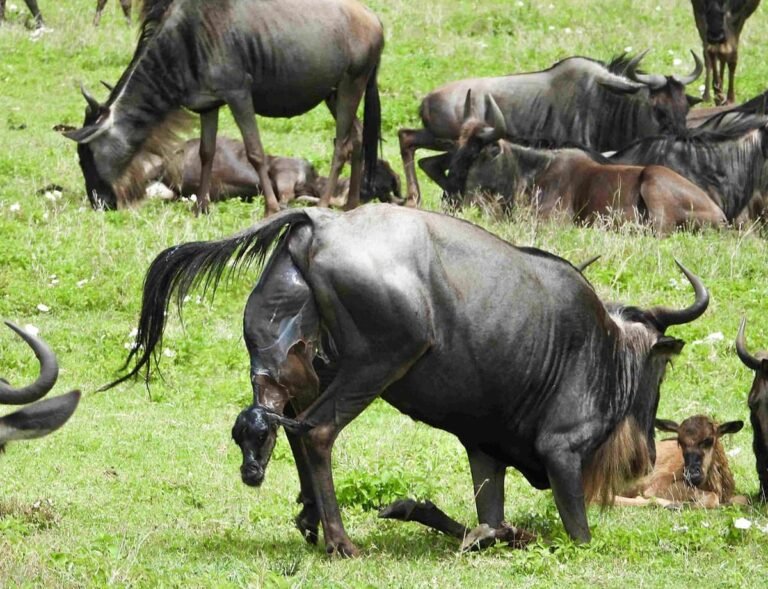
Serengeti Great Migration Safari During AFCON 2027
Mwongozo wa kina kwa safari ya Serengeti Great Migration wakati wa AFCON 2027, ukilenga kuelewa maeneo, kipindi cha mwendo wa mnyama, na mapendekezo ya mipango ya kiutendaji.
View package detailsFour Day Serengeti na Ngorongoro Safari During AFCON 2027
Mwongozo wa safari ya siku 4 kwenye Serengeti na Ngorongoro wakati AFCON 2027; jinsi ya kupanga, nini cha kujali, na jinsi ya kuandaa,”
View package detailsNo related package matches those filters. Clear one or more filters to see the other topic-matched options.