Flights from Windhoek to Tanzania for a Serengeti safari typically involve flying from Hosea Kutako International Airport (WDH) near Windhoek to Kilimanjaro International Airport (JRO) or potentially Zanzibar (ZNZ), often with at least one stopover in a major African or Middle Eastern hub like Nairobi, Addis Ababa, or Doha. Direct flights are not available. The journey requires careful planning to coordinate flight schedules with safari itineraries, especially for maximizing time in the Serengeti during peak seasons like the Great Migration in 2026-2027.

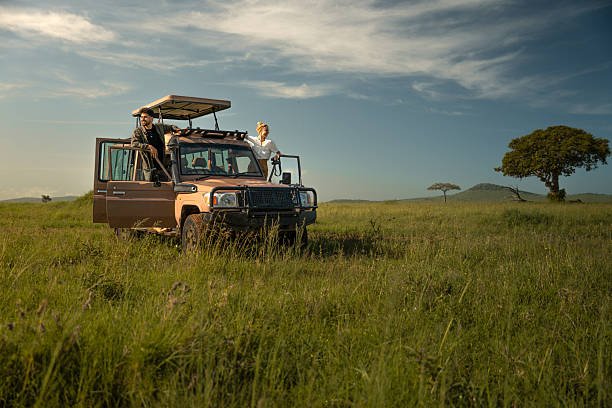
The allure of the Serengeti National Park is a powerful draw for any wildlife enthusiast, and for travelers starting their journey in Windhoek, Namibia, the path to this iconic destination involves a strategic approach to air travel. This guide delves deep into the practicalities of securing flights from Windhoek to Tanzania, focusing on reaching the gateway to the Serengeti for your 2026-2027 safari adventure. We’ll cover the flight routes, essential considerations, and how to best connect your international journey with the unforgettable wildlife experiences Tanzania offers.
Understanding Your Flight Options: Windhoek to Tanzania
The journey from Windhoek, Namibia, to Tanzania is not a direct one. There are no scheduled airlines offering a non-stop service between these two Southern African nations. This means your travel will necessitate at least one, and often two, layovers. The primary goal for most travelers aiming for the Serengeti is to reach Kilimanjaro International Airport (JRO), which serves as the main gateway for northern Tanzania’s safari circuit. However, depending on flight availability and pricing for 2026-2027, flying into Zanzibar (ZNZ) and then taking a domestic flight to the mainland is also a possibility, though generally less efficient for a direct Serengeti focus.
When considering flights from Windhoek to Tanzania, you’re essentially looking at a multi-leg journey. Airlines that typically operate routes connecting Southern Africa to East Africa often route through major international hubs. These hubs can be within Africa itself, such as Nairobi (NBO) in Kenya, or Addis Ababa (ADD) in Ethiopia. Alternatively, many travelers opt for routes connecting via the Middle East, with Doha (DOH) in Qatar or Dubai (DXB) in the UAE being common transit points. The choice between these transit options often comes down to airline preference, flight duration, cost, and the convenience of the layover itself.
The total travel time can vary significantly, ranging from 10 hours to over 24 hours, depending on the specific route, layover duration, and the airlines involved. It’s crucial to factor this travel time into your overall safari plan, especially if you have limited days for your trip. A long journey can be tiring, and arriving well-rested is important before embarking on your safari adventures. For 2026-2027 travel, it’s advisable to book flights well in advance, particularly if you are aiming for peak safari seasons. Early booking not only secures better prices but also offers a wider selection of flight times and connections, reducing the stress of last-minute arrangements.
When comparing flight options from Windhoek to Tanzania, consider the following:
- Airline Alliances: Some travelers prefer to stick with specific airline alliances (e.g., Star Alliance, Oneworld) to accumulate frequent flyer miles. This can influence your choice of transit hub and airline.
- Layover Duration: A very short layover might be stressful if there are flight delays, while an excessively long one can lead to fatigue. Aim for a layover of 2-4 hours for international connections.
- Baggage Allowance: Check the baggage allowances for each leg of your journey, especially if you are flying with different airlines. Some itineraries might have stricter limits on checked or carry-on luggage.
- In-flight Comfort: For long-haul flights, consider airlines known for their comfort and service.
For instance, a typical route might look like: Windhoek (WDH) to Addis Ababa (ADD) with Ethiopian Airlines, followed by Addis Ababa (ADD) to Kilimanjaro (JRO). Another common path could be Windhoek (WDH) to Doha (DOH) with Qatar Airways, and then Doha (DOH) to Kilimanjaro (JRO).
Key Airports and Transit Hubs for Your Serengeti Safari
The primary gateway airport for accessing the northern Tanzanian safari circuit, including the Serengeti National Park, is Kilimanjaro International Airport (JRO). This airport is strategically located between Arusha and Moshi, the two main towns that serve as hubs for safari operations. When booking your flights from Windhoek, JRO should be your target destination.
However, as mentioned, direct flights to JRO from Windhoek are non-existent. You will invariably pass through a transit hub. The most common hubs for this route include:
- Addis Ababa Bole International Airport (ADD), Ethiopia: Ethiopian Airlines is a major carrier connecting many African cities, and Addis Ababa is a frequent stopover for flights between Southern and East Africa. This is often a very efficient option for reaching JRO.
- Nairobi Jomo Kenyatta International Airport (NBO), Kenya: While Kenya and Tanzania are neighbors, flights from Windhoek to Nairobi are common. From Nairobi, you would then need to take a separate flight or arrange road transport to Tanzania. This option can sometimes be more complex due to border crossings and visa requirements for Kenya if you plan to stay, or simply the logistics of connecting flights. It is generally more straightforward to fly directly into Tanzania if possible.
- Doha Hamad International Airport (DOH), Qatar: Qatar Airways offers extensive routes across Africa. Flying via Doha is a popular choice for many travelers, offering modern facilities and generally good service. The flight duration might be longer, but the layovers are often manageable.
- Dubai International Airport (DXB), UAE: Emirates is another major international airline with a strong presence in Africa. Dubai can serve as a transit point, similar to Doha, offering a wide range of connecting flights to JRO.
Decision Point: JRO vs. ZNZ
While JRO is the primary choice for Serengeti safaris, you might encounter flight deals or more convenient schedules into Zanzibar Abeid Amani Karume International Airport (ZNZ). Zanzibar is a popular tourist island, and flights from hubs like Doha or Dubai to ZNZ are frequent. If you choose to fly into Zanzibar, you will need to arrange a domestic flight from Zanzibar to one of the mainland airstrips that serve the Serengeti (e.g., Seronera Airstrip, Grumeti Airstrip) or fly to Arusha Airport (ARK) and then continue by road or a small bush plane. This adds an extra layer of logistics and cost, so for a dedicated Serengeti safari, prioritizing flights to JRO is usually more efficient for 2026-2027 travel plans.
Arusha Airport (ARK) is another airport within Tanzania that serves as a safari hub. Small aircraft from ARK fly directly to various airstrips within the Serengeti. If your international flight lands at JRO, it’s a relatively short drive (about 45-60 minutes) to Arusha, where you can connect to these internal flights. Some travelers opt to fly into JRO, spend a night in Arusha, and then take a morning flight to the Serengeti. This can be a good strategy to break up the journey and ensure you don’t miss your internal flight connection.
When planning your 2026-2027 safari, compare the total cost and time involved for each airport option. Flying directly to JRO is often the most streamlined approach for accessing the Serengeti.
Choosing the Right Time to Fly: 2026-2027 Safari Seasons
The timing of your flights from Windhoek to Tanzania is intrinsically linked to the best times to visit the Serengeti for wildlife viewing, particularly if your main objective is to witness the Great Migration. Understanding these seasons is crucial for planning your 2026-2027 safari and booking your flights accordingly.
The Great Migration: A Perpetual Cycle
The Serengeti is home to the Great Migration, a spectacular movement of over 1.5 million wildebeest, zebras, and gazelles. This migration is not a single event but a continuous cycle driven by the rains and the availability of fresh grazing. Knowing where the herds are can significantly enhance your safari experience.
- December to March: Calving Season in the Southern Serengeti. The herds are typically found in the southern and southeastern plains of the Serengeti, including areas around Ndutu. This is the calving season, a time of high predator activity as lions, cheetahs, and hyenas feast on the newborns. It’s an excellent time for spotting big cats and witnessing dramatic wildlife scenes. The weather is generally warm with short rains.
- April to May: Moving Northward, Rains Continue. As the rains become heavier, the herds begin to move northwest. This period can see fewer tourists due to the rains, but the landscape is lush and green. Some roads may be challenging to navigate.
- June to October: Western and Northern Serengeti. The herds typically move towards the western corridor and then up to the northern Serengeti, nearing the Kenyan border. This is when the dramatic river crossings of the Grumeti River (in the west) and, most famously, the Mara River (in the north) often occur. These crossings are a highlight for many, though they are unpredictable and depend on rainfall. This is generally considered peak safari season, with dry weather and abundant wildlife concentrated along the rivers.
- November: Short Rains, Herds Begin to Return South. The herds start their journey back towards the southern plains, often in a more dispersed manner.
Implications for Flights and Travel in 2026-2027
If witnessing the river crossings is your primary goal, you’ll want to book flights to arrive in Tanzania between June and October, with a particular focus on July to September for the most dramatic Mara River crossings. This is peak season, meaning flights and safari lodges will be in higher demand and potentially more expensive. Booking your flights from Windhoek to JRO at least 6-9 months in advance for 2026-2027 travel is highly recommended.
If your interest lies more in the calving season and predator action, then December to March is ideal. This period, while popular, might offer slightly more flexibility with flight bookings compared to the peak dry season. However, be aware of potential short rains during this time.
Shoulder Seasons: Balancing Cost and Experience
Consider the shoulder seasons (e.g., March-May, November) if you wish to avoid the largest crowds and potentially find more favorable flight prices. While wildlife viewing remains excellent year-round, the specific concentrations and phenomena like river crossings might be less predictable during these times.
When booking your flights from Windhoek, be sure to align your arrival and departure dates with the optimal viewing periods for the specific wildlife spectacles you wish to see in the Serengeti. This strategic planning ensures you make the most of your safari adventure in 2026-2027.
Visa Requirements and Entry Formalities for Tanzania
Navigating visa requirements is a critical step in planning your flights from Windhoek to Tanzania. For Namibian citizens, and indeed for many international visitors, obtaining a Tanzanian visa is a necessary precursor to your safari. Understanding the process well in advance will prevent any last-minute complications.
Tanzania Visa Options:
Tanzania offers several ways to obtain a visa:
- Online E-Visa: This is often the most convenient method for many nationalities. You can apply for a Tanzanian e-visa online before your departure. The application typically requires personal details, passport information, travel dates, and sometimes details of your accommodation or tour operator. It’s advisable to apply at least 2-4 weeks before your intended travel date to allow for processing time. Ensure you use the official Tanzanian immigration website to avoid scams.
- Visa on Arrival: For some nationalities, obtaining a visa upon arrival at Kilimanjaro International Airport (JRO) is possible. However, this can sometimes involve longer queues and may be subject to change. It is generally recommended to secure your visa in advance if possible, especially during peak travel periods in 2026-2027, to save time and avoid potential issues.
- Embassy Application: You can also apply for a visa through the Tanzanian embassy or consulate in your country of residence. For Namibian citizens, this would involve checking the procedures with the Tanzanian diplomatic mission in Namibia or a neighboring country.
Required Documents for Visa Application:
Regardless of the method chosen, you will typically need:
- A valid passport with at least six months of remaining validity beyond your intended stay and at least two blank pages.
- A completed visa application form.
- Recent passport-sized photographs.
- Proof of onward or return travel (your flight bookings).
- For e-visa applications, you may need to upload a digital copy of your passport photo and signature.
- Proof of sufficient funds or a confirmed safari booking might be requested.
Important Considerations:
- Nationality Specifics: Visa requirements can vary based on your nationality. Always verify the specific requirements for Namibian citizens traveling to Tanzania.
- Transit Visas: If your layover in a transit country (e.g., Kenya or Ethiopia) is long and you plan to leave the airport, you might need a transit visa for that country. Check the requirements for your specific transit airport and airline.
- COVID-19 and Health Requirements: While many restrictions have eased, always check the latest health advisories and entry requirements related to COVID-19 or other health concerns closer to your travel dates for 2026-2027. This includes vaccination status or testing requirements.
- Passport Validity: Ensure your passport has ample validity. An expired passport or one with insufficient blank pages will lead to denial of entry.
When you book your safari with a reputable operator like Climb 4 Africa, they can often provide guidance on visa applications and ensure you have the necessary documentation to support your application. Having your visa sorted well before your flights from Windhoek to Tanzania depart will significantly reduce pre-travel stress.
Booking Your Flights: Strategies and Considerations
Securing the right flights from Windhoek to Tanzania is a multi-faceted process that requires a strategic approach. Given the absence of direct flights and the need to connect through international hubs, smart booking can save you money, time, and stress, especially when planning for 2026-2027.
When to Book: The Earlier, The Better
For international travel to popular safari destinations like Tanzania, especially during peak seasons (June-October for river crossings, December-March for calving), booking your flights 6 to 9 months in advance is strongly advised. For 2026-2027, this means starting your search and booking process in late 2025 or early 2026 for travel in 2026, and similarly for 2027 travel.
Booking early offers several advantages:
- Better Pricing: Airlines typically release their cheapest fares first. As dates approach, prices tend to increase significantly.
- Wider Availability: You’ll have more options for flight times, airlines, and layover durations, allowing you to choose the most convenient and comfortable itinerary.
- Secure Connections: Especially important for multi-leg journeys, early booking helps ensure that your chosen connections are available and have sufficient layover times.
Where to Search and Book:
- Online Travel Agencies (OTAs): Websites like Skyscanner, Google Flights, Kayak, and Expedia allow you to compare prices across multiple airlines and booking platforms. Use their flexible date search features to identify potential cost savings.
- Airline Websites: Once you’ve identified potential routes and airlines, it’s often beneficial to check prices directly on the airline’s website. Sometimes, booking directly can offer better flexibility or loyalty program benefits.
- Travel Agents Specializing in Africa: For complex itineraries, a travel agent experienced in African travel can be invaluable. They have access to consolidated fares and can help coordinate flights with safari packages.
Key Factors to Consider When Booking:
- Total Travel Time: Don’t just look at the price. Evaluate the total duration of your journey. A slightly more expensive flight with a shorter travel time might be worth the extra cost to avoid exhaustion.
- Layover Airports and Durations: Research the transit airports. Are they modern and easy to navigate? Is the layover long enough to comfortably make your connection, especially if you need to re-check baggage or change terminals? A layover of 2-4 hours is generally ideal for international connections.
- Baggage Allowance: This is particularly critical for safaris. Many internal flights in Tanzania operate on smaller aircraft with strict weight limits (often 15-20 kg per person, including hand luggage, in soft-sided bags). Ensure your international flight allowance is sufficient, and be aware of the limits for any subsequent domestic flights within Tanzania.
- Flexibility and Change Policies: Understand the airline’s policies regarding changes or cancellations. This is important in case your safari dates shift slightly or unforeseen circumstances arise.
- Cost vs. Convenience: Sometimes the cheapest flights have very long layovers or arrive at inconvenient times. Weigh the savings against the impact on your overall travel experience and the start of your safari.
Example Itinerary Search:
When using a flight search engine for flights from Windhoek to Tanzania for 2026-2027, you might input:
- From: Windhoek (WDH)
- To: Kilimanjaro (JRO)
- Dates: Select your preferred safari season dates (e.g., July 2026)
The results will likely show routes via Addis Ababa (Ethiopian Airlines), Doha (Qatar Airways), or potentially others. Compare the total journey time, layover details, and prices carefully.
Booking your flights is the first major step towards your Serengeti adventure. By approaching it with a clear strategy and considering these factors, you can ensure a smoother start to your 2026-2027 Tanzanian safari.
Connecting Flights to Safari Destinations within Tanzania
Once your international flight from Windhoek lands at Kilimanjaro International Airport (JRO), your journey to the heart of the Serengeti is not yet complete. Tanzania’s vast national parks are best accessed via smaller domestic flights or a combination of road transfer and internal flights. Understanding these connections is vital for efficient safari planning in 2026-2027.
From JRO to Arusha: The Safari Hub
Kilimanjaro International Airport (JRO) is located approximately 40-50 kilometers from Arusha town. Most safari operators have their offices and operations based in Arusha. You will typically be met at JRO by your safari guide or a representative and transferred to your accommodation in Arusha. This transfer usually takes between 45 minutes to 1.5 hours, depending on traffic and road conditions.
The Choice: Road vs. Air to the Serengeti
From Arusha, you have two primary options to reach the Serengeti National Park:
- By Road: This is the traditional safari approach. You will board a 4×4 safari vehicle in Arusha and drive into the Serengeti. The journey itself is part of the safari experience, offering opportunities to see wildlife in the Maasai Mara ecosystem (if you transit through it) and the Ngorongoro Conservation Area en route. The drive from Arusha to the Serengeti can take anywhere from 5 to 8 hours, depending on the gate you enter and your final lodge location within the park. This option is generally more budget-friendly than flying and allows for more flexibility in game viewing along the way.
- By Air (Bush Plane): For those with limited time or who prefer to maximize their time within the Serengeti, flying is the best option. From Arusha Airport (ARK) – a smaller airport within Arusha town, distinct from JRO – scheduled bush planes operate daily flights to various airstrips within the Serengeti National Park. Common airstrips include Seronera, Grumeti, Kogatende, and Ndutu, depending on the season and the location of your camp or lodge.
Benefits of Flying into the Serengeti:
- Time-Saving: A flight to the Serengeti takes approximately 1 to 1.5 hours, compared to a full day’s drive. This is invaluable if you have a shorter safari itinerary.
- Comfort: Avoids long, bumpy road journeys, especially on less-developed tracks.
- Access to Remote Areas: Bush planes can access remote airstrips closer to specific camps or lodges, reducing further road travel upon arrival.
- Scenic Views: The flight offers a bird’s-eye view of the vast landscapes and potentially migrating herds.
Considerations for Bush Flights:
- Cost: Bush flights are significantly more expensive than road transfers. Prices can range from $350 to $500 USD per person for a one-way ticket, depending on the destination airstrip and airline.
- Baggage Restrictions: This is a crucial point. Most bush planes have a strict baggage limit, typically 15 kg (33 lbs) per person, including hand luggage. Furthermore, luggage must be in a soft-sided duffel bag (no hard suitcases), as they need to fit into the small cargo holds. Ensure your packing is compliant.
- Flight Schedules: Flights are usually operated in the morning or afternoon. Your safari itinerary will need to be timed accordingly.
- Booking: These flights are booked through your safari operator. They will manage the booking process for you.
Connecting from Zanzibar (ZNZ)
If you happened to fly into Zanzibar (ZNZ), you would need to take a domestic flight from Zanzibar to either Arusha Airport (ARK) or directly to one of the Serengeti airstrips. These flights are also operated by companies like Precision Air or Coastal Aviation. This adds an extra flight leg and associated costs and baggage limitations.
For your 2026-2027 safari planning, deciding between road and air travel to the Serengeti is a key decision. It depends on your budget, time constraints, and preference for travel style. If you’re flying from Windhoek, aim for JRO and then connect via Arusha for either a road safari or a bush plane to the Serengeti.
Packing Essentials for Your Flight and Safari
Packing effectively for a trip that involves long flights from Windhoek to Tanzania and then a safari is crucial for comfort and practicality. Remember the baggage restrictions for internal flights within Tanzania, which often require soft-sided bags and have strict weight limits. Planning your packing list well in advance will ensure you don’t miss anything essential.
For Your Flights (Windhoek to Tanzania):
- Comfortable Clothing: Layers are key for long flights. Wear comfortable trousers, a t-shirt, and a sweater or light jacket.
- Neck Pillow, Eye Mask, Earplugs: Essential for trying to sleep on the plane.
- Entertainment: Download movies, music, or podcasts beforehand, as in-flight Wi-Fi is not always reliable or available.
- Reusable Water Bottle: Stay hydrated. You can fill it up after passing security.
- Snacks: While meals are provided, having your own snacks can be comforting.
- Medications: Carry any personal medications in your hand luggage, along with prescriptions if necessary.
- Toiletries: Travel-sized toiletries, hand sanitizer, and wet wipes are useful.
- Chargers and Power Bank: Keep your devices charged. A portable power bank is invaluable.
- Light Scarf or Shawl: Can be used for warmth or as a head covering if needed.
For Your Tanzania Safari (and Internal Flights):
This is where the soft-sided duffel bag rule becomes paramount. Aim for lightweight, quick-drying clothing in neutral colors. Avoid bright colors that can startle wildlife and black or dark blue, which can attract tsetse flies.
- Clothing:
- 2-3 pairs of lightweight trousers or convertible hiking pants.
- 4-5 t-shirts or light, long-sleeved shirts (long sleeves protect from sun and insects).
- 1-2 warmer layers, such as a fleece jacket or a down vest, especially for early morning and evening game drives.
- 1 lightweight waterproof and windproof jacket.
- 1-2 pairs of comfortable shorts (for relaxing at the lodge).
- Plenty of socks (moisture-wicking are best).
- Underwear.
- A comfortable outfit for evenings at the lodge.
- Footwear:
- Comfortable walking shoes or hiking boots (broken in!). You won’t do extensive hiking on a standard safari, but they are good for walking around camps or lodges.
- A pair of sandals or flip-flops for relaxing.
- Sun Protection:
- Wide-brimmed hat.
- Sunglasses.
- High SPF sunscreen.
- Lip balm with SPF.
- Insect Repellent: High DEET content recommended for areas with mosquitoes.
- Health & First Aid:
- Personal medications.
- Basic first-aid kit (band-aids, antiseptic wipes, pain relievers, anti-diarrhea medication, antihistamines).
- Motion sickness medication if prone.
- Photography & Electronics:
- Camera with extra batteries and memory cards.
- Binoculars (essential for wildlife viewing!).
- Phone and charger.
- Portable power bank.
- Adapter for Tanzanian power sockets (Type D and G).
- Miscellaneous:
- Small backpack or daypack for game drives.
- Reusable water bottle.
- Headlamp or small flashlight.
- Wet wipes and hand sanitizer.
- A good book for downtime.
- Passport, visa, flight confirmations, and any other travel documents (keep copies separate).
- Cash for tips and souvenirs (USD is widely accepted, but smaller denominations are useful).
Packing Strategy for 2026-2027 Safaris:
When packing for your flights from Windhoek to Tanzania and onward safari, prioritize versatility and adherence to baggage limits. Your safari operator, such as Climb 4 Africa, can provide specific packing advice tailored to your itinerary and the camps you’ll be staying in. They can also advise on whether soft-sided bags are mandatory for all your transfers.
Remember that lodges and camps typically offer laundry services, though they may be limited or charged. This can allow you to pack lighter if needed.
Planning Your Tanzania Safari with Climb 4 Africa
Organizing flights from Windhoek to Tanzania and then seamlessly integrating them with a compelling safari itinerary requires expert local knowledge. This is where partnering with a seasoned tour operator like Climb 4 Africa becomes invaluable for your 2026-2027 adventure.
Climb 4 Africa specializes in creating unforgettable African travel experiences, with a particular focus on Tanzania. They understand the intricacies of travel logistics, from securing the best safari routes to advising on flight connections and ensuring you experience the magic of the Serengeti to its fullest.
Why Choose Climb 4 Africa for Your Serengeti Safari?
- Local Expertise: As a Tanzania-based company, Climb 4 Africa possesses deep on-the-ground knowledge. They know the best times to visit, the most reliable safari circuits, and how to navigate the logistics of getting you from Windhoek to the Serengeti efficiently.
- Tailor-Made Itineraries: Whether you dream of witnessing the Great Migration river crossings, exploring the vast plains of the Serengeti, or combining your safari with a Kilimanjaro climb or a Zanzibar beach holiday, Climb 4 Africa can craft a bespoke itinerary that matches your interests and budget for 2026-2027.
- smooth Logistics: They handle all the details, including advice on flights from Windhoek, airport transfers, internal flights (if chosen), accommodation bookings, park fees, and experienced guides. This means you can focus on the excitement of your safari rather than worrying about the operational complexities.
- Quality Safari Vehicles and Guides: Climb 4 Africa partners with reputable safari operators who provide well-maintained 4×4 safari vehicles and knowledgeable guides who are passionate about wildlife and conservation.
- Comprehensive Support: From your initial inquiry to your return journey, Climb 4 Africa offers dedicated support. They are available to answer all your questions, provide pre-departure information, and ensure your trip runs smoothly.
Getting Started with Your Safari Planning:
To begin planning your flights from Windhoek to Tanzania and your subsequent Serengeti safari, the best first step is to get in touch with Climb 4 Africa. They can help you:
- Define Your Safari Goals: Discuss what you hope to see and experience. Are you focused on the Great Migration, specific wildlife, photography, or a more relaxed pace?
- Determine the Best Time to Travel: Based on your goals, they can advise on the optimal months for your 2026-2027 safari.
- Discuss Flight Options: They can offer guidance on booking your international flights from Windhoek to Kilimanjaro International Airport (JRO) and advise on internal flight options versus road safaris.
- Propose an Itinerary: They will create a draft itinerary including park visits, accommodation choices, and daily activities.
- Provide a Detailed Quote: Once the itinerary is refined, you will receive a clear quote outlining what is included and excluded.
Contact Climb 4 Africa Today:
Don’t let the complexities of international travel planning hold you back from experiencing the wonders of the Serengeti. Reach out to the experts who can ensure your journey from Windhoek is as incredible as the destination itself. For personalized advice and to start building your dream 2026-2027 Tanzanian safari, contact Climb 4 Africa:
- WhatsApp: +255 747 477 898
- Email: climb4africa@gmail.com
- Website: Climb 4 Africa
Let Climb 4 Africa be your trusted partner in planning an unforgettable Serengeti safari, starting with smooth and efficient flights from Windhoek.
Check Availability for Flights From Windhoek To Tanzania For Serengeti Safari: Your Complete
Ready to compare dates, prices, and the best option for your group? Send the package name and travel month so the team can reply with a clear quote, availability, and what is included.
Which Tanzania Group Safari Includes Serengeti And Ngorongoro?
Which Tanzania Group Safari Includes Serengeti and Ngorongoro?
View package detailsDec 27, – 4 Day Serengeti Migration Group Safari: Plan Your Trip
A deep look at planning your 4-day Serengeti migration group safari departing December 27, 2026, including itinerary logistics, group benefits, and seasonal expectations.
View package details3 Day Serengeti And Ngorongoro Group Safari: Planning For December 4,
A detailed guide on planning a 3-day group safari to the Serengeti and Ngorongoro Crater for December 4, 2026, covering route expectations, group logistics, and essential planning steps.
View package detailsWe Are Two Travellers—Can We Join A Serengeti Safari In Dec ?
A guide for two travellers looking to join a Serengeti group safari in December 2026, covering logistics, cost-efficiency, and what to expect during the short rains.
View package detailsWhere Can I Join An Affordable Serengeti Safari In Dec ? A Practical Planning
A practical guide for budget-conscious travelers looking to join a Serengeti safari in December 2026, focusing on group-joining logistics and cost-effective planning.
View package detailsWhich Tanzania Group Safari Includes All Northern Circuit Parks? A Planning
Planning a Northern Circuit safari often leads to the question of 'how many parks can I fit in?' We explore the reality of group joining itineraries that aim to cover Tarangire, Lake...
View package detailsHow Much Is A 3 Day Serengeti Group Safari In Nov ? Cost Breakdown
Get a clear breakdown of the factors influencing the cost of a 3-day Serengeti group safari in November 2026, including park fees, vehicle logistics, and group dynamics.
View package detailsCan A Solo Traveller Join A Serengeti Safari In Dec ?
Planning a solo safari in December 2026? Discover the logistics of joining group departures, why December is a prime time for the migration, and how to manage costs effectively.
View package details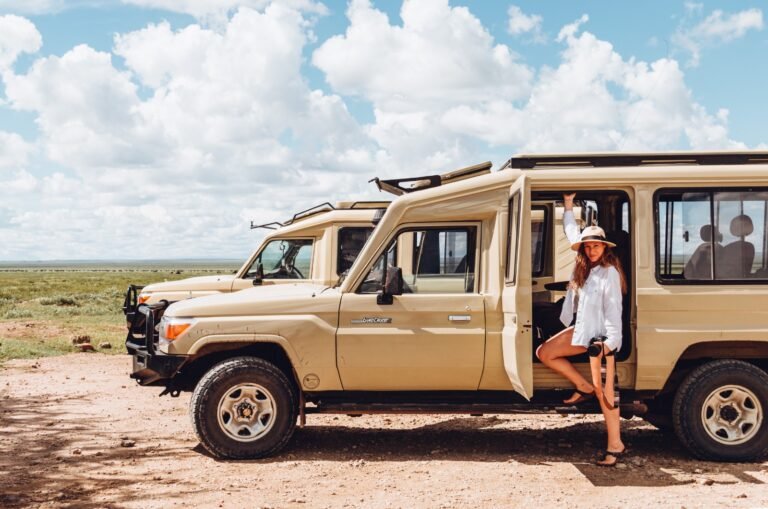
Afcon Private Serengeti Safari With Lodges
AFCON 2027 Private Serengeti Safari with Lodges.
View package detailsAfcon Luxury Serengeti Safari Packages
AFCON 2027 Luxury Serengeti Safari Packages.
View package details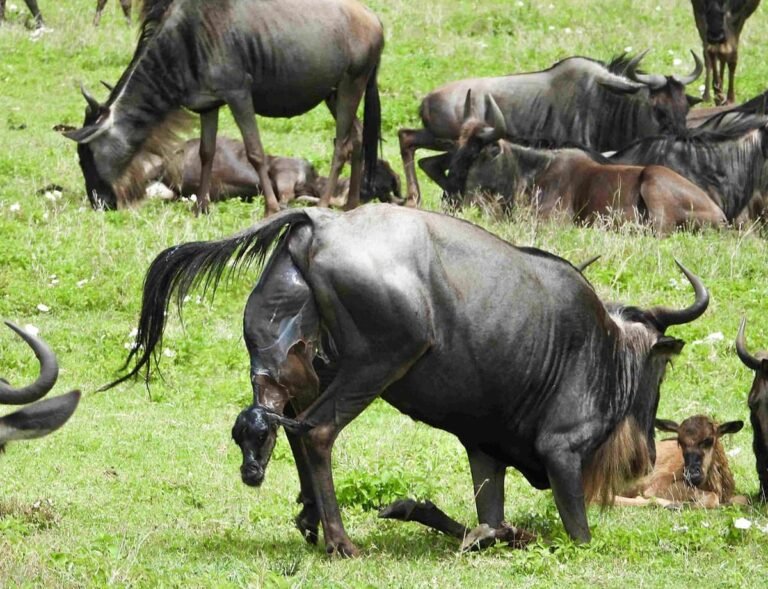
Serengeti Great Migration Safari During AFCON 2027
Mwongozo wa kina kwa safari ya Serengeti Great Migration wakati wa AFCON 2027, ukilenga kuelewa maeneo, kipindi cha mwendo wa mnyama, na mapendekezo ya mipango ya kiutendaji.
View package details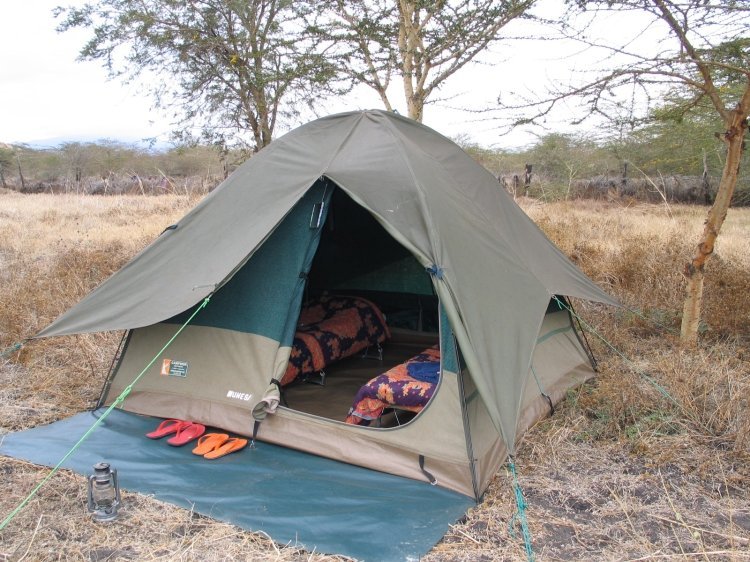
Four Day Serengeti na Ngorongoro Safari During AFCON 2027
Mwongozo wa safari ya siku 4 kwenye Serengeti na Ngorongoro wakati AFCON 2027; jinsi ya kupanga, nini cha kujali, na jinsi ya kuandaa,”
View package detailsNo related package matches those filters. Clear one or more filters to see the other topic-matched options.