
A comprehensive Chobe, Serengeti, Ngorongoro, and Zanzibar safari itinerary typically spans 10 to 14 days, combining world-class wildlife viewing in Botswana’s Chobe National Park and Tanzania’s Serengeti and Ngorongoro Crater with a relaxing beach escape in Zanzibar. This popular route focuses on diverse ecosystems and iconic African experiences, with 2026 and 2027 bookings offering excellent opportunities to witness the Great Migration and enjoy pristine coastal beauty.
Understanding the Chobe, Serengeti, Ngorongoro, and Zanzibar Combination
This itinerary represents a journey across two of Africa’s most celebrated wildlife destinations, Botswana and Tanzania, culminating in the idyllic spice island of Zanzibar. It’s a trip designed for those who want to experience the pinnacle of African game viewing – from the vast elephant herds of Chobe to the Big Five potential in the Serengeti and Ngorongoro, followed by the tranquil turquoise waters and rich history of Zanzibar. Planning this multi-country adventure requires careful consideration of logistics, timing, and the specific experiences each location offers.
The appeal of combining Chobe, Serengeti, Ngorongoro, and Zanzibar lies in its sheer diversity. Chobe National Park in Botswana is renowned for its immense elephant population and the Chobe Riverfront, offering unique boat safaris. Tanzania’s Serengeti National Park is synonymous with the Great Migration and unparalleled predator-action, while the Ngorongoro Crater presents a compact, high-density wildlife viewing experience within a geological marvel. Zanzibar then provides a complete change of pace, from bustling Stone Town to serene beaches, offering cultural immersion and relaxation.
For travelers looking to experience this in 2026 or 2027, early planning is advisable. High season periods, particularly during the Great Migration river crossings in the Serengeti or peak dry seasons in Chobe, see high demand. Understanding the flow of such an itinerary is key. Typically, travelers might start in Botswana (flying into Kasane), then transition to Tanzania (often via Kilimanjaro International Airport or Arusha), and finally fly from the Tanzanian mainland (e.g., Zanzibar Airport) for the island portion. This sequence minimizes backtracking and maximizes your time experiencing these distinct environments.
Itinerary Structure: Balancing Wildlife and Relaxation
When structuring a Chobe, Serengeti, Ngorongoro, and Zanzibar safari itinerary, the goal is to create a cohesive flow that minimizes travel time while maximizing wildlife encounters and relaxation. A common and effective approach is to dedicate specific days to each location, ensuring you have sufficient time to appreciate what each offers without feeling rushed. The length can vary, but a 10-14 day framework is often optimal for experiencing the highlights of all four destinations.
A typical 12-day itinerary might look like this:
- Days 1-3: Chobe National Park, Botswana
- Days 4-6: Serengeti National Park, Tanzania
- Day 7: Ngorongoro Crater, Tanzania
- Days 8-11: Zanzibar, Tanzania
- Day 12: Departure
This structure allows for travel days between locations. For instance, Day 4 would involve flying from Kasane (Botswana) to Kilimanjaro International Airport (Tanzania), followed by a transfer to Arusha or directly to the Serengeti. Similarly, Day 8 would involve a flight from the Serengeti (or Arusha) to Zanzibar.
The choice of accommodation greatly influences the experience and cost. In Chobe, options range from lodges along the river to mobile camps deeper in the park. In the Serengeti and Ngorongoro, lodges and tented camps offer varying levels of luxury and proximity to wildlife. Zanzibar provides everything from boutique hotels in Stone Town to beachfront resorts and private villas.
When considering 2026-2027 travel, think about the best time to see specific wildlife events. The Great Migration is a major draw, and its location varies throughout the year, making timing crucial for Serengeti visits. Chobe’s elephant concentrations are often highest in the dry season.
Day-by-Day Breakdown: A Sample 12-Day Itinerary
Let’s flesh out a sample itinerary to give you a clearer picture of how this Chobe Serengeti Ngorongoro and Zanzibar safari itinerary could unfold.
Days 1-3: Chobe National Park, Botswana
Day 1: Arrival in Kasane & Chobe Riverfront
Arrive at Kasane International Airport (BBK) in Botswana. You’ll be met and transferred to your lodge or camp situated on the banks of the Chobe River. After settling in and lunch, start your first game drive or, more distinctively for Chobe, a boat safari on the Chobe River. This offers a unique perspective on wildlife, particularly elephants coming to drink and bathe, as well as hippos, crocodiles, and a plethora of birdlife.
Day 2: Full Day Chobe Exploration
Dedicate the day to exploring Chobe National Park. Morning and afternoon game drives will take you through different sectors of the park, seeking out lions, leopards, buffalo, giraffes, and various antelope species. If staying on the riverfront, a second boat safari is highly recommended. For those seeking a more remote experience, consider a day trip into the Savuti Marsh area (though this often requires an additional day or longer stays).
Day 3: Morning Activity & Transfer to Tanzania
Enjoy a final morning game drive or boat safari. After breakfast, you’ll be transferred back to Kasane Airport for your flight to Kilimanjaro International Airport (JRO) in Tanzania. This flight typically involves a connection, often through Johannesburg or Nairobi. Upon arrival at JRO, you’ll be met and transferred to your accommodation in Arusha for an overnight stay, preparing for your Tanzanian safari adventure. This is a significant travel day.
Days 4-6: Serengeti National Park, Tanzania
Day 4: Flight to Serengeti & First Game Drive
After breakfast in Arusha, you’ll be transferred to the local Arusha Airport (ARK) for a light aircraft flight directly into the Serengeti. The Serengeti is vast, and your landing strip will depend on the time of year and the location of the Great Migration. Upon landing, you’ll be met by your guide and vehicle, and your first game drive begins immediately en route to your lodge or tented camp. The Serengeti is famous for its predator sightings – lions, cheetahs, leopards, and hyenas.
Day 5: Full Day Serengeti Exploration
Spend the entire day exploring the Serengeti. Depending on the season, your guide will take you to areas where the migration herds are concentrated or to known predator hotspots. Activities include morning and afternoon game drives. If you are interested in a hot air balloon safari, this is usually offered at dawn and is a spectacular way to view the plains and wildlife from above.
Day 6: Serengeti – Deep Dive or Migration Focus
Continue your exploration of the Serengeti. If the Great Migration is in the central plains, you might focus on leopard sightings in the acacia woodlands. If it’s the calving season (typically January-March) in the southern Serengeti, you’ll witness vast herds and abundant predator activity. If it’s the migration river crossing season (typically June-August) in the western corridor, you’ll focus on the Grumeti River. Your guide’s expertise and the current wildlife movements will dictate the day’s focus.
Day 7: Ngorongoro Crater Descent
Day 7: Serengeti to Ngorongoro Crater
Enjoy a final morning game drive in the Serengeti. After breakfast, you’ll drive towards the Ngorongoro Conservation Area, with potential stops at Olduvai Gorge, a significant paleoanthropological site. You’ll ascend to the rim of the Ngorongoro Crater and check into your lodge, which often offers spectacular views into the caldera. In the afternoon, you’ll descend approximately 600 meters to the crater floor for an unforgettable game drive. The Ngorongoro Crater is a UNESCO World Heritage Site and is renowned for its high density of wildlife, including the Big Five, and is one of the best places in Africa to spot the endangered black rhinoceros. You’ll have a picnic lunch on the crater floor. After the drive, ascend back to your rim lodge for the night.
Days 8-11: Zanzibar – Spice Island Relaxation
Day 8: Ngorongoro to Zanzibar
After breakfast, you’ll be transferred from your Ngorongoro lodge to a local airstrip (like Manyara or Arusha) for your flight to Zanzibar. Upon arrival at Zanzibar Airport (ZNZ), you’ll be met and transferred to your chosen accommodation. Options range from the historic Stone Town for cultural exploration to the northern beaches like Nungwi or Kendwa for white sand and turquoise waters, or the eastern coast for quieter bays.
Day 9: Stone Town Exploration & Spice Tour
If you’re staying in or near Stone Town, dedicate today to exploring its labyrinthine alleys, vibrant markets, historic sites like the House of Wonders, and the Old Fort. A guided walking tour is highly recommended. In the afternoon, start a guided spice tour, learning about the island’s history as a major spice producer and tasting exotic fruits and spices.
Day 10: Beach Relaxation & Water Activities
Enjoy a full day at your chosen beach location. Relax on the pristine sands, swim in the Indian Ocean, or partake in various water sports. Options include snorkeling and diving (especially around Mnemba Atoll), kayaking, paddleboarding, or simply unwinding by the pool or sea. Consider a sunset dhow cruise for a classic Zanzibar experience.
Day 11: Island Exploration or Further Relaxation
This day offers flexibility. You could explore another part of the island, such as Jozani Forest to see the endemic Red Colobus monkeys, visit the Prison Island with its giant tortoises, or simply enjoy more time soaking up the sun and sea. Alternatively, revisit Stone Town for last-minute souvenir shopping. Enjoy a farewell dinner at a beachfront restaurant.
Day 12: Departure
Depending on your flight schedule, enjoy a final leisurely breakfast or some last moments on the beach. You will then be transferred to Zanzibar Airport (ZNZ) for your international flight home, filled with memories of your incredible Chobe, Serengeti, Ngorongoro, and Zanzibar safari adventure.
Key Considerations for Your Chobe Serengeti Ngorongoro and Zanzibar Itinerary
Crafting the perfect Chobe Serengeti Ngorongoro and Zanzibar safari itinerary involves more than just stringing destinations together. Several practical aspects need careful attention to ensure a smooth and enjoyable trip, especially when planning for 2026 or 2027.
Timing and Best Seasons (2026-2027)
The ‘best’ time to visit this combination itinerary depends heavily on your priorities, particularly concerning the Great Migration in the Serengeti and wildlife concentrations in Chobe.
- Chobe National Park: The dry season (May to October) is generally considered the best time for wildlife viewing, as animals congregate around water sources. The riverfront is excellent year-round, but game viewing is most concentrated during the dry months. The green season (November to April) offers lush landscapes and excellent birding, with fewer crowds, but wildlife can be more dispersed.
- Serengeti National Park: The Great Migration is the highlight, and its location changes seasonally.
- December to March: Calving season in the southern Serengeti, with huge herds and excellent predator action.
- June to August: River crossings (Grumeti and Mara Rivers) in the western and northern Serengeti, a dramatic spectacle.
- April to May: Shorter rains, fewer tourists, migration typically moving north.
For general game viewing outside the migration peak, the Serengeti is good year-round.
- Ngorongoro Crater: Wildlife is present year-round due to the permanent water sources on the crater floor. However, the dry season (June to October) often offers the best game viewing conditions, with animals less dispersed.
- Zanzibar: The dry seasons (June to October and December to February) offer the most pleasant weather for beach holidays, with less humidity and minimal rain. The shoulder months can also be pleasant with fewer crowds.
For 2026-2027 bookings: Given the popularity of these destinations, particularly during peak migration periods and dry seasons, booking at least 9-12 months in advance is strongly recommended for the best lodge availability and flight options. Specific dates for migration movements can vary slightly year to year, so consult with your tour operator for the most up-to-date information for your chosen travel window in 2026 or 2027.
Logistics and Travel Between Destinations
This itinerary involves significant travel between countries and within countries. Efficient logistics are crucial.
- Botswana to Tanzania: This is the most complex leg. You’ll typically fly from Kasane (BBK) to a major hub like Johannesburg (JNB) or Nairobi (NBO), and then connect to Kilimanjaro International Airport (JRO) or Arusha Airport (ARK). This often takes most of a day.
- Within Tanzania: Travel between the Serengeti, Arusha, and the Ngorongoro Conservation Area is usually done via light aircraft flights to remote airstrips (Serengeti) and then by 4×4 safari vehicles. Road transfers between Arusha, Ngorongoro, and airports are common.
- Tanzania Mainland to Zanzibar: Numerous daily flights connect Arusha, Kilimanjaro, or smaller airports near the Serengeti/Ngorongoro to Zanzibar Airport (ZNZ).
Considerations for 2026-2027: Flight schedules can change. It’s vital to work with a tour operator who can manage these connections seamlessly. The cost of internal flights is a significant component of the total trip price.
Accommodation Styles and Budget
The choice of accommodation will significantly impact your budget and the overall experience of your Chobe Serengeti Ngorongoro and Zanzibar safari itinerary.
- Botswana (Chobe): Options range from mid-range lodges on the riverfront to more exclusive, remote tented camps. Boat-based safaris are a signature experience here.
- Tanzania (Serengeti & Ngorongoro): This is where you’ll find the widest range of options, from comfortable mid-range lodges and tented camps to ultra-luxury permanent tented camps and exclusive lodges. The Serengeti offers mobile camps that follow the migration, which can be an incredible experience. Ngorongoro Crater rim lodges offer stunning views but come at a premium.
- Zanzibar: From budget-friendly guesthouses in Stone Town to mid-range beachfront bungalows and high-end luxury resorts and private villas, Zanzibar caters to all budgets.
Budgeting for 2026-2027: Prices for safaris and accommodations tend to increase annually. It’s wise to get quotes for 2026 or 2027 as early as possible. Expect prices to be higher during peak seasons (July-October, December-February). A 10-14 day trip combining these destinations will typically fall into the mid-range to luxury bracket due to the flight costs and quality of accommodation required.
Visa and Health Requirements
Ensure you are up-to-date on visa and health requirements for both Botswana and Tanzania.
- Visas: Check the latest requirements for your nationality for both Botswana and Tanzania. Many nationalities can obtain visas on arrival, but it’s often advisable to apply in advance online to save time and potential hassle.
- Health: Consult your doctor or a travel clinic well in advance of your trip regarding vaccinations (e.g., Yellow Fever, Hepatitis A, Typhoid) and malaria prophylaxis. Malaria is a risk in all these areas except for Zanzibar’s highest points, but preventive measures are usually recommended. Insect repellent is essential.
For 2026-2027 travel: Regulations can change. Always verify the latest entry requirements with official government sources or your tour operator well before your departure.
What to Pack
Packing smart is key for a safari and beach holiday.
- Clothing: Neutral-colored, lightweight clothing (khaki, beige, olive green) is best for safaris. Avoid bright colors and dark blue/black, which can attract insects or be too hot. Include long-sleeved shirts and trousers for sun and insect protection, especially in the evenings. A warm fleece or jacket is recommended for cool early mornings and evenings, particularly in the Serengeti and Ngorongoro highlands.
- Footwear: Comfortable walking shoes or hiking boots for any light walks or around camps, and sandals or flip-flops for Zanzibar.
- Sun Protection: High SPF sunscreen, a wide-brimmed hat, and sunglasses are essential.
- Health Kit: Personal medications, basic first-aid supplies, insect repellent (with DEET), hand sanitizer.
- Photography: Camera with extra batteries and memory cards, binoculars, and potentially a zoom lens for wildlife.
- Other: A small backpack for day trips, a universal power adapter, and any personal comfort items.
Remember that many safari lodges have laundry services, so you don’t need to pack an outfit for every single day.
Comparing Chobe vs. Serengeti vs. Ngorongoro for Wildlife Viewing
While all three are premier wildlife destinations, they offer distinct experiences. Understanding these differences helps tailor your Chobe Serengeti Ngorongoro and Zanzibar safari itinerary.
Chobe National Park (Botswana)
- Key Attraction: Immense elephant herds, diverse birdlife, unique river-based safaris.
- Landscape: Riverfront floodplains, mopane woodlands, Savuti Marsh (seasonal).
- What to Expect: Excellent for large mammal sightings, especially elephants. Boat safaris provide a different perspective, allowing you to see animals at water level. Less emphasis on seeing the Big Five in a single sighting compared to Ngorongoro, but incredible numbers of plains game and predators like lions and leopards are present, particularly in the Savuti area.
- Best Suited For: Wildlife photographers, those seeking unique boat safari experiences, and travelers who appreciate seeing large herds.
Serengeti National Park (Tanzania)
- Key Attraction: The Great Migration (millions of wildebeest, zebras, and gazelles), abundant predators, vast open plains.
- Landscape: Endless rolling grasslands, acacia woodlands, riverine forests.
- What to Expect: The quintessential African safari experience. The sheer scale of the Serengeti is overwhelming. Predator sightings are world-class, with high chances of seeing lions, cheetahs, leopards, hyenas, and wild dogs. The migration is the main event for many, offering incredible drama and photographic opportunities.
- Best Suited For: Travelers focused on the Great Migration, experiencing the vastness of the African savanna, and those interested in predator-wildlife interactions.
Ngorongoro Crater (Tanzania)
- Key Attraction: High density of wildlife within a compact, stunning caldera; excellent chance of seeing the Big Five (lion, leopard, elephant, rhino, buffalo) in a single day.
- Landscape: A unique ecosystem within a volcanic crater, featuring grasslands, swamps, forests, and a soda lake.
- What to Expect: An incredible wildlife concentration. Due to the crater’s size and contained environment, game viewing is often more predictable and dense than in the Serengeti. It’s one of the best places to see black rhinos. The views from the crater rim are spectacular.
- Best Suited For: Travelers with limited time who want to maximize wildlife sightings, those specifically hoping to see a black rhino, and those who appreciate a visually dramatic landscape.
Choosing for your 2026-2027 trip: If seeing the Great Migration is paramount, focus your Serengeti days accordingly. If you want guaranteed Big Five sightings and a visually stunning, compact experience, Ngorongoro is essential. Chobe offers a different but equally impressive wildlife spectacle, particularly with its elephants and river safaris.
Customizing Your Chobe Serengeti Ngorongoro and Zanzibar Safari
The beauty of planning a trip like this is the ability to customize it. Whether you’re planning for 2026 or 2027, your travel style, interests, and budget will dictate the best approach.
Duration Adjustments
Shorter Trip (e.g., 8-10 days): You might need to cut a day from Chobe or Zanzibar, or perhaps spend less time in the Serengeti, focusing only on one region. This would be a more fast-paced trip, prioritizing highlights.
Longer Trip (e.g., 14-16 days): You could add an extra day in each safari location to explore more remote areas or allow for more relaxed game drives. You could also add more time in Zanzibar for deeper cultural immersion or exploring different beaches. Alternatively, you could add a visit to another Tanzanian park like Tarangire or Lake Manyara, or explore more of Botswana.
Activity Focus
- Photography Focus: Prioritize lodges and camps known for their photographic opportunities, consider early morning and late afternoon game drives, and potentially a photography-specific safari vehicle. Hot air balloon safaris are excellent for photographers.
- Family Travel: Choose family-friendly lodges with swimming pools and activities for children. Ensure game drives are paced appropriately. Zanzibar offers many resorts suitable for families.
- Luxury Travel: Opt for high-end lodges and tented camps, private guides and vehicles, and smooth transfers. Consider exclusive concessions in the Serengeti for a more private experience.
- Adventure: Incorporate activities like walking safaris (where permitted), canoeing (in certain Botswana areas), or diving/snorkeling in Zanzibar.
Choosing Your Safari Operator for 2026-2027
Selecting the right tour operator is paramount for an itinerary as complex as this. A reputable operator will:
- Have in-depth knowledge of Botswana and Tanzania.
- Be able to manage intricate flight bookings and multi-country logistics.
- Offer a range of accommodation options to suit your budget and style.
- Provide experienced guides who can enhance your wildlife viewing.
- Offer clear pricing and transparent inclusions/exclusions.
- Be available for support during your trip.
For travelers planning their Chobe Serengeti Ngorongoro and Zanzibar safari itinerary for 2026 or 2027, contacting a specialist like Climb 4 Africa is a wise first step. They can help craft a personalized itinerary, advise on the best timing, and manage all the complex arrangements. They offer tailor-made African travel experiences with practical local support, ensuring your journey is as smooth as possible.
When you reach out, be ready to discuss:
- Your preferred travel dates and flexibility.
- Your approximate budget per person.
- Your interests (e.g., specific animals, photography, culture, relaxation).
- Your desired accommodation style (e.g., luxury, mid-range, tented camps, lodges).
- The number of people traveling.
WhatsApp: +255 747 477 898 or Email: climb4africa@gmail.com are excellent starting points to discuss your dream Chobe Serengeti Ngorongoro and Zanzibar safari.
Frequently Asked Questions about this Itinerary
Can I do this itinerary in less than 10 days?
While technically possible, fitting Chobe, Serengeti, Ngorongoro, and Zanzibar into less than 10 days would be extremely rushed and involve significant travel time each day, leaving little time for actual enjoyment. A minimum of 10-12 days is highly recommended to experience the highlights of each location without feeling constantly on the move.
Is it possible to see the Great Migration in the Serengeti during any month?
The Great Migration is a year-round phenomenon, but its location and intensity vary. Seeing the river crossings is usually best between June and August. The calving season in the south is typically January-March. Outside these specific events, large herds are still present in the Serengeti, but their movement patterns are different.
Which is better for seeing rhinos: Serengeti or Ngorongoro?
Ngorongoro Crater is generally considered one of the best places in Africa to see the endangered black rhino due to the high density of wildlife within its unique ecosystem. While rhinos can be found in the Serengeti, sightings are much rarer and more spread out.
What is the typical cost for a Chobe Serengeti Ngorongoro and Zanzibar safari itinerary?
This is a multi-destination, multi-country itinerary involving internal flights, making it one of the more premium safari combinations. For a mid-range to luxury experience of 10-14 days, expect costs to range from approximately $5,000 to $10,000+ per person, excluding international flights. This price varies significantly based on accommodation choices, private versus shared services, time of year, and specific inclusions. For precise quotes for 2026-2027, it’s best to contact a specialized tour operator.
Do I need separate visas for Botswana and Tanzania?
Yes, you will typically need separate visas for Botswana and Tanzania, depending on your nationality. It’s crucial to check the latest visa requirements for both countries well in advance of your trip for 2026-2027. Some nationalities can obtain visas on arrival, while others may need to apply in advance.
Planning Your 2026-2027 Adventure
Embarking on a Chobe Serengeti Ngorongoro and Zanzibar safari itinerary is a significant undertaking, promising unparalleled wildlife encounters and tropical bliss. As you look ahead to 2026 and 2027, early and detailed planning will be your greatest asset. The complexity of combining Botswana and Tanzania, with the added dimension of Zanzibar, means that working with experienced local operators is not just beneficial – it’s essential.
Climb 4 Africa specializes in creating smooth, tailor-made African travel experiences. Their expertise in navigating the logistics of multi-country safaris, securing the best accommodation, and understanding the nuances of each park and island ensures your trip is optimized. Whether you’re dreaming of witnessing the Great Migration river crossings, photographing elephants along the Chobe River, spotting a black rhino in the Ngorongoro Crater, or simply relaxing on the beaches of Zanzibar, they can help bring your vision to life.
Don’t hesitate to reach out to the Climb 4 Africa team. They are ready to discuss your specific interests, budget, and preferred travel dates for 2026 or 2027, providing personalized advice and crafting an itinerary that perfectly suits your desires. Getting started is as simple as sending a message or making a call.
Connect with Climb 4 Africa today:
- WhatsApp: +255 747 477 898
- Email: climb4africa@gmail.com
They can help you arrange everything from internal flights and accommodations to guided tours and transfers, ensuring your Chobe Serengeti Ngorongoro and Zanzibar safari itinerary is an unforgettable journey.
Check Availability for Chobe Serengeti Ngorongoro And Zanzibar Safari Itinerary: A Comprehensive
Ready to compare dates, prices, and the best option for your group? Send the package name and travel month so the team can reply with a clear quote, availability, and what is included.

Serengeti Safari And Zanzibar Beach Holiday: The Ultimate Tanzania
Combine the thrill of a Serengeti safari with the relaxation of a Zanzibar beach holiday. This guide covers everything you need to know for an unforgettable Tanzania adventure in 2026-2027...
View package details
Zanzibar To Serengeti Safari Packages 2026-2027
Zanzibar to Serengeti Safari Packages is explained with current 2026-2027 planning, price, itinerary and booking information.
View package details
3-Day Serengeti And Ngorongoro Safari: Your Ultimate Tanzania Wildlife
start a concise yet unforgettable 3-day Serengeti and Ngorongoro safari, designed to maximize wildlife encounters in Tanzania's most celebrated parks. This compact adventure offers a taste...
View package details
7-Day Tanzania Safari: Serengeti, Ngorongoro, And Tarangire In 2026-2027
A comprehensive guide to a 7-day Tanzania safari adventure, focusing on the iconic Serengeti National Park, the Ngorongoro Crater, and Tarangire National Park. Learn about optimal...
View package details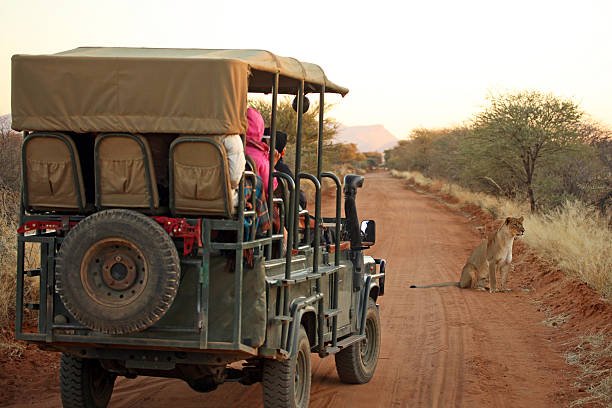
Zanzibar To Mikumi Safari: Flights, Prices And Itinerary Guide
Transition from the spice-scented beaches of Zanzibar to the wildlife-rich plains of Mikumi National Park. This guide details flight logistics, cost considerations, and sample itineraries...
View package details
10-Day Tanzania Safari And Zanzibar Beach Holiday: Your Ultimate Itinerary
Combine the thrill of a Tanzania safari with the relaxation of Zanzibar for an unforgettable 10-day adventure. This itinerary balances iconic wildlife viewing with stunning tropical...
View package details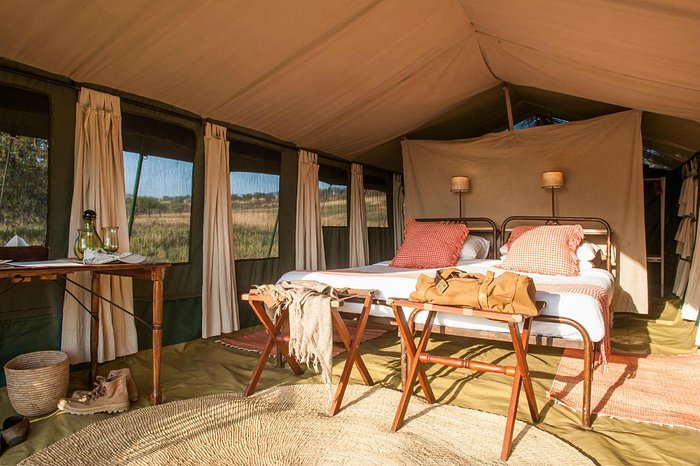
Safari From Zanzibar: Best Packages, Prices & Parks For 2026-2027
Combining a Zanzibar beach holiday with a Tanzania safari is a dream for many travelers. This guide details the best safari packages from Zanzibar, covering essential planning, park...
View package details
Tanzania Safari And Zanzibar All-Inclusive Packages Guide
Combine the thrill of a Tanzanian wildlife safari with the serene beauty of Zanzibar on an all-inclusive package. This comprehensive guide covers everything you need to know for planning...
View package details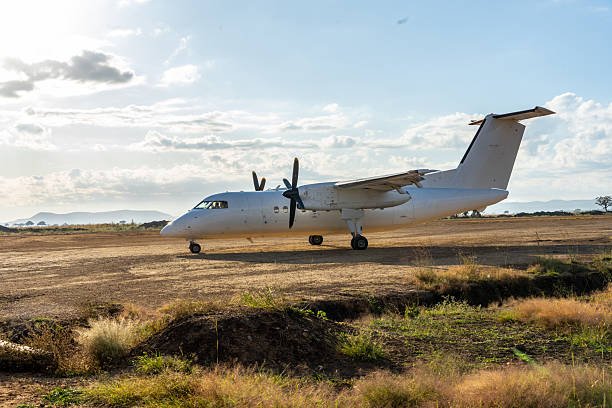
Zanzibar To Nyerere Safari Packages 2026-2027
Zanzibar to Nyerere Safari Packages is explained with current 2026-2027 planning, price, itinerary and booking information.
View package details3-Day Safari From Zanzibar 2026-2027
3-Day Safari From Zanzibar is explained with current 2026-2027 planning, price, itinerary and booking information.
View package details
2-Day Safari From Zanzibar: Your Quick Wildlife Escape In 2026-2027
Looking for a short, impactful wildlife adventure without a long trip? A 2-day safari from Zanzibar is your perfect solution. This guide covers the best options, what to expect, and how to...
View package detailsTanzania Safari And Zanzibar Packages /: Your Complete Guide 2026-2027
Explore the best Tanzania safari and Zanzibar packages for 2026-2027. This comprehensive guide covers itinerary options, wildlife highlights, beach relaxation, and booking considerations to...
View package detailsNo related package matches those filters. Clear one or more filters to see the other topic-matched options.



