Flights from Cape Town to Tanzania for a Serengeti safari typically involve traveling to Kilimanjaro International Airport (JRO) near Arusha, often requiring at least one stopover, commonly in Nairobi (NBO) or Addis Ababa (ADD). Direct flights are not available, so expect journey times of 8-15 hours depending on the layover. Booking your flights well in advance, especially for peak safari seasons in 2026 and 2027, is crucial for securing better fares and availability.
Understanding Your Journey: Cape Town to Tanzania Flights
Embarking on a Serengeti safari from Cape Town is an exciting prospect, and understanding the flight logistics is the first critical step in planning this incredible adventure. Unlike domestic travel within South Africa, reaching Tanzania requires international flights, and the journey isn’t as straightforward as hopping on a direct plane. The primary gateway airport for most Serengeti safaris is Kilimanjaro International Airport (JRO), which is conveniently located between Arusha and Moshi. Arusha serves as the main hub for safari operations in Northern Tanzania, including Serengeti National Park, Ngorongoro Conservation Area, and Tarangire National Park.
Currently, there are no direct flights operating between Cape Town (CPT) and Kilimanjaro International Airport (JRO). This means you will invariably need to book a flight with at least one stopover. The most common transit hubs are Nairobi, Kenya (NBO), or Addis Ababa, Ethiopia (ADD). Both cities offer well-established international airports with frequent connections to JRO. The choice between these hubs often depends on the airline you select and the specific flight schedule available for your travel dates in 2026 or 2027.
The total travel time can vary significantly. A typical itinerary might involve a flight from Cape Town to Nairobi or Addis Ababa, followed by a connecting flight to Kilimanjaro. This can result in a total journey duration ranging from 8 to 15 hours, sometimes even longer if layovers are extensive. It’s essential to factor in potential delays, time zone changes, and the need for rest upon arrival, especially before commencing a safari which can be physically demanding.
When planning for 2026-2027, remember that safari seasons, particularly the Great Migration viewing periods, are highly sought after. This increased demand often translates to higher flight prices and reduced availability. Therefore, early booking is highly recommended to secure your preferred travel dates and potentially better airfares. Understanding these fundamental aspects of the journey will set you up for a smoother planning process.
Airline Options for Your Cape Town to Tanzania Flight
Navigating the airline landscape for international travel can seem daunting, but for the Cape Town to Tanzania route, several carriers offer reliable services, albeit with layovers. The key is to identify which airlines fly from Cape Town (CPT) to your chosen transit city (Nairobi or Addis Ababa) and then connect to Kilimanjaro International Airport (JRO).
Key Airlines and Their Routes
The most common airlines you’ll encounter for this route include:
- Ethiopian Airlines: This is often one of the most convenient options. Ethiopian Airlines operates a robust network, connecting Cape Town to its hub in Addis Ababa (ADD) and then onwards to Kilimanjaro (JRO). Their schedule is usually quite comprehensive, offering multiple daily flights.
- Kenya Airways: Flying with Kenya Airways means connecting through Nairobi (NBO). They offer flights from Cape Town to Nairobi, and from Nairobi, there are frequent connections to Kilimanjaro. This is another popular choice for East African travel.
- South African Airways (SAA): While SAA might offer flights from Cape Town to other African destinations, direct connections to JRO are less common. Often, their routes might involve a stop in Johannesburg (JNB) before heading to a regional hub like Nairobi or Addis Ababa, adding an extra leg.
- Other International Carriers: Depending on your preference for comfort, loyalty programs, or specific flight times, you might also find options involving carriers like Qatar Airways, Emirates, or Turkish Airlines. These often connect through their respective hubs (Doha, Dubai, Istanbul) and then to JRO. While these can sometimes offer competitive pricing, they might involve longer travel times due to the further-flung hubs.
Choosing the Best Airline: Factors to Consider
When selecting an airline for your flights from Cape Town to Tanzania for a Serengeti safari, consider the following:
- Layover Duration and Location: A shorter layover is generally preferable to minimize travel time and reduce the risk of missed connections. However, extremely short layovers can be stressful. Also, consider if you’d prefer a layover in Nairobi (closer to Tanzania) or Addis Ababa.
- Total Travel Time: Compare the overall journey duration. Some airlines might offer a slightly cheaper fare but at the cost of a significantly longer travel day.
- Baggage Allowance: International flights have varying baggage policies. Ensure you understand the checked and carry-on limits, especially if you plan to bring safari gear. Some airlines may have stricter rules for flights within Africa.
- Aircraft Comfort and Service: For longer flights, the type of aircraft and the airline’s service standards can make a difference to your comfort.
- Price: Naturally, budget is a significant factor. Compare prices across different airlines and booking platforms for your 2026-2027 travel dates.
- Reliability and Schedule: Look for airlines with a good reputation for punctuality and consistent flight schedules to JRO.
For many travelers heading to Tanzania, Ethiopian Airlines and Kenya Airways often emerge as the most practical and commonly used options due to their extensive networks and frequent flights into Kilimanjaro International Airport.
Booking Your Flights: Practical Tips for 2026-2027
Securing the right flights is paramount for a successful safari. The process involves more than just searching for the cheapest ticket; it requires strategic planning, especially when looking ahead to the popular safari seasons of 2026 and 2027.
When to Book Your Flights
The general rule of thumb for international travel, particularly to popular tourist destinations like Tanzania, is to book as early as possible. For flights from Cape Town to Tanzania for a Serengeti safari in 2026 or 2027:
- Peak Safari Seasons (June to October, December to February): These periods coincide with excellent wildlife viewing opportunities, the Great Migration river crossings, and pleasant weather. Demand for flights is highest during these times. Aim to book your flights at least 6 to 9 months in advance. For 2027 travel, consider booking even earlier if possible, especially for specific dates.
- Shoulder Seasons (March to May, November): These months can offer great value with fewer crowds and potentially lower flight prices. Booking 4 to 6 months in advance is usually sufficient, but early booking is still advised for the best choices.
- Flexibility: If your travel dates are flexible, you might find better deals by searching for flights across a wider range of dates. Mid-week flights are often cheaper than weekend departures.
Where to Search and Book
Several platforms and methods can be used to find and book your flights:
- Online Travel Agencies (OTAs): Websites like Skyscanner, Google Flights, Kayak, and Expedia allow you to compare prices from multiple airlines and booking agents simultaneously. Use their flexible date search features to identify potential savings.
- Airline Websites Directly: Once you’ve identified a preferred airline (e.g., Ethiopian Airlines or Kenya Airways), it’s often worth checking their official website. Sometimes, airlines offer exclusive deals or better terms when booking directly.
- Travel Agents: For complex itineraries or if you prefer personalized service, a travel agent specializing in African travel can be invaluable. They often have access to consolidated fares and can manage all aspects of your journey.
Key Booking Considerations
- Visa Requirements: Ensure you are aware of Tanzania’s visa requirements for South African citizens. While some nationalities can get a visa on arrival, it’s often recommended to apply in advance online or through the Tanzanian embassy to avoid delays.
- Connecting Flights: Pay close attention to the layover times and airport terminals. Ensure you have enough time to make your connection, especially if you need to change terminals or re-check your luggage.
- Travel Insurance: Always purchase comprehensive travel insurance that covers flight cancellations, delays, medical emergencies, and lost luggage. This is non-negotiable for international travel.
- Documentation: Ensure your passport is valid for at least six months beyond your intended stay and has sufficient blank pages for entry and exit stamps.
Booking flights for your 2026-2027 safari is a critical step. By understanding the timing, using the right search tools, and paying attention to the details, you can ensure a smooth start to your adventure from Cape Town to the heart of Tanzania.
Pro Tip for Booking Flights in 2026-2027
Many travelers find that booking their international flights from Cape Town to JRO separately from their internal East African flights (if any are needed) can sometimes offer more flexibility and better pricing. However, be mindful of booking flights with different airlines or through different bookings, as this means you’ll need to re-check baggage and potentially clear immigration during your layover. For simplicity, booking a single ticket that includes all legs to JRO is often preferred, but always compare options.
Navigating Kilimanjaro International Airport (JRO)
Kilimanjaro International Airport (JRO) is your arrival point in Tanzania for most safaris. Understanding its facilities and procedures will help you transition smoothly from your flight to your onward journey.
Airport Layout and Services
JRO is a relatively small international airport, making it quite manageable. It has one main terminal building that handles both international and domestic flights. Key facilities include:
- Immigration and Customs: Upon arrival, you’ll proceed through immigration, where your passport and visa will be checked. After collecting your luggage, you’ll pass through customs.
- Baggage Claim: The baggage claim area is located after immigration.
- Currency Exchange and ATMs: You’ll find currency exchange bureaus and ATMs available in the arrivals hall, useful for obtaining Tanzanian Shillings (TZS) for immediate expenses like tips or local SIM cards.
- Cafes and Shops: Limited options are available for refreshments and souvenirs.
- Information Desks: Tourist information desks can provide general assistance.
Arrival Procedures
The process upon landing at JRO is generally straightforward:
- Deplaning: Follow the signs for arrivals and immigration.
- Immigration: Present your passport, completed arrival card (usually distributed on the flight), and visa (if pre-arranged). Be prepared to answer questions about the purpose of your visit and your accommodation.
- Baggage Collection: Proceed to the baggage claim area. If you have checked luggage, locate your flight’s carousel.
- Customs: Declare any items as required by Tanzanian customs regulations.
- Meet and Greet: This is a crucial step for safari-goers. Your safari operator, such as Climb 4 Africa, will typically arrange for a representative to meet you just outside the arrivals hall. They will be holding a sign with your name or the company’s name. This is where your safari adventure truly begins!
Transfers from JRO to Arusha/Moshi
Once you’ve cleared customs and met your representative, your transfer to your accommodation in Arusha or Moshi will commence. This transfer is usually included as part of your safari package with operators like Climb 4 Africa.
- Duration: The drive from JRO to Arusha takes approximately 45-60 minutes, while Moshi is a bit further, around 1-1.5 hours. The roads are generally paved but can be busy.
- Vehicle: You’ll likely be met by a safari vehicle or a comfortable transfer car. Your driver will assist with your luggage.
- Purpose: This transfer is not just about transportation; it’s often an opportunity for your guide or representative to provide initial information about your safari, answer any immediate questions, and ensure you’re settled into your lodge or hotel.
Having your airport transfer pre-arranged, as is standard with reputable safari operators, significantly reduces stress upon arrival. It means you don’t have to worry about finding transport or negotiating prices in a new environment.
Planning Your Serengeti Safari from Tanzania
With your flights from Cape Town to Tanzania booked, the focus shifts to the safari itself. Your arrival at JRO marks the gateway to the wonders of the Serengeti, but the safari planning involves understanding the logistics within Tanzania.
Choosing Your Safari Itinerary
The Serengeti is vast, and your safari itinerary will determine which parts you explore and for how long. Common safari circuits include:
- Northern Circuit: This is the most popular and includes Serengeti, Ngorongoro Crater, Tarangire, and Lake Manyara. It’s accessible from JRO.
- Central Serengeti: Ideal for year-round game viewing.
- Western Corridor: Famous for the Grumeti River and migration crossings (May-July).
- Northern Serengeti (Mara River): The prime location for witnessing the dramatic river crossings of the Great Migration (July-October).
- Southern Serengeti: Best for calving season (January-March).
The duration of your safari will influence how much of the Serengeti and surrounding parks you can realistically experience. A typical safari ranges from 3 days to 10 days or more.
Safari Accommodation Options
Accommodation plays a significant role in the safari experience and budget. Options include:
- Tented Camps: Offering a closer-to-nature experience, these range from basic canvas tents to luxurious lodges with en-suite bathrooms and private decks.
- Safari Lodges: More permanent structures, often with amenities like swimming pools, restaurants, and bars.
- Mobile Camps: These camps move seasonally to follow the Great Migration, offering prime viewing locations.
The type of accommodation you choose will directly impact the overall cost of your safari package.
Safari Vehicle and Guide
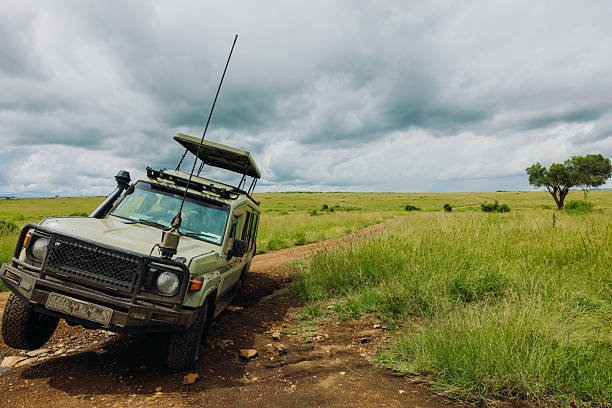
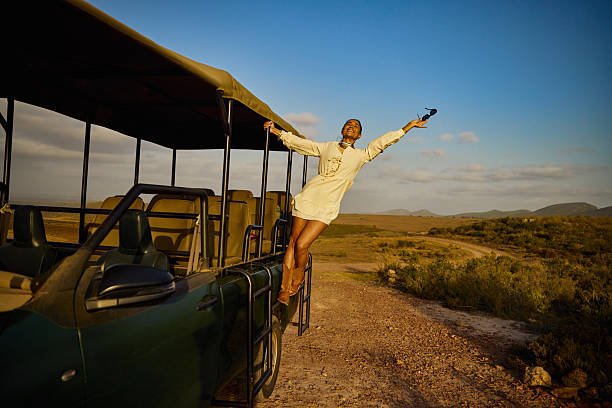
The vehicle and guide are central to your safari experience. Most safari operators use custom-built 4×4 Land Cruisers or Land Rovers equipped with pop-up roofs for optimal game viewing and photography. A knowledgeable local guide is invaluable for spotting wildlife, understanding animal behavior, and navigating the parks.
Booking Your Safari Package
When booking your Serengeti safari, it’s essential to work with a reputable tour operator. Climb 4 Africa specializes in creating tailor-made safari experiences, ensuring all logistical aspects, including airport transfers and internal travel arrangements, are seamlessly handled.
Key inclusions to confirm in your safari package:
- Airport transfers (arrival and departure)
- Accommodation (lodges/camps)
- Park entrance fees
- Meals (usually full board on safari)
- Game drives in a 4×4 vehicle with a professional guide
- Bottled water during game drives
When you contact Climb 4 Africa, providing details about your desired safari duration, accommodation style, and specific interests (like witnessing the Great Migration river crossings in 2026 or 2027) will help them craft the perfect itinerary.
Example Safari Flow from Cape Town to Serengeti
Day 1: Fly from Cape Town (CPT) to Kilimanjaro International Airport (JRO). Meet your guide, transfer to Arusha/Moshi for overnight.
Day 2: Drive from Arusha to Tarangire National Park for a full day of game drives. Overnight in a lodge/camp near Tarangire.
Day 3: Morning game drive in Tarangire, then drive to the Ngorongoro Conservation Area. Descend into the Ngorongoro Crater for game viewing. Overnight at a lodge on the crater rim or nearby.
Day 4: Drive from Ngorongoro to the Serengeti National Park, entering via the Naabi Hill gate. Game drive en route to your central Serengeti accommodation. Overnight in a tented camp or lodge.
Days 5-X: Explore different regions of the Serengeti based on the season and your interests (e.g., following the migration). Enjoy daily game drives.
Day X+1: Morning game drive in the Serengeti, then drive back towards Arusha/Moshi, possibly stopping at a Maasai village or craft market. Overnight in Arusha/Moshi.
Day X+2: Transfer to Kilimanjaro International Airport (JRO) for your flight back to Cape Town (CPT) or onward destination.
Cost Considerations for Flights and Safari
Understanding the potential costs involved in your trip from Cape Town to Tanzania is crucial for budgeting. This includes both the airfare and the safari package itself.
Factors Affecting Flight Prices
The cost of flights from Cape Town to Kilimanjaro (JRO) can fluctuate significantly based on:
- Time of Year: As mentioned, peak safari seasons (July-October, December-February) will see higher airfares. Booking for off-peak times in 2026 or 2027 might offer savings.
- Booking Window: Flights booked months in advance are typically cheaper than last-minute bookings.
- Airline and Route: Different airlines and routes (e.g., via Addis Ababa vs. Nairobi) will have varying price points.
- Direct vs. Indirect: Since direct flights aren’t an option, the number of stops and layover duration can influence price.
- Demand: Global travel trends and specific events in Tanzania can impact demand and, consequently, prices.
While exact prices are impossible to quote without specific dates, budget anywhere from ZAR 15,000 to ZAR 30,000+ per person for a round-trip economy ticket from Cape Town to JRO. This is a broad estimate and can vary significantly.
Safari Package Costs
The cost of your Serengeti safari package will depend on:
- Duration of Safari: Longer safaris naturally cost more.
- Accommodation Level: Budget-friendly guesthouses, mid-range tented camps, or luxury lodges will have different price points.
- Number of Parks Visited: Visiting more parks (Serengeti, Ngorongoro, Tarangire, etc.) increases entrance fees.
- Type of Safari: Private safaris are more expensive than group or shared safaris.
- Inclusions: Whether activities like hot air balloon rides are included.
For a mid-range safari experience lasting around 5-7 days in Northern Tanzania, expect costs to range from USD 2,000 to USD 4,000+ per person, excluding international flights. Luxury options can go much higher.
Budgeting Tips for 2026-2027
- Book Flights Early: This is the single biggest factor in controlling flight costs.
- Consider Shoulder Seasons: Traveling outside the absolute peak months can lead to savings on both flights and safaris.
- Opt for Group Safaris: If you’re comfortable traveling with others, joining a small group safari is significantly more economical than a private tour. Climb 4 Africa offers excellent group departure dates for 2026-2027.
- Be Clear About Inclusions: Ensure you know exactly what your safari package covers to avoid unexpected expenses. Park fees and accommodation are usually the largest components.
- Factor in Extras: Budget for tips for guides and staff, souvenirs, alcoholic beverages, and any personal expenses.
Working with an experienced operator like Climb 4 Africa can help you navigate these costs and find a package that aligns with your budget and expectations for your 2026 or 2027 adventure.
Estimated Cost Breakdown (Per Person, Excluding International Flights)
Budget Safari (Shared): USD 150 – 250 per day
Mid-Range Safari (Shared/Private): USD 250 – 450 per day
Luxury Safari (Private): USD 500 – 1000+ per day
Note: These are estimates. Park fees alone can be USD 60-80 per person per day in Serengeti and Ngorongoro.
Visa and Health Requirements for Tanzania
Before you travel from Cape Town to Tanzania for your Serengeti safari, it’s crucial to address visa and health requirements to ensure a smooth entry and a healthy trip.
Tanzania Visa Information
As of recent regulations, citizens of many countries, including South Africa, typically require a visa to enter Tanzania. However, rules can change, so always verify the latest requirements for your nationality.
- Online Visa Application: Tanzania offers an online visa application system, which is often the most convenient method. You can apply through the official Tanzanian immigration website.
- Visa on Arrival: For some nationalities, a visa can be obtained upon arrival at Kilimanjaro International Airport (JRO). However, this can sometimes lead to longer queues, and it’s generally recommended to secure your visa in advance to save time and potential hassle.
- Embassy Application: You can also apply for a visa through the Tanzanian embassy or consulate in your country or a neighboring one.
- Visa Fees: Fees vary by nationality and visa type (single-entry, multiple-entry). Check the current fees when applying.
Recommendation: For your 2026-2027 safari, applying for your visa online well in advance of your travel date is the safest approach.
Health and Vaccination Recommendations
Consulting your doctor or a travel clinic 4-6 weeks before your trip is essential for personalized advice.
- Yellow Fever: Proof of Yellow Fever vaccination is often required for entry into Tanzania, especially if you are arriving from or have transited through a country with a risk of Yellow Fever transmission. You may need to show your International Certificate of Vaccination (yellow card).
- Malaria Prevention: Tanzania is a malaria-endemic country. Your doctor will likely recommend antimalarial medication. Discuss the best options for you, considering your itinerary and health profile.
- Other Vaccinations: Routine vaccinations (like Hepatitis A, Typhoid) are generally recommended. Discuss your travel plans with your healthcare provider to ensure you are up-to-date.
- COVID-19: While most restrictions have been lifted, always check the latest entry requirements related to COVID-19 testing or vaccination certificates closer to your travel dates for 2026-2027.
Travel Insurance: Ensure your travel insurance policy covers medical emergencies, including evacuation if necessary. This is a critical safeguard for any international trip.
Maximizing Your Serengeti Safari Experience
Getting to the Serengeti is one thing; ensuring your safari is unforgettable is another. Here are some tips to make the most of your journey from Cape Town.
Best Time to Visit the Serengeti
The Serengeti offers incredible wildlife viewing year-round, but the “best” time often depends on what you want to see:
- June to October: This is the dry season and the prime time for the Great Migration. Large herds congregate in the central and western Serengeti, and river crossings at the Mara River (Northern Serengeti) are common from July to October. This is also peak season for tourism, meaning higher prices and more visitors.
- January to March: This is the calving season in the southern Serengeti (Ndutu area). Witnessing newborn wildebeest and the predators that follow them is a unique spectacle.
- April to May: The ‘long rains’ season. This period sees fewer tourists and lush landscapes, but some camps and lodges may close, and game drives can be affected by muddy tracks. It can offer a more budget-friendly and intimate experience if you don’t mind occasional rain.
For those specifically aiming to see the river crossings in 2026 or 2027, planning for July through October is essential.
What to Pack for Your Safari
Packing smart is key for comfort and practicality on safari:
- Clothing: Lightweight, neutral-colored clothing (khaki, beige, olive green) is best. Avoid bright colors that might startle animals. Pack layers as temperatures can vary significantly between day and night. Include long-sleeved shirts and trousers for sun and insect protection.
- Footwear: Comfortable walking shoes or hiking boots (if planning any walking safaris) and sandals or flip-flops for relaxing at camp/lodge.
- Sun Protection: High SPF sunscreen, a wide-brimmed hat, and sunglasses are essential.
- Insect Repellent: A strong repellent containing DEET is crucial, especially for evenings.
- Camera and Binoculars: Essential for capturing memories and spotting wildlife. Consider extra batteries and memory cards.
- Personal Items: Medications, a basic first-aid kit, hand sanitizer, and a reusable water bottle.
- Adapter: Tanzania uses Type G (UK-style) sockets, 230V.
Luggage Restrictions: Be aware that small bush planes, often used for internal flights within Tanzania if your safari involves them, have strict luggage weight limits (usually 15-20 kg) and soft-sided duffel bags are often mandatory. Check this with your operator.
Engaging with Your Safari Operator
Your safari operator is your primary resource. Don’t hesitate to:
- Ask Questions: Before, during, and after your trip.
- Communicate Preferences: Whether it’s photography, birdwatching, or specific wildlife interests, let them know.
- Provide Feedback: Honest feedback helps them improve services for future travelers.
Climb 4 Africa prides itself on providing personalized support and expert advice, ensuring your flights from Cape Town to Tanzania and your subsequent safari are perfectly arranged for an unforgettable experience in 2026-2027.
Frequently Asked Questions about Flights to Tanzania
Can I fly directly from Cape Town to Kilimanjaro?
No, there are currently no direct flights available from Cape Town (CPT) to Kilimanjaro International Airport (JRO). All flights will involve at least one stopover, typically in Nairobi (NBO) or Addis Ababa (ADD).
What is the average flight duration from Cape Town to JRO?
The total travel time, including layovers, usually ranges from 8 to 15 hours. This can vary significantly based on the airline, the layover city, and the length of the stopover.
When is the best time to book flights for a 2026-2027 safari?
For peak safari seasons (June-October, December-February), it’s recommended to book flights 6 to 9 months in advance. For shoulder seasons, 4 to 6 months in advance is generally sufficient, but earlier is always better for choice and price.
Which airlines fly from Cape Town to Kilimanjaro?
Common carriers include Ethiopian Airlines (via Addis Ababa) and Kenya Airways (via Nairobi). Other international airlines like Qatar Airways, Emirates, or Turkish Airlines may also offer routes with longer travel times.
Do I need a visa for Tanzania?
Yes, most nationalities, including South African citizens, require a visa for Tanzania. It is recommended to apply online in advance or obtain one upon arrival, though pre-application is safer.
What is the main airport for Serengeti safaris?
The primary airport for Serengeti safaris is Kilimanjaro International Airport (JRO), located between Arusha and Moshi. Arusha is the main hub for safari operations.
Planning flights from Cape Town to Tanzania for a Serengeti safari is a multi-step process that requires attention to detail. By understanding the flight routes, airline options, booking strategies for 2026-2027, and airport procedures, you can set yourself up for a smooth journey. Remember that your safari adventure is an investment, and starting with well-planned travel arrangements ensures you can focus on the incredible wildlife and landscapes that await you in the Serengeti. For personalized assistance in crafting your dream safari, including managing flight recommendations and all ground arrangements, don’t hesitate to reach out to the experts at Climb 4 Africa. You can connect with them via WhatsApp at +255 747 477 898 or by sending an email to climb4africa@gmail.com to discuss your 2026-2027 travel plans.
“,
“faq_schema”: [
{
“question”: “Can I fly directly from Cape Town to Kilimanjaro?”,
“answer”: “No, there are currently no direct flights available from Cape Town (CPT) to Kilimanjaro International Airport (JRO). All flights will involve at least one stopover, typically in Nairobi (NBO) or Addis Ababa (ADD).”
},
{
“question”: “What is the average flight duration from Cape Town to JRO?”,
“answer”: “The total travel time, including layovers, usually ranges from 8 to 15 hours. This can vary significantly based on the airline, the layover city, and the length of the stopover.”
},
{
“question”: “When is the best time to book flights for a 2026-2027 safari?”,
“answer”: “For peak safari seasons (June-October, December-February), it’s recommended to book flights 6 to 9 months in advance. For shoulder seasons, 4 to 6 months in advance is generally sufficient, but earlier is always better for choice and price.”
},
{
“question”: “Which airlines fly from Cape Town to Kilimanjaro?”,
“answer”: “Common carriers include Ethiopian Airlines (via Addis Ababa) and Kenya Airways (via Nairobi). Other international airlines like Qatar Airways, Emirates, or Turkish Airlines may also offer routes with longer travel times.”
},
{
“question”: “Do I need a visa for Tanzania?”,
“answer”: “Yes, most nationalities, including South African citizens, require a visa for Tanzania. It is recommended to apply online in advance or obtain one upon arrival, though pre-application is safer.”
},
{
“question”: “What is the main airport for Serengeti safaris?”,
“answer”: “The primary airport for Serengeti safaris is Kilimanjaro International Airport (JRO), located between Arusha and Moshi. Arusha is the main hub for safari operations.”
}
]
}
“`
Check Availability for Flights From Cape Town To Tanzania For Serengeti Safari 2026-2027
Ready to compare dates, prices, and the best option for your group? Send the package name and travel month so the team can reply with a clear quote, availability, and what is included.
Which Tanzania Group Safari Includes Serengeti And Ngorongoro?
Which Tanzania Group Safari Includes Serengeti and Ngorongoro?
View package detailsDec 27, – 4 Day Serengeti Migration Group Safari: Plan Your Trip
A deep look at planning your 4-day Serengeti migration group safari departing December 27, 2026, including itinerary logistics, group benefits, and seasonal expectations.
View package details3 Day Serengeti And Ngorongoro Group Safari: Planning For December 4,
A detailed guide on planning a 3-day group safari to the Serengeti and Ngorongoro Crater for December 4, 2026, covering route expectations, group logistics, and essential planning steps.
View package detailsWe Are Two Travellers—Can We Join A Serengeti Safari In Dec ?
A guide for two travellers looking to join a Serengeti group safari in December 2026, covering logistics, cost-efficiency, and what to expect during the short rains.
View package detailsWhere Can I Join An Affordable Serengeti Safari In Dec ? A Practical Planning
A practical guide for budget-conscious travelers looking to join a Serengeti safari in December 2026, focusing on group-joining logistics and cost-effective planning.
View package detailsWhich Tanzania Group Safari Includes All Northern Circuit Parks? A Planning
Planning a Northern Circuit safari often leads to the question of 'how many parks can I fit in?' We explore the reality of group joining itineraries that aim to cover Tarangire, Lake...
View package detailsHow Much Is A 3 Day Serengeti Group Safari In Nov ? Cost Breakdown
Get a clear breakdown of the factors influencing the cost of a 3-day Serengeti group safari in November 2026, including park fees, vehicle logistics, and group dynamics.
View package detailsCan A Solo Traveller Join A Serengeti Safari In Dec ?
Planning a solo safari in December 2026? Discover the logistics of joining group departures, why December is a prime time for the migration, and how to manage costs effectively.
View package details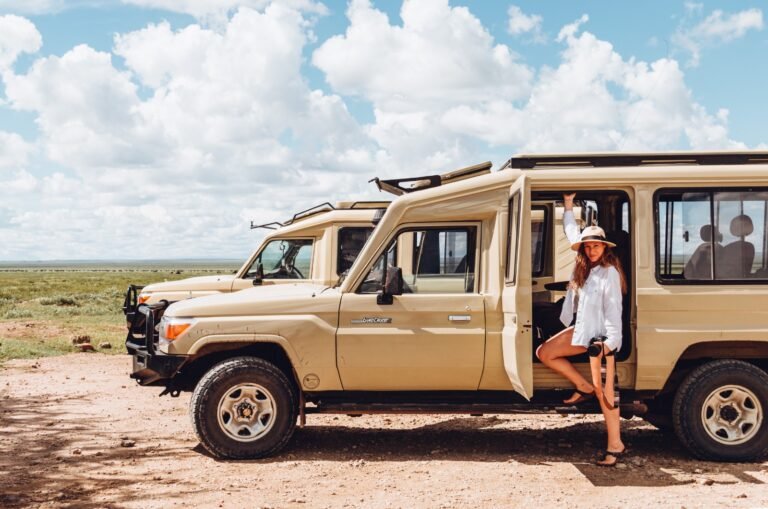
Afcon Private Serengeti Safari With Lodges
AFCON 2027 Private Serengeti Safari with Lodges.
View package detailsAfcon Luxury Serengeti Safari Packages
AFCON 2027 Luxury Serengeti Safari Packages.
View package details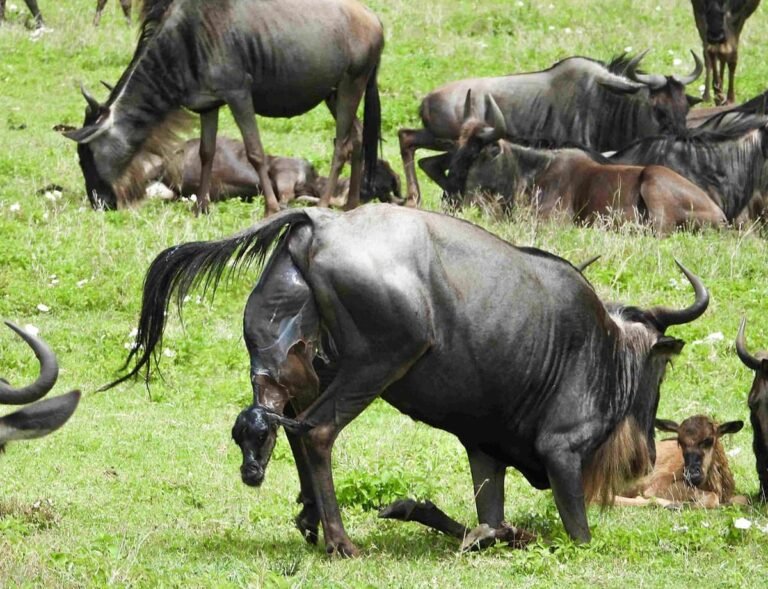
Serengeti Great Migration Safari During AFCON 2027
Mwongozo wa kina kwa safari ya Serengeti Great Migration wakati wa AFCON 2027, ukilenga kuelewa maeneo, kipindi cha mwendo wa mnyama, na mapendekezo ya mipango ya kiutendaji.
View package details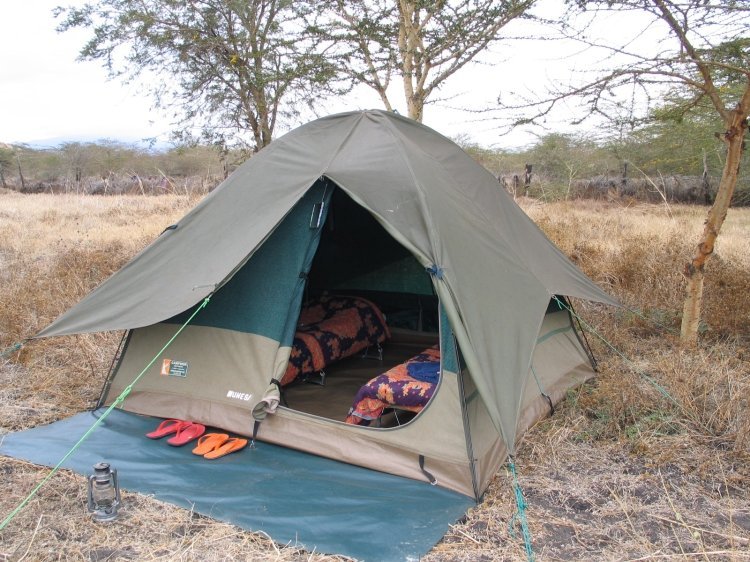
Four Day Serengeti na Ngorongoro Safari During AFCON 2027
Mwongozo wa safari ya siku 4 kwenye Serengeti na Ngorongoro wakati AFCON 2027; jinsi ya kupanga, nini cha kujali, na jinsi ya kuandaa,”
View package detailsNo related package matches those filters. Clear one or more filters to see the other topic-matched options.