For a first-time safari in East Africa, the choice between Kenya or Tanzania first depends heavily on your priorities: visit Kenya first if witnessing the Great Migration river crossings in the Masai Mara during July-October is paramount, or if you seek vast, open savannahs and a high density of predators. Conversely, consider Tanzania first if your dream includes the iconic Ngorongoro Crater’s dense wildlife, the Serengeti’s immense plains year-round, or combining a safari with Mount Kilimanjaro or Zanzibar. Both offer incredible experiences, but the timing and specific wildlife spectacles often guide this initial decision for 2026-2027 trips.
Understanding the Core Differences: Kenya vs. Tanzania Safari
The question of whether to visit Kenya or Tanzania first on a combined safari is a classic dilemma for many travelers planning their first East African adventure. Both nations are titans of wildlife tourism, offering some of the most spectacular natural phenomena and diverse ecosystems on the planet. However, they present distinct experiences, and understanding these differences is key to crafting your ideal itinerary. This isn’t about one being definitively ‘better’ than the other; it’s about which aligns more closely with what you envision for your initial foray into the wild. For 2026-2027 trips, early planning is advisable, especially for peak migration seasons.
Think of it this way: Kenya often shines brightest for sheer predator-prey drama in iconic locations like the Masai Mara, especially during the Great Migration’s river crossings. Tanzania, on the other hand, offers a broader spectrum of experiences, from the unparalleled density of wildlife in the Ngorongoro Crater to the vastness of the Serengeti, which hosts the migration for much of the year, and the unique appeal of Mount Kilimanjaro and the spice island of Zanzibar. Your decision hinges on whether you prioritize specific migration events, landscape variety, or the combination of activities.
We’ll explore the nuances of each country, comparing their flagship parks, the timing of the Great Migration, unique activities, and logistical considerations. By the end, you should have a much clearer picture of which country makes the most sense to tackle first for your unforgettable 2026-2027 safari.
The Great Migration: The Deciding Factor for Many
When most people picture an African safari, they envision the Great Migration. This colossal movement of over 1.5 million wildebeest, zebras, and gazelles across the Serengeti-Tanzania and Masai Mara-Kenya ecosystems is a spectacle of nature that draws visitors from around the globe. For many, witnessing this event is the primary driver for their safari. Understanding its cyclical nature is crucial for deciding between Kenya or Tanzania first.
Serengeti vs. Masai Mara: Migration Timing
The migration is not a static event; it’s a year-round cycle driven by the search for fresh grazing and water. Here’s a breakdown:
- January – March: Calving Season (Serengeti, Tanzania). The herds are typically concentrated in the southern Serengeti plains (around Ndutu). This is a prime time for seeing newborn wildebeest and increased predator activity as lions, cheetahs, and hyenas capitalize on the vulnerable young. If seeing thousands of newborns and intense predator action is your focus, Tanzania in early 2026 or 2027 would be ideal.
- April – May: Moving North (Serengeti, Tanzania). The herds begin to move northwards across the central and western Serengeti, often following the rains. This can be a greener time to visit, but the migration is more dispersed, and river crossings are less common.
- June – July: Western Corridor & River Crossings (Serengeti, Tanzania / Mara River, Kenya). As the herds reach the Grumeti River in western Serengeti, they may encounter significant river crossings. However, the most famous and dramatic crossings occur when the bulk of the migration moves into Kenya’s Masai Mara National Reserve. This is often considered the ‘peak’ migration for many visitors.
- August – October: Masai Mara, Kenya. This is the prime time for witnessing the dramatic wildebeest crossings of the Mara River. The vast herds are concentrated in the Masai Mara, offering incredible game viewing and high chances of seeing these thrilling events. If your primary goal is to see these iconic river crossings, starting with Kenya during these months makes the most sense for your 2026-2027 trip.
- November – December: Return South (Tanzania). The herds begin to move back south towards the Serengeti’s short-grass plains in Tanzania, often following the rains. This can be another good time for predator action as the animals regroup.
Which Country First Based on Migration?
If witnessing the Great Migration river crossings is non-negotiable and you’re planning for July to October, then starting your safari in Kenya is the logical choice. You’ll spend time in the Masai Mara, where these dramatic events unfold daily. After experiencing this in Kenya, you could then travel south to Tanzania to catch the tail end of the migration or explore other regions.
However, if your interest lies more in the calving season (January-March) with its abundance of newborns and predator activity, or if you’re happy seeing the migration as it moves across the vast Serengeti plains throughout the year, then starting with Tanzania makes perfect sense. The Serengeti offers a continuous spectacle, even outside the peak river crossing months.
For 2026-2027 travel, remember that the exact timing can vary slightly year to year based on rainfall patterns. Booking with experienced local operators like Climb 4 Africa can provide up-to-date insights.
Landscape Diversity and Iconic Parks: A Comparative Look
Beyond the migration, the landscapes and flagship parks of Kenya and Tanzania offer different flavors of safari. Your preference for specific scenery can heavily influence your decision.
Kenya’s Signature Landscapes
Kenya is renowned for its vast, open savannahs, dramatic escarpments, and its iconic association with the Maasai people and their traditional way of life. The landscapes often feel immense and quintessential ‘African bush’.
- Masai Mara National Reserve: Famous for its rolling grasslands dotted with acacia trees, the Mara offers classic safari vistas. It’s relatively compact compared to the Serengeti but incredibly rich in wildlife, particularly predators. The Mara River cuts through the reserve, creating riparian habitats.
- Amboseli National Park: This park is defined by its large elephant herds and, most strikingly, its backdrop of Mount Kilimanjaro (which sits just across the border in Tanzania). The wetlands provide excellent birdwatching and a concentrated wildlife viewing experience.
- Samburu National Reserve: Located in northern Kenya, Samburu offers a starkly different, semi-arid landscape with rugged hills and thorny scrub. It’s known for its unique ‘Samburu Special Five’: the reticulated giraffe, Grevy’s zebra, Somali ostrich, gerenuk, and beisa oryx.
- Lake Nakuru National Park: Famous for its large flamingo populations (though numbers can fluctuate) and significant rhino sanctuary. It’s a beautiful Rift Valley lake setting.
Tanzania’s Diverse Ecosystems
Tanzania boasts an incredible range of ecosystems, from the caldera of the Ngorongoro Crater to the endless plains of the Serengeti and the unique flora of the northern circuit parks.
- Serengeti National Park: Vast and iconic, the Serengeti’s landscapes change dramatically across its different regions – from the short-grass plains of the south to the kopjes and woodlands of the central and western areas. Its sheer scale is impressive.
- Ngorongoro Conservation Area: The Ngorongoro Crater is a UNESCO World Heritage Site and a true natural wonder. This ancient volcanic caldera is teeming with wildlife, offering incredible densities of animals and a high chance of spotting the ‘Big Five’ in a single day. The landscape within the crater is lush and unique.
- Tarangire National Park: Known for its large elephant herds, baobab trees, and the Tarangire River, which acts as a magnet for wildlife during the dry season. It offers a more rugged, less crowded safari experience than the Serengeti or Masai Mara.
- Lake Manyara National Park: Famous for its tree-climbing lions (though sightings are not guaranteed) and its diverse habitats, including groundwater forests and alkaline lakes that attract flamingos and a variety of waterbirds.
Landscape Preference for Your First Safari
If your ideal safari involves the quintessential wide-open savannahs and dramatic river crossings, Kenya might be your starting point. The Masai Mara embodies this image perfectly. If, however, you’re drawn to the idea of a caldera teeming with life, vast, ever-changing plains, and perhaps the dramatic presence of Kilimanjaro as a backdrop, then Tanzania could be the more compelling first choice.
Consider what you want your defining visual memory of a safari to be. Is it the endless plains of the Serengeti or the iconic acacia-dotted savannahs of the Mara? Is it the dramatic drama of a river crossing, or the concentrated wonder of the Ngorongoro Crater? For 2026-2027 bookings, it’s worth noting that while the Mara is often more crowded during peak migration, Tanzania’s northern circuit parks can also be busy.
Wildlife Viewing: Density vs. Speciality
Both Kenya and Tanzania offer exceptional wildlife viewing, but there are differences in animal density, species concentration, and the likelihood of spotting certain animals.
Kenya’s Wildlife Highlights
Kenya is celebrated for its high predator populations, especially in the Mara, and its abundance of certain species.
- Predator Action: The Masai Mara is legendary for its lion, leopard, and cheetah populations. The open plains and abundant prey mean predators are often visible.
- Elephant Herds: Amboseli is world-renowned for its large, family-based elephant herds, often seen with Kilimanjaro in the background.
- The ‘Samburu Special Five’: As mentioned, Samburu offers a chance to see species not commonly found in the southern parks.
- Birdlife: Lake Nakuru and various Rift Valley lakes are superb for birdwatching, especially during migratory seasons.
Tanzania’s Wildlife Strengths
Tanzania often boasts higher overall animal densities, particularly in the Ngorongoro Crater, and the sheer scale of the Serengeti’s migration is unparalleled.
- Ngorongoro Crater’s Density: The crater floor is a microcosm of East African wildlife, with an estimated 25,000 large animals. This makes it one of the best places on Earth to see a high concentration of wildlife, including the Big Five (lion, leopard, elephant, rhino, buffalo) in a single day. The chance of seeing a black rhino here is significantly higher than in most other parks.
- Serengeti’s Scale: While the migration itself is a highlight, the Serengeti supports a massive resident population of animals year-round, offering incredible game viewing across its vast expanse.
- Tarangire’s Elephants: Tarangire is famous for its huge herds of elephants, especially during the dry season.
Which Offers Better Wildlife for Your First Safari?
If you dream of seeing predator action and large, visible herds against classic savannah backdrops, Kenya’s Masai Mara might be the more immediately rewarding start. The concentration of predators and prey is exceptional.
However, if your priority is experiencing the sheer density of wildlife in a unique, contained environment and the possibility of seeing all the Big Five, including the elusive black rhino, in one go, then starting with Tanzania’s Ngorongoro Crater is hard to beat. The Serengeti’s year-round wildlife, even outside the peak migration, also offers an incredible, albeit different, scale of experience.
For 2026-2027 planning, consider that the Mara can be very busy during peak migration months (August-October). Tanzania’s parks, while popular, might offer slightly more varied experiences depending on the itinerary. For instance, combining the Serengeti with the Ngorongoro Crater and Tarangire provides a diverse wildlife overview.
Beyond Wildlife: Unique Activities and Cultural Experiences
While wildlife is the main draw, both countries offer unique activities and cultural encounters that can enrich your safari.
Kenya’s Unique Offerings
- Maasai Cultural Visits: Kenya is the heartland of the Maasai people, and many lodges and camps offer opportunities to visit Maasai villages (known as ‘bomas’) to learn about their traditions, social structures, and daily life.
- Hot Air Balloon Safaris: The Masai Mara is one of the premier locations globally for hot air balloon safaris. Floating silently above the plains at dawn, watching the sunrise and wildlife below, is an unforgettable experience.
- Camel Safaris: In regions like Samburu, camel-back safaris offer a different, more traditional way to explore the landscape and encounter wildlife.
Tanzania’s Unique Offerings
- Mount Kilimanjaro Climb: For the adventurous, Tanzania is home to Africa’s highest peak, Mount Kilimanjaro. Combining a safari with a climb is a popular, albeit challenging, option. Climb 4 Africa specializes in Kilimanjaro expeditions for 2026-2027.
- Zanzibar Holidays: After a dusty safari, the exotic spice island of Zanzibar offers pristine beaches, turquoise waters, rich history (Stone Town), and vibrant culture. It’s a perfect complement to a Tanzanian safari.
- Cultural Tourism Program (Ngorongoro): While interactions in the crater are strictly regulated, the surrounding Ngorongoro Conservation Area offers opportunities to visit Maasai villages and learn about the unique co-existence of people and wildlife.
- Walking Safaris: Certain areas in Tanzania, particularly outside the main national parks (like in the Serengeti’s Western Corridor or around Tarangire), offer guided walking safaris for a more intimate connection with the bush.
Which Country First for Activities?
If your dream includes a hot air balloon ride over the Mara or a deep look at Maasai culture, starting with Kenya makes sense. These experiences are particularly well-developed and iconic there.
If you are considering climbing Mount Kilimanjaro or relaxing on the beaches of Zanzibar after your safari, then starting with Tanzania is the more logical choice. It allows you to seamlessly combine these activities. Tanzania also offers excellent opportunities for walking safaris for those seeking a different perspective.
When planning for 2026-2027, consider how much time you have. Combining a safari with Kilimanjaro and Zanzibar requires a significant amount of time, making Tanzania a great starting point if these are high priorities. Kenya’s highlights are more focused on the safari experience itself.
Logistics, Costs, and Travel Styles
Practical considerations like travel logistics, cost, and the types of safari experiences available can also influence your decision.
Kenya: Logistics and Costs
- Accessibility: Kenya has well-developed infrastructure, with Nairobi serving as a major international hub. Road transfers between parks are common, and internal flights are readily available, particularly to the Masai Mara.
- Cost: Kenya can offer a wide range of safari options, from budget-friendly camping to ultra-luxury lodges. However, park entry fees and the cost of safari packages, especially in the Masai Mara during peak season, can be substantial. Expect costs to be competitive for 2026-2027, with high season rates applying during July-October.
- Safari Styles: Kenya excels in offering diverse safari styles, including extensive camping options, mobile tented camps that follow the migration, and high-end permanent lodges.
Tanzania: Logistics and Costs
- Accessibility: Tanzania’s main safari hubs are Kilimanjaro International Airport (JRO) and Arusha. Travel between the northern circuit parks (Serengeti, Ngorongoro, Tarangire, Manyara) is typically done by road or light aircraft. Combining with Kilimanjaro or Zanzibar is straightforward.
- Cost: Tanzania’s safari costs are often perceived as higher than Kenya’s, largely due to higher park fees (especially in the Serengeti and Ngorongoro) and longer driving distances. However, for 2026-2027, the value proposition is excellent, especially when considering the sheer scale of the Serengeti and the unique Ngorongoro Crater. Private guided tours are popular, and shared options are available to manage costs.
- Safari Styles: Tanzania offers a similar range of safari styles, from camping to luxury lodges. Its vastness means that light aircraft flights are often recommended to maximize game viewing time and minimize travel between distant points like the Serengeti and Arusha.
Which Country First for Practicalities?
If you’re looking for potentially more budget-friendly options or a wider array of basic camping experiences, Kenya might offer more accessible choices, particularly if you avoid the peak migration season. The infrastructure for shorter, more accessible safaris is also very well-established.
If you’re planning a multi-faceted trip that includes climbing Kilimanjaro or relaxing on Zanzibar, starting with Tanzania makes logistical sense. While generally more expensive due to park fees, Tanzania’s northern circuit offers an unparalleled concentration of iconic wildlife experiences that many find worth the investment for their first major East African safari.
For 2026-2027, remember to book well in advance for peak seasons in both countries. The availability of specific lodges and guides can be limited. Contacting an operator like Climb 4 Africa early can help secure the best options and provide tailored advice on managing costs for your chosen travel style.
Sample Itinerary Considerations for 2026-2027
To further illustrate, let’s consider how a trip might flow depending on which country you choose to visit first.
Option 1: Starting with Kenya (Focus on Migration River Crossings)
Duration: 7-10 days for Kenya portion.
- Day 1-2: Nairobi. Arrive, acclimatize, perhaps visit the David Sheldrick Wildlife Trust elephant orphanage or Karen Blixen Museum.
- Day 3-6: Masai Mara. Fly or drive to the Mara. Focus on game drives, predator sightings, and if timed right (August-October), witness the Mara River crossings. Include a hot air balloon safari.
- Day 7-8: Amboseli or Samburu. Fly south to Amboseli for elephants and Kilimanjaro views, or north to Samburu for unique species and different landscapes.
- Day 9-10: Departure from Nairobi. Fly back to Nairobi for your international flight, or continue to Tanzania.
Continuing to Tanzania: From Nairobi, you could fly to Kilimanjaro International Airport (JRO) to begin a Tanzanian safari, perhaps focusing on the Serengeti for its vastness and the Ngorongoro Crater. This would allow you to experience the migration in two distinct locations and ecosystems.
Option 2: Starting with Tanzania (Focus on Ngorongoro & Serengeti Year-Round)
Duration: 7-10 days for Tanzania portion.
- Day 1-2: Arusha / Kilimanjaro. Arrive at JRO, prepare for safari or Kilimanjaro.
- Day 3-4: Ngorongoro Crater. Descend into the crater for a day of intense wildlife viewing. Stay on the crater rim or nearby.
- Day 5-7: Serengeti National Park. Fly or drive into the Serengeti. Spend several days exploring different regions, focusing on resident wildlife and, depending on the month, the migrating herds.
- Day 8-9: Tarangire or Lake Manyara. Explore one of these parks for a different landscape and wildlife experience before returning to Arusha.
- Day 10: Departure or Extension. Depart from JRO, or extend to Zanzibar or a Kilimanjaro climb.
Continuing to Kenya: From Arusha, you could travel overland or fly to Nairobi to then explore Kenya’s Masai Mara, perhaps to catch the latter part of the migration or focus on its specific wildlife strengths.
For 2026-2027 trips, these sample itineraries highlight the logistical flow. Early booking is crucial for securing internal flights and preferred accommodations, especially if combining multiple destinations. Consider that travel time between countries adds to the overall trip duration.
Making Your Decision: Key Questions to Ask Yourself
To finalize your decision on whether to visit Kenya or Tanzania first, ask yourself these critical questions:
- What is my absolute must-see wildlife event? If it’s the Mara River crossings, Kenya first (August-October). If it’s the calving season or seeing rhinos easily, Tanzania first (January-March, Ngorongoro).
- What kind of landscapes appeal most? Vast open savannahs and dramatic riverbanks (Kenya) or immense plains, volcanic craters, and baobab-dotted savannas (Tanzania)?
- Am I interested in activities beyond game drives? Kilimanjaro or Zanzibar (Tanzania) or hot air balloons and Maasai culture (Kenya)?
- What is my budget and travel style? While both offer ranges, Kenya might have more budget-friendly entry points, whereas Tanzania’s premier parks command higher fees but offer unique density.
- When am I planning to travel in 2026 or 2027? This is crucial for aligning with the migration or finding the best weather conditions.
There’s no single ‘right’ answer, only the right answer for *you*. Both countries offer world-class safari experiences that will undoubtedly leave you in awe. The goal is to prioritize what matters most for your inaugural African adventure.
For 2026-2027, it’s worth noting that responsible tourism practices are increasingly important. Choosing operators who prioritize conservation and community engagement will enhance your experience and contribute positively to the destinations.
Planning Your 2026-2027 Safari with Climb 4 Africa
Deciding whether to visit Kenya or Tanzania first is a significant part of planning your dream safari. At Climb 4 Africa, we understand the nuances of both countries and can help you craft an itinerary that perfectly matches your interests, budget, and timing for 2026 or 2027. Whether you’re drawn to the dramatic river crossings of the Masai Mara, the wildlife-rich Ngorongoro Crater, the vast plains of the Serengeti, or the possibility of climbing Kilimanjaro or relaxing on Zanzibar, we have the local expertise to guide you.
Our team can provide up-to-date information on wildlife movements, park conditions, and the best times to visit each region. We specialize in creating tailor-made safari experiences that go beyond the ordinary, ensuring you have practical local support every step of the way. Don’t hesitate to reach out to discuss your vision for your first East African safari. We can help you navigate the complexities of choosing between Kenya and Tanzania, and build an unforgettable journey.
To start planning your 2026-2027 safari, or if you have questions about which country to visit first, please feel free to contact us:
- WhatsApp: +255 747 477 898
- Email: climb4africa@gmail.com
Let us help you make the best choice for your first incredible East African safari experience.
Check Availability for Kenya Or Tanzania First For Safari: Which Should You Visit? 2026-2027
Ready to compare dates, prices, and the best option for your group? Send the package name and travel month so the team can reply with a clear quote, availability, and what is included.
How Early Should I Book A Nov Or Dec Tanzania Group Safari?
How Early Should I Book a Nov or Dec Tanzania Group Safari?
View package details
AFCON 2027 Safari Packages from Tanzania
Hitaji la safari ya kundoka ili kufurahia AFCON 2027? Chagua kutoka kwa mikakati ya safari nchini Tanzania inayoambatana na wildlife, mbuga maarufu, na uwekaji wa huduma ya kimataifa ya...
View package detailsAFCON 2027 Mid Range Safari Packages Tanzania
Mwongozo wa safari ya kati ya AFCON 2027 Tanzania kutoka Climb 4 Africa: mipango ya njia, maeneo ya msitu wa serikali, na usalama wa wasafiri. Onyesha jinsi ya kuchagua kilima cha kati...
View package details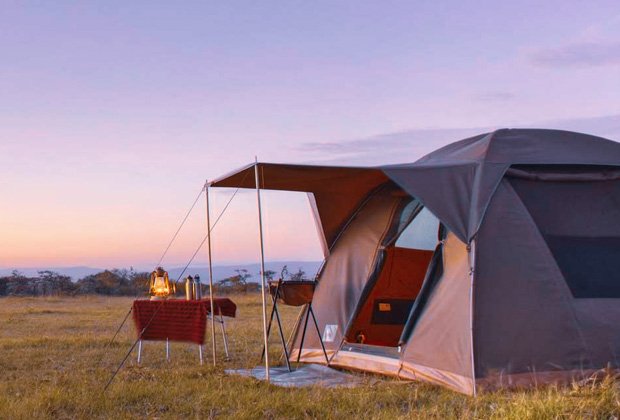
Best Tanzania Safari Before Afcon Final
Best Tanzania Safari Before AFCON 2027 Final.
View package detailsBest Tanzania Safari After Afcon Match
Best Tanzania Safari After AFCON 2027 Match.
View package details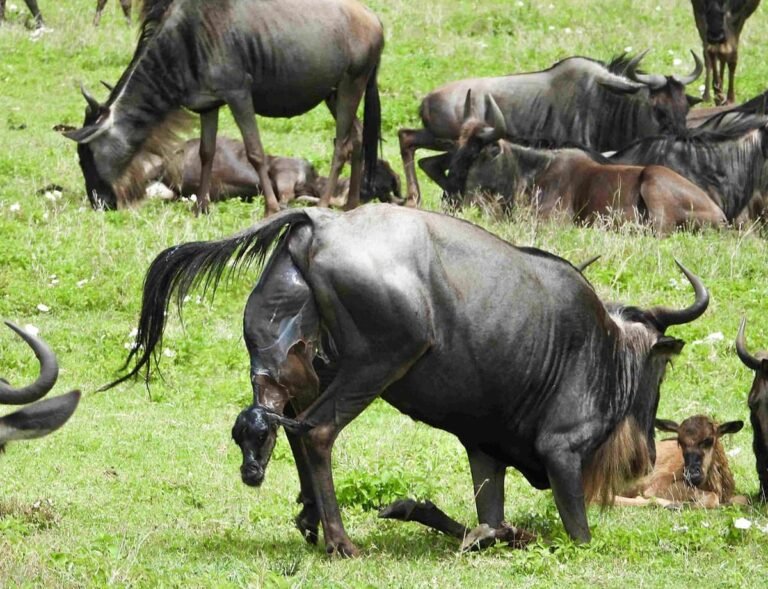
Five Day Tanzania Safari And Afcon Package
Five Day Tanzania Safari and AFCON Package.
View package details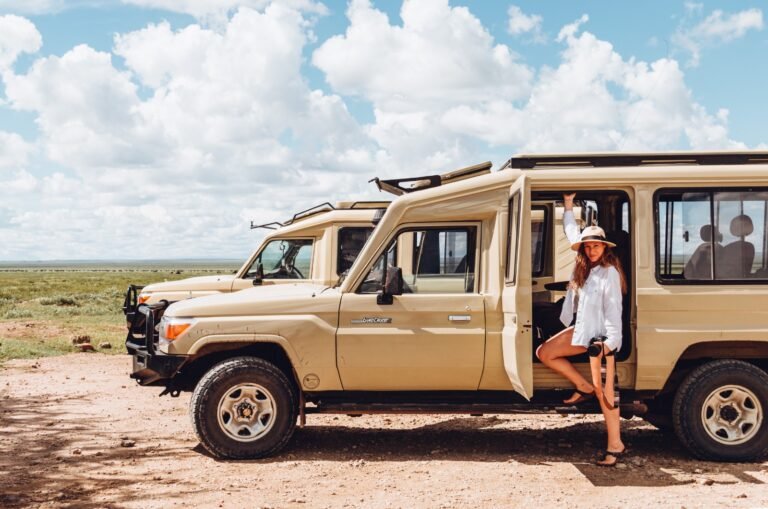
Afcon Northern Tanzania Safari Packages
AFCON 2027 Northern Tanzania Safari Packages.
View package detailsAfcon Tanzania Football Kilimanjaro And Safari Tour
AFCON 2027 Tanzania Football Kilimanjaro and Safari Tour.
View package details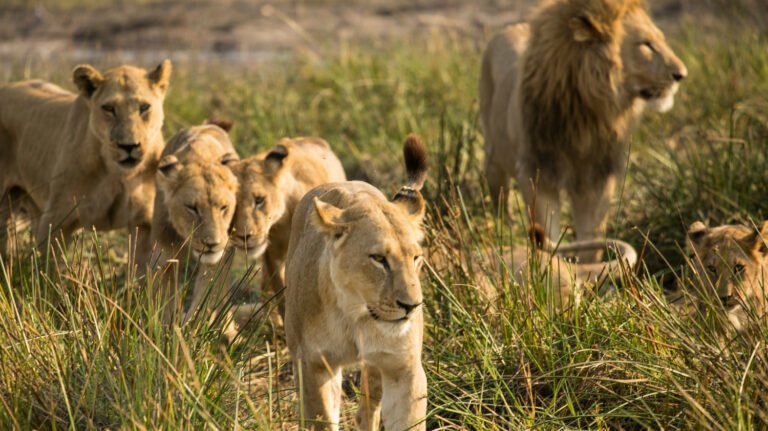
Tanzania Safari Packages from Dar es Salaam During AFCON 2027
Mwongozo wa kina wa safari za Tanzania kuanzia Dar es Salaam wakati AFCON 2027: rasilimali, mipango ya siku, na hatua za uhakika za ziara za wanyama na mbuga maarufu.
View package detailsTanzania Safari Tours for AFCON 2027 Fans
Muhtasari wa safari za Tanzania kwa mashabiki wa AFCON 2027: maeneo ya hifadhi, mizunguko ya wildlife, usalama wa safari, na jinsi ya kupanga na kuhudumiwa na Climb 4 Africa.
View package details
Dec 20, – 10 Day Complete Tanzania Group Joining Safari
Dec 20, 2026 – 10 Day Complete Tanzania Group Joining Safari.
View package detailsNo related package matches those filters. Clear one or more filters to see the other topic-matched options.