
A Kigali to Tanzania safari focusing on the Serengeti and Ngorongoro Crater typically involves a flight from Kigali to Kilimanjaro International Airport (JRO) or Arusha, followed by a road or internal flight-based safari across northern Tanzania. This route offers a spectacular contrast, starting with Rwanda’s mountain gorillas and transitioning to Tanzania’s vast plains, famous for the Great Migration and the dense wildlife of the Ngorongoro Crater, ideal for planning in 2026 or 2027.
Planning Your Kigali to Tanzania Safari: An Overview
Connecting Kigali, Rwanda, with the unparalleled wildlife spectacles of Tanzania’s Serengeti and Ngorongoro Crater is a journey that captures the essence of East African adventure. This isn’t just a safari; it’s a narrative of diverse ecosystems, from the misty mountains of Rwanda to the sweeping savannas of Tanzania. For travelers looking to experience both the intimate encounter with mountain gorillas and the grand scale of the African megafauna, this itinerary offers a profound and varied exploration.
The logistical bridge between these two premier destinations requires careful consideration. While direct overland travel is possible, it’s lengthy and involves multiple border crossings. Most travelers opt for a flight from Kigali to Kilimanjaro International Airport (JRO) or the smaller, closer Arusha Airport. From Arusha, the gateway to Tanzania’s northern circuit, the adventure truly begins.
When planning a Kigali to Tanzania safari for 2026 or 2027, understanding the nuances of each park, the best times to visit, and the travel styles available is crucial. This guide aims to demystify the process, offering practical insights to help you craft an itinerary that maximizes your wildlife viewing and overall experience.
Understanding the Kigali to Tanzania Safari Route
The journey from Kigali to the heart of Tanzania’s safari circuit is a multi-faceted experience, blending travel logistics with the anticipation of wildlife encounters. For a Kigali to Tanzania safari that includes the Serengeti and Ngorongoro, the primary consideration is how to bridge the distance efficiently and enjoyably.
Option 1: Flying from Kigali to Tanzania
This is the most common and recommended approach for a Kigali to Tanzania safari within a typical vacation timeframe. Flights typically depart from Kigali International Airport (KGL) and land at Kilimanjaro International Airport (JRO), which serves the northern safari circuit. Alternatively, you might fly into Arusha Airport (ARK), a smaller airport closer to the safari starting points.
- Duration: Flight times are usually around 1.5 to 3 hours, depending on the route and layovers. This significantly reduces travel time compared to overland options.
- Logistics: Upon arrival at JRO or ARK, you’ll be met by your safari guide and vehicle. Your Tanzania safari portion begins from here, usually with an overnight stay in Arusha before heading out to the parks.
- Cost: Flights add to the overall cost of your trip, but they save valuable time, allowing for more days on safari. Prices can fluctuate based on the airline and booking time, so it’s wise to book flights in advance, especially for 2026-2027 travel.
Option 2: Overland Travel (Less Common for This Specific Route)
While possible, an overland journey from Kigali to Tanzania is extensive and typically involves significant time spent on buses or private transport, crossing borders through Uganda or Kenya. This route is generally not recommended if your primary goal is to experience the Serengeti and Ngorongoro within a standard safari duration.
- Duration: This can take several days of travel, making it impractical for most tourists focused on the safari highlights.
- Logistics: Involves multiple border crossings, potential visa complexities, and very long travel days.
- Cost: While potentially cheaper in terms of direct transport, the time lost and potential for unexpected expenses make it less economical for a time-bound safari.
Connecting to the Parks: Arusha as the Hub
Arusha is the de facto starting point for most northern circuit safaris in Tanzania. Once you arrive from Kigali, your safari operator will arrange transfers and the start of your game drives. The typical flow from Arusha is towards:
- Tarangire National Park: Known for its large elephant herds and baobab trees.
- Lake Manyara National Park: Famous for its tree-climbing lions and birdlife.
- Ngorongoro Conservation Area: Home to the Ngorongoro Crater, a UNESCO World Heritage Site.
- Serengeti National Park: The vast savanna, iconic for the Great Migration and abundant predators.
The order can vary based on your chosen itinerary and the time of year, especially concerning the Great Migration’s movements in the Serengeti. Planning for 2026-2027 allows you to book preferred accommodations and safari vehicles well in advance.
Why Combine Rwanda and Tanzania for Your Safari?
The allure of a Kigali to Tanzania safari lies in the extraordinary diversity it offers. Rwanda is renowned for its lush, volcanic landscapes and, most significantly, its critically endangered mountain gorillas. Tanzania, on the other hand, presents the quintessential African savanna experience, with vast plains teeming with iconic wildlife.
Gorilla Trekking in Rwanda
The primary draw for starting in Kigali is the opportunity for gorilla trekking in Volcanoes National Park. This is an intimate and deeply moving experience, placing you in close proximity to these gentle giants in their natural habitat. The trek itself is challenging but immensely rewarding, offering unparalleled photographic opportunities and a profound connection with nature.
- Permits: Gorilla permits are limited and must be booked months, sometimes over a year, in advance. For 2026-2027 travel, securing these permits is a top priority.
- Experience: The trek involves hiking through dense rainforest, guided by experienced trackers. The time spent with a gorilla family is typically limited to one hour.
- Conservation: Your permit fees directly contribute to conservation efforts and local community projects.
The Grandeur of Tanzania’s Wildlife
Following the intimate experience of gorilla trekking, Tanzania offers a different scale of wildlife viewing. The Serengeti and Ngorongoro Crater are legendary for their sheer abundance and variety of animals. This contrast makes for a richer, more comprehensive African journey.
- Serengeti: Famous for the Great Migration, where millions of wildebeest, zebras, and gazelles traverse the plains in search of greener pastures. It’s also a prime location for spotting the ‘Big Five’ (lion, leopard, elephant, rhino, buffalo) and cheetahs.
- Ngorongoro Crater: A collapsed volcano caldera that hosts an astonishing density of wildlife year-round. Its unique geography means you can see a remarkable number of species, including the rare black rhino, in a single day.
- Variety: From the vast plains of the Serengeti to the unique ecosystem of the Ngorongoro Crater, Tanzania provides a dramatic shift in landscape and wildlife dynamics compared to Rwanda.
Combining these destinations provides a holistic African safari experience, covering primate encounters, savanna wildlife, and some of the continent’s most iconic natural wonders. The travel between them, typically via flight, is efficient enough to make this combination highly feasible for a well-planned 2026 or 2027 adventure.
The Serengeti: A Realm of Endless Plains and Wildlife
The Serengeti National Park is arguably the most famous wildlife reserve in the world, an icon of African safaris. Its name, derived from the Maasai word ‘Siringet,’ meaning ‘endless plains,’ perfectly describes its vast, rolling grasslands dotted with acacia trees and kopjes (rocky outcrops). For any Kigali to Tanzania safari aiming for the pinnacle of wildlife viewing, the Serengeti is non-negotiable.
The Great Migration: A Spectacle of Nature
The Serengeti is globally renowned for the Great Migration, a continuous movement of over 1.5 million wildebeest, 250,000 zebras, and 400,000 gazelles. This natural phenomenon is a perpetual cycle driven by the search for fresh grazing land and water. The timing of your visit to the Serengeti will largely determine where you witness this incredible spectacle.
- Calving Season (Late Jan – Feb): Occurs in the southern Serengeti, where thousands of wildebeest calves are born. This is a prime time for predator sightings as lions, cheetahs, and hyenas capitalize on the vulnerable newborns.
- River Crossings (June – Aug): The most dramatic phase, where herds brave the crocodile-infested Grumeti and Mara Rivers. Witnessing a river crossing is a highlight for many, though it’s unpredictable and requires being in the right place at the right time. The northern Serengeti is the best location for this.
- Wildebeest Movement: Throughout the year, the herds move north and west through the central and western corridors, then north and east towards the Maasai Mara in Kenya (though for a Tanzania safari, you’ll typically focus on the Tanzanian side).
Planning your 2026-2027 safari with the Great Migration in mind is essential. Your tour operator can advise on the best areas to focus on based on the expected migration patterns for your specific travel dates.
Beyond the Migration: Year-Round Wildlife Abundance
Even outside the peak migration periods, the Serengeti offers exceptional wildlife viewing. Its diverse habitats – from open grasslands to acacia woodlands and riverine forests – support a rich mix of animals.
- Predators: The Serengeti is a predator haven. Lions are abundant, often found lounging on kopjes or stalking prey in the open plains. Leopards are more elusive but can be spotted in trees or dense bush, particularly in areas like the Seronera Valley. Cheetahs are commonly seen on the open plains, hunting during the day. Hyenas and wild dogs are also present.
- The Big Five: While lions and leopards are well-represented, spotting elephants (more common in the north and west), rhinos (scarce, but present in specific areas, especially the Moru Kopjes), and buffalo (widespread) is also highly achievable.
- Other Wildlife: Giraffes, hippos, crocodiles, numerous antelope species (topi, impala, gazelle), and a dazzling array of birdlife make the Serengeti a wildlife enthusiast’s dream.
Serengeti Zones and Safari Experience
The Serengeti is vast, and different areas offer unique experiences:
- Central Serengeti (Seronera Valley): Accessible year-round, this area is known for its resident wildlife, including excellent leopard and lion sightings. It’s often busier due to its accessibility.
- Northern Serengeti: Key for river crossings during the migration (July-October). Offers dramatic landscapes and remote feel.
- Western Corridor: Also a site for river crossings (May-July) as the migration moves west. Features more riverine habitats.
- Southern Serengeti: The calving grounds during the migration season (December-March). Offers vast open plains and excellent predator action.
Choosing which part of the Serengeti to focus on for your Kigali to Tanzania safari in 2026-2027 depends entirely on the time of year and your specific interests. A well-crafted itinerary will account for this.
The Ngorongoro Crater: A Unique Wildlife Sanctuary
The Ngorongoro Crater, a UNESCO World Heritage Site, is a geological marvel and one of Africa’s most extraordinary wildlife destinations. It’s a collapsed volcanic caldera, approximately 19 kilometers (12 miles) in diameter, boasting a unique ecosystem that supports an incredible density and diversity of wildlife. For visitors on a Kigali to Tanzania safari, it’s an unmissable stop.
A Natural Amphitheater for Wildlife
The crater floor, covering about 260 square kilometers (100 sq miles), is a self-contained ecosystem. Its diverse habitats – including grasslands, swamps, forests, and a salt lake – attract a remarkable array of animals. The steep crater walls act as a natural barrier, meaning most animals remain within the crater for most of the year.
- High Wildlife Density: The Ngorongoro Crater is often referred to as ‘Africa’s Eden’ or ‘the eighth wonder of the world’ due to its concentration of animals. It’s estimated to host over 25,000 large animals.
- The Big Five in One Day: It is one of the few places where you have a very high chance of spotting all of the Big Five (lion, leopard, elephant, rhino, buffalo) in a single day. The black rhinoceros, in particular, is a star attraction here, with a healthy population residing within the crater.
- Birdlife: The crater is also a haven for birdwatchers, with over 400 species recorded, including flamingos on the soda lake, ostriches, secretary birds, and various raptors.
Crater Tour Logistics and Regulations
Visiting the Ngorongoro Crater involves specific regulations designed to protect its fragile environment:
- Crater Floor Access: Access is strictly controlled, with a limited number of vehicles allowed on the crater floor per day. Game drives are typically conducted in specialized 4×4 safari vehicles.
- Time Limits: Vehicles are usually limited to a maximum of six hours on the crater floor. This ensures that the area doesn’t become overcrowded and that the wildlife is not unduly disturbed.
- No Off-Road Driving: Driving off-road is prohibited to preserve the vegetation and minimize disturbance to animals.
- Accommodation: Lodges and tented camps are situated on the crater rim, offering spectacular views, or within the wider Ngorongoro Conservation Area. Staying on the rim provides convenient access for early morning game drives.
The Ngorongoro Conservation Area (NCA)
It’s important to distinguish between the Ngorongoro Crater and the Ngorongoro Conservation Area (NCA). The NCA is a vast region surrounding the crater, encompassing Olduvai Gorge and areas inhabited by Maasai communities. While the crater tour is a highlight, the NCA itself offers opportunities for cultural visits and further wildlife viewing, though often at a lower density than the crater floor.
For a Kigali to Tanzania safari planned for 2026-2027, including the Ngorongoro Crater is a guarantee of encountering some of Africa’s most iconic wildlife in a truly unique setting.
Sample Itineraries for Your 2026-2027 Safari
Crafting the perfect Kigali to Tanzania safari itinerary involves balancing the desire to see iconic wildlife with practical travel times and logistical considerations. Here are a few sample itinerary structures, adaptable for 2026-2027 bookings, highlighting different focuses and durations.
Itinerary A: The Classic Gorilla & Northern Circuit (Approx. 10-12 Days)
This itinerary focuses on the essential highlights of both Rwanda and Tanzania, offering a taste of primate tracking and the classic savanna safari.
Day 1-3: Kigali & Volcanoes National Park (Gorilla Trekking)
- Day 1: Arrive in Kigali, Rwanda. Transfer to your hotel. City tour if time permits.
- Day 2: Transfer to Volcanoes National Park. Gorilla trekking experience. Optional: Golden Monkey trek or visit to Dian Fossey’s research center.
- Day 3: Morning transfer back to Kigali for your flight to Tanzania.
Day 3-4: Arrival in Tanzania & Arusha
- Day 3: Fly from Kigali (KGL) to Kilimanjaro International Airport (JRO). Met by your Tanzanian guide and transferred to Arusha. Overnight in Arusha.
- Day 4: Briefing, vehicle check, and begin safari towards Tarangire National Park or Lake Manyara.
Day 4-7: Northern Tanzania Parks (Tarangire, Lake Manyara, Ngorongoro)
- Day 4-5: Tarangire National Park – famous for elephants and baobabs.
- Day 5-6: Lake Manyara National Park – explore its diverse ecosystem.
- Day 6-7: Ngorongoro Crater – descend into the caldera for a full-day game drive. Overnight on the crater rim or nearby.
Day 7-10: Serengeti National Park
- Day 7: Drive or fly from the Ngorongoro area to the Serengeti. Begin game drives in your chosen sector (e.g., Central Serengeti for resident wildlife).
- Day 8-9: Full days of game drives in the Serengeti, exploring its vast landscapes and seeking out the ‘Big Five’ and other wildlife. Your itinerary can be tailored to focus on migration areas if your 2026-2027 travel dates align.
- Day 10: Morning game drive, then transfer to a Serengeti airstrip for your flight back to Arusha or Kilimanjaro. Depart or overnight in Arusha.
Itinerary B: Extended Tanzania Focus with Migration (Approx. 12-14 Days)
This itinerary offers more in-depth exploration of Tanzania’s parks, with a greater focus on experiencing the Great Migration in the Serengeti.
Day 1-3: Kigali & Volcanoes National Park (Gorilla Trekking)
- As per Itinerary A.
Day 3-4: Arrival in Tanzania & Arusha
- As per Itinerary A.
Day 4-10: Deep look at Northern Tanzania Parks
- Day 4-5: Tarangire National Park (focus on elephants and diverse birdlife).
- Day 5-6: Lake Manyara National Park (tree-climbing lions, forest canopy).
- Day 6-7: Ngorongoro Crater (full-day game drive, focus on the Big Five and black rhinos).
- Day 7-10: Serengeti National Park. Depending on the migration timing for your 2026-2027 dates, this could involve spending time in the Central, Western, or Southern Serengeti to maximize sightings. This extended stay allows for more flexibility and deeper exploration.
Day 10-12: Serengeti and Departure
- Day 10-11: Further exploration of the Serengeti, perhaps focusing on a different region or specific wildlife interests.
- Day 12: Morning game drive, transfer to airstrip for flight to Arusha/JRO. Depart or overnight.
Itinerary C: Gorilla Habituation & Serengeti Immersion (Approx. 14-16 Days)
For those seeking a more profound primate experience and extended time in the Serengeti, perhaps focusing on the migration river crossings.
Day 1-4: Kigali & Volcanoes National Park (Gorilla Habituation Experience)
- Day 1: Arrive Kigali, transfer to hotel.
- Day 2-4: Gorilla Habituation Experience in Volcanoes National Park. This involves a longer period (up to 4 hours) with a gorilla family that is undergoing habituation, offering a deeper insight. (Note: Habituation permits are even more limited than standard trekking permits).
Day 4-5: Arrival in Tanzania & Arusha
- Day 4: Fly Kigali to JRO. Transfer to Arusha.
- Day 5: Safari briefing and drive towards the Ngorongoro Conservation Area.
Day 5-12: Tanzania’s Northern Circuit & Serengeti Migration Focus
- Day 5-6: Ngorongoro Crater (full-day game drive).
- Day 6-12: Serengeti National Park. This extended stay is ideal for timing your visit with the Great Migration, particularly the river crossings in the Northern Serengeti (July-September) or the calving season in the South (Jan-Feb). You might spend multiple days in different Serengeti regions to track the herds.
Day 12-13: Serengeti and Departure
- Day 12: Final Serengeti game drive, transfer to airstrip for flight to Arusha/JRO.
- Day 13: Depart from Kilimanjaro International Airport (JRO).
These are just frameworks. For your 2026-2027 Kigali to Tanzania safari, Climb 4 Africa can tailor any itinerary to your specific interests, budget, and desired pace. Consider what aspects are most important to you: more time with gorillas, in-depth predator viewing, tracking the migration, or cultural experiences.
Best Time to Visit: Timing Your Kigali to Tanzania Safari
The optimal time for your Kigali to Tanzania safari, especially concerning the Serengeti and Ngorongoro, depends heavily on what you wish to see and experience. Both Rwanda and Tanzania have distinct dry and wet seasons, which influence wildlife behavior and accessibility.
Rwanda (Gorilla Trekking)
Gorilla trekking in Rwanda is possible year-round. However, the dry seasons are generally preferred:
- Dry Seasons: June to August and December to February. These months offer clearer skies and less rain, making trekking paths less muddy and more accessible.
- Wet Seasons: September to November and March to May. The rainforest is lush, and the gorillas may be found at lower altitudes. However, trekking can be more challenging due to muddy conditions, and rain is frequent. Permits are still in high demand even during the wet season.
Tanzania (Serengeti & Ngorongoro)
The best time to visit Tanzania’s northern circuit depends on the Great Migration and general weather patterns:
- Dry Season (June to October): This is a peak safari season. The weather is generally sunny and dry, with cooler temperatures. Wildlife congregates around permanent water sources, making animals easier to spot. The Great Migration herds are typically in the northern Serengeti, and river crossings are possible. This is also a popular time for Ngorongoro. Expect higher prices and more crowds.
- Short Rains (November to December): This period sees scattered showers. Wildlife begins to disperse as rains replenish water sources across the plains. It can be a good time for birdwatchers and offers fewer crowds and potentially lower prices.
- Long Rains (March to May): This is the low season. Heavy rains are common, especially in April and May, which can make some roads impassable. However, it’s the calving season for the wildebeest in the southern Serengeti, offering excellent predator action. It’s also the greenest time of year. Prices are generally lower, and you’ll encounter fewer tourists.
- Shoulder Seasons (January-February and June): These months offer a good balance. January-February is excellent for the southern Serengeti’s calving season. June is when the migration begins its significant movement north and west, often leading to exciting river crossings later in the season.
Combining the Best of Both
For a Kigali to Tanzania safari in 2026-2027 that aims to see both gorillas and the Great Migration, consider:
- June-August: Excellent for gorilla trekking in Rwanda (dry season) and witnessing the Great Migration in the northern Serengeti, potentially including river crossings. This is a prime time but also the most expensive.
- January-February: Ideal for gorilla trekking (though rain is possible) and the calving season in the southern Serengeti, offering fantastic predator sightings. This can be a good compromise for pricing and wildlife activity.
Always discuss your specific travel dates with your safari operator. They can provide the most accurate advice based on historical patterns and their on-the-ground knowledge for your chosen year, whether it’s 2026 or 2027.
Accommodation Options: From Tented Camps to Lodges
Your accommodation choices significantly shape the experience of your Kigali to Tanzania safari. From the intimate wilderness feel of tented camps to the comfort of lodges, Tanzania offers a wide spectrum of options designed to enhance your connection with nature.
Rwanda: Gorilla Trekking Lodges
Accommodation near Volcanoes National Park ranges from comfortable guesthouses to high-end lodges, often with stunning views of the Virunga Mountains.
- Mid-Range: Options like Volcanoes Gorilla Lodge or similar provide comfortable rooms and good service.
- Luxury: Properties such as Bisate Lodge or Sabyinyo Silverback Lodge offer exceptional service, unique design, and prime locations for gorilla trekking.
Tanzania: Safari Camps and Lodges
Tanzania’s safari accommodation is world-class, ranging from rustic to opulent. For a Kigali to Tanzania safari, consider these types:
1. Tented Camps (Permanent & Mobile/Seasonal)
These offer a classic safari experience, often situated in prime wildlife areas. They range from basic canvas tents to luxurious suites with en-suite bathrooms and private verandas.
- Permanent Camps: Located in established areas, offering more stability and amenities.
- Mobile/Seasonal Camps: These camps move with the Great Migration in the Serengeti, offering unparalleled proximity to the herds. This is a highly sought-after experience for those tracking the migration in 2026 or 2027.
- Pros: in-depth experience, close to nature, often in remote locations.
- Cons: Can be less luxurious than lodges, may have shared facilities in budget options.
2. Safari Lodges
These are more permanent structures, often built with stone and thatch, providing a higher level of comfort and amenities, including swimming pools, restaurants, and lounges.
- Location: Found throughout the parks and conservation areas, including prime spots on the Ngorongoro Crater rim or within the Serengeti.
- Pros: Comfortable, spacious rooms, excellent amenities, often family-friendly.
- Cons: Can feel less ‘in the wild’ than tented camps, may be larger and busier.
3. Luxury Fly-In Camps/Lodges
These are typically high-end, exclusive properties, often accessible only by small aircraft. They offer exceptional service, gourmet dining, and personalized safari experiences.
- Pros: Ultimate luxury, exclusivity, remote locations, highly personalized service.
- Cons: The most expensive option.
Choosing Your Accommodation for 2026-2027
When planning your Kigali to Tanzania safari, consider:
- Budget: Prices vary significantly. Luxury options can cost upwards of $800-$1000+ per person per night, while mid-range is $300-$600, and budget options are lower.
- Location: Do you want to be close to migration routes, have crater rim views, or stay in a more remote part of the Serengeti?
- Experience: Do you prefer the romance of a tented camp or the solid comfort of a lodge?
- Travel Style: Are you looking for a family-friendly lodge or an intimate, exclusive tented camp?
Climb 4 Africa works with a range of carefully selected accommodations to match your preferences and budget for your 2026 or 2027 safari.
Getting Around Tanzania: Safari Vehicles and Logistics
The way you traverse Tanzania’s vast landscapes is fundamental to your safari experience. For a Kigali to Tanzania safari, particularly the wildlife viewing segments, the choice of vehicle and driver-guide is paramount.
Safari Vehicles
Tanzania’s parks are best explored in specialized 4×4 safari vehicles. These are built to handle rough terrain and offer optimal viewing opportunities.
- Land Cruisers/Land Rovers: These are the workhorses of Tanzanian safaris. They are robust, comfortable, and equipped for off-road conditions.
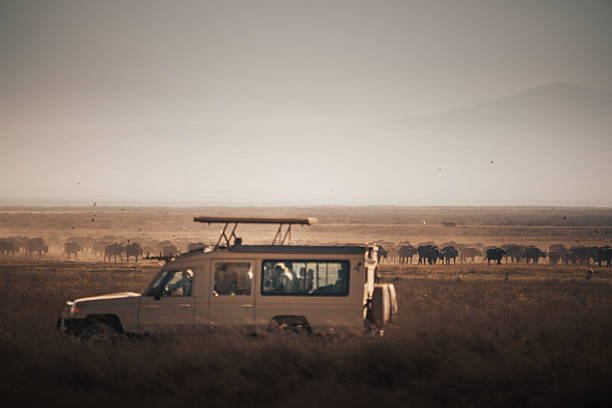
- Pop-Top Roofs: Essential for game viewing. The pop-top allows you to stand up and get unobstructed 360-degree views of wildlife. It also provides shade and shelter from the elements.
- Window Seats: In private or small-group tours, you are typically guaranteed a window seat, ensuring everyone has a good view and space for photography. Shared safaris may have different seating arrangements.
- Fridge and Charging Ports: Many vehicles are equipped with a cooler box for drinks and snacks, and some have USB charging ports for your devices.
Private vs. Shared Safaris
This is a critical decision impacting your experience and cost for your Kigali to Tanzania safari.
- Private Safari: You have exclusive use of the safari vehicle and guide. This offers maximum flexibility regarding timing, game drive duration, and pace. You can spend as long as you like at a sighting. This is ideal for families or groups with specific interests.
- Shared/Group Safari: You join a small group (typically 4-7 people) in a single vehicle. This is a more budget-friendly option. However, you have less flexibility as decisions are made collectively, and you may need to adhere to a group’s pace or interests.
For 2026-2027 bookings, consider your comfort level with group dynamics versus the flexibility and personalization of a private tour.
The Role of the Safari Guide
Your driver-guide is your gateway to the African wilderness. A good guide is knowledgeable, experienced, and passionate.
- Expertise: They know animal behavior, tracks, and the best locations to find specific species. They can identify birds, plants, and explain ecological relationships.
- Driving Skills: Essential for navigating challenging terrain and positioning the vehicle for optimal viewing without disturbing wildlife.
- Safety: They are trained in safari safety protocols and ensuring your well-being.
- Customization: They can adapt the safari to your interests, whether you’re keen on birdwatching, photography, or tracking predators.
Climb 4 Africa prioritizes hiring experienced, local guides who are passionate about sharing their knowledge and ensuring an unforgettable Kigali to Tanzania safari experience.
Internal Flights in Tanzania
For longer safaris or to maximize time in specific areas like the Serengeti, internal flights are an excellent option. These are typically small bush planes operating between various airstrips within the national parks and Arusha.
- Benefits: Saves significant driving time, allows access to more remote areas, and offers stunning aerial views of the landscape.
- Considerations: Adds to the overall cost, and baggage restrictions (usually 15kg in soft bags) apply.
For your 2026-2027 safari, discuss with your operator whether incorporating internal flights would enhance your experience.
What to Pack for Your East Africa Adventure
Packing smart is crucial for comfort and enjoyment on your Kigali to Tanzania safari. The key is to pack light, versatile, and practical items. Remember that luggage restrictions apply, especially for internal flights within Tanzania, typically limiting you to 15-20 kg (33-44 lbs) per person in soft-sided bags.
Clothing Essentials
- Neutral Colors: Pack earth tones like khaki, beige, olive green, and brown. Bright colors can scare wildlife and attract insects. Avoid white, which gets dirty easily.
- Layers: Mornings and evenings can be cool, especially in the Ngorongoro Crater and during the dry season. Pack t-shirts, long-sleeved shirts, a fleece or warm sweater, and a lightweight, waterproof jacket.
- Trousers/Pants: Comfortable, breathable trousers (e.g., hiking pants) are ideal for game drives and cooler evenings. Avoid jeans as they are heavy and slow to dry.
- Shorts: Suitable for warmer days, especially in Rwanda.
- Underwear and Socks: Bring enough for your trip, plus a few extra pairs of socks, especially if trekking.
- Swimsuit: Many lodges and camps have swimming pools.
Footwear
- Comfortable Walking Shoes/Hiking Boots: Essential for gorilla trekking in Rwanda. They should be sturdy, broken-in, and waterproof if possible.
- Sandals/Flip-flops: For relaxing at the lodge or camp.
- Closed-toe Shoes: For evenings at camp/lodge.
Health and Personal Items
- Insect Repellent: High DEET content is recommended, especially for evenings and forested areas.
- Sunscreen: High SPF, broad-spectrum.
- Hat: Wide-brimmed for sun protection.
- Sunglasses: To protect your eyes from the strong African sun.
- Personal First-Aid Kit: Include any personal medications, pain relievers, antiseptic wipes, bandages, and medication for stomach upsets.
- Hand Sanitizer: Essential for maintaining hygiene on the go.
- Toiletries: Most lodges provide basic toiletries, but bring your preferred brands and any specific items.
Photography and Electronics
- Camera: With extra batteries, memory cards, and a good zoom lens (e.g., 70-300mm or longer) for wildlife photography.
- Binoculars: Crucial for spotting distant animals and birds. A 8×42 or 10×42 magnification is generally recommended.
- Power Adapter and Power Bank: Tanzania uses Type G plugs (UK style). A power bank is useful for charging devices on the go.
- Headlamp/Torch: Useful for navigating around camp at night.
Important Documents
- Passport: With at least six months’ validity and sufficient blank pages.
- Visas: Check requirements for Rwanda and Tanzania. Many nationalities can get visas on arrival or apply online.
- Yellow Fever Certificate: May be required for entry, especially if traveling from or transiting through certain African countries.
- Travel Insurance Details: Essential for medical emergencies and trip cancellations.
- Flight Tickets and Itinerary: Printed or digital copies.
Miscellaneous
- Backpack: A small daypack for carrying water, camera, and essentials during day trips or treks.
- Reusable Water Bottle: Many lodges offer filtered water to refill.
- Small Notebook and Pen: For jotting down sightings or notes.
When planning for 2026-2027, it’s wise to pack a few weeks before your trip to ensure you have everything. Consult with Climb 4 Africa for a more detailed packing list tailored to your specific itinerary.
Visa and Health Considerations
Navigating the visa and health requirements for a Kigali to Tanzania safari is a vital part of the planning process for 2026-2027 travel. Proactive preparation ensures a smooth and safe journey.
Visas
Requirements can change, so always check the latest official information closer to your travel dates.
- Rwanda: Many nationalities can obtain a tourist visa on arrival at Kigali International Airport (KGL). Alternatively, e-visas can be applied for in advance. Check the Rwandan Directorate General of Immigration and Emigration website.
- Tanzania: Tourist visas are required for most nationalities. These can often be obtained on arrival at Kilimanjaro International Airport (JRO) or other major entry points. However, applying for an e-visa online in advance is increasingly recommended to save time at the airport. Check the Tanzanian immigration website.
- East Africa Tourist Visa: Some nationalities may be eligible for a multi-country East Africa Tourist Visa that covers Tanzania, Rwanda, and Uganda, if your itinerary includes other countries. This can be more cost-effective than obtaining individual visas.
Health Precautions
Consulting with your doctor or a travel clinic 4-6 weeks before your trip is essential for personalized advice.
- Malaria: Both Rwanda and Tanzania are malaria-risk areas. Antimalarial medication is strongly recommended. Take precautions such as using insect repellent and wearing long sleeves and trousers in the evenings.
- Yellow Fever: A Yellow Fever vaccination certificate is often required for entry into Tanzania, especially if you are arriving from or have transited through a country with a risk of Yellow Fever transmission (including Rwanda). Check current regulations.
- Other Vaccinations: Routine vaccinations should be up-to-date. Your doctor may recommend vaccinations for Hepatitis A, Typhoid, and Tetanus.
- Traveler’s Diarrhea: Be cautious with food and water. Drink bottled or purified water, avoid ice in drinks unless you are sure it’s made from purified water, and be selective with street food.
- Travel Insurance: Comprehensive travel insurance is non-negotiable. It should cover medical emergencies, evacuation (including air ambulance services), trip cancellation, and lost luggage.
Safety and Well-being
While generally safe for tourists, standard safety precautions apply:
- Listen to your Guide: Always follow the advice of your safari guide regarding wildlife encounters and general safety.
- Stay in Vehicle: When on safari, remain inside the vehicle unless instructed otherwise by your guide.
- Respect Wildlife: Maintain a safe distance from all animals. Never feed them.
- Hydration: Drink plenty of bottled or purified water to stay hydrated, especially in the heat.
Careful planning of visa and health requirements for your 2026-2027 Kigali to Tanzania safari will contribute significantly to a stress-free and enjoyable adventure.
Booking Your Kigali to Tanzania Safari with Climb 4 Africa
Embarking on a Kigali to Tanzania safari, combining the unique allure of Rwanda’s mountain gorillas with the vast wildlife plains of the Serengeti and Ngorongoro Crater, is a significant travel undertaking. Choosing the right partner is key to ensuring a smooth, memorable, and safe experience. Climb 4 Africa specializes in crafting these complex, multi-destination East African adventures.
Why Choose Climb 4 Africa?
- Local Expertise: As a Tanzania-based tour operator, we have deep knowledge of the parks, wildlife, accommodations, and logistical nuances of Tanzania. Our understanding extends to connecting with reliable partners in Rwanda for the initial part of your journey.
- Tailor-Made Itineraries: We understand that every traveler is unique. We don’t offer one-size
Check Availability for Kigali To Tanzania Safari With Serengeti And Ngorongoro 2026-2027
Ready to compare dates, prices, and the best option for your group? Send the package name and travel month so the team can reply with a clear quote, availability, and what is included.
12 closely related packages
3-Day Serengeti And Ngorongoro Safari: Your Ultimate Tanzania Wildlife
start a concise yet unforgettable 3-day Serengeti and Ngorongoro safari, designed to maximize wildlife encounters in Tanzania's most celebrated parks. This compact adventure offers a taste...
View package details
7-Day Tanzania Safari: Serengeti, Ngorongoro, And Tarangire In 2026-2027
A comprehensive guide to a 7-day Tanzania safari adventure, focusing on the iconic Serengeti National Park, the Ngorongoro Crater, and Tarangire National Park. Learn about optimal...
View package details
Tanzania Safari Tours & Packages /: Your Ultimate Wildlife Adventure 2026-2027
Discover the magic of Tanzania with expertly crafted safari tours and packages for 2026 and 2027. From the vast plains of the Serengeti to the depths of the Ngorongoro Crater, find your...
View package details
Best African Safari Tours & Vacation Packages /: Your Ultimate Tanzania
start an unforgettable African safari adventure in 2026/2027 with expertly curated tours and vacation packages in Tanzania's most iconic wildlife destinations. From the Serengeti to the...
View package details
Private Tanzania Safari Packages: Your Ultimate Guide For 2026-2027
Discover the unparalleled freedom and personalized experience of a private Tanzania safari package. This comprehensive guide for 2026-2027 explores custom itineraries, key destinations like...
View package details
All-Inclusive African Safari Vacations Guide
start an all-inclusive African safari vacation in Tanzania, a premier destination for wildlife viewing in 2026-2027. This comprehensive guide covers everything from iconic parks like the...
View package details
Serengeti Safari And Zanzibar Beach Holiday: The Ultimate Tanzania
Combine the thrill of a Serengeti safari with the relaxation of a Zanzibar beach holiday. This guide covers everything you need to know for an unforgettable Tanzania adventure in 2026-2027...
View package details
Serengeti Safari Tours: Prices, Packages & Best Time To Visit In 2026-2027
Discover everything you need to know for planning your Serengeti safari tour, from understanding pricing and package variations to identifying the ideal travel times in 2026-2027. This...
View package details
Zanzibar To Serengeti Safari Packages 2026-2027
Zanzibar to Serengeti Safari Packages is explained with current 2026-2027 planning, price, itinerary and booking information.
View package details
Serengeti Great Migration Safari Packages: Your Guide To Witnessing The Wonder
start an unforgettable journey with our comprehensive guide to Serengeti Great Migration safari packages for 2026-2027. Understand the best times to go, optimal viewing locations, and how...
View package detailsBest Places To See Wild Animals In Tanzania: Your Ultimate Safari Guide
Planning a safari to witness incredible wildlife? Tanzania offers some of the planet's most spectacular viewing opportunities. This guide explores the top destinations for seeing wild...
View package detailsWhat Is The Best Month To Visit Serengeti? 2026-2027
What Is the Best Month to Visit Serengeti? is explained with current 2026-2027 planning, price, itinerary and booking information.
View package detailsNo related package matches those filters. Clear one or more filters to see the other topic-matched options.



