
Flights from Entebbe (Uganda) to Tanzania for a Serengeti safari typically involve flying into Kilimanjaro International Airport (JRO) or Arusha Airport (ARK), often with a layover in a regional hub like Nairobi (Kenya). Direct flights are uncommon; most itineraries connect through Nairobi, Nairobi Wilson Airport (WIL), or sometimes Addis Ababa (Ethiopia). The journey is a practical necessity to reach Tanzania’s northern safari circuit from Uganda, bridging the distance efficiently for travelers aiming for the Serengeti, Ngorongoro Crater, and surrounding parks. Planning for 2026 and 2027 involves understanding these flight routes, booking well in advance, and factoring in potential visa requirements and onward travel logistics within Tanzania.
Understanding Your Travel Route: Entebbe to Tanzania’s Safari Hubs
When you’re planning a Serengeti safari and starting your journey from Entebbe International Airport (EBB) in Uganda, the primary goal is to reach the gateway towns for Tanzania’s northern safari circuit. These are predominantly Arusha and the area surrounding Kilimanjaro International Airport (JRO). Most travelers will find themselves flying into one of these two airports, from which their safari operator will arrange ground transfers.
The geographical proximity between Uganda and Tanzania might suggest a short flight, but the available direct air routes are limited. This means most journeys from Entebbe to Tanzania will involve at least one stop. The most common and practical connection point is Nairobi, Kenya. Airlines operating between Entebbe and Nairobi are frequent, and from Nairobi, you have several options to continue to Tanzania.
Key Airports in Tanzania for Serengeti Safaris:
- Kilimanjaro International Airport (JRO): This is the main international gateway for Northern Tanzania. It’s located roughly between Arusha and Moshi. Most international flights arriving in Tanzania for safari purposes will land here. From JRO, it’s about an hour’s drive to Arusha, the safari capital.
- Arusha Airport (ARK): This is a smaller domestic airport located within the city of Arusha. While it handles some regional flights, its primary role for international travelers is as a departure point for domestic flights deeper into Tanzania (e.g., to the Serengeti airstrips) or for those who have already cleared immigration at JRO and are transferring to Arusha for their safari briefing. It’s less common for international arrivals directly from Entebbe.
Given these options, your flight planning from Entebbe will almost always be geared towards arriving at JRO. The efficiency and cost of your journey will largely depend on how smoothly you can navigate the connection, typically through Nairobi.
Common Flight Itineraries: Entebbe to JRO/ARK
The reality of travel between Entebbe and Tanzania is that direct commercial flights are rare. The most practical and widely used routes involve a layover. Understanding these common itineraries is crucial for budgeting time and money for your 2026 or 2027 safari.
The Nairobi Connection: The Most Frequent Route
By far, the most common way to fly from Entebbe to Tanzania is via Nairobi, Kenya. Here’s how it typically breaks down:
- Leg 1: Entebbe (EBB) to Nairobi (NBO)
- Several airlines, including Kenya Airways and Uganda Airlines, operate frequent flights between Entebbe and Jomo Kenyatta International Airport (NBO) in Nairobi.
- Flight times are short, usually around 1 to 1.5 hours.
- This leg is generally reliable and offers multiple departure times throughout the day.
- Leg 2: Nairobi (NBO) to Kilimanjaro (JRO) or Arusha (ARK)
- From Nairobi, you have a few options to reach Tanzania:
- Kenya Airways (KQ) to JRO: This is the most common continuation. Kenya Airways operates flights from Nairobi (NBO) directly to Kilimanjaro International Airport (JRO). These flights are usually timed to connect with arrivals from other regional destinations, including Entebbe.
- Regional Charter or Scheduled Flights to ARK: Less frequently, some travelers might opt for flights into Arusha Airport (ARK). This might be through smaller carriers or charter services. However, for international arrivals, JRO is the primary airport.
- Connecting via Nairobi Wilson Airport (WIL): In some cases, you might fly into NBO and then need to transfer to Wilson Airport (WIL) for a smaller aircraft flight to Arusha. This adds complexity and time, so it’s generally less preferred if a direct NBO-JRO connection is available.
- The flight time from Nairobi to JRO is approximately 1 hour.
- From Nairobi, you have a few options to reach Tanzania:
Pros of the Nairobi Connection:
- High Frequency: Numerous flights between EBB and NBO, and then NBO and JRO, offer flexibility.
- Reliable Carriers: Major airlines like Kenya Airways provide a good level of service and reliability.
- Integrated Bookings: Often, you can book the entire journey (EBB-NBO-JRO) as a single ticket with one airline or through an alliance, which simplifies luggage handling and connections.
Cons of the Nairobi Connection:
- Layover Time: You need to account for connection times in Nairobi, which can range from a few hours to longer if flight schedules don’t align perfectly.
- Potential for Delays: While generally reliable, any flight connection carries the risk of delays impacting your onward journey.
- Visa Considerations: Depending on your nationality, you may need a transit visa for Kenya if your layover is long or if you need to change airports. It’s crucial to check Kenyan visa requirements.
Alternative Routes: Through Addis Ababa
Another possibility for flights from Entebbe to Tanzania is via Addis Ababa, Ethiopia, primarily with Ethiopian Airlines.
- Leg 1: Entebbe (EBB) to Addis Ababa (ADD)
- Ethiopian Airlines offers regular flights from Entebbe to their hub in Addis Ababa.
- This leg takes approximately 3.5 to 4 hours.
- Leg 2: Addis Ababa (ADD) to Kilimanjaro (JRO)
- Ethiopian Airlines also flies from Addis Ababa to Kilimanjaro International Airport (JRO).
- This flight duration is around 3.5 to 4 hours.
Pros of the Addis Ababa Connection:
- Ethiopian Airlines Network: Ethiopian Airlines has an extensive network and often offers competitive pricing.
- Single Carrier Option: You might be able to book the entire journey on one ticket with Ethiopian Airlines, simplifying logistics.
Cons of the Addis Ababa Connection:
- Longer Travel Time: The total travel time is generally longer due to the longer flight legs and potentially longer layovers in Addis Ababa.
- Hub Experience: Addis Ababa Bole International Airport is a large, busy hub, which can be overwhelming for some travelers.
What to Confirm When Booking:
- Total Travel Time: Ensure you understand the complete journey duration, including layovers.
- Layover Duration: Check if the layover is sufficient to make your connection comfortably, especially if you need to change terminals or airlines.
- Baggage Allowance: Verify the baggage allowance for each leg, particularly if you have different carriers.
- Visa Requirements: Confirm if you need a transit visa for the layover country.
For most travelers heading to the Serengeti from Entebbe, the Nairobi connection remains the most efficient and widely recommended route for 2026 and 2027 travel planning.
Airlines Operating the Entebbe-Tanzania Route
When looking for flights from Entebbe to Tanzania, your choices are largely dictated by the common hubs. The airlines involved are typically those that serve East Africa robustly.
Kenya Airways (KQ)
Kenya Airways is often the primary carrier for this route, especially for the crucial Nairobi-JRO leg. They operate frequent flights from Entebbe to Nairobi and then connect passengers to Kilimanjaro International Airport (JRO). Booking a single ticket with Kenya Airways for the entire journey (EBB-NBO-JRO) is often the most convenient option, as it usually covers baggage through to your final destination in Tanzania and simplifies managing connections.
Ethiopian Airlines
As mentioned, Ethiopian Airlines provides an alternative through their Addis Ababa hub. They are a major player in African aviation and can offer competitive pricing. If you’re considering this route, ensure you compare the total travel time and layover convenience against the Nairobi option. It’s also worth checking if their flight schedules align well with your safari start date.
Uganda Airlines
Uganda’s national carrier, Uganda Airlines, operates flights between Entebbe (EBB) and Nairobi (NBO). While they don’t fly directly to Tanzania, they are a key player for the first leg of your journey. If you book separate tickets, you might fly Uganda Airlines to Nairobi and then connect with another carrier like Kenya Airways to JRO.
Other Regional Carriers
Depending on market dynamics and specific schedules for 2026 and 2027, other smaller regional carriers or charter services might offer options, particularly for connecting from Nairobi to Arusha (ARK) or other Tanzanian airstrips. However, for initial international arrival into Tanzania, JRO remains the primary airport served by the major carriers.
Important Considerations When Choosing an Airline:
- Baggage Policy: Safari travel often involves specific luggage restrictions, especially if you plan to use light aircraft for internal flights. Check the airline’s policy carefully. Soft duffel bags are often preferred over hard-shell suitcases.
- Connection Times: Pay close attention to the scheduled layover duration. Very short layovers increase the risk of missing your connection, while very long ones can be tiring.
- Reputation and Reliability: Research the airlines’ on-time performance and customer service records.
- Booking Platforms: While booking directly with an airline is often best, travel agents or online travel agencies (OTAs) can sometimes find bundled deals. Ensure any OTA is reputable.
For planning your 2026 or 2027 trip, starting your search with Kenya Airways and Ethiopian Airlines is generally the most productive approach.
Booking Your Flights: Timing, Costs, and Tips for 2026-2027
Securing flights from Entebbe to Tanzania for your Serengeti safari requires strategic planning, especially when looking ahead to the 2026 and 2027 travel seasons. The cost and availability can fluctuate significantly.
When to Book: The Importance of Advance Planning
For popular travel periods, such as the Great Migration viewing seasons (typically June to October and again November to December), booking flights at least 3-6 months in advance is highly recommended. For travel in 2026 or 2027, if you have specific dates in mind, starting your search now is a wise move.
- High Season (June-October, December): Book 6-9 months ahead.
- Shoulder Seasons (March-May, November): Book 3-5 months ahead.
- Low Season (January-February): You might find more flexibility, but booking 2-3 months ahead is still advisable.
Booking early not only secures your preferred timings but also often leads to better pricing. Flight prices tend to increase as the departure date approaches and as seats fill up.
Estimating Flight Costs
Flight costs from Entebbe to Kilimanjaro International Airport (JRO) can vary widely based on the airline, time of booking, season, and whether you’re booking a one-way or round-trip ticket (though most will be one-way for this segment of their journey).
As a general estimate for 2026-2027, you might expect costs to range from $350 to $700 USD per person for a one-way ticket, including layovers. This can be higher if booking very last minute or during peak holiday periods.
Factors Influencing Cost:
- Airline: Different carriers have different pricing structures.
- Route: Flights with shorter layovers or fewer stops are often more expensive.
- Booking Window: Early bookings usually yield lower fares.
- Seasonality: Prices peak during the dry season and migration months.
- Flexibility: Non-refundable tickets are cheaper than flexible ones.
It’s essential to use flight comparison websites and check directly with the airlines’ official sites. For a tailored safari package, your tour operator can often assist with flight bookings or advise on the best options.
Tips for Booking Flights from Entebbe to Tanzania
- Be Flexible with Dates: If your safari dates are flexible, try searching for flights on different days of the week or even in adjacent weeks. Sometimes shifting by a day or two can significantly impact the price.
- Consider All-Inclusive Safari Packages: Many safari operators, including Climb 4 Africa, can arrange these flights as part of your overall safari package. This often simplifies the process, as they have expertise in coordinating flight arrivals with safari start times and can sometimes access better rates.
- Check Baggage Restrictions Carefully: Safari flights, especially those to remote airstrips in the Serengeti, often have strict weight and size limits (typically 15-20 kg per person in a soft duffel bag). Ensure your international flight’s baggage allowance aligns with this, or be prepared to repack.
- Set Up Price Alerts: Many flight search engines allow you to set up alerts for specific routes. You’ll be notified when prices drop or rise, helping you catch a good deal for your 2026 or 2027 trip.
- Understand Visa Requirements: While this article focuses on flights, remember to research visa requirements for Tanzania (and potentially Kenya for transit) well in advance of your travel dates in 2026 or 2027.
By planning ahead and being informed, you can secure the most suitable flights for your Tanzanian safari adventure.
Onward Travel Within Tanzania: From JRO to the Serengeti
Arriving at Kilimanjaro International Airport (JRO) is just the first step in your Tanzanian safari journey. From JRO, you need to reach your safari starting point, which is typically Arusha, and then proceed to the Serengeti National Park. This involves ground transfers and potentially internal flights.
Ground Transfer from JRO to Arusha
Arusha is the bustling hub for all safari operations in Northern Tanzania. It’s located about 60 kilometers (37 miles) from JRO. The drive typically takes around 1 to 1.5 hours, depending on traffic and road conditions.
- Arranged by Tour Operator: Most reputable safari companies, including Climb 4 Africa, will arrange your airport transfer from JRO to your hotel in Arusha as part of your safari package. This is the most convenient option, as your driver will be waiting for you upon arrival.
- Taxis and Private Hire: If you are not on a package or prefer to arrange it yourself, taxis and private hire vehicles are available at JRO. Agree on the fare before starting the journey.
Upon arrival in Arusha, you’ll typically meet your safari guide for a briefing about your upcoming adventure. You might spend a night in Arusha before starting your safari the next morning, or if your flight arrives early enough, your safari might commence the same day, perhaps with a drive towards Tarangire National Park or Lake Manyara.
Driving to the Serengeti
The drive from Arusha to the Serengeti National Park is a safari in itself. The journey takes a full day, typically 6-8 hours, depending on which gate of the Serengeti you are heading to and the wildlife sightings along the way.
- The Route: The drive usually takes you through the Ngorongoro Conservation Area, often with a stop at the Ngorongoro Crater viewpoint. You’ll pass through Maasai villages and witness changing landscapes.
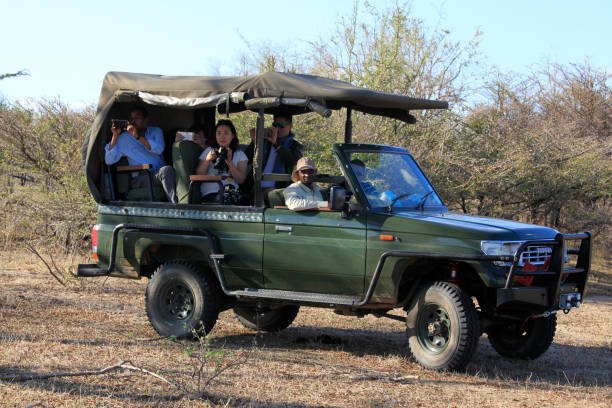
- Vehicle: You’ll travel in a specially equipped 4×4 safari vehicle with a pop-up roof, driven by an experienced guide.
- Park Fees: Be aware that park entrance fees for the Serengeti and Ngorongoro Conservation Area are substantial and usually form part of your safari package cost.
Internal Flights to Serengeti Airstrips
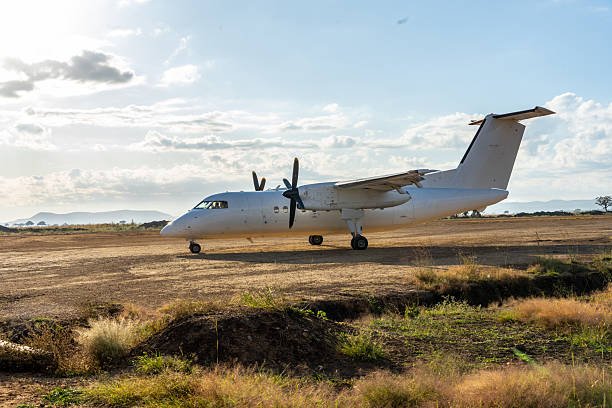
For travelers seeking to maximize their time in the Serengeti or wishing to avoid the long drive, flying directly from Arusha Airport (ARK) to one of the many airstrips within the Serengeti is a popular option. This is particularly common for those whose safaris focus heavily on the Serengeti or who are combining it with a visit to the Masai Mara in Kenya.
- Airlines: Companies like Coastal Aviation, Auric Air, and Grumeti Air operate scheduled and charter flights to the Serengeti.
- Airstrips: The Serengeti has numerous airstrips scattered throughout the park (e.g., Seronera, Grumeti, Kogatende, Ndutu). Your choice of airstrip will depend on the time of year and where the Great Migration is located, as well as your accommodation.
- Flight Time: A flight from Arusha to a central Serengeti airstrip like Seronera typically takes about 1 hour.
- Cost: These internal flights are an additional cost, generally ranging from $350 to $500 USD per person for a one-way ticket. They are a significant expense but save considerable travel time.
- Luggage Restrictions: As mentioned, these light aircraft have strict baggage limits (usually 15-20 kg per person in a soft-sided duffel bag).
When to Consider Internal Flights:
- Limited Time: If your safari is short (e.g., 3-5 days) and you want to spend as much time as possible in the Serengeti.
- Targeting Specific Migration Areas: To quickly reach regions like Kogatende (Northern Serengeti) during the river crossing season.
- Comfort Preference: To avoid the long, bumpy drive.
When to Stick to Ground Travel:
- Longer Safaris: For safaris of 7 days or more, the drive is often part of the experience, allowing for game viewing en route and visits to other parks like Lake Manyara or Tarangire.
- Budget Conscious: Ground travel is significantly cheaper than flying internally.
- Enjoying the Scenery: The drive offers a different perspective of the Tanzanian landscape and rural life.
When planning your 2026 or 2027 safari, discuss these options with your tour operator to determine the best approach for your itinerary, budget, and time constraints.
Navigating Visa and Entry Requirements for Tanzania
Beyond booking your flights from Entebbe to Tanzania, understanding and securing the necessary visas and entry requirements is paramount for a smooth travel experience in 2026 and 2027.
Tanzania Visa Requirements
Most nationalities require a visa to enter Tanzania. There are several ways to obtain one:
- Online Application (eVisa): Tanzania offers an online visa application system. This is often the most convenient method. You can apply through the official Tanzanian immigration website. It’s advisable to apply at least 2-3 weeks before your intended travel date.
- Visa on Arrival: For many nationalities, it is possible to obtain a visa upon arrival at Kilimanjaro International Airport (JRO). However, this can sometimes involve longer queues and uncertainty. Applying online in advance is generally recommended to save time and avoid potential issues.
- Embassy Application: You can also apply for a visa through the Tanzanian embassy or consulate in your home country or country of residence prior to travel.
Types of Visas: The most common visa for tourists is the Tourist Visa. You’ll need to specify the purpose of your visit (tourism/safari) and your intended length of stay.
Required Documents for Visa Application (General):
- Passport valid for at least six months beyond your stay.
- A clear copy of your passport bio-data page.
- A recent passport-sized photograph.
- Sometimes, an invitation letter or safari booking confirmation might be requested.
- Proof of onward travel (your return flight details or your next flight segment).
Important Note on eVisa: Always use the official government eVisa portal to avoid scams. Be wary of third-party websites that charge exorbitant fees for processing.
Transit Visas for Kenya (if applicable)
If your flight itinerary from Entebbe to Tanzania involves a layover in Nairobi, Kenya, you need to ascertain if a Kenyan transit visa is required. This depends on:
- Length of Layover: Short layovers (e.g., less than 12 hours) where you remain airside might not require a visa.
- Airport Change: If you need to change airports (e.g., from Jomo Kenyatta International Airport – NBO to Wilson Airport – WIL), a visa is usually necessary.
- Nationality: Visa requirements vary by nationality.
Recommendation: It’s best to check the latest Kenyan immigration requirements for your specific nationality. If in doubt, applying for a transit visa for Kenya is the safest approach to avoid any issues at immigration.
COVID-19 and Other Health Requirements
While many COVID-19 travel restrictions have been lifted globally, it’s crucial to stay updated on any remaining health requirements for Tanzania. This can include:
- Vaccination Certificates: While often no longer mandatory for entry, carrying your COVID-19 vaccination certificate is a good precaution.
- Health Declarations: Some countries may still require travelers to fill out health declaration forms, either online before arrival or upon arrival.
- Yellow Fever Certificate: If you are arriving from or transiting through a country with a risk of Yellow Fever transmission (some African and South American countries), you may be required to present a valid Yellow Fever vaccination certificate. Uganda is often considered a Yellow Fever risk country, so carrying this certificate is highly advisable when traveling between East African nations.
Consult Your Doctor: Always consult with your doctor or a travel clinic regarding recommended vaccinations and health precautions for Tanzania well in advance of your 2026 or 2027 trip.
Staying Updated: Travel regulations can change. Before booking and again closer to your departure date, check the official websites of the Tanzanian immigration department and the relevant embassies or consulates for the most current information.
Maximizing Your Serengeti Safari Experience
Your flights from Entebbe to Tanzania are a means to an end: experiencing the unparalleled wildlife of the Serengeti. To make the most of your safari, consider these aspects:
Choosing the Right Time for Your Safari
The Serengeti is a year-round destination, but different times offer distinct experiences:
- June to October: The dry season. This is peak migration season, with large herds of wildebeest and zebras in the central and western Serengeti. It’s also prime time for river crossings in the north (July-September). Expect excellent game viewing but also higher prices and more crowds. This is a very popular time for 2026 and 2027 bookings.
- November to December: The short rains begin, and herds start moving south. The landscape turns greener, and the light is beautiful for photography. Game viewing is still excellent.
- January to March: The calving season in the southern Serengeti. Millions of wildebeest give birth, attracting predators. This is a spectacular time for predator-action viewing.
- April to May: The long rains. This is the low season, with lush green scenery but potentially challenging driving conditions and fewer migratory herds. It’s the most budget-friendly time to visit, but game viewing can be more dispersed.
Selecting Your Safari Type
Your safari experience can be tailored to your preferences and budget:
- Private Safaris: You have a dedicated vehicle and guide for your group. This offers maximum flexibility in terms of game drives, pace, and interests. Ideal for families or groups seeking a personalized experience.
- Group Safaris (Shared): You join a small group (typically 6-8 people) in a safari vehicle. This is a more budget-friendly option and a great way to meet fellow travelers. Climb 4 Africa offers various group departures for 2026 and 2027.
- Luxury Safaris: These often involve high-end lodges, exclusive campsites, and personalized service, sometimes including hot air balloon safaris.
- Budget Safaris: Focus on camping or more basic lodges, often with shared facilities, to reduce costs.
What to Pack for Your Serengeti Safari
Packing smart is essential for comfort and practicality:
- Clothing: Lightweight, neutral-colored clothing (khaki, beige, olive green). Avoid bright colors and dark blue/black (can attract tsetse flies). Include long-sleeved shirts and trousers for sun and insect protection. A warm fleece or jacket is essential for cool mornings and evenings.
- Footwear: Comfortable walking shoes or hiking boots, plus sandals or flip-flops for relaxing at camp/lodge.
- Sun Protection: High SPF sunscreen, wide-brimmed hat, sunglasses.
- Insect Repellent: Especially one containing DEET.
- Camera and Binoculars: Essential for wildlife viewing and photography. Bring extra batteries and memory cards.
- Personal First-Aid Kit: Include any personal medications.
- Adapter: For charging electronics (UK-style Type G plug is common).
- Soft Duffel Bag: As mentioned, crucial for internal flights.
Working with a Local Tour Operator
Partnering with a reputable local tour operator like Climb 4 Africa is invaluable when planning flights from Entebbe to Tanzania and your subsequent safari.
- Expertise: They possess in-depth knowledge of the best times to visit, optimal routes, reliable airlines, and visa requirements.
- Logistics Management: They handle all ground arrangements, transfers, park fees, accommodation bookings, and safari vehicle/guide coordination.
- Customization: They can tailor an itinerary to your specific interests, budget, and timeframe, whether for 2026 or 2027.
- Support: You have local support throughout your trip, ensuring any issues are quickly resolved.
- Value: While not always the cheapest, they provide significant value through their expertise, local connections, and ability to manage complex logistics efficiently.
When you contact Climb 4 Africa, be ready to discuss your desired travel dates (e.g., for 2026 or 2027), your budget, the number of travelers, and any specific interests you have for your Serengeti safari. This will help them craft the perfect itinerary, including advice on the most practical flights from Entebbe.
Frequently Asked Questions About Flights from Entebbe to Tanzania
Here are answers to common questions travelers have when planning flights from Entebbe to Tanzania for their Serengeti safari.
Are there direct flights from Entebbe (EBB) to Tanzania (JRO/ARK)?
No, direct commercial flights from Entebbe to Kilimanjaro International Airport (JRO) or Arusha Airport (ARK) are not typically available. Most itineraries involve at least one stop, most commonly in Nairobi, Kenya.
What is the most common route for flights from Entebbe to Tanzania?
The most common and generally most efficient route is flying from Entebbe (EBB) to Nairobi (NBO) with airlines like Kenya Airways or Uganda Airlines, and then connecting to Kilimanjaro International Airport (JRO) with Kenya Airways.
How long does the flight journey take from Entebbe to Tanzania?
The total travel time, including layovers, can vary significantly. A typical journey via Nairobi might take anywhere from 5 to 10 hours, depending on the connection time. Journeys via Addis Ababa can be longer.
How much do flights from Entebbe to Tanzania typically cost?
For 2026-2027 travel, expect one-way flights from Entebbe to JRO (via a hub) to cost approximately $350 to $700 USD per person. Prices fluctuate based on booking time, season, and airline.
When should I book my flights for a 2026 or 2027 safari?
For popular travel periods, booking 6-9 months in advance is strongly recommended for 2026 and 2027 safaris to secure better prices and availability. For less busy periods, 3-5 months may suffice.
Do I need a visa for Tanzania if I am flying from Uganda?
Yes, most nationalities require a visa for Tanzania. You can apply online (eVisa) in advance, or potentially get a visa on arrival at JRO. Check the latest requirements for your nationality.
What if my flight connection is in Nairobi? Do I need a Kenyan visa?
This depends on the length of your layover and whether you need to change airports. If you remain airside for a short transit, a visa might not be needed. However, it’s crucial to verify the latest Kenyan immigration regulations for your nationality. If in doubt, obtaining a transit visa for Kenya is the safest option.
What are the baggage restrictions for flights to the Serengeti?
Internal flights within Tanzania, especially those to Serengeti airstrips, have strict baggage limits (typically 15-20 kg per person) and require soft-sided duffel bags, not hard suitcases. Ensure your international flight baggage allowance is compatible or be prepared to repack.
Can my safari operator help with booking flights from Entebbe?
Yes, reputable safari operators like Climb 4 Africa can often assist with booking your international flights from Entebbe as part of your overall safari package. This can simplify logistics and ensure your arrival times align perfectly with your safari itinerary.
Planning Your 2026-2027 Tanzanian Safari with Climb 4 Africa
Organizing flights from Entebbe to Tanzania for your Serengeti safari is a critical first step in what promises to be an unforgettable adventure. While the flight logistics might seem complex due to the lack of direct routes, they are entirely manageable with the right information and planning.
For your 2026 or 2027 safari, consider the benefits of working with a local expert like Climb 4 Africa. We understand the nuances of East African travel, from the most efficient flight connections between Entebbe and Tanzania to the best times to witness the Great Migration, visa requirements, and creating smooth safari experiences on the ground.
Whether you are looking for a private luxury safari or a more budget-friendly group departure, we can help coordinate your entire journey. This includes advising on and booking the most suitable flights from Entebbe to Kilimanjaro International Airport (JRO), arranging your airport transfers, and crafting a bespoke Serengeti safari itinerary that matches your dreams.
To start planning your personalized 2026 or 2027 Tanzanian safari, including flights from Entebbe, please feel free to reach out. We are here to provide practical advice and ensure your safari preparations are as smooth as your eventual game drives.
Contact Climb 4 Africa:
- WhatsApp: +255 747 477 898
- Email: climb4africa@gmail.com
- Website: Climb 4 Africa
Let us help you connect Uganda with the heart of Tanzania’s wildlife wonders for an adventure you’ll cherish.
Check Availability for Flights From Entebbe To Tanzania For Serengeti Safari: Your Essential Guide
Ready to compare dates, prices, and the best option for your group? Send the package name and travel month so the team can reply with a clear quote, availability, and what is included.
3-Day Serengeti And Ngorongoro Safari: Your Ultimate Tanzania Wildlife
start a concise yet unforgettable 3-day Serengeti and Ngorongoro safari, designed to maximize wildlife encounters in Tanzania's most celebrated parks. This compact adventure offers a taste...
View package details
Serengeti Safari And Zanzibar Beach Holiday: The Ultimate Tanzania
Combine the thrill of a Serengeti safari with the relaxation of a Zanzibar beach holiday. This guide covers everything you need to know for an unforgettable Tanzania adventure in 2026-2027...
View package details
7-Day Tanzania Safari: Serengeti, Ngorongoro, And Tarangire In 2026-2027
A comprehensive guide to a 7-day Tanzania safari adventure, focusing on the iconic Serengeti National Park, the Ngorongoro Crater, and Tarangire National Park. Learn about optimal...
View package details
Serengeti Safari Tours: Prices, Packages & Best Time To Visit In 2026-2027
Discover everything you need to know for planning your Serengeti safari tour, from understanding pricing and package variations to identifying the ideal travel times in 2026-2027. This...
View package details
Zanzibar To Serengeti Safari Packages 2026-2027
Zanzibar to Serengeti Safari Packages is explained with current 2026-2027 planning, price, itinerary and booking information.
View package details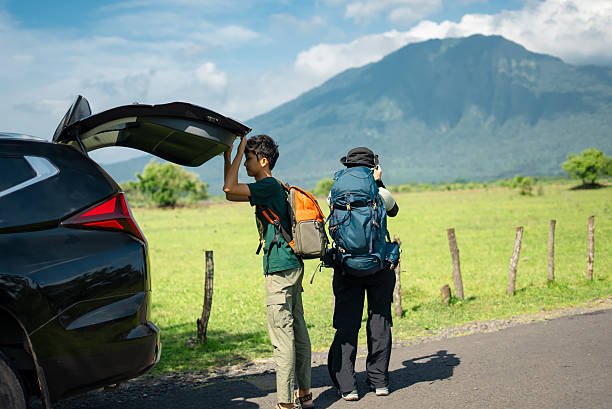
Tanzania Safari Tours & Packages /: Your Ultimate Wildlife Adventure 2026-2027
Discover the magic of Tanzania with expertly crafted safari tours and packages for 2026 and 2027. From the vast plains of the Serengeti to the depths of the Ngorongoro Crater, find your...
View package details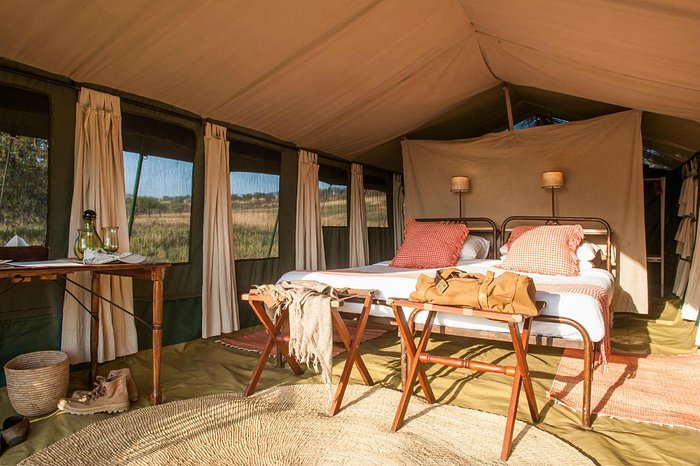
Best African Safari Tours & Vacation Packages /: Your Ultimate Tanzania
start an unforgettable African safari adventure in 2026/2027 with expertly curated tours and vacation packages in Tanzania's most iconic wildlife destinations. From the Serengeti to the...
View package details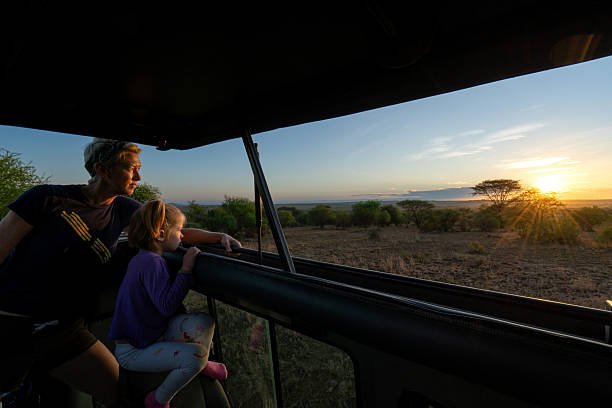
Private Tanzania Safari Packages: Your Ultimate Guide For 2026-2027
Discover the unparalleled freedom and personalized experience of a private Tanzania safari package. This comprehensive guide for 2026-2027 explores custom itineraries, key destinations like...
View package details
Serengeti Great Migration Safari Packages: Your Guide To Witnessing The Wonder
start an unforgettable journey with our comprehensive guide to Serengeti Great Migration safari packages for 2026-2027. Understand the best times to go, optimal viewing locations, and how...
View package detailsBest Places To See Wild Animals In Tanzania: Your Ultimate Safari Guide
Planning a safari to witness incredible wildlife? Tanzania offers some of the planet's most spectacular viewing opportunities. This guide explores the top destinations for seeing wild...
View package details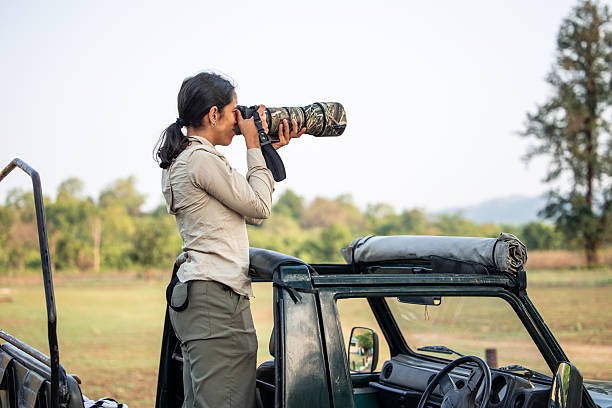
All-Inclusive African Safari Vacations Guide
start an all-inclusive African safari vacation in Tanzania, a premier destination for wildlife viewing in 2026-2027. This comprehensive guide covers everything from iconic parks like the...
View package detailsWhat Is The Best Month To Visit Serengeti? 2026-2027
What Is the Best Month to Visit Serengeti? is explained with current 2026-2027 planning, price, itinerary and booking information.
View package detailsNo related package matches those filters. Clear one or more filters to see the other topic-matched options.



