
A 2-day Mkomazi National Park safari from Moshi or Arusha offers a focused wildlife viewing experience, often highlighting endangered species like black rhinos and wild dogs, with efficient travel logistics for those with limited time. This trip typically involves driving from your starting point to the park, spending two full days on game drives within Mkomazi, and returning to your origin, providing a distinct alternative to the more famous northern circuit parks with its unique conservation focus and accessibility.
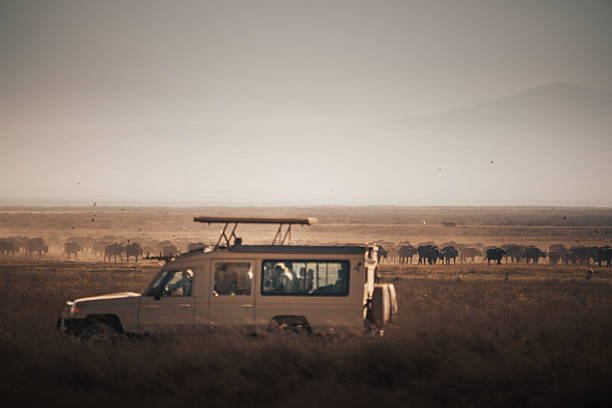
This guide is designed to provide a comprehensive overview for anyone considering a 2-day Mkomazi National Park safari from Moshi or Arusha. Mkomazi stands apart, not just for its wildlife, but for its significant conservation successes, particularly with species that are challenging to find elsewhere. It’s a destination that rewards focused attention, and a two-day excursion is perfectly suited to experiencing its core offerings.
Understanding Mkomazi National Park
Mkomazi National Park, situated in the northeastern part of Tanzania, borders Kenya and is located between the Pare and Usambara Mountains. Unlike its more famous northern circuit neighbours such as Serengeti or Tarangire, Mkomazi is a semi-arid savanna ecosystem. It’s not as lush, but this unique environment supports a distinct array of wildlife and has become a critical sanctuary for conservation efforts.
The park’s history is closely tied to conservation. For decades, it was a game reserve, and its transformation into a national park in 2008 was a testament to the dedication of organizations like the George Adamson Wildlife Preservation Trust and the Mkomazi Rhino Sanctuary. Their work has been instrumental in reintroducing and protecting species like the endangered black rhino and the African wild dog. This conservation success story is a major draw for visitors who appreciate seeing these animals thrive in a managed, protected environment. A 2-day Mkomazi National Park safari from Moshi or Arusha allows a focused appreciation of this vital work.
Geographically, Mkomazi is characterized by its acacia-dotted plains, rocky outcrops, and seasonal rivers. The landscape is rugged and expansive, offering a sense of remoteness that is increasingly rare. The climate is hot and dry for much of the year, with a rainy season typically from March to May. Understanding this environment is key to appreciating the wildlife that inhabits it and planning your visit effectively for 2026 or 2027.
Why Choose a 2-Day Safari from Moshi or Arusha?
Opting for a 2-day Mkomazi National Park safari from Moshi or Arusha is a strategic choice for several types of travellers. Firstly, it’s ideal for those with limited time. If you’re in Moshi or Arusha for a Kilimanjaro climb, or perhaps en route to other destinations, fitting in a short, impactful safari is highly desirable. A two-day trip is substantial enough to offer a genuine safari experience without requiring a week or more.
Secondly, Mkomazi offers a different safari experience. While the northern circuit parks are renowned for vast herds and high predator densities, Mkomazi’s strength lies in its specialized conservation projects. If your interest lies in seeing black rhinos and African wild dogs, or understanding the challenges and successes of conservation in Tanzania, Mkomazi is unparalleled. A 2-day Mkomazi safari provides concentrated time to explore the areas where these animals are most likely to be found, often with the guidance of rangers who are deeply familiar with their territories.
Thirdly, the accessibility from Moshi and Arusha makes it practical. These towns are major hubs for northern Tanzania tourism, meaning transport and tour operators are readily available. A 2-day Mkomazi National Park safari from Moshi or Arusha can be seamlessly integrated into a larger itinerary, minimising travel time between activities. For travellers planning their 2026-2027 trips, this efficiency is a significant advantage.
Finally, Mkomazi offers a more intimate safari experience. It receives fewer visitors than the more famous parks, meaning you’re less likely to encounter large convoys of safari vehicles at sightings. This allows for a more personal connection with the wildlife and the landscape. For those seeking a quieter, more focused wildlife encounter, a two-day trip here is an excellent option.
Planning Your 2-Day Mkomazi Safari: Key Considerations
Successful planning for a 2-day Mkomazi National Park safari from Moshi or Arusha hinges on a few critical factors. Given the short duration, efficiency and realistic expectations are paramount.
Park Entrance Fees and Conservation Charges
Tanzania National Parks Authority (TANAPA) sets park fees. For Mkomazi, these fees contribute directly to park management and conservation. These are typically charged per person, per 24-hour period. For a 2-day safari, you will incur two days of park fees. These are non-negotiable and are usually a significant portion of the overall safari cost. It’s essential to confirm the current rates for 2026-2027 when booking, as they can be subject to change.
Vehicle and Guide Choice
For a 2-day trip, especially when covering ground from Moshi or Arusha, a reliable 4×4 safari vehicle is crucial. The roads within Mkomazi can be rough, particularly outside the main tracks. A knowledgeable guide is equally important. For Mkomazi, a guide familiar with the park’s specific conservation areas and the habits of its rarer species (like the rhinos and wild dogs) will significantly enhance your experience. Experienced operators will pair you with such guides.
Accommodation Strategy
With only two days, staying inside the park or very close to an entrance gate is the most efficient strategy. This minimizes travel time to and from your accommodation and maximizes your time on game drives. Options range from park bandas (basic cottages) to more comfortable lodges or tented camps. Deciding on your accommodation type will influence the overall cost and comfort level of your 2-day Mkomazi safari.
Defining Your Priorities
While Mkomazi has diverse wildlife, its conservation highlights – black rhinos and wild dogs – are often a primary draw. Discuss with your tour operator if they can arrange for you to visit the rhino sanctuary and potentially accompany rangers on foot (subject to availability and park regulations). This adds a unique dimension to a short safari.
Travel Time and Seasonality
The drive from Moshi or Arusha to Mkomazi can take several hours, depending on road conditions and the specific gate you use. Factor this into your departure and return times. The best time to visit is generally during the dry seasons (June to October, and December to February) when wildlife congregates around water sources and game viewing is easier. However, even in the wet season, Mkomazi offers a unique experience, with greener landscapes and fewer tourists.
A Typical 2-Day Mkomazi National Park Itinerary
This is a sample itinerary for a 2-day Mkomazi National Park safari from Moshi or Arusha. It prioritizes maximizing game viewing time and experiencing the park’s unique conservation aspects. Your actual itinerary may vary slightly based on your chosen operator and specific interests.
Day 1: Moshi/Arusha to Mkomazi National Park, Game Drive & Rhino Sanctuary
- Morning (approx. 7:00 AM): Depart from your hotel in Moshi or Arusha after an early breakfast. Your safari vehicle and guide will meet you. The drive to Mkomazi takes approximately 3-5 hours, depending on road conditions and your chosen entrance gate.
- Late Morning/Lunch: Arrive at Mkomazi National Park. After completing park entry formalities, you’ll proceed for an initial game drive en route to your accommodation. Check in, have lunch, and perhaps a short rest.
- Afternoon: The highlight of the afternoon is often a visit to the Mkomazi Rhino Sanctuary. This is a dedicated area where black rhinos are protected. You might have the opportunity to observe them from a safe distance, and in some cases, with prior arrangement and park permission, potentially join a guided walk with rangers to learn more about rhino conservation. This is a critical part of understanding Mkomazi’s unique appeal.
- Late Afternoon: Continue with a game drive in the park, exploring different areas as your guide tracks for other wildlife, including the African wild dog, various antelope species, giraffes, and elephants.
- Evening: Return to your lodge or camp for dinner and overnight stay. The sounds of the African bush and the star-filled sky provide a memorable end to the day.
Day 2: Mkomazi Game Drive and Return to Moshi/Arusha
- Morning: Wake up early for a morning game drive. This is often the best time to spot predators and other active wildlife. Your guide will focus on areas known for sightings of African wild dogs, lions (though less common than in other parks), cheetahs, and various bird species. You’ll explore different landscapes within the park.
- Late Morning: Return to your lodge for breakfast. Check out and start a final game drive as you exit the park. This drive offers another opportunity to catch any wildlife you may have missed or to revisit favourite spots.
- Lunch: Depending on your schedule, you might have a picnic lunch in the park or stop at a local restaurant on your way back.
- Afternoon: Begin your drive back to Moshi or Arusha. You’ll arrive in the late afternoon or early evening, where your 2-day Mkomazi National Park safari concludes.
This itinerary is designed to be flexible. If your primary interest is the wild dogs, your guide will spend more time in their known territories. If it’s the rhinos, more time will be allocated to the sanctuary and surrounding areas. The key is the focused, efficient use of your two days.
Wildlife Highlights and Conservation Focus in Mkomazi
Mkomazi National Park is not just another safari destination; it’s a testament to successful conservation. While you can expect to see a good variety of African wildlife, its stars are the species that have been brought back from the brink of extinction.
Endangered Species Sanctuaries
Black Rhinos: Mkomazi is home to a significant population of black rhinos, thanks to the dedicated Mkomazi Rhino Sanctuary. This sanctuary, established by the George Adamson Wildlife Preservation Trust, has successfully bred rhinos and reintroduced them into protected areas. Seeing a black rhino in the wild is a rare and profound experience, and Mkomazi offers one of the best chances in Tanzania. A 2-day Mkomazi National Park safari often includes an opportunity to visit the sanctuary and learn about the anti-poaching efforts.
African Wild Dogs (Painted Wolves): These highly social and endangered predators are another major draw. Mkomazi is one of the few places in Tanzania where wild dogs have established viable populations. They are elusive and roam large territories, so spotting a pack requires patience and a skilled guide, but the reward is witnessing one of Africa’s most fascinating predators.
Other Notable Wildlife
Beyond the flagship species, Mkomazi hosts a robust population of:
- Giraffes: You’ll likely encounter both Masai and Reticulated giraffes, easily visible against the savanna backdrop.
- Antelopes: A wide variety, including the fringe-eared oryx, greater kudu, gerenuk (known for its long neck), impala, grant’s gazelle, Thomson’s gazelle, and various dik-dik species.
- Elephants: While not as numerous as in parks like Tarangire, elephants do inhabit Mkomazi, particularly during certain seasons.
- Predators: Lions are present but less commonly seen than in other parks. Cheetahs and leopards are also inhabitants, though they are masters of camouflage.
- Birds: Mkomazi is a birdwatcher’s paradise, with over 400 species recorded, including ostriches, secretary birds, various raptors, and numerous smaller species adapted to the semi-arid environment.
The conservation efforts in Mkomazi are not just about protecting individual species; they are about restoring an ecosystem. The reintroduction of herbivores helps manage the vegetation, which in turn supports the predator populations. A 2-day Mkomazi National Park safari from Moshi or Arusha offers a unique glimpse into this ongoing conservation success.
Logistics and Travel from Moshi or Arusha
The practicality of a 2-day Mkomazi National Park safari from Moshi or Arusha relies heavily on efficient logistics. Both Moshi and Arusha are well-equipped starting points, offering a range of services and tour operators.
Distance and Travel Time
Mkomazi is located roughly 150-200 km (90-125 miles) from Moshi and Arusha. The journey typically takes between 3 to 5 hours one way, depending on the specific route, road conditions, and the gate you plan to enter Mkomazi through. Some routes may involve sections of paved road followed by gravel tracks. For a 2-day safari, departing early on Day 1 is essential to maximize daylight hours for game drives.
Vehicle Requirements
A robust 4×4 safari vehicle is non-negotiable for Mkomazi. While the main access roads are generally manageable, internal park tracks can become challenging, especially after rain. A comfortable, well-maintained vehicle with a pop-up roof for game viewing is standard for reputable operators. Ensure your vehicle has ample fuel capacity, as refueling options within or near the park are limited.
Choosing Your Operator
When booking a 2-day Mkomazi National Park safari, selecting a reputable tour operator is key. Look for companies with experience in Mkomazi specifically, as its unique conservation focus and terrain require specialized knowledge. They will handle park permits, vehicle hire, guide arrangements, and accommodation bookings. For 2026-2027 travel, booking in advance is recommended, especially during peak seasons.
Climb 4 Africa is an expert Kilimanjaro and Tanzania travel company with extensive experience in organizing safaris, including shorter trips to Mkomazi. They understand the local logistics and can tailor itineraries to your interests. You can reach them for inquiries or bookings via WhatsApp +255 747 477 898 or Email climb4africa@gmail.com.
Park Gates and Entry Points
Mkomazi has several gates, and your operator will choose the most strategic one based on your itinerary and accommodation. Familiarizing yourself with these entry points can help you understand the travel flow.
Connectivity
Mobile phone reception can be spotty within Mkomazi National Park. While you might get a signal near the park boundaries or at certain lodges, don’t rely on it for constant communication. Informing your tour operator of your plans and having emergency contact details readily available is crucial.
Accommodation Options in or Near Mkomazi
For a 2-day Mkomazi National Park safari, selecting the right accommodation significantly impacts your experience and the efficiency of your trip. Staying inside or very close to the park is highly recommended to maximize game viewing time.
Inside the Park
Mkomazi offers a few options within its boundaries, providing the most in-depth experience:
- Mkomazi Rhino Sanctuary Cottages/Bandas: These are often basic but comfortable accommodations managed by the sanctuary or park authorities. They offer proximity to the rhino sanctuary and are ideal for early morning or late evening game viewing opportunities. They are usually booked through the park or via your tour operator.
- Rhino River Camp: A more established lodge within or bordering the park, offering comfortable rooms and amenities, often with great views and guided activities.
Booking these inside-park options for 2026-2027, especially during peak seasons, should be done well in advance through your tour operator.
Near the Park Gates
If internal park accommodation is unavailable or doesn’t suit your budget, options exist just outside the park gates. These can include:
- Basic Lodges and Camps: Some small-scale lodges or tented camps cater to safari-goers, offering a comfortable place to rest after a day of game drives.
- Community-Based Camps: In some areas, there might be community-run initiatives offering simple accommodation.
While these are convenient, they do add a few minutes of travel time to and from your daily game drives compared to staying within the park itself.
Accommodation Style and Budget
Accommodation in and around Mkomazi can range from very basic (camping, bandas) to comfortable mid-range lodges. Luxury options are fewer compared to the more established northern circuit parks. When discussing your 2-day Mkomazi National Park safari from Moshi or Arusha with an operator, clearly state your accommodation preferences and budget for 2026-2027 to ensure the best fit.
What to Pack for Your Mkomazi Trip
Packing smart is essential for any safari, and a 2-day Mkomazi National Park safari is no exception. Given the short duration, focus on essentials that are versatile and practical for a warm, dry climate.
Clothing
- Lightweight, breathable clothing: Neutral colours (khaki, beige, olive green) are best to avoid startling wildlife. Avoid bright colours or dark colours like black and blue, which can attract tsetse flies.
- Long-sleeved shirts and trousers: For sun protection during the day and to guard against insects in the evenings.
- Shorts or skirts: For warmer parts of the day, though long trousers are often more practical.
- A warm layer: Evenings can be cooler, especially during certain months. A fleece or light jacket is advisable.
- Comfortable walking shoes: For around the lodge/camp and any potential guided walks.
- Sandals or flip-flops: For relaxing at your accommodation.
Health and Safety
- Insect repellent: With DEET for protection against mosquitoes and other biting insects.
- Sunscreen: High SPF, as the African sun is strong.
- Hat: Wide-brimmed for maximum sun protection.
- Sunglasses: To protect your eyes.
- Personal first-aid kit: With any personal medications, plasters, antiseptic wipes, and pain relievers.
- Hand sanitizer: For maintaining hygiene on the go.
- Malaria precautions: Consult your doctor about appropriate antimalarial medication for Tanzania.
Gear and Accessories
- Camera and extra batteries/memory cards: You’ll want to capture the unique wildlife.
- Binoculars: Essential for spotting distant animals and appreciating details.
- Adapter for electronics: Tanzania uses Type D and Type G sockets.
- Reusable water bottle: To stay hydrated and reduce plastic waste.
- Small backpack or daypack: For carrying water, snacks, camera, and essentials during game drives.
- Headlamp or small flashlight: Useful for navigating around your camp at night.
Remember to pack light, as luggage space in safari vehicles can be limited. Most operators provide bottled water during game drives, but carrying your own reusable bottle is good practice for a 2-day Mkomazi National Park safari.
Best Time to Visit Mkomazi for a 2-Day Safari
Choosing the right time for your 2-day Mkomazi National Park safari from Moshi or Arusha can enhance your wildlife viewing opportunities and overall comfort. Mkomazi, being a semi-arid region, has distinct dry and wet seasons that influence animal behaviour and landscape.
Dry Seasons (June to October & December to February)
These are generally considered the best times for safaris in Mkomazi. During these periods:
- Wildlife Concentration: Water sources become scarce, causing animals to congregate around the remaining waterholes and rivers. This makes spotting them easier.
- Easier Game Viewing: The vegetation is less dense, offering clearer sightlines for game drives.
- Lower Humidity: The weather is generally pleasant, though it can be hot during midday.
- Rhino and Wild Dog Sightings: While these animals are present year-round, their movements might be more predictable around water sources during the dry season.
If you are planning for 2026 or 2027, aiming for these months will likely offer the most classic safari experience.
Wet Season (March to May)
This period, often referred to as the ‘long rains’, sees increased rainfall. While game drives can be more challenging due to muddy tracks, there are unique advantages:
- Lush Green Landscape: The park becomes incredibly verdant and beautiful.
- Birdwatching: Migratory birds are often present, and the breeding season for many species occurs.
- Fewer Tourists: You’ll likely encounter fewer visitors, offering a more exclusive experience.
- Calving Season: Many antelope species give birth during this time, increasing the presence of young animals and their predators.
For a 2-day Mkomazi safari, if you don’t mind the possibility of rain and prefer a quieter, greener environment, the wet season can still be very rewarding.
Shoulder Seasons (November & March)
These transitional months can offer a good balance. You might experience some rain in March, but the landscape is starting to green up. November can be dry with occasional showers, and the temperatures are generally pleasant. They can be excellent times to visit for those looking to avoid the peak crowds of the main dry seasons.
Ultimately, Mkomazi offers wildlife viewing opportunities year-round. However, for optimal conditions and ease of viewing, the dry seasons are typically preferred for a short, impactful 2-day Mkomazi National Park safari.
Booking Your 2-Day Mkomazi Safari
Securing your 2-day Mkomazi National Park safari from Moshi or Arusha is the final step to experiencing this unique conservation-focused destination. Given the short duration and specific nature of Mkomazi, careful booking ensures a smooth and rewarding trip.
Cost Considerations for 2026-2027
The cost of a 2-day Mkomazi safari is influenced by several factors:
- Park Fees: These are fixed by TANAPA and are a significant component. You pay per person, per 24-hour period.
- Vehicle and Guide Hire: This is often the largest part of the budget, covering the 4×4 vehicle, fuel, and the guide’s expertise.
- Accommodation: The type of lodge or camp chosen will greatly affect the price.
- Group Size: Sharing the cost of the vehicle and guide among more people usually reduces the per-person rate. A private safari offers flexibility but is more expensive.
- Operator’s Overhead: Different companies have varying pricing structures.
For a 2-day Mkomazi National Park safari, expect costs to range, but generally, a private safari for two people might start from around $600 – $1000+ USD per person, depending heavily on accommodation and inclusions. Shared group departures, if available for such short trips, would be less. It’s crucial to get a detailed quote for 2026-2027 that clearly outlines what is included and excluded.
What to Confirm Before Booking
- Inclusions: Does the quote include park fees, accommodation, meals, vehicle, guide, and water? Are there any hidden costs?
- Exclusions: Typically, park fees, tips, personal insurance, and drinks are excluded. Clarify this.
- Accommodation Details: Confirm the specific lodge or camp and what amenities are offered.
- Itinerary Flexibility: Discuss if the itinerary can be slightly adjusted to focus on your interests (e.g., more time at the rhino sanctuary).
- Payment Schedule: Most operators require a deposit upon booking and the balance before the safari starts. Understand these terms.
- Cancellation Policy: Know the terms if you need to cancel or postpone your trip.
Choosing a Reputable Operator
When booking your 2-day Mkomazi safari, partnering with a trusted local operator is vital. They have the on-the-ground knowledge, established relationships with park authorities, and the capability to handle all logistical aspects. Climb 4 Africa specializes in Tanzanian adventures and can craft a perfect short safari for you.
To discuss your specific requirements for a 2-day Mkomazi National Park safari from Moshi or Arusha for 2026 or 2027, or to request a personalized quote, please contact Climb 4 Africa:
- WhatsApp: +255 747 477 898
- Email: climb4africa@gmail.com
Providing details about your travel dates, number of travellers, and preferred accommodation style will help them tailor the best possible safari experience for you.
A 2-day Mkomazi National Park safari is an excellent way to experience Tanzania’s commitment to conservation and witness wildlife in a less-visited, yet profoundly important, national park. With careful planning and the right partner, it promises to be a memorable short adventure.
Check Availability for 2 Days Mkomazi National Park Safari From Moshi/Arusha: Your Complete Guide
Ready to compare dates, prices, and the best option for your group? Send the package name and travel month so the team can reply with a clear quote, availability, and what is included.

Kruger National Park Safari Packages: Your Ultimate Guide To Adventures
Discover tailored Kruger National Park safari packages for 2026-2027. This comprehensive guide covers everything from choosing the right lodge and activities to understanding costs and...
View package details
3-Day Serengeti And Ngorongoro Safari: Your Ultimate Tanzania Wildlife
start a concise yet unforgettable 3-day Serengeti and Ngorongoro safari, designed to maximize wildlife encounters in Tanzania's most celebrated parks. This compact adventure offers a taste...
View package details
3-Day Safari From Zanzibar 2026-2027
3-Day Safari From Zanzibar is explained with current 2026-2027 planning, price, itinerary and booking information.
View package details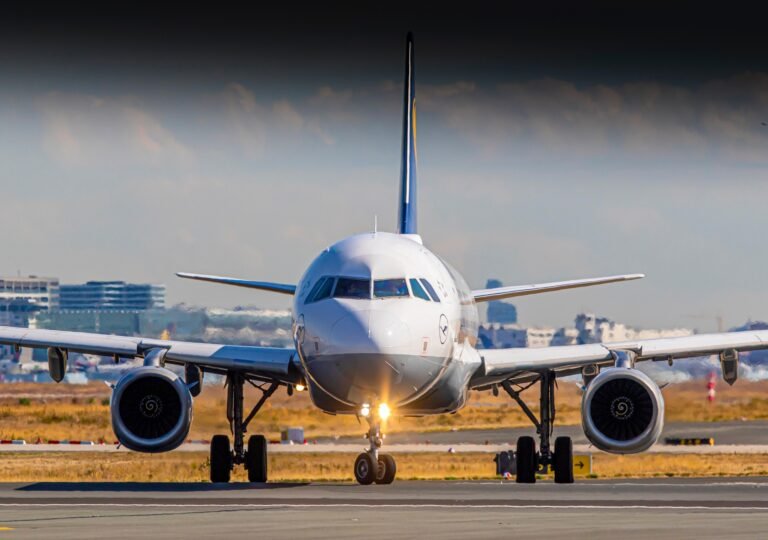
2-Day Safari From Zanzibar: Your Quick Wildlife Escape In 2026-2027
Looking for a short, impactful wildlife adventure without a long trip? A 2-day safari from Zanzibar is your perfect solution. This guide covers the best options, what to expect, and how to...
View package details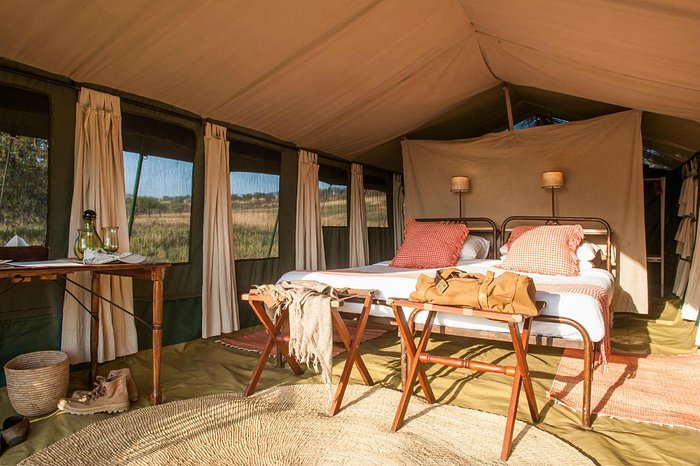
Safari From Zanzibar: Best Packages, Prices & Parks For 2026-2027
Combining a Zanzibar beach holiday with a Tanzania safari is a dream for many travelers. This guide details the best safari packages from Zanzibar, covering essential planning, park...
View package details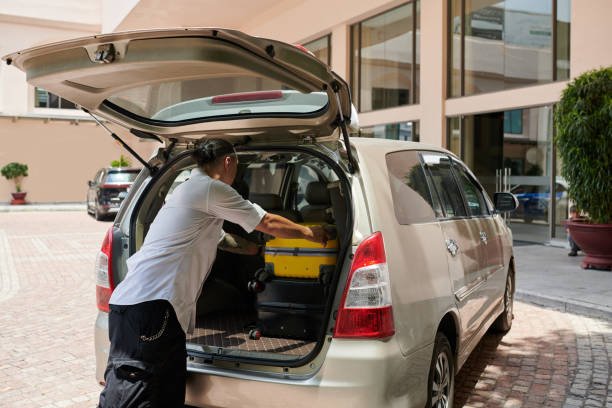
How Far In Advance Should You Book An African Safari? 2026-2027
How Far in Advance Should You Book an African Safari? is explained with current 2026-2027 planning, price, itinerary and booking information.
View package detailsKenya Safari Tours & Holiday Packages 2026-2027
Kenya Safari Tours & Holiday Packages is explained with current 2026-2027 planning, price, itinerary and booking information.
View package details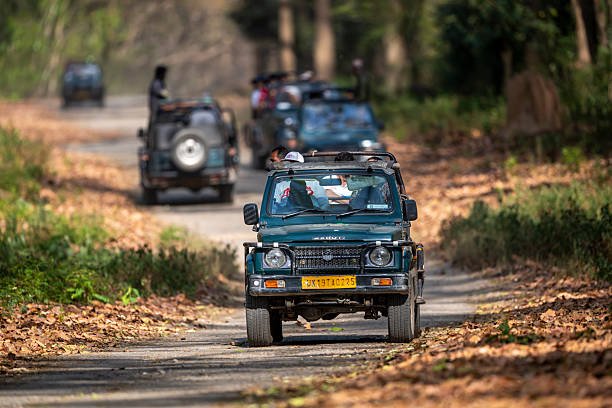
Solo African Safari Tours: Your Ultimate Guide For 2026-2027
start an incredible solo African safari adventure. This comprehensive guide covers everything you need to know for planning a safe, rewarding, and memorable trip in 2026-2027, from choosing...
View package detailsIs It Better To Book A Safari Online Or Locally? 2026-2027
Is It Better to Book a Safari Online or Locally? is explained with current 2026-2027 planning, price, itinerary and booking information.
View package detailsWhat Is Included In An African Safari Package? A Complete Guide For 2026-2027
Demystifying African safari packages. This guide details what you can expect to be included, from essential logistics like accommodation and transport to crucial elements like park fees and...
View package detailsAffordable African Safari Packages: Your Guide To Budget-Friendly Tanzania
Discover how to plan and book affordable African safari packages for 2026-2027. This guide provides practical advice on choosing budget-friendly Tanzania tours, understanding costs, and...
View package detailsBest Wildlife Safaris In Africa: Your Ultimate Guide For 2026-2027
start the ultimate African wildlife safari. This comprehensive guide covers the best destinations, essential planning tips, and what to expect for your 2026-2027 adventure.
View package detailsNo related package matches those filters. Clear one or more filters to see the other topic-matched options.



