To book flights from New York to Kilimanjaro Airport (JRO) for your Tanzania safari or Kilimanjaro climb, you’ll typically need to connect through a major European hub like Amsterdam, Doha, or Istanbul, as there are no direct flights. The journey usually involves two legs, with total travel times ranging from 18 to 30+ hours depending on layovers. For 2026-2027 travel, it’s advisable to book flights 3-6 months in advance, especially for peak seasons, and compare options from airlines such as KLM, Qatar Airways, Turkish Airlines, and Ethiopian Airlines for the best balance of cost and convenience.
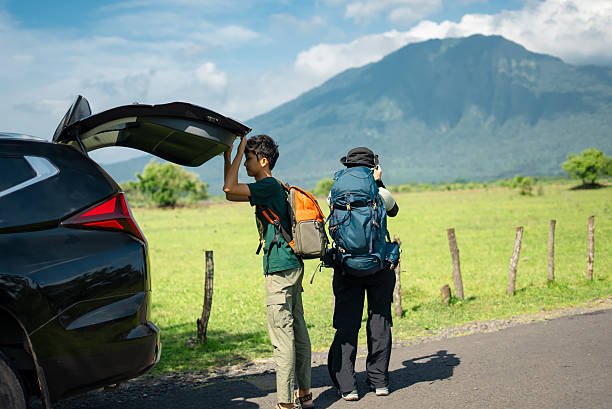

Navigating Your Journey: Flights from New York to Kilimanjaro Airport (JRO)
Embarking on a Tanzanian adventure, whether it’s the iconic ascent of Mount Kilimanjaro or an exhilarating wildlife safari across its famed plains, begins long before you set foot on African soil. A critical first step is securing your flights from New York to Kilimanjaro Airport (JRO). This process involves understanding the routes, airlines, booking strategies, and essential travel considerations that will shape your entire experience. As specialists in Kilimanjaro climbs and Tanzania safaris, we at Climb 4 Africa understand that the flight booking can feel complex. This guide is designed to demystify the process, offering practical insights to help you find the most suitable flights for your 2026-2027 adventure.
Kilimanjaro International Airport (JRO), also known as Kilimanjaro Airport, serves as the primary gateway for most visitors heading to Northern Tanzania, including the Kilimanjaro region and the Serengeti. For travelers originating from New York, which offers multiple major airports (JFK, EWR, LGA), the journey is not a direct one. This necessitates careful planning to ensure comfort, efficiency, and value for money.
Understanding the Route: Why No Direct Flights?
The reality of international air travel means that routes are driven by demand, infrastructure, and airline network strategies. For flights from New York to Kilimanjaro, direct services are simply not offered by any major carrier. This is common for routes connecting North America to many East African destinations. Instead, the journey involves at least one stopover, often two, in major international aviation hubs. These stopovers are strategically placed to serve as connection points for a vast network of flights.
The most common connection points for flights from New York to JRO include:
- Amsterdam (AMS): A major hub for KLM, offering extensive connections to East Africa.
- Doha (DOH): Qatar Airways’ hub, providing a modern and efficient connection.
- Istanbul (IST): Turkish Airlines’ sprawling hub, with a growing presence in African routes.
- Addis Ababa (ADD): Ethiopian Airlines’ hub, a significant player in African aviation.
- Nairobi (NBO): While a closer hub, flights from Nairobi to JRO are often by smaller regional carriers and might not always be the most convenient or cost-effective as the primary international connection from New York.
Choosing your connection city can significantly impact your travel time, layover experience, and even the overall cost of your flights. Each airline operating these routes has its own fleet, service standards, and pricing structures, making comparison essential.
Key Airlines Operating Flights to Kilimanjaro from New York
When searching for flights from New York to Kilimanjaro Airport, you’ll primarily be looking at airlines that have strong intercontinental networks and a presence in East Africa. While the specific airlines and their routes can change, several consistently offer services:
KLM (via Amsterdam)
KLM, often in partnership with Kenya Airways, is a very popular choice. Flights typically depart from New York (JFK or EWR) to Amsterdam (AMS), with a subsequent connection to Kilimanjaro (JRO) or sometimes via Nairobi (NBO) to JRO. KLM is known for its reliable service and extensive network, making it a strong contender for travelers prioritizing comfort and a familiar travel experience. Booking KLM often means dealing with one airline’s ticketing, which can simplify matters if issues arise.
Qatar Airways (via Doha)
Qatar Airways offers a premium travel experience and has significantly expanded its routes to Africa. Flights from New York will connect through their state-of-the-art Hamad International Airport in Doha (DOH) before heading to Kilimanjaro (JRO). Qatar Airways is consistently ranked among the best airlines globally, offering excellent service, modern aircraft, and competitive pricing, especially if booked in advance for 2026-2027 travel.
Turkish Airlines (via Istanbul)
Turkish Airlines has a vast global network and has become a major carrier for many African destinations. Your journey would involve flying from New York (JFK or EWR) to Istanbul (IST), and then connecting to Kilimanjaro (JRO). Istanbul is a vibrant and busy hub, and Turkish Airlines offers a wide range of cabin classes and services. Their network can sometimes provide competitive pricing and convenient timings.
Ethiopian Airlines (via Addis Ababa)
As a leading African airline, Ethiopian Airlines offers a robust network connecting continents via its hub in Addis Ababa (ADD). Flights from New York would connect through ADD to JRO. Ethiopian Airlines is a Star Alliance member and provides a solid, often more budget-friendly, option for reaching East Africa. Their understanding of African travel logistics can be an advantage.
Other Potential Carriers
While less common as primary carriers for the entire journey from New York to JRO, you might encounter options involving airlines like Emirates (via Dubai), British Airways (via London), or Delta/Virgin Atlantic in partnership with other carriers. Sometimes, a combination of airlines might offer the most cost-effective solution, but this can add complexity to booking and managing your trip.
When comparing airlines for your 2026-2027 trip, consider:
- Total travel time: Including layovers.
- Layover duration and airport: A short, rushed layover is stressful; an excessively long one can be tedious.
- Airline reputation and service: Comfort on long-haul flights matters.
- Baggage allowance: Crucial for safaris and treks where gear is essential.
- Price: Always a significant factor, but balance it against other elements.
Booking Strategy: When and How to Secure Your Flights
The timing of your flight booking is crucial for securing favorable prices and good availability, especially for popular travel periods. For flights from New York to Kilimanjaro Airport, particularly for 2026 and 2027 travel, a strategic approach is best.
Optimal Booking Window for 2026-2027
Generally, the sweet spot for booking international flights, including those to Kilimanjaro, is between 3 to 6 months in advance. For travel during peak seasons (typically June to October for dry weather safaris and Kilimanjaro climbing, and December to February for warm weather), aiming for the earlier end of this window, or even up to 8-9 months out, is highly recommended. This applies particularly to 2026-2027 bookings, as demand for post-pandemic travel continues to be robust.
Why this window?
- Availability: Airlines release their schedules and initial fare buckets well in advance. Booking early ensures you have access to a wider range of flight times and routes.
- Pricing: While last-minute deals can sometimes appear, they are rare for long-haul, multi-leg international flights. Prices tend to increase as the departure date nears and seats fill up.
- Peak Season Demand: Kilimanjaro climbs and prime safari seasons are highly sought after. Popular flights can sell out months in advance.
Using Flight Comparison Websites
Websites like Google Flights, Skyscanner, Kayak, and Expedia are excellent starting points for comparing prices and routes. They aggregate data from numerous airlines and online travel agencies, allowing you to see a broad spectrum of options. When using these tools:
- Be flexible with dates: If your travel dates are not fixed, use the flexible date search features to identify cheaper days to fly.
- Set price alerts: Many comparison sites allow you to set alerts for specific routes and dates, notifying you when prices change.
- Consider nearby airports: While JRO is the primary airport, check if flying into Nairobi (NBO) and arranging a short, separate flight or overland transfer to Tanzania offers significant savings. However, factor in the extra time and potential complexities.
Booking Directly with Airlines
Once you’ve identified your preferred flight option through a comparison site, it’s often a good idea to check the price directly on the airline’s website. Sometimes, booking direct can offer slight advantages, such as easier management of your booking, direct communication with the airline, and sometimes better rates or loyalty program benefits. This is especially true if you are aiming for a specific airline for comfort or mileage reasons.
Working with Travel Agents or Tour Operators
For complex itineraries like a Tanzania safari combined with a Kilimanjaro climb, working with a specialized tour operator like Climb 4 Africa can be invaluable. While we don’t typically book international flights directly, we can provide expert advice on:
- Recommended airlines and routes based on our extensive experience.
- Optimal arrival/departure days that align with your tour or climb schedule.
- Crucial details about baggage allowances for safari vehicles and mountain treks.
- Connecting flights within Africa if needed, ensuring smooth transitions.
We can help you avoid common pitfalls, such as booking flights that arrive too late for your tour start or depart too early, or that have excessively long and inconvenient layovers. Our team can often provide insights into which flight timings work best for our specific tour departures and itineraries for 2026-2027.
Understanding Fare Types and Inclusions
Be mindful of what your ticket includes. Economy fares are standard, but prices can vary based on flexibility (refundable vs. non-refundable), baggage allowance, and seat selection. For longer journeys, consider the value of premium economy or business class if your budget allows, as it can significantly enhance comfort on the long flights to Kilimanjaro.
Important Considerations for Booking Flights to JRO:
- Visa Requirements: Ensure you understand the visa requirements for Tanzania and any transit countries. This might influence your choice of layover city if you need to enter a country for a transit visa.
- Travel Insurance: Always purchase comprehensive travel insurance that covers flight cancellations, delays, medical emergencies, and lost luggage.
- Time Zones: Be aware of the significant time difference between New York and Tanzania (UTC+3) to plan your arrival and acclimatization effectively.
Travel Time and Layover Durations
The total journey time for flights from New York to Kilimanjaro Airport is a significant factor. It’s not just about the hours spent in the air, but also the time spent on the ground during layovers.
Typical Flight Durations
The shortest possible travel times, with efficient connections, can sometimes be around 18-20 hours. However, it is more common for the total journey to range from 20 to 30 hours, and sometimes even longer, especially if you have a lengthy layover or need to change airlines/terminals.
This duration includes:
- Flight time from New York to the connecting hub (e.g., 7-9 hours to Europe).
- Layover time in the hub city (can range from 2 hours to over 12 hours).
- Flight time from the hub to Kilimanjaro (e.g., 8-12 hours depending on the route).
Layover Strategies
Layovers are an inevitable part of this journey. How you manage them can impact your overall experience:
- Short Layovers (2-3 hours): These can be stressful, especially if your first flight is delayed, or if you need to navigate a large airport and change terminals. While efficient, they offer little room for error.
- Medium Layovers (4-8 hours): This is often a good balance. It allows ample time for transit, a meal, some rest, and potentially some duty-free shopping, without being excessively long.
- Long Layovers (8+ hours): These can be challenging. Some travelers opt for an airport hotel to rest, while others might consider a short city tour if the layover is long enough and visa/logistics permit. Be sure to check the feasibility and any associated costs for such options.
When booking, always check the total journey time and the layover duration. A seemingly cheaper flight might be significantly longer and less comfortable due to a very long layover.
Impact on Your Itinerary
The length of your flight and layover has direct implications for your arrival in Tanzania. For flights from New York to Kilimanjaro Airport, arriving in the afternoon or evening is common. This usually means you’ll need an overnight stay near Kilimanjaro Airport before starting your safari or trek the following day. This buffer is essential for rest and acclimatization, especially if you plan to climb Kilimanjaro soon after arrival.
Airport Procedures and Tips for Arrival at JRO
Kilimanjaro International Airport (JRO) is the main international gateway, and understanding its procedures can ease your arrival.
Visa on Arrival and Immigration
For many nationalities, a visa for Tanzania can be obtained upon arrival at JRO. However, it is increasingly recommended and often more efficient to apply for your Tanzanian visa online in advance. This can save considerable time at the airport, especially during peak travel periods in 2026-2027. Check the official Tanzanian immigration website for the most current requirements and application procedures for your nationality.
Upon arrival, you will proceed through immigration, where your passport and visa (if obtained in advance) will be checked. Be prepared to answer questions about the purpose of your visit and your intended duration of stay.
Baggage Claim and Customs
After clearing immigration, you will collect your checked luggage from the baggage claim area. Once you have your bags, you will proceed through customs. Tanzania has regulations regarding the import of certain goods (e.g., alcohol, tobacco, firearms, and large sums of cash), so it’s wise to declare anything that might fall under these categories.
Meeting Your Transfer
This is a critical step for all our clients. If you have booked a safari or Kilimanjaro climb with Climb 4 Africa, your representative will be waiting to meet you outside the arrivals hall. They will be holding a sign with your name or the Climb 4 Africa logo. Please look for them carefully.
Important points for airport pickup:
- Pre-arranged Transfers: We arrange airport transfers as part of your tour package. This ensures you are met by a trusted, local contact who will assist you with your luggage and transfer you to your accommodation.
- Communication: If you have any trouble locating your transfer, please use the contact information provided by Climb 4 Africa. Having a local SIM card or international roaming can be helpful, but there are also airport information desks.
- Patience: Sometimes, flight schedules can lead to multiple groups arriving around the same time. Your transfer driver will be there to assist everyone as efficiently as possible.
Currency Exchange and SIM Cards
There are currency exchange bureaus and ATMs at JRO, though exchange rates may be more favorable in Moshi or Arusha. If you wish to get a local SIM card for easier communication, these are also usually available at the airport. However, for shorter trips, many travelers find that relying on hotel Wi-Fi and occasional international calls is sufficient.
Baggage Considerations for Safaris and Kilimanjaro Treks
When booking flights from New York to Kilimanjaro Airport, it’s vital to understand the baggage restrictions that apply once you land in Tanzania, especially for safari vehicles and Kilimanjaro expeditions.
Safari Baggage Limits
Safari vehicles, particularly the 4x4s used in national parks, have limited luggage space. Most operators, including Climb 4 Africa, adhere to a strict baggage limit of one soft-sided duffel bag per person, not exceeding 15-20 kg (33-44 lbs). Hard-shell suitcases are generally not permitted as they are difficult to fit into the vehicles and take up too much space.
Why soft-sided bags?
- They are more flexible and easier to pack into the confined storage areas of safari vehicles.
- They are typically lighter, helping you stay within weight limits.
Your international flight allowance will likely be more generous (e.g., 23kg per bag). You will need to ensure your luggage is consolidated into the allowed soft-sided duffel for your safari portion. Any excess luggage can often be stored safely at your hotel in Moshi or Arusha while you are on safari or climbing Kilimanjaro.
Kilimanjaro Trek Baggage
For Kilimanjaro climbs, you will typically need two types of bags:
- Duffel Bag (approx. 80-100 liters): This is the main bag for your clothing and personal items. Porters will carry this bag for you up the mountain. Similar to safari, a soft-sided, durable duffel is best. The weight limit is usually around 15 kg (33 lbs).
- Daypack (approx. 25-35 liters): This is the bag you carry yourself each day on the trek. It holds essentials like water, snacks, rain gear, sunscreen, your camera, and warm layers.
Make sure to check the specific packing list provided by your tour operator for detailed recommendations on bag types and sizes for your Kilimanjaro climb.
Airline Baggage Allowances
Always double-check the baggage allowance for your specific international flight booking. This can vary significantly between airlines and fare types. Exceeding these limits can result in substantial excess baggage fees at the airport.
Planning for 2026-2027: Key Dates and Seasons
When booking flights from New York to Kilimanjaro Airport for a Tanzania safari or Kilimanjaro climb, understanding the seasons is paramount. Your choice of travel dates directly impacts weather, wildlife viewing opportunities, crowd levels, and pricing.
Peak Seasons (Generally Best Weather & Wildlife)
- June to October: This is the dry season across much of Tanzania. It’s ideal for Kilimanjaro climbing due to clear skies and less rain. It’s also prime time for safaris, especially for witnessing the Great Migration in the Serengeti, as animals congregate around water sources. Expect higher prices and more crowds.
- December to February: This period offers warm, dry weather, making it another popular time for both safaris and Kilimanjaro climbs. It coincides with the calving season for wildebeest in the southern Serengeti, offering unique wildlife viewing opportunities.
Shoulder Seasons (Good Value, Fewer Crowds)
- March to May: This is the “long rains” season. While not impossible for travel, expect frequent, heavy downpours, particularly in the afternoons. Some roads can become challenging, and Kilimanjaro climbs can be more difficult due to wet conditions. Prices are generally lower, and there are fewer tourists.
- November: This marks the beginning of the short rains. Weather can be mixed, with sunny spells and occasional showers. It can be a good time for birdwatching and offers a good balance of decent weather and fewer crowds.
Booking for 2026-2027
For peak seasons in 2026 and 2027, booking your flights and tours 6-9 months in advance is strongly advised. Shoulder seasons offer more flexibility, but booking 3-6 months out is still a good practice to secure preferred flight times and potentially better rates.
Climb 4 Africa offers group departures for Kilimanjaro climbs and safaris throughout the year. Check our schedule for 2026-2027 to align your flight bookings with our tour dates.
Checklist for Booking Flights to JRO:
- Confirm your travel dates and desired season.
- Research airlines and routes from New York (JFK, EWR, LGA) to Kilimanjaro (JRO).
- Use flight comparison tools and check airline websites.
- Set price alerts for your chosen routes.
- Book flights 3-6 months in advance (more for peak season 2026-2027).
- Verify baggage allowances for both international flights and internal/safari transfers.
- Confirm visa requirements for Tanzania and transit countries.
- Purchase comprehensive travel insurance.
- Plan for airport transfers upon arrival at JRO.
Cost Considerations for Flights
The cost of flights from New York to Kilimanjaro Airport can vary significantly based on several factors. While we at Climb 4 Africa focus on your ground arrangements, understanding flight costs is part of comprehensive trip planning.
Factors Influencing Flight Prices
- Time of Year: Peak seasons (June-Oct, Dec-Feb) are almost always more expensive than the rainy seasons.
- Booking Window: Booking further in advance generally yields better prices.
- Airline and Route: Different airlines have different pricing strategies. Routes with fewer stops or more convenient layovers might be pricier.
- Class of Service: Economy, Premium Economy, Business, and First Class have vastly different price points.
- Flexibility: Non-refundable tickets are usually cheaper than flexible or refundable options.
- Demand: Major events or global travel trends can influence pricing.
Typical Price Ranges (Estimate for 2026-2027)
For round-trip economy class tickets from New York to Kilimanjaro, you can typically expect prices to range from approximately $1,000 to $1,800 USD per person. However, this is a broad estimate:
- Budget-friendly: Flights booked well in advance for shoulder seasons or with less convenient layovers might be found closer to the $1,000 – $1,200 mark.
- Mid-range: For standard economy tickets during good travel periods, expect prices between $1,200 – $1,600 USD.
- Premium/Peak: Flights booked closer to departure, during peak seasons, or with more desirable airlines/routes could range from $1,600 – $1,800+ USD.
Please note: These are estimates only. Actual prices fluctuate daily. It is essential to conduct your own real-time searches for your specific travel dates in 2026-2027.
Tips for Finding Better Deals
- Fly Mid-Week: Tuesdays and Wednesdays are often the cheapest days to fly internationally.
- Consider Layovers: A slightly longer layover might significantly reduce the ticket price.
- Alternative Airports: While less common for JRO, sometimes flying into a major hub like Nairobi (NBO) and then booking a separate short flight to JRO can be cheaper, but adds complexity.
- Be Vigilant: Monitor prices using alerts and be ready to book when you see a fare that fits your budget.
Connecting Your Flight to Your Tanzanian Adventure
Your flight to Kilimanjaro Airport (JRO) is the gateway to your adventure. At Climb 4 Africa, we specialize in ensuring your experience on the ground in Tanzania is as smooth and unforgettable as possible.
Once you land, our team is ready to welcome you. Whether your adventure is an immediate transfer to your hotel to prepare for a Kilimanjaro climb, or a drive to Arusha for a safari briefing, our airport representatives are there to assist.
From JRO to Your First Destination
For Kilimanjaro Climbers: Most climbers arrive at JRO and transfer to Moshi or Arusha for an overnight stay. This is crucial for rest, gear checks, and meeting your climbing crew for a pre-climb briefing. Your transfer from JRO to your hotel will be arranged by us.
For Safari Goers: Similarly, safari participants typically spend a night in Arusha or Moshi before their safari begins. This allows for a relaxed start to your wildlife adventure, with time for a detailed safari briefing and packing adjustments.
Our Commitment:
- Reliable Transfers: We guarantee timely and safe transfers from Kilimanjaro Airport to your accommodation.
- Local Expertise: Our drivers and representatives are local, knowledgeable, and dedicated to providing excellent service.
- smooth Integration: We coordinate your arrival with your tour start dates to ensure a smooth transition from your long flight to the beginning of your Tanzanian experience.
Planning your flights from New York to Kilimanjaro Airport is the first major step in your journey. Once booked, you can focus on the incredible experiences that await you in Tanzania. We are here to support you every step of the way, from the moment you land at JRO.
Frequently Asked Questions about Flights to Kilimanjaro
Here are some common questions travelers have when planning their flights from New York to Kilimanjaro Airport for their Tanzanian adventures in 2026-2027.
Q1: Are there direct flights from New York to Kilimanjaro?
No, there are currently no direct flights from New York (JFK, EWR, LGA) to Kilimanjaro International Airport (JRO). All flights require at least one stopover, typically in cities like Amsterdam, Doha, Istanbul, or Addis Ababa.
Q2: What is the typical total travel time from New York to JRO?
The total travel time, including layovers, generally ranges from 18 to 30+ hours, depending on the airline, route, and duration of your connecting stop(s).
Q3: Which airlines are best for flights from New York to Kilimanjaro?
Popular and reliable options include KLM (via Amsterdam), Qatar Airways (via Doha), Turkish Airlines (via Istanbul), and Ethiopian Airlines (via Addis Ababa). The ‘best’ airline often depends on your priorities: price, comfort, layover convenience, and specific travel dates for 2026-2027.
Q4: When should I book my flights for 2026-2027?
For the best availability and prices, it is recommended to book your flights 3 to 6 months in advance. For peak travel seasons (June-Oct, Dec-Feb), consider booking 6-9 months ahead for 2026-2027 travel.
Q5: What is the baggage allowance for safari?
For most Tanzanian safaris, operators require travelers to use soft-sided duffel bags weighing no more than 15-20 kg (33-44 lbs) due to limited space in safari vehicles. Check your international airline’s allowance separately, and plan to consolidate or store excess luggage.
Q6: Can I get a visa on arrival at Kilimanjaro Airport?
Yes, for many nationalities, a visa can be obtained on arrival. However, applying for your Tanzanian visa online in advance is highly recommended to save time at the airport, especially for 2026-2027 travel.
Q7: What should I do upon arrival at JRO?
After clearing immigration and customs, look for your designated transfer representative holding a sign with your name or the Climb 4 Africa logo. They will assist you with your luggage and transfer you to your hotel in Moshi or Arusha.
Making Your Booking Decision: Flights and Your Tanzanian Adventure
Securing your flights from New York to Kilimanjaro Airport is a significant milestone in planning your dream Tanzanian safari or Kilimanjaro climb. By understanding the available routes, airlines, booking strategies, and travel considerations, you can make informed decisions that set the stage for a memorable journey in 2026-2027.
At Climb 4 Africa, we are committed to providing exceptional experiences on the ground. While we don’t book your international flights, we are your expert partners for everything else:
- Kilimanjaro Climbs: We offer expertly guided climbs on various routes, ensuring safety, success, and an unforgettable mountain experience.
- Tanzania Safaris: Explore the Serengeti, Ngorongoro Crater, Tarangire, and more with our tailor-made safari packages.
- Custom Itineraries: We can craft bespoke trips combining climbs, safaris, and Zanzibar holidays to perfectly match your interests and budget.
To ensure your adventure aligns perfectly, we recommend coordinating your flight bookings with your chosen tour dates. If you have specific flight times or require advice on arrival/departure days that best suit our itineraries for 2026-2027, please don’t hesitate to reach out.
Ready to plan your Tanzanian adventure?
Contact Climb 4 Africa today to discuss your Kilimanjaro climb, safari, or tailor-made itinerary. We can provide guidance on optimal arrival days for your chosen tour, ensuring your flight schedule integrates seamlessly with your on-the-ground experience. Let us help you turn your travel dreams into reality.
Reach us via WhatsApp at +255 747 477 898 or email us at climb4africa@gmail.com.
“,
“faq_schema”: [
{
“question”: “Are there direct flights from New York to Kilimanjaro?”,
“answer”: “No, there are currently no direct flights from New York (JFK, EWR, LGA) to Kilimanjaro International Airport (JRO). All flights require at least one stopover, typically in cities like Amsterdam, Doha, Istanbul, or Addis Ababa.”
},
{
“question”: “What is the typical total travel time from New York to JRO?”,
“answer”: “The total travel time, including layovers, generally ranges from 18 to 30+ hours, depending on the airline, route, and duration of your connecting stop(s).”
},
{
“question”: “Which airlines are best for flights from New York to Kilimanjaro?”,
“answer”: “Popular and reliable options include KLM (via Amsterdam), Qatar Airways (via Doha), Turkish Airlines (via Istanbul), and Ethiopian Airlines (via Addis Ababa). The ‘best’ airline often depends on your priorities: price, comfort, layover convenience, and specific travel dates for 2026-2027.”
},
{
“question”: “When should I book my flights for 2026-2027?”,
“answer”: “For the best availability and prices, it is recommended to book your flights 3 to 6 months in advance. For peak travel seasons (June-Oct, Dec-Feb), consider booking 6-9 months ahead for 2026-2027 travel.”
},
{
“question”: “What is the baggage allowance for safari?”,
“answer”: “For most Tanzanian safaris, operators require travelers to use soft-sided duffel bags weighing no more than 15-20 kg (33-44 lbs) due to limited space in safari vehicles. Check your international airline’s allowance separately, and plan to consolidate or store excess luggage.”
},
{
“question”: “Can I get a visa on arrival at Kilimanjaro Airport?”,
“answer”: “Yes, for many nationalities, a visa can be obtained on arrival. However, applying for your Tanzanian visa online in advance is highly recommended to save time at the airport, especially for 2026-2027 travel.”
},
{
“question”: “What should I do upon arrival at JRO?”,
“answer”: “After clearing immigration and customs, look for your designated transfer representative holding a sign with your name or the Climb 4 Africa logo. They will assist you with your luggage and transfer you to your hotel in Moshi or Arusha.”
}
]
}
“`
Check Availability for Flights From New York To Kilimanjaro Airport For Tanzania Safari 2026-2027
Ready to compare dates, prices, and the best option for your group? Send the package name and travel month so the team can reply with a clear quote, availability, and what is included.

AFCON 2027 Safari from Kilimanjaro Airport
Mwongozo wa kina wa AFCON 2027 Safari starting from Kilimanjaro Airport, ukiruhusu kupanga ratiba, usafiri, mapumziko ya kambi, na maeneo ya kuzunguka ili kuonyesha wanyama na mandhari ya...
View package details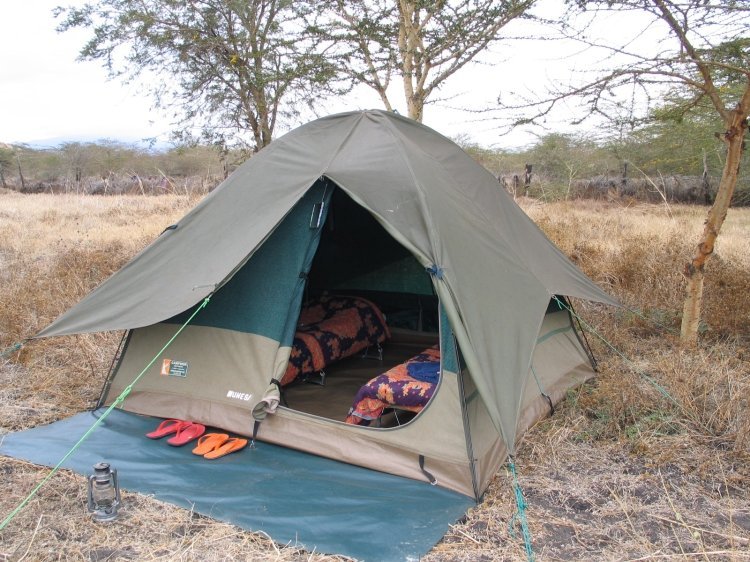
Afcon Tanzania Football Kilimanjaro And Safari Tour
AFCON 2027 Tanzania Football Kilimanjaro and Safari Tour.
View package detailsKilimanjaro Safari And Afcon Final Package
Kilimanjaro Safari and AFCON Final Package.
View package details
Kilimanjaro to Nairobi AFCON Travel Package
Mpango wa safari wa Kilimanjaro hadi Nairobi kwa AFCON unaowezesha kushuhudia milima na miji miwili mikubwa ya Afrika pamoja na mechi za AFCON kwa njia salama na ya kipekee.
View package details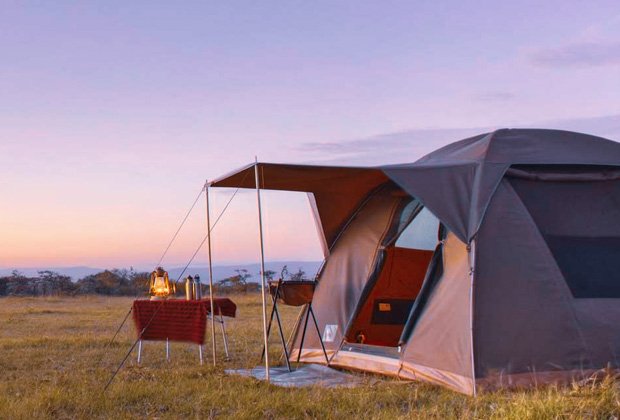
AFCON 2027 Safari from Moshi: Safari ya Afrika Mashariki kwa Mashabiki wa Soka
Safari ya kipekee ya AFCON 2027 inayochukua mji wa Moshi kuwa kituo cha kuanzia kwa mbuga ya wanyamapori na milima ya Kilimanjaro, ikijumuisha uhifadhi wa ndani na mwongozo wa kiusimamizi...
View package details
Afcon Kilimanjaro Ngorongoro And Zanzibar Holiday
AFCON 2027 Kilimanjaro Ngorongoro and Zanzibar Holiday.
View package details
Afcon Mount Kilimanjaro And Serengeti Package
AFCON 2027 Mount Kilimanjaro and Serengeti Package.
View package details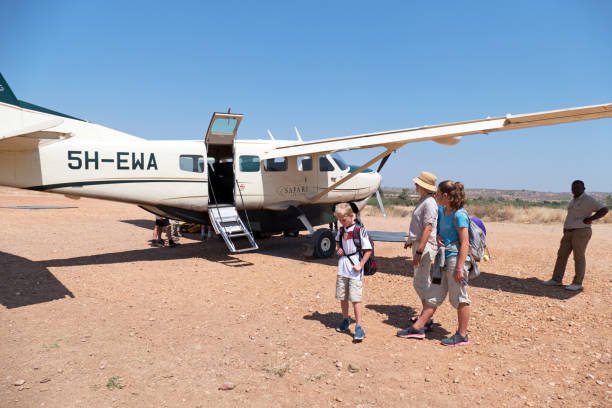
Kilimanjaro Airport To Zanzibar Flights: Ticket Prices & Airlines 2026-2027
A practical guide to flying from Kilimanjaro International Airport (JRO) to Zanzibar, covering airline choices, baggage logistics for climbers, and how to book your connection.
View package detailsAFCON 2027 Safari Packages from Tanzania
Hitaji la safari ya kundoka ili kufurahia AFCON 2027? Chagua kutoka kwa mikakati ya safari nchini Tanzania inayoambatana na wildlife, mbuga maarufu, na uwekaji wa huduma ya kimataifa ya...
View package detailsAFCON 2027 Mid Range Safari Packages Tanzania
Mwongozo wa safari ya kati ya AFCON 2027 Tanzania kutoka Climb 4 Africa: mipango ya njia, maeneo ya msitu wa serikali, na usalama wa wasafiri. Onyesha jinsi ya kuchagua kilima cha kati...
View package details
Kilimanjaroo Airport to AFCON Host City Transfer
Katika ukurasa huu wa kina, tunakuletea mwongozo wa kina juu ya jinsi ya kuhamisha kutoka Uwanja wa Kilimanjaro kwenda mjini litakalohudhuria AFCON 2027, pamoja na mapendekezo ya usafiri...
View package detailsTanzania Safari Tours for AFCON 2027 Fans
Muhtasari wa safari za Tanzania kwa mashabiki wa AFCON 2027: maeneo ya hifadhi, mizunguko ya wildlife, usalama wa safari, na jinsi ya kupanga na kuhudumiwa na Climb 4 Africa.
View package detailsNo related package matches those filters. Clear one or more filters to see the other topic-matched options.