A Kigali to Serengeti safari and Ngorongoro itinerary typically involves flying from Kigali, Rwanda, to an airstrip in Tanzania (often Kilimanjaro International Airport or directly into the Serengeti/Arusha), followed by a multi-day safari exploring the Serengeti’s vast plains and the Ngorongoro Crater’s unique ecosystem, often lasting 7-10 days to allow for thorough exploration and travel time. The best approach for 2026-2027 involves careful flight planning, choosing between private or shared safari vehicles, and booking accommodations well in advance to secure prime locations within or near these world-renowned wildlife destinations.

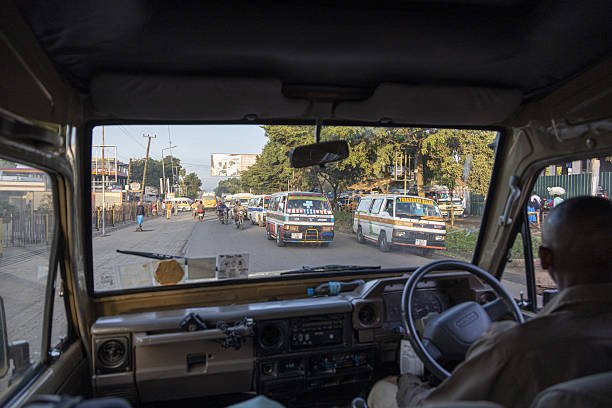
Why Choose a Kigali to Serengeti & Ngorongoro Safari?
Combining a journey from Kigali, Rwanda, with the legendary Serengeti and Ngorongoro Crater in Tanzania offers a uniquely rich African wildlife experience. While Rwanda is famed for its mountain gorillas, venturing into Tanzania opens up a world of vast savannahs, iconic big cats, and the sheer spectacle of the Great Migration. This itinerary isn’t just about ticking off animals; it’s about experiencing two distinct yet equally spectacular facets of East African biodiversity and landscapes. For travelers seeking to witness the dramatic wildebeest migration, track lions in open grasslands, and marvel at the concentrated wildlife within the Ngorongoro Crater, this route provides an unparalleled opportunity. It’s a trip that allows for a deeper understanding of the continent’s natural wonders, from the misty montane forests of Rwanda to the endless plains of Tanzania.
The appeal of a Kigali to Serengeti safari and Ngorongoro itinerary lies in its ability to blend diverse ecosystems and wildlife viewing opportunities. Imagine starting your adventure with an intimate encounter with gorillas in Volcanoes National Park, then transitioning to the dramatic, wide-open landscapes of the Serengeti, famous for its sheer abundance of plains game and predators. The Ngorongoro Crater, a UNESCO World Heritage site, then offers a completely different, yet equally thrilling, safari experience within its caldera, often referred to as the ‘Eighth Wonder of the World’. This combination is perfect for those who want to maximize their wildlife sightings and cultural immersion within a single, well-planned trip. For 2026 and 2027, planning this cross-border adventure requires attention to detail, especially regarding flights and visa requirements, but the rewards are immense.
The Essential Logistics: Getting from Kigali to the Serengeti
The primary logistical challenge when planning a Kigali to Serengeti safari and Ngorongoro itinerary is bridging the geographical gap between Rwanda and Tanzania. Direct flights between Kigali International Airport (KGL) and major Tanzanian safari hubs are limited. Most travelers will find themselves taking a flight from Kigali to Kilimanjaro International Airport (JRO) near Arusha, Tanzania, or potentially flying via Nairobi, Kenya. The flight duration is typically around 1.5 to 3 hours, depending on layovers.
Upon arrival in Tanzania (most commonly JRO), you’ll be met by your safari guide and vehicle. Arusha serves as the gateway town for Northern Tanzania safaris, including the Serengeti and Ngorongoro. From Arusha, your overland safari journey will begin. Alternatively, for a more time-efficient, though usually more expensive, approach, you can take a domestic flight from Arusha Airport (ARK) to one of the many airstrips within the Serengeti National Park. This significantly cuts down on driving time, allowing for more game viewing and relaxation on your Kigali to Serengeti safari and Ngorongoro adventure.
Key Considerations for Travel Between Countries:
- Visas: Ensure you have the necessary visas for both Rwanda and Tanzania. This can often be obtained online in advance or upon arrival, but checking the latest requirements for your nationality is crucial for 2026-2027 travel.
- Flights: Book your international flights into Kigali and out of Kilimanjaro (or vice versa) to streamline your journey. Internal flights within Tanzania (e.g., from Arusha to the Serengeti) should be booked with your safari operator.
- Transfers: Your safari operator will arrange airport transfers in Tanzania. If you are arriving in Kigali independently, ensure you have pre-booked transport to your accommodation or the airport for your onward flight.
- Time Zones: Both Rwanda and Tanzania observe East African Time (EAT), UTC+3, so no time difference adjustments are needed.
For a smooth Kigali to Serengeti safari and Ngorongoro itinerary, coordinating these travel legs is paramount. Working with an experienced tour operator like Climb 4 Africa can simplify this process immensely, as they handle all inter-country transfers and internal flight bookings, ensuring you spend less time worrying about logistics and more time enjoying the incredible wildlife.
Crafting Your Ideal Kigali to Serengeti Safari and Ngorongoro Itinerary
A typical Kigali to Serengeti safari and Ngorongoro itinerary, designed to offer a comprehensive wildlife experience, often spans 8 to 12 days. This duration allows for travel time between locations, sufficient exploration within each park, and a comfortable pace. While specific itineraries can be customized, a common flow might look like this:
Sample 9-Day Kigali to Serengeti Safari & Ngorongoro Itinerary
- Day 1: Arrival in Kigali, Rwanda. Transfer to your hotel, relax, and perhaps explore the city.
- Day 2: Kigali to Volcanoes National Park. Transfer to Musanze, the gateway to Volcanoes National Park, for gorilla trekking preparation.
- Day 3: Gorilla Trekking in Volcanoes National Park. Experience the awe-inspiring mountain gorillas. Afternoon relaxation or cultural visit.
- Day 4: Transfer to Tanzania. Fly from Kigali to Kilimanjaro International Airport (JRO) or Arusha. Overnight in Arusha.
- Day 5: Arusha to Serengeti National Park. Morning flight from Arusha to a Serengeti airstrip. Begin your game drive en route to your lodge/camp.
- Day 6: Full Day Serengeti Safari. Explore the vast plains of the Serengeti, searching for the Big Five and witnessing the great migration (seasonal).
- Day 7: Serengeti Safari & Transfer to Ngorongoro. Morning game drive in the Serengeti, followed by a scenic drive towards the Ngorongoro Conservation Area. Overnight on the crater rim or nearby.
- Day 8: Ngorongoro Crater Tour. Descend into the Ngorongoro Crater for a full-day game drive. Experience the unique concentration of wildlife.
- Day 9: Ngorongoro to Arusha & Departure. Morning drive back to Arusha for your onward flight or transfer to your next destination.
This sample itinerary prioritizes the key wildlife destinations. However, it can be extended. For instance, you might add a day or two in the Serengeti to explore different regions (like the northern corridor if tracking the migration) or include a visit to Lake Manyara National Park, known for its tree-climbing lions and abundant birdlife. Conversely, if time is limited, a shorter 7-day version might focus solely on the Serengeti and Ngorongoro, assuming a direct flight from Kigali to Arusha and then a swift transition to safari activities.
When planning for 2026-2027, consider how much time you want to dedicate to each location. A longer stay in the Serengeti, perhaps 3-4 days, allows for deeper exploration and better chances of witnessing specific animal behaviors or the migration’s movement. Similarly, spending a full day in the Ngorongoro Crater, rather than a half-day, is highly recommended to fully appreciate its unique environment. The choice between flying directly into the Serengeti or driving from Arusha impacts both time and cost, offering a trade-off between efficiency and budget.
Customization Options:
- Add Zanzibar: Extend your trip with a few days of relaxation on the pristine beaches of Zanzibar.
- Include Lake Manyara: A popular stop between the Serengeti and Ngorongoro, offering different wildlife viewing.
- Cultural Visits: Incorporate visits to Maasai villages for a cultural immersion experience.
- Extend Rwanda: Spend more time exploring Rwanda’s other attractions, such as Nyungwe Forest National Park for chimpanzee trekking.
Your Kigali to Serengeti safari and Ngorongoro itinerary should be a reflection of your interests and pace. A detailed discussion with your tour operator will help tailor the perfect journey for your 2026-2027 travel dates.
Serengeti National Park: The Heart of the Great Migration
The Serengeti is arguably the most famous wildlife sanctuary in the world, renowned for its annual Great Migration of over 1.5 million wildebeest and zebras, alongside hundreds of thousands of gazelles. This mass movement of herbivores is a impressive spectacle, driven by the search for fresh grazing lands and following ancient migratory paths. Planning your Kigali to Serengeti safari and Ngorongoro itinerary to coincide with the migration is a highlight for many travelers.
The Serengeti’s ecosystem is vast, stretching over 14,750 square kilometers. Its name, derived from the Maasai word ‘Siringet’, meaning ‘endless plains’, perfectly captures its essence. The park supports a huge diversity of wildlife, including the Big Five (lion, leopard, elephant, rhino, and buffalo), cheetahs, hyenas, giraffes, and an incredible array of birdlife. The predator-prey interactions here are legendary, offering unparalleled photographic opportunities and thrilling game drives.
Understanding the Great Migration:
- Calving Season (January-March): The wildebeest are typically in the southern Serengeti and Ndutu area, giving birth to their young. This is a prime time to see predators in action as they hunt vulnerable newborns.
- Wildebeest Move North (April-May): As the southern plains dry up, the herds begin their journey northwards across the central Serengeti. This is often the ‘low season’ with fewer tourists, offering a more intimate experience.
- River Crossings (June-August): This is the most dramatic phase, as the herds cross the Grumeti and Mara Rivers, facing crocodiles and other dangers. Locations vary, but the western and northern Serengeti are key areas.
- Southern Return (September-October): The herds start to move back south, often through the western and central Serengeti.
The exact timing and location of the migration can vary year to year based on rainfall patterns, making it essential to consult with your safari guide or operator for the most up-to-date information when planning for 2026-2027. Even outside of migration season, the Serengeti offers exceptional game viewing, with resident wildlife populations ensuring thrilling encounters year-round.
Key Regions within the Serengeti:
- Central Serengeti (Seronera Valley): Excellent for leopard sightings and year-round resident game, particularly in the dry season.
- Western Corridor (Grumeti River): Famous for dramatic river crossings during the migration and large crocodiles.
- Northern Serengeti (Mara River): The site of the most dramatic river crossings, particularly from July to October.
- Southern Plains (Ndutu): The calving grounds, ideal for viewing newborns and predators from December to March.
Your Kigali to Serengeti safari and Ngorongoro itinerary should allocate sufficient time in the Serengeti to explore at least two different regions, maximizing your chances of witnessing its diverse wildlife and landscapes. The choice of lodge or camp location within the Serengeti will significantly influence your game viewing experience, especially during migration periods.
Ngorongoro Crater: A Natural Amphitheatre of Wildlife
The Ngorongoro Crater is a geological marvel and one of the most spectacular wildlife destinations on Earth. This UNESCO World Heritage site is a vast, intact volcanic caldera, approximately 19 kilometers in diameter, covering an area of 260 square kilometers. Its unique topography creates a self-contained ecosystem supporting an astonishing density of wildlife, including the Big Five, black rhinos, hippos, flamingos, and over 500 species of birds.
What makes the Ngorongoro Crater truly special is the sheer concentration of animals within a relatively small area. Unlike the vastness of the Serengeti, the crater floor offers a more intimate and often more predictable wildlife viewing experience. It’s one of the few places in Africa where you have a very high chance of spotting all of the Big Five in a single day, including the critically endangered black rhino, which thrives here thanks to the protected environment and abundant food sources.
Unique Features of the Ngorongoro Crater:
- High Animal Density: Over 25,000 large animals reside within the crater, leading to frequent and close sightings.
- Black Rhino Sanctuary: The crater is a vital refuge for the Eastern black rhino, with a healthy population protected by park rangers.
- Diverse Habitats: Within the crater, you’ll find grasslands, swamps, forests, and a soda lake, each supporting different species.
- Maasai Coexistence: The Ngorongoro Conservation Area (NCA) allows for the coexistence of wildlife and the Maasai people, who graze their livestock on the crater highlands.
When planning your Kigali to Serengeti safari and Ngorongoro itinerary, dedicating a full day to the Ngorongoro Crater is highly recommended. Descending into the crater requires a special permit, and park rules limit the time vehicles can spend on the floor. Most tours involve a morning descent after breakfast, with a picnic lunch enjoyed amidst the wildlife, before ascending back to the crater rim in the late afternoon.
Choosing Your Ngorongoro Accommodation:
- Crater Rim Lodges: Offer unparalleled views and immediate access to the crater floor. These are typically luxury options and book up very far in advance, especially for 2026-2027.
- Lodge/Camps outside the Crater: Located on the crater highlands or in nearby Karatu, these can be more budget-friendly and still offer convenient access.
The Ngorongoro Crater offers a distinct safari experience compared to the Serengeti. While the Serengeti is about vastness and migration, the Ngorongoro is about concentrated biodiversity in a dramatic natural amphitheater. Both are essential components of a comprehensive Northern Tanzania safari.
Choosing Your Safari Accommodation
Accommodation is a crucial element of any Kigali to Serengeti safari and Ngorongoro itinerary, significantly impacting your experience and budget. Options range from budget-friendly campsites to ultra-luxury lodges, with most travelers opting for mid-range to high-end camps and lodges that offer comfort, excellent service, and prime locations.
Types of Accommodation:
- Tented Camps: These range from canvas tents with en-suite bathrooms and comfortable beds (often called ‘glamping’) to more basic mobile camps that follow the migration. They offer an in-depth experience, often with open-air dining and campfire evenings.
- Lodges: Permanent structures, often built with local materials, offering hotel-style amenities. They provide more comfort and facilities, such as swimming pools and restaurants. Lodges on the Ngorongoro Crater rim are particularly sought after for their views.
- Public Campsites: The most budget-friendly option, offering basic facilities. These are often used by overland tours and self-drive travelers.
- Private Campsites: Offer more privacy and sometimes better facilities than public campsites, but at a higher cost.
Location Matters:
- Inside National Parks/Concessions: Lodges and camps located within the Serengeti or Ngorongoro Conservation Area offer the advantage of being right in the heart of the action. You can often start game drives earlier and finish later, maximizing wildlife viewing opportunities. These are generally more expensive and book up fastest, especially for peak seasons in 2026-2027.
- Outside National Parks: Lodges and camps located just outside the park boundaries, such as in Karatu for Ngorongoro or near Arusha, can be more affordable. However, they require driving into the park each day, which adds travel time and park entry fees.
For a Kigali to Serengeti safari and Ngorongoro itinerary, consider the trade-offs. Staying inside the Serengeti allows for more flexibility with game drives. For Ngorongoro, a rim lodge offers incredible views and convenience, but lodges in Karatu are also a good option for those seeking value or a different atmosphere. Many travelers choose a mix, perhaps a more luxurious lodge in the Serengeti and a comfortable lodge in the Ngorongoro highlands.
When booking for 2026 or 2027, it’s advisable to book your preferred accommodation at least 6-12 months in advance, particularly if you have specific lodges or camps in mind or are traveling during peak season (June-October, December-February). Your tour operator can provide recommendations based on your budget and preferences.
When to Go: Timing Your 2026-2027 Safari
The best time to visit for a Kigali to Serengeti safari and Ngorongoro itinerary depends heavily on what you wish to see, particularly concerning the Great Migration. However, Tanzania’s Northern Circuit generally enjoys pleasant weather year-round, making it a viable destination for most months.
Dry Season (June to October):
- Pros: This is the most popular time to visit. The weather is dry and sunny, with less humidity. Wildlife is easier to spot as they congregate around water sources. River crossings in the Serengeti are likely during these months. It’s an excellent time for the Ngorongoro Crater as well.
- Cons: This is peak tourist season, meaning higher prices for accommodation and flights, and more crowded parks. Booking well in advance for 2026-2027 is essential.
Wet Season (November to May):
- Short Rains (November-December): Brief, intense showers often followed by sunny periods. The landscape becomes greener, and it’s a good time for birdwatching. The migration often starts its southern journey during this period.
- Long Rains (January-May): January and February are calving season in the southern Serengeti, offering incredible predator action. March and April can be very wet, with some lodges and roads closing. May is often considered the end of the rainy season, with lush landscapes and fewer crowds.
- Pros: Lower prices, fewer tourists, stunning green scenery, and excellent opportunities to witness calving and predator behavior.
- Cons: Potential for rain to disrupt game drives. Some areas might be less accessible. The migration is typically in the southern or western parts of the Serengeti.
Specific Considerations for your Kigali to Serengeti Safari and Ngorongoro:
- Great Migration: If seeing the river crossings is a priority, aim for July-September in the northern Serengeti. If calving season is your focus, January-February in the southern Serengeti is ideal.
- Gorilla Trekking (Rwanda): This can be done year-round, but the dry seasons (June-August and December-February) are often preferred for easier trekking conditions.
- Ngorongoro Crater: Wildlife is present year-round, but the dry season offers the most concentrated sightings as animals stay within the crater.
For 2026-2027, consider that popular periods will book up extremely fast. If you are flexible, traveling in the shoulder seasons (e.g., late May, early June, November) can offer a good balance of weather, wildlife, and fewer crowds.
Planning Your 2026-2027 Safari: Expert Tips and Considerations
A successful Kigali to Serengeti safari and Ngorongoro itinerary requires meticulous planning. Here are key considerations to ensure your 2026-2027 adventure is unforgettable:
Pre-Trip Planning Checklist:
- Define Your Budget: Safari costs vary significantly based on accommodation level, duration, group size (private vs. shared), and time of year. Establish a realistic budget early on.
- Choose Your Travel Dates: Consider the best time to visit based on your wildlife interests (e.g., migration timing) and budget. Peak seasons are pricier.
- Select a Reputable Tour Operator: This is perhaps the most critical step. Look for operators with local expertise in Tanzania, good reviews, and a proven track record in handling complex itineraries like a Kigali to Serengeti safari.
- Determine Safari Style: Decide between a private safari (more flexibility, higher cost) or a group/shared safari (more economical, fixed schedule).
- Health Precautions: Consult your doctor about necessary vaccinations (e.g., Yellow Fever, Hepatitis A, Typhoid) and malaria prophylaxis.
- Travel Insurance: Comprehensive travel insurance covering medical emergencies, trip cancellations, and lost luggage is non-negotiable.
- Visa Requirements: Research visa needs for both Rwanda and Tanzania for your nationality.
- Packing List: Prepare a suitable packing list, focusing on neutral-colored clothing, layers, sun protection, and insect repellent.
Key Decision Points for Your Itinerary:
1. Duration: While a 7-day trip is possible, a 9-12 day itinerary provides a much richer experience, allowing ample time in both the Serengeti and Ngorongoro, plus travel. For 2026-2027, consider extending if your schedule permits.
2. Transport:
- Flights vs. Driving: Flying from Arusha to the Serengeti saves significant time but adds cost. Driving is more budget-friendly and allows you to see more of the landscape, but it’s a long journey. For your Kigali to Serengeti safari and Ngorongoro, combining flights within Tanzania with overland travel can be optimal.
- Safari Vehicle: Opt for a 4×4 safari vehicle (Land Cruiser or Land Rover) with a pop-up roof for optimal game viewing and photography. Ensure your operator provides experienced guides.
3. Accommodation Level:
- Budget: Basic campsites, simple guesthouses.
- Mid-Range: Comfortable tented camps and lodges with en-suite facilities.
- Luxury: High-end lodges and exclusive tented camps with premium amenities and service.
4. Group Size:
- Private Safari: Your own vehicle and guide, complete flexibility. Ideal for families or groups wanting a personalized experience.
- Shared Safari: Join a small group, sharing the vehicle and costs. Offers a more social atmosphere and is generally more affordable.
5. Booking Window for 2026-2027: Popular lodges, especially those on the Ngorongoro Crater rim or in prime Serengeti locations, get booked up 12-18 months in advance for peak seasons. Early booking is crucial for securing your preferred options and dates.
Working with a specialized operator like Climb 4 Africa means having an expert guide through these decisions. They can advise on the best routes, lodges, and timing for your specific interests and budget, ensuring your Kigali to Serengeti safari and Ngorongoro itinerary is perfectly crafted.
What to Pack for Your Adventure
Packing appropriately for your Kigali to Serengeti safari and Ngorongoro itinerary is key to comfort and enjoyment. The climate can vary, and luggage restrictions on small bush planes are strict.
Essential Packing List:
- Clothing:
- Lightweight, neutral-colored clothing (khaki, beige, olive green). Avoid bright colors and dark blue/black, which can attract insects or be too hot.
- Long-sleeved shirts and trousers for sun protection and evenings.
- Fleece or warm jacket for cooler mornings and evenings, especially at higher altitudes (Ngorongoro).
- T-shirts and shorts/comfortable trousers for daytime.
- Swimsuit (for lodges with pools).
- Comfortable walking shoes/hiking boots (if doing any walking tours).
- Sandals or flip-flops for relaxing at the lodge.
- Socks.
- Headwear & Eyewear:
- Wide-brimmed hat for sun protection.
- Sunglasses.
- Health & Hygiene:
- Personal toiletries.
- Sunscreen (high SPF).
- Insect repellent (with DEET).
- Basic first-aid kit (band-aids, antiseptic wipes, pain relievers).
- Any personal prescription medications.
- Hand sanitizer.
- Gear & Accessories:
- Binoculars (essential for wildlife viewing).
- Camera with extra batteries and memory cards.
- Power bank or portable charger.
- Universal travel adapter.
- Small backpack for day trips.
- Reusable water bottle.
- Headlamp or small flashlight.
- Field guide to African mammals and birds (optional).
- Documents:
- Passport (with at least 6 months validity).
- Visa documents.
- Flight tickets and booking confirmations.
- Vaccination certificates (e.g., Yellow Fever).
- Travel insurance details.
- Copies of important documents (stored separately).
Luggage Restrictions: If your itinerary includes small bush flights within Tanzania (e.g., to the Serengeti), soft-sided duffel bags are typically required, with a weight limit usually around 15-20 kg (33-44 lbs), including hand luggage. Hard suitcases are often not permitted on these flights. Check with your tour operator for specific dimensions and weight limits.
Layering is key. Mornings and evenings can be cool, especially at higher elevations like the Ngorongoro Crater rim, while daytime temperatures can be warm to hot. Neutral colors help you blend in with the environment and avoid startling wildlife.
Respecting Wildlife and Local Culture
A responsible safari experience involves respecting both the wildlife and the local communities you encounter. Adhering to certain etiquette ensures a positive impact and enhances your own experience.
Wildlife Viewing Etiquette:
- Maintain a Safe Distance: Never approach wild animals too closely. Your guide will ensure safe viewing distances are maintained.
- Keep Noise Levels Down: Loud noises can disturb animals and other visitors. Speak softly and avoid shouting.
- Do Not Feed Animals: Feeding wildlife can alter their natural behavior and is harmful to their health.
- Stay in Your Vehicle: Unless otherwise instructed by your guide at designated picnic spots, remain inside the safari vehicle during game drives.
- No Littering: Take all your trash with you and dispose of it properly. Leave no trace of your visit.
- Respect Animal Behavior: Observe animals in their natural state without interfering. Avoid actions that might cause them stress or change their behavior.
Cultural Etiquette:
- Ask Before Photographing People: Always seek permission before taking photos of local people, especially children. Some may ask for a small fee.
- Dress Modestly: When visiting villages or local markets, dress respectfully. Avoid overly revealing clothing.
- Learn Basic Phrases: A few words in Swahili (like ‘Jambo’ for hello, ‘Asante’ for thank you) can go a long way in showing respect.
- Be Mindful of Local Customs: Your guide will offer insights into local customs. Be open and respectful of traditions.
By following these guidelines, your Kigali to Serengeti safari and Ngorongoro itinerary will contribute positively to conservation efforts and foster good relations with local communities. Responsible tourism is at the heart of sustainable travel in East Africa.
Booking Your Kigali to Serengeti Safari and Ngorongoro Itinerary
Securing your dream Kigali to Serengeti safari and Ngorongoro itinerary for 2026 or 2027 is a significant step. The key to a stress-free and memorable trip lies in partnering with a knowledgeable and reliable tour operator. Climb 4 Africa specializes in crafting tailor-made Tanzanian safari experiences, with deep expertise in navigating the complexities of cross-border travel and optimizing your wildlife encounters.
Why Choose Climb 4 Africa?
- Local Expertise: As a Tanzania-based company, we have unparalleled knowledge of the parks, wildlife patterns, best times to visit, and optimal routes for your Kigali to Serengeti safari and Ngorongoro.
- Customization: We create bespoke itineraries tailored to your interests, budget, and travel style, ensuring your trip is exactly as you envision.
- smooth Logistics: From internal flights and transfers to park permits and accommodation bookings, we handle all the intricate details, allowing you to focus on the adventure.
- Experienced Guides: Our professional, knowledgeable guides are passionate about wildlife and committed to providing exceptional game viewing experiences.
- Value for Money: We offer competitive pricing without compromising on quality, ensuring you get the most out of your safari investment.
The Booking Process:
- Initial Inquiry: Reach out to us with your preferred travel dates for 2026-2027, number of travelers, and any specific interests (e.g., migration, photography, specific animals).
- Itinerary Design: We will work with you to design a draft itinerary, including suggested routes, accommodations, and activities.
- Quotation & Refinement: Receive a detailed quotation. We’ll make adjustments based on your feedback until the itinerary and budget are perfect.
- Confirmation & Deposit: Once you approve the itinerary, a deposit is required to secure your bookings for flights, lodges, and park fees.
- Pre-Trip Information: We provide comprehensive pre-departure information, including packing lists, health advice, and final itinerary details.
- Safari Commencement: Your adventure begins upon arrival in Kigali or Tanzania, where our team will be ready to welcome you.
Don’t leave your special Kigali to Serengeti safari and Ngorongoro adventure to chance. For personalized planning and expert advice, contact Climb 4 Africa today. We are ready to help you craft an unforgettable journey into the wild heart of East Africa for 2026 or 2027.
Get in touch to start planning:
- WhatsApp: +255 747 477 898
- Email: climb4africa@gmail.com
- Website: Climb 4 Africa
Check Availability for Kigali To Serengeti Safari And Ngorongoro Itinerary: Your Ultimate Tanzania
Ready to compare dates, prices, and the best option for your group? Send the package name and travel month so the team can reply with a clear quote, availability, and what is included.
3 Day Serengeti And Ngorongoro Group Safari: Planning For December 4,
A detailed guide on planning a 3-day group safari to the Serengeti and Ngorongoro Crater for December 4, 2026, covering route expectations, group logistics, and essential planning steps.
View package detailsWhich Tanzania Group Safari Includes Serengeti And Ngorongoro?
Which Tanzania Group Safari Includes Serengeti and Ngorongoro?
View package details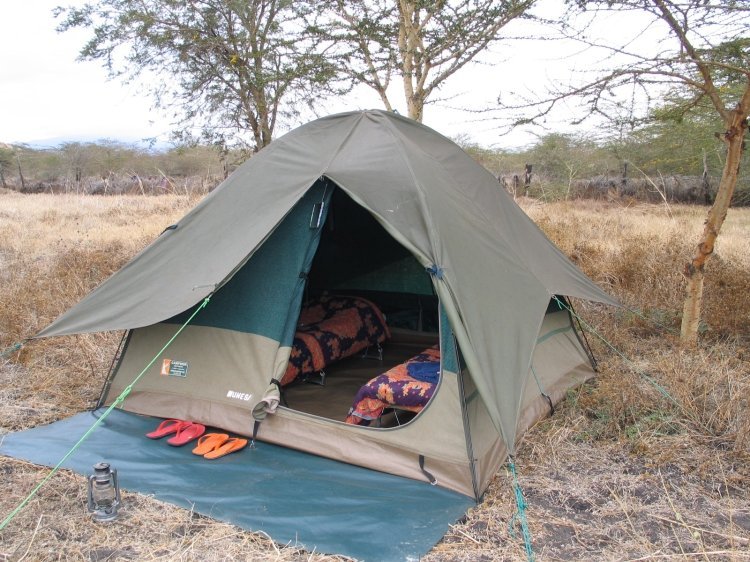
Four Day Serengeti na Ngorongoro Safari During AFCON 2027
Mwongozo wa safari ya siku 4 kwenye Serengeti na Ngorongoro wakati AFCON 2027; jinsi ya kupanga, nini cha kujali, na jinsi ya kuandaa,”
View package details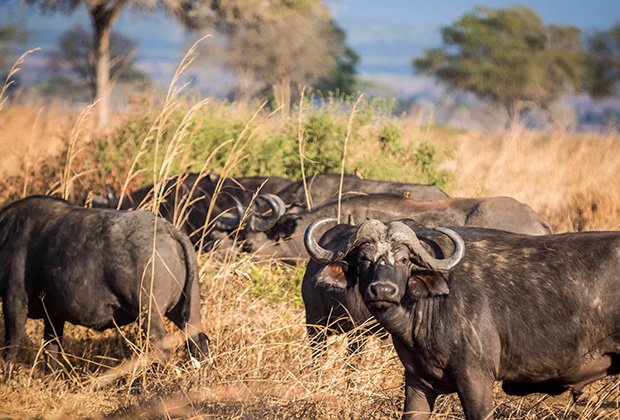
Dec 24, – 3 Day Christmas Serengeti And Ngorongoro Group Safari
Dec 24, 2026 – 3 Day Christmas Serengeti and Ngorongoro Group Safari.
View package details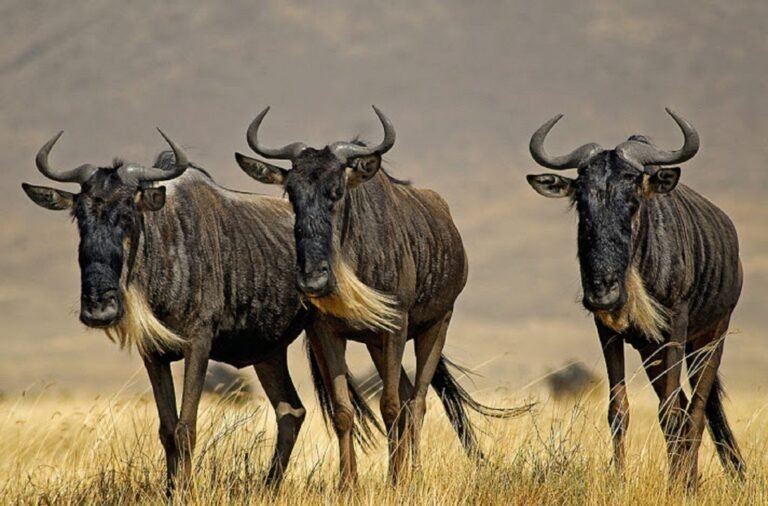
Nov 23, – 3 Day Serengeti And Ngorongoro Safari From Zanzibar
Nov 23, 2026 – 3 Day Serengeti and Ngorongoro Safari from Zanzibar.
View package details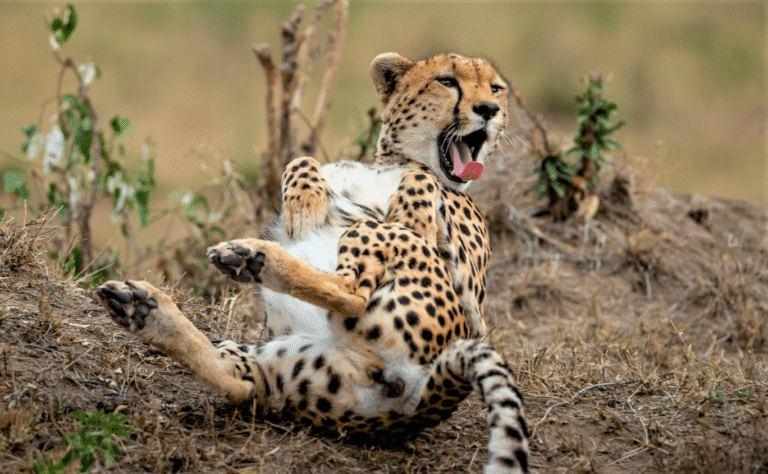
Dec 29, – 6 Day Ndutu, Serengeti And Ngorongoro Group Safari 2026
A detailed guide to our 6-day group safari departure on December 29, 2026, focusing on the Ndutu plains, the Serengeti, and the Ngorongoro Crater.
View package details8 Day Serengeti And Ngorongoro Group Safari – December 16, 2026
Planning your December 2026 Tanzanian adventure? Our 8-day group safari offers a deep, unhurried exploration of the Serengeti and Ngorongoro Crater.
View package details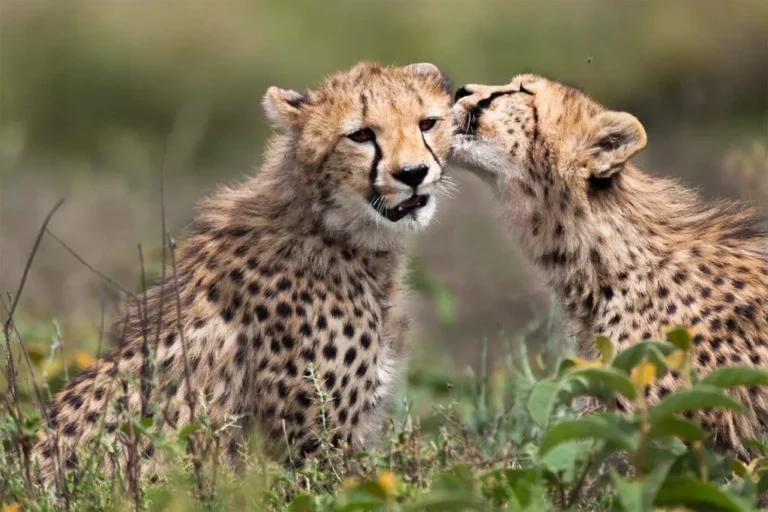
Dec 12, – 6 Day Serengeti, Ngorongoro, Tarangire And Manyara Group Safari 2026
Dec 12, 2026 – 6 Day Serengeti, Ngorongoro, Tarangire and Manyara Group Safari.
View package detailsDec 8, – 4 Day Tarangire, Serengeti And Ngorongoro Group Safari 2026
A detailed guide to our December 8, 2026 group joining safari, covering the itinerary, logistics, and what to expect during this 4-day wildlife adventure in Tanzania.
View package details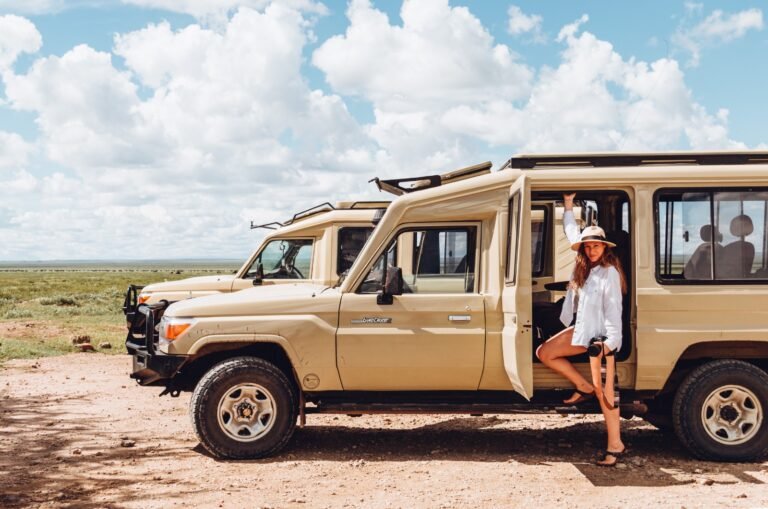
Nov 6, – 3 Day Serengeti And Ngorongoro Budget Group Safari 2026
A detailed look at our November 6, 2026 group departure for a 3-day Serengeti and Ngorongoro safari, including planning tips and route logistics.
View package detailsOct 27, – 3 Day Serengeti And Ngorongoro Group Safari 2026
Planning for a short, high-impact wildlife adventure? Our October 27, 2026, group safari offers a direct route through the Serengeti and Ngorongoro Crater, perfect for travelers with...
View package detailsNov 18, – 7 Day Serengeti And Ngorongoro Group Joining Safari 2026
A detailed guide to the 7-day group joining safari departing November 18, 2026, covering Serengeti, Ngorongoro, and the logistical advantages of shared travel.
View package detailsNo related package matches those filters. Clear one or more filters to see the other topic-matched options.