Combining the Masai Mara in Kenya and the Serengeti in Tanzania into one safari is logistically feasible and highly recommended for experiencing the full spectacle of the Great Migration and diverse African wildlife. The most common and efficient method involves crossing the border between the parks, often via the Isebania/Sirari border post, and typically requires a minimum of 7-10 days to do justice to both locations, with popular itineraries focusing on game drives, cultural interactions, and the migration’s movements throughout 2026 and 2027.

Understanding the Synergy: Why Combine Masai Mara and Serengeti?
For many travelers dreaming of an East African safari, the names Masai Mara and Serengeti evoke images of vast savannas teeming with wildlife. These two legendary parks, though separated by a national border, are ecologically a single, continuous ecosystem. The Mara River flows through both, and the annual Great Migration – a colossal movement of over two million wildebeest, zebras, and gazelles – traverses this shared landscape. Combining them in a single safari trip isn’t just about ticking off two famous destinations; it’s about witnessing the full, dynamic story of African wildlife in its most spectacular form. You get to experience the unique characteristics of each park while appreciating the interconnectedness of this incredible natural phenomenon. This approach allows for a deeper immersion into the continent’s most famous wildlife spectacle, providing a richer and more complete safari narrative than visiting either park in isolation.
Planning a trip that spans two countries requires careful coordination, but the rewards are immense. You’ll gain insights into the subtle differences in landscape, wildlife viewing opportunities, and even the cultural encounters each region offers. For instance, while both parks are renowned for predators, the open plains of the Serengeti might offer different hunting dynamics than the more varied terrain of the Masai Mara. Similarly, the Maasai people’s presence is deeply intertwined with both regions, offering unique cultural exchange opportunities that can be tailored to your itinerary. Understanding these nuances is key to crafting the perfect safari, especially when looking ahead to popular travel years like 2026 and 2027, where early planning is crucial for securing the best experiences.
The Great Migration: The Heartbeat of the Combined Safari
The Great Migration is the undeniable magnet drawing many travelers to this region. This epic natural event sees millions of wildebeest, zebras, and antelopes undertake a year-round journey in search of fresh grazing land. The cycle is complex and depends heavily on rainfall patterns, meaning the exact location of the herds can vary year to year. However, the core movement involves a circular path through the Serengeti-Mara ecosystem.
Understanding the Migration’s Path:
- December to March: The herds typically congregate in the southern Serengeti plains (Tanzania), a calving ground where young are born. This is a fantastic time for predator sightings as lions, cheetahs, and hyenas are drawn to the abundance of vulnerable newborns.
- April to May: This is the ‘long rains’ season, and the herds begin to move north and west across the Serengeti, often in large, dusty columns. This can be a quieter time for tourism, offering more solitude and potentially lower prices, though some roads can become challenging.
- June to October: The herds reach the Grumeti and Mara Rivers. This is when the iconic river crossings, a highlight for many, are most likely to occur. The Masai Mara (Kenya) becomes a prime viewing location during these months, especially from July through October. The dramatic crossings, where animals brave crocodile-infested waters, are a powerful testament to nature’s raw power.
- November: The herds begin their return journey south, often following the rains back into the Serengeti.
When planning to combine the Masai Mara and Serengeti, aligning your trip with the expected migration patterns is paramount. This doesn’t mean you’ll only see the migration if you travel during the ‘peak’ months; resident wildlife is abundant in both parks year-round. However, for the chance to witness the crossings or the vast herds on the move, timing is everything. Travel agents specializing in East Africa, like Climb 4 Africa, can help you navigate these seasonal movements, ensuring your itinerary maximizes your chances of seeing the migration at its most dramatic, whether you’re planning for 2026 or 2027.
Logistics: Crossing Borders and Connecting Parks
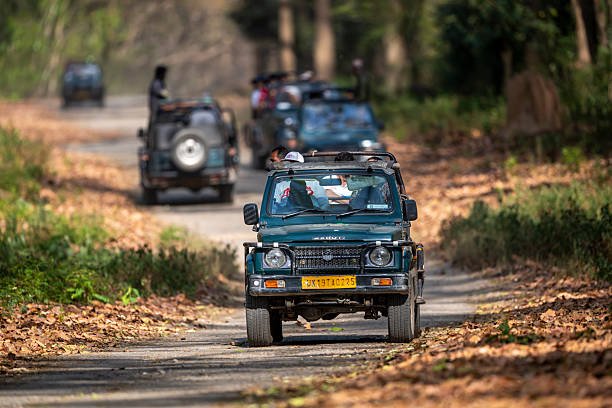
The primary logistical consideration when combining the Masai Mara and Serengeti is the border crossing. The most common and practical border post is Isebania (Kenya) and Sirari (Tanzania). This crossing connects the southern part of the Masai Mara with the northern Serengeti.
Typical Itinerary Flow:
- From Nairobi (Kenya) to Masai Mara: Most safaris begin in Nairobi. You can fly into the Masai Mara (saving significant travel time) or drive, which takes about 5-6 hours.
- Masai Mara to Serengeti: This is where the border crossing comes into play. From the Masai Mara, you would typically drive towards the Isebania border. After completing immigration and customs procedures in both countries, you’ll continue to the northern Serengeti. This journey can take a full day, depending on road conditions and the efficiency of the border crossing. It’s often recommended to have an overnight stop or a very early start to make this transition smoothly.
- Serengeti to Arusha (Tanzania): From the Serengeti, you’ll typically drive to Arusha, the safari hub of Tanzania. This can be a long drive, often broken up with game drives en route. Alternatively, you can take a bush flight from a Serengeti airstrip to Arusha, significantly reducing travel time.
Key Considerations for the Border Crossing:
- Visa Requirements: Ensure you have the correct visas for both Kenya and Tanzania. These can often be obtained in advance or upon arrival, but it’s vital to check current regulations.
- Vehicle and Driver: You will likely need to switch vehicles and drivers at the border. Your Kenyan safari vehicle and driver will drop you off, and your Tanzanian vehicle and driver will pick you up. This is a standard practice due to licensing and insurance regulations.
- Time: The border crossing can take several hours, so factor this into your itinerary. It’s best to have a dedicated travel day for this transition.
- Customs and Immigration: Be prepared with your passports, visas, and any required documentation. Having your tour operator handle the details can simplify this process immensely.
When booking your combined safari for 2026 or 2027, discuss these logistical details thoroughly with your tour operator. They will ensure the smooth transfer of your party and luggage between countries, managing the vehicle changes and border formalities.
Choosing Your Route: Northern Serengeti to Masai Mara or Vice Versa?
The order in which you visit the Serengeti and Masai Mara can influence your overall experience, especially concerning the migration. There isn’t a universally ‘better’ order; it depends on the time of year you travel and your priorities.
Option 1: Serengeti First, then Masai Mara (Common for June-October Travel)
- Pros: If you’re targeting the river crossings or the main migration herds in the northern Serengeti and Masai Mara during the dry season, starting in Tanzania and moving north to Kenya makes strategic sense. You can follow the herds as they move north towards the Mara River. This allows you to experience the migration’s progression through the Serengeti’s central and western corridors before reaching the Mara River for potential crossings.
- Cons: This route might mean a longer initial travel day if flying into Kilimanjaro or Arusha and then transferring to the Serengeti.
Option 2: Masai Mara First, then Serengeti (Common for December-March Travel or if prioritizing Kenya)
- Pros: If your trip is timed for the calving season in the southern Serengeti (December-March), starting in the Masai Mara and then heading south into Tanzania can be logical. You can experience the abundant resident wildlife and predator action in the Mara before heading south to witness the massive herds and newborns in the Serengeti’s southern plains. This route is also popular if you want to spend more time in Kenya initially.
- Cons: You might miss the iconic river crossings if traveling outside the June-October window.
Sample Itinerary Flow (Serengeti to Masai Mara):
- Arrive at Kilimanjaro International Airport (JRO) or Arusha Airport (ARK).
- Transfer to Arusha, prepare for safari.
- Fly from Arusha to a Serengeti airstrip (e.g., Seronera, Kogatende).
- 3-4 days exploring the Serengeti (central, western, or northern sectors depending on migration).
- Drive to the Sirari/Isebania border post.
- Cross border, meet Tanzanian/Kenyan guide and vehicle.
- Drive to the Masai Mara.
- 3-4 days exploring the Masai Mara.
- Fly from Masai Mara airstrip to Nairobi (WILSON) or drive back to Nairobi.
Sample Itinerary Flow (Masai Mara to Serengeti):
- Arrive at Jomo Kenyatta International Airport (NBO) in Nairobi.
- Transfer to Wilson Airport for a flight to Masai Mara, or begin a road safari.
- 3-4 days exploring the Masai Mara.
- Drive to the Isebania/Sirari border post.
- Cross border, meet Kenyan/Tanzanian guide and vehicle.
- Drive to the northern or central Serengeti.
- 3-4 days exploring the Serengeti.
- Fly from a Serengeti airstrip to Arusha, or drive to Arusha.
- Depart from JRO or ARK, or continue to Zanzibar.
When planning for 2026 or 2027, discuss these route options with your safari planner. They can advise on the best flow based on your travel dates and desired migration viewing opportunities. For example, a safari operator like Climb 4 Africa can help tailor an itinerary that perfectly matches your interests, whether you’re focused on predator action, migration spectacles, or a mix of both.
Duration: How Long Do You Need?
To truly appreciate both the Masai Mara and Serengeti without feeling rushed, a minimum of 7 to 10 days is generally recommended. This allows for approximately 3-4 days in each park, plus travel time between them and to/from your entry/exit points.
Breakdown for a 7-Day Combined Safari:
- Day 1: Arrive in Nairobi/Arusha, transfer to lodge/hotel.
- Day 2: Fly to Masai Mara/Serengeti, afternoon game drive.
- Day 3: Full day Masai Mara/Serengeti game drives.
- Day 4: Full day Masai Mara/Serengeti game drives.
- Day 5: Morning game drive, transfer to border, cross border, drive to next park.
- Day 6: Full day in second park (Serengeti/Masai Mara) game drives.
- Day 7: Morning game drive, fly to Nairobi/Arusha for departure.
Extending to 10-14 Days for a Deeper Experience:
- More Time in Each Park: Spending 4-5 days in each park allows for deeper exploration of different sectors, increasing chances of seeing varied wildlife and migration events.
- Incorporate Other Areas: With more time, you could add visits to the Ngorongoro Crater in Tanzania (often combined with the Serengeti) or explore other conservancies bordering the Masai Mara in Kenya for unique experiences like walking safaris or night drives (where permitted).
- Reduce Travel Fatigue: Longer durations mean less rushed travel days, more relaxation, and a more in-depth experience.
- Flexibility for Migration: A longer trip provides greater flexibility if the migration is slightly ahead or behind its typical schedule.
For 2026-2027 bookings, consider how much time you realistically have. A 7-day trip is a great introduction, but 10-14 days will offer a far richer and more comprehensive safari adventure. Remember that travel days, especially the border crossing day, can be long. A minimum of 3 full days in each park is essential to get a true feel for its wildlife and landscapes.
Accommodation Styles: From Camping to Luxury Lodges
The choice of accommodation significantly impacts the safari experience and budget. Both the Masai Mara and Serengeti offer a wide range of options, catering to different preferences and budgets.
1. Camping (Budget-Friendly & Adventurous):
- Public Campsites: Basic facilities, shared ablutions, often bustling with other travelers. Great for budget travelers.
- Tented Camps (Mid-Range to Luxury): These offer comfortable canvas tents with proper beds, en-suite bathrooms (sometimes shared), and often a communal dining area. They provide a more comfortable and authentic ‘bush’ feel than permanent lodges.
2. Lodges (Comfortable to Luxurious):
- Permanent Tented Camps: Similar to mid-range tented camps but often with more amenities and private verandas.
- Stone/Brick Lodges: Offer hotel-style rooms with en-suite bathrooms, restaurants, bars, and swimming pools. Provide maximum comfort and amenities.
3. Fly-in Safaris:
- Often paired with exclusive, high-end tented camps or lodges located in remote conservancies. These camps offer unparalleled wildlife viewing, privacy, and often unique activities like walking safaris or hot air balloon rides. Flying directly to remote airstrips saves significant travel time and provides stunning aerial views.
Factors to Consider:
- Location: Camps and lodges located within the park boundaries or in prime conservancies offer better wildlife viewing opportunities. Those on the outskirts might require longer drives to reach prime game areas.
- Exclusivity: Private conservancies bordering the national parks (like the Mara North Conservancy or the Serengeti’s private concessions) offer a more exclusive experience with fewer vehicles and often allow off-road driving and night drives.
- All-Inclusive vs. Full Board: Understand what’s included. Most safari packages are full board (meals included), but drinks and park fees can vary.
When planning your 2026 or 2027 combined safari, discuss your comfort level and budget with your operator. Climb 4 Africa can help select accommodations that align with your expectations, whether you seek rustic charm or opulent luxury.
Booking Tip:
For a 2026-2027 combined Masai Mara and Serengeti safari, consider booking at least 9-12 months in advance, especially if you’re targeting peak migration season (June-October) or specific lodges. Popular properties and conservancy camps fill up quickly.
Timing Your Combined Safari: Best Months for 2026-2027
The “best” time to combine the Masai Mara and Serengeti really depends on what you want to see. While wildlife is present year-round, the Great Migration and weather patterns dictate optimal viewing.
Peak Season (Generally June to October):
- Pros: This is the dry season in both Kenya and Tanzania. Skies are generally clear, making for excellent photography. This is the prime time to witness the Great Migration river crossings in the Mara River (Masai Mara) and Grumeti River (Serengeti). Wildlife congregates around permanent water sources.
- Cons: This is the most popular and expensive time to travel. Parks can be more crowded, and accommodation availability is limited. Booking well in advance for 2026-2027 is essential.
Shoulder Seasons (March to May, November):
- Pros: Fewer crowds, potentially lower prices. March-May is the ‘long rains’ season in Tanzania, and April-May can be particularly wet. November often sees the start of short rains. The landscape is lush and green, and predator activity can be high.
- Cons: Rain can disrupt game drives, especially in the wet season. Some camps might close or reduce services. The migration’s exact location can be less predictable.
Low Season (January to February, December):
- Pros: This period often coincides with the calving season in the southern Serengeti (January-February), offering incredible predator-prey action. Fewer tourists mean a more intimate experience. Prices can be lower.
- Cons: This can also be a hot month. Short rains can occur in December, though they are usually brief showers.
Recommendation for 2026-2027:
- For River Crossings & Dry Season: Aim for July to October. Plan your itinerary to be in the northern Serengeti and Masai Mara during these months.
- For Calving Season & Fewer Crowds: Aim for January to February. Focus on the southern Serengeti and then potentially the Masai Mara.
- For a Balance: Consider June or November. These months can offer a good mix of migration activity and fewer crowds, though rainfall is more likely.
When booking for 2026 or 2027, it’s crucial to discuss your priorities with your safari operator. They can advise on the most likely migration movements for your specific travel dates and help craft an itinerary that maximizes your chances of seeing what you’ve come for.
Key Wildlife Highlights in Each Park
While both parks are part of the same ecosystem, they offer slightly different viewing experiences.
Masai Mara National Reserve (Kenya):
- The Great Migration: Famous for dramatic river crossings of the Mara River (July-October).
- Predators: Exceptionally high density of lions, cheetahs, leopards, and hyenas. The open plains make spotting them easier.
- Big Five: Lion, Leopard, Elephant, Buffalo, Rhino (though rhinos are more elusive).
- Other Wildlife: Giraffes, hippos, crocodiles, gazelles, wildebeest, zebras, and a vast array of birdlife.
- Cultural Encounters: Opportunities to visit Maasai villages and learn about their traditional way of life.
Serengeti National Park (Tanzania):
- The Great Migration: The sheer scale of millions of animals, especially during the calving season in the south (Jan-Feb) and the trek north.
- Predators: Abundant lions, cheetahs, leopards, and hyenas, with unique hunting behaviors observable across vast plains and kopjes (rocky outcrops).
- Big Five: Lion, Leopard, Elephant, Buffalo, Rhino (black rhinos are found here, particularly in the Seronera area and the crater highlands if extending).
- Vast Landscapes: Endless plains, acacia woodlands, rocky kopjes, and the Grumeti River.
- Birdlife: Over 500 species recorded.
Combining the experience means you get:
- A comprehensive understanding of the migration’s full cycle.
- Diverse landscapes from the rolling hills of the Mara to the vast plains of the Serengeti.
- Opportunities to see predators in different environments.
- A richer appreciation for the interconnectedness of this UNESCO World Heritage ecosystem.
When you combine the Masai Mara and Serengeti, you’re not just seeing more animals; you’re experiencing the ebb and flow of nature on an unparalleled scale. For those planning for 2026 or 2027, understanding these highlights helps in deciding which areas of each park to focus on.
Choosing Between Parks or Conservancies
Both the Masai Mara and Serengeti offer different types of areas to explore, each with its own advantages.
National Parks (Masai Mara National Reserve, Serengeti National Park):
- Pros: Generally more accessible, offer incredible wildlife viewing, and are the core protected areas.
- Cons: Can be crowded, especially during peak season. Strict rules apply, such as no off-road driving or night drives. Vehicle numbers can be high at sightings.
Conservancies (e.g., Mara North, Olare Motorogi, Musiara in Kenya; Private Concessions in Serengeti):
- Pros: Offer a more exclusive and private safari experience. Lower vehicle density, allowing for better photography and a more intimate feel. Often permit off-road driving (for better photo angles) and night drives, revealing nocturnal wildlife. Many conservancies have strict rules on visitor numbers to preserve the environment.
- Cons: Typically more expensive due to exclusivity and conservation fees. Access might be restricted to guests staying at specific lodges within the conservancy.
Recommendation for Combined Safaris:
- A well-rounded itinerary often includes a mix of both. For instance, spending a few days in the main Masai Mara Reserve for classic views and then moving to a conservancy like Mara North for a more exclusive experience.
- In Tanzania, many lodges in the Serengeti operate on private concessions, offering a similar level of exclusivity.
- For travelers planning a 2026-2027 trip, incorporating a conservancy stay can significantly enhance the safari experience, especially if seeking photographic opportunities or a quieter encounter with wildlife.
When discussing your trip with Climb 4 Africa, inquire about the possibility of including conservancy days. This often requires a slightly higher budget but can be well worth it for the enhanced experience.
Cultural Experiences: Beyond the Wildlife
While wildlife is the main draw, combining the Masai Mara and Serengeti offers rich opportunities for cultural immersion.
Maasai Cultural Visits:
- The Maasai people are indigenous to this region, living in both Kenya and Tanzania. Many safari itineraries include visits to Maasai villages.
- What to Expect: You’ll typically be welcomed by the community, shown traditional housing (manyattas), learn about their customs, music, dance, and daily life. You might also have the opportunity to purchase local handicrafts.
- Authenticity: It’s important to choose tours that work ethically with communities, ensuring that your visit genuinely benefits the Maasai people. A good tour operator will partner with reputable communities.
Important Considerations for Cultural Visits:
- Respect: Always be respectful of local customs and traditions. Ask permission before taking photos of individuals.
- Gifts: While not mandatory, small, practical gifts like school supplies or basic medical items can be appreciated by the community, but discuss this with your guide beforehand.
- Interaction: Engage with your guides and the Maasai people to learn as much as possible.
These cultural interactions add a profound dimension to your safari, connecting you with the human history and heritage of the land you’re exploring. When planning your 2026-2027 trip, ask your operator how they incorporate responsible and meaningful cultural experiences.
Packing for Your Combined Safari
Packing efficiently is key for a smooth safari experience, especially when crossing borders and potentially changing vehicles.
Clothing:
- Neutral Colors: Khaki, beige, olive green, or brown are best. Avoid bright colors that can startle wildlife and black or dark blue, which can attract tsetse flies. White can show dirt easily.
- Layers: Mornings and evenings can be cool, while midday is warm. Pack light layers like t-shirts, long-sleeved shirts, and a fleece or warm jacket.
- Trousers/Shorts: Comfortable walking trousers or convertible pants are ideal. Shorts are suitable for warmer days.
- Rain Gear: A lightweight, waterproof jacket is advisable, especially during the rainy seasons (April-May, November).
- Sun Protection: Wide-brimmed hat, sunglasses, and high SPF sunscreen are essential.
Footwear:
- Comfortable Walking Shoes: Closed-toe shoes like sturdy trainers or hiking boots are recommended for game drives and any walking activities.
- Sandals/Flip-flops: For relaxing at the lodge or camp.
Essentials:
- Camera: With extra batteries, memory cards, and a zoom lens. Binoculars are also highly recommended.
- Insect Repellent: Containing DEET or Picaridin.
- Personal First-Aid Kit: Including any personal medications.
- Adapter: For charging electronics (most camps and lodges have charging facilities, but adapters are often needed).
- Headlamp/Torch: Useful for navigating around camps at night.
- Reusable Water Bottle: To reduce plastic waste.
Luggage Restrictions:
- If you are taking internal flights (e.g., Nairobi to Masai Mara, Arusha to Serengeti), there are strict luggage weight limits, typically 15-20 kg (33-44 lbs) per person, usually in soft-sided duffel bags. Hard suitcases are generally not permitted on small bush planes. Your tour operator will advise on specific limits.
When packing for your 2026-2027 safari, remember that practicality and comfort are key. Always check with your tour operator for their specific packing recommendations.
Budgeting for a Combined Safari
A combined Masai Mara and Serengeti safari is a significant investment, and costs can vary widely based on accommodation, duration, and travel style.
Key Cost Components:
- Park Fees: These are charged per person per day and are a substantial part of the budget. Fees differ between Kenya and Tanzania and between national parks and conservancies.
- Accommodation: Ranges from basic camping to ultra-luxury lodges.
- Transportation: Includes 4×4 safari vehicles, fuel, driver/guide fees, and internal flights (which can add significantly to the cost but save time).
- Meals: Typically included in safari packages (full board).
- Activities: Game drives, optional hot air balloon safaris (expensive but spectacular), cultural visits.
- Visas & Permits: For both countries.
- Tips: For guides, drivers, and lodge staff.
- International Flights: To Nairobi (NBO) or Kilimanjaro (JRO).
Typical Price Ranges (per person, per day, excluding international flights):
- Budget/Mid-Range: $250 – $450 USD per day (often involves camping or basic tented camps, shared vehicles, and road transfers).
- Mid-Range/Comfort: $450 – $700 USD per day (comfortable lodges/tented camps, often private vehicles, some internal flights possible).
- Luxury/High-End: $700 – $1500+ USD per day (exclusive lodges, private concessions, fly-in safaris, premium services).
Example Cost for a 10-Day Combined Safari (Estimate for 2026-2027):
- Mid-Range: Expect roughly $5,000 – $7,000 USD per person.
- Luxury: Expect $8,000 – $15,000+ USD per person.
Tips for Managing Costs:
- Travel in the Shoulder/Low Season: Prices are generally lower outside of June-October.
- Consider Group Safaris: Shared safaris are more budget-friendly than private ones.
- Opt for Road Transfers: While longer, road transfers are cheaper than flying between parks.
- Balance Parks and Conservancies: While conservancies offer exclusivity, they are pricier. A mix can be more cost-effective.
When seeking quotes for 2026 or 2027, be very specific about your desired level of comfort, the duration, and whether you prefer private or group arrangements. Operators like Climb 4 Africa can provide detailed quotes tailored to your needs.
Get a Tailored Quote for 2026-2027
For accurate pricing and to plan your perfect combined Masai Mara and Serengeti safari for 2026 or 2027, contact Climb 4 Africa. We specialize in creating bespoke itineraries that balance incredible wildlife viewing with your budget and preferences. Discuss your ideal trip with our experts and receive a personalized quote.
WhatsApp: +255 747 477 898
Email: climb4africa@gmail.com
Frequently Asked Questions (FAQs)
Q1: Can I really see the Great Migration in both parks?
Yes, the Great Migration is a single phenomenon that moves between the Masai Mara and the Serengeti. Depending on the time of year, you can witness different stages of its journey in either park, including the famous river crossings.
Q2: What’s the best way to travel between the Masai Mara and Serengeti?
The most common and practical method is by road, crossing the border at Isebania (Kenya) / Sirari (Tanzania). This usually involves a vehicle and driver change at the border. For a faster, albeit more expensive, option, you can fly from a Masai Mara airstrip to Nairobi, then fly from Nairobi to the Serengeti (or vice versa), or arrange flights between specific airstrips if logistics allow, though this is less common and requires very careful planning.
Q3: How far in advance should I book a combined safari for 2026 or 2027?
For peak season (June-October) and popular lodges, booking 9-12 months in advance is highly recommended. For shoulder or low seasons, 6-9 months might suffice, but earlier is always better for securing your preferred options.
Q4: Is it safe to travel between Kenya and Tanzania?
Yes, travel between the parks and across borders is very safe when organized by reputable tour operators. They manage all transfers, vehicle changes, and border formalities. Road conditions can vary, but your operator will use appropriate vehicles and experienced drivers.
Q5: What is the difference between a national park and a conservancy?
National parks are government-managed and have higher visitor numbers and stricter rules. Conservancies are often community-owned or privately managed areas that offer more exclusive experiences, fewer vehicles, and often permit activities like night drives and off-road driving, usually at a higher cost.
Q6: Can I do a combined safari that includes the Ngorongoro Crater?
Absolutely. A popular extension to a Serengeti safari is a visit to the Ngorongoro Crater. You could spend time in the Masai Mara, then the Serengeti, and then drive to the Ngorongoro Conservation Area for a day trip or overnight stay before returning to Arusha. This adds another unique ecosystem to your trip.
Planning Your 2026-2027 Safari with Climb 4 Africa
Combining the Masai Mara and Serengeti is an extraordinary adventure, and careful planning is key to maximizing its potential. At Climb 4 Africa, we understand the intricacies of multi-country East African safaris. Our expert team can help you craft an itinerary that aligns with the migration patterns, your budget, and your specific interests, whether you’re planning for 2026 or 2027.
We handle all the logistics, from border crossings and vehicle changes to selecting the best accommodations and experienced guides. Whether you’re seeking the thrill of a wildebeest river crossing, the intimacy of a conservancy experience, or a deeper understanding of Maasai culture, we tailor each safari to be a smooth and unforgettable journey. Don’t hesitate to reach out to us to start planning your dream East African safari.
Connect with our safari specialists today:
WhatsApp: +255 747 477 898
Email: climb4africa@gmail.com
Let us help you combine the magic of the Masai Mara and Serengeti into one spectacular East African adventure.
“,
“faq_schema”: [
{
“question”: “Can I really see the Great Migration in both parks?”,
“answer”: “Yes, the Great Migration is a single phenomenon that moves between the Masai Mara and the Serengeti. Depending on the time of year, you can witness different stages of its journey in either park, including the famous river crossings.”
},
{
“question”: “What’s the best way to travel between the Masai Mara and Serengeti?”,
“answer”: “The most common and practical method is by road, crossing the border at Isebania (Kenya) / Sirari (Tanzania). This usually involves a vehicle and driver change at the border. For a faster, albeit more expensive, option, you can fly from a Masai Mara airstrip to Nairobi, then fly from Nairobi to the Serengeti (or vice versa), or arrange flights between specific airstrips if logistics allow, though this is less common and requires very careful planning.”
},
{
“question”: “How far in advance should I book a combined safari for 2026 or 2027?”,
“answer”: “For peak season (June-October) and popular lodges, booking 9-12 months in advance is highly recommended. For shoulder or low seasons, 6-9 months might suffice, but earlier is always better for securing your preferred options.”
},
{
“question”: “Is it safe to travel between Kenya and Tanzania?”,
“answer”: “Yes, travel between the parks and across borders is very safe when organized by reputable tour operators. They manage all transfers, vehicle changes, and border formalities. Road conditions can vary, but your operator will use appropriate vehicles and experienced drivers.”
},
{
“question”: “What is the difference between a national park and a conservancy?”,
“answer”: “National parks are government-managed and have higher visitor numbers and stricter rules. Conservancies are often community-owned or privately managed areas that offer more exclusive experiences, fewer vehicles, and often permit activities like night drives and off-road driving, usually at a higher cost.”
},
{
“question”: “Can I do a combined safari that includes the Ngorongoro Crater?”,
“answer”: “Absolutely. A popular extension to a Serengeti safari is a visit to the Ngorongoro Crater. You could spend time in the Masai Mara, then the Serengeti, and then drive to the Ngorongoro Conservation Area for a day trip or overnight stay before returning to Arusha. This adds another unique ecosystem to your trip.”
}
]
}
“`
Check Availability for How To Combine Masai Mara And Serengeti In One Safari 2026-2027
Ready to compare dates, prices, and the best option for your group? Send the package name and travel month so the team can reply with a clear quote, availability, and what is included.
Dec 27, – 4 Day Serengeti Migration Group Safari: Plan Your Trip
A deep look at planning your 4-day Serengeti migration group safari departing December 27, 2026, including itinerary logistics, group benefits, and seasonal expectations.
View package details3 Day Serengeti And Ngorongoro Group Safari: Planning For December 4,
A detailed guide on planning a 3-day group safari to the Serengeti and Ngorongoro Crater for December 4, 2026, covering route expectations, group logistics, and essential planning steps.
View package detailsWe Are Two Travellers—Can We Join A Serengeti Safari In Dec ?
A guide for two travellers looking to join a Serengeti group safari in December 2026, covering logistics, cost-efficiency, and what to expect during the short rains.
View package detailsWhere Can I Join An Affordable Serengeti Safari In Dec ? A Practical Planning
A practical guide for budget-conscious travelers looking to join a Serengeti safari in December 2026, focusing on group-joining logistics and cost-effective planning.
View package detailsWhich Tanzania Group Safari Includes Serengeti And Ngorongoro?
Which Tanzania Group Safari Includes Serengeti and Ngorongoro?
View package detailsHow Much Is A 3 Day Serengeti Group Safari In Nov ? Cost Breakdown
Get a clear breakdown of the factors influencing the cost of a 3-day Serengeti group safari in November 2026, including park fees, vehicle logistics, and group dynamics.
View package detailsCan A Solo Traveller Join A Serengeti Safari In Dec ?
Planning a solo safari in December 2026? Discover the logistics of joining group departures, why December is a prime time for the migration, and how to manage costs effectively.
View package details
Afcon Private Serengeti Safari With Lodges
AFCON 2027 Private Serengeti Safari with Lodges.
View package detailsAfcon Luxury Serengeti Safari Packages
AFCON 2027 Luxury Serengeti Safari Packages.
View package details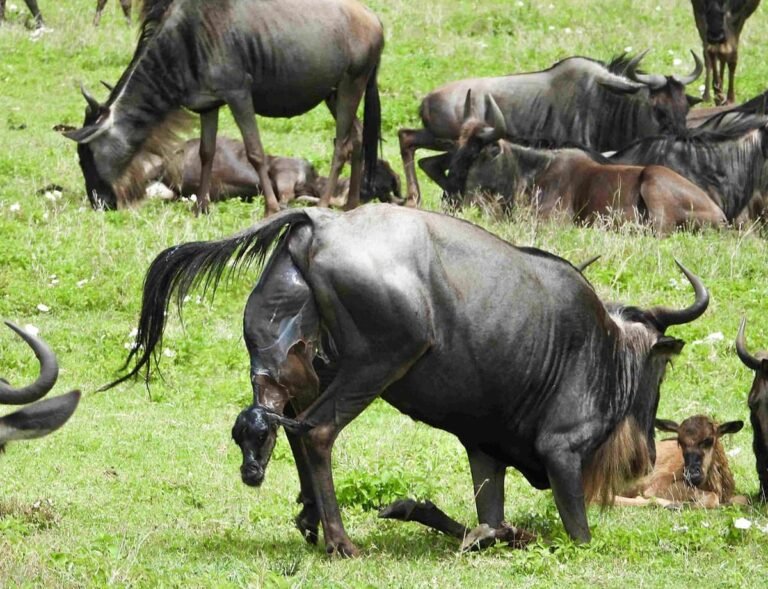
Serengeti Great Migration Safari During AFCON 2027
Mwongozo wa kina kwa safari ya Serengeti Great Migration wakati wa AFCON 2027, ukilenga kuelewa maeneo, kipindi cha mwendo wa mnyama, na mapendekezo ya mipango ya kiutendaji.
View package details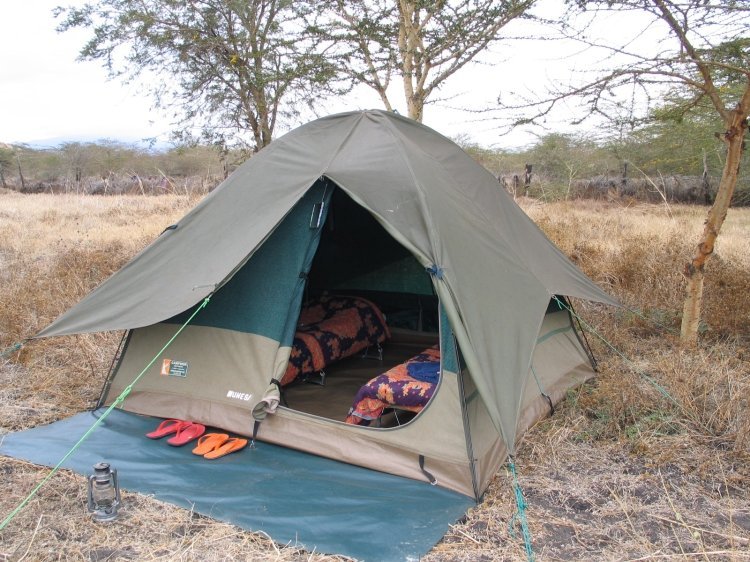
Four Day Serengeti na Ngorongoro Safari During AFCON 2027
Mwongozo wa safari ya siku 4 kwenye Serengeti na Ngorongoro wakati AFCON 2027; jinsi ya kupanga, nini cha kujali, na jinsi ya kuandaa,”
View package detailsThree Day Serengeti Safari During AFCON 2027
Mwongozo wa kiutendaji kwa safari ya siku tatu ya Serengeti wakati AFCON 2027, ukijumuisha mwelekeo wa maeneo, ratiba ya siku, na ushauri wa ubashiri wa kupanga pamoja na jinsi ya...
View package detailsNo related package matches those filters. Clear one or more filters to see the other topic-matched options.