
The best combination for a short safari and long Zanzibar stay typically involves a 3-4 day Northern Circuit safari focusing on the Serengeti and Ngorongoro Crater, followed by a week or more on Zanzibar. This approach maximizes wildlife viewing in a limited time and allows ample relaxation and exploration on the island. For 2026-2027, booking your safari and Zanzibar accommodation well in advance is crucial, especially for peak seasons, to secure preferred lodges and flights.

Understanding Your Tanzania Combination: Safari First, Island Bliss Later
For many travelers dreaming of an African adventure, the quintessential experience involves the thrill of a wildlife safari followed by the serene beauty of a tropical island. Tanzania offers this perfect duality with its world-renowned Northern Circuit safaris and the exotic allure of Zanzibar. When the goal is a short safari and long Zanzibar stay, the key is strategic planning to ensure you experience the best of both worlds without feeling rushed on the safari or bored on the island.
This article is designed to guide you through crafting that ideal itinerary, focusing on how to best structure your time, what destinations to prioritize, and practical considerations for your 2026-2027 trip. We’ll explore the trade-offs, the essential inclusions, and how to tailor the experience to your preferences. The primary challenge when combining a safari with an island stay is logistics and time management. A safari, even a short one, requires travel between parks, game drives, and overnight stays, which consumes time. Zanzibar, on the other hand, offers diverse activities from historical tours to diving, requiring a significant block of time to truly appreciate its unique culture and natural beauty.
The most effective approach to a short safari and long Zanzibar stay is usually to place the safari at the beginning of your trip. This allows you to experience yourselves in the wild, perhaps a bit dusty and exhilarated, before transitioning to the cleansing ocean air and relaxed pace of Zanzibar. It also simplifies onward travel, as most international flights depart from Kilimanjaro International Airport (JRO) or Dar es Salaam (DAR), both of which are convenient starting points for Zanzibar after a safari.
We will explore the most popular and logistically sound safari circuits that fit a shorter timeframe, the essential elements to consider for your Zanzibar experience, and how to connect these two distinct parts of your Tanzanian journey. Understanding the flow and maximizing your time is paramount for a fulfilling short safari and long Zanzibar stay, and this guide aims to provide that clarity for your 2026-2027 travels.
Choosing Your Safari Duration: The Art of the Short Safari
When you’ve decided on a short safari and long Zanzibar stay, the safari portion is where time becomes the most critical constraint. A ‘short’ safari typically means anywhere from 2 to 5 days. Anything longer begins to feel like a more comprehensive tour, which might detract from the extended island time you desire.
The 2-Day Safari: A Glimpse, Not a Deep Dive
A 2-day safari is possible but often feels very brief. It usually involves visiting just one park, most commonly the Ngorongoro Crater. This offers incredible wildlife density in a compact area, making it ideal for a very short safari. However, it misses out on the vast plains of the Serengeti, which is a significant omission for many safari enthusiasts. Travel times to and from the park can eat into valuable game drive time. If your priority is an absolute minimum safari experience to tick the box before heading to Zanzibar, this could work, but it’s generally not recommended for a truly satisfying wildlife encounter.
The 3-Day Safari: A Balanced Introduction
This is often the sweet spot for a short safari and long Zanzibar stay. A 3-day safari can realistically cover two key areas: perhaps Tarangire National Park for its iconic baobabs and elephants, followed by the Ngorongoro Crater. Alternatively, it could be a compressed introduction to the Serengeti, focusing on areas accessible from the central Seronera region. This duration allows for at least two full days of game drives, offering a much richer experience than a 2-day trip. It provides a solid introduction to Tanzania’s diverse ecosystems and abundant wildlife.
The 4-Day Safari: A More In-Depth Experience
A 4-day safari allows for a more relaxed pace and the inclusion of more iconic locations. The classic combination here is Tarangire, Lake Manyara (known for its tree-climbing lions, though sightings are never guaranteed), and the Ngorongoro Crater, with perhaps a day spent exploring the Serengeti’s central plains. This duration provides a more comprehensive overview of the Northern Circuit’s highlights and is an excellent choice if you can spare an extra day from your Zanzibar time. It offers a deeper immersion into the wildlife and landscapes.
The 5-Day Safari: Maximizing Wildlife Before the Beach
If your definition of ‘short’ stretches to 5 days, you can create a truly memorable safari experience. This typically involves Tarangire, Lake Manyara, Ngorongoro Crater, and at least two full days in the Serengeti. This allows you to explore different regions of the Serengeti, potentially witnessing the Great Migration if your timing is right (though migration timing is unpredictable and best suited for longer safaris). This is a fantastic option for those who want a robust safari experience but still prioritize a substantial period in Zanzibar.
Trade-offs to Consider:
- Time vs. Experience: Shorter safaris mean less time in each location and potentially more driving. Longer safaris offer deeper immersion but reduce your Zanzibar time.
- Pace: A 3-4 day safari will be more fast-paced than a 5-day one.
- Wildlife Sightings: While Tanzania’s parks are rich, more time generally increases the probability of seeing a wider variety of animals and behaviors.
- Cost: Longer safaris are more expensive, impacting your overall budget for the short safari and long Zanzibar stay.
For the purpose of this guide, we’ll primarily focus on the 3-4 day safari as the optimal balance for a short safari and long Zanzibar stay, allowing for a substantial week or more on the island.
The Northern Circuit: Serengeti & Ngorongoro for Short Safaris
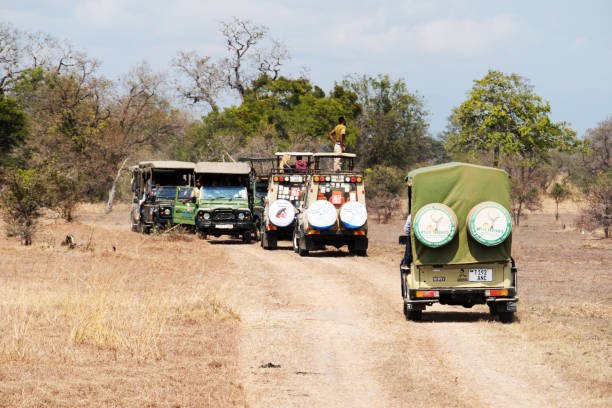
When aiming for a short safari and long Zanzibar stay, the Northern Circuit of Tanzania is overwhelmingly the most practical and rewarding choice. This region is home to iconic parks that offer unparalleled wildlife viewing and are logistically well-connected, making them feasible for shorter trips.
Why the Northern Circuit?
- Concentration of Parks: The circuit packs several world-class parks within a relatively manageable driving distance from Arusha (the main gateway city for safaris) and Kilimanjaro International Airport (JRO).
- Exceptional Wildlife Density: Parks like the Serengeti and Ngorongoro Crater are renowned for their high concentrations of animals, increasing your chances of seeing the Big Five (lion, leopard, elephant, rhino, buffalo) and countless other species, even on a short trip.
- Infrastructure: The region has well-established tourism infrastructure, including a range of lodges and camps, reliable guiding services, and good road networks (though some tracks can be rough).
- Proximity to Zanzibar: Flights from the Serengeti airstrips or Arusha to Zanzibar are frequent, making the transition smooth.
Key Parks for Short Safaris:
1. Serengeti National Park: The Endless Plains
No discussion of Tanzanian safaris is complete without the Serengeti. Its name, derived from the Maasai word ‘Siringet’ meaning ‘endless plains,’ perfectly captures its vastness. For a short safari, focusing on the central Serengeti (Seronera area) is often the most effective. This region offers excellent resident wildlife year-round, meaning you don’t need to chase the Great Migration to see incredible action. The Seronera River valley is a magnet for predators like lions, leopards, and cheetahs, as well as large herds of wildebeest and zebras.
Pros for short safaris: High resident wildlife populations, diverse habitats within a manageable area, good lodge options, access via small airstrips.
Cons for short safaris: Can feel crowded in the Seronera area during peak season; migration viewing is seasonal and requires more time to follow.
2. Ngorongoro Conservation Area (including the Crater)
The Ngorongoro Crater is a UNESCO World Heritage Site and a natural wonder. This ancient volcanic caldera boasts an astonishing density of wildlife within its 260 square kilometer floor. It’s one of the few places in Africa where you have a good chance of seeing the endangered black rhino, alongside large populations of lions, elephants, buffalo, hippos, and flamingos. A short safari can easily incorporate the Crater as a highlight.
Pros for short safaris: Unmatched wildlife density, stunning scenery, high chance of seeing the Big Five, manageable area for a day’s exploration.
Cons for short safaris: Limited visitor numbers are allowed in the crater per day, so it can feel busy; game drives are restricted to the crater floor and have time limits; no overnight stays are permitted inside the crater itself.
3. Tarangire National Park: Giants and Baobabs
Often visited on the first or last day of a Northern Circuit safari, Tarangire is famous for its large elephant herds and ancient baobab trees. During the dry season (June to October), the Tarangire River becomes a vital water source, attracting huge numbers of animals. It’s a fantastic park for spotting elephants, lions, leopards, and a variety of birdlife. It offers a different landscape and feel compared to the Serengeti or Ngorongoro.
Pros for short safaris: Excellent for elephant sightings, unique baobab scenery, often less crowded than Serengeti/Ngorongoro, good for a 1-day visit.
Cons for short safaris: Wildlife can be more dispersed during the wet season; can be a significant drive from Arusha.
4. Lake Manyara National Park: Tree-Climbers and Birdlife
While smaller than the others, Lake Manyara is known for its elusive tree-climbing lions (though sightings are never guaranteed), large troops of baboons, and its alkaline lake that attracts thousands of flamingos. It’s often included as a brief stop or a half-day excursion.
Pros for short safaris: Good for birdwatching, chance to see tree-climbing lions, accessible, can be combined with other parks easily.
Cons for short safaris: Small size means wildlife can seem concentrated; less dramatic scenery than Serengeti or Ngorongoro.
Choosing the Right Parks for Your Short Safari:
For a short safari and long Zanzibar stay, a 3-4 day trip typically focuses on a combination of Tarangire, Ngorongoro Crater, and the central Serengeti. A 3-day itinerary might be Tarangire (Day 1), Ngorongoro Crater (Day 2), and then travel to Arusha or an airstrip for your flight to Zanzibar (Day 3). A 4-day itinerary could be Tarangire (Day 1), Ngorongoro Crater (Day 2), Serengeti central (Day 3), Serengeti game drive and flight to Zanzibar (Day 4).
The decision often comes down to prioritizing iconic experiences. If seeing the Big Five in a single, stunning caldera is paramount, Ngorongoro is a must. If vast plains, large cat sightings, and the sheer scale of wildlife are the draw, the Serengeti (central) is key. Tarangire offers a unique landscape and elephant encounters.
Important Note for 2026-2027 Planning: Availability of preferred lodges and safari vehicles can be tight, especially during peak safari seasons (June-October, December-February). Booking your short safari and long Zanzibar stay well in advance, ideally 6-12 months ahead, is highly recommended for 2026-2027 to secure the best options.
Sample Short Safari Itineraries
To visualize how a short safari and long Zanzibar stay can be structured, here are a few sample itineraries. These are designed to be efficient, maximizing wildlife viewing while minimizing travel time, setting you up for a relaxed Zanzibar experience.
Itinerary 1: The 3-Day Classic (Ngorongoro & Serengeti Focus)
This is a popular choice for those wanting a taste of the Serengeti’s magic and the Ngorongoro Crater’s spectacle.
- Day 1: Arrival in Arusha, Transfer to Ngorongoro Area. Arrive at Kilimanjaro International Airport (JRO). Meet your guide and drive to a lodge near the Ngorongoro Conservation Area. This drive takes about 3-4 hours. Settle in and enjoy the highland scenery.
- Day 2: Ngorongoro Crater Game Drive. Descend into the Ngorongoro Crater for a full-day game drive. Enjoy a picnic lunch on the crater floor. The high concentration of wildlife means you’re likely to see many species, including the rare black rhino. In the late afternoon, ascend and stay at a lodge on the crater rim or nearby.
- Day 3: Serengeti Transfer & Game Drive, Fly to Zanzibar. After breakfast, drive into the Serengeti National Park, heading towards an airstrip (e.g., Seronera). En route, enjoy a morning game drive. Upon arrival at the airstrip, you’ll board a scheduled flight to Zanzibar. Upon arrival in Zanzibar, you’ll be met and transferred to your beach resort.
Pros: Hits two major highlights; efficient use of time; Serengeti experience before flying out.
Cons: Limited time in the Serengeti; can feel a bit rushed.
Itinerary 2: The 4-Day Northern Explorer (Tarangire, Ngorongoro, Serengeti)
This itinerary offers a more comprehensive overview of the Northern Circuit’s diverse landscapes and wildlife.
- Day 1: Arrival in Arusha, Transfer to Tarangire National Park. Arrive at JRO, meet your guide, and drive to Tarangire National Park (approx. 2-3 hours). Enjoy an afternoon game drive in Tarangire, known for its large elephant herds and baobab trees. Overnight at a lodge or tented camp inside or just outside the park.
- Day 2: Tarangire to Ngorongoro Conservation Area. Morning game drive in Tarangire. After breakfast, drive towards the Ngorongoro Conservation Area. You can choose to stay at a lodge on the crater rim or in a nearby conservancy. Enjoy the scenic views.
- Day 3: Ngorongoro Crater Game Drive, Transfer to Serengeti. Descend into the Ngorongoro Crater for a morning game drive. After lunch, you’ll drive into the Serengeti National Park, heading towards the central Seronera area. Enjoy a game drive en route to your lodge or tented camp.
- Day 4: Serengeti Game Drive & Fly to Zanzibar. Enjoy a final morning game drive in the Serengeti. After breakfast, transfer to the Seronera Airstrip for your flight to Zanzibar. You will be met at Zanzibar Airport and transferred to your accommodation.
Pros: Covers three iconic parks; offers a better feel for the Serengeti; more relaxed pace than the 3-day option.
Cons: Requires an extra day; still a relatively short time in the vast Serengeti.
Itinerary 3: The 4-Day Serengeti Deep Dive (Central Serengeti Focus)
This option prioritizes more time in the Serengeti, often considered the crown jewel of African safaris.
- Day 1: Arrival in Arusha, Fly to Central Serengeti. Arrive at JRO, transfer to Arusha Airport (ARK) for a short scenic flight directly to the Seronera Airstrip in the central Serengeti. You’ll be met by your Serengeti guide and start a game drive en route to your lodge or tented camp.
- Day 2: Full Day Central Serengeti Exploration. Spend the entire day exploring the Seronera Valley and surrounding areas. This region is renowned for its high predator populations and abundant resident wildlife. Enjoy morning and afternoon game drives.
- Day 3: Serengeti Exploration & Ngorongoro Transfer. Enjoy another morning game drive in the Serengeti. After lunch, you’ll drive towards the Ngorongoro Conservation Area, perhaps stopping at Olduvai Gorge (optional, extra cost). Overnight at a lodge on the crater rim or nearby.
- Day 4: Ngorongoro Crater Game Drive & Fly to Zanzibar. Descend into the Ngorongoro Crater for a morning game drive. After your exploration, you’ll be driven back towards Arusha or directly to an airstrip for your flight to Zanzibar. Transfer to your Zanzibar hotel upon arrival.
Pros: Maximizes time in the Serengeti; excellent for predator sightings; less driving between parks initially.
Cons: Skips Tarangire; requires flying to the Serengeti, which adds to the cost.
Customization for 2026-2027:
These are just templates. For your short safari and long Zanzibar stay in 2026 or 2027, we can tailor these based on your interests. For example, if you’re particularly interested in birds, we might include Lake Manyara. If you dream of the Great Migration, we’d need to advise on the best time of year (which typically requires longer than a short safari) or focus on areas where resident herds are always present.
Booking Safari Components:
When planning your short safari and long Zanzibar stay, consider that safari costs are often quoted per person per day and include your vehicle, guide, park fees, accommodation, and meals. For 2026-2027 trips, confirm what is included, especially park fees which can change. A private safari offers more flexibility than a group safari, which is often preferred for short, focused trips.
Seamlessly Integrating Your Zanzibar Stay
Once your exhilarating but brief safari adventure concludes, the transition to Zanzibar marks the second, and often longer, part of your short safari and long Zanzibar stay. This island paradise offers a completely different pace and set of experiences, from historical exploration to vibrant marine life and, of course, stunning beaches. The key to a successful integration is ensuring a smooth transfer and understanding what Zanzibar has to offer beyond just relaxation.
The Importance of the Transfer:
The transfer from the safari area to Zanzibar is a critical logistical step. Most commonly, this involves a flight. After your final safari game drive, you’ll be transferred to a local airstrip (e.g., Seronera in the Serengeti, or Arusha Airport). From there, you’ll take a scheduled light aircraft flight to Zanzibar’s Abeid Amani Karume International Airport (ZNZ). These flights are usually operated by local carriers like Precision Air, Coastal Aviation, or Auric Air.
Why fly? Driving from the Northern Circuit parks to a coastal ferry port (like Dar es Salaam) and then taking a ferry to Zanzibar is possible but extremely time-consuming and not recommended for a trip focused on maximizing time in both locations. Flying is efficient, saving you a full day or more of travel. For 2026-2027, booking these internal flights as part of your package is advisable, as they can fill up, especially during peak seasons.
Duration of Your Zanzibar Stay:
The phrase ‘long Zanzibar stay’ is subjective, but for a trip that balances a short safari, we generally recommend at least 5-7 nights on the island. This allows you to:
- Unwind: Recover from the early mornings and constant stimulation of the safari.
- Explore: Visit Stone Town, discover spice farms, and engage in water activities.
- Relax: Enjoy ample beach time, perhaps moving between different coastal areas to experience varied vibes.
If you have more time, 10-14 nights on Zanzibar would allow for a truly in-depth experience, exploring remote beaches, diving or snorkeling extensively, and perhaps even venturing to nearby islands like Pemba.
Setting the Tone: Your First Days in Zanzibar
Upon arrival in Zanzibar, you’ll typically be transferred directly to your accommodation. Many travelers opt to start with a few nights in Stone Town to soak in the history and culture before heading to the beaches. Others prefer to go straight to the coast to relax immediately.
- Stone Town: A UNESCO World Heritage site, Stone Town is a maze of narrow streets, bustling bazaars, and historical buildings reflecting Arab, Indian, Persian, and European influences. It’s a vibrant place to explore for 1-3 nights.
- Beach Destinations: Zanzibar offers diverse coastal experiences. The popular northern beaches (Nungwi and Kendwa) are known for their stunning sunsets and vibrant atmosphere. The east coast (e.g., Paje, Jambiani) is famous for kite surfing and tidal beaches, offering a more laid-back, bohemian vibe. The south coast (e.g., Kizimkazi) is known for dolphin tours.
Connecting Safari Experiences to Zanzibar:
The contrast between the two destinations is part of the appeal. After the dust and drama of the savanna, the turquoise waters, white sands, and fragrant air of Zanzibar provide a perfect counterpoint. Your safari guide will likely brief you on your flight arrangements, and your Zanzibar contact will be ready to meet you upon arrival. Ensuring clear communication between your safari operator and your Zanzibar accommodation provider is key for a smooth handover.
Planning for 2026-2027:
For your short safari and long Zanzibar stay in 2026-2027, consider your arrival and departure airports. Most international flights arrive and depart from Kilimanjaro International Airport (JRO). This makes starting with a Northern Circuit safari and flying from Arusha or the Serengeti to Zanzibar logical. If you find cheaper international flights into Dar es Salaam (DAR), you could potentially do a short safari that ends closer to Arusha and then fly to DAR for a flight to Zanzibar. However, JRO is generally more convenient for the Northern Circuit.
The integration of your short safari and long Zanzibar stay is where meticulous planning pays off. A well-coordinated trip ensures you spend less time worrying about logistics and more time enjoying the incredible diversity Tanzania offers.
Zanzibar: Beyond the Beaches – Activities and Regions
While the pristine beaches are Zanzibar’s main draw, the island offers a rich mix of culture, history, and natural wonders that can fill a long Zanzibar stay complementing your short safari. Understanding these diverse offerings helps in crafting an itinerary that goes beyond just sunbathing.
Stone Town: A UNESCO World Heritage Site
This ancient heart of Zanzibar City is a must-visit. Its labyrinthine alleys, ornately carved wooden doors, bustling markets, and historic buildings tell tales of centuries of trade and cultural fusion. Key attractions include:
- House of Wonders (National Museum): A grand building showcasing Swahili history and culture.
- Old Fort: The oldest building in Stone Town, now hosting cultural events and shops.
- Forodhani Gardens: Transforms into a vibrant night market offering local street food – a culinary adventure.
- Slave Market Site: A poignant historical site now housing the Anglican Cathedral.
- Spice Tours: Often starting or ending in Stone Town, these tours visit local farms to explore Zanzibar’s famous spices like cloves, nutmeg, cinnamon, and vanilla.
Spending 1-3 nights here allows for in-depth exploration, guided walking tours, and a taste of local life. For 2026-2027, booking a reputable Stone Town walking tour is recommended to navigate the complex alleys and learn about the history.
Coastal Regions and Their Unique Charms:
North Coast (Nungwi & Kendwa):
- Beaches: Famous for powdery white sand, turquoise waters, and spectacular sunsets. Nungwi is livelier with more resorts, bars, and restaurants. Kendwa is slightly quieter but equally beautiful, known for its monthly Full Moon parties.
- Activities: Swimming, sunbathing, snorkeling, diving (near Mnemba Atoll), sunset dhow cruises, visiting the Mnarani Marine Turtle Conservation Pond.
- Tides: Less affected by tides than the east coast, making swimming possible at most times.
- Vibe: Generally more developed, popular with backpackers and resort-goers seeking vibrant beach life.
East Coast (Paje, Jambiani, Matemwe):
- Beaches: Stunningly beautiful but characterized by significant tidal changes. At low tide, the ocean recedes for hundreds of meters, revealing sand flats and local seaweed farming.
- Activities: World-class kite surfing (especially in Paje), diving and snorkeling (Matemwe offers access to Mnemba Atoll), stand-up paddleboarding, exploring local villages, enjoying fresh seafood.
- Tides: Crucial to consider. High tide is best for swimming and water sports; low tide is for walking on the sand flats, exploring tide pools, and observing local life.
- Vibe: More bohemian and relaxed, popular with kite surfers and those seeking a quieter, more authentic beach experience.
South Coast (Kizimkazi, Mkunguni):
- Beaches: Generally less pristine than the north or east, but offer a more local feel. Kizimkazi is famous for its dolphin tours.
- Activities: Dolphin watching tours (ethical considerations are important here – choose operators who respect the dolphins’ space), visiting the Kizimkazi mosque (one of the oldest on the island).
- Vibe: More rustic and less developed, offering a glimpse into traditional Zanzibari coastal life.
Other Islands and Activities:
- Mnemba Atoll: A privately owned island offering an exclusive resort, but its surrounding coral reef is a protected marine conservation area and one of the best spots for snorkeling and diving in Zanzibar. Day trips are popular.
- Pemba Island: Less visited than Zanzibar, Pemba is known for its lush, undeveloped landscapes, world-class diving (including the “Wall”), and traditional culture. It’s an option for a truly off-the-beaten-path extension.
- Prison Island (Changuu Island): A short boat trip from Stone Town, famous for its giant Aldabra tortoises and a historical quarantine station. Good for a half-day excursion.
Choosing Your Zanzibar Base:
For a long Zanzibar stay following a safari, consider splitting your time. For example:
- Option 1: 2 nights Stone Town + 5 nights Northern Beach (Nungwi/Kendwa) + 2 nights East Coast (Paje/Jambiani).
- Option 2: 1 night Stone Town + 7 nights East Coast (Paje/Jambiani) + 2 nights Northern Beach.
This mix allows you to experience the historical depth, vibrant beach life, and the unique tidal beauty of the island. For 2026-2027, popular resorts and boutique hotels can book up, so early reservations are advised, especially for beachfront properties.
When planning your short safari and long Zanzibar stay, remember that Zanzibar is a semi-autonomous part of Tanzania. While Swahili is the national language, Arabic influences are strong, and English is widely spoken in tourist areas. Respect local customs, especially regarding dress code when visiting villages or Stone Town (shoulders and knees covered).
Logistics: Getting From Safari to Zanzibar
The transition from the dusty plains of the Serengeti or the rim of the Ngorongoro Crater to the tropical shores of Zanzibar is a pivotal moment in your short safari and long Zanzibar stay. Efficient logistics ensure this transition is smooth, maximizing your enjoyment and minimizing travel fatigue. For 2026-2027, understanding these logistical steps is key to a well-planned trip.
The Primary Mode: Flight
As mentioned, flying is the most practical and time-efficient method to get from the Northern Circuit safari areas to Zanzibar. Here’s a breakdown of the typical process:
1. Safari End Point & Airstrip:
- Your safari will conclude in or near one of the major national parks.
- You will be transferred to the nearest suitable airstrip. Common airstrips include:
- Seronera Airstrip (SEU): Located in the heart of the central Serengeti, serving as the primary hub for flights from this region.
- Kogatende Airstrip (KOG): In the far north of the Serengeti, relevant if you were on a longer safari chasing the migration.
- Manyara Airstrip (LKY): Near Tarangire and Lake Manyara, often used for departures if your safari ended in these areas and you are not flying from the Serengeti.
- Arusha Airport (ARK): If your safari concluded near Arusha, or if you were transferred back from a park to Arusha for your onward journey.
2. Scheduled Light Aircraft Flights:
- These are typically operated by Tanzanian carriers like Coastal Aviation, Auric Air, and Precision Air.
- Flights are usually booked as part of your safari package or arranged separately.
- They are generally small propeller planes (e.g., Cessna Grand Caravan, Twin Otter) with a capacity of 10-13 passengers.
- Luggage Restrictions: This is crucial. Light aircraft have strict luggage limits, usually 15-20 kg (33-44 lbs) per person in a soft-sided duffel bag. Hard suitcases are generally not permitted. Your safari operator will advise on exact limits.
3. Flight Duration & Schedule:
- The flight from the Serengeti to Zanzibar is approximately 1.5 to 2 hours.
- Flights from Manyara or Arusha might be slightly shorter.
- These flights are often scheduled for mid-morning or early afternoon to allow for a final morning game drive.
- The schedule can vary based on demand and airline operations, so flexibility is sometimes required.
4. Arrival in Zanzibar:
- You will land at Abeid Amani Karume International Airport (ZNZ) in Zanzibar City.
- Upon arrival, you will be met by a representative holding a sign with your name (if arranged as part of your package) or proceed to find your pre-booked transfer.
- From ZNZ, you’ll be driven to your accommodation, whether it’s in Stone Town or one of the beach resorts. Transfer times can range from 20 minutes (to Stone Town) to 1.5 hours (to northern beaches).
Alternative: Via Dar es Salaam (Less Recommended for this specific combination)
While less direct for a short safari and long Zanzibar stay starting in the Northern Circuit:
- You could theoretically fly from the Serengeti/Arusha to Dar es Salaam (DAR).
- From DAR, take a domestic flight or a ferry to Zanzibar.
- Why it’s less ideal: This adds an extra transit point, potential for delays, and more travel time, detracting from your precious safari or Zanzibar days. It’s usually only considered if international flights dictate arriving/departing from DAR.
Booking Considerations for 2026-2027:
- Book Flights Early: Especially if traveling during peak seasons (July-October, December-January). Seats on these small planes are limited.
- Confirm Luggage Policy: Reiterate the soft-bag rule. Many safari operators provide duffel bags for this purpose.
- Package Deals: Often, booking your safari and Zanzibar accommodation with the same operator simplifies logistics. They will manage the internal flight bookings.
- Flexibility: Be prepared for minor schedule adjustments. Weather can occasionally impact flight operations, especially during rainy seasons.
Ensuring these travel arrangements are confirmed and communicated well in advance is a cornerstone of a successful short safari and long Zanzibar stay. It allows you to seamlessly transition from the thrill of wildlife encounters to the tranquil beauty of the Indian Ocean.
Timing and Best Seasons for Safari & Zanzibar in 2026-2027
Choosing the right time of year for your short safari and long Zanzibar stay significantly impacts your experience, from wildlife viewing opportunities to beach conditions and weather patterns. For 2026 and 2027, understanding these seasonal nuances is crucial for optimal planning.
Tanzania Safari Seasons:
Tanzania’s climate is generally divided into two main seasons: dry and wet. The Northern Circuit experiences distinct variations.
- The Dry Season (June to October):
- Pros: This is considered the prime safari season. Skies are typically clear, days are sunny, and wildlife congregates around permanent water sources, making game viewing easier. The vegetation is less dense. This is also the best time to witness the Great Migration river crossings (typically July-September, but location varies annually).
- Cons: This is peak tourist season, meaning higher prices and more crowded parks. It is also the cooler season, with mornings and evenings being quite chilly, especially in the Serengeti and Ngorongoro.
- The Wet Season (November to May):
- Short Rains (November-December): Often characterized by brief, localized afternoon showers. Wildlife is still relatively easy to spot, and the landscape turns green. This is a good shoulder season with fewer crowds and potentially lower prices.
- Long Rains (January-May): This period sees more consistent rainfall, though usually not all-day downpours. It’s the calving season for wildebeest (typically February in the southern Serengeti), offering incredible predator-prey action. The landscape is lush and beautiful.
- Pros: Fewer tourists, greener scenery, excellent birdwatching (migratory birds arrive), calving season in the Serengeti (Jan-Mar), potentially lower prices.
- Cons: Roads can become challenging, game viewing can be more difficult as animals disperse and vegetation thickens, some camps may close or reduce services, migration river crossings are not typically happening.
Zanzibar Seasons:
Zanzibar’s climate is tropical, hot, and humid year-round, with distinct wet and dry periods.
- Dry Seasons (June to October & December to February):
- Pros: These are the most popular times to visit Zanzibar. Sunny days, lower humidity, and pleasant temperatures. Ideal for beach activities, swimming, snorkeling, and diving. The sea is generally calm.
- Cons: Peak tourist season means higher prices for flights and accommodation. Beaches can be busy.
- Rainy Seasons:
- Long Rains (March to May): Characterized by heavy, persistent rainfall, high humidity, and rough seas. Many resorts and restaurants on the east coast may close or operate with reduced services. Not ideal for a beach holiday.
- Short Rains (November to December): Typically involves brief, intense afternoon showers. Humidity is high, but it’s still a viable time to visit if you don’t mind occasional rain. It’s a shoulder season with fewer crowds and potentially better deals.
Combining Safari and Zanzibar for 2026-2027: Best Windows
For your short safari and long Zanzibar stay, the ideal times to combine these experiences are:
- June to October: This is the prime window. You’ll have excellent safari conditions in the Northern Circuit (dry season) and fantastic beach weather in Zanzibar (also dry season). This is peak season, so expect higher costs and book well in advance for 2026-2027.
- December to February: Another excellent window. The safari parks are still largely dry (though short rains might start in late Feb), and Zanzibar enjoys its second dry season with warm, sunny days. This period can be busy with holiday travelers.
- November (Shoulder Season): You might catch the start of the short rains on safari, but wildlife viewing is still good, and the landscape is turning green. Zanzibar experiences short rains, but these are often brief showers, leaving plenty of sunshine. It’s a good option for fewer crowds and potentially better value.
- January to March (Calving Season): If your safari interest is strongly focused on the Great Migration’s calving season in the southern Serengeti (and you can perhaps extend your safari slightly or accept a very short, focused trip), this is a spectacular time. Zanzibar is entering its shoulder season with increasing humidity and potential for rain, but still offers good beach time.
When to Avoid:
- March to May: This is the height of the long rains. Safari conditions can be challenging, and Zanzibar’s beaches are less appealing due to heavy rain. This is generally the least recommended period for this combination.
Making Your 2026-2027 Choice:
When planning your short safari and long Zanzibar stay, consider your priorities:
- Best Wildlife Viewing & Beach Weather: Aim for June-October or December-February.
- Fewer Crowds & Better Value (with potential for brief rain): Consider November or early March.
- Great Migration Calving & Lush Landscapes (with more rain risk): January-March.
Regardless of the season, always pack layers for safari (mornings can be cold) and light clothing for Zanzibar. For 2026-2027, booking as early as possible, especially for peak months, is the most critical advice.
Accommodation: Balancing Safari Lodges and Zanzibar Resorts
The choice of accommodation significantly shapes the experience of both your short safari and your long Zanzibar stay. Balancing comfort, location, and budget is key to ensuring these two distinct parts of your trip are memorable for all the right reasons. For 2026-2027, availability will be a major factor, so early booking is essential.
Safari Accommodation: From Tented Camps to Luxury Lodges
Safari accommodation ranges from basic tented camps to opulent lodges. For a short safari, the location and type of accommodation can influence your game viewing experience and travel time.
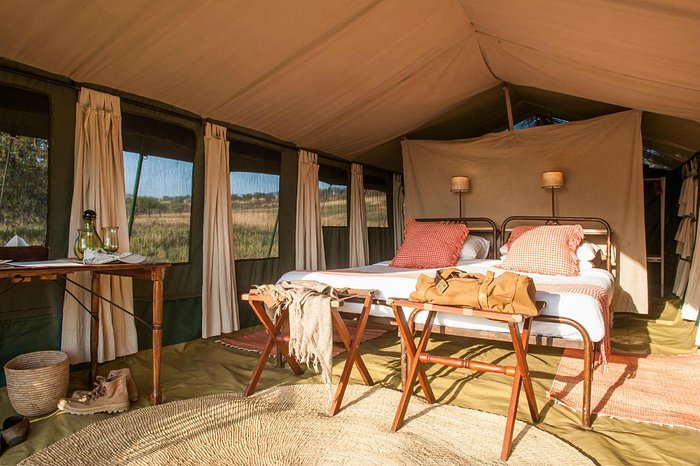
- Tented Camps (Mobile & Permanent):
- Pros: Offer a more intimate, close-to-nature experience. Permanent tented camps are often in prime locations within parks. Mobile camps can move to follow the Great Migration (though this is less relevant for a short safari). They provide comfort with en-suite bathrooms and proper beds.
- Cons: Can be more basic than lodges; may have fewer amenities; noise from wildlife can be startling for some.
- Best for: Travelers seeking an authentic safari feel.
- Safari Lodges:
- Pros: Offer more amenities, often including swimming pools, restaurants, bars, and comfortable lounge areas. They provide solid structures, ensuring privacy and protection. Many are situated with stunning views.
- Cons: Can feel less in-depth than tented camps; may be located outside park boundaries, requiring drives to reach game viewing areas.
- Best for: Families, those seeking more comfort and services, and travelers who prefer solid structures.
- Luxury Tented Suites/Camps:
- Pros: Combine the intimacy of a tented camp with high-end luxury, including spacious rooms, fine dining, and exceptional service. Often in exclusive locations.
- Cons: Higher price point.
- Best for: Honeymooners or those seeking a premium, exclusive safari experience.
Key Considerations for Safari Accommodation:
Check Availability for I Want A Short Safari And Long Zanzibar Stay, What Combination Works Best?
Ready to compare dates, prices, and the best option for your group? Send the package name and travel month so the team can reply with a clear quote, availability, and what is included.
Safari From Zanzibar: Best Packages, Prices & Parks For 2026-2027
Combining a Zanzibar beach holiday with a Tanzania safari is a dream for many travelers. This guide details the best safari packages from Zanzibar, covering essential planning, park...
View package details
Serengeti Safari And Zanzibar Beach Holiday: The Ultimate Tanzania
Combine the thrill of a Serengeti safari with the relaxation of a Zanzibar beach holiday. This guide covers everything you need to know for an unforgettable Tanzania adventure in 2026-2027...
View package details
Tanzania Safari And Zanzibar All-Inclusive Packages Guide
Combine the thrill of a Tanzanian wildlife safari with the serene beauty of Zanzibar on an all-inclusive package. This comprehensive guide covers everything you need to know for planning...
View package details
Zanzibar To Mikumi Safari: Flights, Prices And Itinerary Guide
Transition from the spice-scented beaches of Zanzibar to the wildlife-rich plains of Mikumi National Park. This guide details flight logistics, cost considerations, and sample itineraries...
View package details
Zanzibar To Nyerere Safari Packages 2026-2027
Zanzibar to Nyerere Safari Packages is explained with current 2026-2027 planning, price, itinerary and booking information.
View package details
Zanzibar To Serengeti Safari Packages 2026-2027
Zanzibar to Serengeti Safari Packages is explained with current 2026-2027 planning, price, itinerary and booking information.
View package details3-Day Safari From Zanzibar 2026-2027
3-Day Safari From Zanzibar is explained with current 2026-2027 planning, price, itinerary and booking information.
View package details
2-Day Safari From Zanzibar: Your Quick Wildlife Escape In 2026-2027
Looking for a short, impactful wildlife adventure without a long trip? A 2-day safari from Zanzibar is your perfect solution. This guide covers the best options, what to expect, and how to...
View package detailsTanzania Safari And Zanzibar Packages /: Your Complete Guide 2026-2027
Explore the best Tanzania safari and Zanzibar packages for 2026-2027. This comprehensive guide covers itinerary options, wildlife highlights, beach relaxation, and booking considerations to...
View package details
10-Day Tanzania Safari And Zanzibar Beach Holiday: Your Ultimate Itinerary
Combine the thrill of a Tanzania safari with the relaxation of Zanzibar for an unforgettable 10-day adventure. This itinerary balances iconic wildlife viewing with stunning tropical...
View package detailsBest Family-Friendly Resorts In Tanzania For Unforgettable Adventures
Planning a family adventure in Tanzania? This guide highlights the best family-friendly resorts offering incredible wildlife viewing, cultural experiences, and comfortable stays for all...
View package detailsWildlife And Nature Titles: Your Ultimate Guide To Tanzanias Best Experiences
This comprehensive guide explores the most sought-after wildlife and nature titles in Tanzania, from iconic safari destinations and Kilimanjaro treks to the tropical allure of Zanzibar...
View package detailsNo related package matches those filters. Clear one or more filters to see the other topic-matched options.



