
Tarangire and Lake Manyara safaris offer distinct yet complementary Northern Circuit Tanzania experiences, focusing on iconic elephant herds in Tarangire and the diverse avian and arboreal wildlife of Lake Manyara. Planning for 2026-2027 involves choosing the right season for optimal game viewing, understanding the unique ecosystems of each park, and deciding on an itinerary that maximizes your wildlife encounters. Both parks are easily combined within a typical Tanzania safari, often forming the initial or concluding stops before or after the Serengeti and Ngorongoro Crater.
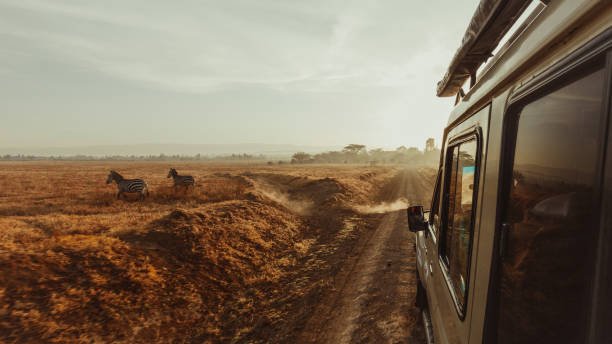
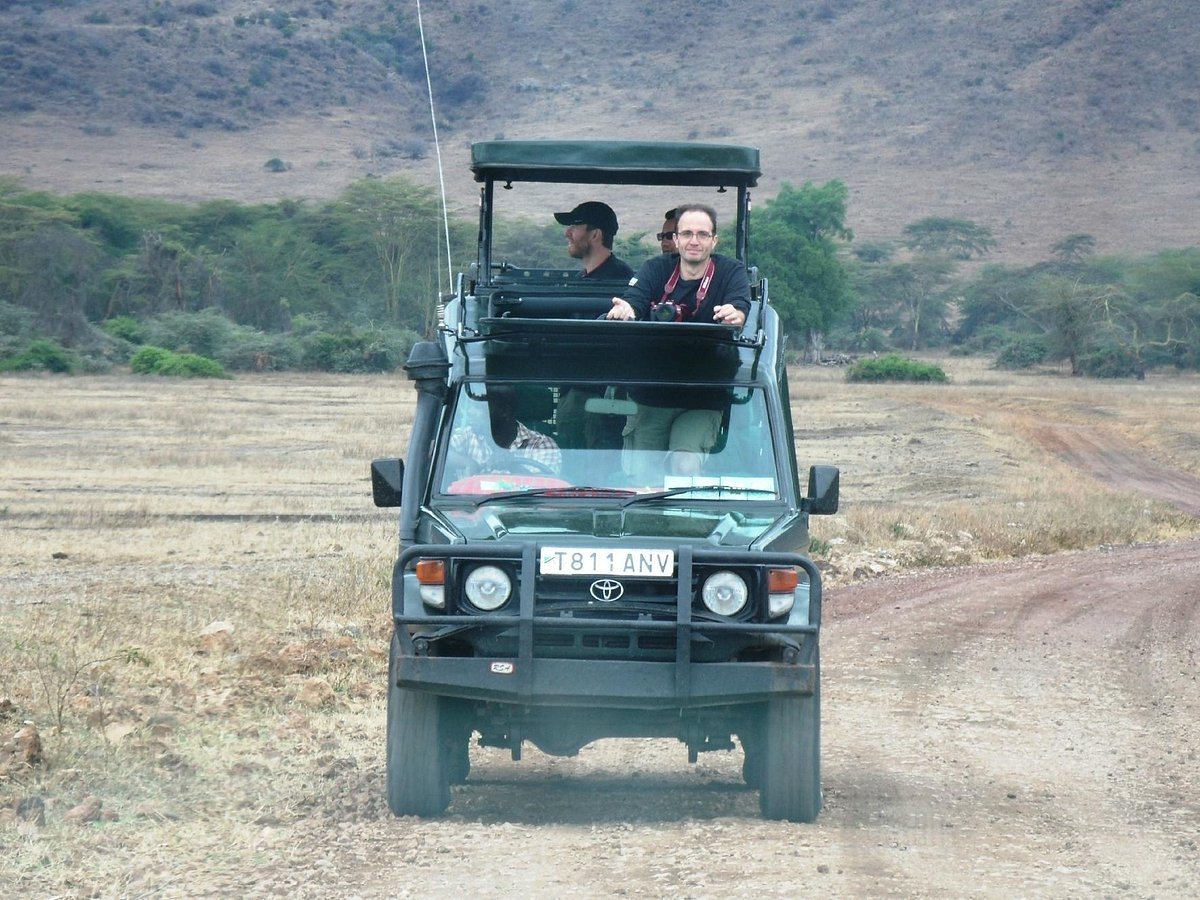
When considering a Tanzanian safari, the names Tarangire and Lake Manyara often appear together, and for good reason. These two national parks, while relatively small compared to their famous neighbor, the Serengeti, pack an incredible punch in terms of wildlife density and unique landscapes. They form a crucial part of the Northern Circuit, offering visitors a concentrated dose of Tanzania’s natural splendor. For those planning a safari in 2026 or 2027, understanding what makes each park special, when to visit, and how to best experience them is key to an unforgettable adventure.
Understanding the Tarangire and Lake Manyara Safari Experience
The allure of Tarangire National Park lies in its vast elephant populations and its distinctive baobab-dotted savannah. During the dry season, the Tarangire River becomes a magnet for wildlife, drawing in huge herds of elephants, as well as buffalo, wildebeest, zebra, and a host of predators. The park’s landscape, dominated by ancient baobab trees, provides a dramatic backdrop for game drives. It’s a place where you can often witness incredible concentrations of animals, especially in the central areas near the river.
Lake Manyara National Park, on the other hand, is celebrated for its tree-climbing lions, although spotting them requires a good dose of luck. The park is much smaller, characterized by a narrow strip of acacia forest along the eastern shores of the alkaline Lake Manyara. This diverse habitat supports a remarkable variety of wildlife, including large troops of baboons, diverse birdlife (making it a birdwatcher’s paradise), giraffes, zebras, and the elusive tree-climbing lions. The lake itself is often a spectacle of flamingos, especially during certain times of the year.
Combining these two parks in a safari itinerary offers a fantastic introduction to Tanzania’s wildlife and diverse ecosystems. They are geographically close, making them convenient to visit consecutively. Many travelers opt for a 3-day safari that might include both parks, or they integrate them into longer journeys that also encompass the Ngorongoro Conservation Area and the Serengeti National Park. When planning for 2026-2027, considering the seasonal movements of wildlife will be paramount to maximizing your viewing opportunities.
The Best Time to Visit Tarangire and Lake Manyara for Wildlife Viewing (2026-2027)
The timing of your safari significantly impacts the wildlife viewing experience in Tarangire and Lake Manyara. Each park has its peak seasons, largely dictated by rainfall and the resulting availability of water and grazing for herbivores.
Tarangire National Park: Dry Season Dynamics
Tarangire truly comes alive during the dry season, typically from June through October. During these months, the Tarangire River is the primary permanent water source in the region, attracting an astonishing number of animals. This is when you’ll see the famous massive elephant herds, often numbering in the hundreds. It’s also an excellent time for general game viewing, as other animals congregate around the river and waterholes. The landscape can appear drier and more open, which aids in spotting wildlife.
The shoulder months, around May and November, can offer a good balance. You might encounter fewer crowds and potentially lower prices, while still enjoying decent game viewing. However, wildlife concentrations might not be as intense as during the peak dry season. The short rains in November can bring a temporary green flush, which can disperse animals slightly.
For 2026-2027, expect the dry season (June-October) to remain the prime time for Tarangire. If you’re specifically seeking the large elephant herds, aim for this period. It’s also a popular time for international travelers, so booking accommodation and safari vehicles well in advance for 2026 and 2027 is highly recommended.
Lake Manyara National Park: Year-Round Appeal with Seasonal Nuances
Lake Manyara offers good game viewing throughout the year, but there are nuances. The dry season (June-October) is also excellent here, as animals are drawn to the shrinking water sources. The park’s dense woodland provides refuge for animals, making them visible even when water is plentiful.
During the wet season (November-May), the park becomes lush and green. While some animals might disperse into the wider ecosystem, the birdlife is spectacular. The lake attracts large numbers of flamingos, pelicans, and other water birds. The humidity is higher, and you might encounter rain showers, but these are often short-lived. The landscape is incredibly beautiful during this time, and the green foliage can make for stunning photographic opportunities.
For 2026-2027, if birdwatching is a priority, consider the wet season. If your main goal is spotting large mammals and potentially the tree-climbing lions (which are more likely to be seen in the denser woodlands), the dry season remains a strong choice. The park’s smaller size means game drives can be rewarding even in shorter periods.
Combining Parks: Strategic Seasonal Planning for 2026-2027
When planning a safari that includes both Tarangire and Lake Manyara for 2026-2027, consider this:
- June – October: Ideal for both parks, especially for Tarangire’s elephant herds and general game viewing. Lake Manyara will also be excellent. This is peak safari season.
- November – May: Lake Manyara shines for birdlife and lush scenery. Tarangire’s game viewing can still be good, particularly in the early dry season (November) or late wet season (May), but elephant concentrations may be lower as they spread out. This period often offers fewer crowds and potentially better rates for 2026-2027.
Ultimately, any time of year can yield fantastic sightings. However, for the most concentrated wildlife viewing, particularly of elephants in Tarangire, the dry season is unparalleled.
What to See and Do in Tarangire National Park
Tarangire is more than just elephants; it’s a park with a unique character and a surprising diversity of attractions.
The Giants of Tarangire: Elephants and Baobabs
The most prominent feature of Tarangire is undoubtedly its large elephant population. The park is home to one of the largest concentrations of elephants in Tanzania, and during the dry season, these herds can be seen moving through the savannah, crossing the river, and bathing in mud wallows. Witnessing a herd of hundreds of elephants is a truly humbling experience.
Complementing the elephants are the iconic baobab trees, which dominate the landscape. These ancient, majestic trees, with their thick trunks and sparse branches, give Tarangire a prehistoric feel. They are not only visually striking but also serve as a vital resource for many animals, providing shade and sustenance.
Predator and Prey Dynamics
While elephants steal the show, Tarangire also supports a healthy population of predators. Lions are common, often found lounging in the shade of acacia trees or baobab branches. Leopards and cheetahs are present but more elusive. Other predators include hyenas, wild dogs (though sightings are rarer), jackals, and servals.
The park’s herbivores are diverse. Beyond elephants, expect to see large herds of buffalo, wildebeest, and zebras, especially during the dry season. Giraffes are plentiful, often seen browsing on the acacia leaves. Other mammals include various antelopes like dik-dik, impala, gazelle, eland, and greater kudu. Waterbucks and bushbucks are also common.
Birdwatching in Tarangire
Tarangire is also a haven for birdwatchers, with over 550 recorded species. The park’s diverse habitats, from open savannah to riverine forests, attract a wide array of avian life. Notable species include the ground hornbill, secretary bird, ostriches, various eagles, buzzards, and kingfishers. During the wet season, migratory birds add to the spectacle.
Activities Beyond Game Drives
While game drives are the primary activity, Tarangire offers other experiences:
- Walking Safaris: In designated areas, guided walking safaris offer a more intimate connection with the bush, allowing you to learn about tracking, plants, and smaller details often missed from a vehicle. These are typically offered by lodges outside the main park gates or in specific conservancies.
- Night Game Drives: Some lodges offer night game drives, providing an opportunity to see nocturnal animals like genets, civets, bush babies, and potentially predators on the hunt.
- Cultural Visits: While not a primary focus within the park, nearby communities can sometimes be arranged for cultural interaction, offering insight into local Maasai and other tribal life.
For your 2026-2027 safari, consider incorporating a walking safari if you wish to deepen your bush experience. Always confirm with your tour operator about the availability and logistics of such activities.
Exploring Lake Manyara National Park
Lake Manyara, though small, punches well above its weight in terms of wildlife and scenery. Its unique ecosystem, dictated by the lake and the escarpment, creates distinct viewing opportunities.
The Famous Tree-Climbing Lions
Lake Manyara is one of the few places in East Africa where lions are known to regularly climb trees. While sightings are never guaranteed, the park’s dense acacia woodlands offer ideal resting spots for lions to escape the heat and tsetse flies. Spotting a pride lounging on a thick branch is a highlight for many visitors.
Abundant Birdlife and Flamingos
The alkaline Lake Manyara itself is the park’s centerpiece and a major draw for bird enthusiasts. During the wet season, the lake shores teem with thousands of flamingos, creating a stunning pink spectacle. Beyond flamingos, the park boasts over 400 species of birds, including pelicans, storks, cormorants, and a variety of raptors. The groundwater forest is particularly rich in birdlife.
Diverse Mammal Sightings
Despite its size, Lake Manyara hosts a surprising array of mammals. Large troops of baboons are a common sight, often seen foraging or playing along the roads. Giraffes are easily spotted, as are zebras and wildebeest. You can also find hippos in the Hippo Pool, buffalo, impala, dik-dik, and various other antelopes. The park’s dense vegetation means that animals can be well-camouflaged, but patience and a good guide often lead to rewarding sightings.
The Rift Valley Escarpment
Lake Manyara sits at the foot of the Great Rift Valley escarpment, which forms a dramatic backdrop to the park. The views from the escarpment rim, where many lodges are located, are spectacular, offering panoramic vistas of the park, the lake, and the surrounding plains. While you primarily experience the park from below during game drives, the presence of the escarpment adds a significant geographical and visual element.
Activities in Lake Manyara
- Game Drives: The main activity, exploring the park’s loops through acacia woodlands, grassy plains, and along the lake shore.
- Walking Safaris: Similar to Tarangire, guided walks are available in certain areas, often offered by lodges on the escarpment or in conservancies adjacent to the park.
- Canoe Safaris: Some lodges offer canoe safaris on the lake, providing a unique perspective for birdwatching and enjoying the tranquility of the water.
- Cultural Encounters: Visits to nearby villages can be arranged, offering a glimpse into the lives of the local communities.
When planning your 2026-2027 trip, if birdwatching is a high priority, ensure your visit aligns with the wet season or shoulder months when bird activity is at its peak.
Sample Itineraries: Combining Tarangire and Lake Manyara
These parks are often combined into shorter safaris or integrated into longer Northern Circuit tours. Here are a couple of sample itinerary ideas for 2026-2027, illustrating how they can fit together.
Itinerary Option 1: 3-Day Tarangire & Lake Manyara Explorer (2026-2027 Focus)
This is a classic short safari, perfect for those with limited time.
- Day 1: Arrive in Arusha, transfer to Tarangire National Park.
- Morning arrival at Kilimanjaro International Airport (JRO) or Arusha Airport (ARK).
- Meet your guide and drive to Tarangire National Park (approx. 2-3 hours).
- Full afternoon game drive in Tarangire, focusing on elephants and baobabs.
- Overnight at a lodge or tented camp inside or just outside the park.
- Day 2: Tarangire to Lake Manyara.
- Morning game drive in Tarangire.
- Afterwards, drive to Lake Manyara National Park (approx. 1-2 hours).
- Afternoon game drive in Lake Manyara, looking for tree-climbing lions and abundant birdlife.
- Overnight at a lodge or camp near Lake Manyara or on the escarpment.
- Day 3: Lake Manyara to Arusha.
- Morning game drive in Lake Manyara or an optional walking safari (if available).
- Drive back to Arusha (approx. 2-3 hours).
- Optional visit to Arusha town or transfer to the airport for your onward journey.
Notes for 2026-2027: This itinerary is best experienced during the dry season (June-October) for Tarangire’s large herds. Booking this popular short safari well in advance for 2026 and 2027 is crucial, especially for peak season travel.
Itinerary Option 2: Integrating into a Longer Northern Circuit Safari (2026-2027)
Tarangire and Lake Manyara are typically included as the first or second stops after departing Arusha, before heading to the Ngorongoro Crater and Serengeti.
- Example Sequence: Arusha -> Tarangire (1-2 nights) -> Lake Manyara (1 night) -> Ngorongoro Crater (1 night) -> Serengeti (2-4 nights) -> Arusha.
- Duration: This type of safari can range from 5 to 10 days or more.
- Wildlife Focus: This allows for deeper exploration of each park and broader wildlife viewing across different ecosystems.
Notes for 2026-2027: When planning a longer safari, you have more flexibility with timing. A combination of dry and wet season visits can offer diverse experiences. For example, starting in Tarangire during the dry season and then moving to Lake Manyara as the rains begin can be rewarding. Always discuss your specific interests with your tour operator to tailor the itinerary for 2026-2027.
These are just sample structures. Climb 4 Africa specializes in crafting tailor-made itineraries for 2026-2027 that perfectly match your interests, budget, and time constraints. We can adjust the number of days in each park, incorporate specific activities, and select accommodations that suit your travel style.
Accommodation Options in Tarangire and Lake Manyara
The choice of accommodation significantly enhances your safari experience. Both Tarangire and Lake Manyara offer a range of options, from luxury lodges to more rustic tented camps.
Inside vs. Outside National Parks
Staying inside the park boundaries often means being closer to the wildlife action and allowing for early morning or late evening game drives. However, these accommodations can be more expensive and book up very quickly, especially for 2026-2027 travel. Lodges and camps located just outside the park gates offer more variety in price points and availability, but you’ll spend a little more time driving to reach the park entrance each day.
Types of Accommodation
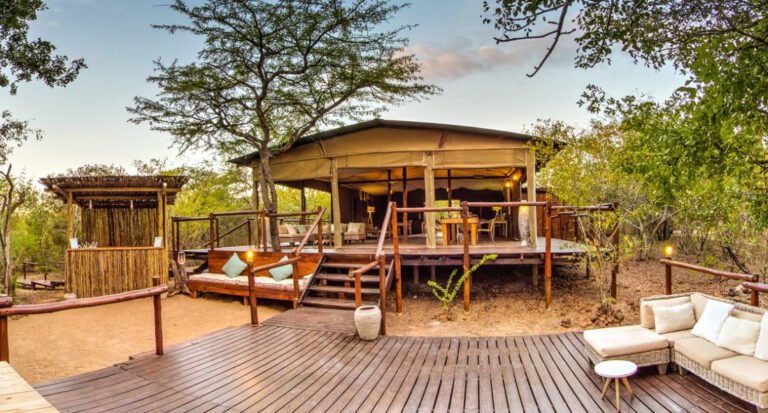
- Luxury Lodges: Offer high-end amenities, swimming pools, fine dining, and often stunning views. These are ideal for those seeking comfort and a pampering experience.
- Tented Camps (Mid-Range to Luxury): Provide a more authentic safari feel with canvas tents, often with en-suite bathrooms and comfortable furnishings. Some are permanent camps, while others are mobile, following the wildlife movements.
- Budget Camps/Lodges: Simpler facilities, often with shared bathrooms or more basic amenities, but still offering a comfortable and safe base for your safari.
Key Considerations for 2026-2027 Bookings
- Location: Proximity to park gates or prime wildlife areas.
- Amenities: Whether you prefer full board, specific dietary needs catered for, Wi-Fi, or pool access.
- Atmosphere: Some camps are designed for families, others for couples or solo travelers seeking tranquility.
- Sustainability: Many lodges are increasingly focused on eco-friendly practices.
When you contact Climb 4 Africa for your 2026-2027 safari planning, we’ll discuss your accommodation preferences and budget to recommend the best options that fit your itinerary. We have strong relationships with a variety of properties to ensure quality and availability.
Practical Planning for Your 2026-2027 Tarangire and Lake Manyara Safari
Successful safari planning involves attention to detail. Here’s what you need to consider for your 2026-2027 adventure.
Visa Requirements
Most nationalities require a visa to enter Tanzania. This can often be obtained online in advance (e-Visa) or upon arrival at the airport. Check the latest requirements for your specific nationality well before your travel dates in 2026-2027.
Health Precautions
Consult your doctor or a travel clinic regarding recommended vaccinations and malaria prophylaxis. Tanzania is a malaria-endemic country. It’s also advisable to take precautions against insect bites, especially during dawn and dusk.
What to Pack
Pack light, neutral-colored clothing (khaki, green, brown) that blends with the environment. Avoid bright colors and dark blues/blacks, which can attract insects. Key items include:
- Lightweight long-sleeved shirts and trousers
- T-shirts and shorts
- A warm fleece or jacket for cool mornings and evenings
- Comfortable walking shoes or hiking boots
- Sandals or flip-flops for relaxing at the lodge
- Sun hat, sunglasses, and high SPF sunscreen
- Insect repellent with DEET
- Binoculars (essential for wildlife viewing)
- Camera with extra batteries and memory cards
- Small backpack for day trips
- Personal medications
- Reusable water bottle
Safari Vehicle and Guide
Your safari vehicle and guide are central to your experience. Most safaris use 4×4 safari vehicles (like Land Cruisers or Land Rovers) with pop-up roofs for optimal game viewing and photography. A knowledgeable, experienced guide can significantly enhance your trip by identifying wildlife, explaining behaviors, and navigating the parks effectively. When booking for 2026-2027, ensure your tour operator provides a reliable vehicle and a certified, local guide.
Park Fees and Costs
Park fees are a significant component of safari costs in Tanzania. These are set by the Tanzania National Parks Authority (TANAPA) and are generally charged per person, per day. For 2026-2027, these fees are subject to change, but typically range from USD 50-70 per person per 24-hour period for Tarangire and Lake Manyara. Accommodation and vehicle costs are additional. It’s crucial to get a clear breakdown of all included and excluded costs from your tour operator.
Booking Your 2026-2027 Safari
Booking your Tarangire and Lake Manyara safari for 2026-2027 requires careful consideration of your tour operator. Look for companies with local expertise, a strong commitment to responsible tourism, and a track record of excellent customer service. Booking well in advance is highly recommended, especially for popular travel periods or if you have specific accommodation preferences.
Important Considerations for 2026-2027 Bookings:
- Advance Planning: Popular lodges and vehicles get booked up 6-12 months in advance for peak season in 2026 and 2027.
- Itinerary Customization: Ensure your operator can tailor the safari to your interests (e.g., birdwatching, photography, specific animals).
- Inclusions/Exclusions: Clearly understand what your safari package includes (park fees, accommodation, meals, guide, vehicle, water) and what is extra (tips, drinks, souvenirs).
- Payment Schedule: Reputable operators will have a clear payment policy, usually requiring a deposit upon booking and the balance closer to the travel date.
Why Choose Climb 4 Africa for Your Tarangire and Lake Manyara Safari in 2026-2027?
As a local Tanzanian company, Climb 4 Africa offers unparalleled insight and support for your safari planning. We understand the nuances of the parks, the best times to visit, and how to craft an itinerary that maximizes your wildlife encounters.
- Local Expertise: Our team lives and breathes Tanzania. We have firsthand knowledge of wildlife patterns, road conditions, and the best lodges, ensuring a smooth experience for 2026-2027.
- Tailor-Made Safaris: We don’t offer one-size-fits-all packages. We work closely with you to design a safari that perfectly matches your interests, budget, and travel style.
- Responsible Tourism: We are committed to sustainable tourism practices that benefit local communities and conservation efforts.
- Practical Support: From visa advice to packing lists and on-the-ground logistics, we provide comprehensive support throughout your journey.
- Value for Money: We aim to provide exceptional value, ensuring you get the most out of your safari investment.
Ready to Plan Your 2026-2027 Tarangire and Lake Manyara Adventure?
Planning a safari to Tarangire and Lake Manyara is an exciting prospect. These parks offer a concentrated and incredibly rewarding wildlife experience, showcasing the diversity and beauty of Tanzania. Whether you’re dreaming of vast elephant herds or the elusive tree-climbing lions, these destinations should be high on your list for 2026-2027.
To start crafting your personalized safari itinerary, get in touch with the experts at Climb 4 Africa. We are ready to help you plan every detail, ensuring a memorable and authentic Tanzanian adventure. You can reach us via WhatsApp at +255 747 477 898 or send us an email at climb4africa@gmail.com. Let’s make your 2026-2027 safari dreams a reality!
Check Availability for Tarangire And Lake Manyara Safaris: Planning Your Tanzania Wildlife…
Ready to compare dates, prices, and the best option for your group? Send the package name and travel month so the team can reply with a clear quote, availability, and what is included.
7-Day Tanzania Safari: Serengeti, Ngorongoro, And Tarangire In 2026-2027
A comprehensive guide to a 7-day Tanzania safari adventure, focusing on the iconic Serengeti National Park, the Ngorongoro Crater, and Tarangire National Park. Learn about optimal...
View package details
How Far In Advance Should You Book An African Safari? 2026-2027
How Far in Advance Should You Book an African Safari? is explained with current 2026-2027 planning, price, itinerary and booking information.
View package details
Kenya Safari Tours & Holiday Packages 2026-2027
Kenya Safari Tours & Holiday Packages is explained with current 2026-2027 planning, price, itinerary and booking information.
View package details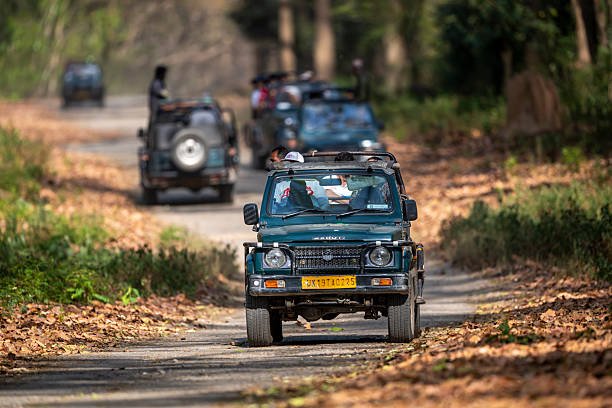
Solo African Safari Tours: Your Ultimate Guide For 2026-2027
start an incredible solo African safari adventure. This comprehensive guide covers everything you need to know for planning a safe, rewarding, and memorable trip in 2026-2027, from choosing...
View package details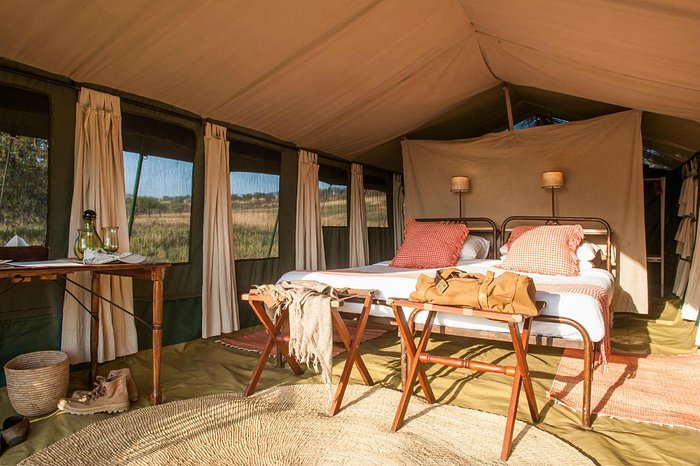
Safari From Zanzibar: Best Packages, Prices & Parks For 2026-2027
Combining a Zanzibar beach holiday with a Tanzania safari is a dream for many travelers. This guide details the best safari packages from Zanzibar, covering essential planning, park...
View package detailsIs It Better To Book A Safari Online Or Locally? 2026-2027
Is It Better to Book a Safari Online or Locally? is explained with current 2026-2027 planning, price, itinerary and booking information.
View package details
What Is Included In An African Safari Package? A Complete Guide For 2026-2027
Demystifying African safari packages. This guide details what you can expect to be included, from essential logistics like accommodation and transport to crucial elements like park fees and...
View package detailsAffordable African Safari Packages: Your Guide To Budget-Friendly Tanzania
Discover how to plan and book affordable African safari packages for 2026-2027. This guide provides practical advice on choosing budget-friendly Tanzania tours, understanding costs, and...
View package details
Best Wildlife Safaris In Africa: Your Ultimate Guide For 2026-2027
start the ultimate African wildlife safari. This comprehensive guide covers the best destinations, essential planning tips, and what to expect for your 2026-2027 adventure.
View package details
Serengeti Safari Tours: Prices, Packages & Best Time To Visit In 2026-2027
Discover everything you need to know for planning your Serengeti safari tour, from understanding pricing and package variations to identifying the ideal travel times in 2026-2027. This...
View package detailsAfrican Safari Packages From Europe 2026-2027
African Safari Packages From Europe is explained with current 2026-2027 planning, price, itinerary and booking information.
View package detailsAfrican Safari Packages With Flights 2026-2027
African Safari Packages With Flights is explained with current 2026-2027 planning, price, itinerary and booking information.
View package detailsNo related package matches those filters. Clear one or more filters to see the other topic-matched options.



