For a safari focused completely on the Great Migration, you will generally need between 5 and 8 days to allow sufficient time to track the herds across different key locations and witness various stages of their journey, depending on the specific time of year and your desired viewing intensity. A shorter trip might catch a glimpse, but a 7-day itinerary is often considered ideal for experiencing the migration’s most dramatic events, such as river crossings, without feeling rushed.
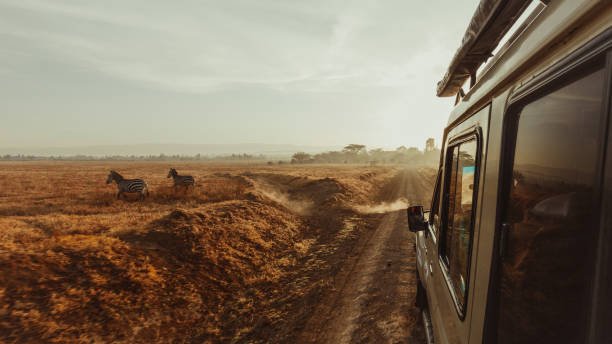
A Great Migration safari is the ultimate wildlife spectacle, a relentless movement of over 1.5 million wildebeest, zebras, and gazelles across the Serengeti ecosystem. Planning this kind of trip requires understanding not just where to go, but crucially, how many days you need to truly experience this natural wonder. The answer isn’t a simple one-size-fits-all; it depends heavily on the season, the specific phase of the migration you wish to witness, and your personal travel pace.
Understanding the Great Migration’s Rhythm for Your Safari Duration
The Great Migration is not a static event; it’s a year-round cycle dictated by rainfall, grazing patterns, and predator presence. To maximize your chances of seeing the herds in significant numbers and witnessing iconic moments like river crossings or calving seasons, you must align your safari duration with the migration’s predictable, yet dynamic, movements. This is where the question of ‘how many days’ becomes paramount.
Think of it this way: if you only have three days, you might catch a section of the migration, but you’re relying heavily on luck and precise timing. If you have ten days, you have the flexibility to cover more ground, wait for specific events, and explore the diverse landscapes the migration traverses. For a safari focused completely on this phenomenon, we’re not just looking for scattered animals; we’re aiming to understand and witness the sheer scale and drama of the movement.
The Annual Cycle: A Guide to Migration Hotspots and Timing
The migration’s path is a vast, roughly circular route through the Serengeti-Mara ecosystem. While the herds are always moving, certain times of year concentrate them in specific areas, making them easier to find and observe. Knowing these phases is key to deciding your safari length.
- December – March: Southern Serengeti & Ndutu Area (Calving Season)
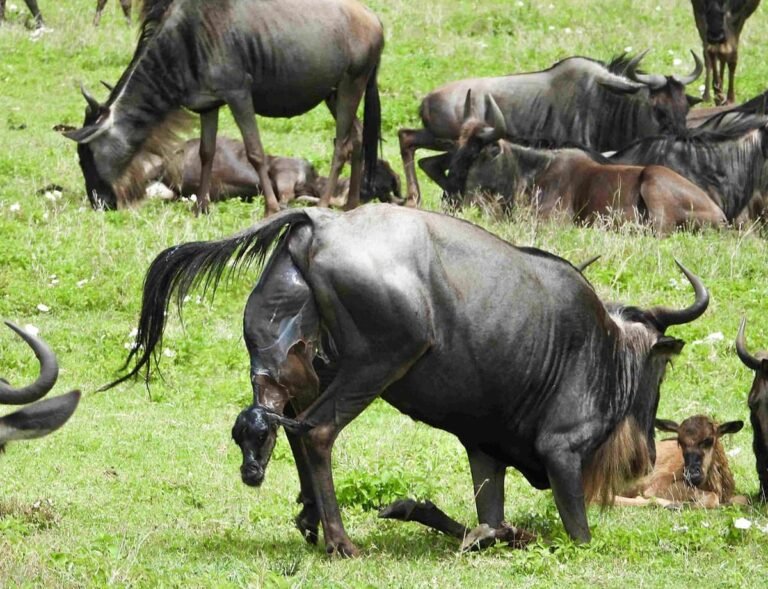
This is a period of abundance. The herds, having crossed the Grumeti River, gather in the short-grass plains of the southern Serengeti and the Ngorongoro Conservation Area (specifically the Ndutu region). This is calving season, a time of intense predator activity as lions, cheetahs, and hyenas feast on newborns. A safari here focuses on the sheer density of animals and the drama of life and death. To witness this, 4-5 days dedicated to the Ndutu/southern Serengeti can be very rewarding. You’ll see vast herds, newborns, and plenty of predator action. - April – May: The Western Corridor & Grumeti River (Pre-Rains)
As the dry season approaches and the southern plains become depleted, the herds begin their journey north-west. They move towards the Western Corridor, where the Grumeti River presents a significant obstacle. While not as famous as the Mara River crossings, these can still be spectacular. This period is often considered the ‘low season’ for tourism, meaning fewer crowds. To specifically target potential Grumeti River crossings, 5-6 days in the Western Serengeti would be appropriate. - June – July: The Western and Northern Serengeti (River Crossings Begin)
This is the prelude to the most iconic phase. The herds mass along the Grumeti and eventually reach the Mara River in the far north of the Serengeti. River crossings here are notoriously dramatic and dangerous, with massive numbers of wildebeest attempting to swim across the crocodile-infested waters. This is prime time for dedicated Great Migration safaris. To give yourself the best chance of witnessing these crossings, a minimum of 6-7 days is recommended, ideally split between the Western and Northern Serengeti. This allows for flexibility, as crossings can happen at any point along the river and are weather-dependent. - August – October: Northern Serengeti & Masai Mara (Peak River Crossings)
This is peak season for Mara River crossings. The majority of the migration is often found in the northern Serengeti and the adjacent Masai Mara National Reserve in Kenya. For a safari focused entirely on the Great Migration, particularly the river crossings, 7-8 days is highly advisable. This duration allows you to position yourself in the north, track the herds, and wait for the opportune moment for a crossing. You might even consider a multi-country itinerary that includes both the Serengeti and Masai Mara, which would naturally require more days. - November: Return South (Short Rains)
The herds begin their southward movement, often following the short rains back towards the southern plains. This can offer excellent viewing opportunities as they traverse the central and eastern Serengeti. A 5-6 day safari during this period can be very productive, catching the tail end of their northern journey and their initial move south.
Why More Days Enhance Your Great Migration Safari Experience
When your primary objective is to witness the Great Migration, you’re not just looking for a single sighting; you’re seeking to understand the scale, the drama, and the interconnectedness of this natural phenomenon. This requires time and patience.
Flexibility and Patience: The migration is dictated by nature, not a schedule. A river crossing might happen one morning and not again for a week, or it might happen daily for a few days. Having more days means you can afford to wait, to track the herds, and to be in the right place when the action unfolds. A shorter trip might mean you miss a crossing by a day or two.
Diverse Viewing Opportunities: The migration isn’t just about wildebeest. You’ll see vast herds of zebras, elegant Thomson’s gazelles, and imposing topi. You’ll also witness the predators that follow them – lions, cheetahs, leopards, hyenas, and crocodiles. Different locations within the migration’s path offer different viewing experiences. A longer safari allows you to experience the calving grounds, the riverine landscapes, and the open plains, each with its unique wildlife encounters.
Reduced Rushing: Rushing a safari, especially one as significant as the Great Migration, can be counterproductive. You want to savor the moments, the vastness of the plains, the sounds of the wild, and the sheer spectacle of millions of animals. A 5-day safari might feel like a whirlwind, while a 7-day safari allows for a more relaxed pace, including travel time between different park areas and opportunities for sundowners with incredible views.
Maximizing 2026-2027 Opportunities: Planning for 2026-2027 means you can be strategic. If you’re aiming for a specific event, like the Mara River crossings in August or September 2026, booking a longer safari (7-8 days) significantly increases your odds of success. Similarly, if you’re targeting the calving season in early 2027, dedicating 4-5 days to Ndutu is wise.
How Many Days for Different Migration Viewing Goals?
Let’s break down the ‘how many days’ question based on what you most want to see:
For Witnessing the Iconic Mara River Crossings (June – October):
If your heart is set on seeing wildebeest plunge into the Mara River, this is the period to aim for. The crossings are highly unpredictable and depend on rainfall and grazing. To maximize your chances:
- Minimum Recommended: 7 Days
- Ideal: 8-10 Days
This duration allows you to spend several days in the northern Serengeti, tracking the herds along the river. You can explore different crossing points, observe the build-up of animals, and wait patiently for the drama to unfold. It also accounts for potential travel days between lodges or camps in the expansive northern region. A 10-day safari might also incorporate a few days in the central Serengeti for a broader wildlife experience beyond just the migration spectacle.
For Experiencing the Calving Season and Predator Action (December – March):
The southern Serengeti and Ndutu area are the birthing grounds. This is a period of intense activity with newborn calves and a high concentration of predators. The herds are generally more settled here, making them easier to find in large numbers.
- Minimum Recommended: 4 Days
- Ideal: 5-6 Days
Four days will give you a good overview of the calving plains and the predator interactions. Five to six days allow for deeper exploration, tracking specific predator prides, and experiencing the sheer scale of the millions of wildebeest and zebras spread across the open savannas. You can spend more time observing calf behavior and the hunting strategies of lions and cheetahs.
For a Comprehensive Overview of the Migration’s Journey (Any Time of Year):
If you want to see the migration but aren’t fixated on one specific event, a longer, more comprehensive safari is ideal. This allows you to cover different regions and see the migration in various phases.
- Minimum Recommended: 7 Days
- Ideal: 10-14 Days
A 10-14 day safari can allow you to traverse the Serengeti from south to north (or vice versa), experiencing the different landscapes and wildlife concentrations. For example, you could spend 3-4 days in the Ndutu area, then travel to the central Serengeti for 3-4 days to see resident wildlife and potentially migrating herds, and finish with 3-4 days in the north or west, depending on the season, to catch river crossings or other migration movements. This type of trip provides a holistic understanding of the Serengeti ecosystem and the migration’s role within it.
Factors Influencing Your ‘How Many Days’ Decision
Beyond the specific migration event you wish to witness, several other factors play a role in determining the optimal duration for your Great Migration safari.
1. Travel Style and Pace
Are you someone who likes to pack as much as possible into each day, or do you prefer a more relaxed pace with time to simply observe and absorb? A faster pace might mean you can see more in fewer days, but it can also lead to fatigue. A more leisurely approach, which is often more rewarding for wildlife viewing, naturally requires more time.
2. Budget Considerations
Safari costs are largely calculated on a per-day basis, covering accommodation, park fees, vehicle hire, and guide services. While a longer safari offers a better chance of witnessing the migration’s highlights, it will also incur higher costs. You need to balance your desire for time with your budget for 2026-2027. However, it’s worth noting that sometimes, very short safaris (e.g., 3 days) can be less cost-effective per day due to fixed transfer costs and initial setup.
Cost-Per-Day vs. Total Cost: For a Great Migration safari, aiming for 7-8 days often strikes a good balance between maximizing your viewing opportunities and managing the overall expense. While 10 days might offer more flexibility, the marginal increase in sightings might not justify the significant jump in cost for some travelers. Conversely, trying to ‘do’ the migration in just 4 days can feel rushed and may leave you wanting more, potentially making it feel less value for money if you miss the key events.
3. Other Wildlife Interests
Is the Great Migration your *only* focus, or do you also want to experience other iconic Tanzanian wildlife destinations? If you want to combine your migration safari with a visit to the Ngorongoro Crater, Tarangire National Park, or Lake Manyara, you’ll need to factor in additional days for travel and exploration in these areas.
For instance, a classic northern circuit safari that includes the migration might look like this:
- Day 1: Arrival in Arusha, briefing.
- Day 2: Tarangire National Park (elephants, baobabs).
- Day 3: Lake Manyara National Park (tree-climbing lions, birdlife).
- Day 4: Ngorongoro Crater (Big Five, unique ecosystem).
- Day 5-8: Serengeti National Park (focusing on migration hotspots depending on season).
This itinerary already requires at least 8 days, with 4 dedicated to the Serengeti and the migration. If your sole focus is the migration, you can dedicate all these days to the Serengeti, perhaps exploring it more deeply or allowing for more leisurely game drives.
4. Travel Logistics and Seasonality
The time of year you travel impacts not only where the migration is but also the weather and road conditions. The dry seasons (June to October) generally offer easier travel and better game viewing visibility. The wet seasons can bring more challenging road conditions, potentially increasing travel times between locations. Having a few extra days can provide a buffer for any unforeseen delays, especially during the rainy periods.
2026-2027 Planning Note: When booking for 2026 or 2027, consider that popular migration viewing times (especially August-October for river crossings) are highly sought after. Booking well in advance is crucial, and having a clear idea of your desired duration will help in securing the best lodges and camps. A longer itinerary might mean booking even further ahead.
Sample Itinerary Structures Based on Duration
To illustrate how different durations cater to a Great Migration-focused safari, here are a few sample structures:
A 5-Day Focused Migration Safari (e.g., Calving Season)
- Day 1: Arrive Kilimanjaro International Airport (JRO), transfer to Arusha.
- Day 2: Fly from Arusha to Ndutu airstrip. Game drive en route to lodge/camp in Ndutu/Southern Serengeti. Afternoon game drive.
- Day 3: Full day game drives in Ndutu/Southern Serengeti, focusing on calving herds and predators.
- Day 4: Morning game drive. Fly from Ndutu back to Arusha.
- Day 5: Departure from Arusha.
Best for: Those with limited time prioritizing the calving season and predator action. This is a tight itinerary, relying on efficient flight logistics.
A 7-Day Ideal Migration Safari (e.g., River Crossings)
- Day 1: Arrive JRO, transfer to Arusha.
- Day 2: Fly from Arusha to a northern Serengeti airstrip (e.g., Kogatende). Game drive en route to lodge. Afternoon game drive.
- Day 3-4: Full days exploring the northern Serengeti, tracking herds along the Mara River for potential crossings.
- Day 5: Game drive as you move south towards the central Serengeti. Settle into a new lodge/camp.
- Day 6: Full day game drives in the central Serengeti, experiencing resident wildlife and potentially migrating herds.
- Day 7: Morning game drive. Fly from central Serengeti airstrip back to Arusha.
- Day 8: Departure from Arusha.
Best for: A balanced experience, offering a good chance for river crossings while also allowing exploration of the central Serengeti. This duration provides enough time to be patient for crossings without feeling too rushed.
A 10-Day Deep Dive Migration Safari
- Day 1: Arrive JRO, transfer to Arusha.
- Day 2: Fly from Arusha to Ndutu airstrip. Game drive en route to lodge. Afternoon game drive in Ndutu/Southern Serengeti.
- Day 3-4: Full days exploring the calving grounds and predator action in Ndutu/Southern Serengeti.
- Day 5: Game drive en route to a central Serengeti airstrip. Transfer to lodge. Afternoon game drive.
- Day 6-7: Full days exploring the central Serengeti’s diverse ecosystems and wildlife.
- Day 8: Game drive as you move north towards the Mara River region. Settle into lodge/camp.
- Day 9: Full days tracking herds and seeking Mara River crossings in the northern Serengeti.
- Day 10: Morning game drive. Fly from northern Serengeti airstrip back to Arusha.
- Day 11: Departure from Arusha.
Best for: Travelers who want to experience multiple facets of the migration and the Serengeti ecosystem. This allows for significant time in different regions, increasing the chances of witnessing diverse migration events and enjoying a more relaxed pace.
What Happens if I Choose Fewer Than 5 Days?
Opting for a safari of fewer than 5 days focused entirely on the Great Migration comes with significant risks. While it’s technically possible to see some migrating animals, you’re drastically reducing your chances of witnessing the truly spectacular events that define this phenomenon.
- High Risk of Missing Key Events: A 3-day safari might place you in the Serengeti during migration season, but the herds could be hundreds of miles away, or a river crossing might happen just before or after your visit. You might see large numbers of wildebeest, but not necessarily the dramatic crossings or intense calving activity.
- Intense Pace, Little Immersion: With so few days, your itinerary will be packed. This means early mornings, long drives, and constant movement, potentially leading to exhaustion rather than enjoyment. You’ll have less time to simply sit and watch the wildlife or appreciate the vastness of the landscape.
- Reliance on Pure Luck: While luck always plays a role in wildlife viewing, a short trip makes you entirely dependent on it. You’re essentially buying a lottery ticket for a specific wildlife event.
- Potentially Lower Value: Given the significant costs associated with park fees, flights, and accommodation per day, a very short, focused migration safari might not offer the best value if the key events are missed due to timing.
If your time is extremely limited, it might be wiser to focus on a more general wildlife safari in a park like the Ngorongoro Crater or Tarangire, where wildlife is resident and easier to see year-round, rather than dedicating a short, high-stakes trip solely to the migration.
What Happens if I Choose More Than 8 Days?
Choosing more than 8 days for a Great Migration safari is generally a fantastic decision, especially if your budget allows and your primary goal is to experience this phenomenon to its fullest. Here’s why:
- Maximizing Chances of Witnessing Key Events: With 9-14 days, you can comfortably position yourself in prime migration locations for extended periods. This significantly increases your probability of witnessing dramatic river crossings, large calving events, or intensive predator-chasing sequences. You can afford to wait out a few days of quiet for the perfect sighting.
- Deeper Exploration and Immersion: Longer safaris allow for a slower pace. You can explore different sectors of the Serengeti, spend more time with specific animal sightings, and truly absorb the environment. This often leads to a more profound and memorable experience.
- Flexibility for Weather and Animal Movements: Nature is unpredictable. A longer trip provides a buffer against weather disruptions or unexpected shifts in animal movements. If a river crossing is delayed by rain, you have more time to wait for conditions to improve.
- Combining Migration with Other Parks: A longer itinerary (10+ days) makes it feasible and enjoyable to combine a dedicated Great Migration safari in the Serengeti with visits to other iconic Tanzanian destinations like the Ngorongoro Crater, Tarangire, or even a brief stop in Lake Manyara, without feeling rushed. This offers a more complete picture of Tanzania’s incredible biodiversity.
- Reduced Travel Fatigue: Longer trips allow for more leisurely travel days between camps or lodges, minimizing the feeling of being constantly on the move.
For instance, a 12-day safari could allow for 4 days in Ndutu (calving), 4 days in Central Serengeti (resident wildlife and migrating herds), and 4 days in the Northern Serengeti (river crossings), providing an unparalleled overview of the migration’s impact across the ecosystem. When planning for 2026 or 2027, a longer duration can also help secure more exclusive or remote camp locations which might have limited availability.
Making Your Decision for 2026-2027
When deciding on the number of days for your Great Migration safari in 2026 or 2027, consider these final points:
- Your Primary Goal: Is it *only* the migration, or do you want a broader Tanzanian safari experience? If it’s solely the migration, allocate more days to the Serengeti.
- The Specific Migration Event: River crossings? Calving season? The time of year dictates where the herds will be and what you’re likely to see, influencing the ideal duration for that specific phase.
- Your Budget: Be realistic about what you can afford. A well-planned 7-day safari is far better than a rushed, incomplete 5-day trip that felt too expensive for what you experienced.
- Your Travel Style: Do you thrive on action-packed days, or do you prefer to relax and soak it all in?
Ultimately, for a safari focused completely on the Great Migration, 7 to 8 days is often the sweet spot for most travelers. This duration provides a strong chance of witnessing iconic events, allows for flexibility, and offers a more in-depth experience without being excessively long or costly.
Ready to Plan Your 2026-2027 Great Migration Safari?
Determining the right number of days is a crucial first step in planning your unforgettable Great Migration safari. At Climb 4 Africa, we specialize in crafting tailor-made itineraries that align with your specific interests, budget, and desired migration viewing experiences for 2026 and 2027. Whether you’re dreaming of dramatic river crossings, the bustling calving grounds, or a comprehensive journey across the Serengeti, our local expertise ensures you get the most out of your time and investment.
To start planning your personalized Great Migration safari, or if you have further questions about duration, timing, or specific locations for 2026-2027, please don’t hesitate to reach out. We can help you navigate the complexities of the migration cycle and design an itinerary that guarantees an awe-inspiring adventure.
Contact us today:
- WhatsApp: +255 747 477 898
- Email: climb4africa@gmail.com
- Website: Climb 4 Africa
Check Availability for Great Migration Safari: How Many Days Do You Need? Planning Your Trip
Ready to compare dates, prices, and the best option for your group? Send the package name and travel month so the team can reply with a clear quote, availability, and what is included.
Serengeti Great Migration Safari During AFCON 2027
Mwongozo wa kina kwa safari ya Serengeti Great Migration wakati wa AFCON 2027, ukilenga kuelewa maeneo, kipindi cha mwendo wa mnyama, na mapendekezo ya mipango ya kiutendaji.
View package detailsAFCON 2027 Safari to See the Wildebeest Migration
Mpangilio wa safari wa AFCON 2027 unakuja na mwendo wa Wildebeest Migration; onyesha mipango ya kipekee, maeneo ya kuchagua, na mikakati ya kuteka uhalisia wa wanyamapori bila kulazimisha...
View package details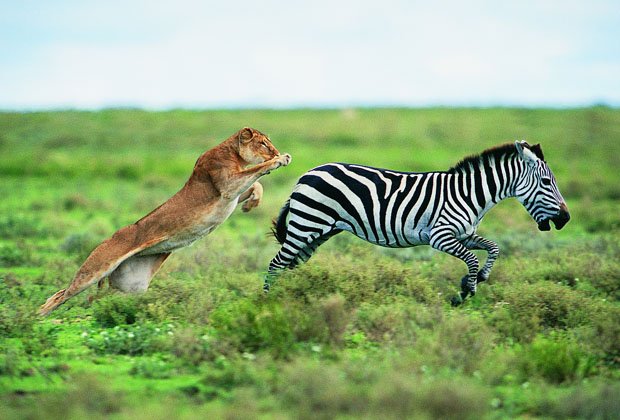
Dec 28, – 5 Day Ndutu Migration And Ngorongoro Group Safari 2026
Join a small group for a 5-day safari departing December 28, 2026, targeting the Ndutu region for the start of the calving season and the Ngorongoro Crater.
View package details
Dec 12, – 6 Day Serengeti, Ngorongoro, Tarangire And Manyara Group Safari 2026
Dec 12, 2026 – 6 Day Serengeti, Ngorongoro, Tarangire and Manyara Group Safari.
View package details
Dec 6, – 3 Day Tarangire, Lake Manyara And Ngorongoro Group Safari 2026
Dec 6, 2026 – 3 Day Tarangire, Lake Manyara and Ngorongoro Group Safari.
View package detailsNov 2, – 1 Day Lake Manyara Group Joining Safari: Plan & Logistics 2026
A practical guide to the November 2, 2026, group-joining safari to Lake Manyara. Learn about the logistics, the benefits of shared transport, and how to book your spot with Climb 4 Africa.
View package detailsOct 31, – 6 Day Serengeti, Ngorongoro, Tarangire And Manyara Group Safari 2026
A detailed look at the 6-day Northern Circuit group safari departing October 31, 2026, covering Tarangire, Manyara, Serengeti, and Ngorongoro Crater.
View package detailsOct 28, – 3 Day Tarangire, Lake Manyara And Ngorongoro Group Safari 2026
A detailed guide to our 3-day group joining safari departing October 28, 2026. Explore the logistics, wildlife highlights, and why this specific route is ideal for travelers looking to...
View package details
Lake Manyara To Serengeti Flight Price & Safari Connections 2026-2027
A practical guide to connecting Lake Manyara and the Serengeti by air, covering flight pricing factors, logistical trade-offs, and how to optimize your safari schedule.
View package detailsAfcon Private Serengeti Safari With Lodges
AFCON 2027 Private Serengeti Safari with Lodges.
View package details
Afcon Arusha Safari And Football Packages
AFCON 2027 Arusha Safari and Football Packages.
View package detailsAFCON 2027 Dar es Salaam Airport Transfer and Safari
Mwongozo wa kina kwa wageni wanaotaka usafiri wa kiwanja cha ndege hadi safari katika Dar es Salaam wakati AFCON 2027, pamoja na mapendekezo ya ratiba, mipango ya usafiri na marekebisho ya...
View package detailsNo related package matches those filters. Clear one or more filters to see the other topic-matched options.