For unparalleled predator action during Tanzania’s calving season, the Serengeti National Park, particularly the southern and central regions, is your definitive destination. This is where vast herds of wildebeest and zebras gather to give birth, attracting a high concentration of predators like lions, cheetahs, leopards, and hyenas, creating a prime window for dramatic wildlife encounters from approximately late January through March. Planning your safari for this specific period in 2026 or 2027 offers the best chance to witness these natural spectacles.
Serengeti National Park: The Epicenter of Calving Season Drama
When the phrase “predator action during calving season” is mentioned, the vast, iconic plains of the Serengeti immediately come to mind. This UNESCO World Heritage Site is synonymous with the Great Migration, and the calving season represents a critical phase of this extraordinary natural phenomenon. From late January through March, the southern Serengeti plains, specifically areas around Ndutu (which straddles the border with the Ngorongoro Conservation Area), transform into a nursery for hundreds of thousands of wildebeest and zebras.
The sheer density of prey in this region during calving season is astounding. Over 500,000 wildebeest and around 250,000 zebras give birth within a concentrated period of just a few weeks. This creates an abundant, readily available food source for the Serengeti’s formidable predator population. Lions, cheetahs, hyenas, and even leopards are drawn to these fertile grounds, leading to increased sightings and more frequent hunting opportunities. It’s a time of intense activity, a cycle of life and death playing out across the savanna that offers some of the most thrilling and rewarding wildlife viewing experiences on the planet.
The landscape itself plays a crucial role. The short-grass plains of the southern Serengeti are rich in nutrients, ideal for supporting the young calves and their mothers. This open terrain also offers excellent visibility, allowing visitors to spot predators from a distance as they stalk their prey. While the southern plains are the heart of the calving action, predators are not confined to this area. They roam widely, and sightings can occur throughout the central Serengeti (Seronera Valley) and even as the herds begin their northward movement. However, for the highest probability of witnessing intense predator-prey interactions directly linked to the calving event, the southern Serengeti and Ndutu are unparalleled in 2026 and 2027.
Choosing to visit the Serengeti during this period means you’re not just going on a safari; you’re immersing yourself in one of nature’s most dramatic spectacles. The energy on the plains is palpable, with the constant sounds of herds, the calls of predators, and the raw beauty of the African wilderness at its most dynamic. It’s an experience that resonates deeply, offering a profound connection to the natural world.
The Magic of Ndutu
The Ndutu area, technically part of the Ngorongoro Conservation Area but bordering the Serengeti, is often the focal point for calving season. Its unique ecosystem, characterized by short-grass plains dotted with acacia trees and kopjes (rocky outcrops), provides both grazing for the herds and hunting grounds for predators. During the peak calving months, the plains here teem with life. You’ll see vast numbers of wildebeest and zebras, with newborn calves often taking their first wobbly steps within hours of birth. This vulnerability makes them prime targets.
Lions are particularly prevalent in Ndutu, often found resting in the shade of acacia trees or gathered near herd concentrations. Cheetahs, the fastest land animals, are frequently seen scanning the plains from termite mounds or low-lying bushes, ready to launch into a impressive chase. Hyenas, both spotted and striped, are also highly active, often scavenging or working in packs to bring down prey. Even elusive leopards can be spotted, though they are more solitary and often found near riverine areas or rocky outcrops.
The sheer concentration of animals means that you are likely to witness predator activity multiple times a day. It’s not uncommon to see a lion pride on the move, a cheetah stalking a gazelle, or a hyena clan on a hunt. The drama unfolds constantly, offering photographers and wildlife enthusiasts alike an incredible opportunity to capture stunning images and observe natural behaviors up close. For anyone specifically seeking predator action during calving season, Ndutu in late January, February, and early March of 2026 or 2027 is the place to be.
Seronera Valley: Central Serengeti’s Enduring Appeal
While the southern Serengeti and Ndutu are the primary hubs for calving, the central Serengeti, particularly the Seronera Valley, remains a fantastic destination year-round and continues to offer excellent predator sightings during calving season. Seronera is known for its permanent resident wildlife populations, including lions, leopards, and cheetahs, which are attracted by the perennial water sources and diverse habitats. Even as the bulk of the migration herds are in the south, there are always resident herbivores, and sometimes stragglers from the migration, in this area.
The landscape in Seronera is more varied than the southern plains, featuring rolling hills, riverine forests, and rocky kopjes. This diverse terrain supports a wide array of predators. Leopards, in particular, are more frequently sighted here due to the abundance of trees where they can rest and hide their kills. Lion prides are also a common sight, often found near the rivers or on the open plains. Cheetahs utilize the open grasslands for their hunts.
Visiting Seronera during the calving season (late January to March) means you can combine the potential for seeing calving-related predator activity with the certainty of excellent resident wildlife viewing. It offers a different, perhaps more varied, safari experience compared to the vast open plains of the south. For travelers who might prefer a more established lodge infrastructure or wish to explore a broader range of habitats within the Serengeti, Seronera remains a strong contender even when the calving action is concentrated further south. It’s a reliable option for predator sightings throughout 2026 and 2027.
Timing is Everything: When to Go for Maximum Predator Action
The key to witnessing peak predator action during calving season lies in precise timing. While the wildebeest and zebra herds begin their migration south in the preceding months, the actual calving period is concentrated. Generally, this period runs from late January through March. However, understanding the nuances of this timing is crucial for maximizing your chances.
Late January: The Buildup
As the herds arrive in the southern Serengeti and Ndutu area from the Masai Mara and western Serengeti, the first births typically begin. Predator activity starts to increase as they assess the new, vulnerable prey population. This is a good time to visit if you want to be present as the action begins, often seeing fewer vehicles than in the peak weeks.
February: The Peak of the Calving Season
February is widely considered the prime month for calving. The majority of wildebeest and zebra births occur during this period, leading to the highest concentration of vulnerable newborns on the plains. Consequently, predator activity is at its most intense. Lions, cheetahs, hyenas, and other carnivores are highly active, and sightings of hunts, kills, and territorial disputes are most frequent. This is the absolute best time for seeing predator action during calving season, and many travelers aim for 2026 or 2027 February dates.
March: Winding Down and Moving On
While February is the peak, March still offers excellent opportunities. Many calves are still young and vulnerable, and predators remain active. However, as the month progresses, the herds begin to prepare for their journey northwards. The intensity of calving-specific predator action might slightly decrease towards the end of March, but the Serengeti always provides incredible wildlife viewing. The herds are also starting to spread out more, making them potentially harder to find in dense concentrations.
What About April and May?
These months mark the beginning of the ‘green season’ or the long rains. While the Serengeti is lush and beautiful, and predator sightings are still possible, the focus shifts away from the calving season’s concentrated drama. The rains can make some roads impassable, and the herds begin their migration towards the western and northern Serengeti in search of fresh grazing. If your primary goal is predator action directly linked to calving, it’s best to avoid April and May.
Key Takeaway for 2026-2027 Planning: For the highest probability of witnessing the most intense predator action during calving season, aim for a safari in the southern Serengeti and Ndutu area between mid-February and the first week of March. Booking well in advance for 2026 or 2027 is highly recommended due to the popularity of this period.
Key Predators to Spot During Calving Season
The influx of vulnerable newborns during calving season transforms the Serengeti into a predator’s paradise. Several key carnivores capitalize on this abundance, offering incredible viewing opportunities. Knowing what to look for and where can enhance your safari experience.
Lions
Lions are the undisputed kings of the Serengeti and are exceptionally active during calving season. You’ll often find large prides lounging under acacia trees, conserving energy between hunts. Their primary targets are wildebeest calves, but they will also take zebras and other young herbivores. Look for lions in prides, often resting in the shade or on kopjes. Their hunting strategies can involve patient stalking, coordinated group efforts, or ambushes. Witnessing a lion hunt is a powerful, albeit sometimes confronting, experience.
Cheetahs
Cheetahs, with their incredible speed, are perfectly adapted to hunting the fast-moving young antelopes on the open plains. They are often seen scanning the grasslands from a slight elevation, such as a termite mound or a low bush. Their hunts are explosive bursts of speed, typically lasting only a few seconds. While they are masters of the chase, their slender build makes them vulnerable, and they often lose their kills to stronger predators like lions and hyenas. Keep an eye out for cheetahs moving with purpose across the plains, especially in the early morning or late afternoon.
Hyenas
Spotted hyenas are highly intelligent and social predators, often working in large clans. They are opportunistic hunters and scavengers, playing a crucial role in the ecosystem. During calving season, they are formidable hunters, capable of bringing down wildebeest calves and even adult animals. Their stamina and pack coordination make them dangerous adversaries for prey. You’ll often see hyenas on the move, patrolling their territories, or gathered around a kill. Their vocalizations are also distinctive and add to the nocturnal soundscape of the savanna.
Leopards
Leopards are more elusive than lions or cheetahs, often preferring more dense cover and solitary hunting. While they are present in the Serengeti year-round, they can be harder to spot during the calving season, especially in the open southern plains. However, they do hunt calves and other young animals. Your best chances of seeing a leopard are typically in areas with more trees and rocky outcrops, such as the Seronera Valley or riverine habitats. They are masters of camouflage and ambush, often dragging their kills up into trees to protect them from scavengers.
Other Predators and Scavengers
While the ‘big cats’ and hyenas are the most sought-after, don’t overlook other predators and scavengers. Wild dogs, though rarer, are incredibly efficient hunters and a thrilling sight if encountered. Jackals and various bird species, such as vultures and marabou storks, are essential scavengers, quickly cleaning up carcasses and playing a vital role in the ecosystem’s hygiene. Observing these interactions adds another layer of depth to your safari experience during 2026-2027.
Beyond the Serengeti: Other Prime Tanzanian Wildlife Destinations
While the Serengeti is undeniably the star attraction for predator action during calving season, Tanzania offers other incredible wildlife destinations that can provide exceptional safari experiences, even if they don’t directly align with the specific calving event. These parks offer different ecosystems and wildlife viewing opportunities that might appeal to travelers seeking variety or a more diverse experience in 2026 or 2027.
Ngorongoro Conservation Area
The Ngorongoro Crater, a UNESCO World Heritage Site, is a unique caldera teeming with wildlife. Its relatively small size means that predators are highly concentrated, and sightings are almost guaranteed. While it doesn’t experience the massive migration herds in the same way as the Serengeti, it boasts a high density of lions, hyenas, and jackals. You might also spot leopards and cheetahs on the crater rim or in the surrounding highlands. Visiting the crater floor in February or March can offer excellent predator sightings, though the calving spectacle itself is centered in the adjacent Serengeti/Ndutu plains. It’s often combined with a Serengeti safari.
Tarangire National Park
Known for its massive elephant herds and baobab trees, Tarangire is a fantastic safari destination, particularly during the dry season (June to October). However, even during the calving season months of January to March, Tarangire offers good game viewing. The park supports a healthy population of lions, leopards, and cheetahs. While not directly linked to the wildebeest calving, the resident wildlife provides ample opportunities to see predators in action. The park’s diverse habitats, including swamps and woodlands, make for varied game drives.
Lake Manyara National Park
This compact park is famous for its tree-climbing lions, although sightings are never guaranteed. It’s also home to large troops of baboons, elephants, and diverse birdlife. While predator sightings might be less dramatic than in the Serengeti during calving season, Lake Manyara offers a different kind of safari experience, often combined with visits to Ngorongoro and Tarangire as part of the northern circuit. The groundwater forests and alkaline lake attract a variety of wildlife, and leopard and lion sightings are possible.
Selous Game Reserve (Nyerere National Park)
Located in southern Tanzania, Nyerere National Park (formerly Selous Game Reserve) is one of Africa’s largest wildlife reserves. It offers a different safari experience, with boat safaris on the Rufiji River being a highlight. Nyerere is known for its large populations of wild dogs, elephants, hippos, and crocodiles. While it doesn’t have the Great Migration, it boasts a significant predator population, including lions and leopards. Visiting in January-March means experiencing the park during its wet season, which can make some areas inaccessible but offers lush scenery and fewer crowds. It’s a good option for those seeking a wilder, less crowded experience away from the main migration routes.
Recommendation for Calving Season: If your absolute priority is witnessing predator action directly linked to the calving season, the Serengeti and Ndutu area is the undisputed choice for 2026-2027. However, if you’re looking for a broader Tanzanian safari experience that might include other predator sightings alongside the calving event, combining the Serengeti with the Ngorongoro Crater offers a fantastic mix of landscapes and wildlife densities.
Planning Your Calving Season Safari: Essential Considerations
Embarking on a safari to witness predator action during calving season requires careful planning to ensure you make the most of this incredible opportunity. Several factors need consideration to tailor the trip to your preferences and maximize your chances of success in 2026 or 2027.
Duration of Stay
To truly experience the calving season and its associated predator activity, a minimum of 5-7 days in the Serengeti and Ndutu area is recommended. This allows sufficient time to explore different sections of the southern plains, track predators, and witness potential hunts or interactions. Longer stays of 10-14 days, perhaps combining the southern Serengeti with the central Seronera Valley or even the Ngorongoro Crater, offer a more comprehensive Tanzanian safari experience.
Accommodation Options
The Serengeti and Ndutu area offer a range of accommodation, from luxury tented camps to more rustic lodges. During the calving season, the demand is high, so booking well in advance is crucial. Options include:
- Luxury Tented Camps: Offer en-suite bathrooms, comfortable beds, and often fine dining, providing a glamping experience under the stars. Many are strategically located to maximize wildlife viewing.
- Mid-Range Lodges/Camps: Provide comfortable, solid accommodation with essential amenities, offering a good balance of comfort and value.
- Mobile Camps: These camps are often moved seasonally to follow the migration herds. They can offer a more intimate and authentic bush experience, sometimes closer to the action.
Choosing accommodation that is well-situated within the Ndutu or southern Serengeti area is key for maximizing your time on game drives and minimizing travel to prime wildlife spots. Consider proximity to water sources or known predator territories.
Transportation and Game Drives
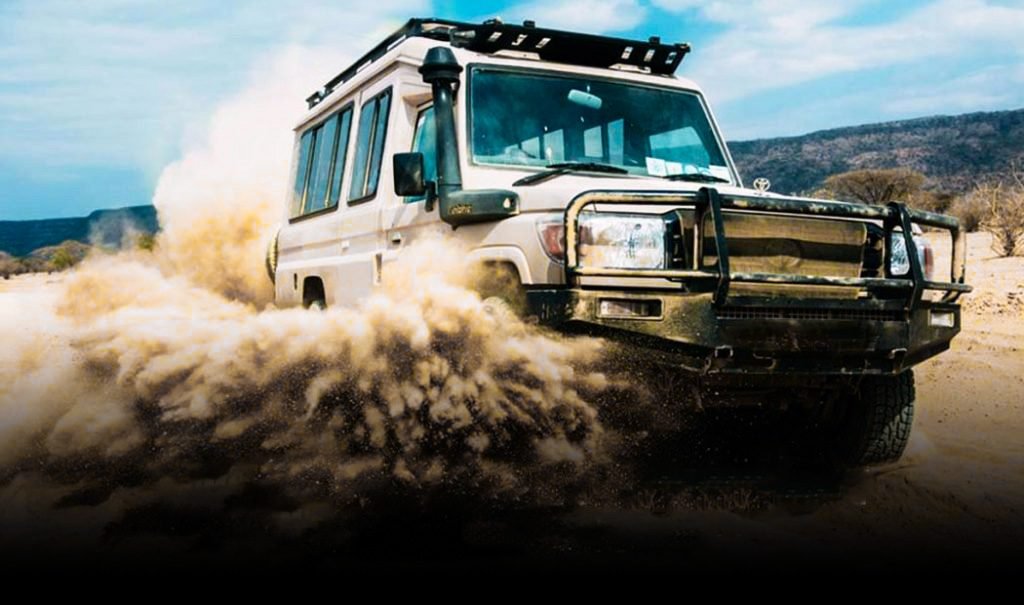
Most safaris in this region utilize 4×4 safari vehicles, typically Land Cruisers or Land Rovers, equipped with pop-up roofs for optimal game viewing and photography. These vehicles are essential for navigating the sometimes challenging terrain, especially during the rainy season.
Game drives are the primary way to explore the park. They are usually conducted in the early morning and late afternoon, when predators are most active. Your guide will be crucial in tracking animals and understanding their behavior. Opting for a private safari gives you flexibility in terms of timing and route, allowing you to spend more time observing a particular sighting. Shared safaris are a more budget-friendly option but involve fixed schedules and sharing the vehicle with other travelers.
What to Pack
Pack light, neutral-colored clothing (khaki, beige, green). Avoid bright colors and black/blue, which can attract insects. Key items include:
- Lightweight long-sleeved shirts and trousers (for sun and insect protection)
- Warm layers (fleece, jacket) for cool mornings and evenings
- Comfortable walking shoes
- Sun hat, sunglasses, and high SPF sunscreen
- Insect repellent
- Camera with extra batteries and memory cards
- Binoculars
- Personal medication
- A small backpack for day trips
Temperatures can vary significantly, so layering is essential. Evenings and early mornings can be surprisingly cool, especially in February.
Health and Safety
Malaria is present in Tanzania, so consult your doctor about antimalarial medication and other recommended vaccinations well in advance of your 2026-2027 trip. It’s also advisable to take precautions against insect bites. Always follow your guide’s instructions regarding safety on game drives and at the camp/lodge. Never leave the vehicle while in the park unless in a designated safe area.
Choosing Your Safari Style: Lodge, Camp, or Mobile Camping
The type of accommodation and safari style you choose significantly impacts your experience, especially when targeting specific wildlife events like predator action during calving season. Tanzania offers a spectrum of options, each with its own advantages and disadvantages for a 2026-2027 trip.
Lodge Safaris
Permanent lodges are built with solid structures and offer a high level of comfort and amenities. They often have swimming pools, restaurants, bars, and well-appointed rooms. While lodges provide excellent comfort and convenience, they are fixed in location. During calving season, choosing a lodge in or very near the southern Serengeti or Ndutu area is paramount to ensure you are close to the action. Some lodges might be located further afield, requiring longer drives to reach prime wildlife viewing spots.
Pros: High comfort, reliable amenities, often good service, secure.
Cons: Can feel less ‘bush-like’, potentially longer drives to wildlife hotspots if not strategically located, usually more expensive than camps.
Tented Camp Safaris
Tented camps range from basic canvas tents to luxurious ‘glamping’ setups with en-suite bathrooms, proper beds, and sometimes even private decks. These camps offer a more in-depth bush experience while still providing comfort. Many camps are strategically positioned to offer excellent wildlife viewing opportunities directly from the camp or are located in prime wildlife areas, minimizing travel time for game drives.
Luxury Tented Camps: These are ideal for those seeking comfort and an intimate connection with nature. Expect high-quality furnishings, gourmet meals, and attentive service. Many are situated in prime locations within the Serengeti and Ndutu, offering superb access to predator action during calving season.
Mid-Range Tented Camps: Offer comfortable canvas tents with beds and basic amenities, often sharing bathroom facilities or having simpler en-suite setups. They provide a good balance of immersion and comfort for travelers on a moderate budget.
Pros: More in-depth bush experience, closer to nature, often in prime wildlife locations, variety of comfort levels.
Cons: Can be less soundproof than lodges, amenities might be more basic in some camps.
Mobile Camping Safaris
Mobile camping is for the more adventurous traveler seeking the most authentic bush experience. These camps are set up and taken down as the migration herds move. They offer a true sense of wilderness, often with minimal facilities but maximum proximity to the wildlife. Mobile camps are frequently repositioned to be right in the heart of the action, making them potentially excellent for witnessing calving season drama, though they require a willingness to forgo some creature comforts.
Pros: Ultimate immersion in nature, often placed in prime, remote locations following the herds, can be very cost-effective for the experience offered.
Cons: Basic facilities, can be noisy with wildlife around, requires a more adventurous spirit, less privacy.
Choosing for Calving Season
For predator action during calving season in the Serengeti and Ndutu, tented camps, particularly those strategically located in the southern Serengeti or Ndutu area, often strike the best balance between immersion, comfort, and access. They put you right in the heart of the wilderness where the action happens. If budget is less of a concern and you prioritize comfort, a well-located luxury tented camp or lodge is ideal. If you are seeking the most authentic experience and are less concerned with amenities, a mobile camp could be perfect for 2026-2027.
What to Expect on a Safari
A safari focused on predator action during calving season is an exhilarating experience, but it’s important to have realistic expectations. It’s a wildlife-driven adventure, meaning sightings are never guaranteed, but the conditions during this time significantly increase your odds.
Daily Schedule
A typical safari day during calving season involves early starts. You’ll usually be woken before sunrise for a cup of coffee or tea, followed by an early morning game drive. This is often the best time to see predators hunting, as they take advantage of the cooler temperatures and low light. After several hours, you’ll return to your camp or lodge for breakfast or brunch, followed by a period of rest during the hottest part of the day. In the afternoon, you’ll head out for another game drive, which can last until sunset. Some camps offer optional night drives, which can be fantastic for spotting nocturnal animals and predators.
Predator Sightings and Behavior
The Serengeti during calving season is renowned for its high predator density. You can expect to see lions frequently, often in prides resting or on the move. Cheetahs are common on the open plains, and you might witness their incredible speed in action. Hyena clans are also very active. Leopards are more elusive but possible to spot, especially in denser vegetation or rocky areas. While witnessing a hunt is the ultimate thrill, it’s also common to see predators resting, interacting within their social groups, or moving across the landscape. Patience is key; sometimes you might wait for an hour or more for a predator to make a move.
The Great Migration Herds
You will undoubtedly be surrounded by the massive herds of wildebeest and zebras. The sight of hundreds of thousands of animals on the plains is awe-inspiring. You’ll see mothers with their newborn calves, often still wet and wobbly, taking their first steps. The sheer scale of the migration is a spectacle in itself, and it forms the backdrop to all predator activity.
Photography Opportunities
The Serengeti during calving season offers unparalleled photographic opportunities. The open plains provide clear shots of wildlife, and the dramatic predator-prey interactions create compelling narratives. The soft light of early morning and late afternoon is ideal for photography. Remember to bring extra batteries and memory cards, as you’ll likely be taking many photos. A telephoto lens is highly recommended for capturing close-ups of wildlife from a safe distance.
Crowds and Vehicle Density
February and early March are peak season for calving. This means you will likely encounter other safari vehicles, especially in popular areas like Ndutu. While it can be busy, operators like Climb 4 Africa work to ensure a quality experience. They often utilize smaller vehicles and knowledgeable guides who can find less crowded viewing spots. Private safaris offer more control over your experience and can help mitigate the impact of crowds. Remember that sharing the excitement of a rare sighting with other enthusiasts is also part of the safari experience.
Environmental Considerations
The Serengeti ecosystem is fragile. It’s important to be a responsible tourist. Stick to designated tracks, never feed animals, and avoid disturbing wildlife. Your guide will ensure you adhere to park rules. The calving season is a natural process, and observing it respectfully contributes to the conservation efforts in the park.
Booking Your 2026-2027 Calving Season Safari
Securing your safari for the prime predator action during calving season in 2026 or 2027 requires proactive planning. Due to the high demand for this specific period, particularly for February and early March dates, it’s advisable to book at least 9-12 months in advance.
Why Book with Climb 4 Africa?
As a local Tanzanian tour operator with deep expertise in the Serengeti and its wildlife cycles, Climb 4 Africa is ideally positioned to craft your perfect calving season safari. We understand the nuances of the migration, the best locations for predator sightings during this time, and the optimal accommodations to ensure an unforgettable experience. Our local support and practical knowledge mean we can:
- Recommend the best areas within the Serengeti and Ndutu for predator action based on the latest migration patterns and calving predictions for 2026-2027.
- Secure prime accommodation in sought-after tented camps or lodges, which book up quickly for this period.
- Design a tailor-made itinerary that balances game drives, relaxation, and your specific interests.
- Provide experienced, knowledgeable guides who are experts at tracking predators and interpreting wildlife behavior.
- Handle all logistics, from park fees and vehicle arrangements to transfers and internal flights, ensuring a smooth journey.
What to Consider When Booking:
- Travel Dates: Confirm your preferred dates, ideally aiming for mid-February to early March for peak calving and predator activity.
- Safari Style: Decide whether you prefer a private or shared safari, and what level of accommodation (luxury tented camp, lodge, etc.) suits your budget and comfort needs.
- Itinerary: Discuss with your operator if you wish to focus solely on the calving grounds or combine it with other areas like the Ngorongoro Crater.
- Budget: Calving season is a popular and thus more expensive time to visit. Be prepared for higher costs for accommodation and flights.
Next Steps:
To start planning your incredible predator action safari during calving season for 2026 or 2027, get in touch with our expert team. We can provide detailed itineraries, answer all your questions, and help you secure the best spots before they are gone. Don’t miss out on one of Africa’s most dramatic wildlife spectacles.
Contact us today to begin planning your dream safari:
- WhatsApp: +255 747 477 898
- Email: climb4africa@gmail.com
- Website: Climb 4 Africa
Let us help you create a truly unforgettable wildlife adventure.
Check Availability for Predator Action During Calving Season: Where To See It In Tanzania ()
Ready to compare dates, prices, and the best option for your group? Send the package name and travel month so the team can reply with a clear quote, availability, and what is included.
We Are Travelling In February For The Calving Season, Where Should We Stay?
We are travelling in February for the calving season, where should we stay? is explained with current 2026-2027 planning, price, itinerary and booking.
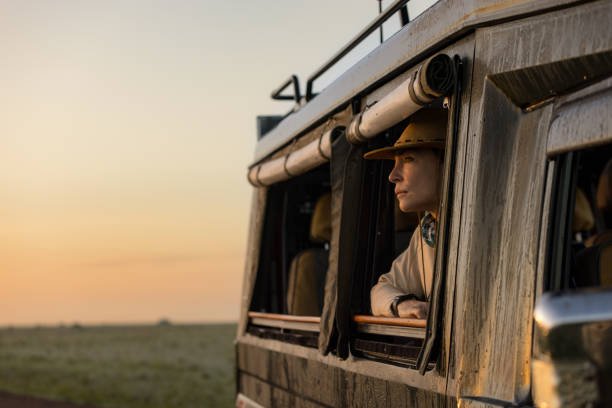
Where To Stay To See The Great Migration In July 2026-2027
July is a prime month for witnessing the Great Migration in Tanzania. This guide details where to stay to maximize your chances of seeing this incredible wildlife spectacle, focusing on the…
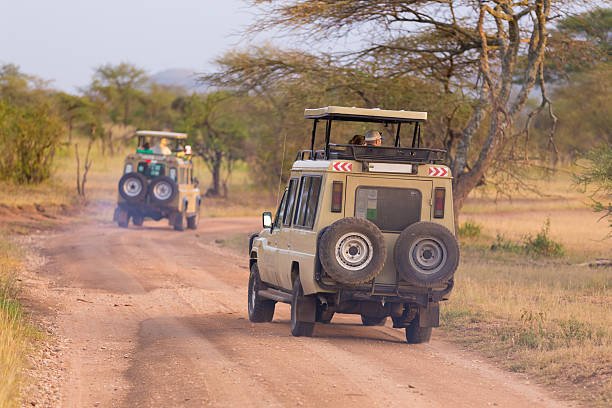
Where To Sleep To Avoid Driving In And Out Of Serengeti 2026-2027
Maximize your Serengeti safari experience by strategically choosing where to stay. This guide details the best lodging options to eliminate unnecessary driving, ensuring you spend more time…
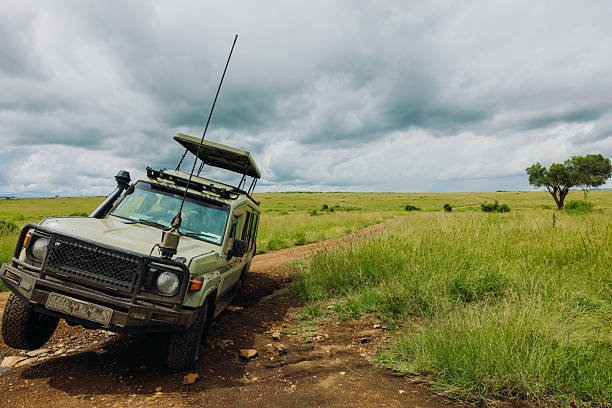
We Want The Best Chance Of Seeing Cheetahs In Serengeti, Where Should We Stay?
We want the best chance of seeing cheetahs in Serengeti, where should we stay? is explained with current 2026-2027 planning, price, itinerary and booking.

Where To See Lots Of Lions In Serengeti: Your Best Area Choice 2026-2027
Discover the prime locations within Serengeti National Park for maximizing your chances of witnessing numerous lions. This guide focuses on the areas renowned for their high lion…
Best Zanzibar Wildlife In Two Days: Where To Go For Maximum Sightings
Focus on Zanzibar's marine reserves and specific island sanctuaries for the best wildlife encounters in a limited two-day window. This guide details optimal locations and activities.
Zanzibar Safari: Game Drives & River Safaris – Where To Go From The Island
Discover the best mainland Tanzania destinations for a safari combining thrilling game drives and unique river safaris, easily accessible from Zanzibar. Plan your 2026-2027 adventure.
Two Days Wildlife Viewing In Zanzibar: Best Options For 2026-2027
Discover the best ways to experience wildlife on a two-day trip from Zanzibar. This guide covers Jozani Forest, marine life encounters, and practical planning tips for 2026-2027.

Safari Lodge With Swimming Pool For Kids In Tanzania: Where To Stay Family Fun
Planning a Tanzania safari with children and need a lodge with a swimming pool? Discover top family-friendly accommodations offering both wildlife thrills and poolside relaxation for the…
We Want A Quiet Honeymoon Safari Away From Large Groups, Where Should We Go?
We want a quiet honeymoon safari away from large groups, where should we go? is explained with current 2026-2027 planning, price, itinerary and booking.
Romantic Serengeti Safari For Two: Where To Stay An Unforgettable Experience
Find the perfect romantic Serengeti safari accommodation for two. This guide explores exclusive lodges and intimate camps, detailing what makes them ideal for couples seeking privacy…
No related package matches those filters. Clear one or more filters to see the other topic-matched options.