
Great Migration searches in 2026-2027 are most successful when timed to coincide with the wildebeest and zebra herds’ movements across the Serengeti and Masai Mara ecosystems. Key periods include the calving season in the southern Serengeti (late January to March), river crossings in the Grumeti River (May-June) and the Mara River (July to October), and the migration’s presence in the northern Serengeti and Masai Mara (August to October). Planning around these movements, understanding the specific locations within these vast parks, and choosing a safari style that maximizes viewing opportunities are crucial for a rewarding Great Migration search.
Understanding the Great Migration Cycle
The term “Great Migration” refers to the annual movement of over 1.5 million wildebeest, zebras, and gazelles across the vast plains of East Africa. This natural spectacle is not a single, continuous event but a year-round cycle dictated by rainfall, fresh grazing, and predator-prey dynamics. Understanding this cycle is fundamental to planning successful Great Migration searches. The herds are constantly on the move, following the rains that trigger the growth of new grass. Their journey covers an immense area, primarily between Tanzania’s Serengeti National Park and Kenya’s Masai Mara National Reserve. The exact path and timing can vary slightly each year due to rainfall patterns, making flexibility and expert local knowledge essential for those undertaking Great Migration searches.
This migration is a relentless pursuit of sustenance. The wildebeest, in particular, are driven by an instinctual need to find greener pastures. This involves traversing hundreds, sometimes thousands, of kilometers. The sheer scale of this movement is awe-inspiring, creating an unparalleled opportunity for wildlife viewing. Predators, such as lions, cheetahs, and hyenas, follow the herds, creating dramatic predator-prey interactions that are often the highlight of a safari. Understanding these ecological drivers helps demystify the patterns and increases the chances of encountering the migration during your Great Migration searches.
It’s important to note that the Great Migration is not solely about wildebeest. Zebras join them, benefiting from their grazing habits, as zebras are more adept at clearing the tougher, taller grasses, exposing the shorter, more nutritious shoots for the wildebeest. Thomson’s gazelles also participate in this vast movement, though their migration is generally less pronounced and more localized compared to the wildebeest and zebras. The combined presence of these species creates a dynamic and ever-changing landscape, a testament to the raw power of nature.
For travelers planning Great Migration searches, appreciating the cyclical nature is key. There isn’t one “best” time to see the migration, but rather different phases offering distinct viewing experiences. Whether you aim to witness the dramatic river crossings, the birth of thousands of calves, or the vast herds spread across the plains, each period presents unique opportunities and challenges for your Great Migration searches.
Timing Your Great Migration Searches for 2026-2027
Successful Great Migration searches hinge on timing. The herds are in constant motion, following the rains. While the general pattern is predictable, specific dates can shift. For 2026 and 2027, understanding these phases is paramount to maximizing your chances of an unforgettable encounter.
Calving Season (Late January to March)
This period typically finds the vast majority of the wildebeest herd concentrated in the southern Serengeti, particularly around the Moru Kopjes and the Ndutu area (which straddles the Serengeti and the Ngorongoro Conservation Area). The short rains have usually arrived, bringing fresh, nutrient-rich grass. This is when an estimated 300,000 to 400,000 calves are born over a period of about three weeks. The landscape becomes a nursery, with newborn wildebeest, sometimes only a few days old, struggling to keep up with the herd. This phase of the Great Migration searches offers incredible photographic opportunities, focusing on the vulnerability of the young and the maternal instincts of the females. Predators are drawn to this abundance, leading to frequent sightings of lions, cheetahs, and hyenas feasting on the weak or separated young. While dramatic, river crossings are not the focus during this time, the sheer density of animals and the abundance of births make it a compelling period for Great Migration searches.
It’s important to note that the Ndutu area, while technically within the Ngorongoro Conservation Area, is managed in a way that allows for off-road driving during the migration season, which can offer closer views. However, this also means it can be a popular spot. For those undertaking Great Migration searches during this time, planning accommodation in or near the southern Serengeti or Ndutu is essential. Lodges and tented camps in this region offer excellent access. The open plains are ideal for viewing large numbers of animals, and the drama of life and death is palpable.
River Crossings (May to June and July to October)
These are perhaps the most iconic and sought-after moments for Great Migration searches. As the dry season approaches, the herds begin to move north and west in search of water and fresh grazing. This leads them to the Grumeti River in the western Serengeti (typically May-June) and, more famously, the Mara River in the northern Serengeti and the Masai Mara (July-October). The Grumeti River crossings, while impressive, usually involve fewer animals and smaller bodies of water compared to the Mara River. The Mara River crossings are legendary for their scale and danger. Thousands of wildebeest and zebras plunge into the crocodile-infested waters, creating a chaotic, thrilling, and often brutal spectacle. Planning Great Migration searches around these crossings requires precise timing and flexibility, as the herds can arrive at the riverbanks days or even weeks earlier or later than anticipated.
The exact timing of the Mara River crossings can vary significantly year to year. While July to October is the general window, some crossings might occur earlier or later. The herds often graze on the southern banks of the Mara River for days before a mass crossing is triggered, often by a storm or a perceived threat. Observing these crossings requires patience and strategic positioning. Safari vehicles often congregate along the riverbanks, but experienced guides can find vantage points that offer excellent, less crowded views. For dedicated Great Migration searches focused on river crossings, consider basing yourself in the Kogatende or Lamai areas of the northern Serengeti. In Kenya, the Mara River dissects the Masai Mara, and lodges on either side offer opportunities to witness these events. The sheer volume of animals attempting to cross is a powerful testament to the driving forces of nature.
It’s also crucial to understand that not all river crossings are the same. Some can be relatively calm, while others are chaotic stampedes. Crocodiles and hippos are the primary predators in the rivers, but drowning and exhaustion also take their toll. For photographers and nature enthusiasts, these crossings represent a pinnacle of wildlife viewing and are a major draw for Great Migration searches.
Northern Serengeti and Masai Mara (August to October)
This period is often considered the peak season for Great Migration searches, especially for those hoping to witness river crossings in the Mara River. By August, the bulk of the herds have typically moved into the northern Serengeti and across the border into the Masai Mara. The northern Serengeti, with its rugged landscapes and the Mara River, becomes a focal point. Here, the migration can be seen spread across vast plains, often in dense columns, making their way towards the river. The Masai Mara, renowned for its golden grasslands and abundant wildlife, becomes home to a significant portion of the migration during these months. The concentration of animals, combined with the presence of resident predators, creates exceptional game viewing opportunities.
For Great Migration searches aiming for this period, booking well in advance is highly recommended, especially for 2026 and 2027, as this is a very popular time. Accommodation options range from luxury lodges to mobile tented camps that move with the migration. Mobile camps offer the unique advantage of being positioned closer to the herds’ current location, providing a more intimate experience. The northern Serengeti and the Masai Mara offer a quintessential safari experience, with the added drama of the migration. Expect to see large numbers of wildebeest and zebras, as well as the predators that follow them. The landscape itself is stunning, offering a dramatic backdrop to the wildlife spectacle. Planning Great Migration searches for this window means preparing for potentially higher visitor numbers and higher prices, but the rewards in terms of wildlife sightings are immense.
Return to the South (November to December)
As the short rains begin to fall in November and December, the herds start their journey back south. They move from the northern regions, heading towards the southern Serengeti and the Ngorongoro Conservation Area. This phase of the Great Migration searches offers a different perspective. The animals are often spread out, and the landscape, revitalized by the rains, becomes greener. While river crossings are unlikely during this period, the sheer volume of animals moving across the plains is still impressive. This time can be ideal for those looking to combine migration viewing with fewer crowds and potentially lower prices compared to the peak dry season months.
This period can be excellent for combining migration viewing with other wildlife attractions in the Serengeti. The southern plains are rich in predators, and the migratory herds add another layer of excitement. For those undertaking Great Migration searches in late 2026 or 2027, this southern return can offer a more relaxed safari experience. The herds are on the move, and while they might not be crossing major rivers, their presence across the vast plains is a spectacle in itself. The rains often bring a sense of renewal to the landscape, making for beautiful photographic opportunities.
Factors Affecting Migration Timing
While the annual cycle provides a framework for Great Migration searches, several factors can influence the exact timing and location of the herds each year. The most significant factor is rainfall. The wildebeest and zebras are perpetually following the freshest grazing, which is dictated by the arrival and distribution of rain. A particularly wet or dry season can alter their usual routes. For instance, if the rains are late in the north, the herds may linger longer in the central or southern Serengeti. Conversely, early rains in the south can draw them back sooner.
Predator activity can also play a role. While predators follow the herds, significant predator concentrations in certain areas might influence the herds’ movements, pushing them towards less dangerous zones. The condition of the grass itself matters; if the grass is too dry or sparse, the herds will move on more quickly in search of better pastures. River levels are also critical for crossings. High water levels can deter crossings, while lower levels might encourage them. These variables mean that while we can predict general patterns for Great Migration searches in 2026-2027, there’s always an element of unpredictability.
This is where the expertise of local guides and tour operators becomes invaluable. They monitor the herds daily, receiving updates from rangers and other guides across the parks. This real-time information is crucial for adjusting safari plans and ensuring that your Great Migration searches are directed to where the animals are currently located. Flexibility in your itinerary is key; being willing to move between different areas of the Serengeti or Masai Mara based on the latest sightings can significantly enhance your chances of witnessing the migration’s most dramatic moments.
Key Locations for Great Migration Searches
The Great Migration spans two iconic national parks: Tanzania’s Serengeti and Kenya’s Masai Mara. Understanding the specific areas within these parks is vital for planning your Great Migration searches.
Serengeti National Park, Tanzania
Serengeti National Park is a UNESCO World Heritage Site and a cornerstone of the Great Migration. Its sheer size means the migration is spread across different regions at different times of the year. The southern Serengeti and the Ndutu area are crucial during the calving season (late January to March), offering vast, open plains dotted with thousands of wildebeest and zebra. As the year progresses, the herds move west and north. The western corridor, particularly around the Grumeti River, is a hotspot for river crossings between May and June. By July, the migration is typically heading towards the northern Serengeti, with areas like Kogatende and Lamai becoming prime locations for witnessing the dramatic Mara River crossings through to October. The central Serengeti, known for its permanent resident wildlife and iconic kopjes, can also see parts of the migration passing through year-round, offering excellent game viewing even outside the peak migration months. Planning Great Migration searches here involves choosing a region that aligns with the time of year and the specific phase of the migration you wish to see.
For those planning Great Migration searches in 2026 or 2027, the Serengeti offers diverse safari experiences. From luxury lodges offering panoramic views to mobile tented camps that follow the herds, there are options for every preference and budget. The park’s vastness means that even during peak season, it’s possible to find quieter spots with excellent sightings, especially with the guidance of experienced local operators. The Serengeti is a true wilderness, and its role in the Great Migration is central to its allure. The sheer scale of life and death playing out on these plains is a profound experience.
Masai Mara National Reserve, Kenya
Bordering the Serengeti, the Masai Mara National Reserve is the northern extension of the migration’s range. From roughly July to October, the vast majority of the wildebeest and zebra herds cross the Mara River into the Masai Mara. This influx transforms the reserve, creating an extraordinary wildlife spectacle. The Mara River itself is a major focal point, with dramatic crossings occurring frequently during these months. The plains of the Masai Mara are teeming with wildlife, and the concentration of predators is immense, drawn by the abundant prey. Areas like the Musiara, Olkeju, and the Mara River banks are prime locations for Great Migration searches during this period.
For Great Migration searches in 2026-2027, the Masai Mara offers a classic East African safari experience. The reserve is renowned for its high density of wildlife, including the Big Five (lion, leopard, elephant, rhino, and buffalo). The migration’s arrival amplifies this, creating unparalleled photographic opportunities. The Masai Mara is generally more compact than the Serengeti, which can sometimes mean more concentrated safari vehicles around sightings. However, the sheer abundance of animals often makes up for this. The experience of watching thousands of wildebeest and zebras graze on the golden savannah, with the iconic acacia trees in the background, is unforgettable. Lodges and tented camps here range from ultra-luxury to more rustic options, catering to various tastes.
Ngorongoro Conservation Area
While the Great Migration primarily moves between the Serengeti and Masai Mara, the Ngorongoro Conservation Area (NCA) plays a crucial role, particularly the Ndutu region. From December to March, the short grass plains of Ndutu, located in the southeastern part of the Serengeti ecosystem and straddling the NCA, become the main calving grounds. This area is vital for the survival of the new generation of wildebeest and zebras. The abundance of fresh grass and water sources here supports the massive herds and their vulnerable young. For Great Migration searches focused on the calving season, Ndutu is a must-visit. The landscape here is characterized by vast, short-grass plains interspersed with acacia woodlands and kopjes, offering a beautiful backdrop for wildlife viewing. The density of animals during this period is astonishing, and predator activity is high, making it a thrilling time for safari.
While the Ngorongoro Crater itself is a unique ecosystem with its own resident wildlife population and is not on the direct migration path, the NCA as a whole is an integral part of the wildebeest’s annual journey. The conservation area provides essential grazing and breeding grounds, highlighting the interconnectedness of these protected areas. Planning Great Migration searches that include Ndutu during the calving season offers a distinct experience from the river crossings, focusing on the cycle of birth and the early stages of life within the migration.
Safari Styles for Witnessing the Migration
Choosing the right safari style can significantly enhance your Great Migration searches. Different approaches offer varying levels of immersion, perspective, and comfort.
Classic Game Drives
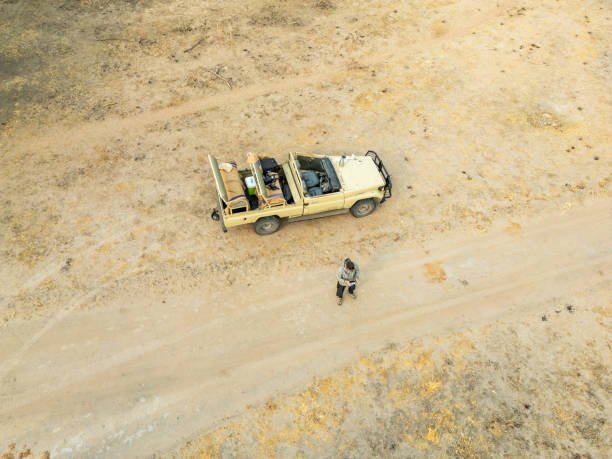
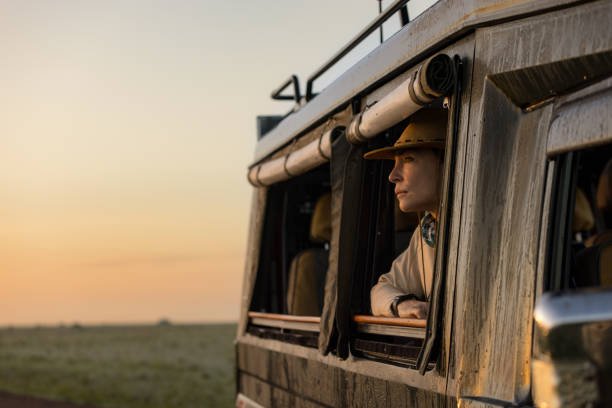
This is the most common and accessible way to experience the Great Migration. Game drives involve traveling in specially adapted safari vehicles, usually 4×4 Land Cruisers or Land Rovers, with open roofs or pop-up hatches for unobstructed viewing and photography. Your experienced guide will navigate the park’s tracks, using their knowledge of animal behavior and recent sightings to locate the herds. Game drives offer the flexibility to cover large distances and reach different parts of the park. They are ideal for families, first-time safari-goers, and those who want to maximize their chances of seeing the migration and other wildlife. For Great Migration searches, game drives are essential for following the herds and positioning yourself for river crossings or large gatherings on the plains.
When planning for 2026-2027, consider the type of vehicle and guide. A private safari vehicle offers more flexibility in terms of pace and route, allowing you to spend more time at sightings without waiting for other guests. Shared vehicles are more budget-friendly but operate on a fixed schedule. The skill of your guide is paramount; they are the key to successful Great Migration searches, interpreting animal behavior, and finding the best vantage points. Game drives are the backbone of any migration safari.
Walking Safaris
For a more intimate and sensory experience, walking safaris offer a unique perspective on the African bush. Led by armed rangers and experienced guides, these safaris allow you to explore the wilderness on foot, focusing on smaller details like animal tracks, insects, and plant life, as well as encountering wildlife at a slower pace. While not ideal for covering vast distances to chase the main herds, walking safaris can be offered in specific areas of the Serengeti or Masai Mara, often in conservancies adjacent to the main parks. They provide a deeper connection to the environment and a different appreciation for the ecosystem that supports the Great Migration. If you’re interested in the smaller, often overlooked, wonders of the ecosystem during your Great Migration searches, a walking safari can be a valuable addition.
These are typically offered as part of a stay at certain lodges or camps and are usually conducted in areas where large, dangerous game is less concentrated or under strict supervision. It’s an opportunity to feel the pulse of the wilderness in a way that a vehicle cannot replicate. For those seeking a more profound connection with nature during their Great Migration searches, consider incorporating a walking safari.
Hot-Air Balloon Safaris
Imagine drifting silently above the plains as the sun rises, with the Great Migration spread out below you. Hot-air balloon safaris offer a impressive, panoramic view of the migration and the vast landscapes it traverses. Typically offered at dawn, this experience provides unparalleled photographic opportunities and a unique perspective on the scale of the movement. After landing, a celebratory champagne breakfast is usually served in the bush. While expensive, this is a bucket-list item for many undertaking Great Migration searches. Balloon safaris are usually available in the central Serengeti and the Masai Mara.
For those planning Great Migration searches in 2026-2027, a balloon safari can be a spectacular addition to a game drive-focused itinerary. It offers a completely different viewpoint, allowing you to appreciate the sheer number of animals and the immensity of the ecosystem. It’s important to book this activity in advance, as slots are limited. While it doesn’t replace the thrill of a close-up encounter on a game drive, it provides a magical overview of the entire scene.
Photographic Safaris
For serious photographers aiming to capture the drama of the Great Migration, specialized photographic safaris are an excellent choice. These safaris often utilize customized vehicles with lower seating, beanbags for camera support, and often operate with fewer passengers per vehicle to ensure ample space for photography equipment. Guides on these safaris are typically highly skilled photographers themselves or have extensive experience working with photographic groups. They understand the best times of day, lighting conditions, and locations for capturing stunning images of the migration, predators, and the stunning landscapes. These safaris can be tailored to specific photographic interests, whether it’s action shots of river crossings, intimate portraits of wildlife, or wide-angle landscape photography.
If your Great Migration searches in 2026-2027 are driven by a desire to capture professional-quality images, investing in a dedicated photographic safari is highly recommended. These tours often have smaller group sizes and longer durations, allowing for more flexibility and time to wait for the perfect shot. The expertise of the guide in positioning the vehicle and understanding animal behavior is critical for success.
Mobile Camping Safaris
Mobile camping safaris are designed to follow the migration, offering an adventurous and in-depth experience. These safaris involve setting up comfortable tented camps in strategic locations that change as the herds move. This allows you to be closer to the action and experience the wilderness with minimal crowds. Unlike permanent lodges, mobile camps are temporary, ensuring that you are always in the best possible position for Great Migration searches. The accommodations are usually comfortable, with proper beds, en-suite bathrooms (sometimes), and communal dining areas. This style of safari is perfect for those who want to feel truly in the heart of the wilderness and experience the migration in a more raw, authentic way.
For those planning Great Migration searches in 2026 or 2027, mobile camping safaris offer a dynamic way to follow the herds. They provide a sense of adventure and a deeper connection to the environment. It’s a fantastic option for those who don’t mind a more rustic, yet still comfortable, experience. The flexibility of moving camp means you’re always positioned to maximize your viewing opportunities, making it a highly effective strategy for Great Migration searches.
Planning Your Great Migration Safari 2026-2027
Embarking on Great Migration searches requires careful planning. From selecting the ideal time to booking accommodations and packing appropriately, every detail contributes to a successful safari experience. For 2026 and 2027, early planning is crucial, especially for peak seasons.
Choosing the Right Time for You
As detailed earlier, the “best” time for Great Migration searches depends on what you want to see. If dramatic river crossings are your priority, aim for July to October, focusing on the northern Serengeti and Masai Mara. For the spectacle of birth and the density of herds in the southern plains, late January to March in the southern Serengeti/Ndutu is ideal. If you prefer fewer crowds and potentially better value, consider the shoulder seasons or the period when the herds are moving between the northern and southern areas (November-December). When planning for 2026-2027, consider your personal interests, tolerance for crowds, and budget. It’s also wise to consult with experienced tour operators who can provide up-to-date information on migration patterns.
Selecting Your Accommodation
Accommodation choices significantly impact your safari experience and proximity to the migration. Options range from luxury lodges and permanent tented camps to mobile camps that move with the herds. Luxury lodges offer comfort, amenities, and often prime locations, but they are fixed. Permanent tented camps provide a blend of comfort and wilderness immersion. Mobile camps are ideal for following the migration, offering a more adventurous and immediate connection to the wildlife, but they may offer fewer amenities. For Great Migration searches, consider basing yourself in different locations to follow the herds or choosing a mobile camp that is designed to move. When booking for 2026 or 2027, popular camps and lodges, especially those in prime migration viewing areas, will fill up quickly, so early booking is essential.
Booking Considerations and Logistics
Booking a Great Migration safari involves several key considerations. Firstly, choose a reputable tour operator with local expertise. They can advise on the best timing, locations, and lodges for your Great Migration searches, manage logistics such as park fees and internal flights, and ensure you have experienced guides. For 2026-2027, it’s advisable to book at least 9-12 months in advance, especially for peak season travel. Understand what is included in your safari package – typically accommodation, meals, park fees, game drives, and transfers. Exclusions often include international flights, visas, travel insurance, tips, and personal expenses. Discuss your expectations regarding the migration with your operator; while they can maximize your chances, sightings are never guaranteed due to the unpredictable nature of wildlife.
Internal flights within Tanzania or between Tanzania and Kenya are often necessary and can add to the cost and complexity. Your tour operator will handle these bookings. Ensure you have adequate travel insurance that covers medical emergencies and trip cancellations. For those planning Great Migration searches, flexibility in your itinerary is a major advantage, allowing you to adapt to the animals’ movements.
What to Pack
Packing for a Great Migration safari is about practicality and comfort. Neutral-colored clothing (khaki, olive green, beige) is recommended to avoid startling wildlife. Layers are essential, as temperatures can vary significantly from cool mornings and evenings to warm afternoons. Key items include:
- Lightweight, long-sleeved shirts and trousers for sun and insect protection.
- Warm fleece or jacket for cooler evenings.
- Comfortable walking shoes or hiking boots.
- Sandals or flip-flops for relaxing at camp.
- A wide-brimmed hat and sunglasses for sun protection.
- High-SPF sunscreen and insect repellent.
- Binoculars are essential for spotting distant wildlife during your Great Migration searches.
- A good quality camera with extra batteries and memory cards.
- A small backpack for day trips.
- Personal toiletries and any necessary medications.
- A headlamp or flashlight.
Remember that luggage space on light aircraft transfers can be restricted (usually to 15-20 kg), so pack light and efficiently. Your tour operator will provide a more detailed packing list tailored to your specific safari.
Beyond the Migration: Other Wildlife Encounters
While the Great Migration is the main draw for many undertaking Great Migration searches, the Serengeti and Masai Mara are teeming with wildlife year-round. These ecosystems are home to the Big Five: lions, leopards, elephants, rhinos, and buffalo. You can expect to see a vast array of other animals, including cheetahs, hyenas, wild dogs, giraffes, hippos, crocodiles, zebras, wildebeest (even outside the main migration herds), and countless species of birds. The central Serengeti, for instance, is known for its resident predators and offers excellent game viewing throughout the year.
Even if your Great Migration searches don’t align perfectly with the herds’ peak presence in a specific area, the sheer density and diversity of wildlife in these parks ensure an incredible safari experience. The predators are always present, hunting resident prey, and the landscapes themselves are impressive. For those planning Great Migration searches in 2026-2027, remember that a safari in these regions offers much more than just the migration; it’s an immersion into one of the planet’s most vibrant wildlife ecosystems.
Making Your Great Migration Search a Success
To ensure your Great Migration searches are as successful as possible, consider these final tips:
- Be Flexible: Wildlife movements are unpredictable. Be prepared to adjust your itinerary based on the latest sightings.
- Choose an Expert Operator: Local knowledge is invaluable. Operators like Climb 4 Africa have guides who are constantly tracking the herds.
- Patience is Key: Sometimes, waiting in the right spot is more effective than constantly moving.
- Understand the Cycle: Knowing where the herds are supposed to be at certain times helps manage expectations.
- Combine Locations: If time and budget allow, visiting different areas of the Serengeti or even both Tanzania and Kenya can offer a more comprehensive view of the migration.
- Manage Expectations: While every effort is made to find the migration, sightings are never guaranteed. Enjoy all the wildlife encounters.
For your Great Migration searches in 2026-2027, thorough research and working with experienced professionals will pave the way for an unforgettable adventure. The drama, scale, and raw power of the Great Migration are truly a sight to behold.
Contact Climb 4 Africa for Your Safari in 2026-2027
Planning your Great Migration searches for 2026 or 2027 requires expert local knowledge and meticulous attention to detail. At Climb 4 Africa, we specialize in crafting unforgettable safari experiences that maximize your chances of witnessing this natural wonder. Our experienced guides are on the ground daily, tracking the migration’s movements and ensuring your safari is positioned for the best possible sightings. Whether you’re dreaming of dramatic river crossings, the calving season’s abundance, or simply vast herds on the move, we can tailor an itinerary to your specific interests and budget.
We understand the nuances of timing, location, and accommodation that make a Great Migration safari truly exceptional. Let us help you navigate the complexities of booking, from securing prime safari dates in 2026-2027 to arranging smooth logistics. Don’t leave your Great Migration searches to chance; partner with a team that knows the parks inside out.
For personalized advice and to start planning your 2026-2027 Great Migration safari, reach out to us:
WhatsApp: +255 747 477 898
Email: climb4africa@gmail.com
We are ready to help you create the African safari of a lifetime, focusing on your Great Migration searches and beyond.”,
“faq_schema”: [
{
“question”: “When is the best time to see the Great Migration in 2026-2027?”,
“answer”: “The best time depends on what you want to witness. For river crossings, target July to October in the northern Serengeti and Masai Mara. For the calving season with newborns, aim for late January to March in the southern Serengeti/Ndutu. The herds are generally on the move throughout the year, so other periods offer different, but still spectacular, viewing opportunities.”
},
{
“question”: “Where should I go for Great Migration searches?”,
“answer”: “The primary locations are Tanzania’s Serengeti National Park and Kenya’s Masai Mara National Reserve. Within these, specific areas like the southern Serengeti (Ndutu) for calving, the western Serengeti (Grumeti River) for mid-year crossings, and the northern Serengeti and Masai Mara (Mara River) for the main river crossings are key.”
},
{
“question”: “What are the main safari styles for viewing the Great Migration?”,
“answer”: “Classic game drives in 4×4 vehicles are the most common. Other options include hot-air balloon safaris for a panoramic view, walking safaris for an intimate experience, mobile camping safaris to follow the herds closely, and specialized photographic safaris for keen photographers.”
},
{
“question”: “How far in advance should I book a Great Migration safari for 2026-2027?”,
“answer”: “It’s highly recommended to book at least 9-12 months in advance, especially for peak seasons (July-October) and popular lodges or mobile camps. For 2026-2027, booking even earlier might be advisable for prime dates.”
},
{
“question”: “Can I guarantee seeing the Great Migration?”,
“answer”: “While tour operators and guides work tirelessly to position you for sightings, wildlife movements are natural and unpredictable. Factors like rainfall can influence the exact timing and location. The goal is to maximize your chances through expert planning, but it’s important to enjoy all the incredible wildlife the parks have to offer.”
}
]
}
“`
Check Availability for Great Migration Searches 2026-2027
Ready to compare dates, prices, and the best option for your group? Send the package name and travel month so the team can reply with a clear quote, availability, and what is included.
When Is The Great Migration In Tanzania And Kenya? Your Guide 2026-2027
The Great Migration's timing is dynamic, following the rains. Generally, it's in Kenya's Masai Mara from July to October, and in Tanzania's Serengeti from December to March. Planning around...
View package detailsGreat Migration Safari: Best Time, Places & Tours 2026-2027
Great Migration Safari: Best Time, Places & Tours is explained with current 2026-2027 planning, price, itinerary and booking information.
View package details
Serengeti Great Migration Safari Packages: Your Guide To Witnessing The Wonder
start an unforgettable journey with our comprehensive guide to Serengeti Great Migration safari packages for 2026-2027. Understand the best times to go, optimal viewing locations, and how...
View package details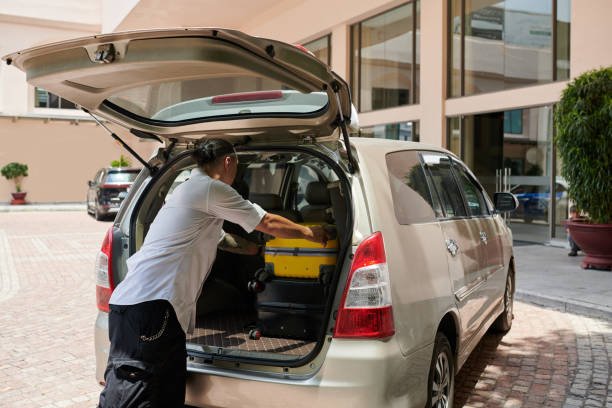
How Far In Advance Should You Book An African Safari? 2026-2027
How Far in Advance Should You Book an African Safari? is explained with current 2026-2027 planning, price, itinerary and booking information.
View package details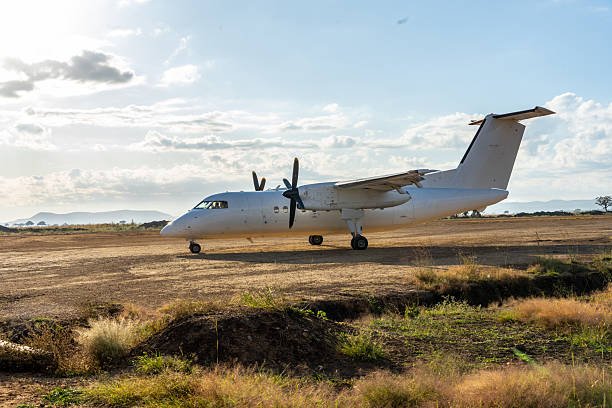
Kenya Safari Tours & Holiday Packages 2026-2027
Kenya Safari Tours & Holiday Packages is explained with current 2026-2027 planning, price, itinerary and booking information.
View package details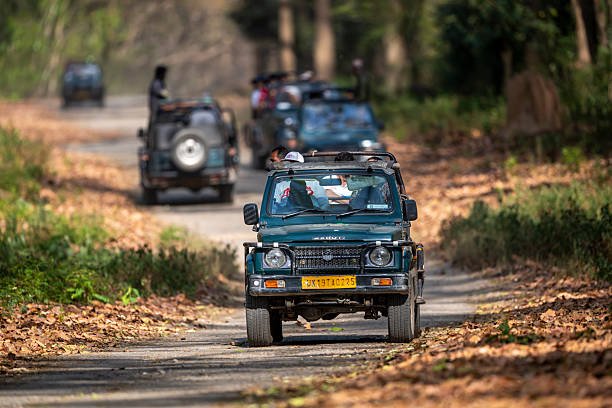
Solo African Safari Tours: Your Ultimate Guide For 2026-2027
start an incredible solo African safari adventure. This comprehensive guide covers everything you need to know for planning a safe, rewarding, and memorable trip in 2026-2027, from choosing...
View package details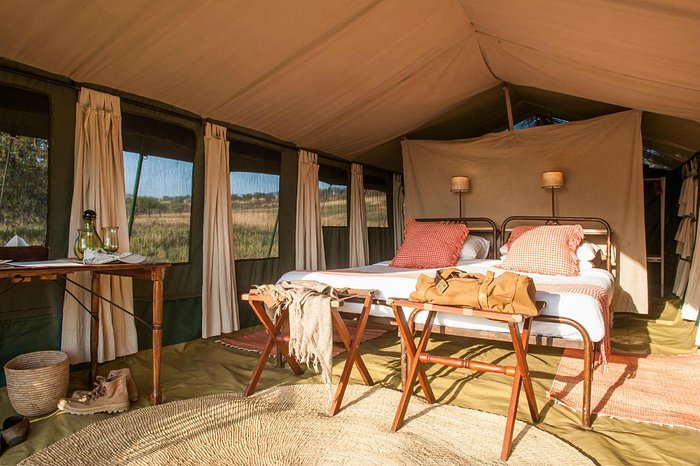
Safari From Zanzibar: Best Packages, Prices & Parks For 2026-2027
Combining a Zanzibar beach holiday with a Tanzania safari is a dream for many travelers. This guide details the best safari packages from Zanzibar, covering essential planning, park...
View package detailsIs It Better To Book A Safari Online Or Locally? 2026-2027
Is It Better to Book a Safari Online or Locally? is explained with current 2026-2027 planning, price, itinerary and booking information.
View package details
What Is Included In An African Safari Package? A Complete Guide For 2026-2027
Demystifying African safari packages. This guide details what you can expect to be included, from essential logistics like accommodation and transport to crucial elements like park fees and...
View package detailsAffordable African Safari Packages: Your Guide To Budget-Friendly Tanzania
Discover how to plan and book affordable African safari packages for 2026-2027. This guide provides practical advice on choosing budget-friendly Tanzania tours, understanding costs, and...
View package detailsBest Wildlife Safaris In Africa: Your Ultimate Guide For 2026-2027
start the ultimate African wildlife safari. This comprehensive guide covers the best destinations, essential planning tips, and what to expect for your 2026-2027 adventure.
View package details
Serengeti Safari Tours: Prices, Packages & Best Time To Visit In 2026-2027
Discover everything you need to know for planning your Serengeti safari tour, from understanding pricing and package variations to identifying the ideal travel times in 2026-2027. This...
View package detailsNo related package matches those filters. Clear one or more filters to see the other topic-matched options.



