
For Serengeti in July, where you should stay is primarily determined by the Great Migration’s location. In July, the herds are typically crossing the Grumeti River in the Western Corridor or are already grazing in the vast plains of the Northern Serengeti, heading towards the Mara River. Therefore, the best areas to stay are the Western Corridor for river crossings or the Northern Serengeti for abundant predator action and river crossings later in the month. Your choice will depend on whether you prioritize seeing the dramatic river crossings or enjoy the year-round resident wildlife and predator sightings abundant in the north.
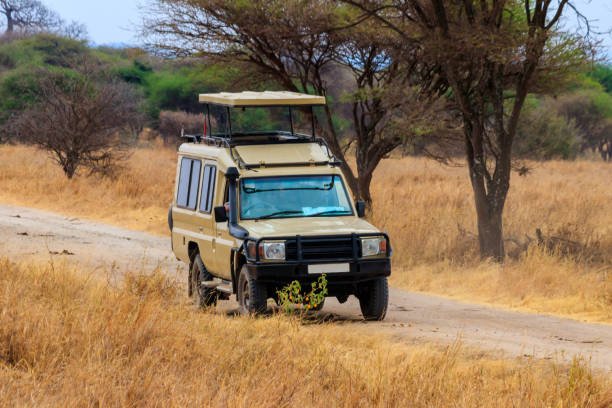

July marks a pivotal moment in the Serengeti’s annual calendar. The landscape, transitioning from the green flush of the rains, becomes a stage for one of nature’s most awe-inspiring spectacles: the Great Migration. For travelers aiming to witness this phenomenon in 2026 or 2027, understanding where to position yourself is key. This isn’t just about finding a bed for the night; it’s about strategic placement to maximize your wildlife encounters. The Serengeti is vast, and July’s weather patterns and animal movements dictate the optimal regions for your safari stay. We’ll break down the prime areas, the types of accommodation available, and what each offers to help you make an informed decision for your visit.
Understanding Serengeti’s Geography and July’s Wildlife Dynamics
The Serengeti ecosystem is immense, covering over 14,750 square kilometers. It’s not a single destination but a mosaic of diverse habitats, each attracting different wildlife at different times of the year. For a July visit, the defining factor for ‘where to stay’ is the Great Migration – the annual movement of over 1.5 million wildebeest, zebras, and gazelles. While the migration is a year-round cycle, its location in July is quite specific.
The Great Migration in July: A Tale of Two Corridors
By July, the migration has typically moved west and north from its calving grounds in the southern Serengeti. Two main areas become hotspots:
- The Western Corridor (Grumeti River): This is often the first major obstacle for the migrating herds after leaving the central Serengeti. The Grumeti River, with its resident population of large crocodiles, becomes a dramatic stage for wildebeest crossings. If witnessing these potentially dangerous crossings is your priority, targeting accommodation in or near the Western Corridor is essential. The landscape here is characterized by riverine forests and open grasslands, offering excellent game viewing even outside of migration events due to resident wildlife.
- The Northern Serengeti (Mara River): As the month progresses, the herds continue their relentless march north towards the Kenyan border, and many will attempt to cross the Mara River. The Mara River is wider and more formidable than the Grumeti, making its crossings even more perilous and spectacular. The Northern Serengeti offers a rugged, hilly terrain and permanent rivers, meaning wildlife is present year-round, but the influx of the migration in July and August significantly intensifies predator activity.
Why Location is Paramount for July Safaris
Choosing accommodation in the right zone in July isn’t just about convenience; it’s about proximity to the action. The Serengeti is enormous, and driving long distances between different sectors can consume valuable safari time. Staying within or very close to the areas where the migration is concentrating means:
- Maximizing Wildlife Viewing: You’re right where the wildebeest and predators are.
- Witnessing Migration Events: Being in the right place at the right time for potential river crossings or large herd concentrations.
- Reducing Travel Time: Spending more time on game drives and less time in transit within the park.
- Experiencing Different Landscapes: Each sector of the Serengeti offers unique scenery and wildlife viewing opportunities.
Accommodation Options in the Serengeti
The Serengeti offers a spectrum of accommodation, from rustic tented camps to luxurious lodges. Your choice will significantly influence your safari experience, from the level of comfort to the intimacy of your wildlife encounters. For a July visit, understanding the different types of camps and lodges and where they are typically located is crucial.
Tented Camps: The Classic Safari Experience
Tented camps are often the preferred choice for serious wildlife enthusiasts. They offer an authentic safari feel, bringing you closer to nature. These aren’t your typical camping tents; they are spacious, comfortable canvas structures, often with en-suite bathrooms and verandas.
- Mobile Tented Camps: These are seasonal and move with the migration. While less common for fixed July stays in specific corridors, some operators might offer mobile camp experiences that follow the herds. This provides the most intimate migration experience but requires flexibility.
- Semi-Permanent Tented Camps: These camps are set up in strategic locations for longer periods, often in areas with high resident wildlife or during peak migration seasons. Many camps in the Western and Northern Corridors fall into this category for July. They offer a good balance of comfort and immersion.
- Luxury Tented Camps: These offer the highest level of comfort and service, often with private plunge pools, gourmet dining, and exceptional guiding. They are usually located in prime wildlife areas, offering exclusivity.
Permanent Lodges: Comfort and Amenities
Lodges offer more permanent structures, often built with stone and thatch, providing robust shelter and a wider range of amenities. They can be a great option for those seeking more comfort, especially families or travelers who appreciate facilities like swimming pools and more extensive dining options.
- Central Serengeti Lodges: While the migration is moving north in July, the central Serengeti (Seronera) remains a fantastic area for year-round game viewing, particularly for big cats. Lodges here offer convenience and excellent resident wildlife.
- Northern Serengeti Lodges: Permanent lodges in the north provide a solid base for exploring the Mara River region, especially if you prefer a more established structure.
- Western Corridor Lodges: Fewer permanent lodges exist in the Western Corridor compared to other areas, but those that do offer excellent access to the Grumeti River crossings.
Choosing Between Tents and Lodges for July
For July, consider these trade-offs:
- Immersion: Tented camps generally offer a more in-depth experience, with the sounds of the bush right outside your canvas walls.
- Comfort & Amenities: Lodges often provide more robust amenities, such as air conditioning (though rarely needed in July’s drier climate), larger bathrooms, and more diverse dining.
- Location Flexibility: Mobile or semi-permanent camps might be positioned closer to the absolute heart of the migration action, whereas lodges are fixed.
- Price Point: Tented camps can range from mid-range to ultra-luxury, while lodges also span this spectrum. Generally, luxury tented camps can be more exclusive and therefore pricier.
For a July safari focused on the migration, many travelers opt for tented camps in the Western or Northern Serengeti to be as close as possible to the herds. However, if you’re traveling in 2026 or 2027 and prefer the solid comfort of a lodge, there are excellent options in the north.
Prime Locations for Serengeti Accommodation in July
Given the migration’s typical path, the Western and Northern sectors of the Serengeti are the primary focus for July accommodation. However, the central area remains a strong contender for its resident wildlife.
1. The Western Corridor: Grumeti River Crossings
If witnessing the dramatic Grumeti River crossings is high on your priority list for your 2026 or 2027 safari, the Western Corridor is your destination. This area is characterized by the Grumeti River, which flows through a landscape of woodlands and savanna. The river is a significant barrier for the migrating herds, and its banks are home to large crocodiles, making for incredible predator-prey interactions.
- What to Expect: High chances of seeing wildebeest attempt to cross the Grumeti. Excellent predator sightings (lions, leopards, cheetahs) are also common, as they often follow the herds. Resident wildlife is abundant year-round.
- Best For: Travelers prioritizing dramatic river crossings and seeking a less crowded experience than the central or northern Serengeti can sometimes offer.
- Accommodation Types: Primarily semi-permanent and luxury tented camps. Options are fewer than in other regions, contributing to a more exclusive feel.
- Considerations: The Grumeti crossings are not guaranteed daily events and depend heavily on rainfall patterns and herd movements. The area can be hotter and more humid than the northern plains due to the riverine environment.
Key Decision Point: Grumeti River Crossings
Prioritize the Western Corridor if: You are visiting in early to mid-July and specifically want to witness the Grumeti River crossings. This region offers a unique, intense migration experience. Be aware that the Grumeti is not as wide or as consistently crossed as the Mara River, so sightings are spectacular but can be more unpredictable.
2. The Northern Serengeti: Mara River and Abundant Wildlife
As July progresses, the bulk of the migration typically moves further north, with many herds congregating in the Northern Serengeti, en route to or attempting to cross the Mara River. This region is known for its hilly landscapes, permanent rivers, and acacia woodlands. It’s a prime area for predator sightings year-round, and the arrival of the migration in July and August creates exceptional viewing opportunities.
- What to Expect: High density of resident predators (lions, leopards, cheetahs). Significant numbers of wildebeest and zebras grazing and moving towards the Mara River. Potential for Mara River crossings, which are often more dramatic and frequent later in July and into August.
- Best For: Travelers wanting to combine excellent predator sightings with the possibility of witnessing Mara River crossings. Those seeking a rugged, classic Serengeti landscape.
- Accommodation Types: A mix of luxury tented camps and lodges, some offering prime locations along the Mara River or in strategic wildlife hotspots.
- Considerations: The Mara River is wider and more challenging to cross than the Grumeti. Crossings can be highly unpredictable and depend on weather and herd pressure. This region is popular, so booking well in advance for 2026 or 2027 is advisable, especially for prime riverfront locations.
Key Decision Point: Northern Serengeti for Migration and Predators
Choose the Northern Serengeti if: You are visiting in mid to late July and want to experience both abundant resident wildlife and the potential for Mara River crossings. This area offers a classic Serengeti feel with dramatic predator-prey interactions amplified by the migrating herds.
3. Central Serengeti (Seronera): Year-Round Game Viewing
While the migration is typically moving north in July, the Central Serengeti, particularly the Seronera Valley, is renowned for its incredible year-round resident wildlife. This is often considered the big cat capital of the Serengeti, with high concentrations of lions, leopards, and cheetahs due to the permanent water sources and prey availability.
- What to Expect: Excellent chances of seeing lions, leopards, and cheetahs. Abundant resident wildlife including elephants, giraffes, buffaloes, and various antelope species. You might see smaller herds of migrating wildebeest passing through, but it won’t be the main event.
- Best For: Travelers who are less focused on witnessing large-scale migration river crossings and more interested in consistent, high-quality game viewing, especially of big cats. It’s also a good option for those who prefer more established infrastructure and a wider range of accommodation choices.
- Accommodation Types: A wide variety of lodges and tented camps, from mid-range to ultra-luxury. Seronera has the most developed tourism infrastructure in the Serengeti.
- Considerations: You will likely not see the main herds of the Great Migration here in July. Game drives can sometimes feel busier due to the popularity and accessibility of the area.
Key Decision Point: Central Serengeti for Big Cats
Consider the Central Serengeti if: Your primary goal is to see big cats and abundant resident wildlife, and you are less concerned about witnessing the main migration river crossings. This is a reliable choice for excellent game viewing at any time of year.
Factors to Consider When Choosing Your Serengeti Accommodation for July
Beyond the general location, several other factors will influence your choice of where to stay in the Serengeti in July. These are critical for tailoring the safari experience to your preferences and budget for 2026 or 2027.
1. Budget and Price Ranges
Serengeti accommodation spans a wide price spectrum. Generally, July is considered a peak or high season due to the migration, so expect prices to reflect this. Luxury tented camps and lodges in prime migration areas will command the highest rates.
- Budget-Friendly: While true budget options are scarce in the prime migration areas of Serengeti, some more basic tented camps or lodges further from the migration’s epicentre might offer slightly lower rates. However, for July, ‘budget’ in the Serengeti is relative and usually means mid-range elsewhere.
- Mid-Range: Comfortable tented camps and lodges offering good service, guiding, and locations. These are often the sweet spot for value, providing excellent experiences without the ultra-luxury price tag.
- Luxury/High-End: Exclusive tented camps and lodges with exceptional service, gourmet dining, prime locations, and often private concessions or unique experiences. These are ideal for those seeking the ultimate comfort and immersion.
Important Note on Pricing for 2026-2027: Prices for safaris and accommodation in Tanzania, including the Serengeti, are subject to change annually. While July is consistently a high-demand month, specific rates for 2026 and 2027 will be best confirmed with a tour operator. Expect prices to be in the range of $300 – $1500+ per person per night for accommodation alone, depending on the lodge/camp and inclusions. This typically covers meals, drinks (sometimes limited), and basic activities.
2. Type of Safari Experience Desired
What kind of safari are you dreaming of? This will heavily influence your accommodation choice.
- Classic Safari: Tented camps that evoke the golden age of safari, with canvas walls, comfortable furnishings, and delicious meals served under the stars.
- Luxury Retreat: Lodges or high-end tented camps offering spa services, private plunge pools, and fine dining.
- Family Adventure: Lodges with family suites, swimming pools, and activities suitable for children.
- Photography Focus: Camps or lodges located in areas known for exceptional photographic opportunities, perhaps with dedicated photography vehicles or guides.
- Exclusive and Remote: Camps situated in private conservancies or remote corners of the park, offering a more secluded experience.
3. Proximity to Wildlife and Specific Sights
As discussed, for July, proximity to the Grumeti or Mara Rivers is paramount if you wish to see crossings. However, even within these regions, some camps are better positioned than others.
- Riverfront Locations: Camps situated directly on the banks of the Grumeti or Mara Rivers offer the best chance of witnessing crossings with minimal travel time from your accommodation.
- Near Predator Hotspots: In the Central Serengeti, lodges near the Seronera River are excellent for big cat sightings.
- Access to Different Habitats: Some camps are strategically located to offer access to a variety of landscapes, from open plains to woodlands, increasing the diversity of wildlife you might encounter.
4. Level of Exclusivity and Crowding
The Serengeti can get busy, especially during peak migration season. If you prefer a more exclusive experience, consider these options:
- Private Conservancies: While most of Serengeti National Park is a public area, adjacent private conservancies offer exclusive-use areas. Lodges and camps in these conservancies often have fewer vehicles, allowing for more intimate wildlife viewing. However, these are typically outside the main park boundaries and may have different fee structures.
- Remote Camps: Camps located in the far north or west of the park, away from the main access points, will naturally feel more secluded.
- Smaller Camps: Camps with fewer tents or rooms generally offer a more personalized and less crowded atmosphere.
5. Facilities and Services
Consider what amenities are important to you:
- En-suite Bathrooms: Standard in most mid-range to luxury accommodations, but confirm if this is important.
- Hot Water: Usually available, but confirm how it’s supplied (e.g., solar, generator).
- Dining Experience: From bush breakfasts to fine dining, the culinary aspect can greatly enhance your safari.
- Wi-Fi/Connectivity: Often limited or non-existent in remote camps, which can be a positive for digital detox.
- Swimming Pools: A welcome respite from the heat, especially in lodges.
- Guided Walks: Some camps offer guided walking safaris, a different perspective on the bush.
Top Areas and Corresponding Accommodation Types for July
Let’s combine the prime locations with the types of accommodation that best suit them for a July Serengeti safari in 2026 or 2027.
| Region | July Migration Focus | Typical Accommodation | Pros | Cons |
| Western Corridor | Grumeti River crossings (early-mid July) | Semi-permanent Tented Camps, Luxury Tented Camps | Spectacular river crossings, fewer crowds than north/central, excellent resident game. | Fewer accommodation options, can be hotter/more humid, crossings not guaranteed daily. |
| Northern Serengeti | Mara River crossings, large herds grazing (mid-late July onwards) | Luxury Tented Camps, Lodges | High predator activity, dramatic river crossings possible, classic Serengeti landscape, abundant resident wildlife. | Can be popular, Mara River crossings are unpredictable, longer drives from airstrips. |
| Central Serengeti (Seronera) | Resident wildlife, especially big cats; some migratory herds pass through. | Lodges, Tented Camps (various levels) | Exceptional big cat sightings year-round, most developed infrastructure, widest range of accommodation. | Main migration herds absent, can be busier, less focus on dramatic crossings. |
Example Scenarios for Your July Stay
To illustrate, consider these traveler profiles:
- The Migration Enthusiast: If seeing a wildebeest river crossing is your absolute must-do, you’d look for accommodation in the Western Corridor in early July or the Northern Serengeti from mid-July onwards. Camps right on the riverbanks are ideal.
- The Big Cat Aficionado: If your primary interest is lions, leopards, and cheetahs, the Central Serengeti offers the most reliable sightings year-round, even when the migration is elsewhere.
- The All-Rounder: For a balance of migration action and resident wildlife, the Northern Serengeti is often the best bet in July, offering opportunities for both river crossings and excellent predator viewing.
- The Comfort Seeker: If you prefer more amenities, a lodge in the Central Serengeti or a well-appointed lodge in the Northern Serengeti might be preferable.
Planning Your Serengeti Safari in July 2026-2027
Booking a safari to the Serengeti involves more than just picking a lodge. Strategic planning ensures you make the most of your trip, especially during a popular month like July.
Booking Window: When to Book
July is peak season. For the best accommodation choices, particularly in sought-after locations like the Northern or Western Corridors, you should aim to book at least 9-12 months in advance for 2026 and 2027. For popular luxury camps or specific departure dates, even earlier booking might be necessary.
Transportation within Serengeti
Getting to and around the Serengeti is typically done via light aircraft. Most international travelers fly into Kilimanjaro International Airport (JRO) or Nairobi (NBO), then take a connecting flight to one of the Serengeti’s airstrips. Your chosen accommodation will arrange transfers from the nearest airstrip. Within the park, game drives are conducted in custom-built 4×4 safari vehicles, usually operated by your lodge or tour operator.
Safari Packages and Inclusions
Most Serengeti accommodations are offered as all-inclusive or full-board packages. Typical inclusions:
- Accommodation
- All meals (breakfast, lunch, dinner)
- Standard drinks (water, soft drinks, sometimes local beers/wines)
- Scheduled game drives in shared or private vehicles
- Park fees (though sometimes these are billed separately)
- Laundry (often limited)
Exclusions often include: Premium drinks, gratuities, park entry fees (if not specified), optional activities (like hot air balloon safaris), and personal expenses.
Working with a Local Tour Operator
Navigating the options for Serengeti accommodation in July can be complex. Partnering with an experienced local tour operator like Climb 4 Africa is highly recommended. They offer:
- Expert Knowledge: Up-to-date information on migration patterns and the best camps for your specific travel dates in 2026 or 2027.
- Access to Availability: They have direct relationships with lodges and camps and can often secure bookings that might appear full online.
- Tailored Itineraries: They can craft a safari itinerary that perfectly matches your interests, budget, and desired pace, seamlessly combining accommodation choices with transportation and activities.
- Logistical Support: Handling all the booking details, transfers, and ensuring a smooth safari experience.
Why Partner with Climb 4 Africa for Your July Serengeti Safari?
As a Tanzanian-based operator, Climb 4 Africa possesses intimate knowledge of the Serengeti ecosystem and its seasonal dynamics. We understand the nuances of July’s wildlife movements and can guide you to the most rewarding locations. Whether you dream of witnessing a dramatic river crossing in the west or north, or prefer consistent big cat sightings in the central plains, we can recommend and book the perfect tented camp or lodge for your 2026 or 2027 adventure. We ensure your safari is not just a trip, but a well-planned, in-depth experience tailored to your desires.
Making Your Final Decision
Choosing where to stay in the Serengeti in July hinges on a few core questions:
- What is your primary wildlife goal? River crossings, big cats, or general abundance?
- What level of comfort and amenities do you require? Rustic tents, luxury suites, or a lodge?
- What is your budget for 2026 or 2027? This will guide your accommodation tier.
- How important is exclusivity? Do you want to be away from the main tourist hubs?
For July, the Northern Serengeti often presents the best all-around option, balancing the migration’s presence with excellent resident wildlife and predator action. However, if dramatic river crossings are your sole focus, the Western Corridor early in the month is unparalleled. If reliable big cat sightings are paramount and you’re less concerned about the main migration herds, the Central Serengeti remains a superb choice.
Ultimately, the ‘best’ place to stay is subjective and depends entirely on your personal safari vision. By understanding the Serengeti’s geography, the migration’s movements in July, and the diverse accommodation options available, you can make an informed decision that will lead to an unforgettable wildlife experience.
Ready to plan your perfect July Serengeti safari for 2026 or 2027? Contact Climb 4 Africa today. We’ll help you navigate the choices and secure the ideal accommodation for your dream adventure. Reach us via WhatsApp at +255 747 477 898 or email us at climb4africa@gmail.com. Let’s make your Serengeti safari exceptional.
Check Availability for Where To Stay In Serengeti In July: Best Camps & Lodges For Wildlife Viewing
Ready to compare dates, prices, and the best option for your group? Send the package name and travel month so the team can reply with a clear quote, availability, and what is included.

Serengeti Safari Tours: Prices, Packages & Best Time To Visit In 2026-2027
Discover everything you need to know for planning your Serengeti safari tour, from understanding pricing and package variations to identifying the ideal travel times in 2026-2027. This...
View package details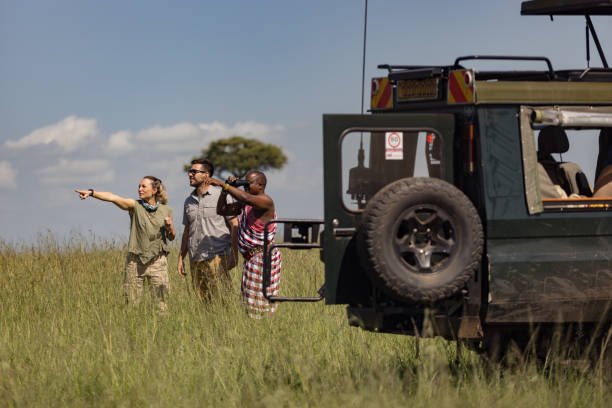
3-Day Serengeti And Ngorongoro Safari: Your Ultimate Tanzania Wildlife
start a concise yet unforgettable 3-day Serengeti and Ngorongoro safari, designed to maximize wildlife encounters in Tanzania's most celebrated parks. This compact adventure offers a taste...
View package details
Serengeti Safari And Zanzibar Beach Holiday: The Ultimate Tanzania
Combine the thrill of a Serengeti safari with the relaxation of a Zanzibar beach holiday. This guide covers everything you need to know for an unforgettable Tanzania adventure in 2026-2027...
View package details
Zanzibar To Serengeti Safari Packages 2026-2027
Zanzibar to Serengeti Safari Packages is explained with current 2026-2027 planning, price, itinerary and booking information.
View package details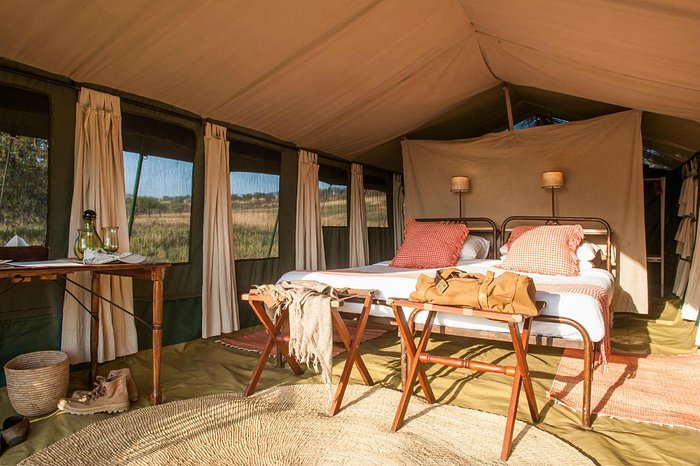
What Is The Best Month To Visit Serengeti? 2026-2027
What Is the Best Month to Visit Serengeti? is explained with current 2026-2027 planning, price, itinerary and booking information.
View package details
When Is The Great Migration In Tanzania And Kenya? Your Guide 2026-2027
The Great Migration's timing is dynamic, following the rains. Generally, it's in Kenya's Masai Mara from July to October, and in Tanzania's Serengeti from December to March. Planning around...
View package details
Serengeti Great Migration Safari Packages: Your Guide To Witnessing The Wonder
start an unforgettable journey with our comprehensive guide to Serengeti Great Migration safari packages for 2026-2027. Understand the best times to go, optimal viewing locations, and how...
View package details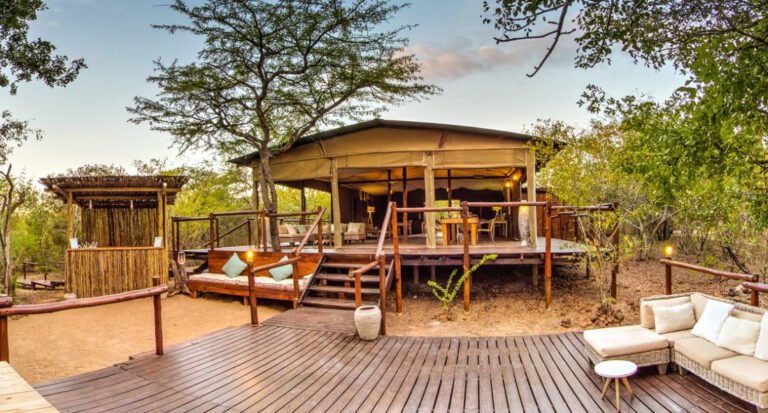
7-Day Tanzania Safari: Serengeti, Ngorongoro, And Tarangire In 2026-2027
A comprehensive guide to a 7-day Tanzania safari adventure, focusing on the iconic Serengeti National Park, the Ngorongoro Crater, and Tarangire National Park. Learn about optimal...
View package details
All-Inclusive African Safari Vacations Guide
start an all-inclusive African safari vacation in Tanzania, a premier destination for wildlife viewing in 2026-2027. This comprehensive guide covers everything from iconic parks like the...
View package details
Tanzania Safari Tours & Packages /: Your Ultimate Wildlife Adventure 2026-2027
Discover the magic of Tanzania with expertly crafted safari tours and packages for 2026 and 2027. From the vast plains of the Serengeti to the depths of the Ngorongoro Crater, find your...
View package detailsBest African Safari Tours & Vacation Packages /: Your Ultimate Tanzania
start an unforgettable African safari adventure in 2026/2027 with expertly curated tours and vacation packages in Tanzania's most iconic wildlife destinations. From the Serengeti to the...
View package detailsPrivate Tanzania Safari Packages: Your Ultimate Guide For 2026-2027
Discover the unparalleled freedom and personalized experience of a private Tanzania safari package. This comprehensive guide for 2026-2027 explores custom itineraries, key destinations like...
View package detailsNo related package matches those filters. Clear one or more filters to see the other topic-matched options.



