
For visiting the Serengeti in June, the central Serengeti (Seronera) is often the best area to focus on, especially if you want to see resident wildlife and anticipate the start of the Great Migration’s movement north. June marks the end of the rainy season, meaning greener landscapes, fewer crowds than peak dry season, and excellent predator sightings. While the main wildebeest migration might be congregating in the western or central Serengeti preparing for their move, Seronera offers year-round game viewing opportunities with a high density of resident animals, including lions, leopards, cheetahs, elephants, and giraffes. For those specifically tracking the migration in June 2026 or 2027, monitoring its exact location is key, but the central region provides a reliable base for exceptional wildlife encounters.
June in the Serengeti is a fascinating time. The landscape, still fresh from the ‘long rains’ that typically conclude in May, is vibrantly green. This lushness means food is abundant for herbivores, and consequently, predators are often more active and easier to spot. As you consider your Serengeti area for June 2026-2027, understanding the nuances of the wildlife movements, particularly the Great Migration, is paramount. While the iconic river crossings are usually associated with July-October in the north, and the calving season with February in the south, June presents a unique window of opportunity that many travelers overlook.
Understanding the Serengeti’s June Dynamics
The Serengeti ecosystem is vast and dynamic, with different regions offering distinct experiences. June falls within the shoulder season, bridging the end of the rains and the beginning of the dry season. This period is often characterized by:
- Greener Landscapes: Post-rain, the plains are carpeted in lush grass, making for picturesque scenery and providing excellent grazing for herbivores.
- Fewer Crowds: Compared to the peak dry season (July-October), June generally sees fewer tourists, offering a more intimate wildlife experience.
- Resident Wildlife Abundance: The central Serengeti, particularly around Seronera, is home to a high concentration of resident wildlife year-round. This includes lions, leopards, cheetahs, elephants, buffaloes, and a myriad of other species.
- Migration Movement: By June, the wildebeest and zebra herds, having grazed in the southern and western Serengeti after the calving season, typically begin their northward trek. They often gather in the western corridor and central Serengeti, preparing to move towards the Grumeti River and eventually the Mara River.
- Predator Activity: With abundant prey and the greener vegetation providing cover, predator sightings can be exceptional. June is a prime time for observing lion prides, leopard hunts, and cheetah chases.
When planning for Serengeti in June 2026 or June 2027, it’s crucial to know that the exact location of the Great Migration can vary slightly year by year. However, general patterns hold true. The western corridor and central Serengeti are usually the focal points during this month.
Why the Central Serengeti (Seronera) Shines in June
The Seronera region, located in the heart of the Serengeti National Park, is renowned for its high density of wildlife throughout the year. In June, it becomes an even more compelling choice for several reasons:
Year-Round Resident Wildlife Haven
Seronera boasts a permanent population of predators, thanks to its reliable water sources and abundant prey. This means that even if the main migration is still moving through or has just passed, you are virtually guaranteed to encounter:
- Lions: Seronera is famous for its lion populations, often seen lounging in trees or actively hunting.
- Leopards: These elusive cats are frequently spotted in the riverine forests and acacia woodlands, often draped over branches.
- Cheetahs: The open grasslands surrounding Seronera are ideal hunting grounds for cheetahs.
- Elephants, Buffaloes, Giraffes, Zebras, and Antelopes: These herbivores are present in large numbers, forming the base of the food chain and ensuring consistent predator activity.
For many visitors, the sheer volume and variety of wildlife seen in Seronera make it the best Serengeti area to visit in June, irrespective of the migration’s exact position. The game drives here are consistently rewarding.
The Migration’s Influence on Seronera in June
While the massive herds of wildebeest and zebra are on the move, they often pass through or congregate in the central and western Serengeti during June. This influx of hundreds of thousands of animals further amplifies the predator-prey interactions, creating dramatic viewing opportunities.
What to Expect:
- Herds in the Plains: You might encounter large numbers of wildebeest and zebras grazing on the fresh grass.
- Predator Action: The presence of such large herds naturally attracts predators, leading to increased chances of witnessing hunts. Lions and hyenas are particularly active during this period.
- Grumeti River (Western Corridor): If the migration is moving west, you might witness smaller groups of wildebeest and zebra attempting to cross the Grumeti River. While not as dramatic as the Mara River crossings, these can still be exciting to observe.
Therefore, a safari focusing on the central Serengeti in June 2026-2027 allows you to experience both the resident wildlife spectacles and the unfolding drama of the Great Migration’s northward journey.
Exploring the Western Corridor: A Migration Hotspot in June
The Western Corridor of the Serengeti, particularly the area around the Grumeti River, often becomes a significant focus for the Great Migration in June. This region offers a different landscape and unique viewing opportunities.
Key Features of the Western Corridor
- Grumeti River: This river is a natural barrier for the migrating herds. While smaller than the Mara River, it is home to large Nile crocodiles.
- Woodland Habitat: The landscape here is more wooded and rugged than the open plains of the central or southern Serengeti, offering excellent cover for leopards and providing a different feel to the safari.
- Migration Movement: As the herds move north from the central plains, they are channeled towards the Grumeti River. This is where you might witness them gathering and attempting to cross.
- Crocodile Activity: June can be a prime time to see crocodiles lurking in the Grumeti River, waiting for an opportunity to prey on wildebeest or zebras attempting to cross.
Who Should Consider the Western Corridor?
The Western Corridor is an excellent choice for travelers who are specifically keen on:
- Witnessing Migration River Crossings: Although less predictable and on a smaller scale than the Mara River crossings later in the year, Grumeti crossings are still a significant wildlife event.
- Experiencing a Different Landscape: The denser vegetation and riverine forests offer a varied visual experience and can lead to excellent leopard sightings.
- Avoiding Peak Crowds: While Seronera is always popular, the Western Corridor can sometimes feel less crowded, especially outside the main migration crossing points.
Trade-offs: Accommodation options in the Western Corridor can be more limited and sometimes more expensive than in the central Serengeti. Game viewing might also be slightly more dispersed compared to the concentrated wildlife viewing in Seronera, especially if the migration has already moved further north.
For those planning a Serengeti safari in June 2026 or 2027 with a strong focus on the migration’s progress, spending a few days in the Western Corridor, perhaps combined with the central region, can be highly rewarding.
Comparing Serengeti Areas for June: A Practical Overview
To make an informed decision about the best Serengeti area in June, let’s compare the main regions:
| Area | June Wildlife Highlights | Migration Status | Landscape | Crowds | Best For |
|---|---|---|---|---|---|
| Central Serengeti (Seronera) | High density of resident predators (lions, leopards, cheetahs), elephants, buffaloes, giraffes, diverse antelope species. Possible large herds of wildebeest and zebras passing through. | Herds often present or moving through, attracted by resident wildlife and water sources. | Open plains, acacia woodlands, riverine forests. | Moderate, but generally fewer than peak season. | All-around wildlife viewing, predator action, reliable sightings year-round. |
| Western Corridor (Grumeti River) | Large herds of wildebeest and zebras, significant predator activity targeting migrating animals, Nile crocodiles in the river. Good leopard potential. | Main focus for migration movement and potential river crossings. | Woodlands, riverine areas, more rugged terrain. | Can be less crowded overall, but busy around river crossing points. | Witnessing migration river crossings, predator-prey drama, varied scenery. |
| Northern Serengeti (Mara River) | Resident wildlife, but the main migration is typically moving northwards, not yet concentrated for river crossings. | Herds are moving north, often spread out. Major river crossings are unlikely until July/August. | Rolling hills, acacia woodlands, rocky outcrops. | Low to moderate. | Generally less ideal for migration focus in June; better for resident wildlife. |
| Southern Serengeti (Ndutu Area) | Resident wildlife, but the vast majority of the migration has moved on after the calving season. | Herds have dispersed and moved north after calving (Feb-March). | Open plains, acacia scrub. | Low. | Best for calving season (Feb-March), not ideal for June. |
Based on this comparison, the best Serengeti area to visit in June for most travelers seeking a balance of resident wildlife and migration activity is the Central Serengeti, with the Western Corridor as a strong secondary option, especially if river crossings are a priority.
Planning Your June Serengeti Safari: Key Considerations
Beyond choosing the right area, successful safari planning involves several practical aspects, especially when looking at June 2026-2027 dates.
Accommodation Choices
The Serengeti offers a range of accommodation, from luxury lodges and tented camps to more budget-friendly options. Your choice will significantly impact your experience and budget.
- Luxury Lodges & Tented Camps: Offer premium comfort, fine dining, and often prime locations. Ideal for those seeking a pampered experience.
- Mid-Range Tented Camps: Provide a comfortable and authentic safari experience with good amenities. A great balance of comfort and value.
- Budget Camps/Permanent Camps: Simpler facilities but still offer a genuine safari feel. Often strategically located for game viewing.
- Mobile Camps: These camps move with the migration. While more common during the migration’s peak seasons in other areas, they can offer unique access.
In June, lodges and camps in the central and western Serengeti will be popular. Booking well in advance, especially for June 2026 and June 2027 safaris, is highly recommended to secure your preferred accommodation and potentially better rates.
Safari Vehicle and Guide
The quality of your safari vehicle and, crucially, your guide, will make or break your experience. A 4×4 safari vehicle with a pop-up roof is standard for optimal game viewing. Your guide’s knowledge of animal behavior, tracking skills, and understanding of the park’s geography are invaluable.
What to look for:
- Experienced Guides: Guides who have worked in the Serengeti for years have an intimate understanding of animal movements and behaviors.
- Well-Maintained Vehicles: Reliable vehicles are essential to avoid breakdowns in remote areas.
- Small Group vs. Private Safari: A private safari offers flexibility in terms of timing and route, allowing you to tailor the experience to your interests. Group safaris are more budget-friendly.
For a truly exceptional experience in the best Serengeti area in June, investing in a knowledgeable guide and a comfortable vehicle is key.
Best Time of Day for Game Drives
Wildlife activity is often highest during the cooler parts of the day:
- Early Morning: Just after sunrise, predators are often still active, and nocturnal animals are returning to their dens. The light is also beautiful for photography.
- Late Afternoon/Evening: As the heat of the day subsides, animals become more active again, searching for food and water. Night drives (where permitted) can reveal nocturnal species.
Midday is generally quieter, with many animals resting in the shade. Your itinerary should allow for these optimal viewing times.
Packing Essentials for June
June is generally pleasant, but temperatures can vary. Pack layers:
- Lightweight, neutral-colored clothing for daytime.
- Warmer layers (fleece, jacket) for cool mornings and evenings.
- Sunscreen, hat, and sunglasses.
- Insect repellent.
- Binoculars and camera with extra batteries/memory cards.
- Comfortable walking shoes (though most game viewing is from the vehicle).
The Great Migration in June: What to Anticipate for 2026-2027
The Great Migration is the lifeblood of the Serengeti, and understanding its movement is crucial for planning a safari. In June, the vast herds of wildebeest and zebra are typically making their way north after spending time grazing in the central and western Serengeti following the calving season.
Migration Hotspots in June
- Western Corridor: This is a major transit zone. The herds often congregate here before attempting to cross the Grumeti River. The timing of these crossings can be unpredictable, influenced by rainfall and the availability of fresh grass.
- Central Serengeti: Large numbers of animals may also be found grazing in the central plains, attracted by the lush vegetation and reliable water sources. This makes the central Serengeti an excellent base for viewing the migration, even if major river crossings aren’t happening daily.
Predicting the Unpredictable
While general patterns exist, the exact timing and location of the migration can be influenced by annual rainfall patterns. This is why working with experienced local operators who monitor the situation closely is vital for your Serengeti safari in June 2026 or 2027.
A note on river crossings: The iconic, dramatic river crossings of the Mara River typically occur between July and October in the Northern Serengeti. While Grumeti River crossings can happen in June, they are generally on a smaller scale and less predictable. If witnessing large-scale river crossings is your absolute priority, planning for July or August might be more suitable, but you’ll miss the greener landscapes and potentially fewer crowds of June.
Why June is a Great Month for Photography
June offers photographers unique advantages in the Serengeti:
- Lush Green Scenery: The post-rain landscape provides a vibrant, verdant backdrop that contrasts beautifully with the wildlife.
- Golden Hour Light: The early mornings and late afternoons offer soft, warm light, perfect for capturing atmospheric shots.
- Active Predators: The abundance of prey means more opportunities to photograph hunting sequences and predator-prey interactions.
- Fewer Dust Storms: Compared to the dry season, June often has less dust, leading to clearer images.
For photographers aiming to capture the essence of the Serengeti in June 2026 or 2027, the central region’s mix of diverse wildlife and the migration’s presence, combined with the beautiful light and landscapes, makes it an ideal photographic destination.
Beyond the Migration: Other Wildlife to See
While the Great Migration is a major draw, the Serengeti is teeming with wildlife year-round. In June, you can expect to see:
- The Big Five: Lion, Leopard, Elephant, Buffalo, and Rhino (though rhinos are rare and elusive, particularly in the central/western areas).
- Predators: Cheetahs, hyenas, wild dogs (though less common), jackals, and various smaller cats.
- Herbivores: Giraffes, zebras, wildebeest, gazelles (Thomson’s and Grant’s), hippos (in rivers and waterholes), warthogs, and numerous antelope species like eland, topi, and impala.
- Birds: The Serengeti is a birdwatcher’s paradise, with over 500 species recorded. June is a good time to see resident birds, with many migratory species having departed. Look out for ostriches, secretary birds, various eagles, vultures, hornbills, and smaller species.
The central Serengeti, with its diverse habitats, is particularly good for spotting a wide array of species in June.
Choosing Your Safari Style in June
Your safari style can significantly influence your experience and budget. For a Serengeti safari in June, consider:
- Classic Game Drive Safari: This is the most common style, involving full days in a 4×4 vehicle exploring different areas.
- Walking Safaris: While not permitted everywhere in the Serengeti itself (often confined to specific areas or conservancies bordering the park), they offer a different perspective on the bush. Check with your operator if this is an option.
- Hot Air Balloon Safari: An unforgettable experience, offering a bird’s-eye view of the Serengeti, especially at sunrise. This is available year-round and can be a fantastic addition to a June safari.
A combination of classic game drives and perhaps a hot air balloon ride provides a comprehensive and memorable experience of the best Serengeti area in June.
Practical Advice for Booking Your June 2026-2027 Safari
Booking your safari requires careful consideration to ensure you get the best value and experience. Here’s what to keep in mind for your Serengeti in June 2026-2027 trip:
When to Book
June is a popular shoulder season month. To secure your preferred accommodation, guides, and safari vehicles, it’s advisable to book at least 6-12 months in advance. For peak periods or specific lodges, booking even earlier is recommended.
Working with Local Operators
Partnering with a local tour operator like Climb 4 Africa offers significant advantages:
- Local Knowledge: We have on-the-ground expertise about the Serengeti’s conditions, wildlife movements, and the best areas to visit in June.
- Customization: We can tailor itineraries to your specific interests, budget, and desired pace.
- Logistics Management: We handle all the complex arrangements, including park fees, accommodation bookings, vehicle and guide hire, and transfers.
- Value for Money: Our local relationships often allow us to offer competitive pricing without compromising on quality.
When you contact us, please mention your interest in visiting the Serengeti in June, your preferred travel dates for 2026 or 2027, the number of travelers, your accommodation preferences, and any specific interests (e.g., photography, predator sightings, migration focus).
Budget Considerations
A safari in the Serengeti is a significant investment. Key cost components include:
- Park Fees: Daily entrance fees per person per park.
- Accommodation: Varies greatly from budget camps to luxury lodges.
- Vehicle and Guide Hire: A significant portion of the cost, especially for private safaris.
- Meals and Drinks: Often included in lodge/camp rates, but check specifics.
- Activities: Optional extras like hot air balloon safaris.
- Tips: For guides and camp staff.
June is often a good time for value, as it falls outside the absolute peak season, but booking early can still secure better rates.
Travel Insurance
Comprehensive travel insurance is essential for any safari. Ensure it covers medical emergencies, evacuation, trip cancellation, and lost luggage.
Conclusion: Your Ideal June Serengeti Experience
In summary, for a visit to the Serengeti in June, the central Serengeti (Seronera) stands out as the most consistently rewarding area. It offers excellent resident wildlife viewing, particularly predators, and is perfectly positioned to witness the Great Migration as it moves north. The Western Corridor is a strong contender if witnessing potential Grumeti River crossings is a high priority.
June provides a unique blend of lush landscapes, fewer crowds than the peak season, and active wildlife, making it an excellent choice for 2026-2027 safaris. By planning in advance and working with experienced local operators, you can craft an unforgettable Serengeti adventure.
Ready to plan your bespoke Serengeti safari in June 2026 or 2027? We specialize in creating tailor-made Tanzanian travel experiences. Contact Climb 4 Africa today to discuss your dream safari. You can reach us via WhatsApp at +255 747 477 898 or email us at climb4africa@gmail.com. Let us help you find the best Serengeti area for your unforgettable journey.
Check Availability for Best Serengeti Area To Visit In June: Your Guide 2026-2027
Ready to compare dates, prices, and the best option for your group? Send the package name and travel month so the team can reply with a clear quote, availability, and what is included.

Serengeti Safari Tours: Prices, Packages & Best Time To Visit In 2026-2027
Discover everything you need to know for planning your Serengeti safari tour, from understanding pricing and package variations to identifying the ideal travel times in 2026-2027. This...
View package details
3-Day Serengeti And Ngorongoro Safari: Your Ultimate Tanzania Wildlife
start a concise yet unforgettable 3-day Serengeti and Ngorongoro safari, designed to maximize wildlife encounters in Tanzania's most celebrated parks. This compact adventure offers a taste...
View package details
Serengeti Safari And Zanzibar Beach Holiday: The Ultimate Tanzania
Combine the thrill of a Serengeti safari with the relaxation of a Zanzibar beach holiday. This guide covers everything you need to know for an unforgettable Tanzania adventure in 2026-2027...
View package details
Zanzibar To Serengeti Safari Packages 2026-2027
Zanzibar to Serengeti Safari Packages is explained with current 2026-2027 planning, price, itinerary and booking information.
View package details
What Is The Best Month To Visit Serengeti? 2026-2027
What Is the Best Month to Visit Serengeti? is explained with current 2026-2027 planning, price, itinerary and booking information.
View package details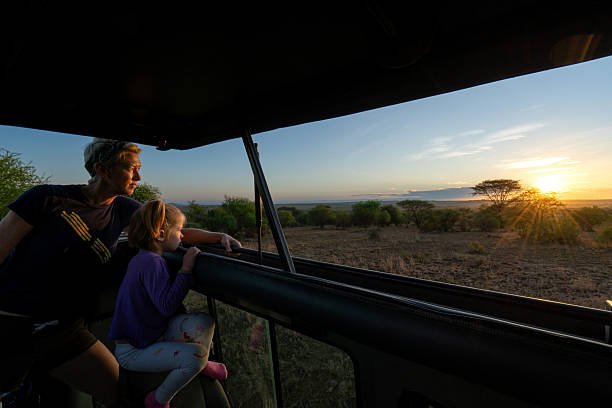
When Is The Great Migration In Tanzania And Kenya? Your Guide 2026-2027
The Great Migration's timing is dynamic, following the rains. Generally, it's in Kenya's Masai Mara from July to October, and in Tanzania's Serengeti from December to March. Planning around...
View package details
Serengeti Great Migration Safari Packages: Your Guide To Witnessing The Wonder
start an unforgettable journey with our comprehensive guide to Serengeti Great Migration safari packages for 2026-2027. Understand the best times to go, optimal viewing locations, and how...
View package details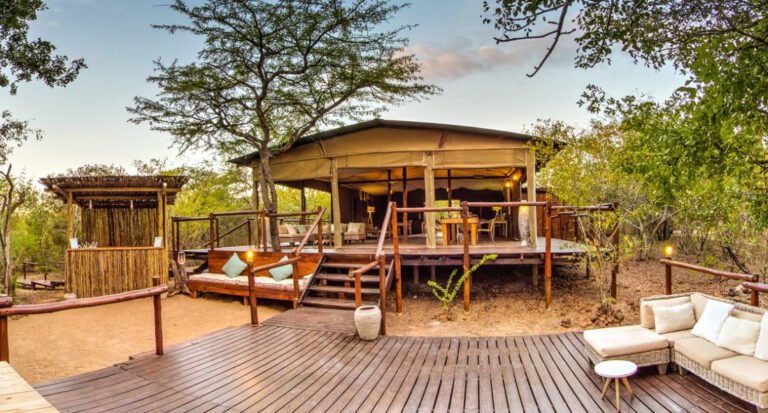
7-Day Tanzania Safari: Serengeti, Ngorongoro, And Tarangire In 2026-2027
A comprehensive guide to a 7-day Tanzania safari adventure, focusing on the iconic Serengeti National Park, the Ngorongoro Crater, and Tarangire National Park. Learn about optimal...
View package details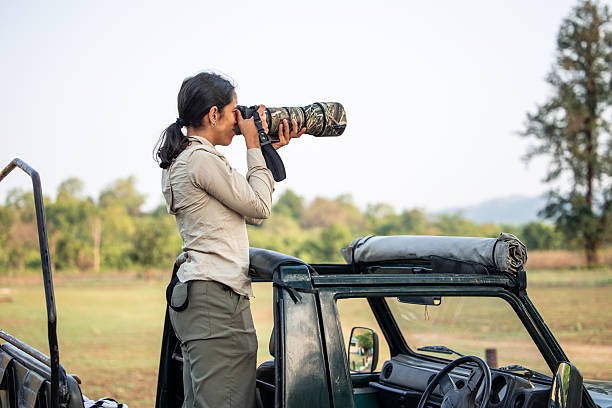
All-Inclusive African Safari Vacations Guide
start an all-inclusive African safari vacation in Tanzania, a premier destination for wildlife viewing in 2026-2027. This comprehensive guide covers everything from iconic parks like the...
View package details
Tanzania Safari Tours & Packages /: Your Ultimate Wildlife Adventure 2026-2027
Discover the magic of Tanzania with expertly crafted safari tours and packages for 2026 and 2027. From the vast plains of the Serengeti to the depths of the Ngorongoro Crater, find your...
View package detailsBest African Safari Tours & Vacation Packages /: Your Ultimate Tanzania
start an unforgettable African safari adventure in 2026/2027 with expertly curated tours and vacation packages in Tanzania's most iconic wildlife destinations. From the Serengeti to the...
View package detailsPrivate Tanzania Safari Packages: Your Ultimate Guide For 2026-2027
Discover the unparalleled freedom and personalized experience of a private Tanzania safari package. This comprehensive guide for 2026-2027 explores custom itineraries, key destinations like...
View package detailsNo related package matches those filters. Clear one or more filters to see the other topic-matched options.



