
Staying in Central Serengeti for your entire trip can be a fantastic choice if you prioritize seeing abundant wildlife year-round, enjoy classic savannah landscapes, and prefer a lodge-based experience with excellent accessibility. However, it might not be ideal if you aim to witness specific migration events that occur in other Serengeti sectors, seek more varied habitats beyond the open plains, or wish to experience the remoteness of the far north or south during certain times of the year. For many visitors, a more comprehensive safari experience in 2026 or 2027 involves combining Central Serengeti with other regions to capture the full spectrum of Tanzania’s wildlife and landscapes.
Understanding Central Serengeti’s Appeal
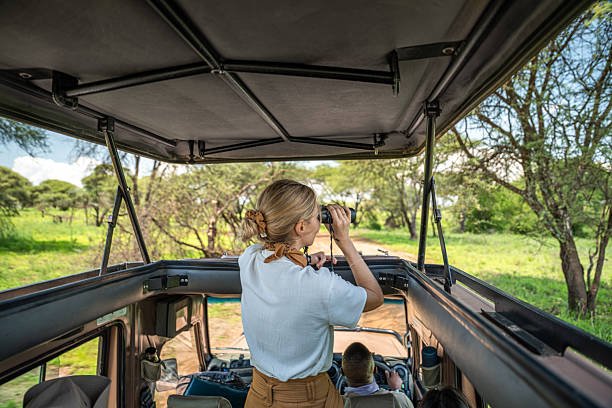
Central Serengeti, often referred to as the Seronera area, is the historical heart of the park and for good reason. Its enduring appeal lies in the combination of a permanent water source (the Seronera River) and the resulting concentration of resident wildlife. This means that unlike other regions of the Serengeti which can change dramatically with the seasons, Central Serengeti offers exceptional game viewing opportunities throughout the year. For travelers planning their safari for 2026 or 2027, this consistency is a significant draw, simplifying some aspects of planning.
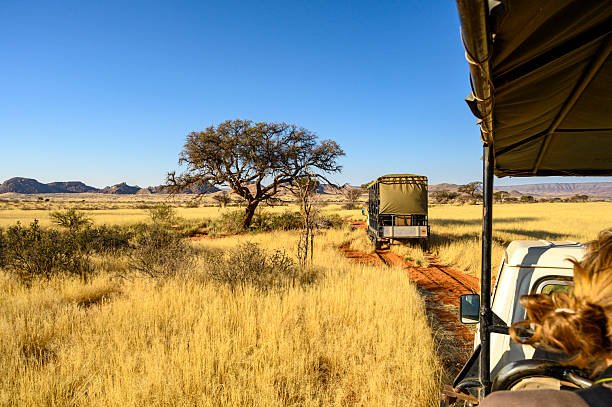
The landscape here is quintessential Serengeti: vast, rolling grasslands dotted with acacia trees, kopjes (rocky outcrops), and the meandering river valleys that support the ecosystem. This iconic scenery provides the backdrop for what is often considered the most reliable wildlife viewing in the entire park. When people envision a classic African safari, the images conjured are frequently of the plains and wildlife found in Central Serengeti.
Why Central Serengeti is a Wildlife Hotspot
The primary reason Central Serengeti is so consistently good for wildlife viewing is the permanent presence of water. The Seronera River and its tributaries create vital oases that attract and sustain a diverse array of animals, especially during the dry seasons when water becomes scarce elsewhere. This concentration effect means predators – lions, leopards, cheetahs, hyenas, and wild dogs – are never far from their prey. Herbivores like wildebeest, zebras, gazelles, buffaloes, and elephants are also drawn to the area for grazing and drinking.
The numerous kopjes scattered across the landscape provide excellent vantage points for lions and cheetahs, and safe havens for smaller mammals like hyraxes. Leopards, known for their arboreal nature, often use the acacia trees along the riverbanks for shade and to stash their kills away from scavengers. This rich predator-prey dynamic is a constant source of action and incredible photographic opportunities.
The resident wildebeest and zebra herds are always present, forming a substantial population that forms the backbone of the Serengeti’s food chain. While the Great Migration’s dramatic river crossings and vast stampedes are seasonal events that move through different parts of the park, Central Serengeti always hosts a significant number of these animals, supplemented by other herbivores. This makes it a prime location for observing the intricacies of the Serengeti ecosystem at any time of year, a crucial consideration for 2026-2027 trip planning.
Accessibility and Logistics
Central Serengeti is generally the most accessible part of the park from the main airstrips used by light aircraft flights from Arusha or other safari hubs. Seronera Airstrip (SEU) is located right in the heart of this region, meaning that upon arrival, you can often be on a game drive within minutes, heading directly to your accommodation. This ease of access is a significant advantage for travelers with limited time or those who prefer to minimize transit days.
The road network within Central Serengeti is also well-developed, allowing for efficient game drives. Lodges and camps in this area are numerous, ranging from luxurious tented camps to comfortable lodges, catering to various budgets and preferences. This infrastructure means that services are generally excellent, and guides are highly familiar with the terrain and animal movements.
For those planning a safari in 2026 or 2027 and looking for a straightforward, reliable experience without complex logistical challenges, Central Serengeti presents a compelling case. It often forms the core of many standard Serengeti itineraries for this reason.
The Case for Staying Entirely in Central Serengeti
Opting to spend your entire Serengeti safari in the Central region is a decision driven by a desire for predictability and a focus on experiencing the park’s most consistently abundant wildlife viewing opportunities. If your priorities align with this, then yes, staying in Central Serengeti for your entire trip can be a very rewarding experience.
When Central Serengeti is the Ideal Base
For first-time visitors: If this is your initial safari in Tanzania, Central Serengeti offers an introduction to the Serengeti that is hard to beat. You’re almost guaranteed to see iconic wildlife – lions, elephants, giraffes, zebras, wildebeest – in large numbers and in their natural, impressive habitat. The sheer density of animals here can be overwhelming in the best possible way.
For those on a shorter trip: If you have only 2-3 days in the Serengeti, concentrating your time in Central Serengeti maximizes your chances of seeing a wide variety of animals without the need for extensive travel within the park. The short transfer times from Seronera Airstrip mean you can maximize your game drive time.
For wildlife enthusiasts focused on predators: Central Serengeti is renowned for its high predator populations. Lions are particularly abundant, often seen lounging on kopjes or hunting in the open plains. Leopards are more elusive but frequently spotted in the riverine areas, and cheetahs patrol the grasslands. If observing these magnificent hunters is your primary goal, Central Serengeti is a superb choice.
For a lodge-based safari experience: Many of the Serengeti’s most established and luxurious lodges are located in or near Central Serengeti. These lodges offer excellent amenities, fine dining, and often prime locations for game viewing even from the lodge grounds. If you prefer the comfort and services of a lodge over mobile tented camps that follow the migration, Central Serengeti has a wealth of options for 2026-2027 bookings.
For year-round reliability: As mentioned, the permanent water sources mean that Central Serengeti is a wildlife haven regardless of the season. While the Great Migration’s exact location shifts, a significant resident population of game remains, ensuring excellent viewing conditions throughout the year. This predictability is a major plus when planning a trip for 2026 or 2027, removing some of the guesswork associated with seasonal movements.
Potential Drawbacks of a Central Serengeti-Only Stay
While Central Serengeti is excellent, limiting your entire safari there means you might miss out on some of the Serengeti’s other unique experiences. The park is vast, and its ecosystems vary significantly from one region to another. Understanding these differences is key to deciding if a Central Serengeti-only trip is right for you.
Missing the Great Migration’s Spectacle: The iconic Great Migration, with millions of wildebeest and zebras, is a dynamic event. While Central Serengeti always has game, the massive herds and their dramatic river crossings are typically concentrated in the Western Corridor (during May-July, when they move towards the Grumeti River) or the Northern Serengeti (during August-October, when they cross the Mara River). If witnessing these specific, awe-inspiring events is a priority for your 2026-2027 safari, a Central Serengeti-only trip will not suffice.
Limited Habitat Variety: Central Serengeti is predominantly open savannah. While beautiful, it doesn’t showcase the full range of Serengeti landscapes. The Northern Serengeti offers more rugged, hilly terrain and acacia woodlands. The Southern Serengeti (Ndutu area, technically in the Ngorongoro Conservation Area but often visited as part of a Serengeti circuit) offers vast short-grass plains, ideal for spotting cheetahs and observing calving season.
Crowding: Due to its accessibility and consistent game viewing, Central Serengeti can be the busiest part of the park, especially during peak tourist seasons. You might encounter more safari vehicles at sightings, which can detract from the feeling of wilderness for some travelers. Planning your 2026-2027 trip during shoulder seasons or opting for private concessions can mitigate this, but it’s a factor to consider.
Lack of True Wilderness Feel: While still wild, the areas closest to Seronera can feel more ‘developed’ with more lodges and higher vehicle density compared to the more remote northern or southern sectors. If your ideal safari involves feeling like you have vast expanses entirely to yourself, a Central Serengeti-only stay might not deliver this.
Exploring Other Serengeti Regions: A Comparative Look
To truly appreciate the Serengeti’s diversity, many travelers opt to combine Central Serengeti with other regions. Each sector offers a distinct experience and is best visited during specific times of the year, making for a more dynamic and comprehensive safari, especially when planning for 2026 or 2027.
The Northern Serengeti: Mara River Majesty
What to Expect: The Northern Serengeti is characterized by more dramatic landscapes – rolling hills, rocky kopjes, and acacia woodlands. It’s the most remote and often considered the most scenically diverse part of the park. The star attraction here is the Mara River, famous for the dramatic wildebeest and zebra river crossings that occur from roughly August through October.
When to Visit: August to October is prime time for river crossings. However, the North also boasts excellent resident wildlife, particularly lions and leopards, making it a rewarding destination year-round, though less consistent than Central for general game viewing outside migration season.
Why Combine with Central: If you’re planning a longer safari in 2026 or 2027 and wish to witness the migration’s most dramatic event, combining Central’s reliability with the North’s spectacle is essential. It also offers a different landscape and a more remote feel.
Logistics: Access is typically via Kogatende Airstrip (KOG). It requires internal flights from Central Serengeti or Arusha, adding travel time and cost but providing access to a different experience.
The Western Corridor: Grumeti River Drama
What to Expect: This region, following the Grumeti River, is known for its dense acacia forests and the river itself, which is wider and more challenging for the migrating herds to cross. It’s famous for large crocodiles and spectacular wildebeest crossings, particularly during the May to July period.
When to Visit: May to July is the peak season for the migration’s passage through the Western Corridor. Outside of these months, game viewing can be less consistent than in Central, though resident wildlife is still present.
Why Combine with Central: For those interested in witnessing the migration’s journey and potentially seeing river crossings at the Grumeti, this corridor offers a unique experience distinct from the Mara River crossings. It also provides a different habitat type.
Logistics: Accessible via Grumeti Airstrip (GTZ). Like the North, it requires internal flights and adds to the overall travel complexity and cost of a 2026-2027 safari.
The Southern Serengeti & Ndutu: Calving Season and Short Grass Plains
What to Expect: The Southern Serengeti, including the Ndutu area (which falls within the Ngorongoro Conservation Area but is part of the Serengeti ecosystem), is characterized by vast, short-grass plains that are transformed during the calving season. This is where the bulk of the wildebeest and zebra population resides from December to March, with newborns joining the herds.
When to Visit: December to March is the prime time to witness the calving season, accompanied by excellent predator action as they capitalize on the abundance of young, vulnerable prey. Cheetahs are particularly visible on these open plains.
Why Combine with Central: For a truly comprehensive view of the migration cycle, combining the calving season in the South with the river crossings in the North and the resident wildlife of Central offers a complete picture. The landscape is also distinctly different – open plains versus the woodlands and kopjes of Central.
Logistics: Accessible via Ndutu Airstrip (NDT) or Regional Meet Airstrip (RMK). It’s often visited before or after Central Serengeti, as part of a longer itinerary.
Crafting Your 2026-2027 Serengeti Itinerary: Balancing Central and Beyond
Deciding whether to stay exclusively in Central Serengeti or to explore other regions depends heavily on your interests, the time of year you plan to travel in 2026 or 2027, and your budget. For most travelers, a combination approach offers the richest experience.
Sample Itinerary Structures
Here are a few examples of how you might structure a Serengeti safari for 2026-2027, highlighting the role of Central Serengeti:
Example 1: Classic Migration Focus (August-October)
- Days 1-3: Northern Serengeti (Focus on Mara River crossings)
- Days 4-6: Central Serengeti (Reliable resident wildlife, predator sightings, iconic landscapes)
- Optional: Add days in Ngorongoro Crater or Tarangire.
This structure prioritizes the migration spectacle while ensuring you don’t miss the consistent game viewing of Central. Flights between regions are crucial for this itinerary.
Example 2: Calving Season and Resident Wildlife (December-March)
- Days 1-3: Southern Serengeti/Ndutu (Calving season, predator action, vast plains)
- Days 4-6: Central Serengeti (Explore kopjes, riverine areas, predator interactions)
- Optional: Include Ngorongoro Crater or Lake Manyara.
This itinerary captures the energy of the calving season and then moves to Central for a different perspective on the Serengeti’s wildlife and scenery. Internal flights or road transfers connect these areas.
Example 3: All-Rounder (Mid-Year, e.g., June or November)
- Days 1-3: Central Serengeti (Consistent game viewing, predator focus)
- Days 4-6: Western Corridor/Central Serengeti Mix (Potential for Grumeti crossings or continued exploration of Central’s diverse habitats)
- Alternative/Addition: If migration is moving North, add 2-3 days in the Northern Serengeti.
This approach focuses on Central’s reliability and adds a second region based on the migration’s likely whereabouts or simply to experience a different landscape. Flexibility and expert advice are key for mid-year planning in 2026-2027.
Factors Influencing Your Decision for 2026-2027
When making your choice for a 2026 or 2027 safari, consider these critical factors:
- Time of Year: This is paramount. The Serengeti is a vast park, and the movements of the Great Migration are dictated by rainfall and grazing. Your travel dates will heavily influence which regions offer the most spectacular viewing.
- Duration of Stay: A shorter trip (3-4 days) might make staying in Central Serengeti the most practical option to maximize game viewing. For longer trips (5+ days), incorporating other regions becomes highly feasible and recommended.
- Budget: Moving between regions typically involves internal flights, which add significant cost. Staying in one area can reduce these expenses. However, the value of experiencing more of the Serengeti’s diversity often justifies the added cost for many travelers. Lodges and camps in different regions also have varying price points.
- Interests: Are you primarily interested in predator sightings? Then Central is excellent. Do you dream of witnessing the drama of river crossings? Then the North or West are essential. Are you fascinated by the life cycle of the migration, including births? Then the South is key.
- Pace of Travel: Do you prefer to settle into one location and explore its surroundings deeply, or do you enjoy moving around to experience different environments?
- Crowd Tolerance: If you are sensitive to crowds, consider visiting during shoulder seasons (e.g., November, April, May) or focusing on less-visited sectors, even if it means slightly less predictable migration viewing.
The Role of Private Concessions
For travelers seeking a more exclusive and wilder experience, particularly in 2026 or 2027, consider private concessions adjacent to the main park. These offer benefits like:
- Off-road driving: Essential for getting closer to sightings.
- Night game drives: A unique opportunity not allowed in the main park.
- Walking safaris: A chance to experience the bush on foot.
- Lower vehicle density: Much more solitude and a true wilderness feel.
While these concessions are typically more expensive, they provide an unparalleled safari experience. Some are located near Central Serengeti, offering a blend of accessibility and exclusivity.
Practical Considerations for Booking Your 2026-2027 Safari
Booking a safari for 2026 or 2027 requires careful planning, especially if you aim to cover multiple regions of the Serengeti. Early booking is highly recommended, particularly for peak seasons and popular lodges.
When to Book
For travel in 2026 or 2027, especially if you have specific dates or prefer certain lodges, it’s advisable to start planning and booking at least 9-12 months in advance. For peak migration periods (e.g., August for river crossings, February for calving), booking 12-18 months ahead is not uncommon.
Choosing Your Accommodation
Accommodation choices significantly impact your experience and budget. In Central Serengeti, you’ll find:
- Luxury Lodges: Offering high-end amenities, gourmet dining, and often prime locations.
- Tented Camps: Ranging from comfortable to ultra-luxurious, these offer a more intimate bush experience, often with canvas walls and en-suite bathrooms. Some are permanent, while others are semi-permanent and may move seasonally.
- Mid-Range Lodges/Camps: Providing comfortable stays with good service and amenities at a more accessible price point.
When considering a Central Serengeti-only trip, you have a wide array of options. If you plan to move between regions, ensure your accommodation choice aligns with the logistics of internal flights and transfer times. For example, staying at a camp near Kogatende Airstrip makes sense if you’re heading to the Northern Serengeti.
Internal Flights vs. Road Transfers
Internal Flights: These are the most efficient way to move between different sectors of the Serengeti and to/from Arusha. They save significant travel time, allowing for more game viewing. However, they add considerable cost to your safari. Baggage restrictions (usually 15kg per person in soft-sided bags) also apply.
Road Transfers: Driving between regions is possible but time-consuming. A transfer from Central Serengeti to the Northern Serengeti can take a full day, involving a long drive and park fees. While cheaper than flying, it reduces your available game drive time. For shorter trips or those on a tighter budget, strategic road transfers can be part of the plan, but for longer, multi-region safaris in 2026-2027, flying is generally recommended.
What’s Typically Included in a Central Serengeti Safari Package?
When you book a safari package that includes Central Serengeti (whether for a few days or your entire stay), key inclusions usually are:
- Accommodation (lodge or camp)
- All meals (breakfast, lunch, dinner)
- Park entrance fees
- Game drives in a 4×4 safari vehicle with a professional guide
- Water during game drives
- Airport/airstrip transfers within the Serengeti
Exclusions often include:
- International flights
- Visa fees
- Gratuities for guides and lodge staff
- Beverages (alcoholic and sometimes soft drinks)
- Travel insurance
- Optional activities (e.g., hot air balloon safaris)
It’s crucial to clarify these inclusions and exclusions with your tour operator when booking your 2026-2027 safari to avoid surprises.
Is a Central Serengeti-Only Trip Right for You? The Final Check
To summarize, staying exclusively in Central Serengeti is a strong option if:
- You prioritize seeing a high density of diverse wildlife, especially predators, year-round.
- You have a limited timeframe (e.g., 2-3 days in the Serengeti).
- You prefer the convenience and accessibility of a well-established safari hub.
- You are looking for a classic, iconic Serengeti landscape and experience.
- You are staying in a lodge and value excellent amenities and service.
However, you should seriously consider venturing beyond Central if:
- Witnessing the Great Migration’s river crossings (North/West) or calving season (South) is a primary goal for your 2026-2027 trip.
- You desire a greater variety of landscapes beyond the open savannah.
- You wish to experience a more remote and less crowded wilderness feel.
- You have a longer duration (5+ days) and the budget to explore multiple regions.
Ultimately, the decision rests on your personal safari aspirations. For many, the ideal Serengeti adventure in 2026 or 2027 is a blend, using Central Serengeti as a reliable anchor while exploring the distinct wonders of the North, West, or South.
Planning a safari that perfectly balances your interests and the Serengeti’s seasonal dynamics can be complex. At Climb 4 Africa, we specialize in crafting tailor-made Tanzanian adventures. Whether you envision a deep look at Central Serengeti or a multi-region exploration, we can help you design an unforgettable 2026-2027 safari. We leverage our local expertise to create itineraries that maximize your wildlife viewing opportunities while ensuring smooth logistics and comfortable accommodations. To discuss your ideal Serengeti experience and get a personalized quote, please don’t hesitate to reach out to our expert team.
Contact Climb 4 Africa:
- WhatsApp: +255 747 477 898
- Email: climb4africa@gmail.com
- Website: Climb 4 Africa
Let us help you plan the Serengeti safari of your dreams for 2026 or 2027.
Check Availability for Should I Stay In Central Serengeti For My Entire Trip? A Deep Dive 2026-2027
Ready to compare dates, prices, and the best option for your group? Send the package name and travel month so the team can reply with a clear quote, availability, and what is included.

Serengeti Safari Tours: Prices, Packages & Best Time To Visit In 2026-2027
Discover everything you need to know for planning your Serengeti safari tour, from understanding pricing and package variations to identifying the ideal travel times in 2026-2027. This...
View package details
3-Day Serengeti And Ngorongoro Safari: Your Ultimate Tanzania Wildlife
start a concise yet unforgettable 3-day Serengeti and Ngorongoro safari, designed to maximize wildlife encounters in Tanzania's most celebrated parks. This compact adventure offers a taste...
View package details
Serengeti Safari And Zanzibar Beach Holiday: The Ultimate Tanzania
Combine the thrill of a Serengeti safari with the relaxation of a Zanzibar beach holiday. This guide covers everything you need to know for an unforgettable Tanzania adventure in 2026-2027...
View package details
Zanzibar To Serengeti Safari Packages 2026-2027
Zanzibar to Serengeti Safari Packages is explained with current 2026-2027 planning, price, itinerary and booking information.
View package details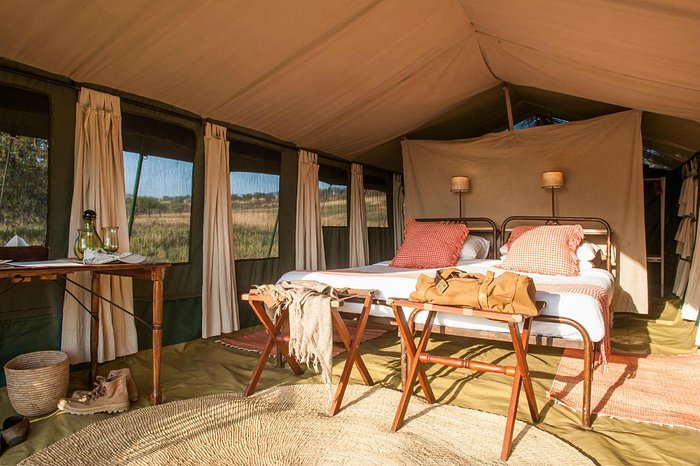
What Is The Best Month To Visit Serengeti? 2026-2027
What Is the Best Month to Visit Serengeti? is explained with current 2026-2027 planning, price, itinerary and booking information.
View package details
Serengeti Great Migration Safari Packages: Your Guide To Witnessing The Wonder
start an unforgettable journey with our comprehensive guide to Serengeti Great Migration safari packages for 2026-2027. Understand the best times to go, optimal viewing locations, and how...
View package details
7-Day Tanzania Safari: Serengeti, Ngorongoro, And Tarangire In 2026-2027
A comprehensive guide to a 7-day Tanzania safari adventure, focusing on the iconic Serengeti National Park, the Ngorongoro Crater, and Tarangire National Park. Learn about optimal...
View package details
When Is The Great Migration In Tanzania And Kenya? Your Guide 2026-2027
The Great Migration's timing is dynamic, following the rains. Generally, it's in Kenya's Masai Mara from July to October, and in Tanzania's Serengeti from December to March. Planning around...
View package details
All-Inclusive African Safari Vacations Guide
start an all-inclusive African safari vacation in Tanzania, a premier destination for wildlife viewing in 2026-2027. This comprehensive guide covers everything from iconic parks like the...
View package details
Tanzania Safari Tours & Packages /: Your Ultimate Wildlife Adventure 2026-2027
Discover the magic of Tanzania with expertly crafted safari tours and packages for 2026 and 2027. From the vast plains of the Serengeti to the depths of the Ngorongoro Crater, find your...
View package detailsBest African Safari Tours & Vacation Packages /: Your Ultimate Tanzania
start an unforgettable African safari adventure in 2026/2027 with expertly curated tours and vacation packages in Tanzania's most iconic wildlife destinations. From the Serengeti to the...
View package detailsPrivate Tanzania Safari Packages: Your Ultimate Guide For 2026-2027
Discover the unparalleled freedom and personalized experience of a private Tanzania safari package. This comprehensive guide for 2026-2027 explores custom itineraries, key destinations like...
View package detailsNo related package matches those filters. Clear one or more filters to see the other topic-matched options.



