If your primary goal on a Tanzania safari is to meet other travelers, both camping and lodge group safaris offer opportunities, but a camping group safari generally provides more natural, frequent, and integrated interaction with your fellow adventurers. This is due to shared facilities, communal meal times, and the inherent closeness of tented accommodations, fostering a more intimate group atmosphere compared to the more independent nature of lodge stays. Consider a camping safari for maximum social connection, especially for trips planned in 2026 or 2027.

Understanding Group Safaris and Social Dynamics
When you decide to join a group safari, you’re essentially opting for a shared travel experience. This means you’ll be traveling with a number of other individuals who have booked onto the same itinerary, often from different parts of the world. The core appeal for many is the cost-sharing aspect, making iconic destinations like Tanzania’s Serengeti and Ngorongoro Crater more accessible. However, a significant, often unstated, benefit is the potential for companionship and shared memories. The question then becomes: how do you maximize these opportunities to meet other travelers? The choice between camping and lodge-based safaris plays a crucial role in shaping these social dynamics.
On any group safari, the level of interaction is influenced by several factors inherent to the tour style. It’s not just about where you sleep; it’s about how the days are structured, the size of the group, and the overall philosophy of the tour operator. For instance, a tour that emphasizes long game drives with packed lunches eaten in the bush will naturally create different bonding opportunities than one that stops for leisurely meals at lodges.
For travelers specifically looking to meet others, understanding these nuances is key. You’re not just booking a trip; you’re booking a social environment. Whether you’re planning for 2026 or 2027, this foundational understanding will guide your decision-making. It’s about finding the right balance between your desire for social connection and the essential elements of a great wildlife viewing experience. Let’s break down the two main styles to see how they stack up.
Camping Group Safari: The Social Hub
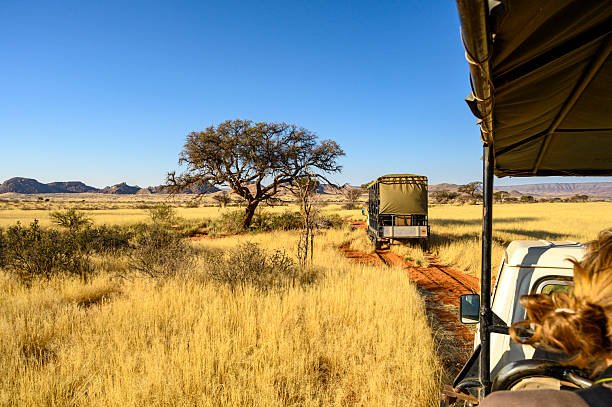
Camping safaris, particularly the more traditional public or semi-permanent tented camp styles, are often seen as the quintessential way to experience the African wilderness up close. When you choose a camping group safari, you’re not just sharing a vehicle; you’re sharing a much more integrated experience.
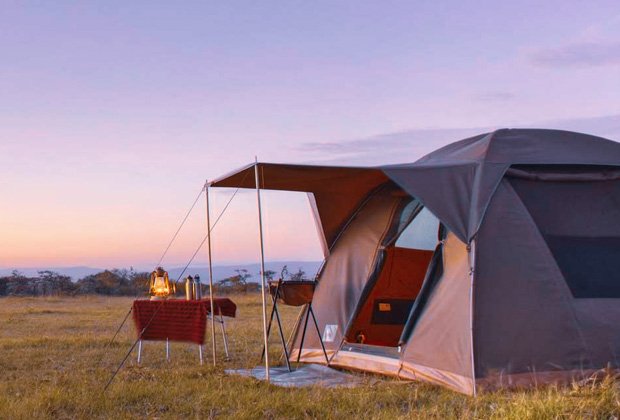
Accommodation Style: Instead of permanent structures, you’ll be staying in tents. These can range from basic dome tents to more comfortable canvas safari tents with proper beds, mosquito nets, and sometimes even en-suite chemical toilets or shared ablution blocks. The key is that your accommodation is temporary and often located in designated campsites within or near the national parks. This proximity to nature is a significant part of the appeal.
Group Dynamics: This is where the social aspect truly shines. In a camping safari, your group often gathers in a central mess tent or around a campfire. Meals are typically communal, prepared by a dedicated safari chef and enjoyed together. This shared dining experience is a natural focal point for conversation, storytelling, and getting to know everyone. You’ll discuss the day’s sightings, share tips, and perhaps plan future activities together. The campfire is legendary for sparking friendships, with stories and laughter filling the night air under the vast African sky.
Shared Facilities: The communal nature extends to bathrooms and dining areas. This shared use naturally encourages interaction. You might find yourself chatting with fellow travelers while waiting for your turn at the shower or discussing the best photo angles over breakfast. The lack of private lounges or separate dining rooms in most camping setups means everyone congregates in the same few spaces, increasing spontaneous encounters.
Pros for Meeting Travelers:
- Constant Proximity: You’re together for most of the day, from morning coffee to evening campfire.
- Communal Meals: Shared dining is a powerful bonding tool.
- Shared Experience: The rustic nature of camping often leads to a sense of shared adventure and camaraderie.
- Cost-Effectiveness: Generally more affordable, allowing more travelers to join group departures.
- Closer to Nature: The sounds and sights of the bush are your constant companions, providing shared points of discussion.
Cons for Meeting Travelers (and general considerations):
- Less Privacy: If you value significant personal space, this might feel intrusive.
- Basic Amenities: Showers might be cold, and electricity can be limited, which might not appeal to everyone.
- Group Size Matters: Very large groups can dilute individual interaction.
- Potential for Noise: Shared sleeping areas mean varying sleep schedules can be a factor.
Who It Suits Best: Travelers seeking an authentic, back-to-basics experience, those on a tighter budget, and crucially, individuals who are actively looking to forge connections with like-minded adventurers. If your 2026 or 2027 safari is about making new friends and sharing the adventure intimately, camping is likely your best bet.
Lodge Group Safari: A Different Kind of Connection
A lodge group safari offers a more comfortable and often luxurious way to experience Tanzania’s wildlife. While the primary focus remains on wildlife viewing, the social dynamics differ significantly from camping.
Accommodation Style: Here, you’ll stay in established lodges or tented camps that offer permanent structures, private rooms with en-suite bathrooms, and amenities like swimming pools, restaurants, and bars. These are fixed, more substantial accommodations, often situated within or just outside the national parks, offering comfort and a degree of separation from the elements.
Group Dynamics: The interaction is less constant and more self-directed. While you’ll share game drives and potentially meals in a group setting, the evenings and downtime often involve returning to individual rooms or exploring the lodge’s facilities independently. Socializing tends to happen more in planned group settings (like the lodge’s bar or restaurant) or during the shared game drives themselves. There’s less of a continuous, enforced communal experience.
Private Spaces: The availability of private rooms and lounges means that travelers can retreat and have personal time. This is a significant advantage for those who need downtime or prefer to process their experiences alone. However, it also means there are fewer “forced” interaction points throughout the day and evening.
Pros for Meeting Travelers:
- Shared Game Drives: This is your primary opportunity for extended conversation and bonding with fellow travelers.
- Lodge Bars/Lounges: These areas often become informal gathering spots in the evenings.
- Comfort and Amenities: For those who prioritize comfort, a lodge safari can be more enjoyable, making them more open to socializing.
- Variety of Travelers: Lodges can attract a broader range of travelers, from budget-conscious to luxury seekers, depending on the lodge tier.
Cons for Meeting Travelers:
- Less Integrated: The structure of lodges naturally leads to more individual time and less constant group interaction.
- Spontaneity is Reduced: Socializing often requires a more deliberate effort, such as heading to the bar.
- Higher Cost: Lodge safaris are generally more expensive, which might mean fewer people opt for group departures compared to camping.
- Separation from Nature: While comfortable, lodges can create a slight buffer between you and the raw wilderness, which is a common conversation starter on camping trips.
Who It Suits Best: Travelers who prioritize comfort and amenities, those who enjoy a balance between social time and personal space, and individuals who are happy to initiate conversations in more defined social settings like the lodge bar or during game drives. If your 2026 or 2027 safari leans towards comfort with opportunities to connect, a lodge safari is a strong contender.
Who Meets Whom, and Where? Typical Scenarios
To paint a clearer picture, let’s look at typical social interaction scenarios for each type of group safari:
Camping Group Safari Scenarios:
* Morning Coffee Ritual: As everyone gathers for coffee and a light breakfast before the day’s drive, conversations naturally flow. You might discuss what you hope to see that day or share observations from the previous evening. People tend to mingle freely.
* Lunch in the Bush: The safari chef prepares a meal, and everyone sits together, often on logs or camp chairs, sharing food and discussing sightings. This is a prime time for in-depth chats about wildlife behavior or the day’s adventures.
* Campfire Evenings: After dinner, the group gathers around the campfire. This is where the deepest connections often form. Sharing stories, laughter, and perhaps a sundowner (or two) under the stars creates a strong sense of camaraderie. You might find yourself swapping travel anecdotes with someone from Germany, planning a future hike with a new friend from Australia, or simply enjoying the shared silence with people from various backgrounds.
* Shared Tent Experience (if applicable): In some smaller camping setups, you might share a larger tent with another solo traveler. This can lead to immediate companionship and shared discovery.
* Park Campsite Buzz: Evenings at public campsites can be lively. You’ll hear different groups, and if you’re in a smaller, more intimate camping tour, your group will stand out and likely interact with other campers at the site.
Lodge Group Safari Scenarios:
* Game Drive Conversations: During the game drives, you’ll spend hours together in the safari vehicle. This prolonged, shared experience of witnessing wildlife is a powerful bonding agent. You’ll be discussing sightings, taking photos, and enjoying the thrill of the chase together. This is often where the most memorable conversations happen.
* Lodge Bar Gatherings: After the evening game drive, many travelers head to the lodge bar. This is a common, almost expected, social hub. You’ll find people recounting the day’s highlights, comparing photos, and potentially planning to meet up for future activities within the tour or even after the safari.
* Dinner Table Discussions: While you often have your own table as a group, the conversation can be lively. You might engage with your fellow group members about the day’s experiences, or if the group is small enough and the atmosphere is right, you might find yourself chatting with other guests at the lodge.
* Poolside Relaxation: If the lodge has a pool, this can be another informal spot for interaction, especially during downtime between activities.
* Independent Exploration: Travelers might opt for quiet time in their rooms or exploring the lodge grounds alone, meaning interactions are less continuous.
Key Takeaway: Camping safaris create more organic, continuous opportunities for connection due to shared living spaces and communal activities. Lodge safaris offer more structured social moments, primarily during game drives and in communal lodge areas, with ample opportunity for personal space.
Key Factors Influencing Social Interaction on Any Group Safari
Beyond the accommodation style, several other elements significantly shape how well you connect with others on a group safari. These are crucial to consider, regardless of whether you choose camping or lodges, especially when planning for 2026 or 2027.
1. Group Size:
* Smaller Groups (4-8 people): Generally foster deeper connections. It’s easier to get to know everyone individually when the group is intimate. Conversations are more personal, and a true sense of camaraderie can develop. This is often the case with specialized camping safaris.
* Medium Groups (9-12 people): Still offer good interaction potential. You’ll have enough people for varied conversations but not so many that you feel lost in the crowd. This is common for both camping and lodge safaris.
* Larger Groups (13+ people): Can make individual connections more challenging. While you’ll still meet people, the depth of connection might be less pronounced. It can feel more like being part of a crowd than a close-knit group. This is less common for intimate camping safaris but can occur with larger lodge-based tours.
2. Tour Itinerary and Pace:
* Fast-Paced vs. Slow Travel: A tour that moves between multiple locations daily will offer many brief encounters. A slower-paced itinerary, allowing more time in each location (e.g., 2-3 nights), gives people time to settle in, relax, and have more extended conversations. This is particularly beneficial for building deeper friendships.
* Activity Focus: Tours that include more group activities beyond just game drives (like guided walks, cultural visits, or evening talks) provide additional opportunities for interaction. Camping safaris often incorporate campfire storytelling, which is a structured group activity.
3. Tour Operator’s Philosophy:
* Social vs. Independent Focus: Some operators design their tours with a strong emphasis on group cohesion and social interaction. Others cater more to individual preferences, allowing more freedom and less structured group time. Climb 4 Africa, for example, often focuses on creating memorable shared experiences.
* Guide’s Role: An experienced safari guide can significantly influence group dynamics. A friendly, engaging guide who facilitates conversation, encourages interaction, and shares personal insights can transform a group tour.
4. Traveler Demographics:
* Age Range: While not always predictable, tours might attract a certain age bracket. For example, some budget camping safaris might appeal more to younger solo travelers, while luxury lodge safaris might attract a broader age range or couples. Understanding the typical demographic can help you gauge potential companions.
* Solo vs. Couples/Groups: A tour with a high proportion of solo travelers often leads to more mingling, as individuals are more inclined to seek out company. Tours with many couples might be more insular.
5. Time of Year (2026-2027 Considerations):
* High Season (e.g., July-October): Generally busier parks and more travelers overall. This means more people to potentially meet, but also potentially more competition for attention and less unique group experiences.
* Low Season (e.g., March-May): Fewer travelers mean potentially smaller, more intimate groups and a more exclusive feel. You might connect more deeply with the few people you are with.
* Shoulder Seasons: Offer a balance, with decent wildlife viewing and manageable crowds.
When researching tours for 2026 or 2027, always ask the tour operator about group size limits and their philosophy on group interaction. This information is often more telling than just the accommodation type.
Planning Your Social Safari for 2026-2027
If meeting other travelers is a priority for your 2026 or 2027 Tanzanian safari, here’s how to plan with that goal in mind:
1. Prioritize Camping Group Safaris:
As discussed, camping safaris inherently foster more social interaction. Look for tours that explicitly mention communal dining, campfire evenings, and limited group sizes. This is your most direct route to a highly social safari experience.
2. Research Tour Operator Philosophy:
Don’t just look at the itinerary; look at the company. Companies like Climb 4 Africa often pride themselves on creating a family atmosphere among their groups. Read company ‘About Us’ pages, look for mentions of group cohesion, and check their blog for articles discussing the social aspect of their tours. Inquire directly about their approach to fostering group interaction.
3. Inquire About Group Size:
Always ask for the maximum group size for your chosen departure date. Smaller groups (ideally under 10 people) are almost always better for meeting fellow travelers. For 2026 and 2027 departures, booking early can often secure you a spot on a smaller, more intimate group departure.
4. Consider the Itinerary Length and Pace:
Longer safaris (e.g., 7-10 days or more) allow more time for bonds to form. A tour that spends 2-3 nights in key parks like the Serengeti gives ample opportunity for shared experiences and conversations beyond just the game drives. Avoid tours that pack too many locations into too few days.
5. Look for Tours with Added Social Elements:
Some tours might include activities like visits to local communities (ensure these are ethical and respectful), optional cultural evenings, or even stargazing sessions led by guides. These provide structured opportunities for interaction.
6. Be Realistic About Lodge Safaris:
If comfort is paramount and you still want to meet people, a lodge safari can work, but you need to be more proactive. Choose lodge tours with smaller group sizes and consider operators known for fostering a social atmosphere even in lodge settings. The key is that the lodge itself doesn’t automatically create social bonds; the tour structure and your own willingness to engage do.
7. Understand Solo Traveler Policies:
If you are a solo traveler, check if the tour operator offers single supplements or if they have a ‘roommate matching’ program for group tours. A roommate matching program can be a great way to immediately connect with another traveler, though it does mean sharing your private space.
8. Timing for 2026-2027:
For 2026 and 2027, consider that popular departure dates, especially during peak seasons (July-October), fill up quickly. Booking well in advance (6-12 months out) is recommended to secure your preferred group size and departure date, maximizing your chances of joining a well-matched group.
Making the Most of Your Safari Interactions
Once you’ve chosen your safari type and booked your 2026 or 2027 adventure, your own attitude and actions play a huge role in how many connections you make. Here’s how to be an excellent safari companion and friend-maker:
1. Be Open and Approachable:
Smile, make eye contact, and be willing to initiate conversations. A simple “Good morning!” or “Did you see that lion?” can open doors.
2. Share Your Own Stories:
Don’t just ask questions; share your own travel experiences, your home country, or what brought you to Tanzania. Authenticity is key to building rapport.
3. Be Respectful of Others’ Space:
While you want to meet people, recognize that everyone has different comfort levels. Some may prefer quiet time. Respect their need for personal space, especially on lodge safaris.
4. Participate in Group Activities:
Whether it’s a campfire chat, a communal meal, or an optional evening activity, make an effort to join in. These are prime times for bonding.
5. Be a Good Listener:
Show genuine interest in what others have to say. Ask follow-up questions and engage thoughtfully.
6. Offer Help (Where Appropriate):
On camping safaris, offering to help with small tasks like setting up a chair or clearing a plate can be a simple way to connect.
7. Be Positive and Flexible:
Safaris can sometimes involve unexpected delays or changes. A positive attitude and a flexible mindset make you a more enjoyable travel companion.
8. Exchange Contact Information:
Towards the end of the safari, if you’ve connected with someone, don’t be afraid to suggest exchanging WhatsApp numbers or email addresses to stay in touch.
9. Be Mindful of Group Dynamics:
Understand that not everyone will become your best friend. Focus on genuine connections and enjoy the company of the group as a whole.
10. Stay Engaged During Game Drives:
Don’t spend the entire game drive looking at your phone. Engage with your fellow travelers about the wildlife, the landscape, and the experience. This shared focus is a powerful connector.
By actively participating and maintaining a positive, open demeanor, you can significantly enhance your social experience on any group safari, whether it’s a cozy camping trip or a comfortable lodge-based adventure planned for 2026 or 2027.
Alternatives and Hybrid Options
While the core choice is between camping and lodge group safaris, there are variations and hybrid approaches that might appeal to travelers seeking to meet others. These options can offer a blend of social immersion and comfort.
1. Luxury Tented Camps:
These are a step up from basic camping but offer a more intimate and social experience than traditional lodges. They are permanent or semi-permanent tented structures, often with en-suite bathrooms and comfortable furnishings, but they retain a closer connection to the wilderness. Communal dining areas and lounges are common, and group sizes tend to be smaller, creating a good balance for meeting people while enjoying comfort. Some luxury tented camps even have a dedicated camp manager who facilitates guest interaction.
2. Mid-Range Tented Camps:
Similar to luxury tented camps but with more basic amenities. They offer a good compromise, providing a more integrated social experience than standard lodges without the absolute basic nature of public campsite camping. Group dining is the norm, and the atmosphere is often relaxed and conducive to conversation.
3. Small Group Safaris (regardless of accommodation):
As mentioned, the size of the group is paramount. A small group lodge safari (e.g., 6-8 people) can be incredibly social. The limited number means you’ll interact more intensely with each person. The challenge here is finding operators who consistently run small lodge groups, as they are often priced higher.
4. “Join-in” Safaris with Specific Themes:
Some operators offer specialized join-in safaris that might attract like-minded individuals. For example, a photography-focused safari, a birding safari, or even a safari timed with a specific event like the Great Migration. Traveling with people who share a specific interest can create instant common ground.
5. Safaris Combining Camping and Lodges:
Some longer itineraries might include a mix of accommodation types. For instance, you might start with a few nights in a comfortable lodge and then transition to a more rustic camping experience. This can offer variety and expose you to different social dynamics within the same trip. However, it can also mean that bonds formed during the lodge portion might weaken when the group splits or moves to a very different environment.
6. Private Safaris with a Social Goal:
While typically more expensive, if you’re a solo traveler or a small group of friends looking to meet others, you could consider a private safari but specifically request the operator to place you with another compatible solo traveler or small group (if they offer such a service). This is rare but possible. More commonly, a private safari allows you to control the pace and choose lodges/camps known for their social atmosphere.
For travelers planning for 2026 or 2027, exploring these hybrid options can be beneficial if the stark choice between basic camping and full-service lodges feels too extreme. They offer a spectrum of experiences where meeting other travelers can be a significant part of the journey.
Booking Your Social Safari with Climb 4 Africa
At Climb 4 Africa, we understand that for many travelers, the safari experience is as much about the people you share it with as it is about the wildlife. Whether you’re planning a safari for 2026 or 2027, we are dedicated to helping you find the right group dynamic for your adventure.
When considering a group safari with us, especially if meeting fellow travelers is a priority, we recommend the following:
- Discuss Your Social Goals: When you contact us, be clear about your desire to meet other travelers. This is a crucial piece of information that helps us guide you.
- Explore Our Camping Safari Options: Our camping safaris are designed to foster camaraderie. We often operate with smaller group sizes and emphasize communal dining and campfire experiences. These are excellent choices for maximizing social interaction.
- Consider Our Mid-Range Tented Camp Safaris: If you desire a bit more comfort than basic camping but still want a social atmosphere, our tented camp options offer a fantastic blend. They provide private facilities while maintaining a communal heart.
- Ask About Departure Dates and Group Sizes: We can provide details on upcoming group departures for 2026 and 2027, including the maximum number of travelers on each tour. We can help you select a date with a smaller, more intimate group size.
- Leverage Our Local Expertise: As a local Tanzanian operator, we know the parks, the best campsites, and the lodges that have a welcoming social vibe. We can recommend itineraries that best suit your social objectives.
To start planning your social safari, whether you’re leaning towards a classic camping adventure or a comfortable lodge experience, please reach out. We are here to answer your questions and help you craft an unforgettable journey. You can contact us via:
- WhatsApp: +255 747 477 898
- Email: climb4africa@gmail.com
Let us help you find the perfect Tanzanian safari for 2026 or 2027 that promises incredible wildlife encounters and meaningful connections with fellow adventurers. We look forward to hearing from you!”,
“faq_schema”: [
{
“question”: “What is the main difference between camping and lodge group safaris for meeting people?”,
“answer”: “The main difference lies in the level of integration and shared facilities. Camping group safaris typically involve communal dining, campfire gatherings, and shared amenities, leading to more frequent and organic interactions with fellow travelers. Lodge group safaris offer private rooms and more independent downtime, with social interactions primarily occurring during shared game drives and in lodge common areas like bars.”
},
{
“question”: “Which type of group safari is better for solo travelers wanting to meet others?”,
“answer”: “Camping group safaris are generally better for solo travelers looking to meet others due to their inherently communal nature. The shared meals, activities, and closer proximity create more opportunities for spontaneous conversations and bonding. However, some lodge safaris with smaller group sizes and proactive operators can also be very social.”
},
{
“question”: “How does group size affect meeting other travelers on safari?”,
“answer”: “Smaller group sizes (ideally under 10 people) significantly enhance the opportunity to meet and connect with fellow travelers. It’s easier to get to know individuals on a personal level in a smaller, more intimate setting. Larger groups can make deep connections more challenging, though you’ll still meet many people.”
},
{
“question”: “Are there any specific times of year that are better for social safaris in Tanzania?”,
“answer”: “While you can meet people year-round, the shoulder seasons or lower seasons (e.g., March-May, November) might offer smaller group sizes and a more intimate atmosphere, potentially leading to deeper connections with fewer people. High season (July-October) has more travelers overall, increasing the pool of potential new acquaintances but also potentially leading to larger groups.”
},
{
“question”: “What should I do to maximize my chances of meeting people on a lodge group safari?”,
“answer”: “On a lodge group safari, be proactive. Engage in conversations during game drives, spend time in the lodge’s bar or lounge areas in the evenings, participate in any group activities offered, and be open to initiating conversations. Choosing a tour operator known for fostering social interaction and opting for smaller group sizes can also help.”
},
{
“question”: “How can I prepare for a 2026 or 2027 social safari?”,
“answer”: “To prepare for a 2026 or 2027 social safari, clearly state your desire to meet others when booking. Research operators that emphasize group cohesion, inquire about group sizes for your desired dates, and consider itineraries that allow for more relaxed interaction time. Be open, friendly, and participate actively in group settings.”
}
]
}
“`
Check Availability for I Want To Meet Other Travellers On Safari, Should I Choose Camping Or Lodge
Ready to compare dates, prices, and the best option for your group? Send the package name and travel month so the team can reply with a clear quote, availability, and what is included.
Nov 12, – 5 Day Tanzania Budget Camping Group Joining Safari 2026
A detailed guide to the November 12, 2026, 5-day budget camping group joining safari in Tanzania, covering route logistics, group dynamics, and planning essentials.
View package details
Nov 14, – 5 Day Tanzania Lodge Group Joining Safari 2026
Join our November 14, 2026, 5-day Tanzania lodge safari. This group-joining itinerary offers a balanced, cost-effective way to explore the Northern Circuit.
View package details
How Early Should I Book A Nov Or Dec Tanzania Group Safari?
How Early Should I Book a Nov or Dec Tanzania Group Safari?
View package details
I Am On A Budget—What Is The Cheapest Serengeti Group Safari?
I Am on a Budget—What Is the Cheapest Serengeti Group Safari?
View package detailsNov 6, – 3 Day Serengeti And Ngorongoro Budget Group Safari 2026
A detailed look at our November 6, 2026 group departure for a 3-day Serengeti and Ngorongoro safari, including planning tips and route logistics.
View package details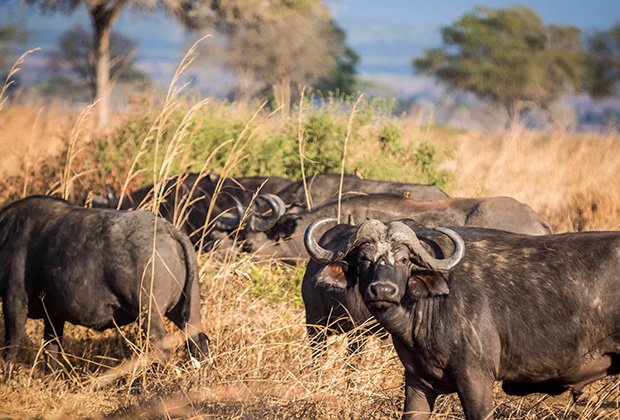
Dec 24, – 3 Day Christmas Serengeti And Ngorongoro Group Safari
Dec 24, 2026 – 3 Day Christmas Serengeti and Ngorongoro Group Safari.
View package details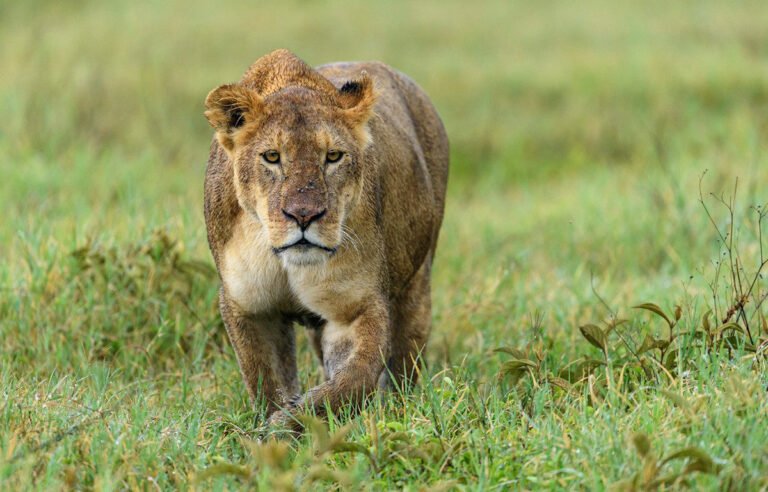
Dec 20, – 10 Day Complete Tanzania Group Joining Safari
Dec 20, 2026 – 10 Day Complete Tanzania Group Joining Safari.
View package details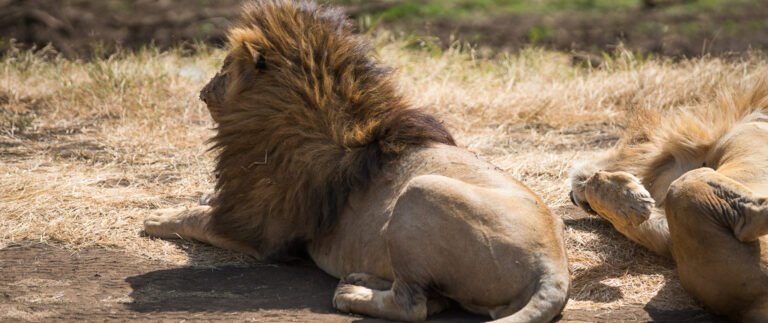
Which Dec Group Safari Ends Before New Year’s Eve?
Which Dec Group Safari Ends Before New Year’s Eve?
View package details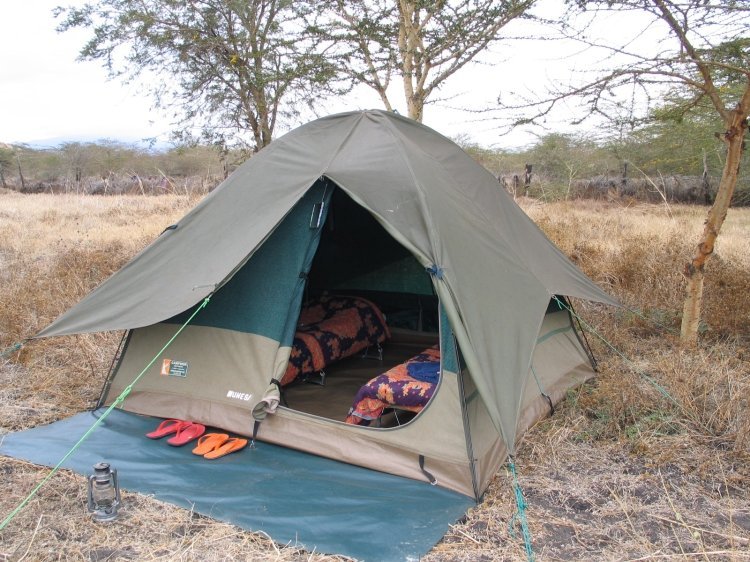
Can I Pay A Deposit To Reserve A Tanzania Group Safari?
Can I Pay a Deposit to Reserve a Tanzania Group Safari?
View package details
Dec 31, : New Year’s Eve Serengeti Group Safari Planning Guide
This guide provides essential planning details for a group safari trip to the Serengeti for New Year's Eve 2026, covering logistics, seasonal highlights, and what to expect.
View package details
Dec 22, – 3 Day Nyerere Group Joining Safari
Dec 22, 2026 – 3 Day Nyerere Group Joining Safari.
View package detailsNo related package matches those filters. Clear one or more filters to see the other topic-matched options.