Yes, children of all ages can absolutely visit the Ngorongoro Crater on a safari. It’s one of Tanzania’s most accessible and rewarding wildlife destinations, often considered ideal for families due to its compact size, high animal density, and relatively short game drives. While there are no strict age restrictions for entry, parents should consider their child’s temperament, interests, and ability to handle vehicle journeys when planning their 2026-2027 trip.
Ngorongoro Crater: A Family-Friendly Wildlife Spectacle
The Ngorongoro Conservation Area, and specifically the Crater floor, is often cited as a highlight for families on a Tanzanian safari. Its unique geological formation – a massive volcanic caldera – creates a self-contained ecosystem teeming with wildlife. This means that game drives within the crater are incredibly efficient, offering a high chance of spotting the ‘Big Five’ (lion, leopard, elephant, rhino, and buffalo) within a relatively small area. For parents wondering, yes, kids can visit Ngorongoro Crater, and it’s often a more manageable experience than longer drives in vast national parks, especially for younger children.
The appeal for families lies in several key factors:
- High Animal Concentration: The density of animals within the crater is exceptional. This leads to frequent sightings, keeping children engaged and excited.
- Compact Environment: The crater floor is approximately 16 kilometers (10 miles) in diameter. This means less time spent driving between sightings and more time observing wildlife.
- Variety of Habitats: Within the crater, you’ll find grasslands, swamps, forests, and a soda lake, each supporting different species. This diversity means a wide range of animals are visible, from lions and elephants to flamingos and hippos.
- Relatively Short Game Drives: Because wildlife is so concentrated, game drives on the crater floor typically last a few hours, which is often the perfect duration for children’s attention spans.
When planning a safari for 2026 or 2027, it’s important to understand what makes Ngorongoro a prime choice for families with young travelers. Unlike some other destinations that might require extensive travel time between sightings, Ngorongoro offers a concentrated wildlife experience that minimizes long periods in the vehicle.
Age Considerations for Children Visiting the Crater
While there are no official minimum age requirements to enter the Ngorongoro Crater, the decision often comes down to parental judgment and the specific needs of the child. Here’s a breakdown to help you decide:
Babies and Toddlers (Under 3 Years Old)
Visiting Ngorongoro Crater with babies or very young toddlers is possible, but requires careful planning and realistic expectations. The primary challenges are:
- Comfort: Vehicle travel, even on relatively smooth tracks, can be bumpy. Ensuring a comfortable and safe space for a baby or toddler is crucial. A car seat might not be practical in safari vehicles, so holding them securely is essential.
- Heat and Sun: Tanzania can be hot. Protecting infants from the sun with appropriate clothing, hats, and sunblock is paramount.
- Stamina: Young children have limited stamina. Long hours in a vehicle, even with frequent stops, can lead to meltdowns. Game drives are typically limited to a few hours within the crater, which is a significant advantage.
- Sanitation: Access to changing facilities or private restrooms can be limited within the crater itself.
Recommendation: If you plan to bring very young children, consider shorter safari durations, opt for private vehicles for more flexibility, and ensure you have all necessary supplies. Many families successfully bring babies, but it demands a higher level of preparation and flexibility from the parents.
Young Children (3-7 Years Old)
This age group often thrives on the excitement of seeing animals. Their ability to sit in a vehicle for short periods is generally better, and they can often appreciate the sights and sounds of the wild. Key points:
- Engagement: The high density of animals means constant action, which can keep young children captivated. Seeing lions, elephants, or zebras up close is thrilling.
- Duration: The typical 3-4 hour game drive on the crater floor is usually well within their attention span.
- Learning: It’s a fantastic educational opportunity. Many children in this age group develop a strong interest in wildlife and conservation from such experiences.
Consideration: Ensure your safari provider offers child-friendly guides who can make the experience interactive and engaging. Snacks, drinks, and frequent breaks are still important.
Older Children and Teenagers (8+ Years Old)
Older children and teenagers typically have an easier time and can get the most out of a Ngorongoro Crater safari. They can appreciate the conservation efforts, understand the ecological significance, and are generally more comfortable with longer periods in the vehicle.
- Deeper Understanding: They can engage with guides on topics like animal behavior, predator-prey relationships, and conservation challenges.
- Photography: Many older children enjoy photography and will have ample opportunities to capture incredible wildlife shots.
- Flexibility: They are usually more adaptable to the travel schedule and environment.
Recommendation: For this age group, consider including activities that cater to their interests, such as learning about Maasai culture or tracking specific animals.
Ultimately, the decision rests on your child’s individual personality and your family’s travel style. If your child is easily bored, prone to motion sickness, or sensitive to heat and noise, you might want to adjust your itinerary or wait a few years. However, for most families, kids visiting Ngorongoro Crater is a highly recommended and memorable experience.
What Makes Ngorongoro Ideal for Family Safaris?
The Ngorongoro Crater offers a unique set of advantages that make it particularly well-suited for family safaris, even for those with young children. When you’re evaluating destinations for your 2026 or 2027 Tanzanian adventure, Ngorongoro consistently ranks high for family appeal. Here’s why:
1. Incredible Animal Sightings Density
This is perhaps the biggest draw for families. The crater floor is home to an astonishing number of animals in a relatively small space. This means you are almost guaranteed to see a wide variety of wildlife, often within the first hour of descending into the crater. For children, this constant stream of exciting sightings – from herds of wildebeest and zebras to families of elephants and prides of lions – keeps them engaged and thrilled. The chances of spotting the Big Five are very high, which is a major highlight for any safari-goer, especially younger ones who might not grasp the concept of patience required in other parks.
2. Manageable Game Drive Durations
Unlike expansive national parks where game drives can sometimes last a full day or require long hours of driving between sightings, a typical game drive on the Ngorongoro Crater floor lasts around 3 to 4 hours. This is often the perfect length for children’s attention spans. It minimizes the risk of them becoming bored, restless, or uncomfortable. Parents can relax knowing that the safari experience is designed to be exciting without being overly demanding on young travelers. This shorter duration makes the entire experience much more enjoyable for everyone involved.
3. Diverse Landscapes in a Compact Area
The crater floor is not a uniform grassland. It features a mosaic of habitats, including lush grasslands, acacia woodlands, dense forests on the crater rim, swamps, and the large soda lake, Lake Magadi. This variety means you’ll encounter different types of animals in different settings. You might see hippos wallowing in the swamps, flamingos (though numbers can vary seasonally) on the lake, lions in the grasslands, and elephants in the woodlands. This visual diversity keeps the journey interesting for children and offers a more comprehensive wildlife viewing experience.
4. Ease of Access and Terrain
The journey down into the crater involves a steep, but generally well-maintained, track. Once on the floor, the terrain is relatively flat and open, making for smoother game drives compared to some rougher tracks found in other parks. This smoother ride is a significant benefit when traveling with young children or babies, reducing discomfort and the risk of motion sickness. The ease of navigation means guides can efficiently move between sighting hotspots.
5. Educational Opportunities
Ngorongoro is a UNESCO World Heritage Site and a vital conservation area. Guides are typically very knowledgeable and can explain the unique ecosystem, the importance of conservation, and animal behaviors in ways that are engaging for children. It’s an excellent opportunity for kids to learn about biodiversity, the challenges facing wildlife, and the role of conservation efforts. This educational aspect adds significant value to the safari experience beyond just animal spotting.
Considering these factors, it’s clear why kids visiting Ngorongoro Crater is a popular and often recommended choice for families planning their Tanzanian safari for 2026-2027. It offers a concentrated, exciting, and manageable wildlife encounter that caters well to younger travelers.
Planning Your Family Safari to Ngorongoro Crater
A successful family safari to Ngorongoro Crater requires thoughtful planning. Beyond the decision of whether kids can visit Ngorongoro Crater, the practicalities of timing, accommodation, and logistics are key. Here’s how to approach planning your 2026-2027 family adventure:
Best Time to Visit Ngorongoro with Children
The Ngorongoro Crater is a year-round destination, but certain times offer advantages for families:
- Dry Seasons (June to October, December to February): These are generally the most popular times. Animals are concentrated around water sources, making sightings easier. The weather is typically sunny and pleasant. However, these are also peak tourist seasons, meaning more crowds and potentially higher prices for 2026-2027 travel. The roads are in good condition.
- Wet Seasons (March to May, November): These months can offer lush green landscapes and fewer tourists. However, the rains can sometimes make roads muddy and challenging, potentially leading to delays or longer travel times. Animal sightings can be more dispersed as water is abundant. For families, avoiding the peak of the rainy season (April-May) is often advisable due to potential road conditions and travel disruptions.
Decision Point: For families prioritizing ease of travel and guaranteed sightings, the dry seasons are usually best. If you’re looking for fewer crowds and don’t mind the possibility of some rain, the shoulder months or the shorter rainy period in November can be good options. Always check weather patterns closer to your 2026-2027 travel dates.
Choosing Accommodation Near the Crater
Where you stay significantly impacts the family safari experience. You have two main options:
- Crater Rim Lodges/Camps: These offer impressive views and allow for very early access to the crater floor (often the first to descend). This is ideal for maximizing wildlife viewing time and minimizing travel to the entrance gate. However, they are typically the most expensive option and can feel a bit isolated. For families wanting convenience and premium views, these are excellent but require booking well in advance for 2026-2027.
- Karatu Town Lodges/Camps: Located a short drive (20-30 minutes) from the crater entrance, these offer a wider range of accommodation types, often at more accessible price points. Many lodges in Karatu are family-friendly, offering spacious rooms, swimming pools, and activities that can entertain children before or after game drives. This is often a practical and budget-friendly choice for families.
- Outside the Conservation Area: Further afield accommodations can offer lower prices but significantly increase daily travel time to the crater, which is not ideal for families with young children.
Decision Point: For families with very young children or those seeking the ultimate convenience, a crater rim lodge is unparalleled. For families looking for better value, more amenities, and a wider choice of lodging styles, Karatu offers a great balance. Consider how much time you want to spend traveling each day when making your choice.
Safari Vehicle Options for Families
The type of safari vehicle you use is crucial for comfort and enjoyment:
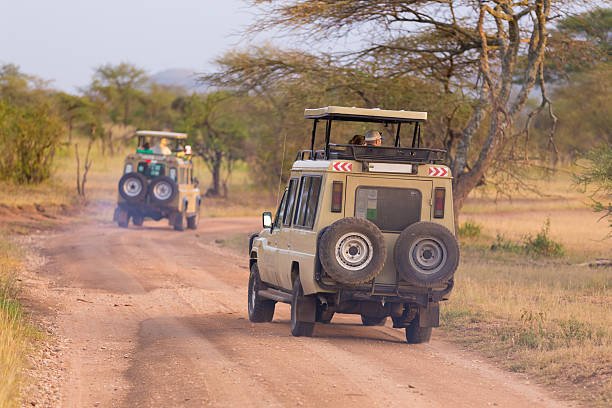
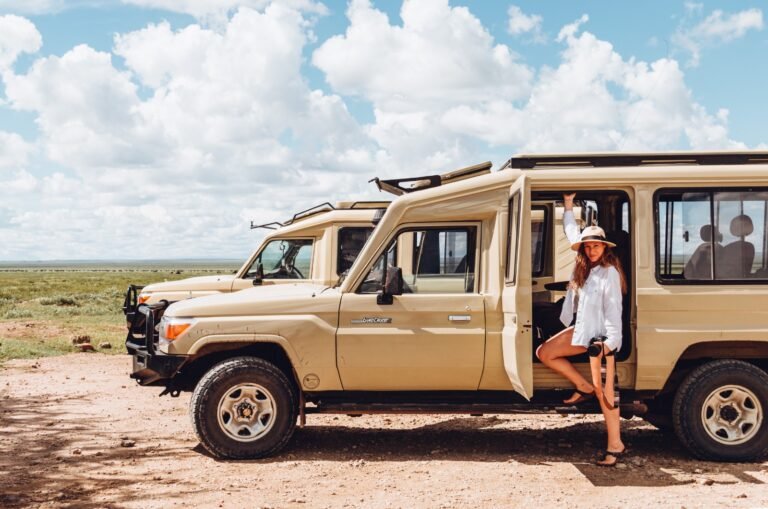
- Private Safari Vehicle: This is highly recommended for families. You get a private 4×4 Land Cruiser or Land Rover with a pop-up roof, driven by your own dedicated guide. This offers maximum flexibility – you can stop when the children want to see something, take breaks as needed, and set your own pace. It ensures privacy and comfort, especially if you have babies or toddlers.
- Shared Safari Vehicle: These are typically used for group tours. While more budget-friendly, they offer less flexibility. You’ll be on a schedule with other travelers, and stops may be limited. For families with young children, the lack of control over stops and pace can be challenging.
Decision Point: If your budget allows, a private safari vehicle is almost always the superior choice for families, offering comfort, flexibility, and a personalized experience. For families looking at group tours in 2026-2027, ensure the tour operator has a good reputation for managing group dynamics and accommodating children’s needs.
Crater Entry and Game Drive Rules
Understanding the rules helps ensure a smooth visit:
- Crater Entry Fees: Fees are charged per vehicle and per person for entry into the Ngorongoro Conservation Area and for descent onto the crater floor. These are typically included in your safari package price.
- Time Limits: There are often time limits for game drives on the crater floor (typically 6 hours) to manage congestion and ensure conservation.
- Picnic Sites: Designated picnic sites are available for lunch. These are equipped with basic facilities.
- Staying on Tracks: Visitors must stay on designated tracks to protect the environment and wildlife.
- No Off-Road Driving: Guides are strictly forbidden from driving off-road.
Important Note: Always confirm the latest regulations and fees with your tour operator when booking your 2026-2027 safari, as these can change.
Thorough planning ensures that your family safari to the Ngorongoro Crater is not just possible, but truly enjoyable and memorable. The key is balancing the incredible wildlife opportunities with the comfort and needs of your children.
Safety and Well-being of Children in the Crater
Ensuring the safety and well-being of children while on safari in the Ngorongoro Crater is paramount. While the crater is a natural environment, good preparation and adherence to guidelines make it a safe and enriching experience for young visitors. Here are the key considerations for families planning their 2026-2027 trip:
Wildlife Encounters: Maintaining a Safe Distance
The primary rule for children (and adults) is to always maintain a safe distance from wildlife. While animals in the crater are accustomed to vehicles, they are still wild. Children should be instructed not to shout, wave their arms, or try to feed animals. Guides are trained to manage animal encounters and will position the vehicle appropriately. They will also advise children on appropriate behavior. For example, lions may lie very close to the tracks, and it’s crucial for children to remain calm and quiet within the vehicle.
Vehicle Safety: Staying Inside and Secure
Children must remain inside the safari vehicle at all times when on the crater floor, unless at a designated picnic site. Even then, supervision is critical. Ensure children understand that the vehicle is their safe zone. When the roof is popped up for game viewing, make sure they are seated securely and not leaning too far out. Your guide will reinforce these rules. For very young children, consider keeping them on your lap or in a secure seat, especially during bumpy sections of the drive.
Health and Hygiene: Staying Healthy on Safari
Tanzania is a tropical country, and good hygiene practices are essential, especially for children:
- Hand Sanitizer: Carry plenty of hand sanitizer and use it frequently, especially before eating and after using the restroom.
- Clean Water: Ensure all drinking water is bottled or purified. Avoid tap water and ice made from tap water.
- Food Safety: Eat food prepared by reputable lodges and your safari operator. Be cautious with uncooked foods or street food, though this is less of a concern within the crater itself.
- Malaria Precautions: Depending on the time of year and your specific itinerary, malaria prevention medication might be recommended for children. Consult your doctor or a travel clinic well in advance of your 2026-2027 trip for personalized advice regarding antimalarials and vaccinations.
- First-Aid Kit: Pack a comprehensive children’s first-aid kit including child-friendly pain relievers, antiseptic wipes, bandages, motion sickness medication, and any personal medications.
Sun Protection and Hydration
The African sun can be intense. Protecting children from sunburn and dehydration is vital:
- Sunscreen: Use a high SPF sunscreen liberally and reapply often, especially on exposed skin.
- Hats: Wide-brimmed hats are essential for keeping the sun off faces and necks.
- Protective Clothing: Lightweight, long-sleeved shirts and long trousers offer the best protection. Light colors are generally cooler.
- Hydration: Encourage children to drink plenty of water throughout the day. Safari vehicles are usually equipped with water, but it’s good to have extra. Dehydration can set in quickly in the heat.
Motion Sickness
The bumpy roads and winding tracks can sometimes cause motion sickness in children. If your child is prone to this:
- Medication: Consult your doctor about appropriate over-the-counter or prescription medication for motion sickness.
- Seating: Encourage them to look out at the horizon rather than down at books or devices. Sitting in the front passenger seat (if available and safe) can sometimes help.
- Breaks: Inform your guide if your child is feeling unwell, so they can find a suitable place for a break.
By prioritizing these safety and well-being measures, families can confidently plan their safari, knowing that the experience of kids visiting Ngorongoro Crater can be both thrilling and secure. Open communication with your tour operator and guide about any specific concerns is always recommended.
What to Pack for Kids on a Ngorongoro Safari
Packing smart is key to a comfortable and enjoyable safari for children visiting the Ngorongoro Crater. The environment can vary from the heat of the plains to cooler temperatures on the crater rim, and days can be long. Here’s a guide to essentials for your 2026-2027 family adventure:
Clothing Essentials
- Neutral-Colored Clothing: Pack lightweight, breathable clothing in neutral colors like khaki, beige, olive green, or brown. Bright colors can scare animals away. Include long-sleeved shirts and long trousers for sun protection and to ward off insects.
- Layers: Mornings and evenings, especially on the crater rim, can be cool. Pack fleece jackets, sweaters, or hoodies. T-shirts and shorts are good for warmer midday periods on the crater floor.
- Rain Gear: A lightweight, waterproof jacket or poncho is advisable, especially during the shoulder seasons or if traveling during a wetter period in 2026-2027.
- Comfortable Shoes: Closed-toe shoes like sneakers or hiking boots are best. Sandals can be worn around lodges but aren’t ideal for safari.
- Swimsuit: Many lodges have swimming pools, which can be a great way for kids to cool off and burn energy.
Sun Protection Gear
- Wide-Brimmed Hats: Essential for protecting faces and necks from the strong sun. Ensure they fit snugly or have chin straps.
- Sunglasses: Good quality sunglasses to protect eyes from glare.
- High SPF Sunscreen: Pack plenty of sunscreen (SPF 30 or higher) and reapply regularly.
Health and Hygiene Items
- Personal First-Aid Kit: Include child-specific medications (pain relievers, fever reducers), antiseptic wipes, bandages, allergy medication, motion sickness remedies, insect repellent (with DEET for children, used cautiously), and any personal prescriptions.
- Hand Sanitizer: Crucial for maintaining hygiene during game drives and in areas with limited facilities.
- Wet Wipes: Useful for quick clean-ups.
- Travel Toiletries: Include kid-friendly soap, shampoo, and toothpaste.
Accessories for Comfort and Entertainment
- Binoculars: Child-sized binoculars can enhance their viewing experience and keep them engaged.
- Camera: Disposable or kid-friendly digital cameras can be fun for them to document their own safari.
- Books and Games: Pack travel-sized books, coloring books, crayons, or small games for downtime at the lodge or during longer journeys. Wildlife identification guides can also be engaging.
- Snacks: While your safari operator will provide food, having a stash of familiar, non-perishable snacks can be a lifesaver for picky eaters or during long game drives.
- Reusable Water Bottles: Encourages hydration and reduces plastic waste.
Important Documents and Essentials
- Passports and Visas: Ensure all family members have valid passports and necessary visas for Tanzania.
- Vaccination Records: Carry copies of any relevant vaccination records.
- Travel Insurance Details: Keep policy information easily accessible.
- Emergency Contact Information: A list of important contacts, including your tour operator and local embassy.
Pro Tip: Pack items that are essential for your children in your carry-on luggage, in case checked bags are delayed. When packing for kids visiting Ngorongoro Crater, think practical, comfortable, and protective. Your tour operator can provide a more specific packing list tailored to your itinerary and the season for your 2026-2027 safari.
Alternative and Complementary Tanzania Experiences for Families
While the Ngorongoro Crater is a stellar destination for families, Tanzania offers a wealth of other experiences that can complement your safari and cater to children’s interests. When planning your 2026-2027 itinerary, consider weaving in these activities for a well-rounded family adventure:
Serengeti National Park
No safari in Tanzania is complete without the Serengeti. While it’s vast and requires more driving than Ngorongoro, the sheer scale of wildlife, especially during the Great Migration (timing depends on the year and location within the Serengeti), is unparalleled. For families, focusing on areas with high animal density, like the Seronera Valley, can provide excellent sightings without excessive travel. The Serengeti offers a more classic, wide-open savanna experience that kids find fascinating.
Why it’s good for kids: Iconic wildlife, vast landscapes, the drama of the Great Migration (if timed right), and opportunities for hot air balloon safaris (for older children).
Tarangire National Park
Known for its large elephant herds, baobab trees, and diverse birdlife, Tarangire is often visited en route to the Serengeti or Ngorongoro. It’s particularly good during the dry season (June-October) when animals congregate around the Tarangire River. The park offers a different landscape and a slightly less crowded feel than the Serengeti or Ngorongoro, making it a relaxed introduction to safari for younger children.
Why it’s good for kids: Massive elephant herds, unique baobab trees, good birdwatching, and often more relaxed game drives.
Lake Manyara National Park
This park is famous for its tree-climbing lions, large troops of baboons, and diverse birdlife. Its compact size and varied habitats (woodland, grassland, and the lake shore) make for enjoyable game drives, often with sightings of hippos, giraffes, and elephants. It’s an excellent option for a shorter safari day trip or as a stopover, offering a good variety of animals in a manageable area.
Why it’s good for kids: Easy to spot animals, interesting tree-climbing lions, primate sightings, and accessible location.
Cultural Experiences: Maasai Village Visits
Many safari itineraries include visits to Maasai villages, offering children a glimpse into the traditional semi-nomadic lifestyle. These visits, when conducted respectfully and ethically, can be incredibly educational. Children can learn about local customs, see traditional housing (manyattas), and witness cultural dances. It provides a valuable perspective on the human element of Tanzania beyond the wildlife.
Why it’s good for kids: Hands-on cultural learning, interaction with local communities, understanding different ways of life.
Zanzibar Holidays
For families looking to combine a safari with a beach vacation, Zanzibar is the perfect extension. After the dust and excitement of the safari, the white sandy beaches, turquoise waters, and rich history of Stone Town offer a relaxing and culturally in-depth experience. Activities like snorkeling, swimming, visiting spice farms, and exploring the vibrant markets are great for kids.
Why it’s good for kids: Beautiful beaches, water activities, historical exploration, relaxation after a safari.
Mount Kilimanjaro Day Hikes/Marangu Village
While climbing Kilimanjaro might be for older, adventurous teens, a day hike on the lower slopes or a visit to the Marangu village area can be suitable for families. This offers a different perspective on Tanzania’s landscape and culture, with opportunities to see local life and enjoy scenic views without the commitment of a multi-day climb.
Why it’s good for kids: Gentle introduction to hiking, scenic beauty, local village life experience.
When crafting your 2026-2027 family safari package, integrating Ngorongoro Crater with one or two of these other experiences can create a dynamic and engaging itinerary that caters to the diverse interests and energy levels of children. Always discuss these options with your tour operator to ensure they align with your family’s specific needs and the ages of your children.
Booking Your Ngorongoro Family Safari in 2026-2027
Securing your family safari to the Ngorongoro Crater for 2026 or 2027 involves choosing the right operator and understanding the booking process. As an expert Tanzanian travel company, Climb 4 Africa specializes in crafting memorable safari experiences for families. Here’s what you need to know:
Why Book with Climb 4 Africa?
We understand the unique needs of families traveling to Tanzania. Our expertise ensures that your safari is not just about seeing wildlife, but about creating lasting memories for everyone. When you book with us, you benefit from:
- Tailor-Made Itineraries: We design safaris around your family’s interests, pace, and budget, ensuring that whether kids can visit Ngorongoro Crater is just the first question answered – we cover all the rest.
- Experienced Local Guides: Our guides are passionate about wildlife and experienced in engaging children, making the safari educational and fun.
- Family-Friendly Accommodation: We select lodges and camps that offer comfortable family rooms, child-friendly amenities, and safe environments.
- Flexible Vehicle Options: We prioritize private 4×4 safari vehicles for families, offering comfort and the flexibility needed for young travelers.
- Comprehensive Support: From initial planning to your departure, we provide practical local support, ensuring a smooth travel experience.
The Booking Process for 2026-2027 Safaris
Booking your Ngorongoro family safari is straightforward:
- Initial Inquiry: Contact us with your preferred travel dates for 2026-2027, the number of travelers (including children’s ages), your budget, and any specific interests you have. You can reach us via WhatsApp at +255 747 477 898 or email at climb4africa@gmail.com.
- Itinerary Customization: We will propose a draft itinerary based on your requirements, including accommodation options, safari activities, and estimated costs. We’ll discuss how to best incorporate the Ngorongoro Crater and other destinations suitable for children.
- Review and Refine: Work with your dedicated travel consultant to refine the itinerary until it perfectly matches your family’s vision.
- Confirmation and Deposit: Once you’re happy with the plan, we’ll require a deposit to secure your bookings, especially for lodges that fill up quickly for peak seasons in 2026-2027.
- Pre-Departure Information: We will provide detailed pre-departure information, including packing lists, health advice, and essential travel tips for families.
- Final Payment and Safari Commencement: The balance payment is typically due a few weeks before your departure. We’ll meet you upon arrival in Tanzania to ensure your safari begins smoothly.
Pricing and Inclusions for 2026-2027
Safari pricing varies based on the level of accommodation, the type of vehicle (private vs. shared), the duration of the safari, and the season. Generally, a family safari package to Ngorongoro Crater will include:
- Park entrance fees (Ngorongoro Conservation Area, Crater floor fees)
- Vehicle and driver-guide fees
- Accommodation costs (lodges/camps)
- Meals as specified in your itinerary
- Crater game drive
- Drinking water in the vehicle
Not typically included: International flights, visa fees, travel insurance, tips for guides and staff, personal expenses, and alcoholic beverages.
Getting a Quote: To receive a personalized quote for your 2026-2027 family safari, please reach out to us. We are committed to providing transparent pricing and exceptional value for your unforgettable Tanzanian adventure.
Planning your family’s safari is an exciting process. By partnering with experienced local operators like Climb 4 Africa, you can ensure that your questions about whether kids can visit Ngorongoro Crater are answered with comprehensive, practical advice, leading to a safe, enjoyable, and truly memorable experience for the whole family.
Check Availability for Can Kids Visit Ngorongoro Crater? A Comprehensive Family Safari Guide
Ready to compare dates, prices, and the best option for your group? Send the package name and travel month so the team can reply with a clear quote, availability, and what is included.
Oct 25, – 1 Day Ngorongoro Crater Group Safari From Moshi 2026
A detailed guide to organizing a one-day group safari to the Ngorongoro Crater starting from Moshi, specifically focusing on the logistics for October 25, 2026.
View package details
Nearest Airport To Ngorongoro Crater: Logistics & Planning For 2026-2027
A practical guide to reaching the Ngorongoro Conservation Area, covering the vital difference between international gateways and local airstrips for your 2026-2027 safari itinerary.
View package details
Four Day Serengeti na Ngorongoro Safari During AFCON 2027
Mwongozo wa safari ya siku 4 kwenye Serengeti na Ngorongoro wakati AFCON 2027; jinsi ya kupanga, nini cha kujali, na jinsi ya kuandaa,”
View package details
Afcon Kilimanjaro Ngorongoro And Zanzibar Holiday
AFCON 2027 Kilimanjaro Ngorongoro and Zanzibar Holiday.
View package details
Dec 24, – 3 Day Christmas Serengeti And Ngorongoro Group Safari
Dec 24, 2026 – 3 Day Christmas Serengeti and Ngorongoro Group Safari.
View package details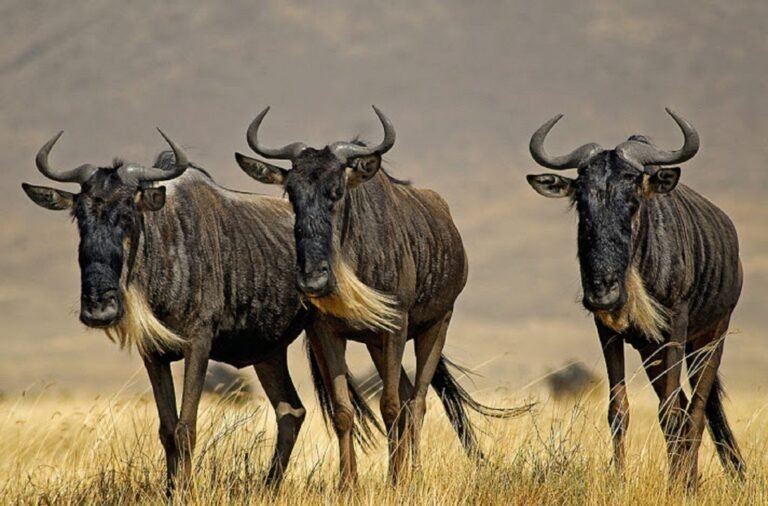
Nov 23, – 3 Day Serengeti And Ngorongoro Safari From Zanzibar
Nov 23, 2026 – 3 Day Serengeti and Ngorongoro Safari from Zanzibar.
View package details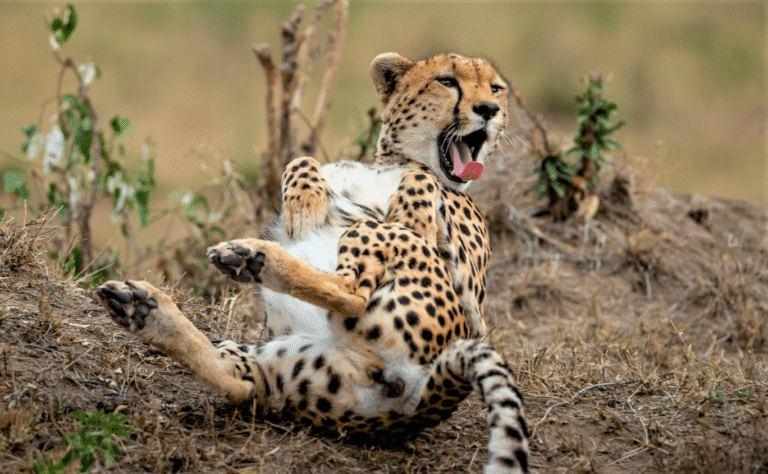
Dec 29, – 6 Day Ndutu, Serengeti And Ngorongoro Group Safari 2026
A detailed guide to our 6-day group safari departure on December 29, 2026, focusing on the Ndutu plains, the Serengeti, and the Ngorongoro Crater.
View package details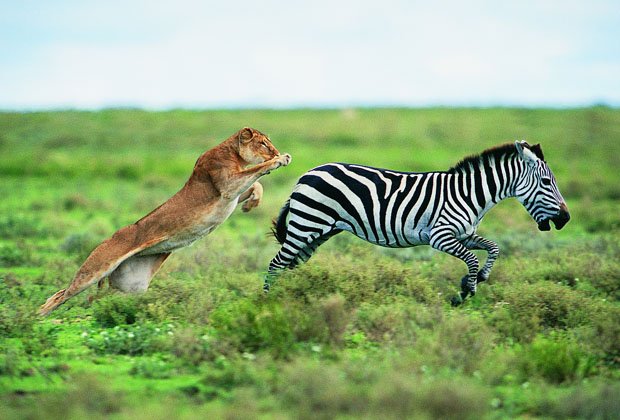
Dec 28, – 5 Day Ndutu Migration And Ngorongoro Group Safari 2026
Join a small group for a 5-day safari departing December 28, 2026, targeting the Ndutu region for the start of the calving season and the Ngorongoro Crater.
View package details8 Day Serengeti And Ngorongoro Group Safari – December 16, 2026
Planning your December 2026 Tanzanian adventure? Our 8-day group safari offers a deep, unhurried exploration of the Serengeti and Ngorongoro Crater.
View package details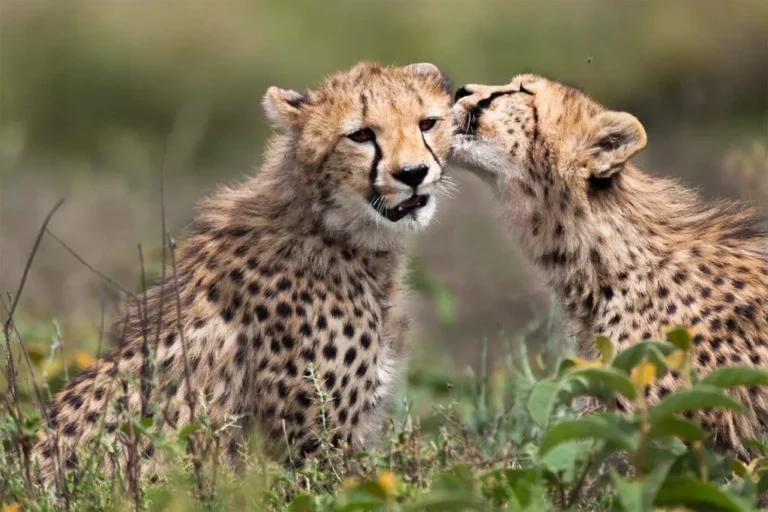
Dec 12, – 6 Day Serengeti, Ngorongoro, Tarangire And Manyara Group Safari 2026
Dec 12, 2026 – 6 Day Serengeti, Ngorongoro, Tarangire and Manyara Group Safari.
View package detailsDec 8, – 4 Day Tarangire, Serengeti And Ngorongoro Group Safari 2026
A detailed guide to our December 8, 2026 group joining safari, covering the itinerary, logistics, and what to expect during this 4-day wildlife adventure in Tanzania.
View package detailsDec 6, – 3 Day Tarangire, Lake Manyara And Ngorongoro Group Safari 2026
Dec 6, 2026 – 3 Day Tarangire, Lake Manyara and Ngorongoro Group Safari.
View package detailsNo related package matches those filters. Clear one or more filters to see the other topic-matched options.