
For children on a Tanzania safari, Tarangire National Park often offers a more consistently engaging experience due to its vast elephant herds, diverse landscapes, and opportunities for walking safaris (for older children), while Lake Manyara National Park provides a more concentrated, shorter visit focused on specific highlights like tree-climbing lions and abundant birdlife. The choice hinges on your family’s specific interests, the age of your children, and the overall safari itinerary planned for 2026 or 2027. Tarangire’s sprawling baobab-dotted plains and high density of elephants provide constant visual excitement, making it ideal for keeping younger children entertained. Lake Manyara, though smaller, offers a unique ecosystem and can be a rewarding stop, especially for families interested in birdwatching or seeking out the elusive tree-climbing lions, often enjoyed as part of a wider Northern Circuit tour.
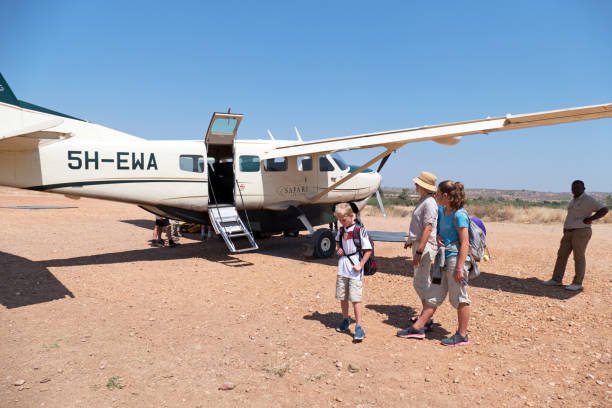
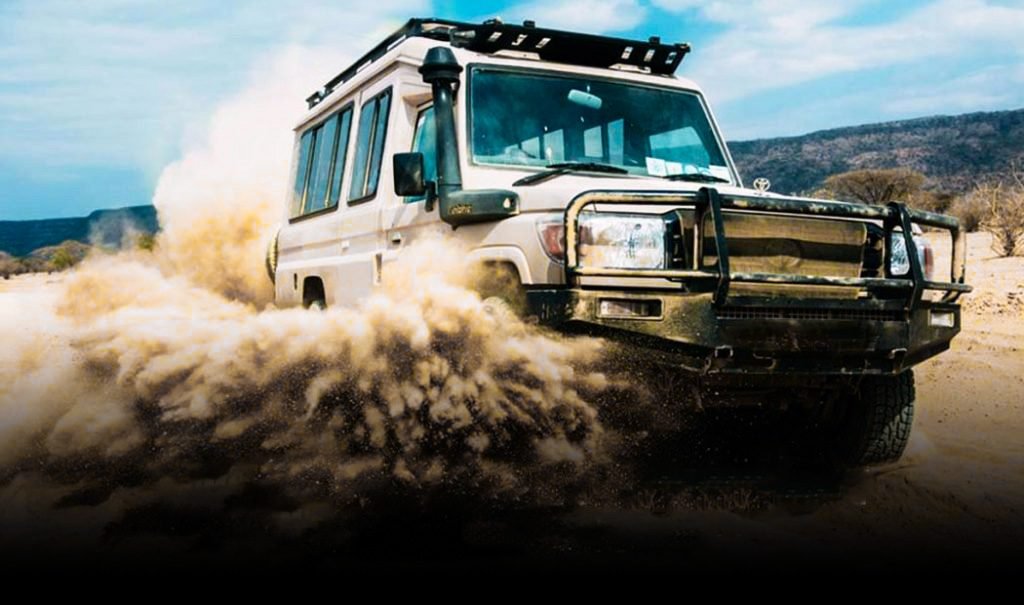
Your Guide to Tarangire vs. Lake Manyara for Children
When planning a Tanzanian safari for the family, especially with younger adventurers in mind, selecting the right national parks is crucial. Tarangire and Lake Manyara are two of the most popular stops on the Northern Circuit, and for good reason. Both offer incredible wildlife viewing, but they present distinct experiences that might appeal differently to children. Understanding these differences will help you tailor your 2026-2027 safari to maximize enjoyment and engagement for everyone.
This detailed comparison will explore what makes each park unique for families, covering wildlife, activities, landscape, logistics, and how they fit into a broader safari itinerary. We aim to provide you with a clear picture so you can make an informed decision for your unforgettable African adventure.
Tarangire National Park: A Family Favorite for Elephant Encounters and Vast Landscapes
Tarangire National Park is often lauded as a top destination for families, and its reputation is well-earned. Its defining feature is the sheer abundance of elephants, especially during the dry season (roughly June to October). For children, witnessing large herds of these magnificent creatures up close is an awe-inspiring spectacle that can spark a lifelong love for wildlife.
What Makes Tarangire Special for Young Travelers?
The park’s landscape is dominated by ancient baobab trees, which are visually striking and often a talking point for kids. These giant trees create a unique, almost prehistoric atmosphere. The open plains mean that wildlife is often visible from a distance, and with less dense vegetation in many areas, spotting animals can be easier, which is a huge plus for maintaining children’s attention spans.
Elephant Abundance: The Main Draw
Tarangire is famous for its large elephant populations, with herds numbering in the hundreds. During the dry season, elephants congregate around the Tarangire River, providing constant opportunities for sightings. For children, seeing elephants interacting – mothers with calves, large bulls, and entire family groups moving across the plains – is a truly memorable experience. The sheer scale of these encounters is hard to match elsewhere on the Northern Circuit.
Diverse Wildlife Beyond Elephants
While elephants are the stars, Tarangire boasts a rich diversity of other animals that can fascinate children. You can expect to see giraffes, zebras, wildebeest, various antelope species, and predators like lions and leopards. The park is also a birdwatcher’s paradise, with over 550 species recorded, offering a different kind of wildlife appreciation for younger eyes. For children who are keen on spotting different animals, the variety keeps the safari exciting.
Landscape and Scenery
The park’s scenery is dramatic and varied. The iconic baobab trees, with their massive trunks and sparse crowns, are a visual treat. The landscape ranges from open grasslands and savannas to dense bush and acacia woodlands, interspersed with the Tarangire River and swamps. This visual diversity means that each game drive can feel like a new exploration, preventing monotony for children.
Activities Suitable for Families
Beyond standard game drives, Tarangire offers unique activities that can be adapted for families. Walking safaris are a fantastic way for older children (typically 12 and above, depending on the operator and park regulations) to connect with the bush on foot, learning about smaller details like animal tracks, plants, and insects. This offers a different perspective than being in a vehicle. For families with younger children, the emphasis remains on vehicle-based game drives, but the sheer density of wildlife ensures continuous engagement. Some lodges also offer guided nature walks around their perimeters, which can be a safe and educational introduction to the African wilderness for all ages.
Logistics and Accessibility
Tarangire is conveniently located about a 2-3 hour drive from Arusha, making it an accessible first or last stop on a Northern Circuit itinerary. This relatively short transfer time is a significant advantage when traveling with children, minimizing travel fatigue. The park’s size means that you can cover a good portion of it within a day or two, making it suitable for shorter safari legs.
Considerations for Children in Tarangire
The main considerations for families in Tarangire revolve around the dry season concentration of wildlife. While this means excellent viewing, it can also mean larger crowds at popular river spots. However, the park is vast enough to disperse vehicles. The heat during the dry season can also be a factor, so ensuring children stay hydrated and have sun protection is paramount. For the 2026-2027 safari planning, booking accommodation that offers family-friendly amenities, such as larger rooms or separate sleeping areas for children, is advisable.
Lake Manyara National Park: A Compact Gem for Tree-Climbing Lions and Birding Adventures
Lake Manyara National Park, though smaller than Tarangire, packs a significant punch in terms of wildlife and unique attractions, making it a compelling option for families. Its compact size means you can experience a lot within a relatively short period, which can be ideal for younger children with shorter attention spans or for fitting into a busy itinerary.
Why Lake Manyara Appeals to Families
The park is renowned for its diverse ecosystems compressed into a small area. From the alkaline lake itself, which attracts a plethora of birdlife, to the dense groundwater forest and the acacia woodlands, the variety of habitats supports a surprisingly rich array of wildlife. This diversity means that game drives can be varied and interesting, even within a limited area.
The Famous Tree-Climbing Lions
One of Lake Manyara’s most iconic sights is its population of tree-climbing lions. While not guaranteed on every visit, the chance to spot these elusive predators lounging in the branches of large trees is a thrilling prospect for any safari-goer, especially children. The mystery and rarity of this behavior add an element of excitement to game drives.
Birdlife Extravaganza
Lake Manyara is a birdwatcher’s paradise. The lake shore teems with flamingos (though numbers can vary seasonally), pelicans, storks, and countless other water birds. Beyond the lake, the forest and woodlands are home to hornbills, kingfishers, and many other species. For children interested in nature and smaller creatures, the sheer volume and variety of birds can be interesting. It’s a different kind of wildlife spotting that can engage even those less interested in large mammals.
Other Wildlife Highlights
Beyond the lions and birds, Lake Manyara is home to large herds of elephants, baboons, giraffes, zebras, and various antelopes. The troops of baboons, often seen in large numbers, can be particularly entertaining for children with their social interactions. The park’s groundwater forest provides a lush, green environment where animals often seek shade, making for beautiful photographic opportunities and comfortable viewing.
Unique Habitats and Scenery
The park’s landscape is strikingly varied. The shallow, alkaline Lake Manyara dominates the eastern side, attracting large flocks of birds. To the west, a narrow strip of land is covered by a dense groundwater forest of fig and mahogany trees, fed by underground springs. This creates a verdant, shaded environment that contrasts sharply with the open grasslands and acacia woodlands found further into the park. This variety in scenery keeps the visual experience fresh for children.
Activities for Families
Lake Manyara is best known for its game drives, which are highly productive due to the park’s compact nature. The park also offers a scenic canopy walk (treetop walkway) which provides a unique perspective of the forest canopy. This elevated walkway is a fantastic activity for children, allowing them to see the forest from a bird’s-eye view and spot wildlife that might otherwise be hidden. It’s an excellent way to add an element of adventure and discovery to the safari.
Logistics and Suitability for Short Visits
Lake Manyara is very accessible, situated between Tarangire and the Serengeti, often visited on the second or third day of a Northern Circuit safari. It can be explored thoroughly in a single day, making it a perfect stop for families who have limited time or want to break up longer journeys. Its proximity to Karatu and the Ngorongoro Conservation Area also makes it logistically convenient.
Considerations for Children in Lake Manyara
The primary consideration for Lake Manyara with children is its size. While its compactness is an advantage for shorter visits, it can feel less expansive than Tarangire. The wildlife viewing is excellent, but if your primary goal is to see vast herds in wide-open spaces, Tarangire might have an edge. For the 2026-2027 planning, it’s worth noting that the flamingo population can fluctuate, so managing expectations regarding their numbers is wise. The canopy walk is a major draw and should be factored into itinerary planning.
Direct Comparison: Tarangire vs. Lake Manyara for Children
To help you decide which park best suits your family’s needs for a 2026-2027 safari, let’s directly compare the key aspects:
| Feature | Tarangire National Park | Lake Manyara National Park |
|---|---|---|
| Primary Wildlife Draw for Kids | Massive elephant herds, diverse mammal sightings, baobab trees. | Tree-climbing lions, abundant birdlife (flamingos, pelicans), large baboon troops. |
| Landscape & Scenery | Vast, open plains dotted with iconic baobab trees, acacia woodlands, riverine areas. Feels expansive. | Compact, varied terrain: alkaline lake, dense groundwater forest, acacia woodlands. Visually diverse but less expansive. |
| Wildlife Viewing Experience | High density of elephants, good predator sightings, excellent during dry season. More spread out, requiring longer drives. | Concentrated wildlife, excellent for spotting lions in trees and diverse bird species. Shorter game drives yield results. |
| Activities for Children | Game drives, potential for walking safaris (older children), cultural visits outside the park. | Game drives, famous canopy walk (treetop walkway), bird watching. |
| Park Size & Visit Duration | Larger park, best explored over 1-2 days or more. | Smaller park, can be thoroughly explored in a half to full day. |
| Accessibility & Itinerary Fit | Easily accessible from Arusha, good as a first or last stop. | Conveniently located between Tarangire and Serengeti/Ngorongoro, ideal for a single-day visit. |
| Best For (Children) | Families seeking iconic large mammal encounters, especially elephants; those who enjoy expansive landscapes; families with older children interested in walking safaris. | Families interested in unique wildlife behavior (tree-climbing lions), birdwatching enthusiasts, families with limited time or younger children who benefit from shorter, more concentrated experiences; those who enjoy active, elevated perspectives like the canopy walk. |
| Potential Challenges for Kids | Can feel very hot in dry season; larger herds can sometimes mean more vehicles at specific viewing points. | Less expansive feel than Tarangire; flamingo numbers can be variable. |
| Booking for 2026-2027 | Book popular family-friendly lodges well in advance. Consider dry season for best elephant viewing. | Can be booked with shorter notice, but popular lodges and canopy walk slots should be secured early. |
Which Park is Truly Better for Children?
There’s no single “better” park; it’s about finding the best fit. If your children are fascinated by elephants and enjoy the thrill of spotting animals in wide-open spaces, Tarangire is likely the stronger choice. The sheer number of elephants and the iconic baobabs create a visually dramatic and engaging environment. Its size also allows for a more relaxed pace over a day or two.
Conversely, if your family enjoys variety in a shorter timeframe, is captivated by unique animal behaviors, or includes keen birdwatchers, Lake Manyara offers a more concentrated and diverse experience. The canopy walk is a unique activity that often thrills children, offering an adventure beyond the typical game drive. For itineraries that need to be efficient, Lake Manyara’s compact nature is a significant advantage.
Many families opt to visit both parks during a single Northern Circuit safari in 2026 or 2027. This approach provides a well-rounded experience, showcasing the distinct offerings of each. For instance, a common itinerary might include a day or two in Tarangire for the elephants, followed by a visit to Lake Manyara for its unique ecosystem and canopy walk before heading to the Ngorongoro Crater or Serengeti.
Integrating Tarangire and Lake Manyara into Your 2026-2027 Family Safari
The true magic of a Tanzania safari for children often lies in how the parks are woven into a cohesive itinerary. Both Tarangire and Lake Manyara are excellent components of a Northern Circuit adventure, and combining them offers a fantastic overview of Tanzania’s diverse wildlife and landscapes.
Sample Itinerary Flow for Families
A typical family safari route might look something like this for 2026-2027:
- Day 1-2: Tarangire National Park. Arrive in Arusha, transfer to Tarangire. Spend two days exploring the vast plains, focusing on elephant herds and baobab trees. Consider family-friendly lodges offering pools and space for kids to run around.
- Day 3: Lake Manyara National Park. After a morning game drive in Tarangire, transfer to Lake Manyara. Enjoy a game drive in the park, perhaps including the canopy walk, and stay at a lodge near Karatu or within the park.
- Day 4 onwards: Ngorongoro Crater & Serengeti National Park. Continue to the Ngorongoro Crater for its dense wildlife or head to the Serengeti for its iconic plains and migration (depending on the time of year).
This structure allows children to experience the contrasting environments and wildlife concentrations of both parks without excessive travel time between them. It also builds excitement, moving from the elephant-centric Tarangire to the diverse wonders of Lake Manyara and then to the grand spectacles of Ngorongoro and the Serengeti.
Choosing Accommodation for Children
When booking your 2026-2027 safari, accommodation choice is paramount for families. Look for lodges and camps that explicitly cater to children. This might include:
- Family rooms or suites: Offering more space and separate sleeping areas.
- Swimming pools: A great way for kids to cool off and burn energy after game drives.
- Kid-friendly menus: Accommodating pickier eaters.
- Activities for children: Some lodges offer guided bush walks (age-dependent), educational talks, or cultural interactions.
For Tarangire, lodges situated near park gates or along the river offer excellent access. For Lake Manyara, options range from lodges overlooking the rift valley escarpment to those closer to the park entrance. It’s always worth discussing your family’s specific needs with your tour operator.
When to Travel: Impact on Children’s Experience
The timing of your safari in 2026 or 2027 can significantly impact the experience for children:
- Dry Season (June-October): Ideal for Tarangire’s elephant viewing as animals congregate around the Tarangire River. Wildlife is easier to spot in the sparser vegetation. Lake Manyara also has good game viewing. Weather is generally pleasant but can be hot.
- Wet Season (November-May): Landscapes are greener and more beautiful. Birdlife is at its peak, especially from November to April. Tarangire’s wildlife disperses, making sightings potentially more challenging but rewarding. Lake Manyara’s birdlife is spectacular. This season often means fewer tourists and potentially lower prices.
For families with young children, the slightly cooler and less dusty dry season might be preferable, but the lush green scenery and abundant birdlife of the wet season can also be magical. Discussing the pros and cons with your safari planner is essential.
Practical Planning Tips for Families: Tarangire & Lake Manyara
Planning a safari with children requires extra attention to detail. Here are some practical tips specifically for visiting Tarangire and Lake Manyara in 2026-2027:
- Pack Light but Smart: Focus on breathable, neutral-colored clothing. Include hats, sunglasses, and high-SPF sunscreen. Children often need more layers for early mornings and evenings, even in warm climates. Comfortable walking shoes are a must.
- Stay Hydrated: Ensure children drink plenty of water throughout the day, especially during game drives and in hotter months. Carry reusable water bottles.
- Snacks are Key: Pack a variety of familiar, non-perishable snacks that children enjoy. This can make game drives much more pleasant if they get hungry between meals.
- Binoculars and Field Guides: Invest in child-friendly binoculars. A good field guide to African wildlife and birds can turn spotting animals into a fun game.
- Entertainment for Downtime: Bring books, drawing materials, or travel games for quieter moments at the lodge or during transfers.
- First-Aid Kit: Pack a comprehensive kit with essentials like antiseptic wipes, bandages, pain relievers, and any personal medications.
- Respect Wildlife Rules: Educate children on safari etiquette – staying quiet when animals are near, not feeding animals, and staying within the vehicle unless permitted.
- Manage Expectations: Explain to children that wildlife sightings are not guaranteed. Emphasize that even if they don’t see a particular animal, the experience of being in the bush is exciting.
- Choose Family-Friendly Operators: Work with a tour company experienced in family safaris. They can recommend suitable lodges, activities, and ensure the pace is appropriate for children.
Age Appropriateness
While both parks are generally suitable for children, the intensity of the experience can vary. Lake Manyara’s shorter game drives and the canopy walk might be ideal for very young children. Tarangire’s larger scale and potential for longer game drives suit slightly older kids who can handle more time in the vehicle. Walking safaris in Tarangire are typically for children aged 12 and above.
Safety First
Your safety and the safety of your children are paramount. Reputable tour operators will brief you on all safety protocols. This includes staying within designated areas at lodges, maintaining a safe distance from wildlife, and following the guide’s instructions at all times. For 2026-2027 bookings, always confirm the safety measures in place with your chosen operator.
Booking Your Family Safari: Tarangire & Lake Manyara in 2026-2027
Deciding between Tarangire and Lake Manyara, or opting to experience both, is the first step. The next is ensuring your safari is perfectly tailored for your family. At Climb 4 Africa, we specialize in creating memorable and safe safari experiences for families, understanding the unique needs of traveling with children.
Why Choose Climb 4 Africa for Your Family Safari?
We understand that a safari with children requires a different approach. Our expert guides are not only knowledgeable about wildlife but also adept at engaging young minds, making the experience educational and fun. We tailor itineraries to ensure the pace is right, the accommodation is suitable, and the activities are age-appropriate.
- Customized Itineraries: We build safaris around your family’s interests, duration, and budget for 2026-2027. Whether you prioritize elephants in Tarangire or the unique features of Lake Manyara, we craft the perfect plan.
- Family-Friendly Lodges: We partner with lodges that offer excellent family facilities, ensuring comfort and convenience for all ages.
- Expert Local Guides: Our guides are passionate about Tanzania and skilled at sharing its wonders with children in an engaging way.
- Safety & Support: We prioritize safety in all aspects of your trip, providing constant support from planning to your return home.
Ready to Plan Your Family Adventure?
To start planning your unforgettable family safari to Tarangire, Lake Manyara, or across Tanzania in 2026 or 2027, get in touch with our experienced team. We’ll help you navigate the options and create a journey that your children will talk about for years to come.
Contact us today to discuss your dream family safari:
WhatsApp: +255 747 477 898
Email: climb4africa@gmail.com
Let us help you choose the perfect park or combination of parks, ensuring an enriching and exciting safari experience for every member of your family.
Frequently Asked Questions About Tarangire and Lake Manyara for Children
Can toddlers enjoy safaris in Tarangire and Lake Manyara?
Yes, toddlers can enjoy safaris, especially in Lake Manyara due to its shorter game drives and varied environments. However, it requires careful planning. Lodges with pools and comfortable family rooms are essential. Game drives should be kept shorter, with frequent breaks. Tarangire’s vastness might be more challenging for very young children due to longer driving times between sightings, but large elephant herds can be interesting. It’s crucial to work with an operator like Climb 4 Africa who can tailor the experience, ensuring safety and comfort for the youngest travelers. Early mornings and late afternoons are often the best times for sightings and to avoid midday heat.
What is the best time of year for a family safari with children in these parks?
The dry season (June to October) is often recommended for families. Wildlife, particularly elephants in Tarangire, congregates around water sources, making sightings more reliable and easier to spot in sparser vegetation. The weather is generally pleasant, though can be hot. Lake Manyara offers good viewing year-round. However, the green season (November to May) offers lush landscapes and incredible birdlife, and can be less crowded and more budget-friendly for 2026-2027 travel, but wildlife viewing can be more dispersed. The choice depends on your family’s priorities.
Are walking safaris in Tarangire safe for children?
Walking safaris in Tarangire are generally restricted to children aged 12 years and above, depending on the specific conservancy or ranger’s discretion. These walks offer a unique perspective on the bush, focusing on smaller details like tracks, plants, and insects. For younger children, walking safaris are not recommended due to safety considerations. Standard game drives in vehicles are the primary and safest way for younger children to experience Tarangire and Lake Manyara.
What are the main differences in accommodation options for families in Tarangire vs. Lake Manyara?
Both parks offer a range of accommodation, from luxury lodges to more budget-friendly tented camps. For families, look for properties that offer family rooms or interconnected rooms. Tarangire has several lodges situated within or on the borders of the park, some offering spectacular views of the river. Lake Manyara has options both within the park and along the escarpment overlooking the Great Rift Valley, offering different scenic experiences. Some lodges near Lake Manyara also offer unique activities like the canopy walk. When booking for 2026-2027, it’s wise to inquire specifically about family amenities like swimming pools, kid-friendly menus, and any age restrictions for activities.
How long should we spend in Tarangire and Lake Manyara on a family safari?
For a comprehensive family experience, spending 1-2 full days in Tarangire is ideal to explore its vastness and diverse wildlife. Lake Manyara, being smaller and more concentrated, can be thoroughly explored in half a day to a full day. Many families opt for a single day in Lake Manyara, often including the canopy walk, as part of a longer Northern Circuit itinerary that might also include Tarangire, Ngorongoro, and the Serengeti. This allows for a good balance without overwhelming younger children with too much travel time.
“,
“faq_schema”: [
{
“question”: “Can toddlers enjoy safaris in Tarangire and Lake Manyara?”,
“answer”: “Yes, toddlers can enjoy safaris, especially in Lake Manyara due to its shorter game drives and varied environments. However, it requires careful planning. Lodges with pools and comfortable family rooms are essential. Game drives should be kept shorter, with frequent breaks. Tarangire’s vastness might be more challenging for very young children due to longer driving times between sightings, but large elephant herds can be interesting. It’s crucial to work with an operator like Climb 4 Africa who can tailor the experience, ensuring safety and comfort for the youngest travelers. Early mornings and late afternoons are often the best times for sightings and to avoid midday heat.”
},
{
“question”: “What is the best time of year for a family safari with children in these parks?”,
“answer”: “The dry season (June to October) is often recommended for families. Wildlife, particularly elephants in Tarangire, congregates around water sources, making sightings more reliable and easier to spot in sparser vegetation. The weather is generally pleasant, though can be hot. Lake Manyara offers good viewing year-round. However, the green season (November to May) offers lush landscapes and incredible birdlife, and can be less crowded and more budget-friendly for 2026-2027 travel, but wildlife viewing can be more dispersed. The choice depends on your family’s priorities.”
},
{
“question”: “Are walking safaris in Tarangire safe for children?”,
“answer”: “Walking safaris in Tarangire are generally restricted to children aged 12 years and above, depending on the specific conservancy or ranger’s discretion. These walks offer a unique perspective on the bush, focusing on smaller details like tracks, plants, and insects. For younger children, walking safaris are not recommended due to safety considerations. Standard game drives in vehicles are the primary and safest way for younger children to experience Tarangire and Lake Manyara.”
},
{
“question”: “What are the main differences in accommodation options for families in Tarangire vs. Lake Manyara?”,
“answer”: “Both parks offer a range of accommodation, from luxury lodges to more budget-friendly tented camps. For families, look for properties that offer family rooms or interconnected rooms. Tarangire has several lodges situated within or on the borders of the park, some offering spectacular views of the river. Lake Manyara has options both within the park and along the escarpment overlooking the Great Rift Valley, offering different scenic experiences. Some lodges near Lake Manyara also offer unique activities like the canopy walk. When booking for 2026-2027, it’s wise to inquire specifically about family amenities like swimming pools, kid-friendly menus, and any age restrictions for activities.”
},
{
“question”: “How long should we spend in Tarangire and Lake Manyara on a family safari?”,
“answer”: “For a comprehensive family experience, spending 1-2 full days in Tarangire is ideal to explore its vastness and diverse wildlife. Lake Manyara, being smaller and more concentrated, can be thoroughly explored in half a day to a full day. Many families opt for a single day in Lake Manyara, often including the canopy walk, as part of a longer Northern Circuit itinerary that might also include Tarangire, Ngorongoro, and the Serengeti. This allows for a good balance without overwhelming younger children with too much travel time.”
}
]
}
“`
Check Availability for Which Is Better For Children, Tarangire Or Lake Manyara? 2026-2027
Ready to compare dates, prices, and the best option for your group? Send the package name and travel month so the team can reply with a clear quote, availability, and what is included.
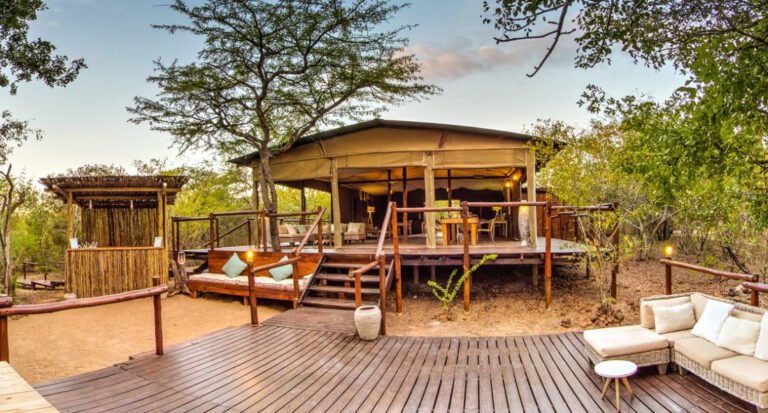
7-Day Tanzania Safari: Serengeti, Ngorongoro, And Tarangire In 2026-2027
A comprehensive guide to a 7-day Tanzania safari adventure, focusing on the iconic Serengeti National Park, the Ngorongoro Crater, and Tarangire National Park. Learn about optimal...
View package details
Is It Better To Book A Safari Online Or Locally? 2026-2027
Is It Better to Book a Safari Online or Locally? is explained with current 2026-2027 planning, price, itinerary and booking information.
View package details
Is Tanzania Or Kenya Better For Safari? A Detailed Comparison 2026-2027
Comparing Tanzania and Kenya for your next safari? This in-depth guide breaks down wildlife viewing, landscapes, costs, and optimal travel times to help you choose the perfect East African...
View package details
Which African Country Is Best For Safari? 2026-2027
Which African Country Is Best for Safari? is explained with current 2026-2027 planning, price, itinerary and booking information.
View package detailsFamily Safari Packages In Africa: Planning Your Unforgettable Adventure
Discover the magic of Africa with our guide to family safari packages. We cover everything from choosing the right destination and accommodations to essential packing lists and booking...
View package detailsBest International Flight Deals For Families Guide
Planning an international family safari to Tanzania in 2026 or 2027? This guide reveals how to secure the best flight deals, focusing on smart booking, timing, and airline choices for a...
View package detailsBest Family-Friendly Resorts In Tanzania For Unforgettable Adventures
Planning a family adventure in Tanzania? This guide highlights the best family-friendly resorts offering incredible wildlife viewing, cultural experiences, and comfortable stays for all...
View package details
How Far In Advance Should You Book An African Safari? 2026-2027
How Far in Advance Should You Book an African Safari? is explained with current 2026-2027 planning, price, itinerary and booking information.
View package detailsKenya Safari Tours & Holiday Packages 2026-2027
Kenya Safari Tours & Holiday Packages is explained with current 2026-2027 planning, price, itinerary and booking information.
View package details
Solo African Safari Tours: Your Ultimate Guide For 2026-2027
start an incredible solo African safari adventure. This comprehensive guide covers everything you need to know for planning a safe, rewarding, and memorable trip in 2026-2027, from choosing...
View package details
Safari From Zanzibar: Best Packages, Prices & Parks For 2026-2027
Combining a Zanzibar beach holiday with a Tanzania safari is a dream for many travelers. This guide details the best safari packages from Zanzibar, covering essential planning, park...
View package details
What Is Included In An African Safari Package? A Complete Guide For 2026-2027
Demystifying African safari packages. This guide details what you can expect to be included, from essential logistics like accommodation and transport to crucial elements like park fees and...
View package detailsNo related package matches those filters. Clear one or more filters to see the other topic-matched options.



