A fair Tanzania safari price for 2026-2027 should transparently cover essential elements like park entrance fees, quality accommodation, experienced guides, a reliable safari vehicle with fuel, meals, and often transfers. Understanding these core inclusions, alongside potential exclusions and variable costs, is crucial for budgeting and ensuring you receive good value for your investment in a memorable wildlife experience.
Understanding the Components of a Tanzania Safari Price
When you begin researching prices for a Tanzania safari, especially for trips planned for 2026 or 2027, you’ll quickly notice a wide range of figures. This variation isn’t arbitrary; it’s a direct reflection of the many components that make up a safari package. A fair price means clarity and completeness, ensuring that what you pay aligns with the services and experiences you receive. Let’s break down the key elements that contribute to the overall cost and what you should expect to be included in a well-priced safari itinerary.
The goal of this guide is to equip you with the knowledge to assess safari quotes and understand what constitutes value. It’s about more than just the bottom line; it’s about the quality of your adventure, the safety of your journey, and the authenticity of your wildlife encounters. For 2026-2027 travel, planning ahead is key, and understanding pricing structures helps immensely in making those early decisions.
Park Entrance Fees: The Foundation of Your Safari Cost
Perhaps the most significant and non-negotiable component of any Tanzania safari price is the park entrance fees. These fees are set by the Tanzanian government through the Tanzania National Parks Authority (TANAPA) and the Ngorongoro Conservation Area Authority (NCAA). They are a critical source of funding for conservation efforts, infrastructure maintenance, and local community development within these protected areas.
For 2026-2027 travel, you can expect these fees to remain substantial. They are typically charged per person, per day, and vary depending on the park. For instance, Serengeti National Park and Ngorongoro Conservation Area often have higher daily fees compared to parks like Tarangire or Lake Manyara. A common structure might see fees ranging from $60 to $80 per person per 24-hour period in the Serengeti, and around $70 per person per day for the Ngorongoro Crater descent, plus vehicle fees. Tarangire and Lake Manyara might be closer to $45-$55 per person per day.
What makes a price fair regarding park fees? It means the quote explicitly states that these fees are included. Some operators might quote a “land only” price excluding park fees, forcing you to pay them separately on arrival, which can lead to unexpected costs and logistical hassles. A truly fair and transparent quote will have these factored in. For a 7-day safari covering popular parks like Tarangire, Serengeti, and Ngorongoro, these fees alone can amount to several hundred dollars per person.
It’s also important to note that the NCAA has specific fee structures for the Ngorongoro Crater, which can include a crater service fee and a vehicle fee in addition to the conservation fee per person. Understanding these layers is part of discerning a fair price. For example, a typical 7-day Northern Circuit safari might incur approximately $400-$600 per person solely in park and conservation fees, depending on the exact itinerary and duration within each park.
Some operators might offer different tiers of service where park fees are included, while others might present them as an add-on. For a 2026 or 2027 safari, ensure that the quote clearly itemizes these significant costs. For example, a 7-day Northern Circuit itinerary might include:
- Serengeti National Park: $60-$70 per person per 24 hours + vehicle fee
- Ngorongoro Conservation Area: $70 per person per day + crater service fee + vehicle fee
- Tarangire National Park: $55 per person per 24 hours + vehicle fee
- Lake Manyara National Park: $50 per person per 24 hours + vehicle fee
A fair safari price will have these calculated and presented clearly. For a 7-day trip with 2 full days in Serengeti and 1 day in Ngorongoro Crater, plus Tarangire and Manyara, this easily adds up. The vehicle fees also vary, often charged per vehicle per day, ranging from $30 to $50.
Accommodation Choices: From Tented Camps to Luxury Lodges
Your accommodation is another major driver of safari costs. Tanzania offers a spectrum of lodging options, each providing a different experience and price point. A fair safari price will reflect the quality and type of accommodation included in your itinerary. When planning for 2026-2027, consider what level of comfort and immersion you desire.
Budget/Mid-Range Options
Budget Safaris: Often include stays in national park bandas (basic cabins), community-run campsites, or simple guesthouses in towns bordering the parks. These are functional, clean, and offer a true connection to the environment, often with shared bathroom facilities. The price reflects minimal amenities but maximum wildlife viewing opportunities.
Mid-Range Safaris: Typically feature comfortable tented camps or lodges with en-suite bathrooms, hot showers, and more refined dining. These accommodations strike a balance between comfort and wilderness immersion. You might find permanent tented camps with solid beds, mosquito nets, and private verandas. Prices here reflect a step up in amenities and service.
Luxury and High-End Options
Luxury Safaris: Offer spacious canvas tents or lodge rooms with high-quality furnishings, private bathrooms, gourmet meals, fine wines, and often swimming pools and other amenities. Expect impeccable service, stunning locations, and a high level of comfort. These options significantly increase the overall safari price.
Exclusive/High-End Lodges: Represent the pinnacle of safari accommodation, offering private plunge pools, butler service, exclusive dining experiences, and prime locations. These are for travelers seeking ultimate comfort and privacy, and they come with a premium price tag.
What constitutes a fair inclusion? A reputable operator will clearly state the type and category of accommodation included. For example, a quote might specify: “Accommodation at a mid-range tented camp (e.g., Serengeti Sopa Lodge, Ngorongoro Rhino Lodge) including meals.” If you opt for a 2026-2027 safari, ensure the operator is transparent about the specific lodges or camps. Sometimes, there’s an option to upgrade your accommodation for an additional fee, which is a good sign of flexibility and transparency.
The number of nights spent in each location also impacts the price. A longer stay in the Serengeti, for instance, will naturally increase the accommodation cost component. When comparing quotes, check if the same standard of accommodation is offered. A fair price accounts for the quality and category of lodging, whether it’s a comfortable tented camp or a luxurious lodge.
Safari Vehicle and Guide: Your Eyes and Ears in the Bush
The safari vehicle and the guide are arguably the most critical elements for a successful safari. They are your chariot through the wilderness and your interpreter of the natural world. A fair Tanzania safari price absolutely must include the use of a well-maintained 4×4 safari vehicle and a qualified, experienced guide.
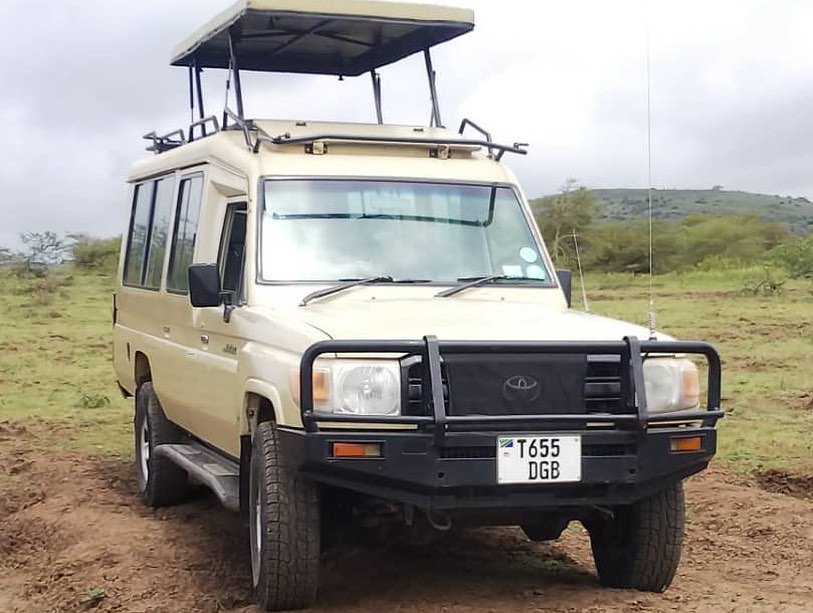
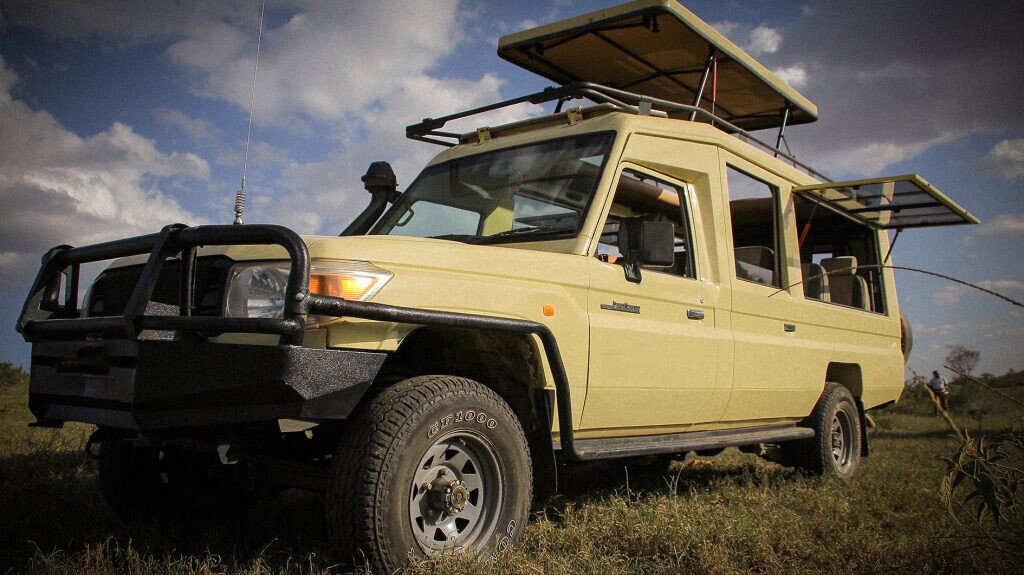
The Vehicle: In Tanzania, the standard safari vehicle is a customized 4×4 Land Cruiser or Land Rover. These vehicles are built for off-road conditions, with pop-up roofs that allow for excellent game viewing and photography. A fair price includes the vehicle for the duration of your safari, covering fuel, insurance, and maintenance. The vehicle should be equipped with:
- Pop-up roof for unobstructed views
- Comfortable seating for all passengers (typically 5-7 people in a private vehicle, or more in a shared vehicle)
- Power outlets for charging devices
- Extra fuel tanks
- Binoculars (sometimes provided)
- First-aid kit
The Guide: A good safari guide is more than just a driver. They are knowledgeable about wildlife behavior, animal tracks, local flora, and the history and culture of the region. They possess exceptional tracking skills and an understanding of animal patterns that can lead to incredible sightings. A fair price includes the salary, accommodation, and food for your guide for the entire safari duration.
What makes a price fair here? It means the quote specifies a private 4×4 safari vehicle (unless you’ve opted for a shared budget safari) and an experienced, English-speaking guide. If you’re planning for 2026-2027, inquire about the guide’s experience and qualifications. Some operators might use older vehicles or less experienced guides to cut costs, which can detract from your safari experience. A fair price ensures you have a reliable vehicle and a guide who can significantly enhance your understanding and enjoyment of the wildlife and landscape.
For example, a typical private safari for 2026-2027 would include a dedicated 4×4 Land Cruiser with a pop-up roof, driven by a professional guide, for the entirety of the safari days. This is a significant cost factor, often representing 30-40% of the total safari price, due to fuel, vehicle depreciation, maintenance, and guide’s wages. Ensure this is clearly stated in your quote.
Meals and Drinks: Fueling Your Adventures
Food and beverages are another crucial aspect of your safari experience and pricing. A fair Tanzania safari price will detail what meals are included, and whether drinks are part of the package.
Included Meals: Most safari packages operate on a full-board basis, meaning breakfast, lunch, and dinner are included daily. This is particularly common when you are inside the national parks, as options for purchasing food are limited and expensive. Lodges and tented camps typically prepare all three meals. If your safari involves travel days or stays in towns, some meals might be at local restaurants, which could be specified.
Drinks: This is where pricing can vary significantly. Often, bottled water is provided in the safari vehicle for daily use. However, alcoholic beverages, soft drinks, and sometimes even extra bottled water beyond what’s provided in the vehicle are usually not included and are charged extra at the lodges or camps. Some higher-end packages might include a selection of house wines or beers.
What makes a price fair regarding meals and drinks? Transparency is key. A fair quote will state “Full Board” or list “Breakfast, Lunch, and Dinner” for each day. It should also clarify the policy on drinks, especially bottled water. For a 2026-2027 safari, confirm if your package includes daily bottled water in the vehicle, as this is a standard expectation for comfort during long game drives.
For example, a typical mid-range to luxury safari includes:
- Breakfast, Lunch, and Dinner at your accommodation each day.
- Bottled water in the safari vehicle.
A quote that doesn’t specify meals or mentions “half board” or “bed and breakfast” only might be significantly cheaper but requires you to budget for additional meals, which can add up. For a truly fair and comprehensive price, full board with sufficient water is expected.
Transfers and Logistics: Getting You There and Back
Your safari doesn’t begin the moment you land in Tanzania. It involves getting from the airport to your starting point (usually Arusha), and potentially back again at the end. These transfers are often a significant part of the overall cost and should be clearly itemized in a fair safari price.
Airport Transfers: This typically includes picking you up from Kilimanjaro International Airport (JRO) and transferring you to your hotel in Arusha, and then transferring you from your hotel back to the airport at the end of your safari. These are usually done by private vehicle.
Inter-Park Transfers: While your safari vehicle handles travel between parks (e.g., Arusha to Tarangire, Tarangire to Serengeti), sometimes there are additional transfers involved, such as getting from your Arusha hotel to the vehicle on the first day, or from the airstrip to your camp if you opt for a fly-in safari component.
What makes a price fair for transfers? It means that all necessary transfers from your arrival airport to your departure airport, and between your accommodation in Arusha and the safari vehicle, are included. For 2026-2027 planning, ensure that these logistics are accounted for. If you’re combining your safari with a Kilimanjaro climb or a Zanzibar trip, transfers between these activities should also be clarified.
For example, a standard 7-day Northern Circuit safari quote would typically include:
- Arrival transfer from JRO to your Arusha hotel.
- Transfer from your Arusha hotel to the starting point of the safari.
- Transfer from the safari vehicle back to your Arusha hotel (or directly to JRO if your flight schedule allows).
- Departure transfer from your Arusha hotel to JRO.
If these transfers are not mentioned, it’s a red flag. A fair price ensures you don’t have to worry about these crucial logistical steps.
Other Common Inclusions in Safari Packages
Beyond the core components, several other elements contribute to a fair Tanzania safari price and enhance your overall experience. These might not always be explicitly listed but are often implied or standard for reputable operators planning for 2026-2027.
- Crater Service Fee (Ngorongoro): As mentioned earlier, this is distinct from the conservation fee and covers the use of the crater floor. A fair quote will include this if the Ngorongoro Crater is part of your itinerary.
- Use of a Shared Safari Vehicle (if applicable): If you’ve chosen a budget or group safari, the price will include your seat in a shared vehicle, which is typically a 7-seater Land Cruiser or similar.
- All necessary permits for national parks and conservation areas.
- Game drive activities throughout your safari.
- A certain level of customer support before, during, and after your trip.
- Emergency evacuation insurance (sometimes included): Some premium packages include basic emergency evacuation coverage, which is a significant value-add.
For instance, when booking a 2026 or 2027 safari, you might expect a company like Climb 4 Africa to include comprehensive support, ensuring all permits are managed correctly. The inclusion of specific equipment like bean bags for photography or even binoculars can be a bonus, though not always standard.
What’s Typically Excluded from a Tanzania Safari Price?
Understanding what is not included is just as important as knowing what is. This helps you budget for additional expenses and avoid surprises. For a fair price, these exclusions should be clearly stated.
- International Flights: Flights to and from Kilimanjaro International Airport (JRO) are almost always excluded.
- Visa Fees: The Tanzanian visa fee is typically paid by the traveler.
- Travel Insurance: Comprehensive travel and medical insurance are essential and usually the traveler’s responsibility. This should cover trip cancellation, medical emergencies, and evacuation.
- Gratuities: Tipping guides, drivers, and lodge staff is customary and not included in the price.
- Personal Expenses: This includes souvenirs, laundry, alcoholic beverages, soft drinks (unless specified), and any extra snacks.
- Optional Activities: Hot air balloon safaris, guided walking safaris (where permitted), or cultural visits might be optional add-ons with separate costs.
- Pre- and Post-Safari Accommodation: Unless specified, accommodation in Arusha before or after the safari might not be included.
- Vaccinations and medications.
A fair quote will have a dedicated section listing these exclusions. For example, when planning your 2026-2027 safari, factor in approximately $500-$1000 for gratuities, optional activities, and personal expenses, depending on your spending habits.
Factors That Significantly Influence Safari Prices
The price of a Tanzania safari can vary dramatically. A fair price reflects the value provided, but understanding what drives the cost helps you appreciate the differences between quotes.
- Type of Safari: Private vs. Shared Safaris. A private safari offers flexibility, exclusivity, and a dedicated vehicle and guide, making it more expensive. Shared safaris are more budget-friendly but involve fixed departure dates and sharing the vehicle with other travelers.
- Accommodation Standard: As discussed, luxury lodges are significantly more expensive than basic campsites or mid-range tented camps.
- Duration of Safari: Longer safaris naturally incur higher costs due to more park fees, accommodation nights, and guide/vehicle days.
- Parks Visited: Some parks, like the Serengeti and Ngorongoro, have higher entrance fees and are more sought-after, potentially influencing pricing.
- Seasonality: High season (June-October, December-February) sees higher demand and prices due to favorable weather conditions. Low season (March-May, November) often offers lower prices but can have rain, impacting game viewing and road conditions. For 2026-2027, expect peak season prices to be higher.
- Vehicle Type: While most reputable operators use Land Cruisers, some might use older models or different vehicle types on budget tours.
- Operator’s Overhead and Reputation: Established operators with strong local support, excellent safety records, and higher operating standards may command higher prices.
A fair price for a 2026-2027 safari is one that aligns with the level of service, comfort, and exclusivity you are seeking. For example, a 7-day private mid-range safari in high season will cost considerably more than a 5-day shared budget safari in the low season.
Peak vs. Low Season Pricing for 2026-2027
Peak Season (June-October, December-February): Expect prices to be 10-20% higher due to increased demand, stable weather, and excellent wildlife viewing conditions. Availability of preferred accommodation can also be limited, requiring earlier booking for 2026-2027 travel.
Low Season (March-May, November): Prices may be 5-15% lower. This period often sees rains, which can make some roads difficult to traverse and reduce wildlife visibility in certain areas. However, it offers lush landscapes and fewer crowds.
Budgeting for Your 2026-2027 Tanzania Safari
To budget effectively for your 2026-2027 Tanzania safari, it’s helpful to have a general idea of cost ranges. These are approximate and can vary widely based on the factors above.
- Budget Safaris (Shared): For a 5-7 day safari, expect prices ranging from $200 to $350 per person per day. These typically involve camping, basic lodges, and shared vehicles.
- Mid-Range Safaris (Private): For a 5-7 day safari, prices generally fall between $350 to $600 per person per day. This includes comfortable tented camps, lodges, and private 4×4 vehicles.
- Luxury Safaris (Private): Expect costs from $600 to $1000+ per person per day for high-end lodges, exclusive experiences, and premium services.
These figures are for the safari package itself. Remember to add costs for international flights, visas, travel insurance, gratuities, and personal expenses. For a 7-day mid-range private safari for two people in 2026, you might budget approximately $5,000 – $8,400 for the safari package, plus additional costs.
Example Budget Breakdown (7-Day Mid-Range Private Safari, 2 People):
| Category | Estimated Cost per Person | Total for 2 People |
|---|---|---|
| Safari Package (incl. parks, accomm, vehicle, guide, meals) | $450/day x 7 days = $3,150 | $6,300 |
| Park Fees (approximate average) | $70/day x 7 days = $490 | $980 |
| Total Safari Package | $3,640 | $7,280 |
| Gratuities (estimated) | $200-$300 | $400-$600 |
| Personal Expenses/Drinks | $100-$200 | $200-$400 |
| Estimated Total (excluding flights/visa/insurance) | ~$4,000 | ~$8,000 |
This table illustrates how a fair price is built up from various components. For 2026-2027 bookings, getting a detailed quote is the best way to understand your specific costs.
How to Compare Safari Quotes Fairly
When you receive quotes from different operators for your 2026-2027 safari, it’s tempting to go with the cheapest. However, a fair comparison goes much deeper. A fair price isn’t just about the number; it’s about the value.
Key Questions to Ask When Comparing Quotes:
- What exactly is included? (Park fees, accommodation type/names, meals, drinks, transfers, vehicle type, guide experience)
- What is excluded? (Ensure this list is clear and comprehensive)
- What is the accommodation standard? Are specific lodges/camps named? Can I see photos or read reviews?
- What type of vehicle is used? Is it a dedicated 4×4 Land Cruiser with a pop-up roof?
- What is the guide’s experience level? Are they certified and experienced in the parks I’m visiting?
- What is the group size if it’s a shared safari?
- What is the payment schedule? (Deposit, balance payment dates)
- What is the cancellation policy?
- Are there any hidden fees?
- What are the typical gratuity recommendations?
A fair quote from a reputable operator like Climb 4 Africa will be detailed and transparent. They will provide a day-by-day itinerary with specified accommodations and clearly list all inclusions and exclusions. For example, if one quote is significantly lower, investigate why. It might be due to:
- Using cheaper, older vehicles.
- Using less experienced guides.
- Staying in basic campsites or budget lodges instead of comfortable tented camps.
- Excluding park fees or other significant costs.
- Using smaller, less comfortable vehicles.
For 2026-2027 safaris, ensure that the operator has a strong local presence and support network, which contributes to a smoother experience and a fair price reflecting genuine value.
Making an Informed Booking Decision with Climb 4 Africa
Choosing the right operator is paramount to ensuring you get a fair Tanzania safari price and, more importantly, a fantastic safari experience. At Climb 4 Africa, we pride ourselves on transparency, quality, and delivering exceptional value for your investment in a 2026 or 2027 safari adventure.
We understand that a fair safari price means including all the essentials that make a safari comfortable, safe, and memorable. Our packages are designed to offer a balance of quality and value, ensuring you don’t encounter unexpected costs or compromises on critical elements like accommodation, vehicle, and guide.
When you inquire with us for your 2026-2027 safari, we will work with you to understand your interests, budget, and travel style. Based on this, we will provide a detailed, itemized quote that clearly outlines:
- All park and conservation fees for the duration of your safari.
- Accommodation in carefully selected mid-range to luxury lodges and tented camps, with options to upgrade or downgrade based on your preferences.
- A private, customized 4×4 Land Cruiser safari vehicle with a pop-up roof, driven by one of our highly experienced and knowledgeable guides.
- All meals as specified in your itinerary, and ample bottled water in the vehicle.
- All necessary transfers, from airport pick-up to drop-off.
- A clear list of exclusions so you know exactly what to budget for separately.
We believe that a fair Tanzania safari price is one that allows you to fully experience the magic of the African bush without constant worry about hidden costs. Our team is dedicated to providing practical, local support and ensuring your safari planning for 2026-2027 is as smooth and enjoyable as the journey itself.
To discuss your dream Tanzania safari and receive a personalized, fair quote, please reach out to us. We are happy to answer all your questions and help craft an unforgettable wildlife adventure tailored to your needs.
Contact Climb 4 Africa:
- WhatsApp: +255 747 477 898
- Email: climb4africa@gmail.com
- Website: Climb 4 Africa
Let us help you plan your perfect 2026 or 2027 safari. We look forward to hearing from you and assisting you in discovering the wonders of Tanzania.
“,
“faq_schema”: [
{
“question”: “What are the typical park entrance fees in Tanzania for safaris in 2026-2027?”,
“answer”: “Park entrance fees in Tanzania for safaris in 2026-2027 typically range from $60 to $80 per person per 24-hour period for major parks like the Serengeti, and around $70 per person per day for the Ngorongoro Crater. Other parks like Tarangire and Lake Manyara might be between $50-$60 per person per day. These fees are set by the government and are a significant part of the safari cost.”
},
{
“question”: “Is accommodation included in a fair Tanzania safari price?”,
“answer”: “Yes, accommodation is a core component of a fair Tanzania safari price. This can range from basic campsites and park bandas for budget travelers to comfortable mid-range tented camps with en-suite facilities, and luxurious lodges with premium amenities for higher-end safaris. The type and quality of accommodation significantly influence the overall cost.”
},
{
“question”: “What type of safari vehicle should be included in a fair price?”,
“answer”: “A fair Tanzania safari price should include the use of a customized 4×4 safari vehicle, typically a Land Cruiser or Land Rover, equipped with a pop-up roof for optimal game viewing and photography. This usually includes fuel, driver/guide, and maintenance for the duration of the safari.”
},
{
“question”: “Are meals and drinks included in a fair safari package?”,
“answer”: “Most fair Tanzania safari packages operate on a full-board basis, meaning breakfast, lunch, and dinner are included daily. Bottled water is usually provided in the safari vehicle. However, alcoholic beverages, soft drinks, and sometimes extra bottled water are often excluded and available at an additional cost at lodges and camps.”
},
{
“question”: “What are common exclusions from a Tanzania safari price?”,
“answer”: “Common exclusions from a fair Tanzania safari price include international flights to Tanzania, visa fees, travel and medical insurance, gratuities for guides and staff, personal expenses (souvenirs, laundry), alcoholic drinks, and optional activities like hot air balloon safaris.”
},
{
“question”: “How can I ensure I’m getting a fair price for my 2026-2027 safari?”,
“answer”: “To ensure a fair price for your 2026-2027 safari, compare detailed quotes from reputable operators. Check what is explicitly included (park fees, accommodation names, vehicle type, guide experience) and excluded. Understand the accommodation standard, vehicle quality, and the operator’s reputation and local support. Transparency is key.”
}
]
}
“`
Check Availability for What Should Be Included In A Fair Tanzania Safari Price? 2026-2027
Ready to compare dates, prices, and the best option for your group? Send the package name and travel month so the team can reply with a clear quote, availability, and what is included.
How Early Should I Book A Nov Or Dec Tanzania Group Safari?
How Early Should I Book a Nov or Dec Tanzania Group Safari?
View package details
December Tanzania Group Joining Safari Dates And Prices: Best Guide 2026
A detailed guide on planning your December 2026 Tanzania safari, covering group joining logistics, cost considerations, and how to prepare for this peak travel window.
View package details
AFCON 2027 Safari Packages from Tanzania
Hitaji la safari ya kundoka ili kufurahia AFCON 2027? Chagua kutoka kwa mikakati ya safari nchini Tanzania inayoambatana na wildlife, mbuga maarufu, na uwekaji wa huduma ya kimataifa ya...
View package detailsAFCON 2027 Mid Range Safari Packages Tanzania
Mwongozo wa safari ya kati ya AFCON 2027 Tanzania kutoka Climb 4 Africa: mipango ya njia, maeneo ya msitu wa serikali, na usalama wa wasafiri. Onyesha jinsi ya kuchagua kilima cha kati...
View package details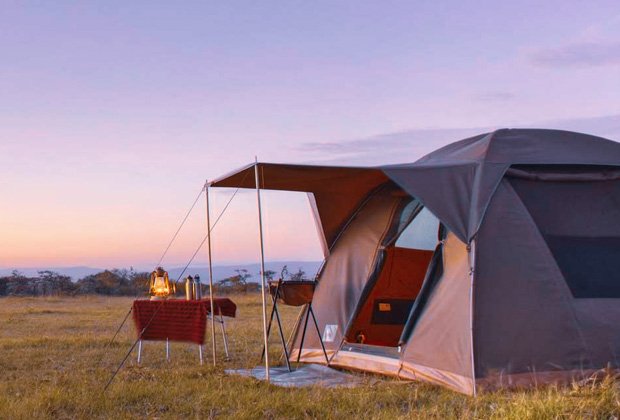
Best Tanzania Safari Before Afcon Final
Best Tanzania Safari Before AFCON 2027 Final.
View package detailsBest Tanzania Safari After Afcon Match
Best Tanzania Safari After AFCON 2027 Match.
View package details
Five Day Tanzania Safari And Afcon Package
Five Day Tanzania Safari and AFCON Package.
View package detailsAfcon Northern Tanzania Safari Packages
AFCON 2027 Northern Tanzania Safari Packages.
View package detailsAfcon Tanzania Football Kilimanjaro And Safari Tour
AFCON 2027 Tanzania Football Kilimanjaro and Safari Tour.
View package details
Tanzania Safari Packages from Dar es Salaam During AFCON 2027
Mwongozo wa kina wa safari za Tanzania kuanzia Dar es Salaam wakati AFCON 2027: rasilimali, mipango ya siku, na hatua za uhakika za ziara za wanyama na mbuga maarufu.
View package detailsTanzania Safari Tours for AFCON 2027 Fans
Muhtasari wa safari za Tanzania kwa mashabiki wa AFCON 2027: maeneo ya hifadhi, mizunguko ya wildlife, usalama wa safari, na jinsi ya kupanga na kuhudumiwa na Climb 4 Africa.
View package detailsNo related package matches those filters. Clear one or more filters to see the other topic-matched options.