Generally, Tanzania safaris can be cheaper in April and May compared to peak dry seasons, with May often offering slightly better value and fewer crowds. Both months fall within the ‘green season’ or shoulder season, characterized by more rainfall, which typically leads to lower accommodation and tour operator prices. However, the extent of savings and the quality of the experience depend on specific park choices, accommodation levels, and itinerary details for your 2026 or 2027 safari.

Understanding Tanzania’s Safari Seasons and Pricing
Tanzania’s safari pricing is intrinsically linked to its distinct seasons. Understanding these cycles is fundamental to grasping why April and May present unique opportunities for budget-conscious travelers planning a 2026 or 2027 trip. The safari calendar is broadly divided into: the peak dry season (June to October), the short dry season (January to February), and the green season (November to May, with variations). The peak dry season is when wildlife congregates around water sources, making sightings predictable and weather reliably clear, hence commanding the highest prices due to demand. Conversely, the green season, while often misunderstood, offers lush landscapes, newborn animals, and significantly more affordable rates.
So, when we ask, “Are Tanzania safaris cheaper in April or May?”, we are essentially looking at the tail end of the long rains, a period that many travelers avoid due to the perception of widespread, disruptive weather. However, this perception often overlooks the nuances of April and May. These months can represent a sweet spot for value, especially for safaris focused on the Serengeti, Ngorongoro Crater, and Tarangire.
For travelers planning a 2026 or 2027 safari, recognizing these seasonal pricing dynamics is the first step. It allows for strategic planning to maximize wildlife viewing while minimizing expenditure. The difference between April and May in terms of cost isn’t usually dramatic, but May often sees a slight dip as the heaviest rains recede, making it marginally more appealing from a price perspective if you’re comparing apples to apples in terms of itinerary and lodge choice.
### The “Green Season” Nuance: What April and May Really Mean
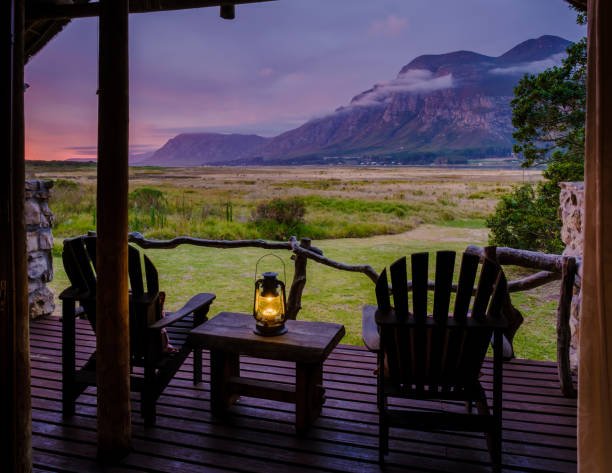
The term “green season” can sometimes evoke images of impenetrable jungles and impassable roads. However, in Tanzania, the rain during April and May is typically characterized by afternoon showers or thunderstorms, rather than constant downpours. This means that mornings are often clear and excellent for game drives, and the landscape transforms into a vibrant, verdant paradise. This beauty is often accompanied by a significant drop in prices for safari packages, lodges, and flights.
**April** is generally the wettest month of the year in most of northern Tanzania’s safari circuit. While this means excellent photographic opportunities with dramatic skies and lush scenery, it can also mean some areas might be less accessible, and certain lodges might reduce their rates significantly to attract visitors. For those who don’t mind occasional rain and are seeking the best possible value for their 2026 or 2027 safari, April can be an excellent choice, especially if focusing on areas less affected by heavy rains.
**May**, on the other hand, usually marks the transition out of the heaviest rains. The landscape remains beautifully green, but the frequency and intensity of rainfall tend to decrease. This makes May a highly attractive month for a Tanzania safari, offering a compelling combination of good wildlife viewing, stunning scenery, and lower prices than the peak season. It’s often considered a prime time to snag deals on accommodation and potentially even flights, making it a strong contender for those asking if Tanzania safaris are cheaper in April or May.
### Factors Influencing Safari Costs in April and May
While the season is a major driver of cost, several other factors play a role in determining the overall price of a Tanzania safari in April and May for 2026 or 2027:
* Accommodation Level: From budget-friendly tented camps to ultra-luxury lodges, the choice of accommodation has a significant impact. Green season rates apply across the board, but the absolute price difference between a budget tent and a luxury suite remains substantial.
* Itinerary and Duration: Longer safaris or those covering more remote parks might incur higher costs due to increased park fees, vehicle usage, and internal flights. However, the daily rates for accommodation and guiding services are often lower in April and May.
* Private vs. Group Safaris: Group or “shared” safaris are almost always cheaper per person than private tours. This is a critical distinction when comparing prices for April and May safaris.
* Inclusions: Some operators include all meals, drinks, park fees, and activities, while others offer a more basic package. Understanding what’s included is vital for an accurate cost comparison.
* Park Entrance Fees: These are generally fixed by the Tanzania National Parks Authority (TANAPA) and do not change seasonally. However, accessibility to certain areas within parks might be affected by rain, which can influence itinerary planning and potentially indirectly affect costs if alternative arrangements are needed.
For example, a 7-day Northern Circuit safari in May 2027, staying in mid-range lodges, might cost considerably less than the same itinerary in July 2027. The savings can be significant enough to allow for an extended stay or an upgrade in accommodation if desired.
## Weather Patterns: April vs. May in Tanzania
When considering whether Tanzania safaris are cheaper in April or May, understanding the weather is paramount. Both months are technically part of the ‘long rains’ season, but the character and intensity of the rainfall differ, impacting the safari experience and, consequently, pricing.
### April: The Heart of the Long Rains
April is typically the wettest month across much of Tanzania’s popular safari destinations, including the Serengeti National Park, Ngorongoro Conservation Area, Tarangire National Park, and Lake Manyara National Park. This means you can expect:
* Frequent Rainfall: Showers can be heavy and sometimes prolonged, often occurring in the afternoon or overnight. However, it’s rare for it to rain all day, every day.
* Lush, Green Landscapes: The rains bring the savanna to life, creating stunning, vibrant scenery. This is a photographer’s dream for dramatic skies and verdant plains.
* Potentially Muddy Roads: In some areas, especially off the main tracks, roads can become muddy and more challenging to navigate. Reputable tour operators use 4×4 vehicles equipped for these conditions, but travel times might be slightly longer.
* Fewer Tourists: Due to the perception of rain, April sees a significant drop in visitor numbers compared to the dry season. This translates directly into lower prices for accommodation and safari packages.
For a 2026 or 2027 safari, if you’re looking for the absolute lowest prices and don’t mind the possibility of rain, April can be a compelling choice. The wildlife is still present, and the landscapes are at their most beautiful. You might also witness the spectacular wildebeest migration in the central or western Serengeti during April, a truly magnificent sight.
### May: Transitioning Out of the Rains
May generally marks the gradual receding of the long rains. While there can still be some rainfall, it’s typically less frequent and less intense than in April. The benefits for a safari traveler in 2026 or 2027 include:
* Reduced Rainfall: Expect more sunny days, with showers becoming less common and shorter-lived. The air is often fresh and clean after a rainfall.
* Continued Green Scenery: The landscape remains beautifully green and lush, a stark contrast to the dry, dusty conditions of the peak season.
* Improved Road Conditions: As the rains lessen, roads begin to dry out, making travel smoother and more predictable.
* Still Low Tourist Numbers: While slightly busier than April, May is still considered part of the shoulder season, meaning prices remain significantly lower than in the peak months of June to October.
Many travelers find May to be an ideal month for a Tanzania safari. It offers a fantastic balance: the benefits of the green season (lush landscapes, fewer crowds, lower prices) without the significant risk of prolonged, disruptive rain. This makes it a strong contender for those seeking value and a great overall experience for their 2026 or 2027 adventure.
### Impact on Wildlife Viewing
While the rain might deter some, it doesn’t significantly diminish wildlife viewing opportunities in April and May. In fact, there are unique advantages:
* Newborn Animals: The green season is birthing season for many plains animals, including wildebeest, zebras, and antelopes. This means abundant prey for predators, leading to potentially exciting predator-action sightings. Young animals are a delight to photograph.
* Wildebeest Migration: In April, the vast herds of the Great Wildebeest Migration are typically found in the central and western Serengeti, often crossing rivers. May sees them beginning to move northwards.
* Birdwatching: Migratory birds are present, and resident birds are in breeding plumage, making it an excellent time for birdwatchers.
* Concentration of Animals: In areas where water sources are still plentiful due to recent rains, animals can be found in good numbers.
Some remote areas might be harder to access, but the main safari circuits like the Serengeti and Ngorongoro remain highly accessible and rewarding throughout April and May. The key is partnering with an operator experienced in these conditions.
## Comparing April and May for Your Tanzania Safari in 2026-2027
To definitively answer whether Tanzania safaris are cheaper in April or May, let’s break down the comparison from a traveler’s perspective, considering costs, experience, and practicalities for a 2026 or 2027 trip.
### Cost Comparison: April vs. May
As a general rule, prices for safari packages tend to be at their lowest during the heart of the green season. Both April and May fall into this category.
* April: Often sees the deepest discounts on accommodation and tour packages. Some lodges might offer substantial ‘low season’ rates. If your primary concern is minimizing expenditure, April can offer the absolute cheapest rates.
* May: While still offering excellent value, May’s prices might be a notch higher than April’s as the season transitions and the risk of heavy rain decreases. However, the difference is usually marginal. For instance, a mid-range lodge might be $300-$400 per night in peak season, dropping to $200-$250 in April and perhaps $220-$270 in May. These are illustrative figures, and actual rates vary widely by property.
Key takeaway for 2026-2027 planning: Both months are significantly cheaper than the dry season (June-October). May often provides a slightly better balance of value and improved weather predictability, making it a popular choice for those seeking the best of both worlds without the highest price tag.
### Experience Comparison: April vs. May
The ‘cheaper’ aspect needs to be balanced against the safari experience itself.
* April Experience:
* Pros: Extremely lush scenery, potential for dramatic skies, fewer tourists, very low prices, excellent for photographers wanting dramatic backdrops, possible river crossings of the migration.
* Cons: Higher chance of rain impacting game drives (though usually not all day), potentially muddier roads requiring experienced guides and suitable vehicles, some camps might close or reduce services.
* May Experience:
* Pros: Still lush and green but less saturated with rain, more predictable weather with increased sunshine, good wildlife viewing (including newborns), migration moving north, roads generally in better condition, still low tourist numbers and good prices.
* Cons: Slightly higher prices than April, though still very affordable compared to the dry season.
### Practical Considerations for 2026-2027 Bookings
* Availability: While both months have good availability, you might find that some of the most sought-after lodges or camps are more likely to be fully booked in May than in April, especially if they remain open year-round. However, for 2026 and 2027, booking well in advance is always recommended for prime locations.
* Flights: International flight prices can vary independently of the safari season, but booking early for April or May 2027 can still yield savings.
* Operator Choice: The quality of your safari experience, especially during the green season, heavily depends on your tour operator. An experienced operator will know how to navigate any weather challenges, select lodges in well-drained areas, and utilize vehicles suited for the conditions. This is where choosing a reputable company like Climb 4 Africa becomes crucial for your 2026-2027 safari.
Decision Point: If absolute lowest cost is the priority and you’re prepared for potential rain, April is your month. If you want a balance of great value, beautiful scenery, and more reliable weather for your 2026 or 2027 safari, May often edges out April.
## Wildlife Migration in April and May
The Great Migration is a year-round phenomenon, but its location and behavior change dramatically with the seasons. Understanding where the wildebeest and zebras will be in April and May is key to planning a successful safari and can influence which parks are best visited, potentially affecting costs based on park fees and travel logistics for your 2026 or 2027 trip.
### April: The Calving Season Aftermath and River Crossings
By April, the wildebeest herds have typically finished their calving season, which occurs in February on the Ndutu plains (southern Serengeti and Ngorongoro Conservation Area). The focus shifts to migration and survival.
* Location: In April, the majority of the migration herds are usually found in the central and western Serengeti. They are often grazing heavily, with many young calves now strong enough to travel.
* River Crossings: This is a prime time for witnessing river crossings. The Grumeti River in the western Serengeti can be a formidable obstacle, and observing wildebeest and zebra braving its waters is a spectacular, albeit sometimes brutal, wildlife event. The Mara River in the north is less likely to be crossed by the main herds in April; those crossings typically occur later in the year.
* Predator Activity: The abundance of young, inexperienced calves makes predator sightings particularly exciting during April. Lions, cheetahs, hyenas, and wild dogs are often seen hunting.
### May: Beginning the Northern Trek
As May arrives, the herds begin their northward movement, responding to the changing grazing patterns and the onset of the dry season in the north.
* Location: In May, the herds start moving from the western Serengeti towards the northern areas. They are often found in the central and northern Serengeti. The exact timing can vary year to year based on rainfall.
* Grazing and Movement: The lush grasses in the central and western regions start to deplete, prompting the move. The journey is arduous, and the herds spread out.
* Less River Crossing Activity: While some smaller watercourses might be crossed, the dramatic Grumeti River crossings are generally less common in May than in April. The Mara River crossings are still some months away.
### Implications for Your 2026-2027 Safari Cost and Experience
* Western Serengeti: If seeing the Grumeti River crossings is a high priority for your 2026 or 2027 safari, April is the better month, specifically targeting the western corridor. However, lodges in the Western Serengeti can be more expensive due to their remoteness and limited seasonal operation.
* Central & Northern Serengeti: May sees the herds moving into these areas. The central Serengeti remains a good all-round destination year-round, while the northern Serengeti becomes more active later in the year. Safaris focusing on these regions in May will still offer excellent game viewing.
* Value Proposition: The fact that both April and May are cheaper months means you can potentially afford to spend more time in the Serengeti or include more specialized activities (like hot air balloon safaris) without exceeding your budget compared to the peak season.
When comparing April and May specifically for the migration, the choice depends on which aspect of the migration you wish to see. For the dramatic river crossings, April is often superior. For the sheer spectacle of vast herds on the move towards the north, May is the beginning of that epic journey.
## Park-Specific Considerations for April and May Safaris
While the general pricing trends hold true, specific parks within Tanzania’s safari circuits can offer different experiences and value propositions during April and May. Understanding these nuances will help you decide if Tanzania safaris are cheaper in April or May for your preferred destinations in 2026 or 2027.
### Serengeti National Park
* April: The migration is typically in the central and western Serengeti. The western corridor can experience heavier rains, impacting road conditions. However, the abundance of wildlife, especially predators and young animals, is a major draw. Prices are at their lowest.
* May: Herds begin their move north. The central Serengeti remains excellent for resident game. Road conditions improve as rains subside. Prices are still low, offering great value.
### Ngorongoro Conservation Area (Ngorongoro Crater)
* April & May: The Ngorongoro Crater is a unique ecosystem that is generally accessible year-round. The rains bring lush greenery, making the crater floor exceptionally beautiful. Wildlife viewing is consistently excellent due to the high density of animals and permanent water sources. The main impact of rain might be on the road descending into the crater, but this is usually manageable. Prices are lower than the peak season, but the crater’s popularity means it rarely becomes truly ’empty’ of tourists, even in the green season.
### Tarangire National Park
* April: Tarangire is known for its large elephant herds and baobab trees. During the rainy season, wildlife disperses into the wider park as smaller waterholes fill up. This can make sightings slightly more challenging than in the dry season when animals congregate around the Tarangire River. However, the landscape is stunningly green. Prices are lower.
* May: The rains begin to taper off. Animals might start concentrating more towards the Tarangire River as the landscape dries slightly. It’s a good time for birding. Prices remain low.
### Lake Manyara National Park
* April: The lake levels are usually high, and the surrounding vegetation is vibrant. The park is small and easily covered, even with potential rain. Famous for its tree-climbing lions (though sightings are never guaranteed), diverse birdlife, and hot springs. It’s generally accessible year-round.
* May: Similar to April, offering good game viewing and birding. The park’s accessibility is less affected by rain compared to larger, more remote parks.
### Other Parks (e.g., Selous/Nyerere National Park, Ruaha National Park)
While the Northern Circuit is the most popular for April/May safaris, if you’re considering southern parks:
* Southern Tanzania (Nyerere/Selous, Ruaha): These parks experience a different rainy season, often peaking between November and April. Therefore, April can be quite wet, and May marks the beginning of the dry season. This means wildlife might start congregating around permanent water sources, making them easier to spot. However, prices might not drop as drastically as in the north, and some camps might close during the peak rainy season.
For 2026-2027 Budget Planning: If your heart is set on the Northern Circuit (Serengeti, Ngorongoro, Tarangire, Manyara), then both April and May offer significant cost savings. May often presents a slightly more comfortable weather experience while retaining much of the value.
## Maximizing Value: Tips for a Cheaper Safari in April or May 2026-2027
If your goal is to make Tanzania safaris cheaper in April or May, smart planning and specific choices can amplify the savings. Here are practical tips for your 2026 or 2027 trip:
### 1. Choose Your Accommodation Wisely
* Mid-Range Camps and Lodges: These offer a great balance of comfort, service, and price. They are significantly cheaper than luxury lodges during the green season but provide more amenities than basic tented camps.
* Tented Camps: Opting for comfortable canvas tented camps can reduce costs while still offering an authentic safari experience. Ensure they have en-suite bathrooms and proper bedding.
* Avoid Peak Luxury: While tempting, the most exclusive lodges will still be the most expensive, even with green season discounts. Focus on reputable mid-range options.
### 2. Opt for Shared/Group Safaris
* Cost Savings: Joining a small group safari is almost always cheaper per person than a private safari. This is because the costs of the vehicle, guide, and park fees are shared among more people.
* Finding Groups: Many operators, including Climb 4 Africa, offer scheduled group departures for popular itineraries like the Northern Circuit. Check their 2026-2027 departure dates for April or May.
* Trade-off: The main trade-off is less flexibility in terms of itinerary and pace compared to a private safari.
### 3. Strategic Itinerary Planning
* Focus on Key Parks: While adding more parks might seem appealing, it increases park fees and internal travel costs. Focusing on the core Northern Circuit parks (Serengeti, Ngorongoro, Tarangire) can be more cost-effective.
* Duration: A 7-9 day safari often hits the sweet spot for experiencing key areas without excessive costs. Extending by a day or two might be affordable in April/May, but very long trips will naturally increase the total price.
* Internal Flights: Minimize or avoid internal flights where possible. Road travel between Northern Circuit parks is scenic and significantly cheaper, though it takes longer.
### 4. Travel with an Experienced, Local Operator
* Negotiating Power: Local operators often have better rates with lodges and ground services than international agents, allowing them to offer competitive pricing.
* Value Beyond Price: Experienced local operators understand the nuances of the green season. They can recommend lodges in areas less affected by rain, ensure vehicles are well-maintained for potentially challenging roads, and know the best times and places for game drives even when it’s wet. This expertise is invaluable for ensuring you get the most out of your safari, regardless of the season.
* Climb 4 Africa’s Role: For your 2026 or 2027 safari, contacting Climb 4 Africa directly can help you navigate these choices. They can tailor an itinerary that maximizes value while aligning with your interests.
### 5. Be Flexible with Travel Dates
* Mid-April to Mid-May: While the entire shoulder season offers value, sometimes shifting your dates by a week or two within April or May can find slightly better deals or availability.
* Weekday Travel: Occasionally, starting your safari on a weekday might be marginally cheaper than a weekend start, though this is less common for package tours.
### 6. Look for All-Inclusive Packages (with Caution)
* Simplicity: Packages that include accommodation, meals, park fees, guide, and vehicle can simplify budgeting. Ensure you understand what “all-inclusive” truly means – drinks, tips, and specific activities are often extra.
* Value Check: Compare the total cost against booking components separately. For green season safaris, well-priced all-inclusive packages can offer excellent value.
By combining these strategies, you can effectively make Tanzania safaris cheaper in April or May, ensuring a memorable 2026 or 2027 adventure without compromising on the quality of the experience.
## Frequently Asked Questions: Tanzania Safaris in April vs. May
Here are some common questions travelers have when considering a Tanzania safari in April or May for 2026-2027.
Are there many mosquitoes in April and May?
Yes, as with any time during the rainy season, mosquito activity tends to be higher. It’s essential to use insect repellent (with DEET), wear long sleeves and trousers in the evenings, and consider using mosquito nets provided by your accommodation. Your lodge or camp will likely have preventative measures in place.
What should I pack for an April or May safari?
Pack lightweight, neutral-colored clothing. Include a light waterproof jacket or poncho for rain showers. Layers are essential, as mornings and evenings can be cool, especially at higher altitudes like the Ngorongoro Crater rim. Don’t forget sunscreen, a hat, sunglasses, binoculars, and a good camera. Comfortable walking shoes are also a must.
Will the rains prevent me from going on game drives?
It’s unlikely that the rains will prevent game drives entirely. Most showers are in the afternoon or evening. Experienced guides will adapt the schedule to maximize game viewing opportunities, often starting early before the rain or taking breaks during heavy downpours. The main concern might be road conditions, which a good operator will manage.
Is the Great Migration present in April and May?
Yes. In April, the migration is typically in the central and western Serengeti, with potential river crossings. In May, the herds begin their movement northwards, usually found in the central and northern Serengeti. This is a dynamic event, and exact locations can vary year to year.
Can I combine a safari in April/May with a Kilimanjaro climb?
Absolutely. Many travelers combine a Kilimanjaro climb with a safari. April and May are generally good months for climbing Kilimanjaro as well, though the rains can make the upper reaches wetter and colder. It’s advisable to schedule the climb first, followed by a safari, or vice versa, ensuring adequate rest between activities. Climb 4 Africa specializes in both, offering smooth logistics for combined trips in 2026 or 2027.
Are there fewer animals in April and May?
No, quite the opposite. The green season is calving season for many species, meaning there are many young, vulnerable animals. This attracts predators, leading to excellent predator-sighting opportunities. While animals might disperse slightly due to abundant water and vegetation, the concentration in key areas like the Serengeti and Ngorongoro remains high.
How does the cost difference between April and May compare to the peak season?
The difference between April/May and the peak dry season (June-October) can be substantial, often ranging from 20% to 40% or even more for comparable accommodation and safari packages. This makes the shoulder season a very attractive option for budget-conscious travelers planning for 2026 or 2027.
Making Your Booking Decision for 2026-2027
Ultimately, the question of whether Tanzania safaris are cheaper in April or May hinges on your priorities. Both months offer a compelling value proposition compared to the peak dry season, allowing you to experience the magic of Tanzania’s wildlife and landscapes at a more accessible price point for your 2026 or 2027 adventure.
* Choose April if: Your absolute priority is the lowest possible cost, you are keen on dramatic photographic opportunities with lush scenery and skies, and you are comfortable with a higher likelihood of rain, understanding that it rarely disrupts the entire day.
* Choose May if: You seek a strong balance between affordability, beautiful green landscapes, and more predictable weather with increased sunshine. May often provides a slightly more comfortable safari experience while still offering excellent value and fewer crowds than the peak months.
Regardless of your choice between April and May, partnering with an experienced, local tour operator is crucial. They can provide essential insights into the specific conditions for your travel dates, help craft an itinerary that maximizes your experience, and secure the best possible rates. Companies like Climb 4 Africa have the local knowledge and expertise to guide you through planning your 2026 or 2027 safari, ensuring a memorable and well-managed trip. Contacting them directly is the best next step to discuss your specific interests and budget.
Ready to Plan Your Affordable Tanzania Safari?
For personalized advice on planning your Tanzania safari in April or May 2026-2027, understanding the latest seasonal conditions, and securing the best value, reach out to the experts at Climb 4 Africa. Whether you’re considering a Northern Circuit safari, a combined Kilimanjaro climb and safari, or a tailor-made itinerary, they can help craft the perfect adventure. Get in touch via WhatsApp at +255 747 477 898 or email climb4africa@gmail.com to start planning.
Check Availability for Are Tanzania Safaris Cheaper In April Or May? Your Guide 2026-2027
Ready to compare dates, prices, and the best option for your group? Send the package name and travel month so the team can reply with a clear quote, availability, and what is included.