
To have a private safari in Tanzania on a limited budget in 2026-2027, focus on smart itinerary planning, choosing shoulder seasons, opting for comfortable mid-range lodges or tented camps, and selecting specific park combinations that offer excellent wildlife viewing without the highest daily fees. A private safari doesn’t have to mean a five-star luxury experience; it means having your own vehicle and guide, which can be more affordable than you think when planned strategically.

The allure of a Tanzanian safari is undeniable. Vast savannas teeming with wildlife, iconic landscapes, and the promise of unforgettable encounters. For many, the ultimate dream is a private safari – your own vehicle, your own guide, and a flexible itinerary tailored to your interests. However, the perception often is that ‘private’ equates to ‘prohibitively expensive.’ This doesn’t have to be the case, especially when planning your adventure for 2026 or 2027. With careful consideration and expert advice, a private safari experience on a limited budget is not only achievable but can be incredibly rewarding.
This guide is designed to break down the components of a Tanzanian safari, highlight where costs can be managed, and offer practical strategies for making your dream of a private safari a reality without breaking the bank. We’ll explore different approaches, from selecting the right parks and accommodations to optimizing your travel dates and vehicle choices.
Understanding the Core Components of Safari Costs
Before we look at saving strategies, it’s crucial to understand what makes up the price of a Tanzanian safari. This transparency is key to making informed decisions for your private safari on a limited budget.
- Park Entrance Fees: These are levied by the Tanzanian National Parks Authority (TANAPA) and are often the largest single cost component. Fees vary significantly between parks, with the Serengeti and Ngorongoro Crater typically being the most expensive.
- Accommodation: Lodges and tented camps range from basic to ultra-luxury. Your choice here has a significant impact on the overall budget.
- Vehicle and Guide: For a private safari, you’ll hire a dedicated 4×4 safari vehicle with a professional driver-guide. This is usually priced per vehicle per day.
- Crater Service Fees (Ngorongoro): Accessing the Ngorongoro Crater floor involves additional fees per vehicle and per person.
- Internal Transfers: If flying between locations, these costs add up. Driving between parks is more budget-friendly.
- Meals and Drinks: While often included in lodge rates, specific drink choices or additional meals can increase costs.
- Staff Gratuities: Tips for guides, drivers, and lodge staff are customary.
- Overhead and Operator Margins: Tour operators add their expertise, logistical planning, and profit margin.
By understanding these elements, we can strategically target areas for savings to achieve your private safari on a limited budget for 2026-2027.
Strategic Itinerary Planning for Budget-Conscious Private Safaris
The itinerary is the backbone of any safari, and for a private safari on a limited budget, it’s where some of the most impactful savings can be made. This involves not just where you go, but for how long and in what order.
Choosing Your Parks Wisely
Tanzania boasts a wealth of incredible national parks, but not all are created equal in terms of cost. For a budget-conscious traveler aiming for a private experience, consider the following park strategies for 2026-2027:
- Focus on Tarangire and Lake Manyara: These parks are often more affordable than the Serengeti, yet offer exceptional wildlife viewing. Tarangire is famous for its large elephant herds and baobab trees, while Lake Manyara provides a diverse ecosystem with tree-climbing lions and a stunning lake setting. Combining these two can offer a rich experience for fewer park fees.
- The Southern Circuit (Selous/Nyerere National Park & Ruaha): While less famous than the Northern Circuit, the southern parks offer a wilder, more remote, and often less crowded safari experience at a considerably lower cost. Park fees are generally lower, and accommodation options can be more budget-friendly. This circuit is ideal for those seeking a truly off-the-beaten-path private safari on a limited budget. Ruaha, in particular, is one of Africa’s largest wildlife reserves and offers incredible predator sightings.
- Limit Ngorongoro Crater Visits: The Ngorongoro Crater, while spectacular, comes with significant daily fees per vehicle and per person. For a budget safari, you might consider visiting the crater rim for the views, or opting for a single day’s descent rather than multiple days. Alternatively, explore the wider Ngorongoro Conservation Area, which has different fee structures.
- Strategic Serengeti Time: If the Serengeti is a must, consider spending fewer days there or focusing your time on specific areas known for concentrated wildlife, rather than traversing the entire vast park. The central Seronera area is often good year-round, while migration movements can dictate optimal viewing times and locations in other sectors.
Balancing Duration and Depth
A common misconception is that longer safaris are always more expensive. While this is true in absolute terms, a longer safari can sometimes offer better value per day. However, for a private safari on a limited budget, the goal is to maximize experience within a fixed budget. This means:
- Optimizing Days Per Park: Instead of spending a week in the Serengeti, consider 2-3 days in Tarangire, 1-2 days in Lake Manyara, and perhaps 3-4 days in the Serengeti or Ruaha. This provides variety and sufficient time for wildlife viewing in each location without incurring excessive park fees.
- Self-Driving vs. Guided: While this guide focuses on private safaris with a guide and vehicle, it’s worth noting that self-driving is generally not recommended or feasible for tourists in Tanzania due to road conditions, navigation challenges, and park regulations. The private vehicle and guide are essential.
- Reducing Transit Time: Opting for itineraries that minimize long driving days between parks saves on fuel costs and allows more time for game drives. Flying between locations is faster but significantly adds to the cost, so driving is usually preferred for budget safaris.
Sample Itinerary Logic for a Budget Private Safari (2026-2027)
Consider an itinerary like this for a 7-day private safari on a limited budget:
- Day 1-3: Tarangire National Park. Focus on elephants, baobabs, and diverse birdlife.
- Day 4: Lake Manyara National Park. Explore the rift valley escarpment, tree-climbing lions, and birdlife around the lake.
- Day 5-7: Serengeti National Park (Central or Southern Sector). Focus on iconic predators and the vast plains.
This type of itinerary balances iconic parks with manageable costs, offering a fantastic introduction to Tanzanian wildlife in a private setting. For even deeper savings, consider a 5-day safari focusing on just Tarangire and Lake Manyara, or perhaps a Southern Circuit adventure.
Accommodation Choices: Balancing Comfort and Cost
Your choice of accommodation significantly influences the cost of your private safari on a limited budget. The spectrum ranges from basic campsites to opulent lodges. For a budget-conscious traveler, the sweet spot often lies in comfortable mid-range options.
Mid-Range Lodges and Tented Camps
These accommodations offer a comfortable and authentic safari experience without the premium price tag of high-end lodges. They typically provide:
- En-suite Facilities: Comfortable rooms or canvas tents with private bathrooms.
- Quality Meals: Usually served in a central dining area, offering a good variety of local and international dishes.
- Good Locations: Often situated within or very close to national parks, providing excellent access to game drives.
- Atmosphere: Many tented camps offer a more in-depth feel, closer to nature, while still providing essential comforts.
Examples include lodges like Tarangire Sopa Lodge, Lake Manyara Serena Safari Lodge (though can be higher end), or various tented camps in the Serengeti and Tarangire that fall into the mid-range category. For 2026-2027, many established operators work with a portfolio of such properties.
The Value of Tented Camps
Tented camps, particularly those that are not ultra-luxury, can offer excellent value. They often provide a more intimate connection with the wilderness. While they might lack the swimming pools or extensive amenities of lodges, they deliver on the core safari experience: proximity to wildlife, comfortable sleeping arrangements, and delicious food, all contributing to a memorable private safari on a limited budget.
Camping as an Option (Less Common for Private Safaris)
While true budget travelers might consider public campsites, these are often basic and might not align with the comfort expectations of someone seeking a private safari, even on a budget. However, some operators offer ‘fly-camping’ as part of a more adventurous itinerary, which is a step up from public camping but more basic than a permanent tented camp. This could be a unique way to experience a private safari on a limited budget if you’re willing to embrace a more rustic adventure.
Considering the Southern Circuit for Accommodation Savings
Accommodation in the Southern Circuit (Nyerere/Selous and Ruaha) is often less developed than in the north, leading to generally lower prices for comparable quality. This makes it a prime region for those looking for a high-quality private safari on a limited budget in 2026-2027.
Timing Your Safari for Maximum Savings (2026-2027)
When you travel can dramatically influence the cost of your safari. Understanding Tanzania’s seasons is key to securing a private safari on a limited budget.
Shoulder Seasons: The Sweet Spot
The peak safari seasons (June to October and December to February) are popular for good reason – excellent weather and wildlife viewing. However, they also command the highest prices. For budget travelers, the shoulder seasons offer a compelling alternative:
- March to May (Long Rains): This period sees fewer tourists, leading to lower accommodation rates and potentially more availability for private vehicles. While it’s the rainy season, showers are often short and intense, followed by sunshine. Wildlife is abundant as vegetation is lush, and newborns are common. This is a fantastic time for a private safari on a limited budget.
- November (Short Rains): This transitional month can also offer good value. The rains are usually light and localized, and the landscape is beautiful. Wildlife is still concentrated around remaining water sources.
Traveling in these shoulder seasons for your 2026 or 2027 safari can lead to savings of 10-25% on accommodation and sometimes even on park fees or vehicle hire, making your private safari on a limited budget much more attainable.
Avoiding Peak Holiday Periods
Even within the ‘dry’ or ‘peak’ seasons, try to avoid traveling during major holiday periods like Christmas and New Year. Prices can surge during these times, making it harder to stick to a limited budget for a private safari.
The Impact of Weather on Wildlife Viewing
While the dry season is often preferred for ease of travel and concentrated wildlife around waterholes, the green season (rainy season) has its own unique advantages:
- Lush Landscapes: The scenery is vibrant and green, offering stunning photographic opportunities.
- Newborn Animals: Many species give birth during or just after the rains, leading to adorable sightings of young animals.
- Birdlife: Migratory birds arrive, and resident birds are in breeding plumage, making it a paradise for birdwatchers.
- Fewer Crowds: You’ll experience a more exclusive and less crowded safari, which enhances the private feel.
For a private safari on a limited budget in 2026-2027, embracing the shoulder seasons offers a brilliant compromise.
Vehicle and Guide Options: Maximizing Value
The private vehicle and experienced guide are central to the private safari experience. While you can’t eliminate this cost, you can optimize its value.
The Standard 4×4 Land Cruiser/Land Rover
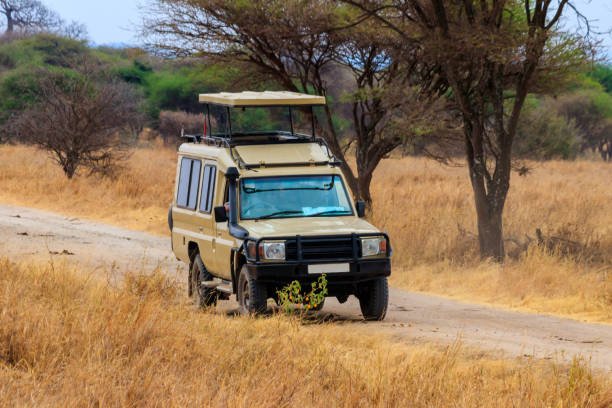
The workhorse of Tanzanian safaris is typically a 4×4 Land Cruiser or Land Rover. These vehicles are robust, reliable, and designed for off-road conditions. For a private safari, you’ll usually hire one of these with a professional driver-guide.
- Pop-up Roof: Essential for game viewing and photography. Ensure your vehicle has this feature.
- Comfort: While not luxurious, they offer comfortable seating for 2-6 passengers.
- Guide Expertise: The driver-guide is your most valuable asset. Look for operators who employ experienced, knowledgeable guides who can spot wildlife, understand animal behavior, and share insights about the ecosystem. This is crucial for a fulfilling private safari on a limited budget.
Negotiating Vehicle Hire
While direct price negotiation might be limited with established operators, discussing your budget openly can lead to tailored solutions. An operator might suggest a slightly older but well-maintained vehicle, or a slightly longer itinerary with fewer high-cost parks, to fit your budget for a private safari.
Shared Private Vehicles (A Hybrid Approach)
If your budget is extremely tight, but you still desire the exclusivity of a private vehicle, consider if the operator offers a ‘shared private vehicle’ option. This is rare, as it defeats the purpose of ‘private’, but some small groups might be willing to share a vehicle to reduce individual costs. However, this is generally not the standard offering for a true private safari. For the purest private safari on a limited budget, you’ll need to budget for the full vehicle hire.
Cost-Saving Tips Beyond the Basics
Beyond itinerary and accommodation, several other factors can influence the total cost of your private safari on a limited budget.
Travel Light
While not a direct cost saver for the safari itself, avoiding excess baggage fees on international flights and ensuring you have the right gear can prevent unexpected expenses. Most safari vehicles have limited luggage space, often requiring soft duffel bags.
All-Inclusive Packages vs. A La Carte
Many operators offer all-inclusive packages. While these can seem more expensive upfront, they often provide better value by bundling park fees, accommodation, meals, and vehicle hire. This approach also helps manage your budget more effectively, as there are fewer surprise costs during the trip. For a private safari on a limited budget, an all-inclusive package from a reputable operator can be the most transparent way to budget.
Focus on Value, Not Just Price
The cheapest option is rarely the best. A very low price might indicate compromises on guide quality, vehicle maintenance, accommodation standards, or safety. For a private safari on a limited budget, aim for the best value. This means finding an operator who offers a high-quality experience at a fair price, rather than the absolute lowest price.
Book in Advance for 2026-2027
Booking your safari well in advance, especially for popular seasons or for specific accommodations, can sometimes secure better rates and ensures availability. For 2026-2027, booking at least 6-12 months ahead is advisable to lock in your preferred options and potentially benefit from early booking incentives, which can contribute to your private safari on a limited budget.
Consider Operator Choice
Local operators like Climb 4 Africa, based in Tanzania, often have lower overheads than international agents. They have direct relationships with lodges and guides, which can translate into better pricing for you. They also possess invaluable local knowledge for crafting the most cost-effective yet rewarding itineraries for a private safari on a limited budget.
Making the Decision: When is a Private Safari Worth the Budget?
The question isn’t just *can* you have a private safari on a budget, but *should* you? For many, the answer is a resounding yes, provided the right compromises are made.
The Benefits of Privacy
A private safari offers unparalleled advantages, even on a budget:
- Flexibility: You dictate the pace. Want to spend an extra hour watching a leopard? Your guide can accommodate. Need to skip a certain area? It’s your call.
- Exclusivity: No sharing the vehicle with strangers means a more intimate wildlife viewing experience. You can ask questions freely and focus on what interests you most.
- Personalized Guiding: Your guide can tailor the drives to your interests, whether it’s photography, birdwatching, or tracking specific animals.
- Comfort and Space: Having your own vehicle means ample space for photography gear and comfortable movement.
Balancing Budget with Expectations
For a private safari on a limited budget, you might need to adjust expectations regarding:
- Accommodation Level: Opt for comfortable mid-range lodges or tented camps instead of ultra-luxury resorts.
- Park Choices: Prioritize parks with excellent wildlife density and slightly lower fees over the most expensive, albeit iconic, ones for every day of your trip.
- Duration: A shorter, well-planned private safari might be more feasible than a lengthy one.
- Vehicle Type: While standard 4x4s are excellent, extremely high-end custom vehicles might be out of scope.
The key is to find the right balance. A well-managed private safari on a limited budget in 2026-2027 can still offer incredible wildlife encounters, comfortable stays, and personalized service. It’s about smart choices and prioritizing what matters most to you.
Crafting Your Custom Private Safari Budget (2026-2027)
Let’s talk practicalities. How do you start building a budget for your private safari on a limited budget?
Key Cost Drivers to Confirm
When requesting quotes for 2026-2027, ensure the following are clearly itemized:
- Park Entrance Fees: Per person, per day.
- Vehicle Hire: Per vehicle, per day (typically includes driver-guide, fuel, and vehicle maintenance).
- Accommodation: Per person, per night, specifying meal inclusions (e.g., full board).
- Crater Fees: If applicable, per vehicle and per person.
- Other Fees: Conservation fees, community development fees, etc.
What Typically Isn’t Included (and how to budget for it)
- International Flights: Book these separately.
- Visa Fees.
- Travel Insurance: Absolutely essential.
- Gratuities: For guides, drivers, and lodge staff. A guideline is usually provided by the operator.
- Personal Expenses: Souvenirs, drinks not included, laundry.
- Optional Activities: Such as hot air balloon safaris (expensive but memorable).
Example Budget Logic (Illustrative – Actual quotes will vary)
For a private safari on a limited budget, consider these approximate daily cost ranges per person for a mid-range experience in 2026-2027:
- Park Fees: $60 – $100+ per person/day (Serengeti and Ngorongoro are higher).
- Accommodation: $150 – $300 per person/night (mid-range lodge/tented camp, full board).
- Vehicle & Guide: This is shared. If 4 people share a vehicle costing $300-$400/day, that’s $75-$100 per person/day.
This rough calculation suggests a daily cost of $285 – $500+ per person per day for a mid-range private safari. By selecting parks with lower fees (like Tarangire/Manyara) and traveling in the shoulder season, you can aim for the lower end of this range, making a private safari on a limited budget more feasible.
For example, a 7-day safari for two people, averaging $400 per person per day, would be approximately $5,600 total. If you can reduce that average to $300 per person per day by smart planning, you save $1,400, which is significant for a limited budget.
Choosing the Right Safari Operator for Your Budget
The operator you choose plays a pivotal role in delivering your private safari on a limited budget. Look for companies that demonstrate:
- Local Expertise: Tanzanian-based operators understand the nuances of local pricing, park regulations, and the best value accommodation and guides.
- Transparency: They should provide clear, detailed quotes breaking down all costs.
- Flexibility: Willingness to tailor itineraries to your budget and interests.
- Reputation: Check reviews and testimonials for consistent quality and value.
Climb 4 Africa specializes in creating bespoke Tanzanian adventures, including private safaris on a limited budget. Our team has deep local knowledge to help you navigate the options and craft an unforgettable experience for 2026-2027 that aligns with your financial goals. We understand the trade-offs and can guide you to the best value without compromising on the magic of a Tanzanian safari.
Ready to Plan Your Affordable Private Safari?
Experiencing the thrill of a private safari in Tanzania doesn’t require an unlimited budget. By making informed choices about your itinerary, accommodation, and travel dates, you can create an incredible adventure that fits your financial plan. For 2026-2027, the opportunities for budget-conscious private safaris are excellent, especially when working with experts who know the landscape and the pricing inside out.
We encourage you to reach out to us at Climb 4 Africa. Share your dream safari, your budget constraints, and your preferred travel dates for 2026 or 2027. Our team is dedicated to designing a personalized private safari on a limited budget that exceeds your expectations. Let us help you navigate the options and secure the best value for your Tanzanian adventure.
Contact Climb 4 Africa today:
- WhatsApp: +255 747 477 898
- Email: climb4africa@gmail.com
- Website: climb-4-africa.com
Let’s make your dream of a private Tanzanian safari a reality in 2026 or 2027!
Frequently Asked Questions about Budget Private Safaris
Here are some common questions travelers have when planning a private safari on a limited budget.
Can I really have a truly private safari for under $300 per person per day in Tanzania?
Achieving a private safari for under $300 per person per day in Tanzania is challenging, especially in the popular Northern Circuit during peak season. However, it becomes more feasible if you:
- Travel in the shoulder season (March-May, November).
- Opt for the Southern Circuit (Ruaha, Nyerere/Selous).
- Choose comfortable but not luxury mid-range tented camps or lodges.
- Travel as a group of 4-6 people to share vehicle costs effectively.
- Focus on shorter itineraries (e.g., 5-6 days).
It requires careful planning and working with an operator experienced in budget-conscious private safaris for 2026-2027.
What are the biggest cost-saving areas for a private safari?
The biggest cost-saving areas for a private safari on a limited budget are:
- Park Entrance Fees: By choosing parks with lower fees or shorter stays in expensive parks like the Serengeti.
- Accommodation: Selecting mid-range lodges or tented camps over luxury resorts.
- Travel Dates: Avoiding peak seasons and opting for shoulder seasons.
- Itinerary Length: A shorter safari naturally costs less overall.
- Group Size: More people sharing the private vehicle cost significantly reduces the per-person price.
Is it better to book a private safari through an international agent or a local Tanzanian operator?
For a private safari on a limited budget, booking directly with a local Tanzanian operator like Climb 4 Africa is generally more cost-effective. Local operators have lower overheads, direct relationships with lodges and service providers, and a better understanding of local pricing. They can often offer more competitive rates and tailor packages precisely to your budget and needs for 2026-2027.
How far in advance should I book a private safari for 2026 or 2027 to get the best prices?
To secure the best availability and potentially better rates for a private safari on a limited budget in 2026 or 2027, it’s advisable to book at least 6 to 12 months in advance. This is particularly important if you have specific accommodation preferences or are traveling during slightly busier periods within the shoulder seasons. Early booking allows operators to plan logistics efficiently and sometimes pass on savings.
What compromises might I have to make for a budget private safari?
For a private safari on a limited budget, you might compromise on:
- Luxury Accommodation: Expect comfortable, clean, and well-located mid-range options rather than five-star amenities.
- Exclusive Parks: You might visit fewer parks or focus on those with slightly lower daily fees, though still offering excellent wildlife.
- Included Activities: High-cost extras like hot air balloon safaris are unlikely to be included.
- Duration: A shorter trip might be necessary to fit the budget.
However, the core elements of a private safari – your own vehicle, dedicated guide, and flexibility – remain intact, offering immense value.
The Enduring Appeal of a Private Safari Experience
Even with a limited budget, the core essence of a private safari remains within reach for 2026-2027. It’s about the freedom to explore at your own pace, the undivided attention of your expert guide, and the intimate connection you forge with the wild. By focusing on strategic planning, understanding cost drivers, and choosing the right partners, Climb 4 Africa can help you turn this dream into a tangible, unforgettable adventure. Let us tailor a private safari on a limited budget that delivers maximum impact and memories for years to come.
Check Availability for We Want A Private Safari But Have A Limited Budget, What Should We Do? Guide
Ready to compare dates, prices, and the best option for your group? Send the package name and travel month so the team can reply with a clear quote, availability, and what is included.
Private Tanzania Safari Packages: Your Ultimate Guide For 2026-2027
Discover the unparalleled freedom and personalized experience of a private Tanzania safari package. This comprehensive guide for 2026-2027 explores custom itineraries, key destinations like...
View package details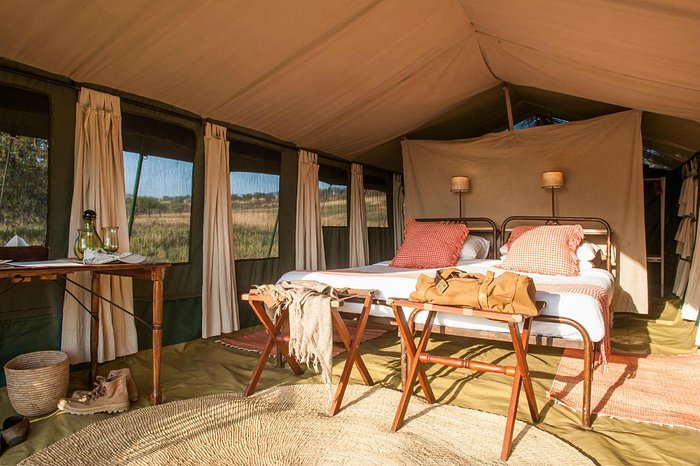
Affordable African Safari Packages: Your Guide To Budget-Friendly Tanzania
Discover how to plan and book affordable African safari packages for 2026-2027. This guide provides practical advice on choosing budget-friendly Tanzania tours, understanding costs, and...
View package details
African Safari Cost: Budget, Mid-Range And Luxury Prices Guide
Planning an African safari involves understanding the diverse cost structures. This guide breaks down budget, mid-range, and luxury safari prices for 2026-2027, detailing what influences...
View package details
Budget Tanzania Safari Packages 2026-2027
Budget Tanzania Safari Packages is explained with current 2026-2027 planning, price, itinerary and booking information.
View package details
South Africa Safari Tours & Vacation Packages | Climb 4 2026-2027
Discover the ultimate South Africa safari experience with tailored tour and vacation packages for 2026-2027. From iconic Kruger National Park to exclusive private reserves, find detailed...
View package details
How Far In Advance Should You Book An African Safari? 2026-2027
How Far in Advance Should You Book an African Safari? is explained with current 2026-2027 planning, price, itinerary and booking information.
View package details
What Is Included In An African Safari Package? A Complete Guide For 2026-2027
Demystifying African safari packages. This guide details what you can expect to be included, from essential logistics like accommodation and transport to crucial elements like park fees and...
View package details
What Animals Can You See On An African Safari? Your Ultimate Wildlife Guide
Planning an African safari and wondering which animals you'll encounter? This comprehensive guide details the wildlife you can expect to see, from iconic mammals to elusive birds, across...
View package detailsWhat Is The Cheapest African Country For Safari? 2026-2027
What Is the Cheapest African Country for Safari? is explained with current 2026-2027 planning, price, itinerary and booking information.
View package details
Are African Safari Prices Per Person Or Vehicle? Understanding Tanzania Costs
African safari costs can be confusing. This guide clarifies whether prices are quoted per person or per vehicle, detailing factors that influence your 2026-2027 safari budget in Tanzania.
View package details
Kenya Safari Tours & Holiday Packages 2026-2027
Kenya Safari Tours & Holiday Packages is explained with current 2026-2027 planning, price, itinerary and booking information.
View package detailsSolo African Safari Tours: Your Ultimate Guide For 2026-2027
start an incredible solo African safari adventure. This comprehensive guide covers everything you need to know for planning a safe, rewarding, and memorable trip in 2026-2027, from choosing...
View package detailsNo related package matches those filters. Clear one or more filters to see the other topic-matched options.



