With a budget of $1,800 per person for a Serengeti trip in 2026 or 2027, your most viable options center on 3 to 5-day shared group safaris. This typically covers essential park fees, basic but clean accommodation (often in public campsites or simple lodges), a safari vehicle, an experienced guide, and meals. It requires careful planning to maximize wildlife viewing opportunities while managing costs, often meaning sacrificing some creature comforts or extending travel time by using overland transport. Private tours are generally beyond this budget unless very short and basic, or if multiple people share costs significantly.
With a budget of $1,800 per person for a Serengeti trip in 2026 or 2027, your most viable options center on 3 to 5-day shared group safaris. This typically covers essential park fees, basic but clean accommodation (often in public campsites or simple lodges), a safari vehicle, an experienced guide, and meals. It requires careful planning to maximize wildlife viewing opportunities while managing costs, often meaning sacrificing some creature comforts or extending travel time by using overland transport. Private tours are generally beyond this budget unless very short and basic, or if multiple people share costs significantly.
,800 for a Serengeti trip, what are my options?”>
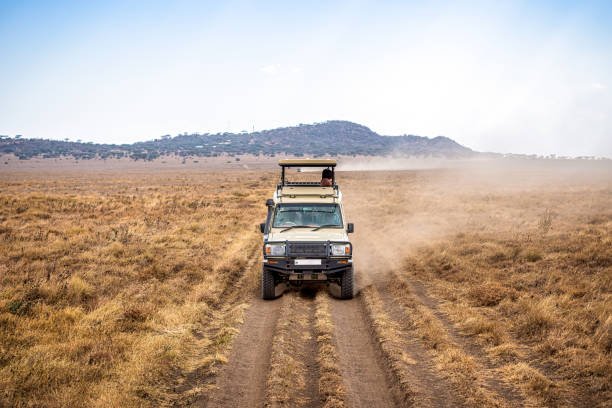
With a budget of $1,800 per person for a Serengeti trip in 2026 or 2027, your most viable options center on 3 to 5-day shared group safaris. This typically covers essential park fees, basic but clean accommodation (often in public campsites or simple lodges), a safari vehicle, an experienced guide, and meals. It requires careful planning to maximize wildlife viewing opportunities while managing costs, often meaning sacrificing some creature comforts or extending travel time by using overland transport. Private tours are generally beyond this budget unless very short and basic, or if multiple people share costs significantly.
,800 For A Serengeti Trip, What Are My Options? 2026-2027″ loading=”eager” decoding=”async” fetchpriority=”high” srcset=”https://climb-4-africa.com/wp-content/uploads/2026/06/tanzania-safari-travel-guide-for-first-time-visitors.jpg 612w, https://climb-4-africa.com/wp-content/uploads/2026/06/tanzania-safari-travel-guide-for-first-time-visitors-320×213.jpg 320w” sizes=”(max-width: 612px) 100vw, 612px” />
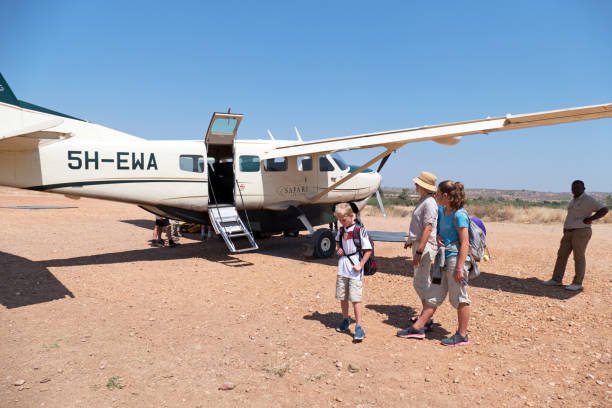
With a budget of $1,800 per person for a Serengeti trip in 2026 or 2027, your most viable options center on 3 to 5-day shared group safaris. This typically covers essential park fees, basic but clean accommodation (often in public campsites or simple lodges), a safari vehicle, an experienced guide, and meals. It requires careful planning to maximize wildlife viewing opportunities while managing costs, often meaning sacrificing some creature comforts or extending travel time by using overland transport. Private tours are generally beyond this budget unless very short and basic, or if multiple people share costs significantly.
,800 For A Serengeti Trip, What Are My Options? 2026-2027″ loading=”lazy” decoding=”async” srcset=”https://climb-4-africa.com/wp-content/uploads/2026/06/4-day-selous-game-reserve-exceptional-safari.jpg 612w, https://climb-4-africa.com/wp-content/uploads/2026/06/4-day-selous-game-reserve-exceptional-safari-320×213.jpg 320w” sizes=”auto, (max-width: 612px) 100vw, 612px” />
Understanding Your $1,800 Serengeti Safari Budget
When you have $1,800 to spend on a Serengeti trip, it’s crucial to set realistic expectations from the outset. This budget is certainly workable for experiencing the magic of the Serengeti, but it dictates a particular style of travel. It’s less about luxury lodges and private game drives and more about smart planning, embracing shared experiences, and focusing on the core of what makes the Serengeti legendary: its unparalleled wildlife. For 2026 and 2027 travel, this budget remains a solid foundation for a memorable, albeit more economical, safari.
The Serengeti National Park, along with its surrounding ecosystems like the Ngorongoro Conservation Area and the Maasai Mara in Kenya (though for $1,800, focusing solely on Tanzania is more practical), is a vast and incredible destination. Its sheer scale means that to explore it properly, you need time and transport. Your $1,800 will primarily cover the essentials: park entry fees, which are a significant daily cost, basic accommodation, a safari vehicle and driver-guide, and food. Anything beyond these core elements will require careful consideration and potential compromises.
For travelers looking to experience the Serengeti in 2026 or 2027 with this budget, the key is to understand the cost breakdown. Park fees alone can consume a substantial portion of your budget, often around $70-$80 per person per day for the Serengeti. Add to that vehicle hire, guide salaries, fuel, accommodation, and meals, and you can see how quickly costs add up. Therefore, the most efficient way to travel within this budget is typically by joining a small group safari. This distributes the fixed costs of the vehicle, guide, and fuel among several travelers, making it significantly more affordable than a private tour.
It’s also important to consider the duration. A 3-day safari will naturally be more affordable than a 5-day or 7-day one. For $1,800, a 3-day Serengeti safari is very achievable, and a 4-day or 5-day trip might be possible if you opt for the most basic accommodation and travel during the shoulder seasons. Longer trips, say 7 days or more, would likely exceed this budget unless you were part of a larger group or found an exceptionally well-priced package. The specific timing of your trip in 2026 or 2027 will also play a role, with peak seasons like the Great Migration’s river crossings (typically July-October) being more expensive than the green season (November-March, excluding Christmas/New Year).
In essence, a $1,800 Serengeti trip is about prioritizing value and the wildlife experience. It’s for the traveler who understands that the magic of Africa is found in the vast plains, the incredible animal sightings, and the starlit nights, rather than in five-star hotel amenities. With smart choices, it’s a budget that can deliver an unforgettable adventure.
Key Factors Influencing Your Serengeti Safari Cost
To effectively plan a Serengeti trip within a $1,800 budget for 2026-2027, understanding the variables that drive safari costs is paramount. This knowledge empowers you to make informed decisions and find the best value for your money. Several key factors will determine how far your $1,800 can stretch:
1. Duration of the Safari
This is arguably the most significant cost driver. Each additional day means more park fees, accommodation, guide expenses, and fuel. A 3-day Serengeti safari will be considerably less expensive than a 5-day or 7-day itinerary. For a $1,800 budget, a 3-day or potentially a 4-day trip is the most realistic target. Attempting a full week on this budget would likely mean compromising heavily on accommodation quality or the areas visited, or it might be impossible outside of the lowest seasons.
2. Group Size and Type (Shared vs. Private)
As mentioned, shared group safaris are your best bet for a $1,800 budget. The cost of the safari vehicle, driver-guide, and fuel is divided among 4-7 passengers (typical group sizes). This dramatically reduces the per-person cost compared to a private safari, where these fixed costs are borne by a smaller party (often 2-4 people). A private safari for $1,800 would likely only be feasible for a 1-2 day trip, if at all, and might still require significant self-catering or basic camping.
3. Accommodation Style
The choice of accommodation has a huge impact. Options range from basic public campsites (tents on the ground, shared ablutions) to mid-range tented camps, and then to luxury lodges. For $1,800, you’ll likely be looking at public campsites or very basic tented camps. These offer a genuine safari experience under canvas but with fewer amenities. Mid-range tented camps or lodges, while more comfortable, would quickly push your budget beyond $1,800 for anything more than a 2-day trip.
4. Time of Year (Seasonality)
Safari prices fluctuate significantly with the seasons. High season (typically June to October, and December/January) is the most expensive due to peak wildlife viewing (Great Migration, dry season) and demand. Shoulder seasons (e.g., March-May, November) can offer slightly lower prices. The low or green season (e.g., April-May) is the cheapest, but this coincides with the long rains, which can make some areas less accessible and wildlife viewing more challenging, though it’s still spectacular. For budget travel in 2026-2027, aiming for shoulder or low seasons might be necessary to fit the $1,800 budget for longer durations.
5. Itinerary Scope (Which Parks and How Many)
While the focus is the Serengeti, many budget itineraries combine it with nearby parks like Tarangire, Lake Manyara, or the Ngorongoro Crater. The more parks you visit, the more park fees you incur, and the more driving time is involved. A $1,800 budget might realistically cover Serengeti plus one other park (e.g., Ngorongoro Crater) for 3-4 days. Trying to cram in multiple parks within this budget might mean very short stays in each, or cutting corners on the Serengeti itself.
6. Inclusions and Exclusions
What’s included in your package price is vital. Does it cover all park fees? All meals? Drinking water? Tips for the guide? Activities like a Maasai village visit? A comprehensive package will offer better value. Be aware of what’s *not* included, such as international flights, visas, travel insurance, personal expenses, and tips. These extras can add significantly to your overall travel cost.
7. Operator Type and Overhead
Local operators, like Climb 4 Africa, generally offer more competitive pricing than large international companies because they have lower overheads and direct relationships with guides and lodges. Choosing a reputable local operator can help you stretch your $1,800 further while still ensuring quality and safety.
Option 2: Short Private Safari – Potential Caveats
While the $1,800 budget for a Serengeti trip in 2026-2027 strongly favors shared group safaris, a very short private safari might be technically possible under specific, often restrictive, circumstances. It’s crucial to understand the significant trade-offs and potential limitations if you pursue this route.
When a Short Private Safari Might Be Feasible:
- Extremely Short Duration: A 1-day or 2-day private safari to a nearby park, or a very quick drive-through of the Serengeti, might fit. However, this offers minimal time to truly experience the Serengeti’s vastness.
- Off-Season Travel: Booking during the lowest of low seasons (e.g., April-May) might reduce accommodation and vehicle hire costs.
- Basic Camping Only: This would almost certainly require using public campsites and a very stripped-down service, with minimal extras.
- Larger Group Size for a Private Tour: If you have 4-6 people in your private group, the per-person cost of a private safari can sometimes approach that of a shared tour, making it a more viable option. For instance, if a private 4-day safari costs $6,000, it becomes $1,500 per person for 4 people, fitting your budget.
Why Private Safaris Are Usually More Expensive:
The primary reason private safaris exceed the $1,800 budget for more than a couple of days is the cost of the dedicated safari vehicle, driver-guide, and associated logistics. These costs are fixed for your group, regardless of whether you are 2 or 4 people. While you gain flexibility and exclusivity, you pay a premium for it.
Potential Pitfalls of a Budget Private Safari:
- Compromised Quality: To fit the budget, operators might use older vehicles, less experienced guides, or cut corners on food quality.
- Limited Itinerary: Even on a private tour, a $1,800 budget might restrict you to very basic routes or limit time spent in key wildlife areas.
- Hidden Costs: Be extra vigilant about what’s included. A low price might hide additional charges for fuel, park fees, or even basic equipment.
Recommendation for $1,800 Budget:
Given the limitations, for most travelers aiming for a fulfilling Serengeti experience in 2026 or 2027 with $1,800 per person, a shared group safari is the superior choice. It offers a better balance of cost, duration, and quality of experience. A short private safari might seem appealing for the exclusivity, but the limited time you can afford within this budget might leave you wanting more, and potentially with a less satisfactory overall experience than a well-run group tour.
If you are a group of 4-6 friends or family members looking for a private experience, then a 3-4 day private safari might indeed become feasible within your $1,800 per person budget. In such a case, it’s essential to get a detailed quote from operators like Climb 4 Africa, specifying the number of people and desired duration to see if it aligns.
Duration and Itinerary Choices for a $1,800 Budget
With a $1,800 budget for your Serengeti trip in 2026 or 2027, the duration and the specific itinerary you choose are critical to ensuring a satisfying experience. Aiming for too much in too little time, or vice versa, can lead to disappointment. The key is to find a balance that allows for quality wildlife viewing without exceeding your financial limits.
The Sweet Spot: 3 to 5 Days
For most travelers aiming for this budget, a safari of 3 to 5 days is the most realistic and rewarding option. This timeframe allows for a decent exploration of at least one or two key ecosystems without the daily costs accumulating to an unmanageable level.
Typical 3-Day Itinerary ($1,800 Budget Focus):
A common 3-day itinerary often starts and ends in Arusha. It might look something like this:
- Day 1: Arusha to Ngorongoro Crater. Drive from Arusha to the Ngorongoro Conservation Area. Descend into the Crater for an afternoon game drive. Overnight at a campsite on the crater rim or nearby Karatu.
- Day 2: Ngorongoro to Serengeti. Morning game drive in the Ngorongoro Crater (or a brief exploration of the area outside the crater if budget is extremely tight) before driving into the Serengeti National Park. Afternoon game drive en route to your campsite in the central Serengeti.
- Day 3: Serengeti to Arusha. Morning game drive in the Serengeti, followed by the drive back to Arusha.
This structure maximizes your time in two iconic locations. The Ngorongoro Crater offers dense wildlife viewing in a contained area, while the Serengeti provides the vast plains and iconic landscapes. This is a very popular and efficient itinerary for shorter, budget-conscious trips.
Expanding to 4 or 5 Days:
If your budget of $1,800 allows for 4 or 5 days, you can gain significantly more depth:
- More Time in Serengeti: You can dedicate more time to exploring different regions of the Serengeti, perhaps heading further north or west, depending on the season and wildlife movements. This increases your chances of witnessing diverse habitats and animal behaviors.
- Include Another Park: A 4-day trip might allow for a brief visit to Tarangire National Park, known for its large elephant herds and baobab trees, perhaps on Day 1 before heading towards Ngorongoro/Serengeti.
- Slower Pace: A longer duration means less rushed driving and more time to soak in the atmosphere, enjoy sundowners, and potentially spot elusive animals.
For a 5-day trip on a $1,800 budget, you might be looking at 2 full days in the Serengeti and 1-2 days in the Ngorongoro Crater, possibly with a stop at Lake Manyara on the way. This offers a more relaxed pace and better coverage of the main attractions.
Itinerary Considerations for 2026-2027:
- Great Migration: If your primary goal is to see the Great Migration, research its expected location for your chosen dates in 2026 or 2027. The $1,800 budget might limit your ability to chase specific migration points across vast distances, but even outside of peak migration, the Serengeti is teeming with resident wildlife.
- Driving Times: Remember that Tanzania is vast. Driving between parks can take several hours. Itineraries are designed to balance driving with game viewing, but expect some travel time.
- Starting Point: Most safaris for this budget will start and end in Arusha, the gateway town to the northern circuit parks. Factor in the cost and time to get to Arusha from your international arrival point (usually Kilimanjaro International Airport – JRO).
What to Confirm with Your Operator:
When discussing itineraries for your $1,800 Serengeti trip with operators like Climb 4 Africa, ensure you clarify:
- The exact number of days in each park.
- Whether park fees are included for all parks and days.
- The accommodation type for each night.
- The total driving time involved.
A well-structured 3-4 day itinerary that focuses on the Serengeti and Ngorongoro Crater is often the most rewarding use of your $1,800 budget, providing a quintessential Tanzanian safari experience.
Accommodation Styles on a Budget
Accommodation is a significant cost factor on any safari, and for a $1,800 Serengeti trip in 2026 or 2027, it’s where you’ll likely see the most compromises compared to luxury tours. The goal is to find clean, safe, and well-located options that allow you to experience the bush without excessive spending.
1. Public Campsites (The Most Budget-Friendly)
These are the backbone of budget safaris. Located within or just outside national parks and conservation areas, public campsites offer a true “in the bush” experience.
- What to Expect: You’ll sleep in your own tent (provided by the operator) set up on a designated campsite. Facilities are typically basic but functional: shared pit latrines or flush toilets, and shared shower blocks (often with cold water, though hot showers can sometimes be arranged). A mess tent is usually provided for meals.
- Pros: Extremely affordable, offering proximity to wildlife and a genuine adventurous feel. They are often strategically located for game drives.
- Cons: Basic amenities, shared facilities can mean less privacy and comfort. You’ll hear all the sounds of the African night!
- For $1,800: This is the most likely accommodation type included for the majority of your Serengeti stay.
2. Basic Tented Camps (Mid-Range Budget Stretch)
These offer a step up from public campsites, often with more comfortable tents and slightly better facilities.
- What to Expect: Tents are usually larger and more permanent, often with proper beds, a small en-suite bathroom (usually with a chemical toilet and a bucket shower or simple shower stall), and sometimes even electricity for charging devices.
- Pros: More comfortable than public campsites, offering a good balance of comfort and authentic safari feel.
- Cons: More expensive than public campsites. For a $1,800 budget, you might only afford 1-2 nights in a basic tented camp if the rest of your stay is camping, or if you are on the absolute upper end of the budget and the operator has negotiated good rates.
3. Budget Lodges/Guesthouses (Rare for Serengeti within $1,800)
These are more permanent structures, often with en-suite bathrooms and basic furnishings.
- What to Expect: Simple rooms with beds, a private bathroom, and perhaps a restaurant or bar.
- Pros: Offer more privacy and comfort than tents.
- Cons: Significantly more expensive than camping. It’s highly unlikely that a $1,800 budget for a Serengeti trip of 3-5 days would include lodge accommodation. If it does, it would likely be for a very short duration or in very basic, non-park lodges.
Accommodation Strategy for Your $1,800 Trip:
To make your 2026-2027 Serengeti trip work within $1,800, your strategy should be:
- Prioritize Serengeti Camping: Plan for the majority of your nights in the Serengeti to be spent at public campsites. This is where you’ll save the most money and still have an incredible experience.
- Consider Crater Rim/Karatu: For the night near the Ngorongoro Crater, a campsite on the rim or a basic lodge/guesthouse in nearby Karatu might be an option. Karatu lodges are often more affordable than those directly on the crater rim.
- Work with Your Operator: Discuss accommodation options openly with Climb 4 Africa. They can advise on the best value choices that fit your budget while still ensuring safety and a good location for wildlife viewing. They often have established relationships with campsite managers and basic lodge owners, securing better rates.
- Be Realistic: Understand that luxury is not the focus here. The value comes from the wildlife, the landscapes, and the adventure. Basic camping often enhances this feeling.
Your safari operator will manage the booking of these accommodations. Ensure you understand what type of accommodation is included in your quote to avoid surprises. For a $1,800 budget, embracing the simplicity of camping is part of the authentic safari experience.
What Is Typically Included and Excluded?
Understanding the inclusions and exclusions of your $1,800 Serengeti trip package for 2026-2027 is crucial for budgeting and managing expectations. A clear breakdown prevents unexpected costs and ensures you know what to prepare for.
Likely Inclusions for a $1,800 Budget Safari:
- Park Entrance Fees: This is a major cost. For a 3-5 day trip covering Serengeti and Ngorongoro, these fees are substantial and should always be included in a reputable operator’s quote. Expect approximately $70-$80 per person per day for the Serengeti and around $70 per person for the Ngorongoro Crater, plus vehicle fees.
- Accommodation: As discussed, this will typically be public campsites with tents, sleeping bags, and mats provided. Some packages might include 1-2 nights in a budget tented camp.
- Safari Vehicle & Driver-Guide: A 4×4 safari vehicle (Land Cruiser or Land Rover) with a pop-up roof, driven by an experienced, English-speaking driver-guide.
- Meals: All meals (breakfast, lunch, dinner) during your safari, prepared by a safari cook. This usually excludes drinks unless specified.
- Water: A certain amount of drinking water per person per day is often included, especially during game drives. Clarify the quantity.
- Government Taxes/Levies: Most operators include standard taxes.
- Crater Service Fee: For safaris including the Ngorongoro Crater.
Likely Exclusions (What You’ll Need to Budget For Separately):
- International Flights: Flights to and from Tanzania (usually Kilimanjaro International Airport – JRO) are not included.
- Visa Fees: The Tanzanian visa fee (typically around $50-$100, depending on nationality) is an additional cost.
- Travel Insurance: Comprehensive travel insurance covering medical emergencies, trip cancellation, and lost belongings is essential and not included.
- Tips for Staff: Tipping is customary and appreciated for your driver-guide, cook, and camp staff. Budget around $10-$20 per person per day for the guide and $5-$10 for the cook/camp staff, to be pooled.
- Drinks and Beverages: Unless specifically stated, alcoholic drinks, sodas, and extra bottled water beyond the daily allowance are not included. You can usually purchase these at lodges or shops in Arusha.
- Personal Expenses: Souvenirs, laundry, additional snacks, and any personal items are your responsibility.
- Optional Activities: Activities not part of the standard itinerary, such as hot air balloon safaris (very expensive, definitely outside this budget), or cultural visits (sometimes included, sometimes extra).
- Accommodation Before/After Safari: The night before your safari starts in Arusha and the night after it ends are usually not included.
- Gratuities for Lodge Staff: If your itinerary includes any lodge stays, separate tips might be expected.
Tips for Clarifying Inclusions:
When you get a quote for your 2026-2027 Serengeti trip from Climb 4 Africa or any operator:
- Request a Detailed Itinerary: This should clearly list what is included each day.
- Ask for a Cost Breakdown: While not always provided, understanding how much park fees, accommodation, and guiding contribute can be helpful.
- Confirm Meal Plan: Does it cover all three meals daily?
- Clarify Water Supply: How much water is provided, and where can you get more?
- Ask About Gear: Are tents, sleeping bags, and mats included?
A well-structured $1,800 package should cover all the core elements of a safari, allowing you to focus on the wildlife. Always ask questions if anything is unclear. This transparency is key to a smooth and enjoyable budget adventure.
Maximizing Your Budget: Practical Tips for 2026-2027
Achieving a memorable Serengeti trip for $1,800 in 2026 or 2027 requires smart planning and a few strategic choices. By being mindful of certain aspects, you can stretch your budget further and ensure you get the most value from your safari experience.
1. Travel in the Shoulder or Low Season
As mentioned, timing is everything. While the dry season (June-October) offers prime wildlife viewing, it’s also peak season and most expensive. Consider traveling during the shoulder seasons (e.g., March-May, November) or the low season (April-May). While April and May can see significant rainfall, the landscapes are lush, there are fewer tourists, and prices for accommodation and sometimes even park fees can be lower. The wildlife is still abundant year-round, and the rains often bring newborn animals, offering unique viewing opportunities.
2. Opt for Shared Group Safaris
This cannot be stressed enough. Sharing the costs of the vehicle, guide, and fuel with other travelers is the single most effective way to reduce the per-person price of a Serengeti safari. Look for operators that regularly run group departures and clearly state their group sizes (ideally 4-7 people).
3. Choose Shorter Durations Wisely
A 3-day or 4-day safari is more feasible within the $1,800 budget than a 7-day expedition. Focus on maximizing your experience within this timeframe. For example, a 3-day trip covering both the Ngorongoro Crater and a taste of the Serengeti offers incredible value and diverse wildlife viewing.
4. Embrace Public Campsites
Don’t shy away from public campsites. They are safe, well-managed, and provide an authentic bush experience. Sleeping under canvas, surrounded by the sounds of the African night, is a quintessential safari memory. The savings compared to tented camps or lodges are substantial and directly contribute to fitting your $1,800 budget.
5. Pack Smartly (Avoid Buying Essentials There)
While not a direct cost-saver on the tour price, packing the right gear can prevent you from having to buy expensive items in Arusha or at the airport. This includes appropriate clothing, a good pair of binoculars, a camera with extra batteries and memory cards, and any personal medications. Ensure you have a comfortable, durable backpack or duffel bag that meets airline and safari vehicle size restrictions.
6. Be Mindful of Extras
Factor in the cost of tips, drinks, souvenirs, and any personal expenses. While the $1,800 covers the core safari, these extras can add up. Have a clear idea of your total budget, including these additional costs, before you depart.
7. Book with a Reputable Local Operator
Local operators like Climb 4 Africa often have lower overheads and more direct relationships with service providers (campsites, guides), allowing them to offer more competitive pricing without compromising on quality or safety. They also possess invaluable local knowledge that can enhance your safari experience.
8. Consider Combining with Other Activities (Carefully)
If your trip is slightly longer than just the safari, and you have a bit of buffer in your $1,800, consider how other activities might fit. For example, if you’re combining a safari with a Kilimanjaro climb, ensure the safari portion is well-budgeted. However, for a dedicated Serengeti trip, focus on making the safari itself the priority within this budget.
9. Look for Package Deals
Sometimes operators offer package deals, especially if you book a Kilimanjaro climb and a safari together, or if you book well in advance for specific 2026-2027 dates. Inquire about any such promotions.
By strategically implementing these tips, your $1,800 budget can provide an incredible and authentic Serengeti safari experience for your 2026-2027 adventure.
Booking Your Serengeti Trip with Climb 4 Africa
Planning a Serengeti trip for $1,800 in 2026 or 2027 requires careful coordination to ensure you get the best value and a truly memorable experience. Climb 4 Africa specializes in creating affordable yet incredible safari adventures, balancing costs with the essential elements that make a safari unforgettable.
Why Choose Climb 4 Africa for Your Budget Safari?
- Local Expertise: As a Tanzanian-based company, we have firsthand knowledge of the parks, the best routes, and excellent relationships with guides and suppliers, allowing us to offer competitive pricing.
- Focus on Value: We understand that not everyone seeks luxury. Our budget-friendly options prioritize the core safari experience – exceptional wildlife viewing, knowledgeable guides, and safe, clean accommodation – often utilizing well-managed public campsites for maximum value.
- Customization: While we offer set group departures, we can also tailor itineraries to fit specific budgets and interests, ensuring your $1,800 budget is used most effectively for your desired duration and park combination.
- Transparency: We are committed to clear communication about what is included and excluded in our safari packages, so you know exactly what to expect and budget for.
Your Next Steps for a $1,800 Serengeti Trip:
To explore your options for a Serengeti trip within your $1,800 budget for 2026 or 2027, we recommend the following:
- Contact Us Directly: The best way to start is by reaching out to us. Share your desired travel dates (even if approximate for 2026-2027), the number of travelers, and your budget. Mentioning the $1,800 target will help us tailor recommendations.
- Discuss Itinerary Preferences: Let us know if you have a specific duration in mind (e.g., 3, 4, or 5 days) or if you’re interested in combining the Serengeti with other parks like the Ngorongoro Crater.
- Inquire About Group Departures: If you’re open to a shared safari, ask about our upcoming group departure dates for 2026 and 2027. This is often the most cost-effective route.
- Request a Detailed Quote: Once we have a clearer idea of your needs, we will provide a detailed quote outlining the itinerary, inclusions, exclusions, and accommodation style.
What to Prepare for Your Inquiry:
To help us provide the most accurate and tailored advice, please have the following information ready when you contact us:
- Number of travelers: (e.g., solo, couple, family, group)
- Preferred travel dates/months for 2026-2027: (e.g., “July 2026,” “any time in the dry season 2027”)
- Desired safari duration: (e.g., “around 4 days”)
- Any specific interests: (e.g., “seeing the Great Migration,” “photography”)
- Your budget: ($1,800 per person is a great starting point!)
We are here to help you plan an incredible and affordable adventure. Don’t hesitate to reach out with any questions. Let’s make your dream Serengeti safari a reality within your budget.
WhatsApp: +255 747 477 898
Email: climb4africa@gmail.com
Visit our website for more information on Tanzania safaris and other adventures.
“,
“faq_schema”: [
{
“question”: “Is $1,800 enough for a Serengeti trip in 2026 or 2027?”,
“answer”: “Yes, $1,800 per person is generally sufficient for a 3 to 5-day Serengeti safari in 2026 or 2027, provided you opt for shared group tours and budget-friendly accommodation like public campsites. This budget typically covers park fees, basic lodging, meals, and a safari vehicle with a guide. It may not cover luxury lodges or extensive private tours.”
},
{
“question”: “What type of safari is best for a $1,800 budget?”,
“answer”: “The most realistic option for a $1,800 budget is a shared group safari. This distributes the costs of the safari vehicle, driver-guide, and fuel among multiple travelers, making it significantly more affordable than a private tour. It allows for a well-rounded experience of the Serengeti and potentially the Ngorongoro Crater.”
},
{
“question”: “How long can I realistically travel in the Serengeti with $1,800?”,
“answer”: “With a $1,800 budget, you can typically afford a 3 to 5-day safari. A 3-day trip might include both the Ngorongoro Crater and a brief Serengeti experience, while 4-5 days would allow for more in-depth exploration of the Serengeti. Longer trips would likely exceed this budget unless traveling in the absolute low season or as part of a larger group.”
},
{
“question”: “What kind of accommodation can I expect on a $1,800 Serengeti trip?”,
“answer”: “On a $1,800 budget safari, accommodation will most likely be public campsites within or near the national parks. These offer basic but safe facilities like toilets and showers. Some packages might include a night or two in a very basic tented camp with shared facilities. Luxury lodges are generally not feasible within this budget.”
},
{
“question”: “What is usually excluded from a $1,800 Serengeti safari package?”,
“answer”: “Common exclusions for a $1,800 safari package include international flights to Tanzania, visa fees, travel insurance, tips for guides and staff, personal expenses, alcoholic beverages, and any optional activities like hot air ballooning. It’s essential to clarify these with your tour operator.”
},
{
“question”: “When is the best time to travel to the Serengeti on a budget in 2026-2027?”,
“answer”: “To maximize your $1,800 budget, consider traveling during the shoulder seasons (e.g., March-May, November) or the low season (April-May) in 2026-2027. While peak season (June-October) offers prime wildlife viewing, it’s also the most expensive. The low season offers lush landscapes and fewer crowds, though it coincides with the rainy season.”
}
]
}
“`
Check Availability for I Have $1,800 For A Serengeti Trip, What Are My Options? 2026-2027
Ready to compare dates, prices, and the best option for your group? Send the package name and travel month so the team can reply with a clear quote, availability, and what is included.
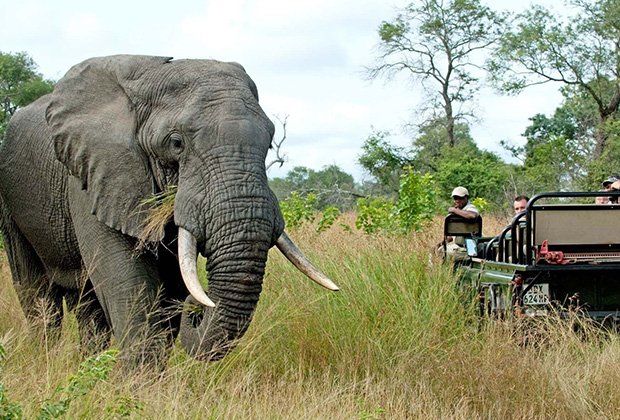
I Am On A Budget—What Is The Cheapest Serengeti Group Safari?
I Am on a Budget—What Is the Cheapest Serengeti Group Safari?
View package details
Dec 24, – 3 Day Christmas Serengeti And Ngorongoro Group Safari
Dec 24, 2026 – 3 Day Christmas Serengeti and Ngorongoro Group Safari.
View package details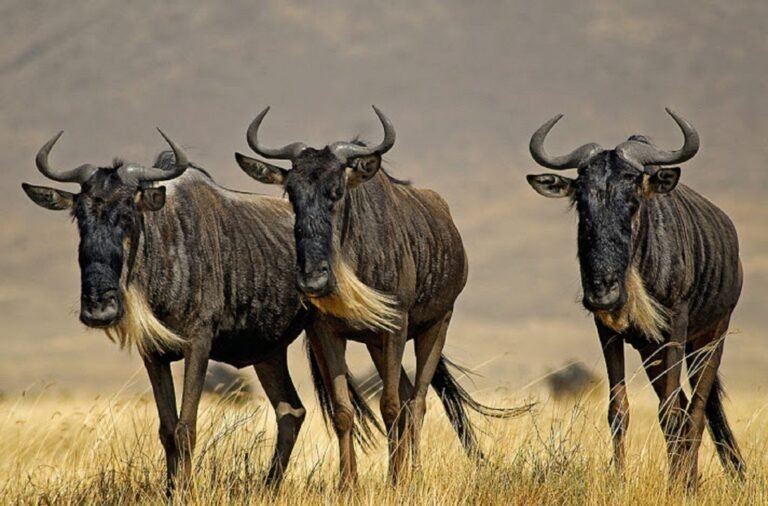
Nov 23, – 3 Day Serengeti And Ngorongoro Safari From Zanzibar
Nov 23, 2026 – 3 Day Serengeti and Ngorongoro Safari from Zanzibar.
View package details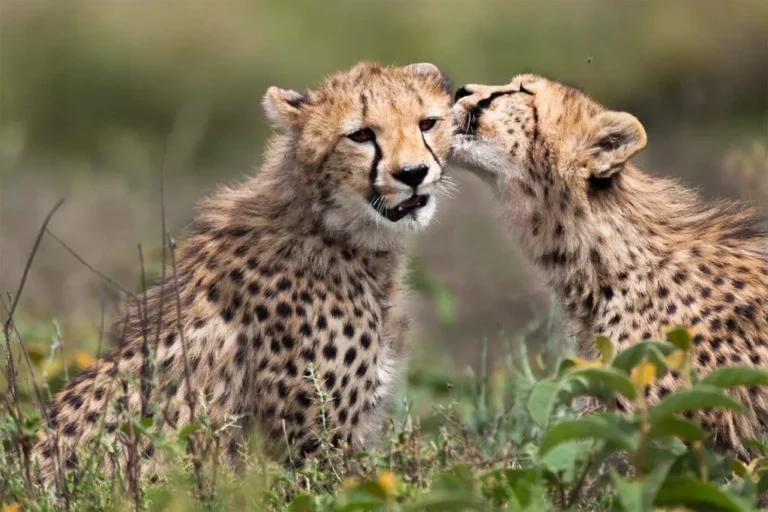
Dec 31, : New Year’s Eve Serengeti Group Safari Planning Guide
This guide provides essential planning details for a group safari trip to the Serengeti for New Year's Eve 2026, covering logistics, seasonal highlights, and what to expect.
View package details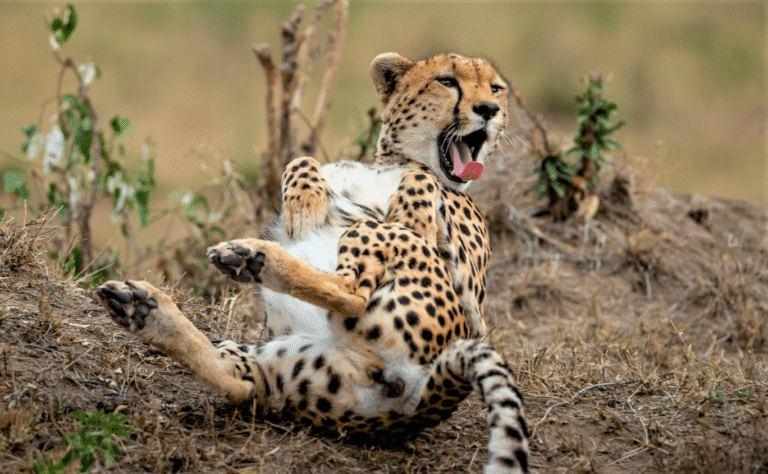
Dec 29, – 6 Day Ndutu, Serengeti And Ngorongoro Group Safari 2026
A detailed guide to our 6-day group safari departure on December 29, 2026, focusing on the Ndutu plains, the Serengeti, and the Ngorongoro Crater.
View package details8 Day Serengeti And Ngorongoro Group Safari – December 16, 2026
Planning your December 2026 Tanzanian adventure? Our 8-day group safari offers a deep, unhurried exploration of the Serengeti and Ngorongoro Crater.
View package detailsDec 12, – 6 Day Serengeti, Ngorongoro, Tarangire And Manyara Group Safari 2026
Dec 12, 2026 – 6 Day Serengeti, Ngorongoro, Tarangire and Manyara Group Safari.
View package detailsDec 8, – 4 Day Tarangire, Serengeti And Ngorongoro Group Safari 2026
A detailed guide to our December 8, 2026 group joining safari, covering the itinerary, logistics, and what to expect during this 4-day wildlife adventure in Tanzania.
View package detailsNov 28, – 3 Day Fly-In Serengeti Group Safari From Zanzibar 2026
A detailed look at the 3-day fly-in Serengeti group safari departing November 28, 2026, including logistics, itinerary highlights, and travel tips for your Tanzania adventure.
View package details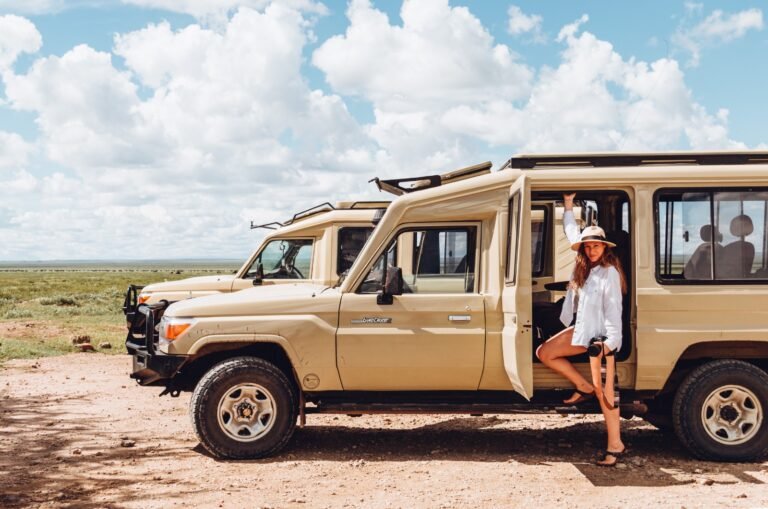
Nov 6, – 3 Day Serengeti And Ngorongoro Budget Group Safari 2026
A detailed look at our November 6, 2026 group departure for a 3-day Serengeti and Ngorongoro safari, including planning tips and route logistics.
View package detailsOct 27, – 3 Day Serengeti And Ngorongoro Group Safari 2026
Planning for a short, high-impact wildlife adventure? Our October 27, 2026, group safari offers a direct route through the Serengeti and Ngorongoro Crater, perfect for travelers with...
View package detailsNov 18, – 7 Day Serengeti And Ngorongoro Group Joining Safari 2026
A detailed guide to the 7-day group joining safari departing November 18, 2026, covering Serengeti, Ngorongoro, and the logistical advantages of shared travel.
View package detailsNo related package matches those filters. Clear one or more filters to see the other topic-matched options.