
Yes, it is entirely possible and, in fact, highly recommended to plan a safari that includes the Serengeti, Ngorongoro Crater, and Tarangire National Park. These three iconic destinations form the heart of Tanzania’s Northern Circuit, offering a diverse and incredibly rewarding wildlife viewing experience that is among the best in Africa. Planning this combination is a common and well-established safari route, allowing for a comprehensive exploration of Tanzania’s rich ecosystems and abundant fauna within a single trip, ideal for travelers looking to experience the Great Migration and other spectacular wildlife spectacles in 2026 or 2027.
Understanding the Northern Circuit: Serengeti, Ngorongoro, and Tarangire
The question of whether you can plan a safari that includes Serengeti, Ngorongoro, and Tarangire is fundamental for anyone considering a trip to Tanzania’s prime wildlife areas. The answer is a resounding yes, and this combination forms what is widely known as the Northern Circuit. This circuit is so popular because it showcases an incredible diversity of landscapes and wildlife, often within a relatively manageable geographical area, making it efficient for travelers to experience distinct ecosystems and wildlife viewing opportunities in one go.
Each park or conservation area on this circuit offers a unique flavor of the African wilderness:
- Serengeti National Park: World-renowned for the Great Migration, vast open plains, and an immense concentration of predators. It’s the quintessential African safari landscape.
- Ngorongoro Conservation Area (including the Crater): A UNESCO World Heritage Site, the Crater floor is a self-contained ecosystem teeming with wildlife, often referred to as Africa’s Eden.
- Tarangire National Park: Famous for its large elephant herds, iconic baobab trees, and diverse birdlife, especially during the dry season.
Successfully planning a safari that incorporates all three requires understanding their proximity, the best order to visit them, typical durations, and the logistical considerations involved. For travelers aiming for 2026 or 2027, early planning is key to securing preferred accommodations and safari dates, especially if you wish to witness specific events like the peak of the migration.
Why Combine These Three Parks? The Unique Appeal
The primary reason to combine Serengeti, Ngorongoro, and Tarangire is the unparalleled diversity and density of wildlife you can encounter. Each location offers a distinct ecological niche and therefore different viewing opportunities, creating a rich mix of experiences that a single park might not provide.
Serengeti: The Endless Plains and the Great Migration
Serengeti National Park is the crown jewel of Tanzanian safaris. Its name, derived from the Maasai word ‘Siringet’ meaning ‘endless plains,’ perfectly describes its vast, undulating grasslands dotted with acacia trees. It is most famous for hosting the annual Great Migration, a spectacular natural phenomenon where over 1.5 million wildebeest, zebras, and gazelles traverse the plains in search of fresh grazing and water. This migration is a year-round event, with different locations within the Serengeti offering prime viewing at different times. For instance, the river crossings in the Grumeti or Mara rivers are dramatic highlights, typically occurring between July and October. Planning your safari for 2026 or 2027 with the migration in mind is crucial if this is a priority. Even outside migration season, the Serengeti boasts an incredible resident population of predators – lions, leopards, cheetahs, and hyenas – along with large herds of herbivores.
Ngorongoro Crater: A Natural Amphitheater of Wildlife
The Ngorongoro Crater is a geological marvel, a large volcanic caldera that supports an astonishingly high density of wildlife. Unlike the expansive Serengeti, the Crater is a more contained environment, making wildlife sightings incredibly reliable. It is home to the ‘Big Five’ (lion, leopard, elephant, rhino, and buffalo), with the black rhino being a particular draw, as the Crater is one of the few places in Tanzania where they can be reliably seen. The Crater floor is a mix of grasslands, swamps, and acacia forests, supporting a diverse array of animals that rarely leave this fertile basin. Visiting the Crater offers a concentrated wildlife experience, often with close-up views, and its unique ecosystem is a stark contrast to the open plains of the Serengeti.
Tarangire: Elephants, Baobabs, and Birdlife
Tarangire National Park is often the first or last stop on a Northern Circuit safari due to its location south of the Serengeti and west of Arusha. It is particularly renowned for its massive elephant herds, which can number in the hundreds, especially during the dry season (June to October) when they congregate around the Tarangire River, the park’s only permanent water source. The landscape is also iconic, dominated by ancient baobab trees that create a prehistoric, majestic atmosphere. Tarangire is also a paradise for birdwatchers, with over 550 species recorded. Its slightly drier climate and unique vegetation make it a distinct ecological zone compared to the Serengeti and Ngorongoro.
Designing Your Itinerary: Route, Duration, and Logistics
When you plan a safari that includes Serengeti, Ngorongoro, and Tarangire, the typical route follows a logical progression designed to maximize wildlife viewing and minimize travel time. Most Northern Circuit safaris start and end in Arusha, the gateway city for these parks. The standard order is often:
- Arusha to Tarangire National Park: A drive of about 2-3 hours.
- Tarangire to Ngorongoro Conservation Area: A drive of about 2-3 hours, often passing through Maasai villages and scenic highlands.
- Ngorongoro Crater to Serengeti National Park: This leg can vary significantly depending on where you are staying in the Serengeti. Driving from the Crater rim to a central Serengeti lodge might take 3-4 hours, while reaching the northern or western sections can take much longer.
- Serengeti back to Arusha: This is typically done by a scenic flight from a Serengeti airstrip back to Arusha (about 1-1.5 hours) or by a long drive, which can take 6-8 hours or more, often stopping at Mto wa Mbu for lunch or souvenirs.
The duration of your safari will dictate how much time you can spend in each location. A common and highly recommended duration for a trip covering all three parks is 7 to 9 days. This allows for at least 2-3 days in the Serengeti, 1-2 days in the Ngorongoro Crater (including the drive around the rim and descent into the crater), and 1-2 days in Tarangire.
Sample Itinerary Structure (7 Days/6 Nights)
To illustrate how you can plan a safari that includes Serengeti, Ngorongoro, and Tarangire, here’s a sample structure that balances travel time with ample game viewing:
Day 1: Arrival in Arusha & Transfer to Tarangire
Arrive at Kilimanjaro International Airport (JRO) or Arusha Airport (ARK). You’ll be met by your guide and driven to your lodge or camp near Tarangire National Park. Depending on your arrival time, you might have a late afternoon game drive or relax at your accommodation.
Day 2: Full Day Tarangire National Park
Spend the full day exploring Tarangire, focusing on its elephant herds and unique landscapes. A morning and afternoon game drive will maximize your chances of spotting diverse wildlife.
Day 3: Tarangire to Ngorongoro Conservation Area
After a morning game drive in Tarangire or a leisurely breakfast, you’ll drive towards the Ngorongoro Conservation Area. You’ll ascend to the Crater rim, where your lodge offers stunning views. You might have an optional visit to a Maasai village en route.
Day 4: Ngorongoro Crater Tour
Descend into the Ngorongoro Crater for a half-day game drive. This is your best chance to see rhinos and a high concentration of predators. In the afternoon, you’ll ascend and drive towards your accommodation, possibly on the Crater rim or en route to the Serengeti.
Day 5: Ngorongoro to Serengeti National Park
Drive from the Ngorongoro area into the vast Serengeti plains. Your drive itself will be a game drive, with opportunities to spot wildlife as you enter the park. You’ll head towards your chosen accommodation in the central Serengeti (Seronera area is popular for its resident wildlife year-round) or a different region depending on the season and migration status.
Day 6: Full Day Serengeti National Park
Dedicate the full day to exploring the Serengeti. Depending on your location and the time of year, you might focus on predator sightings, the vast herds, or specific areas known for unique landscapes and wildlife.
Day 7: Serengeti to Arusha (or Zanzibar/Kilimanjaro)
Enjoy a final morning game drive in the Serengeti. Afterwards, you’ll be transferred to a local airstrip for a scenic flight back to Arusha. From Arusha, you can connect to your international flight from JRO or continue your journey to Zanzibar or a Kilimanjaro climb.
For those with more time, extending your stay in the Serengeti to 3-4 days or adding a day in Tarangire or a visit to Lake Manyara National Park (often combined with Tarangire) can enhance the experience. Planning for 2026-2027 means you have ample time to consider these variations.
Timing Your Safari: Best Months and Seasonal Considerations
The decision of when to plan a safari that includes Serengeti, Ngorongoro, and Tarangire is critical, especially if witnessing the Great Migration is a priority. The Northern Circuit is a year-round destination, but the wildlife viewing experience changes significantly with the seasons.
The Great Migration: A Year-Round Cycle
The migration is a continuous loop. Understanding its approximate location is key to maximizing your chances of seeing it:
- December – March: The herds are typically in the southern Serengeti and Ngorongoro Conservation Area (Ndutu region), calving and grazing on the short-grass plains. This is an excellent time for predator sightings as they hunt the vulnerable newborns.
- April – May: The ‘long rains’ season. The herds begin to move northwards, often forming large columns across the central Serengeti. This is generally considered the low season, with fewer tourists and lower prices, but game viewing can still be excellent.
- June – July: The migration moves towards the western corridor of the Serengeti and the Grumeti River. This is when dramatic river crossings can occur, as the animals face crocodiles and other dangers.
- August – October: The herds are generally in the northern Serengeti, heading towards the Mara River and the Kenyan border. These are prime months for witnessing massive river crossings into the Maasai Mara. This is also peak season, with high demand and prices for 2026-2027 bookings.
- November: The herds begin their journey southwards again, often pushed by the ‘short rains’ towards the central and eastern Serengeti.
Peak Seasons vs. Low Seasons
When you plan your safari, consider these periods:
- Peak Season (July – October): This period coincides with the dry season and the most dramatic migration events (river crossings). Expect higher prices, more crowds, and the need to book accommodations and vehicles well in advance for 2026-2027.
- Shoulder Seasons (June, November, December): These months offer a good balance of decent weather, fewer crowds, and potentially better prices than peak season. The migration is often on the move, providing dynamic viewing.
- Low Season (January – March, April – May): This period includes the calving season in the south and the long rains. While rain can occur, it’s often in the afternoon, leaving mornings clear for game drives. The advantage is significantly lower prices and fewer tourists. The southern Serengeti in Jan-Mar is exceptional for viewing predators and newborns.
For 2026-2027, booking at least 6-12 months in advance is advisable for peak season travel, and 3-6 months for shoulder or low seasons to secure the best options.
Accommodation Options: From Budget to Luxury
When planning your safari that includes Serengeti, Ngorongoro, and Tarangire, accommodation is a significant factor influencing your experience and budget. Tanzania offers a wide range of options to suit different preferences and financial plans for 2026-2027 trips.
Types of Accommodation
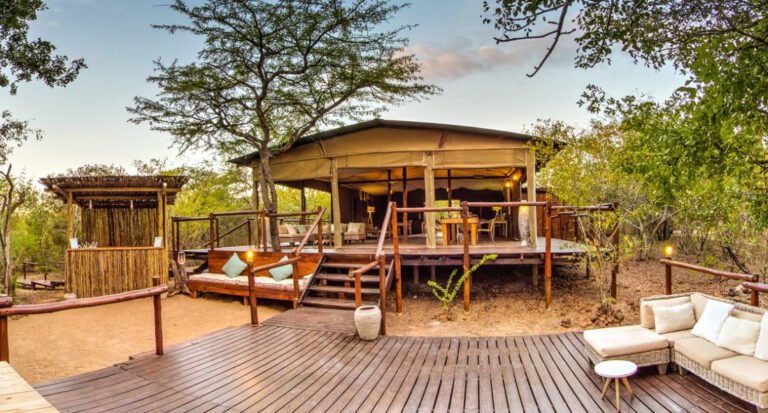
- Tented Camps: These range from basic, canvas-walled shelters to luxurious ‘glamping’ experiences with en-suite bathrooms, comfortable beds, and often gourmet dining. They offer a more intimate connection with nature. Permanent tented camps are available year-round, while semi-permanent or mobile camps often follow the migration in the Serengeti.
- Lodges: These are more permanent structures, often built with stone or wood, offering hotel-like amenities, private bathrooms, restaurants, and sometimes swimming pools. Lodges can be situated inside the national parks or just outside their boundaries.
- Budget/Public Campsites: For the most adventurous and budget-conscious travelers, camping under the stars is an option. These are basic facilities within or near the parks, often requiring your own gear or a specialized camping safari operator.
Choosing Your Style
- Budget Safaris: Typically involve staying in public campsites or basic tented camps and often use shared vehicles and group departures. These are great for solo travelers or those on a tight budget.
- Mid-Range Safaris: Offer a comfortable experience with stays in well-appointed tented camps or comfortable lodges, often with private vehicles and guides. This is a popular choice for families and couples.
- Luxury Safaris: Feature high-end lodges and exclusive tented camps, private vehicles and guides, fine dining, and personalized service. This option provides the utmost comfort and exclusivity.
Important Consideration: Lodges and camps inside national parks often offer superior access and earlier/later game drive opportunities. However, they tend to be more expensive than those located just outside park boundaries. For the Ngorongoro Crater, staying on the rim offers incredible views but can be pricier and more exposed to weather. Staying in nearby Karatu offers more options and often better value.
When planning for 2026-2027, it’s crucial to book your preferred accommodation type as early as possible, especially for the high season. Many popular lodges and camps get fully booked up to a year in advance.
Safari Vehicle and Guide: Your Eyes and Ears in the Wild
The quality of your safari vehicle and guide is paramount to a successful safari that includes Serengeti, Ngorongoro, and Tarangire. They are your primary tools for wildlife viewing and your source of local knowledge.
The Safari Vehicle
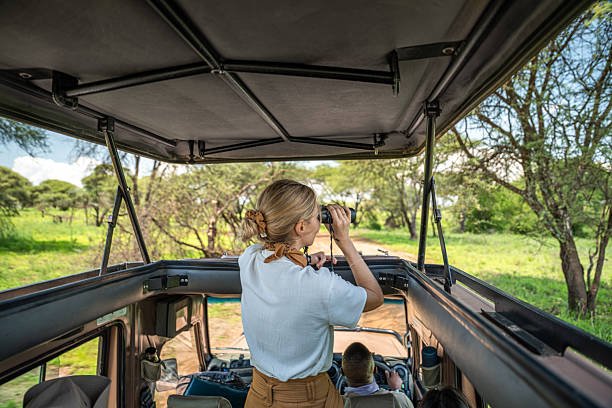
Most reputable operators use specially adapted 4×4 safari vehicles, typically Land Cruisers or Land Rovers. Key features include:
- Pop-up Roof: Essential for unobstructed 360-degree views and photography.
- Comfortable Seating: Enough legroom and space to move around.
- Ample Storage: For luggage and safari gear.
- Reliability: Robust vehicles designed for rough terrain.
You will usually have a private vehicle for your group, especially on mid-range to luxury safaris. This offers flexibility in game drives, allowing you to spend more time at sightings you find interesting and tailor the pace to your group’s preferences. Shared vehicles are an option for budget travelers, but they come with less flexibility.
The Safari Guide
A good safari guide is more than just a driver; they are a trained naturalist, a skilled tracker, a storyteller, and often, a problem-solver. They:
- Locate Wildlife: Using their knowledge of animal behavior, tracks, and signs, and often communicating with other guides.
- Enhance Your Understanding: Explaining animal behaviors, ecosystem dynamics, plant life, and local culture.
- Ensure Safety: Guiding you on how to behave around wildlife and in different environments.
- Optimize Your Experience: Knowing the best times and locations for sightings and understanding the flow of the migration.
When you plan your safari, inquire about the qualifications and experience of the guides. Many operators, like Climb 4 Africa, employ local guides who have grown up in the region and possess an intimate understanding of the parks and their inhabitants.
Costs and Budget Considerations for 2026-2027
The cost of a safari that includes Serengeti, Ngorongoro, and Tarangire can vary widely based on your travel style, accommodation choices, duration, and time of year. It’s essential to understand what contributes to the overall price when you plan for 2026-2027.
Key Cost Components
- Park Entrance Fees: These are set by the Tanzanian government and are a significant portion of the budget. Fees are typically charged per person per day. For example, Serengeti can be around $70-$80 USD per person per day, Ngorongoro Crater fee is around $300 USD per vehicle per day plus $70-$80 USD per person conservation fee, and Tarangire is around $70-$80 USD per person per day (prices are indicative and subject to change for 2026-2027).
- Accommodation: Lodges and tented camps range from $100-$200 USD per person per night for budget options to $500-$1500+ USD per person per night for luxury accommodations.
- Vehicle and Guide: The cost of a private 4×4 safari vehicle and experienced guide is usually factored into the daily safari rate, often ranging from $250-$500+ USD per day per vehicle.
- Meals: Most safari packages include full board (breakfast, lunch, dinner).
- Transfers: Airport transfers and travel between parks.
- Internal Flights: Flights from the Serengeti back to Arusha can add $350-$450 USD per person.
- Tips: For guides and lodge staff.
- Personal Expenses: Drinks, souvenirs, travel insurance.
Budget Ranges (Per Person, Per Day – Excluding International Flights)
These are rough estimates and can fluctuate:
- Budget/Camping Safari: $200 – $350 USD per person per day.
- Mid-Range Safari: $400 – $700 USD per person per day.
- Luxury Safari: $700 – $1500+ USD per person per day.
A typical 7-day safari combining Serengeti, Ngorongoro, and Tarangire could therefore range from approximately $1,400 to $10,500+ USD per person, excluding international flights and tips. For 2026-2027, it’s advisable to get detailed quotes from operators, as prices can change.
Booking Your 2026-2027 Safari
When planning your safari for 2026 or 2027, start by contacting a reputable tour operator. Provide them with your desired dates, budget, preferred accommodation style, and any specific interests (e.g., photography, birding, migration focus). They can help craft a tailored itinerary that includes Serengeti, Ngorongoro, and Tarangire, manage all logistics, and secure the best available options. Early booking is highly recommended, especially for peak season travel, to ensure availability of your preferred lodges and safari vehicles.
Practical Planning Tips
Beyond the core itinerary, several practical aspects need consideration when you plan a safari that includes Serengeti, Ngorongoro, and Tarangire.
Visas and Vaccinations
Most nationalities require a visa for Tanzania. This can often be obtained online in advance or on arrival at the airport. Consult your country’s embassy for the latest requirements. For vaccinations, consult your doctor or a travel clinic well in advance of your 2026-2027 trip. Yellow fever vaccination is often mandatory if arriving from or transiting through a country with a risk of yellow fever. Malaria prophylaxis is generally recommended for Tanzania.
What to Pack
Pack light, neutral-colored clothing (khaki, green, brown) that blends with the environment. Avoid bright colors and black/blue, which can attract insects. Essential items include:
- Lightweight long-sleeved shirts and trousers (for sun and insect protection)
- T-shirts and shorts
- A warm fleece or jacket for cool mornings and evenings
- Comfortable walking shoes or hiking boots
- Sandals or flip-flops for camp/lodge
- Sun hat, sunglasses, and high SPF sunscreen
- Insect repellent with DEET
- Binoculars (essential for wildlife viewing)
- Camera with extra batteries and memory cards
- A good quality zoom lens if you are serious about photography
- Personal first-aid kit
- Reusable water bottle
- Adapter for electronics (Tanzania uses Type D sockets)
Health and Safety
Always listen to your guide’s instructions regarding wildlife. Maintain a safe distance, never feed animals, and stay inside the vehicle during game drives unless instructed otherwise. Drink bottled or purified water only. Be aware of altitude sickness if you are also climbing Kilimanjaro, though the safari parks are at lower elevations than the mountain’s higher camps.
Connectivity and Power
Mobile phone reception can be spotty in the parks. Wi-Fi is available in most lodges and higher-end tented camps, though it can be slow or intermittent. Power is usually available for charging devices in lodges and camps, often via generators that run for set hours. Bring a power bank for backup.
Potential Challenges and How to Mitigate Them
While planning a safari that includes Serengeti, Ngorongoro, and Tarangire is straightforward with good planning, some challenges can arise. Understanding these helps in preparation for your 2026-2027 adventure.
- Long Travel Distances: While the parks are in proximity, driving between them can take several hours. Opting for internal flights (e.g., from Serengeti to Arusha) can save significant time and break up the journey.
- Weather: The rainy seasons can affect road conditions and wildlife movements, though game viewing is often still excellent. Always check the forecast and be prepared for changes.
- Crowds: During peak season, popular spots like the Ngorongoro Crater floor can feel busy. To mitigate this, choose accommodations inside parks, travel during shoulder seasons, or opt for private vehicles which offer more flexibility.
- Unpredictable Wildlife: While these parks offer high chances of sightings, wildlife is wild. There’s no guarantee of seeing specific animals on any given day. Patience, a good guide, and early/late game drives are your best allies.
- Cost: As outlined, Tanzanian safaris can be expensive. Careful budgeting, considering mid-range options, traveling in the low season, or joining a group departure can help manage costs for 2026-2027.
Customizing Your Safari: Beyond the Standard Itinerary
While the combination of Serengeti, Ngorongoro, and Tarangire is a classic, it can be customized to suit specific interests and preferences. When you plan your safari, consider these additions or modifications:
- Lake Manyara National Park: Often visited on the same day as Tarangire or as a stop between Tarangire and Ngorongoro. It’s known for its tree-climbing lions, large bird population, and beautiful acacia forests surrounding a shallow alkaline lake.
- Maasai Cultural Experiences: Many tours include visits to Maasai villages to learn about their traditions and way of life. Ensure this is done respectfully and ethically.
- Walking Safaris: Available in certain areas of the Serengeti and Ngorongoro Conservation Area (outside the Crater), offering a different perspective on the bush.
- Hot Air Balloon Safaris: A sunrise balloon ride over the Serengeti plains is a magical, albeit expensive, addition that offers unparalleled aerial views of the landscape and wildlife.
- Extended Serengeti Stays: If the migration is your focus, spending more time in different regions of the Serengeti (e.g., northern Serengeti for river crossings, central for predators) is highly recommended.
For travelers planning their 2026-2027 safari, working with an operator who can tailor these elements to your interests ensures a truly personalized experience.
Is a Combined Serengeti, Ngorongoro, and Tarangire Safari Right for You?
This itinerary is ideal for:
- First-time visitors to Tanzania who want to see the most iconic wildlife and landscapes.
- Wildlife enthusiasts looking for high chances of seeing a wide variety of animals, including the Big Five and the Great Migration.
- Photographers seeking diverse scenery and abundant wildlife subjects.
- Travelers with a moderate to high budget who want a comfortable and comprehensive safari experience.
- Those with limited time (7-10 days) who want to experience the best of Tanzania’s northern parks efficiently.
If you are seeking a truly wild, off-the-beaten-path adventure with minimal other tourists, you might consider combining these parks with more remote destinations like Ruaha National Park or Selous Game Reserve (now Nyerere National Park), though this would require a longer trip and a different logistical approach.
Booking Your 2026-2027 Northern Circuit Safari with Climb 4 Africa
Planning a safari that includes Serengeti, Ngorongoro, and Tarangire is a significant undertaking, but with the right partner, it can be a smooth and unforgettable experience. Climb 4 Africa specializes in crafting tailor-made Tanzanian adventures, including expertly designed Northern Circuit safaris for 2026 and 2027. We understand the nuances of each park, the best times to visit, and how to optimize your itinerary for incredible wildlife encounters.
When you’re ready to plan your dream safari, consider these benefits of working with us:
- Local Expertise: As a Tanzanian company, we have on-the-ground knowledge that ensures authentic and efficient travel.
- Customization: We build itineraries from scratch based on your interests, budget, and travel style.
- Quality Guides and Vehicles: We partner with experienced guides and maintain reliable 4×4 safari vehicles.
- Comprehensive Planning: We handle all logistics, from park fees and accommodation bookings to transfers and internal flights.
- Value for Money: We strive to offer competitive pricing without compromising on quality or experience.
To begin planning your safari that includes Serengeti, Ngorongoro, and Tarangire for 2026 or 2027, please reach out to us. Send us an email at climb4africa@gmail.com or contact us via WhatsApp at +255 747 477 898. Let us help you create the African safari of a lifetime.
We are committed to providing practical, reliable, and exceptional safari experiences. Contact us today to discuss your ideal itinerary for Tanzania’s most celebrated wildlife destinations.
Check Availability for Can You Plan A Safari That Includes Serengeti, Ngorongoro And Tarangire?
Ready to compare dates, prices, and the best option for your group? Send the package name and travel month so the team can reply with a clear quote, availability, and what is included.
7-Day Tanzania Safari: Serengeti, Ngorongoro, And Tarangire In 2026-2027
A comprehensive guide to a 7-day Tanzania safari adventure, focusing on the iconic Serengeti National Park, the Ngorongoro Crater, and Tarangire National Park. Learn about optimal...
View package details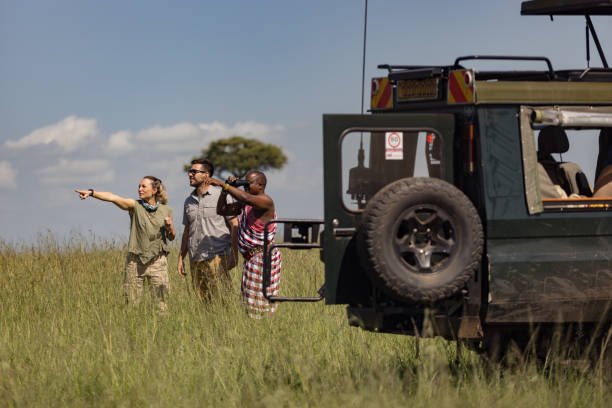
3-Day Serengeti And Ngorongoro Safari: Your Ultimate Tanzania Wildlife
start a concise yet unforgettable 3-day Serengeti and Ngorongoro safari, designed to maximize wildlife encounters in Tanzania's most celebrated parks. This compact adventure offers a taste...
View package details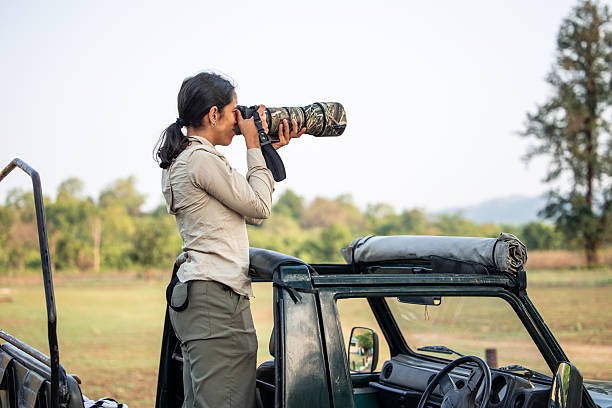
All-Inclusive African Safari Vacations Guide
start an all-inclusive African safari vacation in Tanzania, a premier destination for wildlife viewing in 2026-2027. This comprehensive guide covers everything from iconic parks like the...
View package details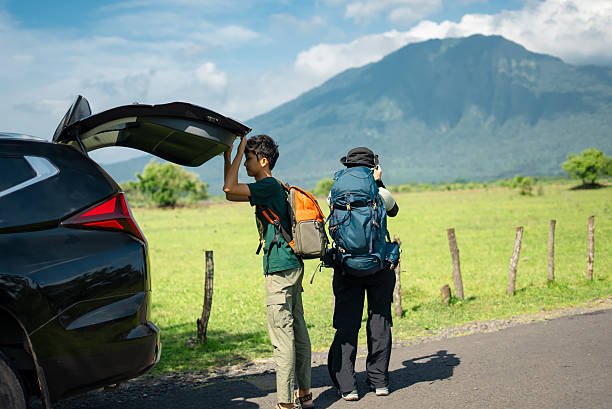
Tanzania Safari Tours & Packages /: Your Ultimate Wildlife Adventure 2026-2027
Discover the magic of Tanzania with expertly crafted safari tours and packages for 2026 and 2027. From the vast plains of the Serengeti to the depths of the Ngorongoro Crater, find your...
View package details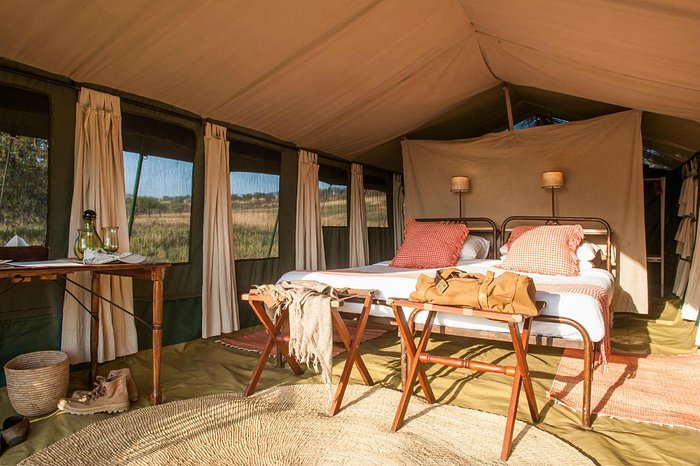
Best African Safari Tours & Vacation Packages /: Your Ultimate Tanzania
start an unforgettable African safari adventure in 2026/2027 with expertly curated tours and vacation packages in Tanzania's most iconic wildlife destinations. From the Serengeti to the...
View package details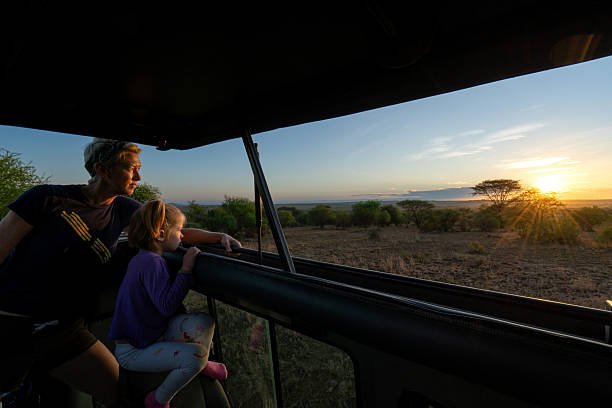
Private Tanzania Safari Packages: Your Ultimate Guide For 2026-2027
Discover the unparalleled freedom and personalized experience of a private Tanzania safari package. This comprehensive guide for 2026-2027 explores custom itineraries, key destinations like...
View package details
Serengeti Safari Tours: Prices, Packages & Best Time To Visit In 2026-2027
Discover everything you need to know for planning your Serengeti safari tour, from understanding pricing and package variations to identifying the ideal travel times in 2026-2027. This...
View package details
Serengeti Safari And Zanzibar Beach Holiday: The Ultimate Tanzania
Combine the thrill of a Serengeti safari with the relaxation of a Zanzibar beach holiday. This guide covers everything you need to know for an unforgettable Tanzania adventure in 2026-2027...
View package details
Zanzibar To Serengeti Safari Packages 2026-2027
Zanzibar to Serengeti Safari Packages is explained with current 2026-2027 planning, price, itinerary and booking information.
View package details
Serengeti Great Migration Safari Packages: Your Guide To Witnessing The Wonder
start an unforgettable journey with our comprehensive guide to Serengeti Great Migration safari packages for 2026-2027. Understand the best times to go, optimal viewing locations, and how...
View package detailsBest Places To See Wild Animals In Tanzania: Your Ultimate Safari Guide
Planning a safari to witness incredible wildlife? Tanzania offers some of the planet's most spectacular viewing opportunities. This guide explores the top destinations for seeing wild...
View package detailsWhat Is The Best Month To Visit Serengeti? 2026-2027
What Is the Best Month to Visit Serengeti? is explained with current 2026-2027 planning, price, itinerary and booking information.
View package detailsNo related package matches those filters. Clear one or more filters to see the other topic-matched options.



