
For a 6-night safari in Tanzania, dedicating 2 to 3 nights to the Serengeti National Park is generally the sweet spot. This duration allows for sufficient game drives to witness its incredible wildlife diversity, including potential Great Migration sightings if timed correctly, without making other vital parks feel rushed. However, the ideal number can shift to 4 nights if your primary focus is tracking the Great Migration or exploring the vastness of the Western or Northern Serengeti during specific seasons.
Understanding the Serengeti’s Allure for Your 6-Night Safari
The Serengeti is, without question, the crown jewel of Tanzania’s safari circuit. Its name, derived from the Maasai word ‘Siringet,’ meaning ‘endless plains,’ hints at its vastness and the sheer abundance of wildlife it harbors. For travelers with a limited 6-night window, making the right decision about how many nights to spend here is crucial for a rewarding experience. It’s a balancing act: you want to soak in the magic of the Serengeti, but you also have a finite amount of time that might need to accommodate other spectacular locations like the Ngorongoro Crater or Tarangire National Park.
When planning a 6-night safari for 2026 or 2027, your time in the Serengeti will directly impact the depth of your wildlife encounters. A longer stay means more opportunities to explore different regions within the park, witness predator-prey interactions, and potentially follow the Great Migration. Conversely, a shorter stay might mean focusing on a specific area or accepting that you’ll only get a taste of what the Serengeti offers. This decision isn’t just about ticking off a destination; it’s about optimizing your chances for those unforgettable wildlife moments that make a safari truly special.
The Serengeti’s ecosystem is dynamic. Its wildlife movements, particularly the Great Migration of wildebeest and zebras, are dictated by the seasons. This means that where the animals are, and what wildlife spectacles are on display, can vary significantly throughout the year. Your decision on Serengeti nights should ideally align with the expected animal movements for your chosen travel dates in 2026-2027. For instance, if you’re dreaming of witnessing the dramatic river crossings, you’ll need to plan your stay for the right time and potentially allocate more nights to the Northern Serengeti.
Beyond the migration, the Serengeti boasts resident populations of lions, leopards, cheetahs, elephants, giraffes, buffalo, and countless other species. Each region within the park offers unique viewing opportunities. The central Serengeti (Seronera) is known for its high predator density year-round, while the north is famous for river crossings (typically July-October), and the south is the calving grounds (December-March). Therefore, understanding these regional variations is key to deciding how many nights should you stay in Serengeti as part of your 6-night itinerary.
The trade-off is always time versus depth. With only 6 nights in total, allocating more time to the Serengeti inherently means less time for other incredible Tanzanian destinations. This is where expert advice, like that from Climb 4 Africa, becomes invaluable. We help you craft an itinerary that balances your desire to experience the Serengeti with the logistical realities of a shorter safari, ensuring you don’t miss out on other highlights like the Ngorongoro Crater or Tarangire’s elephant herds.
The Serengeti’s Vastness: Why It Matters for Your Stay Duration
The sheer size of Serengeti National Park is a critical factor when determining the optimal number of nights for your visit. Covering approximately 14,750 square kilometers (5,700 sq mi), it’s larger than many countries. This immensity means that simply driving through it takes time, and truly exploring its diverse habitats and wildlife concentrations requires dedicated periods. Attempting to ‘see’ the Serengeti in just one night is practically impossible and would be a disservice to its natural grandeur.
Different areas within the Serengeti offer distinct experiences and are best visited at different times of the year. For example:
- Central Serengeti (Seronera Valley): This is often considered the heart of the Serengeti and is famous for its high density of resident predators, including lions, leopards, and cheetahs, year-round. It’s a fantastic option for those who want consistent, high-quality game viewing regardless of migration timing. A 2-night stay here can yield excellent results.
- Northern Serengeti (Kogatende/Lamai): This region becomes exceptionally popular during the dry season (roughly July to October) when large herds of wildebeest and zebras attempt to cross the Mara River. Witnessing these dramatic river crossings is a bucket-list item for many. To maximize your chances, 3 to 4 nights in the Northern Serengeti are often recommended during this period.
- Southern Serengeti (Ndutu Area/Moru Kopjes): From roughly December to March, the southern plains and the adjacent Ngorongoro Conservation Area (Ndutu) become the birthing grounds for the Great Migration. Witnessing the calving season, with thousands of newborns and the predators that follow, is a unique spectacle. Again, 2 to 3 nights are beneficial here.
- Western Serengeti (Grumeti River): Known for its large crocodiles and resident game, this area can be a good option outside the peak migration months, especially for leopard sightings.
Given a 6-night total safari duration, you might be visiting one or two other parks. If the Serengeti is your primary focus, you might allocate 3 nights. If you want to combine it with, say, the Ngorongoro Crater (which is often a 1-night stop or a long day trip), then 2 nights in the Serengeti become more feasible. The decision on how many nights to stay in Serengeti must consider the overall itinerary flow.
For 2026-2027 travel, understanding the migration’s expected path for your specific travel month is paramount. If you are travelling between July and October, and your heart is set on river crossings, then prioritizing the Northern Serengeti for 3-4 nights within your 6-night safari becomes a strong consideration. This might mean shortening your time in other parks or choosing a more focused itinerary that skips a park altogether to maximize Serengeti time. For example, a 6-night safari could be structured as: 1 night Arusha (arrival/prep), 3 nights Northern Serengeti, 2 nights Ngorongoro Crater. Or, 1 night Arusha, 2 nights Tarangire, 3 nights Central Serengeti.
The challenge with the Serengeti’s vastness is that moving between its different regions can consume a significant portion of a day, effectively turning it into a travel day rather than a full game-viewing day. This reinforces the idea that spending consecutive nights in one or two strategic locations within the Serengeti is more productive than trying to cover too much ground with minimal time.
For a traveler with 6 nights, a common itinerary might involve 2 nights in Serengeti, 2 nights Ngorongoro Crater, and 2 nights in another park like Tarangire or Lake Manyara. However, if the Serengeti is the absolute highlight, then 3 nights there, perhaps combined with 3 nights split between Ngorongoro and Tarangire, offers a more in-depth Serengeti experience. The key is to avoid feeling like you’re constantly on the move.
When you are planning for 2026 or 2027, consider what kind of Serengeti experience you desire. Are you hoping for the drama of river crossings? The vast herds of the southern plains? Or the consistent predator action of the central valley? Your answer will heavily influence how many nights should you stay in Serengeti and which part of the park you should focus on.
Factors Influencing Your Serengeti Night Allocation
Deciding on the precise number of nights for the Serengeti within a 6-night safari isn’t a one-size-fits-all calculation. Several interconnected factors will guide this decision, ensuring your limited time is spent where it matters most for your safari goals.
1. The Great Migration Timing and Location
This is arguably the most significant factor for many safari-goers. The Great Migration is a perpetual cycle of movement for over 1.5 million wildebeest and zebras, following the rains in search of fresh grazing. Its location dictates where the prime viewing opportunities lie:
- December – March: The southern Serengeti and Ndutu (Ngorongoro Conservation Area) are the calving grounds. Expect vast herds, newborn animals, and increased predator activity. 2-3 nights here can be very rewarding.
- April – May: The migration begins its northward journey, often scattered across the central and western plains as the grass dries. This is the ‘green season’ and can offer excellent game viewing with fewer crowds, but river crossings are unlikely.
- June – July: The herds converge towards the western corridor and start gathering at the Grumeti River. Some crossings may occur.
- July – October: This is peak season for the Mara River crossings in the Northern Serengeti. Witnessing wildebeest and zebras braving crocodiles and rapids is a phenomenal sight. To maximize your chances, 3-4 nights in the North are highly recommended during these months.
- November: The migration begins its return journey south, often moving in large numbers across the central Serengeti.
If your 2026 or 2027 safari dates fall within the July-October window, and seeing the river crossings is a top priority, then dedicating 3-4 nights to the Northern Serengeti within your 6-night total is a very sensible choice. This would likely mean reducing time in other parks or opting for a shorter visit to the Ngorongoro Crater.
2. Other Parks in Your Itinerary
A 6-night safari rarely consists solely of the Serengeti. You’ll likely be combining it with other iconic Tanzanian destinations. Common combinations include:
- Serengeti & Ngorongoro Crater: This is a classic pairing. The Crater offers a unique, condensed wildlife experience within its caldera. A typical split might be 3 nights Serengeti, 2 nights Ngorongoro (with one day dedicated to the Crater floor).
- Serengeti, Ngorongoro Crater & Tarangire: Tarangire is famous for its large elephant herds, especially in the dry season (June-October). Adding Tarangire to a 6-night trip means tough choices. Perhaps 2 nights Serengeti, 1 night Ngorongoro, 2 nights Tarangire, with 1 night for travel/arrival. This is tight but doable.
- Serengeti & Lake Manyara: Lake Manyara is known for its tree-climbing lions and birdlife. It’s smaller and can be explored in a day or a single overnight stay. A 6-night trip could accommodate 3 nights Serengeti and 2 nights Manyara, plus travel days.
The more parks you wish to visit within your 6 nights, the less time you can realistically spend in each. If the Serengeti is your absolute priority, you might consider focusing on just two locations: Serengeti and Ngorongoro Crater, allowing for 3 nights in the Serengeti and 2 nights near or in the Crater.
3. Your Safari Pace and Interests
Are you a traveler who prefers a relaxed pace, savoring each moment and location? Or do you prefer to pack in as much as possible, seeing a wider variety of landscapes and wildlife, even if it means moving more frequently?
- Relaxed Pace: If you prefer to experience yourself and avoid feeling rushed, 3 nights in the Serengeti would be ideal, leaving 3 nights for other locations and travel. This allows for at least two full days of game drives within the Serengeti.
- Action-Packed Pace: If you want to cover more ground, you might opt for 2 nights in the Serengeti. This allows you to experience its essence while still having time for other parks. However, it means only one full day of game drives in the Serengeti, which many find insufficient.
Your interest in specific wildlife activities also plays a role. Are you primarily interested in predator sightings? Bird watching? The drama of the Great Migration? Or simply the vastness of the African savanna? If predator action is your main goal, the central Serengeti (Seronera) offers excellent chances even in 2 nights, but 3 nights would certainly enhance your opportunities.
4. Budget Considerations
Safari costs are often calculated per night. Staying longer in the Serengeti, especially in its more remote northern or western sectors, can increase your overall budget due to higher lodge/camp costs and potentially longer transfer times. While the Serengeti is a premium destination, careful planning can manage costs.
For a 6-night safari in 2026 or 2027, if budget is a significant constraint, you might lean towards 2 nights in the Serengeti and allocate the remaining time to areas that might offer slightly more budget-friendly accommodation or shorter transfer distances. However, remember that Serengeti is a prime wildlife destination, and compromising too much on time here might detract from the overall safari experience.
The cost of internal flights (if used for transfers) and park entry fees also add up. Longer stays mean more park fees. Balancing the desire for more Serengeti time with the financial realities is a key part of planning. Climb 4 Africa can help you explore different accommodation tiers and transport options to find the best value for your safari budget.
5. Travel Style and Logistics
Your preferred travel style (e.g., camping, mid-range lodges, luxury tented camps) can influence the feasibility of longer stays. Some remote camps might require charter flights, adding to the cost and complexity. The logistics of moving between different areas of the Serengeti or between parks also consume time.
A typical 6-night safari often looks like this: Day 1: Arrive Kilimanjaro (JRO), transfer to Arusha. Day 2: Drive to Serengeti, afternoon game drive. Day 3: Full day Serengeti game drive. Day 4: Morning Serengeti game drive, drive to Ngorongoro. Day 5: Ngorongoro Crater descent. Day 6: Drive back to Arusha, depart. This is a 2-night Serengeti itinerary. To achieve 3 nights in Serengeti, you would need to shorten time elsewhere or extend the safari beyond 6 nights.
For example, a 6-night safari focusing more on Serengeti could be: Day 1: Arrive JRO, transfer Arusha. Day 2: Fly to Serengeti (Central or North), afternoon game drive. Day 3: Full day Serengeti. Day 4: Full day Serengeti. Day 5: Morning game drive, drive to Ngorongoro area. Day 6: Ngorongoro Crater descent, drive to Arusha, depart. This gives you 3 nights in Serengeti.
The key takeaway is that the number of nights you spend in the Serengeti is a dynamic decision, influenced by the season, your broader itinerary, personal preferences, budget, and logistical considerations. It’s about finding the optimal balance for your specific 6-night adventure in 2026-2027.
Sample Itinerary Structures for 6 Nights: Balancing Serengeti Time
To illustrate how different durations in the Serengeti fit into a 6-night safari, here are a few sample itinerary structures. These are conceptual and can be customized to your specific interests and travel dates for 2026 or 2027.
Option 1: The Classic 6-Night Safari (2 Nights Serengeti)
This is a popular choice for first-time visitors who want to experience the highlights of Northern Tanzania without feeling overly rushed. It offers a taste of three distinct ecosystems.
6 Nights / 7 Days: Serengeti, Ngorongoro Crater & Tarangire
- Day 1: Arrive Kilimanjaro International Airport (JRO), transfer to Arusha.
- Day 2: Drive to Tarangire National Park for game drives. Overnight near Tarangire.
- Day 3: Morning game drive in Tarangire, then drive to the Ngorongoro Conservation Area. Overnight on the crater rim or nearby.
- Day 4: Descend into the Ngorongoro Crater for a full day of game viewing. Overnight on the crater rim or nearby.
- Day 5: Drive to the Serengeti National Park. Afternoon game drive in the Seronera Valley (Central Serengeti). Overnight in Central Serengeti.
- Day 6: Morning game drive in Serengeti. Drive back to Arusha. Overnight in Arusha or transfer to JRO for departure.
- Day 7: Departure.
Serengeti Nights: 2
Pros: Covers three major parks, offering diverse landscapes and wildlife. Good for those who want variety.
Cons: Time in Serengeti is limited to one full day and two partial days. May feel a bit rushed for serious wildlife enthusiasts.
Option 2: Serengeti Focused 6-Night Safari (3 Nights Serengeti)
This itinerary prioritizes more in-depth exploration of the Serengeti, often sacrificing one of the other parks or shortening the time spent in them. This is ideal if the Serengeti is your primary motivation.
6 Nights / 7 Days: Serengeti & Ngorongoro Crater (3 Nights Serengeti)
- Day 1: Arrive Kilimanjaro International Airport (JRO), transfer to Arusha.
- Day 2: Drive or fly into the Serengeti National Park (e.g., Central Serengeti). Afternoon game drive. Overnight in Central Serengeti.
- Day 3: Full day game drives in the Serengeti. Overnight in Central Serengeti.
- Day 4: Full day game drives in the Serengeti (potentially exploring a different sector). Overnight in Central Serengeti.
- Day 5: Morning game drive in Serengeti. Drive to the Ngorongoro Conservation Area. Overnight on the crater rim or nearby.
- Day 6: Descend into the Ngorongoro Crater for game drives. Drive back to Arusha. Overnight in Arusha or transfer to JRO for departure.
- Day 7: Departure.
Serengeti Nights: 3
Pros: Allows for more comprehensive exploration of the Serengeti, increasing chances of diverse sightings. Offers a more relaxed pace within the Serengeti.
Cons: Only one other major destination (Ngorongoro) is included, or time in other parks is significantly reduced.
Option 3: Migration Focused 6-Night Safari (3-4 Nights Northern Serengeti)
This itinerary is specifically designed for travelers aiming to witness the Great Migration river crossings, typically between July and October. It requires focusing on the Northern Serengeti.
6 Nights / 7 Days: Northern Serengeti & Ngorongoro Crater (Migration Focus)
- Day 1: Arrive Kilimanjaro International Airport (JRO), transfer to Arusha.
- Day 2: Fly to Kogatende or Lamai (Northern Serengeti). Afternoon game drive focusing on migration herds and river areas. Overnight in Northern Serengeti.
- Day 3: Full day game drives in Northern Serengeti, focusing on river crossings or herds. Overnight in Northern Serengeti.
- Day 4: Full day game drives in Northern Serengeti. Overnight in Northern Serengeti.
- Day 5: Morning game drive in Serengeti. Drive to the Ngorongoro Conservation Area. Overnight on the crater rim or nearby.
- Day 6: Descend into the Ngorongoro Crater for game drives. Drive back to Arusha. Overnight in Arusha or transfer to JRO for departure.
- Day 7: Departure.
Serengeti Nights: 3 (or potentially 4 if you skip Ngorongoro or shorten it)
Pros: Maximizes chances of witnessing the dramatic Mara River crossings during the optimal season. Offers a deeper experience of the Serengeti’s northern ecosystem.
Cons: Highly seasonal. Requires flying into the North, which can be more expensive. Less variety if you skip other parks.
These examples highlight the core trade-offs. When planning your 2026 or 2027 safari, discuss these options with your tour operator. For instance, if you want to see the calving season (December-March), you might opt for 3 nights in the Southern Serengeti/Ndutu area, followed by 2 nights in Ngorongoro and 1 night in Tarangire. The question of how many nights should you stay in Serengeti is always answered in context of the whole trip.
Consider your priorities. If the Serengeti is the absolute highlight, pushing for 3 nights is usually well worth it. If you are looking for a broader Tanzanian experience with a good balance of iconic locations, 2 nights might suffice, provided your game drives are well-planned and focused.
Maximizing Your Serengeti Experience, Regardless of Night Count
Whether you decide on 2, 3, or even 4 nights in the Serengeti for your 6-night safari in 2026-2027, the key to a memorable experience lies in maximizing the time you have. It’s not just about the number of nights, but how you utilize them.
1. Strategic Location within the Serengeti
As discussed, the Serengeti is vast. If you have only 2 nights, staying in one central location, such as the Seronera Valley, is far more effective than trying to move between regions. This allows for two full game drives within a productive area known for resident wildlife. If you have 3 nights, you might split them between two locations, perhaps 2 nights in Seronera and 1 night further north or south depending on the season and migration movements.
For longer stays (3-4 nights), exploring different sectors becomes more feasible. For instance, in the migration season, 2 nights in the North (Kogatende/Lamai) for river crossings, followed by 1-2 nights in the Central Serengeti (Seronera) for predator action, offers a comprehensive view of the park’s diversity.
2. Early Morning and Late Afternoon Game Drives
Wildlife is most active during the cooler parts of the day: early morning and late afternoon. To maximize your sightings, especially with limited time, ensure your itinerary includes these prime game-driving periods. Many lodges offer early morning coffee/tea before you head out just as the sun rises, and you can stay out until dusk.
A typical game drive day might start at 6:00 AM and conclude around 6:00 PM, with a break for lunch back at the lodge or a picnic lunch in the bush. Even with only one full day in the Serengeti, utilizing both these peak activity periods will significantly enhance your chances of witnessing exciting wildlife behavior.
3. Professional Guiding
The skill and knowledge of your safari guide are paramount. An experienced guide knows the Serengeti’s terrain, understands animal behavior, and can track animals effectively. They can often anticipate where animals might be heading or find those elusive predators that might otherwise be missed.
When booking with Climb 4 Africa for your 2026-2027 safari, you are partnering with local experts who employ guides with intimate knowledge of the Serengeti and other Tanzanian parks. They are trained to spot wildlife, interpret animal behavior, and ensure your game drives are informative and thrilling. This is especially crucial when you have limited time; a great guide can make all the difference.
4. Choosing the Right Accommodation
Your choice of accommodation impacts your safari experience. Lodges and tented camps are strategically located to offer excellent access to wildlife viewing areas. Some camps are situated in private concessions bordering the national park, offering unique activities like night drives or walking safaris (where permitted), which are not allowed inside the main park areas.
For a short stay, selecting accommodation that minimizes travel time to prime game viewing areas is essential. For example, staying at a lodge in the Seronera area provides immediate access to high predator concentrations. If you’re in the North for migration, a camp close to the Mara River is ideal.
5. Understanding Seasonal Variations
Even with a fixed number of nights, understanding what to expect seasonally will manage your expectations and help you appreciate what you see. If you’re visiting during the dry season (June-October), expect animals to congregate around water sources, making them easier to spot. During the wet season (November-May), the landscape is lush and green, but animals are more dispersed, and some roads can become challenging.
For example, if you’re planning a 2-night Serengeti stay in July, your guide will likely focus on areas where the migration is expected to be, possibly heading north. If you’re there in February for a 3-night stay, the focus will be the southern plains for calving.
6. Flexibility and Openness
While planning is essential, a degree of flexibility is also key. Sometimes the most incredible sightings happen unexpectedly. Be open to your guide’s suggestions and trust their expertise. They are dedicated to making your safari unforgettable.
Ultimately, whether you have 2 nights or 3 nights in the Serengeti for your 6-night safari, a well-planned itinerary, excellent guiding, strategic accommodation, and an understanding of the park’s dynamics will ensure you have an incredible experience. It’s about quality of time, not just quantity.
Serengeti vs. Other Parks: Making the 6-Night Trade-Off
When crafting a 6-night safari itinerary, the decision of how many nights should you stay in Serengeti is intrinsically linked to how much time you allocate to other Tanzanian treasures. Each park offers a unique flavor, and fitting them into a limited timeframe requires careful consideration of their distinct attractions and logistical demands.
Serengeti: The Endless Plains and Iconic Wildlife
Strengths: Unparalleled vastness, the Great Migration (seasonal), exceptionally high predator densities (especially in Seronera), diverse landscapes, sense of true wilderness.
Time Requirement: To truly appreciate its scale and wildlife, a minimum of 2 full days (which translates to 3 nights) is highly recommended. For migration-focused trips, 3-4 nights in a specific region are often best.
Ngorongoro Crater: The Wildlife Eden
Strengths: A UNESCO World Heritage Site and a natural caldera teeming with wildlife. High concentration of animals, including the rare black rhino, within a relatively small area. Stunning scenery.
Time Requirement: A single day spent on the Crater floor is the standard and highly effective way to experience it. This typically means 1 night spent on the rim or nearby to facilitate the early morning descent.
Tarangire National Park: Land of Giants
Strengths: Famous for its massive elephant herds, especially during the dry season (June-October), when they congregate around the Tarangire River. Also features iconic baobab trees and good birdlife.
Time Requirement: One to two full days (1-2 nights) are usually sufficient to experience Tarangire’s highlights.
Lake Manyara National Park: Diverse Ecosystems
Strengths: Known for its tree-climbing lions, large troops of baboons, and diverse birdlife. Offers a compact safari experience with dense woodland, a soda lake, and escarpment views.
Time Requirement: Can be explored in a half-day to a full day (1 night).
The 6-Night Dilemma: Balancing the Jewels
For a 6-night safari, you realistically have time for 2-3 distinct locations, including travel days. Here’s how the Serengeti fits in:
- Serengeti (2 nights) + Ngorongoro (1-2 nights) + Tarangire (2 nights): This is a common structure. It gives you a taste of the Serengeti’s vastness and predator action, the unique Ngorongoro Crater, and Tarangire’s elephants. However, 2 nights in the Serengeti means only one full game-driving day, which can feel brief.
- Serengeti (3 nights) + Ngorongoro (2 nights): This is arguably a better balance for those prioritizing the Serengeti. It allows for 2 full days in the Serengeti, giving you more time to explore different areas or focus on specific wildlife interests. The Ngorongoro Crater provides a contrasting, high-density wildlife experience. This is a strong contender for how many nights should you stay in Serengeti if it’s your main draw.
- Serengeti (3 nights) + Tarangire (2 nights) + Lake Manyara (1 night): This option omits Ngorongoro but allows for more time in the Serengeti and Tarangire. It offers a different mix of landscapes and wildlife.
The Trade-Off Summary:
If you allocate 2 nights to the Serengeti: You gain time for another park (like Tarangire or Lake Manyara) or a more relaxed pace in Ngorongoro. However, your Serengeti experience will be a highlights reel rather than an in-depth exploration.
If you allocate 3 nights to the Serengeti: You significantly enhance your Serengeti experience, allowing for more exploration and better chances of diverse sightings. This usually means sacrificing time in another park or having a more tightly scheduled itinerary overall. This is often the recommended duration for a 6-night safari if the Serengeti is your primary focus.
When planning your 2026 or 2027 safari, consider which park’s offerings appeal most to you. If the idea of endless plains, vast herds, and iconic predators is paramount, then pushing for 3 nights in the Serengeti is the way to go. If you’re excited by the prospect of seeing rhinos in the Crater, a huge number of elephants in Tarangire, and a good overview of the Serengeti, then 2 nights might be the pragmatic choice.
Climb 4 Africa specializes in tailoring these itineraries. We can help you weigh the pros and cons of each park combination for your specific 6-night window, ensuring you make the most informed decision about how many nights should you stay in Serengeti based on your personal safari dreams and the realities of travel in 2026-2027.
When Is the Best Time for Serengeti for a 6-Night Safari?
The ‘best time’ to visit the Serengeti, and consequently how many nights you might optimally spend there, is heavily influenced by the Great Migration. For a 6-night safari, aligning your trip with specific migration events can dramatically enhance your experience. Let’s break down the Serengeti by month and what it means for your duration decision for 2026-2027 travel.
The Great Migration Calendar and Serengeti Nights
- January – March (Calving Season): The southern Serengeti and Ndutu area are alive with new life. Millions of wildebeest, zebras, and other herbivores graze on the rich southern plains. Predators are abundant, drawn by the easy prey. This is a spectacular time for wildlife photography and witnessing the cycle of life. For this season, 2-3 nights in the South would be excellent.
- April – May (Wildebeest Movement North): The herds begin their journey north. The landscape is green and beautiful, but the migration can be scattered. This is the ‘low season’ with fewer tourists and potentially lower prices, but river crossings are unlikely.
- June – July (Western Corridor & Grumeti River): The migration gathers momentum and heads towards the western and northern parts of the park. The Grumeti River might see some crossings. This is a popular time, and the weather is generally dry. If your 6-night safari is in June or July, focusing on the central or western Serengeti for 2-3 nights is a good strategy.
- July – October (Northern Serengeti & Mara River): This is the iconic period for witnessing the dramatic Mara River crossings. Wildebeest and zebras brave the powerful currents and lurking crocodiles. This is peak season, and demand for accommodation in the North is very high. For this specific event, 3-4 nights in the Northern Serengeti are strongly advised to maximize your chances.
- November (The Return South): The migration begins its trek back towards the southern plains, often moving across the central Serengeti.
- December (Southern Plains): The herds start arriving back in the southern Serengeti and Ndutu area, preparing for the calving season.
How This Affects Your 6-Night Itinerary
Given these patterns, your decision on how many nights should you stay in Serengeti is directly tied to your travel month:
- If traveling Jan-Mar: Focus on Southern Serengeti/Ndutu for 2-3 nights. Combine with Ngorongoro and perhaps Tarangire.
- If traveling Apr-May: Central Serengeti is good for resident game. 2-3 nights here, combined with Ngorongoro and Tarangire, makes sense.
- If traveling Jun-Oct: This is the prime time for migration viewing.
- July-Oct: Prioritize the Northern Serengeti for 3-4 nights if river crossings are your goal. This might mean only 2 nights for Ngorongoro or omitting another park.
- June: Central/Western Serengeti for 2-3 nights is a good bet.
- If traveling Nov-Dec: Central Serengeti is often excellent for resident game and witnessing the migration’s return. 2-3 nights here works well.
Example for a 6-night safari in August 2027:
Focus: Mara River Crossings
- Day 1: Arrive JRO, transfer Arusha.
- Day 2: Fly to Kogatende (Northern Serengeti). Afternoon game drive.
- Day 3: Full day game drives, focusing on river crossings.
- Day 4: Full day game drives, focusing on river crossings.
- Day 5: Morning game drive. Drive to Ngorongoro area.
- Day 6: Ngorongoro Crater descent. Drive to Arusha.
- Day 7: Depart.
Serengeti Nights: 3 in the North
Example for a 6-night safari in February 2026:
Focus: Calving Season
- Day 1: Arrive JRO, transfer Arusha.
- Day 2: Drive to Ndutu (Southern Serengeti/Ngorongoro Conservation Area). Afternoon game drive.
- Day 3: Full day game drives in Ndutu, focusing on herds and predators.
- Day 4: Full day game drives in Ndutu.
- Day 5: Morning game drive. Drive to Ngorongoro Crater rim.
- Day 6: Ngorongoro Crater descent. Drive to Arusha.
- Day 7: Depart.
Serengeti Nights: 3 (split between Ndutu and Ngorongoro Conservation Area)
When planning for 2026 or 2027, it’s crucial to consult with safari experts like Climb 4 Africa. We can provide up-to-date insights on migration movements and help you determine the optimal number of nights and the best location within the Serengeti for your specific travel dates. While 2 nights offer a glimpse, 3 nights usually provide a more fulfilling Serengeti experience within a 6-night safari framework, especially if you’re targeting a specific migration event.
Booking Your Serengeti Safari: What to Confirm
Once you’ve decided on the ideal number of nights for the Serengeti within your 6-night safari, the next step is booking. This involves confirming crucial details to ensure your trip runs smoothly and meets your expectations. For travel in 2026 or 2027, booking well in advance is highly recommended, especially for peak seasons.
Key Details to Confirm with Your Tour Operator
- Exact Itinerary Breakdown: Ensure the itinerary clearly states the number of nights allocated to each park, including travel days. Verify the order of parks and the specific regions within the Serengeti you’ll be visiting.
- Inclusions and Exclusions: What is covered in the safari package? This typically includes accommodation, park fees, meals, game drives (vehicle and guide), and transfers. Clarify what is not included, such as international flights, visas, tips, personal insurance, and drinks.
- Accommodation Details: Understand the type of lodges or tented camps you’ll be staying in. Are they inside the park or just outside? What is the standard (budget, mid-range, luxury)? Some camps offer unique experiences like walking safaris or night drives, which might be relevant for your Serengeti stay.
- Transportation: Will you be using a 4×4 safari vehicle? Is it a private vehicle or a shared one? For longer distances or to maximize time in remote areas like the Northern Serengeti, flying between locations might be an option and should be discussed.
- Guide’s Experience: Inquire about the experience and qualifications of your safari guide. A good guide is integral to a successful safari.
- Meal Plan: Most safaris are on a full-board basis (breakfast, lunch, dinner). Confirm this and any specific dietary requirements you may have.
- Park Fees: Serengeti park fees are significant and often charged per person per 24-hour period. Ensure these are clearly accounted for in your quote.
- Visa Requirements: Confirm visa requirements for Tanzania for your nationality.
- Travel Insurance: It is strongly advised to have comprehensive travel and medical insurance.
Choosing the Right Operator for Your Serengeti Safari
Selecting a reputable tour operator is vital. Look for companies with deep local knowledge, excellent customer service, and a commitment to responsible tourism. Climb 4 Africa has extensive experience in crafting tailor-made Tanzanian safaris, including optimizing your time in the Serengeti for a 6-night trip.
When you contact us, providing details like your desired travel dates for 2026 or 2027, your budget range, your interests (e.g., Great Migration, predators, birding), and your preferred safari pace will help us design the perfect itinerary. We can advise on how many nights should you stay in Serengeti based on the season and your priorities, and ensure all logistical aspects are covered.
Making Your Booking Decision
Safari planning can seem complex, but with expert guidance, it becomes an exciting part of the journey. Don’t hesitate to ask questions. A good operator will be transparent and informative, helping you feel confident in your choices.
For your 6-night Serengeti adventure, whether you opt for 2 or 3 nights in the park, ensure your booking details are clear. This includes confirming the number of game drives per day, the duration of each drive, and any specific wildlife interests you have that the guide should be aware of.
Ready to plan your unforgettable 6-night Tanzania safari, with the perfect allocation of nights for the Serengeti?
Contact Climb 4 Africa today to discuss your dream itinerary for 2026 or 2027. We offer expert advice, personalized planning, and smooth execution for your Tanzanian adventure. You can reach us via WhatsApp at +255 747 477 898 or email us at climb4africa@gmail.com. Let us help you craft an experience that balances the magic of the Serengeti with the incredible diversity of Tanzania’s wildlife.
Frequently Asked Questions About Serengeti Nights on a 6-Night Safari
Q1: Is 2 nights enough in the Serengeti for a 6-night safari?
A1: For a 6-night safari, 2 nights in the Serengeti allows you to experience its highlights, typically with one full day of game drives. It’s sufficient for a good overview, especially if combined with other parks like Ngorongoro and Tarangire. However, if the Serengeti is your absolute priority, 3 nights would offer a more in-depth experience.
Q2: Is 3 nights in the Serengeti recommended for a 6-night trip?
A2: Yes, 3 nights in the Serengeti is often recommended for a 6-night safari if it’s a primary focus. This allows for two full days of game drives, giving you more time to explore different areas, track wildlife, and potentially witness more diverse animal behaviors. It provides a richer experience compared to a shorter stay.
Q3: How does the Great Migration affect the number of nights I should stay in the Serengeti?
A3: The Great Migration significantly influences this. If you’re traveling between July and October and want to see the Mara River crossings, you should aim for 3-4 nights in the Northern Serengeti. If you’re visiting during the calving season (December-March), 2-3 nights in the Southern Serengeti/Ndutu area are ideal. For other times, 2-3 nights in the Central Serengeti usually suffice.
Q4: Can I see both the Serengeti and Ngorongoro Crater in a 6-night safari?
A4: Absolutely. A common itinerary for a 6-night safari includes both the Serengeti and Ngorongoro Crater. The split often involves 2 nights in the Serengeti and 1-2 nights in the Ngorongoro area, or 3 nights in the Serengeti and 2 nights in the Ngorongoro area, depending on your priorities.
Q5: What if I only have 6 nights total and want to see more than just the Serengeti?
A5: With only 6 nights, you’ll need to balance your time. A typical split might be 2 nights Serengeti, 2 nights Ngorongoro Crater, and 2 nights in another park like Tarangire or Lake Manyara. This provides variety but means less time in each location. For a more focused Serengeti experience, consider combining it with just one other park.
Q6: How do 2026-2027 travel plans differ for Serengeti night allocation?
A6: The fundamental principles of migration timing and park attractions remain consistent for 2026-2
Check Availability for I Have 6 Nights Available For Safari, How Many Should I Stay In Serengeti?
Ready to compare dates, prices, and the best option for your group? Send the package name and travel month so the team can reply with a clear quote, availability, and what is included.

Serengeti Safari Tours: Prices, Packages & Best Time To Visit In 2026-2027
Discover everything you need to know for planning your Serengeti safari tour, from understanding pricing and package variations to identifying the ideal travel times in 2026-2027. This...
View package details
3-Day Serengeti And Ngorongoro Safari: Your Ultimate Tanzania Wildlife
start a concise yet unforgettable 3-day Serengeti and Ngorongoro safari, designed to maximize wildlife encounters in Tanzania's most celebrated parks. This compact adventure offers a taste...
View package details
Serengeti Safari And Zanzibar Beach Holiday: The Ultimate Tanzania
Combine the thrill of a Serengeti safari with the relaxation of a Zanzibar beach holiday. This guide covers everything you need to know for an unforgettable Tanzania adventure in 2026-2027...
View package details
Zanzibar To Serengeti Safari Packages 2026-2027
Zanzibar to Serengeti Safari Packages is explained with current 2026-2027 planning, price, itinerary and booking information.
View package details
Serengeti Great Migration Safari Packages: Your Guide To Witnessing The Wonder
start an unforgettable journey with our comprehensive guide to Serengeti Great Migration safari packages for 2026-2027. Understand the best times to go, optimal viewing locations, and how...
View package details
7-Day Tanzania Safari: Serengeti, Ngorongoro, And Tarangire In 2026-2027
A comprehensive guide to a 7-day Tanzania safari adventure, focusing on the iconic Serengeti National Park, the Ngorongoro Crater, and Tarangire National Park. Learn about optimal...
View package details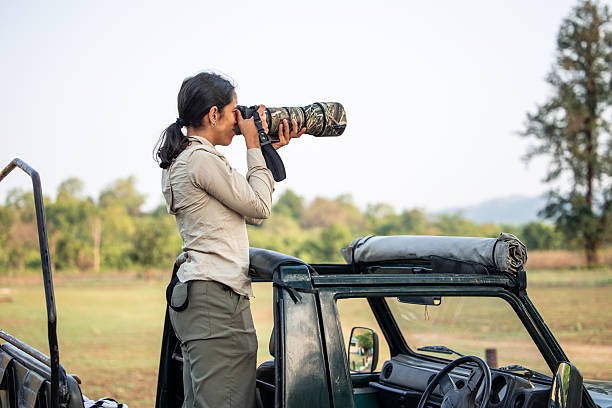
All-Inclusive African Safari Vacations Guide
start an all-inclusive African safari vacation in Tanzania, a premier destination for wildlife viewing in 2026-2027. This comprehensive guide covers everything from iconic parks like the...
View package details
Tanzania Safari Tours & Packages /: Your Ultimate Wildlife Adventure 2026-2027
Discover the magic of Tanzania with expertly crafted safari tours and packages for 2026 and 2027. From the vast plains of the Serengeti to the depths of the Ngorongoro Crater, find your...
View package details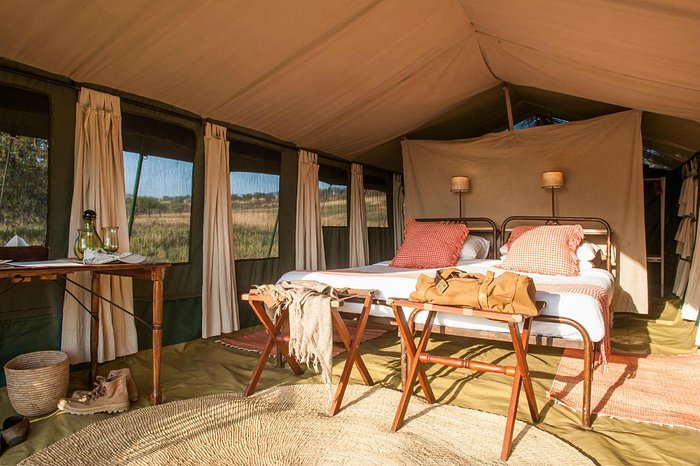
Best African Safari Tours & Vacation Packages /: Your Ultimate Tanzania
start an unforgettable African safari adventure in 2026/2027 with expertly curated tours and vacation packages in Tanzania's most iconic wildlife destinations. From the Serengeti to the...
View package details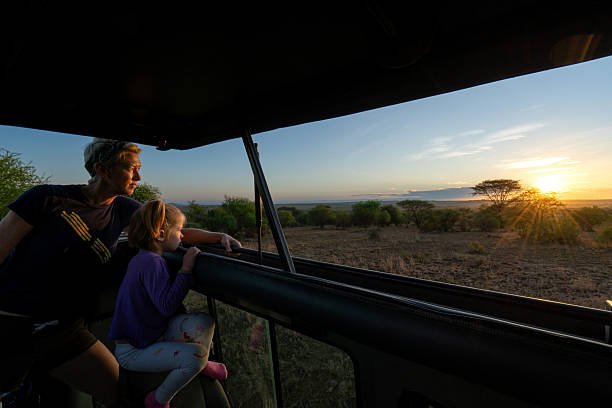
Private Tanzania Safari Packages: Your Ultimate Guide For 2026-2027
Discover the unparalleled freedom and personalized experience of a private Tanzania safari package. This comprehensive guide for 2026-2027 explores custom itineraries, key destinations like...
View package detailsBest Places To See Wild Animals In Tanzania: Your Ultimate Safari Guide
Planning a safari to witness incredible wildlife? Tanzania offers some of the planet's most spectacular viewing opportunities. This guide explores the top destinations for seeing wild...
View package detailsWhat Is The Best Month To Visit Serengeti? 2026-2027
What Is the Best Month to Visit Serengeti? is explained with current 2026-2027 planning, price, itinerary and booking information.
View package detailsNo related package matches those filters. Clear one or more filters to see the other topic-matched options.



