For a typical 7-10 day Tanzania safari in 2026-2027, budget approximately $20-$30 per day for your primary safari guide, and $15-$20 per day for assistant guides or drivers, totaling around $250-$400 per traveler for the entire safari duration. This range accounts for excellent service and acknowledges the significant role your guide plays in your experience, from wildlife spotting to cultural insights and logistical management. It’s important to note that tipping is discretionary but highly customary and greatly appreciated, serving as a significant part of staff income.
Understanding Safari Tipping in Tanzania
Deciding how much to tip your safari guide in Tanzania is a common question for many travelers planning a trip for 2026 or 2027. It’s a crucial part of the overall safari cost that often isn’t immediately obvious when booking your package. Safari guides in Tanzania are highly skilled professionals. Their expertise goes far beyond simply driving a vehicle; they are trained naturalists, trackers, cultural interpreters, and logistical experts, all rolled into one. They are instrumental in ensuring your safety, maximizing your wildlife viewing opportunities, and enriching your understanding of the local environment and culture. Because their salaries often don’t reflect the immense value and demanding nature of their work, tips form a significant portion of their income. Therefore, understanding the customary tipping practices is essential for showing your appreciation appropriately.
In Tanzania, like in many African safari destinations, tipping is not strictly mandatory in the same way it might be in some Western countries, but it is a deeply ingrained and expected custom. It’s a direct way to acknowledge exceptional service and the personal effort your guide and their team put into making your safari memorable and successful. The expectation is that a tip is given for good service, and a higher tip reflects outstanding service. When you book a safari, especially through a local operator like Climb 4 Africa, the quoted price typically covers accommodation, park fees, meals, and transportation. However, it almost never includes tips for the safari crew. This is why it’s vital to budget for tips separately to avoid any surprises or feeling unprepared during or at the end of your trip. For 2026-2027 safaris, this remains a consistent aspect of planning.
The amount you tip should reflect your personal satisfaction with the service received. There’s no single, universally mandated amount, but there are widely accepted ranges and guidelines that most travelers follow. These guidelines help ensure that your staff are compensated fairly for their hard work, dedication, and the often-long periods they spend away from their families to provide you with an unforgettable experience. It’s also a way to contribute directly to the local economy and support the livelihoods of these dedicated individuals.
Key Factors Influencing Your Tipping Decisions
Your decision on how much to tip your safari guide and the rest of the team should be based on several practical considerations. While the general ranges provide a solid starting point, a few factors can help you tailor your tip to the specific service you received, ensuring it’s both fair and reflective of your experience. These are the elements to keep in mind as you plan your safari budget for 2026-2027.
Service Quality and Going Above and Beyond
This is the most significant factor. Did your guide consistently exceed expectations? Perhaps they went the extra mile to find elusive wildlife, shared fascinating insights into animal behavior or local culture, or handled unexpected situations with calm efficiency. Maybe they were exceptionally patient with your questions, adapted the itinerary slightly to accommodate your interests, or ensured your comfort throughout the journey. Conversely, if the service was merely adequate or fell short in certain areas, you might adjust your tip accordingly. However, it’s important to distinguish between a guide who was simply not exceptional and one who was actively poor or unprofessional. For most safaris, especially those booked with reputable operators, you can expect a high level of service.
Length of the Safari
The duration of your safari directly impacts the total amount you’ll tip. A short 3-day trip will naturally involve a smaller total tip than an extensive 14-day expedition. The daily rate guidelines help you scale your tipping appropriately. For instance, a 7-day safari might mean tipping your primary guide for 7 days, whereas a 14-day trip means tipping for 14 days. This is why budgeting a daily amount is often more practical than a lump sum, as it scales with the length of your adventure. This is a key consideration when budgeting for 2026 or 2027 trips.
Number of Travelers in Your Group
Tipping is typically done on a per-traveler basis for most staff, but sometimes a group tip is given to a driver-guide or a cook for the entire vehicle or camp group. It’s crucial to clarify this with your tour operator beforehand. If you are on a shared safari, the per-person tip is standard. If you are on a private safari, the tip is often calculated per person, but the total amount for the group might be higher. However, some private groups might pool their tips for the guide. For example, if a guide is responsible for a vehicle of 4 people, and the recommended tip is $25 per person per day, the total tip for that guide from the group would be $100 per day. It’s common for this to be divided among the travelers, so each contributes $25. Always check how your operator structures this to avoid confusion.
Level of Service Provided by the Operator
The overall quality of the tour operator matters. A high-end luxury safari might have different tipping expectations than a more budget-conscious trip. However, the core principle remains: tip for service. Even on a budget safari, if your guide provides excellent service, they deserve recognition. Conversely, on a luxury trip, the expectation for service might be higher, but the fundamental appreciation for a job well done should be the same. Reputable operators like Climb 4 Africa pride themselves on providing excellent service across all their offerings, which means you’re likely to encounter dedicated staff in 2026 and 2027.
Inclusions in Your Safari Package
Understand what your safari package includes. If your package includes a dedicated driver-guide for the entire duration, the tipping structure will focus on them. If your safari involves multiple transfers or different types of staff (e.g., a driver for transfers and a separate guide for game drives, or lodge staff), you’ll need to consider tipping each of them. For most standard Tanzania safaris, you’ll have a primary safari guide who handles both driving and guiding. Sometimes, particularly on longer tours or in certain types of accommodation, you might have additional support staff, like cooks or camp assistants, who also receive tips.
How Much to Tip Your Safari Guide: Specific Recommendations
When it comes to tipping your primary safari guide in Tanzania, clarity is key. These individuals are the backbone of your safari experience, and their compensation is significantly supplemented by tips. For 2026-2027 safaris, the recommended amounts are based on industry standards and what is considered fair compensation for their extensive skills and dedication.
Recommended Daily Tipping Range for Safari Guides
For a dedicated safari guide, the generally accepted range is between $20 to $30 USD per traveler, per day. This range allows for flexibility based on the quality of service you received.
- For Good Service: Aim for the lower end of the range, around $20 USD per person, per day. This acknowledges their efforts and professionalism.
- For Excellent Service: If your guide truly made your safari exceptional, consider tipping in the range of $25 to $30 USD per person, per day. This recognizes their outstanding knowledge, enthusiasm, and commitment.
Calculating Total Tip for Your Guide
To calculate the total tip for your guide over the entire safari, multiply the daily amount you decide on by the number of days your guide was with you, and then by the number of people in your group. For example:
- Scenario: A 7-day safari, 2 travelers, excellent service.
- Calculation: $25 USD/day/person * 7 days * 2 people = $350 USD total for the guide.
This total amount is typically given to the guide directly at the end of the safari. It’s customary to present this tip in USD, often in crisp, newer bills. Some travelers prefer to give cash in an envelope, especially if they want to add a personal note.
Private vs. Shared Safaris
The per-person, per-day rate generally applies to both private and shared safaris. However, on a private safari, you have more control over the group’s total. If you are a couple on a private safari, you might decide to tip a bit more generously to acknowledge the guide’s sole focus on your needs. On shared safaris, the tip is divided amongst all passengers in the vehicle. Always confirm with your tour operator how tipping is structured for your specific safari type. For instance, Climb 4 Africa can provide specific advice on tipping for your tailor-made 2026-2027 safari packages.
What if You Have an Assistant Guide?
Some longer or more specialized safaris might include an assistant guide. In such cases, the tipping for the assistant guide is typically lower than for the primary guide. A range of $15 to $20 USD per person, per day is generally appropriate for an assistant guide, acknowledging their support role.
Tipping Other Safari Staff: Drivers, Cooks, and Camp Crew
Your safari experience involves more than just your main guide. Depending on your itinerary and accommodation style, you will likely interact with and benefit from the services of various other staff members. Tipping these individuals is also customary and appreciated. For 2026-2027 safaris, here’s a breakdown of who else to consider tipping and how much.
Drivers (for Transfers)
If your safari involves airport transfers or transfers between locations using a separate driver (not your primary safari guide), it’s customary to tip them. For a one-way transfer, a tip of $10-$20 USD per group is generally sufficient. If the transfer is particularly long or involved, you might increase this amount. This is a separate tip from your safari guide, covering their specific service.
Camp Staff and Cooks
On camping safaris or mobile camping safaris, you will have a dedicated cook and camp assistants. These individuals are vital for your comfort, preparing meals, setting up camp, and keeping the camp tidy. Tipping for camp staff is often done as a collective group tip at the end of the safari. A common guideline is $10-$15 USD per traveler, per day for the cook, and $5-$10 USD per traveler, per day for camp assistants. These amounts are usually pooled and given to the head cook or camp manager to distribute among the team.
For example, on a 7-day camping safari:
- Cook: $15 USD/day/person * 7 days = $105 USD per person for the cook.
- Camp Assistant(s): $8 USD/day/person * 7 days = $56 USD per person for the assistant(s).
These amounts are typically pooled from the group and given as a lump sum to the camp management for distribution. Always confirm with your tour operator, such as Climb 4 Africa, about the best way to tip camp staff, as they can advise on group sizes and the number of staff involved.
Lodge and Hotel Staff
If your safari includes stays in lodges or hotels, tipping policies for these establishments usually follow standard hotel tipping practices. This includes:
- Porters: $1-$2 USD per bag.
- Housekeeping: $2-$5 USD per day, left in the room.
- Waitstaff/Room Service: 10% of the bill if service charge isn’t included, or a few dollars per meal for good service.
- Concierge/Bell Staff: $2-$5 USD for assistance.
These tips are generally separate from your safari crew tips and are often handled directly with the establishment’s staff or through a general service charge at higher-end lodges. However, for the core safari experience, focus remains on the guide and camping crew.
When and How to Tip Your Safari Team
The logistics of tipping can sometimes feel a bit daunting, but understanding the best practices ensures your appreciation is conveyed smoothly and effectively. For your 2026-2027 Tanzania safari, follow these guidelines for when and how to present your tips.
Timing is Key: The End of the Safari
The most common and appropriate time to tip your safari guide and the rest of the crew is at the end of your safari. This is typically on your last day, often after the final game drive or before you depart from your last camp or lodge. This timing allows you to assess the overall service received throughout the entire trip and adjust your tip accordingly. For multi-day treks like Kilimanjaro, tips are usually given at the end of the trek at the base hotel.
Presentation Matters: Cash and Envelopes
Cash is king when it comes to tipping in Tanzania. US Dollars are widely accepted and preferred for tips, especially for safari guides and their teams. Ensure you have crisp, relatively new bills, as older or torn notes might be refused. It’s a good practice to carry a range of denominations ($1, $5, $10, $20 bills) for smaller tips or for convenience.
Many travelers choose to put their tips in envelopes. This is a neat and discreet way to present the cash, especially if you want to add a personal note of thanks. You can buy envelopes at local shops or bring them from home. This also helps keep the cash organized.
Who to Hand the Tip To
- Primary Guide: You will usually hand the tip directly to your main safari guide.
- Assistant Guides/Drivers: If you have separate drivers for transfers or assistant guides, you might tip them individually or consolidate the tip for the guide to distribute. Always clarify this with your operator.
- Cooks and Camp Staff: For camping safaris, tips for the cook and camp assistants are usually pooled from the entire group and given to the head cook or camp manager to distribute fairly among the entire camp crew. This ensures everyone who contributed to your camp experience receives recognition.
Clarifying with Your Tour Operator
Before your safari begins, it is highly recommended to discuss tipping with your tour operator. Reputable companies like Climb 4 Africa can provide specific guidance tailored to your itinerary and the crew you’ll be working with. They can advise on:
- The expected tipping structure for your specific safari package.
- Whether tips for certain staff should be pooled or given individually.
- The preferred currency for tips (usually USD).
- Any cultural nuances to be aware of regarding tipping.
This proactive approach ensures you are well-prepared and avoid any awkwardness or misunderstandings when it comes time to express your gratitude for the exceptional service you receive on your 2026-2027 adventure.
What If My Safari Includes Kilimanjaro?
Combining a safari with a Kilimanjaro climb is a popular choice for many travelers, and the tipping structure for the mountain crew differs significantly from that of a safari. While both involve appreciating dedicated service, the roles and support systems are distinct. For 2026-2027 treks and safaris, understanding these differences is crucial.
Kilimanjaro Tipping Structure
For Kilimanjaro climbs, tipping is more formalized, and there’s a specific crew structure to consider: the guide(s), assistant guide(s), cook(s), and porters. The total tip is usually calculated based on the number of days of the climb and the number of crew members. It’s customary to tip each role separately.
Recommended Tipping Amounts for Kilimanjaro Crew (per trekker)
These are general guidelines for a standard 6-8 day climb and can be adjusted based on service quality. It’s common to tip the entire crew at the end of the trek in Marangu or Moshi.
- Lead Guide: $20-$25 USD per day
- Assistant Guide(s): $15-$20 USD per day (per assistant guide)
- Cook: $12-$15 USD per day
- Porters: $8-$10 USD per day (per porter)
Example Calculation for a 7-Day Climb (per trekker):
- Lead Guide: $22/day * 7 days = $154
- Assistant Guide (assuming 1): $18/day * 7 days = $126
- Cook: $14/day * 7 days = $98
- Porters (assuming 2): $9/day * 7 days * 2 porters = $126
- Total Estimated Tip per Trekker: ~$504
Important Considerations for Kilimanjaro Tipping:
- Number of Porters: The number of porters can vary significantly based on the amount of gear and the trekker’s weight. Your operator will advise on this.
- Crew Size: The ratio of guides to trekkers and porters to trekkers is set by regulations and safety standards.
- Pooling Tips: Tips for porters are often pooled and distributed by the head porter. Tips for guides and cooks are usually given directly.
- Operator Guidance: Climb 4 Africa, as an experienced Kilimanjaro operator, provides detailed tipping guidelines for their treks, ensuring you have accurate figures for your 2026-2027 climb.
Integrating Safari and Kilimanjaro Tipping
If you are doing both a safari and a Kilimanjaro climb, you will tip the safari crew and the mountain crew separately. The safari tipping is based on your safari itinerary, and the Kilimanjaro tipping is based on the trek duration and crew size. Ensure you have enough cash in USD for both parts of your trip. For example, after your safari concludes, you might tip your safari guide, and then a few days later, after your climb, you will tip your mountain crew.
Common Tipping Misconceptions and What to Avoid
Navigating tipping customs in a foreign country can sometimes lead to confusion. To ensure you get it right for your 2026-2027 Tanzania safari, let’s clear up some common misconceptions and highlight practices to avoid.
Misconception 1: Tipping is Optional and Not Expected
While technically discretionary, tipping is a deeply ingrained custom in Tanzania’s tourism sector. Safari guides and other staff rely heavily on tips as a significant portion of their income. Not tipping, or tipping very little, for satisfactory service can be seen as a slight and can negatively impact the livelihood of the staff who worked hard for your enjoyment. It’s better to tip less for less-than-stellar service than to not tip at all.
Misconception 2: Tipping in Local Currency (Shillings) is Best
While Tanzanian Shillings are the local currency, US Dollars are widely preferred and often expected for tips in the tourism industry. This is because USD are more stable, easier to exchange, and often hold more value for the staff. Always carry USD for tipping purposes. If you only have Shillings, confirm with your operator if they can be converted or used for tips, but USD is the safest bet.
Misconception 3: Tipping the Tour Operator Directly
Tips are meant for the individuals who provide direct service to you. You should not tip your tour operator’s office staff or booking agents, unless they provided exceptionally personalized pre-trip support that goes above and beyond what’s normally expected. The tips are for the guides, drivers, cooks, and camp crew who make your actual safari experience happen on the ground.
Misconception 4: Tipping for Poor Service
While tipping is customary, it should be tied to the quality of service. If you received genuinely poor service (e.g., safety concerns, unprofessional conduct, significant unaddressed issues), you are not obligated to tip generously. However, it’s advisable to first address your concerns with the tour operator during or immediately after the safari. If issues are resolved, you might adjust your tip. If they are not, a reduced tip or no tip might be considered, but this is a serious decision that should be made after careful consideration and communication.
Misconception 5: All Staff Should Receive the Same Amount
Different roles on a safari have different responsibilities and levels of interaction with guests. As outlined earlier, your primary safari guide typically receives the highest tip, followed by assistant guides, cooks, and porters. It’s important to differentiate these roles when calculating your tips to ensure fair compensation based on their contribution.
What to Avoid:
- Don’t wait until the last minute without cash: Ensure you have sufficient USD cash available for tips before your final day. ATMs can be unreliable in remote safari areas.
- Don’t tip in coins: This is generally not acceptable for significant tips.
- Don’t tip based on sightings: Your guide’s skill is in tracking and finding animals, not solely in the number of animals you see. Weather, season, and luck also play a role. Tip for their effort, knowledge, and service.
- Don’t be pressured into tipping: While customary, the amount is ultimately up to you. However, understanding the standard ranges helps you make an informed decision that reflects fair compensation.
By being aware of these common pitfalls, you can approach tipping with confidence and ensure your appreciation for the excellent service on your 2026-2027 safari is conveyed appropriately.
Planning Your Safari Budget for 2026-2027: Tipping Included
Budgeting for a safari is a critical part of the planning process, and it’s essential to factor in all potential costs, including tips. For travelers planning their dream safari for 2026 or 2027, understanding where tipping fits into the overall financial picture will help prevent surprises and ensure you can adequately express your gratitude for excellent service. As a rule of thumb, consider tipping as an additional 5-10% of your safari package cost, though this is a rough estimate and the daily rates provide more precise guidance.
Estimating Your Tipping Costs
To get a clearer picture, let’s use the recommended daily rates. For a standard 7-day safari with two people, aiming for good to excellent service:
- Primary Guide: $25 USD/day/person * 7 days * 2 people = $350 USD
- Driver for Transfers (if applicable): $20 USD (one-time)
- Cook (for camping): $15 USD/day/person * 7 days = $105 USD (for the cook)
- Camp Assistants (for camping): $8 USD/day/person * 7 days = $56 USD (for assistants)
Total Estimated Tipping Budget for this 7-day example: ~$531 USD for the group.
This demonstrates that for a week-long safari, you should realistically budget a few hundred dollars per person for tips. For longer safaris (e.g., 10-14 days), this amount will increase proportionally. It’s always better to slightly overestimate your tipping budget than to underestimate it.
Where to Obtain Cash for Tips
Getting the right currency and denominations is key. Here’s how to plan:
- USD Cash: Carry a good amount of US Dollars in smaller denominations ($1, $5, $10, $20 bills) for tipping. Larger bills ($50, $100) are useful for other expenses but less practical for daily tips.
- ATMs: Major towns like Arusha and Dar es Salaam have ATMs where you can withdraw Shillings. While you can exchange Shillings for USD, it’s generally more straightforward to bring USD from your home country.
- Bank Exchange: Banks in larger towns can exchange currency, but rates might not be as favorable as bringing USD.
- Tour Operator Assistance: Your tour operator, like Climb 4 Africa, can advise on the best places to get cash or may even offer assistance with currency exchange if needed, especially in Arusha.
Pro-Tip for Budgeting
When you receive your safari quote from operators like Climb 4 Africa for your 2026-2027 trip, ask them to include a recommended tipping guideline based on the specific itinerary and crew. This transparency will help you budget more accurately. Remember that tips are a significant part of the income for your dedicated safari team, and proper compensation ensures they can continue to provide the high-quality service that makes Tanzanian safaris legendary.
Consider tipping as an investment in your experience. A well-compensated guide is often a more motivated and engaged guide, contributing to a richer, safer, and more enjoyable safari for everyone.
Ready to Plan Your Tanzania Adventure?
Planning a safari to Tanzania for 2026 or 2027 is an exciting undertaking, and understanding all aspects of the trip, including practicalities like tipping, is crucial for a smooth and enjoyable experience. At Climb 4 Africa, we are dedicated to providing you with comprehensive support from the moment you start planning until you return home with unforgettable memories.
We specialize in crafting tailor-made Tanzanian travel experiences, from thrilling wildlife safaris in iconic parks like the Serengeti and Ngorongoro Crater to challenging Kilimanjaro climbs and relaxing Zanzibar holidays. Our local expertise ensures that you receive practical advice, transparent pricing, and exceptional service throughout your journey. We understand the importance of fair compensation for our guides and support staff, and we are happy to provide detailed tipping guidelines tailored to your specific itinerary.
To get started with planning your unforgettable Tanzania safari, or if you have any further questions about tipping or any other aspect of your trip, please don’t hesitate to reach out to us:
- WhatsApp: +255 747 477 898
- Email: climb4africa@gmail.com
- Website: Climb 4 Africa
We look forward to helping you create the perfect Tanzanian adventure, ensuring both you and your dedicated safari team have a rewarding experience. Let us handle the details so you can focus on the magic of Africa.
Check Availability for How Much Should I Tip My Safari Guide In Tanzania? A Travelers 2026-2027
Ready to compare dates, prices, and the best option for your group? Send the package name and travel month so the team can reply with a clear quote, availability, and what is included.
How Early Should I Book A Nov Or Dec Tanzania Group Safari?
How Early Should I Book a Nov or Dec Tanzania Group Safari?
View package details
AFCON 2027 Safari Packages from Tanzania
Hitaji la safari ya kundoka ili kufurahia AFCON 2027? Chagua kutoka kwa mikakati ya safari nchini Tanzania inayoambatana na wildlife, mbuga maarufu, na uwekaji wa huduma ya kimataifa ya...
View package detailsAFCON 2027 Mid Range Safari Packages Tanzania
Mwongozo wa safari ya kati ya AFCON 2027 Tanzania kutoka Climb 4 Africa: mipango ya njia, maeneo ya msitu wa serikali, na usalama wa wasafiri. Onyesha jinsi ya kuchagua kilima cha kati...
View package details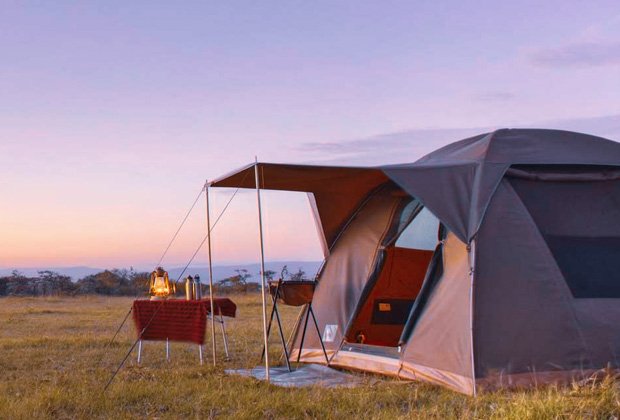
Best Tanzania Safari Before Afcon Final
Best Tanzania Safari Before AFCON 2027 Final.
View package detailsBest Tanzania Safari After Afcon Match
Best Tanzania Safari After AFCON 2027 Match.
View package details
Five Day Tanzania Safari And Afcon Package
Five Day Tanzania Safari and AFCON Package.
View package details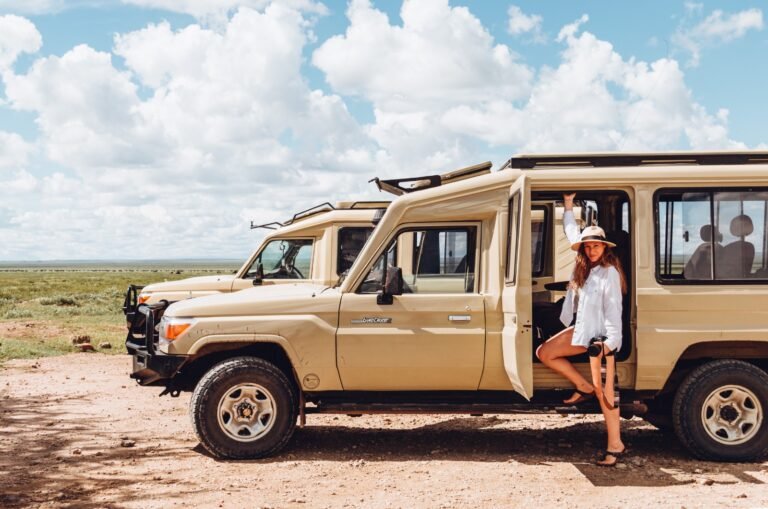
Afcon Northern Tanzania Safari Packages
AFCON 2027 Northern Tanzania Safari Packages.
View package detailsAfcon Tanzania Football Kilimanjaro And Safari Tour
AFCON 2027 Tanzania Football Kilimanjaro and Safari Tour.
View package details
Tanzania Safari Packages from Dar es Salaam During AFCON 2027
Mwongozo wa kina wa safari za Tanzania kuanzia Dar es Salaam wakati AFCON 2027: rasilimali, mipango ya siku, na hatua za uhakika za ziara za wanyama na mbuga maarufu.
View package detailsTanzania Safari Tours for AFCON 2027 Fans
Muhtasari wa safari za Tanzania kwa mashabiki wa AFCON 2027: maeneo ya hifadhi, mizunguko ya wildlife, usalama wa safari, na jinsi ya kupanga na kuhudumiwa na Climb 4 Africa.
View package details
Dec 20, – 10 Day Complete Tanzania Group Joining Safari
Dec 20, 2026 – 10 Day Complete Tanzania Group Joining Safari.
View package detailsNo related package matches those filters. Clear one or more filters to see the other topic-matched options.