For the best availability and to secure your preferred lodges and safari dates, it’s generally recommended to book a Tanzania safari 6 to 12 months in advance, especially if you’re planning for peak seasons like the Great Migration (typically June-October and December-January) or traveling in 2026 or 2027. Booking earlier increases your chances of getting prime accommodations and specific safari vehicles, particularly for private tours or during high-demand periods.
Understanding the Ideal Tanzania Safari Booking Window
The question of how far in advance should I book a Tanzania safari is a critical one for any traveler dreaming of witnessing the Serengeti’s vast plains or the Ngorongoro Crater’s unique ecosystem. While there’s no single, rigid answer that fits every single safari, a general guideline of 6 to 12 months prior to your intended travel dates is the most practical advice for securing a well-planned and enjoyable experience. This window allows for ample time to research, compare options, make informed decisions, and confirm all logistical details without feeling rushed.
Consider this: a Tanzania safari isn’t just about booking a flight and a hotel. It involves coordinating specialized safari vehicles, experienced guides, specific lodges or tented camps (many of which have limited rooms), internal flights or overland transfers, and potentially park permits. The more lead time you have, the smoother this process becomes. For instance, if you’re targeting popular times like the Great Migration in the Serengeti, which often peaks between June and October and again in December and January, booking a full year or even 15 months ahead might be necessary to snag the best locations and camps. Similarly, if you have specific dates in mind for 2026 or 2027, starting your research and booking process as early as possible in 2025 or early 2026 will be beneficial.
This lead time isn’t just about availability; it also allows for better planning regarding specific interests. Are you keen on birdwatching during a particular season? Do you want to photograph specific wildlife behaviors? Do you have mobility considerations or dietary preferences that need to be communicated well in advance to lodges and tour operators? A longer planning horizon gives your safari operator the time to tailor an itinerary that truly matches your vision, rather than fitting you into whatever might be left.
Ultimately, the “ideal” booking window is a balance between securing your desired experience and the practicalities of travel planning. For most travelers aiming for a quality safari in Tanzania, especially for 2026 or 2027, starting the conversation with a reputable tour operator like Climb 4 Africa around 9-12 months before departure is a strong strategy. This gives you flexibility and peace of mind.
Why Booking Early Matters for Your Tanzania Safari
When you ask how far in advance should I book a Tanzania safari, the underlying reasons for booking early are multifaceted and directly impact the quality and success of your trip. It boils down to securing the best of what Tanzania has to offer, which is a finite resource.
Firstly, availability is king. Tanzania’s prime safari lodges and tented camps, especially those offering exceptional locations (think front-row seats to the Great Migration river crossings or stunning views of the Ngorongoro Crater), have a limited number of rooms. These sought-after accommodations are often booked up months, sometimes even a year or more, in advance, particularly for high season travel. By booking early, you significantly increase your chances of staying in your preferred lodge or camp, rather than settling for a less desirable option.
Secondly, optimal pricing can often be achieved by booking ahead. While last-minute deals can exist, they are rare for high-demand safaris. Tour operators often secure rates with lodges and suppliers well in advance. Booking early allows you to lock in current pricing before any potential seasonal increases or currency fluctuations might affect costs for future years like 2026 or 2027. For major international flights, booking 6-9 months out can also yield better fares.
Thirdly, customization and personalization are significantly enhanced with more planning time. A Tanzania safari is a complex undertaking. Whether you’re looking for a private vehicle and guide for intimate wildlife viewing, specific photography setups, or an itinerary that balances different parks and experiences, an early booking allows your safari operator the time to craft a truly bespoke journey. They can arrange specific vehicle types, ensure guides with particular expertise are available, and build in unique activities that might require advance permission or coordination.
Fourthly, peace of mind cannot be overstated. Knowing your safari is booked, your accommodations are confirmed, and your itinerary is set well in advance reduces pre-travel stress. You can then focus on other preparations, like packing, obtaining visas, or getting necessary vaccinations, with confidence.
Finally, permits and special access, particularly for activities like walking safaris in certain areas or specific conservation zones, often require advance booking. For example, access to certain parts of the Serengeti during specific migration phases might be restricted or require special permits that are issued on a first-come, first-served basis.
For travelers planning for 2026 or 2027, starting the process now or in the coming months is an excellent strategy. It allows you to be proactive rather than reactive in securing a memorable Tanzanian adventure.
Timing Your Safari: Peak Seasons and Their Impact on Booking
The question of how far in advance should I book a Tanzania safari is intrinsically linked to when you plan to travel. Tanzania experiences distinct seasons, and its most famous natural phenomenon, the Great Migration, dictates peak travel times that significantly influence booking lead times.
High Season (June to October): This period is characterized by dry weather across most of Tanzania, making wildlife viewing excellent as animals congregate around water sources. It’s also the prime time to witness the Great Migration’s dramatic river crossings in the Grumeti and Mara Rivers in the western and northern Serengeti, respectively. Due to the favorable weather and iconic wildlife events, this is the most popular and therefore the busiest time to visit. For travel during these months, especially for 2026 or 2027, booking 9 to 12 months in advance is highly advisable. Some lodges, particularly those in prime migration viewing areas, can be fully booked 18 months out.
Shoulder Seasons (November, March to May): These periods offer a good balance. November sees the start of the short rains, which can bring lush green landscapes and newborn wildlife, but also can make some roads harder to traverse. March to May marks the long rains, which typically means fewer tourists, lower prices, and excellent photographic opportunities with vibrant scenery. However, some camps might close or reduce services during the heaviest rains (April-May). For shoulder seasons, a booking window of 4 to 8 months in advance is usually sufficient, though booking earlier is always safer for specific lodge preferences.
Great Migration Specifics:
- June-July: The migration moves northwards, often gathering in the western and central Serengeti. River crossings of the Grumeti River are common.
- July-October: The migration is typically in the northern Serengeti, with the Mara River crossings being the most iconic event, often occurring from late July through September. This is the absolute peak of the peak season.
- December-January: The migration moves south to the Ndutu Plains (bordering Serengeti and Ngorongoro Conservation Area) for the calving season. This is another highly sought-after period.
If your dream is to witness a specific migration event, particularly for your 2026 or 2027 safari, you must factor these timings into your booking schedule. For these prime migration dates, aim for 12-15 months in advance to maximize your chances of securing the best lodges and camps in the right locations.
Booking Note:
It’s important to remember that while the migration is a major draw, Tanzania offers incredible wildlife viewing year-round. Even outside the peak seasons, you can have an unforgettable safari experience. The key is to align your booking timeline with your desired travel period and any specific wildlife events you wish to witness.
Accommodation Availability: Lodges vs. Camps and Their Booking Needs
When considering how far in advance should I book a Tanzania safari, the type of accommodation you prefer plays a significant role. Tanzania offers a range of options, from luxurious lodges to intimate tented camps, each with different availability dynamics.
Permanent Lodges: These are the most established and often largest accommodation types. They typically feature solid structures, extensive facilities (swimming pools, spas, multiple dining areas), and a higher room count. Due to their size and popularity, especially those in prime locations within national parks like the Serengeti Serena Lodge or Ngorongoro Sopa Lodge, they still require substantial advance booking, often 6-9 months ahead for general travel and 9-12 months ahead for peak seasons or specific holidays. Their larger capacity means they might absorb demand slightly better than smaller camps, but the best ones fill up quickly.
Tented Camps (Permanent & Semi-Permanent): These offer a more classic safari feel, with canvas tents on permanent or semi-permanent platforms. They range from rustic and intimate to ultra-luxurious. Camps, especially smaller ones with only 6-12 tents, have very limited capacity. This scarcity means they are often the first to be fully booked. For highly sought-after tented camps, particularly those known for exceptional service, unique locations (e.g., mobile camps that follow the migration), or exclusivity, booking 9 to 12 months in advance is crucial. For the most exclusive or remote camps, even 15-18 months ahead might be necessary for specific dates in 2026 or 2027.
Mobile Camps: These are temporary camps that are moved seasonally to follow the Great Migration or other wildlife events. They offer a unique, up-close experience. Their limited duration and prime locations make them extremely popular and highly competitive. Booking for these camps often needs to happen 12-18 months in advance, especially if you’re targeting specific migration crossing points.
Budget/Mid-Range Options: While not as scarce as luxury camps, even more budget-friendly lodges and guesthouses within or near national parks can fill up, especially during peak periods. Booking 4-6 months in advance is a good practice for these options to ensure you get a suitable room.
Key Takeaway: The smaller and more exclusive the accommodation, the earlier you need to book. If you have a specific lodge or camp in mind that you’ve seen featured or recommended, research its booking status and start your inquiry with your tour operator as soon as possible. For any safari in Tanzania, including those planned for 2026 and 2027, prioritizing your accommodation choice is a key step in determining your booking timeline.
How Your Traveler Type Influences Booking Timeline
When planning how far in advance should I book a Tanzania safari, it’s essential to consider your own travel profile. Different types of travelers have varying needs and flexibility, which directly impacts the ideal booking window.
Families with Children: Families often require specific room configurations (interconnecting rooms, family suites), need to consider children’s ages for certain activities or park regulations, and may have more fixed school holiday schedules. Planning well in advance, 8-12 months out, is recommended to secure suitable family-friendly accommodations and ensure activities align with children’s interests and capabilities. Early booking also allows for discussing any special dietary needs or medical considerations for younger travelers.
Honeymooners and Special Occasions: For romantic getaways or milestone celebrations, travelers often seek the most exclusive and romantic lodges or camps. These premium options are highly sought after and require significant lead time. Booking 9-12 months in advance is standard, and for ultra-luxury or very specific romantic lodges, even more is advised. Early booking ensures the best honeymoon suites and allows for arranging special touches like private dinners or bush breakfasts.
Solo Travelers: Solo travelers often have more flexibility with dates and accommodations. While still benefiting from early booking for peak seasons (6-9 months), they might find more last-minute availability or be more open to joining group tours, which can sometimes accommodate shorter booking windows (3-6 months). However, single supplements can be a consideration, and booking early might offer more options to minimize these.
Group Travelers (Friends/Extended Family): Larger groups need to coordinate multiple rooms and potentially different preferences. Booking 8-12 months in advance is highly recommended to ensure everyone can stay together in the same lodge or camp and to secure group rates if available. Coordinating schedules for a group can be challenging, making early planning essential.
Budget-Conscious Travelers: While booking very last minute can sometimes yield deals, for a well-planned Tanzania safari, early booking (6-9 months) is still beneficial. It allows you to secure better rates before seasonal price hikes and ensures you get the best value within your budget by choosing from a wider range of accommodations and potentially securing early-bird discounts offered by some operators for 2026 or 2027 travel.
Travelers with Specific Interests (Photography, Birding, etc.): If your safari is centered around a particular passion, such as wildlife photography requiring specific lighting conditions or birding during nesting seasons, you’ll want to align your dates precisely. This often means targeting specific areas and times of year, which are naturally high-demand. Therefore, booking 9-12 months in advance is crucial to secure guides and lodges that can cater to these specialized needs.
Understanding your traveler profile helps tailor the advice on how far in advance should I book a Tanzania safari. The more specific your needs and the less flexible your dates, the earlier you should aim to book.
Safari Style: Private vs. Group Tours and Booking Differences
The style of safari you choose significantly impacts the answer to how far in advance should I book a Tanzania safari. Tanzania offers both shared group tours and exclusive private safari experiences, each with distinct booking considerations.
Shared Group Safaris:
These safaris involve joining a pre-set itinerary with other travelers, typically in a safari vehicle designed for 6-7 passengers. They are often more budget-friendly. Because operators run these tours on fixed departure dates, they often have a longer booking window. For popular departures in 2026 or 2027, booking 4-8 months in advance is usually sufficient. However, if you’re aiming for a specific departure date during peak season or a holiday period, booking 6-10 months ahead is safer to guarantee a spot. Shared safaris can be a great way to experience Tanzania on a budget while still enjoying expert guiding.
Private Safaris:
These are tailored to your specific group (family, couple, friends) and offer maximum flexibility and exclusivity. You get a dedicated safari vehicle and guide for the duration of your trip. This bespoke nature means that booking lead times are much longer, mirroring the advice for peak season travel.
- For general travel dates: Aim for 6-10 months in advance.
- For peak seasons (Great Migration, holidays): Aim for 9-15 months in advance.
- For highly exclusive lodges or specific migration viewing spots: Up to 18 months might be necessary.
Private safaris offer unparalleled personalization. You can dictate the pace, focus on specific wildlife, and choose your preferred lodges. This level of customization requires more coordination from the tour operator, hence the longer booking window.
Factors Influencing Group/Private Booking:
- Vehicle Availability: Dedicated private vehicles are limited. Booking early secures your preferred vehicle type (e.g., 4×4 Land Cruiser).
- Guide Specialization: If you want a guide with specific expertise (e.g., in birding or photography), advance notice is essential.
- Lodge Preferences: As mentioned, the best lodges fill up first, regardless of whether you’re booking a private or shared safari.
When contacting a tour operator like Climb 4 Africa, clearly state whether you are interested in a shared group departure or a private customized safari. This will help them guide you on the most appropriate booking timeline for your chosen style of travel for 2026 or 2027.
Other Factors Affecting Your Tanzania Safari Booking
Beyond seasonality and traveler type, several other elements can influence how far in advance should I book a Tanzania safari. Being aware of these can help you fine-tune your planning.
International Flight Availability and Pricing: While not directly part of your safari booking, securing international flights to Kilimanjaro International Airport (JRO) or potentially Dar es Salaam (DAR) is a crucial part of your overall trip. Flight prices can fluctuate significantly, and booking these 6-9 months in advance often yields the best fares. If your safari dates are tied to specific flight deals or availability, this can dictate your safari booking timeline.
Visa Requirements: Depending on your nationality, you may need a visa for Tanzania. While many nationalities can obtain a visa on arrival or an e-visa, processing times can vary. It’s wise to research visa requirements well in advance and apply once your safari is confirmed, ideally 2-3 months before departure. This process shouldn’t dictate your safari booking, but it’s a related planning step.
Vaccinations and Health Advice: Consult your doctor or a travel clinic 4-6 weeks before your trip for recommended vaccinations (e.g., Yellow Fever, Hepatitis A, Typhoid) and malaria prophylaxis. This is a health consideration, not a booking one, but it’s part of the overall planning timeline.
Internal Flights: Many Tanzania safaris involve internal flights between national parks (e.g., Arusha to Serengeti, Serengeti to Zanzibar). These small aircraft flights have limited seating and can book up, especially during peak times. Booking these internal transfers 4-8 months in advance is a good practice, particularly if you have specific time constraints or seat preferences.
Special Events and Festivals: If your travel dates coincide with local festivals or major international events in Tanzania, accommodation and transport can become even more scarce and expensive. Researching local event calendars for your intended travel year (e.g., 2026 or 2027) is advisable.
Operator’s Own Booking Policies: Each tour operator will have its own terms and conditions regarding booking deposits, payment schedules, and cancellation policies. Understanding these policies is crucial. For instance, some operators might require a larger deposit for highly customized itineraries or for bookings made far in advance for future years like 2026 or 2027. This is why starting the conversation early is beneficial.
Flexibility in Itinerary: If you are flexible with your exact park visits or lodge choices, you might have slightly more leeway in your booking timeline. However, for a well-rounded Tanzania safari experience, sticking to your desired itinerary is key, which again points towards earlier booking.
By considering these additional factors, you can better answer how far in advance should I book a Tanzania safari for your specific circumstances.
Last-Minute Tanzania Safari Possibilities
While the advice generally leans towards booking months in advance, the question of how far in advance should I book a Tanzania safari can sometimes be met with a need for a more immediate trip. Last-minute safari opportunities in Tanzania do exist, but they come with significant caveats and require a flexible approach.
What Constitutes ‘Last Minute’?
Typically, ‘last minute’ for a Tanzania safari means booking within 1 to 3 months of your intended travel date. For peak seasons, anything less than 6 months could be considered last minute.
Where to Find Last-Minute Deals:
- Off-Peak Seasons: Your best chance for last-minute availability and potentially better pricing is during the low season (e.g., April-May, November). Many lodges and camps have lower occupancy, making it easier to fill rooms.
- Less Popular Parks: While the Serengeti and Ngorongoro are always in demand, parks like Tarangire, Lake Manyara, or Ruaha might have more availability on shorter notice, especially outside of peak migration periods.
- Operator Specials: Some tour operators might offer last-minute deals if they have cancellations or unsold spots on scheduled group departures.
Challenges of Last-Minute Bookings:
- Limited Availability: The most desirable lodges, camps, and specific safari vehicles will likely be booked. You may have to compromise on accommodation or location.
- Higher Prices: While deals can exist, sometimes last-minute bookings in high demand periods can be more expensive due to urgency and limited options.
- Less Customization: It’s harder to craft a highly personalized itinerary. You’ll likely be fitting into existing schedules and vehicle rotations.
- Logistical Hurdles: Internal flight availability can be an issue, and securing specific guides might be challenging.
- Visa and Health: You’ll need to ensure you can obtain any necessary visas and vaccinations on a compressed timeline.
Is a Last-Minute Safari Right for You?
Last-minute bookings are best suited for travelers who:
- Are highly flexible with their travel dates and destinations within Tanzania.
- Are willing to compromise on specific lodges or room types.
- Are comfortable with a less customized itinerary.
- Have a shorter planning horizon due to unforeseen circumstances or spontaneous travel desires.
If you find yourself needing to book a Tanzania safari on short notice, contacting operators like Climb 4 Africa is still your best bet. They can advise on what’s currently available and help piece together a viable itinerary quickly. However, for the most part, planning ahead is the key to a stress-free and spectacular safari.
Planning Your Tanzania Safari for 2026-2027
As you look ahead to planning your dream Tanzania safari for 2026 or 2027, understanding the booking timelines discussed is paramount. The earlier you start, the more options you’ll have to craft the perfect trip. Here’s a practical approach for planning for these future years:
1. Research and Inspiration (Now – 15 Months Out):
Begin by exploring what Tanzania offers. Which parks appeal most to you (Serengeti, Ngorongoro, Tarangire, Ruaha, Selous)? What wildlife experiences are you hoping for (Great Migration, big cats, birdlife)? What kind of accommodation do you envision (luxury lodge, tented camp, rustic)? Read blogs, look at photos, and gather ideas. For 2026, starting research now is ideal. For 2027, it’s still early enough to begin exploring.
2. Connect with a Tour Operator (12-15 Months Out for Peak Season 2026/2027):
This is the crucial step for answering how far in advance should I book a Tanzania safari for specific future dates. Reach out to reputable operators like Climb 4 Africa. Share your initial ideas, desired travel dates (even if approximate), budget range, and who will be traveling. An experienced operator can provide invaluable insights into the best times to visit for your interests and guide you on realistic booking windows.
3. Itinerary Design and Quotation (10-12 Months Out):
Work with your chosen operator to design a detailed itinerary. This involves selecting lodges, planning daily activities, and confirming transport. Once finalized, you’ll receive a quotation. Carefully review inclusions and exclusions.
4. Booking and Deposit (9-12 Months Out):
Once you’re happy with the itinerary and quote, it’s time to book. This typically involves paying a deposit (often 20-50%) to secure your chosen accommodations and services. Booking at this stage is essential for peak season travel in 2026 and 2027.
5. Final Payment and Preparations (2-3 Months Out):
Most operators require the final payment 60-90 days before your safari start date. This is also the time to focus on visa applications, vaccinations, travel insurance, and any specific gear you might need.
6. Departure!
Why this structured approach for 2026-2027?
- Secures Best Options: You lock in preferred lodges, vehicles, and guides before they are snapped up by others planning for these popular future years.
- Budget Management: Early booking allows for better financial planning and potentially securing current rates before future price adjustments.
- Peace of Mind: Knowing your safari is booked well in advance reduces stress and allows you to anticipate the adventure.
- Flexibility for Changes: While not ideal, booking early can sometimes allow for minor adjustments later, whereas last-minute bookings are rigid.
For any safari planned for 2026 or 2027, starting the process 9-12 months before your desired travel month is the safest bet for a smooth experience.
Next Steps: Booking Your Tanzania Safari
Deciding how far in advance should I book a Tanzania safari is the first step towards an incredible adventure. Now that you understand the typical booking windows, peak seasons, and factors influencing your timeline, it’s time to take action. For a well-organized, memorable, and stress-free safari experience in Tanzania, whether for 2026, 2027, or beyond, engaging with an experienced and locally-based tour operator is highly recommended.
At Climb 4 Africa, we specialize in creating bespoke Tanzania safari itineraries tailored to your interests, budget, and travel style. We understand the nuances of the parks, the best times to visit for specific wildlife events, and have established relationships with the finest lodges and camps across the country. By contacting us early, you benefit from:
- Expert Guidance: We’ll help you navigate the complexities of planning and advise on the best times to travel and book for your specific safari goals.
- Tailored Itineraries: Whether you dream of witnessing the Great Migration, exploring the Ngorongoro Crater, or discovering the wilder parks like Ruaha, we craft journeys that match your desires.
- Securing Prime Bookings: Our early engagement with suppliers helps secure the best accommodations and safari vehicles for you, especially for popular periods in 2026 and 2027.
- Competitive Pricing: We work to provide excellent value, and booking in advance often helps lock in rates before seasonal increases.
To begin planning your Tanzania safari:
What to Prepare for Your Inquiry:
- Your desired travel dates or month (even if approximate).
- The number of people traveling and their ages (for family considerations).
- Your preferred safari style (e.g., private tour, group tour, luxury, mid-range).
- Your key interests (e.g., Great Migration, specific animals, photography, relaxation).
- An estimated budget range per person.
- Any specific lodges or parks you are particularly interested in.
Don’t let uncertainty about booking lead times prevent you from planning your dream safari. Start the conversation today.
Ready to plan your Tanzania safari for 2026 or 2027? Reach out to us at Climb 4 Africa. You can contact us via WhatsApp at +255 747 477 898 or send an email to climb4africa@gmail.com. Let’s start crafting your unforgettable African adventure!
“,
“faq_schema”: [
{
“question”: “What is the ideal booking window for a Tanzania safari?”,
“answer”: “For the best availability and to secure your preferred lodges and safari dates, it’s generally recommended to book a Tanzania safari 6 to 12 months in advance. For peak seasons like the Great Migration or for travel in 2026 or 2027, booking 9-12 months ahead is advisable, and sometimes even 15-18 months for highly exclusive accommodations.”
},
{
“question”: “How far in advance should I book if I want to see the Great Migration?”,
“answer”: “To witness the Great Migration, especially the river crossings, booking 9 to 15 months in advance is crucial. The most sought-after lodges and camps in the Serengeti during migration season fill up very quickly. For specific dates in 2026 or 2027 aiming for migration viewing, start planning 12-18 months ahead.”
},
{
“question”: “Can I book a Tanzania safari last minute?”,
“answer”: “Yes, last-minute Tanzania safaris (within 1-3 months) are possible, but they are best suited for travelers who are flexible with dates, accommodations, and itineraries. You’ll have a much better chance during the low season and may need to compromise on prime lodges. Booking in advance is always recommended for a more assured and tailored experience.”
},
{
“question”: “Does the year I travel affect how far in advance I should book?”,
“answer”: “Yes, planning for future years like 2026 and 2027 follows the same principles. If you’re targeting peak seasons or popular migration times in 2026 or 2027, booking 9-12 months ahead is still the standard recommendation. Starting your inquiry even earlier, around 12-15 months out, can give you a significant advantage in securing your preferred options for these upcoming years.”
},
{
“question”: “What factors influence how far in advance I need to book?”,
“answer”: “Key factors include the travel season (peak vs. low), specific wildlife events like the Great Migration, the type of accommodation (exclusive camps book faster than larger lodges), whether you’re opting for a private or group safari, and your own flexibility with dates and preferences. International flight availability also plays a role.”
}
]
}
“`
Check Availability for How Far In Advance Should I Book A Tanzania Safari? 2026-2027
Ready to compare dates, prices, and the best option for your group? Send the package name and travel month so the team can reply with a clear quote, availability, and what is included.
How Early Should I Book A Nov Or Dec Tanzania Group Safari?
How Early Should I Book a Nov or Dec Tanzania Group Safari?
View package details
AFCON 2027 Safari Packages from Tanzania
Hitaji la safari ya kundoka ili kufurahia AFCON 2027? Chagua kutoka kwa mikakati ya safari nchini Tanzania inayoambatana na wildlife, mbuga maarufu, na uwekaji wa huduma ya kimataifa ya...
View package detailsAFCON 2027 Mid Range Safari Packages Tanzania
Mwongozo wa safari ya kati ya AFCON 2027 Tanzania kutoka Climb 4 Africa: mipango ya njia, maeneo ya msitu wa serikali, na usalama wa wasafiri. Onyesha jinsi ya kuchagua kilima cha kati...
View package details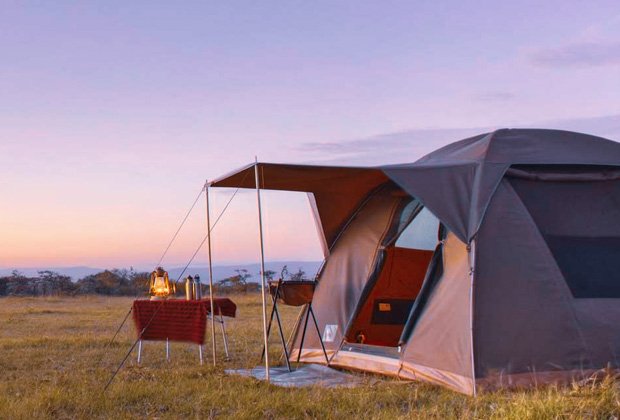
Best Tanzania Safari Before Afcon Final
Best Tanzania Safari Before AFCON 2027 Final.
View package detailsBest Tanzania Safari After Afcon Match
Best Tanzania Safari After AFCON 2027 Match.
View package details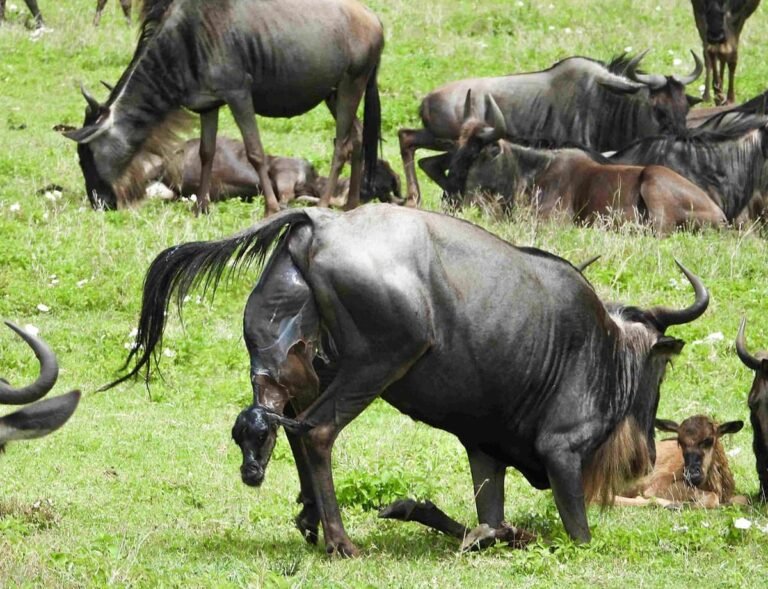
Five Day Tanzania Safari And Afcon Package
Five Day Tanzania Safari and AFCON Package.
View package details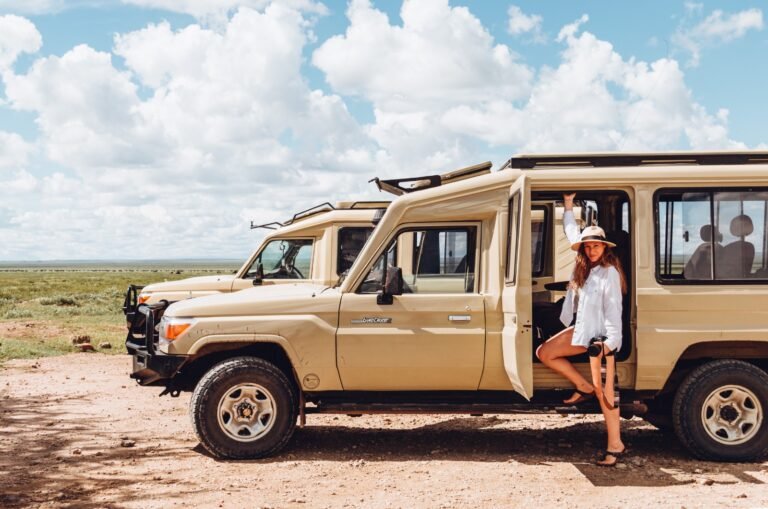
Afcon Northern Tanzania Safari Packages
AFCON 2027 Northern Tanzania Safari Packages.
View package detailsAfcon Tanzania Football Kilimanjaro And Safari Tour
AFCON 2027 Tanzania Football Kilimanjaro and Safari Tour.
View package details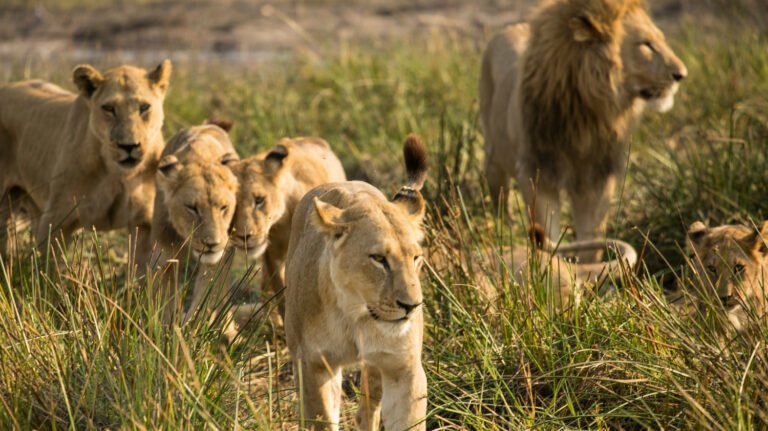
Tanzania Safari Packages from Dar es Salaam During AFCON 2027
Mwongozo wa kina wa safari za Tanzania kuanzia Dar es Salaam wakati AFCON 2027: rasilimali, mipango ya siku, na hatua za uhakika za ziara za wanyama na mbuga maarufu.
View package detailsTanzania Safari Tours for AFCON 2027 Fans
Muhtasari wa safari za Tanzania kwa mashabiki wa AFCON 2027: maeneo ya hifadhi, mizunguko ya wildlife, usalama wa safari, na jinsi ya kupanga na kuhudumiwa na Climb 4 Africa.
View package details
Dec 20, – 10 Day Complete Tanzania Group Joining Safari
Dec 20, 2026 – 10 Day Complete Tanzania Group Joining Safari.
View package detailsNo related package matches those filters. Clear one or more filters to see the other topic-matched options.