
Booking a safari and hotel in Tanzania for 2026-2027 involves choosing key destinations like the Serengeti, Ngorongoro Crater, or Tarangire, selecting accommodation types from luxury lodges to tented camps, and understanding itinerary options that balance wildlife viewing with relaxation. It’s crucial to align your safari choices with the best times to visit for specific wildlife events, like the Great Migration, and to book well in advance, especially for peak seasons in 2026 and 2027, to secure preferred lodges and optimal safari experiences.
Understanding Safari and Hotel Booking Intent in Tanzania
When you’re looking into safari and hotel booking intent for Tanzania, you’re essentially aiming to combine two critical components of an African adventure: experiencing the incredible wildlife and having comfortable, well-located places to stay. This isn’t just about seeing animals; it’s about the entire journey, from the thrill of a game drive to the serenity of a sundowner overlooking the savanna, and finally, resting in accommodations that enhance, rather than detract from, the experience.
Tanzania, a jewel in East Africa’s crown, offers some of the world’s most iconic safari destinations. The Serengeti National Park, famous for the Great Migration, the Ngorongoro Conservation Area with its unique caldera ecosystem, Tarangire National Park known for its large elephant herds, and the diverse landscapes of Lake Manyara are just a few of the highlights. Each location demands a different approach to planning, especially when it comes to where you’ll stay. The booking intent, therefore, is multifaceted: it’s about securing access to these prime wildlife areas and ensuring your lodging complements your safari activities perfectly.
For 2026 and 2027 travel, understanding the nuances of booking intent is more important than ever. Demand for Tanzania safaris remains consistently high, and popular lodges, particularly those inside national parks or offering exclusive locations, get booked up months, sometimes over a year, in advance. This means that your ‘booking intent’ should translate into proactive planning and decision-making. Are you looking for an all-inclusive luxury experience, a more rustic and in-depth tented camp adventure, or a budget-friendly yet authentic safari? Your answers will shape your safari and hotel booking strategy.
This guide is designed to demystify the process, offering practical insights for travelers planning their Tanzanian safari and hotel bookings for the upcoming seasons. We’ll explore how to match your expectations with reality, make informed choices about destinations and accommodations, and understand the logistical considerations that go into a smooth trip.
Tanzania’s Premier Safari Destinations: Where Wildlife Meets Accommodation
The core of any Tanzanian safari is the destination. Where you choose to go directly influences the type of wildlife you’ll see, the landscape, and crucially, the available hotel and lodge options. Understanding the unique draw of each major park is the first step in aligning your safari and hotel booking intent.
The Northern Safari Circuit: Classic Wildlife Viewing
The Northern Safari Circuit is the most popular and accessible region, renowned for its high concentration of wildlife and diverse ecosystems. It’s the classic choice for many first-time visitors, and its well-developed infrastructure means a wide range of hotels and lodges are available.
Serengeti National Park: The Great Migration Spectacle
The Serengeti is synonymous with African wildlife. Its vast plains are home to the Great Migration, an awe-inspiring annual movement of over two million wildebeest, zebras, and gazelles. The location of the migration changes throughout the year, and this dictates the best areas to stay. Booking a lodge or tented camp within the Serengeti itself offers unparalleled access. Options range from permanent luxury lodges with swimming pools and fine dining to mobile tented camps that move with the migration, offering a more intimate, in-the-thick-of-it experience. For 2026-2027 bookings, consider the timing of the migration: calving season (Jan-Mar) in the southern Serengeti, river crossings (Jun-Aug) in the western and northern corridors, and general grazing across the plains.
Ngorongoro Conservation Area: The “Eighth Wonder”
The Ngorongoro Crater is a UNESCO World Heritage Site and a caldera teeming with wildlife. It’s one of the few places where you can reliably see the Big Five (lion, leopard, elephant, rhino, buffalo) in a single day. Accommodation options here are primarily located on the crater rim, offering spectacular views, or just outside the conservation area in Karatu. Lodges on the rim are highly sought after due to their proximity and stunning vistas, meaning safari and hotel booking for these spots requires significant advance planning for 2026 and 2027. Staying on the rim means early access to the crater floor before the crowds arrive.
Tarangire National Park: Land of Giants
Tarangire is famous for its massive elephant herds, particularly during the dry season (Jun-Oct) when they congregate around the Tarangire River. It also boasts a significant baobab tree population, creating a unique landscape. Accommodation here includes lodges and tented camps both inside and just outside the park boundaries. Staying inside the park allows for longer game drives and the possibility of night drives (if offered by the lodge), enhancing the safari experience. For those prioritizing elephant sightings, booking a lodge in Tarangire for your 2026-2027 safari is a strategic choice.
Lake Manyara National Park: Tree-Climbing Lions and Birdlife
Though smaller, Lake Manyara offers diverse habitats, from groundwater forests to acacia woodlands and the lake itself. It’s known for its elusive tree-climbing lions, large troops of baboons, and prolific birdlife. The park is often visited as a day trip or a one-night stopover on a Northern Circuit itinerary. Lodges are situated outside the park, offering lovely views of the Great Rift Valley. Its accessibility makes it a convenient addition to a safari, and hotel bookings here are generally more flexible, though still recommended to secure early for prime locations.
Beyond the North: Other Safari Experiences
While the Northern Circuit is dominant, Tanzania offers other exceptional safari destinations for those seeking a different experience or looking to combine activities.
Selous Game Reserve (Nyerere National Park): Southern Wilderness
Located in southern Tanzania, Nyerere National Park (formerly Selous) is one of the largest game reserves in Africa. It offers a wilder, less crowded safari experience, with boat safaris on the Rufiji River, walking safaris, and game drives. Accommodation ranges from rustic bush camps to more luxurious lodges. The remoteness means travel is often by light aircraft, adding to the adventure and influencing the safari and hotel booking strategy. It’s a great option for those who have already explored the North or seek a more adventurous, off-the-beaten-path feel for their 2026-2027 trips.
Ruaha National Park: Tanzania’s Largest Park
Ruaha is Tanzania’s largest national park and is known for its rugged landscapes, vast elephant herds, and high predator numbers, including lions and wild dogs. It’s a more remote destination, typically accessed by light aircraft. Lodges here are often exclusive and offer an intimate wildlife experience. If your booking intent is for a truly wild and less-visited park, Ruaha is an excellent choice for 2026-2027, but it requires more complex travel arrangements.
Choosing Your Safari Accommodation Style
Once you’ve identified your desired safari destinations, the next crucial step in your safari and hotel booking intent is selecting the type of accommodation that best suits your travel style, budget, and desired level of comfort. Tanzania offers a spectrum of options, each providing a unique way to experience the wilderness.
Luxury Lodges: Comfort and Elegance in the Bush
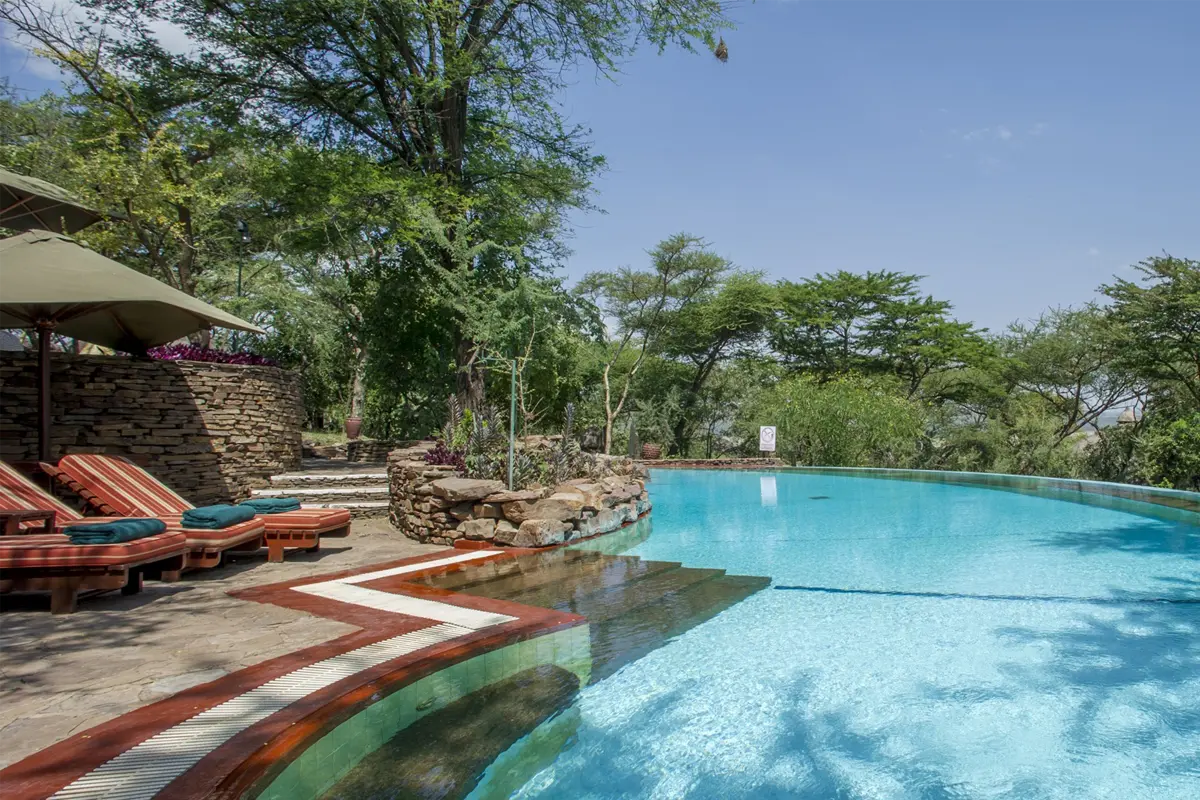
Luxury lodges are the pinnacle of comfort on safari. They typically feature spacious rooms or suites, often with private verandas, en-suite bathrooms, and high-end amenities. Expect gourmet dining, excellent service, swimming pools, and often, stunning panoramic views. These lodges are ideal for travelers seeking a pampered experience, honeymooners, or those celebrating a special occasion. Many luxury lodges are strategically located inside national parks or in private concessions, offering exclusive wildlife viewing opportunities. Booking these for peak seasons in 2026 and 2027 is essential, often needing 12-18 months lead time.
Tented Camps: in-depth Wilderness Experience
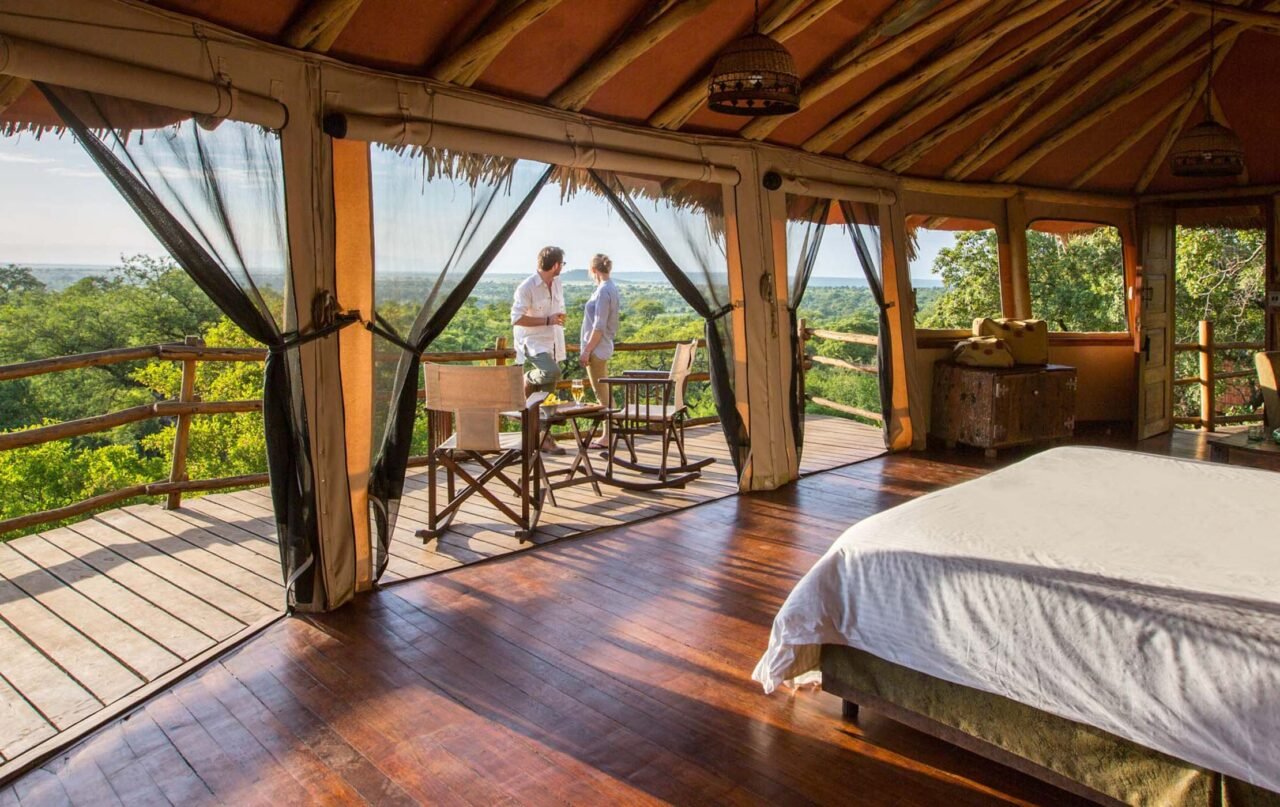
Tented camps offer a more intimate connection with nature without sacrificing comfort. These are not basic camping setups; they are well-appointed canvas structures, often with solid floors, comfortable beds, private bathrooms (sometimes en-suite, sometimes a short walk away), and verandas. The sound of the African night – distant roars, insect chirps – becomes part of the experience. Tented camps can range from mid-range to ultra-luxury. Mobile tented camps, which move seasonally to follow the wildlife (like the Great Migration), provide an exceptionally in-depth experience. Your safari and hotel booking intent might lean towards a tented camp if you seek authenticity and a closer feel to the wild.
Mid-Range Lodges and Hotels: Value and Comfort
For travelers seeking a balance between comfort, quality, and value, mid-range lodges and hotels are an excellent choice. These properties offer comfortable rooms, good service, and essential amenities, often including on-site restaurants and sometimes pools. They might be located just outside national park gates, requiring a short drive to enter for game drives, or within parks but offering more standard facilities. These are popular for families and groups looking for a solid safari experience without the premium price tag of high-end lodges. For 2026-2027 planning, mid-range options provide good availability, but booking still ensures the best locations and rates.
Budget-Friendly Options: Authentic and Accessible
While true budget safaris in Tanzania often involve camping with basic facilities (permanent tents, shared ablutions), there are also simpler guesthouses or lodges on the outskirts of park areas that cater to budget-conscious travelers. These might have fewer amenities, simpler meals, and shared transport for game drives. The focus here is on the safari experience itself, with accommodation serving as a practical base. If your safari and hotel booking intent is primarily driven by cost-effectiveness, these options allow you to see Tanzania’s wildlife on a tighter budget, but require careful research to ensure quality and safety standards.
Unique Stays: Beyond the Standard Lodge
Some properties offer unique experiences, such as eco-lodges that prioritize sustainability, or lodges with specific activities like hot air balloon safaris (most famously in the Serengeti). These can add another dimension to your trip. When planning for 2026-2027, consider if any unique lodging features are a priority for you.
Crafting Your Safari Itinerary: Balancing Wildlife & Lodging
A well-crafted safari itinerary is the heart of a successful Tanzanian adventure. It’s about weaving together the destinations, the wildlife viewing opportunities, and your chosen accommodations into a smooth and memorable experience. Your safari and hotel booking intent should guide this process, ensuring that your itinerary reflects your priorities.
Understanding Safari Flow and Logistics
Tanzania’s safari circuit, particularly the Northern Circuit, involves travel between different national parks. The distances can be significant, and road conditions vary. A typical 7-day Northern Circuit itinerary might include:
- Day 1: Arrive Kilimanjaro International Airport (JRO), transfer to Arusha. Overnight in Arusha hotel.
- Day 2: Arusha to Tarangire National Park. Game drive. Overnight Tarangire lodge/camp.
- Day 3: Tarangire to Ngorongoro Crater rim. Game drive en route. Overnight Ngorongoro rim lodge.
- Day 4: Ngorongoro Crater floor game drive. Transfer to Serengeti National Park. Overnight Serengeti lodge/camp.
- Day 5: Full day game drive in Serengeti. Overnight Serengeti lodge/camp.
- Day 6: Morning game drive in Serengeti. Transfer back towards Arusha (often stopping in Karatu or Mto wa Mbu). Overnight Arusha hotel.
- Day 7: Departure from JRO.
This is a classic structure, but it can be customized. For instance, if your primary interest is the Great Migration, you might spend more days in the Serengeti and choose accommodations in specific areas based on the migration’s location for 2026-2027. If you prefer a slower pace, you might extend stays in each park or add destinations like Lake Manyara.
Matching Itinerary to Accommodation Choices
Your choice of accommodation will heavily influence your itinerary. If you opt for luxury lodges inside the parks, you might have longer game drives or exclusive access to certain areas. If you choose lodges on the park borders or in nearby towns, factor in travel time to and from the park gates each day. For example, staying on the Ngorongoro Crater rim means you can descend into the crater early, maximizing your time there. Booking a lodge inside the Serengeti allows for more flexibility with game drive start and end times.
For 2026-2027, consider if you want to combine different types of experiences. Perhaps a few nights in a luxury lodge followed by a few nights in a more rustic tented camp? This requires careful planning to ensure smooth transfers between accommodations. Your safari and hotel booking intent should clearly state any such preferences.
The Impact of Travel Style on Itinerary
Your personal travel style is paramount. Are you an early riser eager for dawn game drives, or do you prefer a more relaxed morning? Do you enjoy long drives between parks, or do you prefer to minimize travel time, perhaps using internal flights? For example, flying into the Serengeti from Arusha significantly cuts down travel time compared to a road transfer, allowing for more time on game drives, but it also increases the cost and requires booking flights as part of your safari and hotel package.
Private vs. Shared Safaris:
- Private Safaris: Offer maximum flexibility. You set the pace, choose your focus, and have a dedicated vehicle and guide. This is ideal for families, groups, or individuals with specific interests. Hotel bookings can be tailored precisely.
- Shared Safaris: Often involve joining a small group in a shared vehicle. These are typically more budget-friendly. While the itinerary is set, there’s still room for discussion with your guide about game drive timings and focus. Shared departures, like those often available for the Northern Circuit, are a great way to manage costs for 2026-2027 travel.
Your safari and hotel booking intent should specify whether you are looking for a private or shared experience, as this significantly affects itinerary design and cost.
When to Go: Seasonal Considerations for Safari and Hotel Bookings
The timing of your safari is critical for maximizing wildlife viewing opportunities and ensuring you get the most out of your chosen accommodations. Tanzania has distinct seasons, each offering unique advantages and influencing safari and hotel booking decisions, especially for 2026-2027.
The Dry Season (June to October): Peak Wildlife Viewing
This is generally considered the best time for a safari in Tanzania. The weather is dry, skies are clear, and wildlife congregates around permanent water sources, making them easier to spot. This is also the period of the Great Migration river crossings in the northern Serengeti (typically July-August). Because it’s peak season, demand for lodges and hotels is highest, and prices are generally elevated. Booking well in advance for safari and hotel booking in 2026-2027 during this period is absolutely essential, especially for popular lodges inside national parks.
The Green Season (November to May): Fewer Crowds, Lush Landscapes
This period is characterized by rain, which transforms the landscape into lush, green scenery. While some roads can become challenging, game viewing remains excellent, especially in the Serengeti during the calving season (January-March) in the southern plains. Birdwatching is at its best during this time. The green season is often considered the “low season,” meaning fewer crowds and potentially lower prices for accommodation. However, for specific events like the calving season, demand can still spike, so early booking for 2026-2027 is still advisable for prime locations. This season is fantastic for photographers seeking dramatic backdrops.
Rainy Months Breakdown:
- November-December: Short rains. Often brief afternoon showers. Good for general game viewing and fewer tourists.
- January-March: Long rains (can vary). Calving season in southern Serengeti. Excellent for predator sightings.
- April-May: Heavy rains. Landscapes are very green. Some lodges might close or offer lower rates. This is the least busy period.
Specific Wildlife Events and Timing
Your safari and hotel booking intent might be driven by specific wildlife events:
- Great Migration River Crossings: Typically July-August in the Grumeti and Mara Rivers (Northern Serengeti). This is a high-demand period.
- Wildebeest Calving Season: January-March in the Ndutu plains (southern Serengeti/Ngorongoro Conservation Area). Ideal for observing predators and newborn animals.
- Elephant Herds in Tarangire: June-October during the dry season.
Knowing these timings helps you tailor your itinerary and select accommodations that are best positioned for these spectacles during your 2026-2027 trip.
The Logistics of Safari and Hotel Booking
Successfully booking your Tanzanian safari and hotels involves understanding the practical steps and potential complexities. This is where your safari and hotel booking intent needs to be translated into concrete arrangements.
When to Book: Lead Times for 2026-2027
Given the popularity of Tanzania and the limited availability of prime lodges, booking well in advance is crucial. For peak seasons (June-October) and specific events like the Great Migration, aiming for 12-18 months ahead is highly recommended for 2026-2027 travel. For the green season or less popular areas, 6-9 months might suffice, but early booking still secures better rates and choice.
Booking Channels: Tour Operators vs. Direct Booking
Your booking strategy can involve several channels:
- Local Tour Operators (e.g., Climb 4 Africa): This is often the most effective method. Local operators have in-depth knowledge of destinations, lodges, and current conditions. They can craft customized itineraries, handle all bookings (safari, hotels, transfers, internal flights), and provide invaluable local support. They often have established relationships with lodges, which can sometimes lead to better availability or rates. This is particularly beneficial for complex itineraries or when your safari and hotel booking intent is highly specific.
- International Tour Operators: These can offer convenience, especially if you’re booking multiple destinations or flights from your home country. However, they may have less granular knowledge of local conditions and lodge specifics compared to local experts.
- Direct Booking: Booking lodges and safari components directly can seem appealing for cost savings. However, it requires significant research, multiple points of contact, and often, you miss out on the integrated experience and local support a tour operator provides. It’s generally not recommended for a comprehensive safari and hotel package.
Key Inclusions and Exclusions to Confirm
When reviewing safari and hotel proposals for 2026-2027, scrutinize what is included:
- Safari Inclusions: Park fees, game drives in a 4×4 vehicle, guide fees, accommodation during the safari, meals (full board is standard), bottled water in the vehicle, airport transfers.
- Safari Exclusions: International flights, visa fees, travel insurance, tips for guides and staff, alcoholic and soft drinks (unless specified), optional activities (e.g., hot air ballooning, night drives if not included).
- Hotel Inclusions: Usually bed and breakfast, sometimes half-board or full-board depending on the lodge.
- Hotel Exclusions: Activities not part of the standard package, personal expenses, drinks, tips.
Clarifying these details upfront prevents misunderstandings and budget surprises. Your safari and hotel booking intent should include a clear request for a detailed list of inclusions and exclusions.
Internal Flights and Transfers
For longer distances or to save time, internal flights are common, especially to destinations like the Serengeti, Ruaha, or Selous. These need to be booked as part of your package. Road transfers between parks are standard for the Northern Circuit. Ensure your booking covers all necessary transfers, from airport pick-ups to inter-park movements.
Travel Tip for 2026-2027 Bookings:
When making your safari and hotel booking, always confirm the exact model and specifications of the safari vehicle (e.g., pop-up roof, window seat for everyone) and the qualifications of your guide. A knowledgeable guide significantly enhances the safari experience.
Budgeting for Your Tanzania Safari and Hotel Stay
Understanding the cost structure is a vital part of your safari and hotel booking intent. Tanzania safaris can range significantly in price depending on the level of luxury, duration, destinations visited, and time of year. For 2026-2027, expect prices to reflect current market trends, with potential for slight increases due to inflation and operational costs.
Factors Influencing Safari Costs
Several elements contribute to the overall cost:
- Accommodation Level: Luxury lodges are considerably more expensive than mid-range or budget options.
- Park Fees: These are charged per person, per day, and can add up significantly. For example, Serengeti and Ngorongoro Crater fees are substantial.
- Duration of Safari: Longer safaris naturally incur higher costs due to more accommodation nights, park fees, and guide days.
- Type of Safari: Private safaris are more expensive than shared safaris due to the dedicated vehicle and guide.
- Transportation: Using internal flights instead of road transfers increases the overall cost.
- Season: Peak season (dry season) rates are higher than green season rates.
Typical Cost Ranges (Illustrative for 2026-2027)
While exact prices require a custom quote, here are general ranges per person per day for a standard safari package (excluding international flights, visas, and tips):
- Budget/Mid-Range: $250 – $450 per person per day. This typically includes comfortable mid-range lodges or tented camps, park fees, meals, and a shared or private vehicle.
- Luxury: $500 – $1000+ per person per day. This covers high-end lodges and tented camps, often in exclusive locations, private vehicles, gourmet dining, and premium services.
These figures are indicative for safari and hotel booking in 2026-2027 and can vary based on the specific operator and itinerary. It’s essential to get detailed quotes.
What to Expect in Your Quote
A comprehensive quote from a reputable operator like Climb 4 Africa for your 2026-2027 safari should clearly break down costs. It will itemize:
- Accommodation costs (per night, per lodge/camp)
- Park entrance fees
- Vehicle and guide costs
- Meal plan
- Any included transfers or internal flights
Always ask for clarification if anything is unclear. Your safari and hotel booking intent should include a request for a transparent and detailed quotation.
Budgeting Tip:
Consider a combination of accommodation types to manage costs. For example, stay in a mid-range lodge in the Serengeti and a more budget-friendly option in Tarangire or Lake Manyara. For 2026-2027, booking during the shoulder seasons (e.g., November, March) can offer good value.
Why Book Your Tanzania Safari and Hotels with Climb 4 Africa
When your safari and hotel booking intent for Tanzania is focused on authenticity, expert local knowledge, and a smooth experience, partnering with a dedicated operator is key. Climb 4 Africa specializes in creating unforgettable Tanzanian adventures, combining the thrill of wildlife encounters with comfortable and well-chosen accommodations.
Local Expertise and Personalized Service
As a Tanzania-based company, Climb 4 Africa offers unparalleled local insight. We understand the nuances of the parks, the best times to visit specific areas, and the quality of various lodges and camps. This means we can design itineraries that perfectly match your desires, whether you’re seeking the Great Migration, the Big Five, or unique cultural interactions.
We pride ourselves on personalized service. Your safari and hotel booking is handled with meticulous attention to detail, from initial consultation to your departure. We listen to your preferences, budget, and travel style to craft a tailor-made experience for your 2026-2027 adventure.
Comprehensive Safari and Hotel Packages
Climb 4 Africa arranges complete safari packages that include:
- Customized Itineraries: Based on your interests and timeframe.
- Accommodation Bookings: Sourcing the best lodges and tented camps to suit your budget and style.
- Expert Guides: Experienced, knowledgeable, and passionate guides who enhance your wildlife viewing.
- Safari Vehicles: Well-maintained 4×4 safari vehicles designed for optimal game viewing.
- Logistics Management: Handling all park fees, transfers, and internal flight bookings.
We ensure that your safari and hotel booking is comprehensive, covering all essential elements for a stress-free journey.
Commitment to Quality and Value
Our mission is to provide exceptional value without compromising on quality. We have strong relationships with a network of trusted lodges and camps across Tanzania, allowing us to offer competitive pricing for your 2026-2027 safari. We carefully vet our partners to ensure high standards of service, safety, and comfort.
Practical Support and Peace of Mind
Traveling to a new continent can seem daunting, but with Climb 4 Africa, you have a dedicated local support system. From the moment you inquire about your safari and hotel booking, through your entire trip, and even after you leave, we are here to assist. Our team provides practical advice, handles any unforeseen issues, and ensures you have a safe and enjoyable experience.
Ready to Plan Your 2026-2027 Tanzania Safari?
Let Climb 4 Africa help you turn your safari and hotel booking intentions into reality. Whether you dream of witnessing the Great Migration, exploring the Ngorongoro Crater, or encountering elephants in Tarangire, we craft personalized itineraries that deliver unforgettable experiences. We handle all the details, from selecting the perfect lodge to arranging smooth transfers, so you can focus on the adventure.
Contact us today to start planning your bespoke Tanzanian safari and hotel booking:
WhatsApp: +255 747 477 898
Email: climb4africa@gmail.com
Website: Climb 4 Africa
Share your vision for your 2026 or 2027 safari, and let our experts guide you through the planning and booking process for an adventure of a lifetime.
“,
“faq_schema”: [
{
“question”: “What are the most popular safari destinations in Tanzania for 2026-2027?”,
“answer”: “The most popular safari destinations in Tanzania for 2026-2027 remain the Northern Circuit parks: Serengeti National Park (for the Great Migration), Ngorongoro Conservation Area (for the crater’s dense wildlife), Tarangire National Park (known for elephants), and Lake Manyara National Park (famous for tree-climbing lions). Southern parks like Nyerere (Selous) and Ruaha are also gaining popularity for a wilder experience.”
},
{
“question”: “When is the best time to book a safari and hotel for Tanzania in 2026 or 2027?”,
“answer”: “For peak season travel (June-October) and specific events like the Great Migration river crossings, it’s highly recommended to book your safari and hotel 12-18 months in advance for 2026-2027. For the green season (November-May), 6-9 months lead time is usually sufficient, though popular lodges can still book up quickly.”
},
{
“question”: “What types of safari accommodations are available in Tanzania?”,
“answer”: “Tanzania offers a range of safari accommodations, including luxury lodges with premium amenities, in-depth tented camps (both permanent and mobile), comfortable mid-range lodges and hotels, and more basic budget-friendly guesthouses or campsites. The choice depends on your budget and desired level of comfort and immersion.”
},
{
“question”: “How much does a Tanzania safari and hotel package typically cost for 2026-2027?”,
“answer”: “Costs vary significantly. For 2026-2027, expect mid-range safaris to range from approximately $250 – $450 per person per day, and luxury safaris from $500 – $1000+ per person per day. These figures typically exclude international flights, visas, and tips. Prices depend on accommodation level, duration, park fees, and season.”
},
{
“question”: “What should I confirm before booking my safari and hotel in Tanzania?”,
“answer”: “Before confirming your safari and hotel booking for 2026-2027, ensure you have a clear understanding of all inclusions (park fees, meals, guide, vehicle, accommodation, transfers) and exclusions (international flights, visas, drinks, tips, optional activities). Confirm the safari vehicle type, guide qualifications, and the specific amenities at your chosen lodges.”
},
{
“question”: “Why should I book my Tanzania safari and hotels with a local operator like Climb 4 Africa?”,
“answer”: “Booking with a local operator like Climb 4 Africa provides invaluable on-the-ground expertise, personalized itinerary planning, and dedicated support. They have deep knowledge of Tanzania’s parks, lodges, and logistics, ensuring a smooth and authentic experience. They can also often offer competitive pricing and have established relationships with local suppliers.”
}
]
}
“`
Check Availability for Safari + Hotel Booking Intent 2026-2027
Ready to compare dates, prices, and the best option for your group? Send the package name and travel month so the team can reply with a clear quote, availability, and what is included.
How Far In Advance Should You Book An African Safari? 2026-2027
How Far in Advance Should You Book an African Safari? is explained with current 2026-2027 planning, price, itinerary and booking information.
View package details
Kenya Safari Tours & Holiday Packages 2026-2027
Kenya Safari Tours & Holiday Packages is explained with current 2026-2027 planning, price, itinerary and booking information.
View package details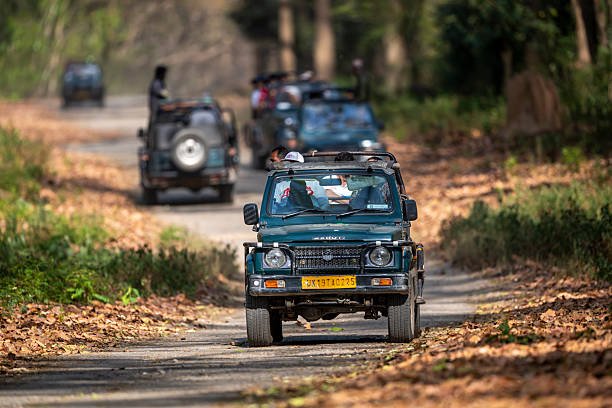
Solo African Safari Tours: Your Ultimate Guide For 2026-2027
start an incredible solo African safari adventure. This comprehensive guide covers everything you need to know for planning a safe, rewarding, and memorable trip in 2026-2027, from choosing...
View package details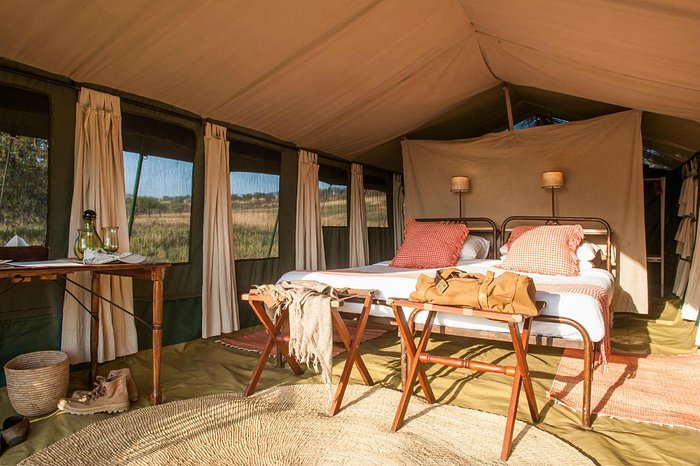
Safari From Zanzibar: Best Packages, Prices & Parks For 2026-2027
Combining a Zanzibar beach holiday with a Tanzania safari is a dream for many travelers. This guide details the best safari packages from Zanzibar, covering essential planning, park...
View package detailsIs It Better To Book A Safari Online Or Locally? 2026-2027
Is It Better to Book a Safari Online or Locally? is explained with current 2026-2027 planning, price, itinerary and booking information.
View package details
What Is Included In An African Safari Package? A Complete Guide For 2026-2027
Demystifying African safari packages. This guide details what you can expect to be included, from essential logistics like accommodation and transport to crucial elements like park fees and...
View package detailsAffordable African Safari Packages: Your Guide To Budget-Friendly Tanzania
Discover how to plan and book affordable African safari packages for 2026-2027. This guide provides practical advice on choosing budget-friendly Tanzania tours, understanding costs, and...
View package details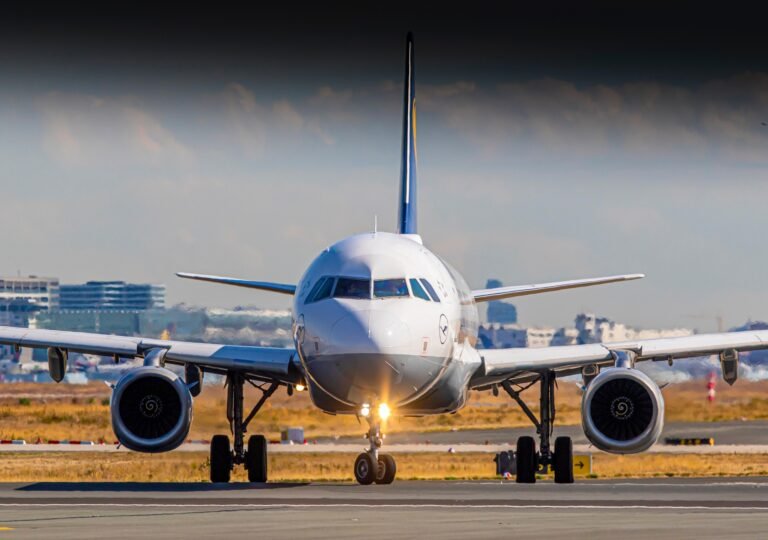
Best Wildlife Safaris In Africa: Your Ultimate Guide For 2026-2027
start the ultimate African wildlife safari. This comprehensive guide covers the best destinations, essential planning tips, and what to expect for your 2026-2027 adventure.
View package details
Serengeti Safari Tours: Prices, Packages & Best Time To Visit In 2026-2027
Discover everything you need to know for planning your Serengeti safari tour, from understanding pricing and package variations to identifying the ideal travel times in 2026-2027. This...
View package detailsAfrican Safari Packages From Europe 2026-2027
African Safari Packages From Europe is explained with current 2026-2027 planning, price, itinerary and booking information.
View package detailsAfrican Safari Packages With Flights 2026-2027
African Safari Packages With Flights is explained with current 2026-2027 planning, price, itinerary and booking information.
View package details
Small-Group African Safari Tours Guide
Explore the best of Tanzania on a small-group safari. This guide covers everything you need to know for an incredible wildlife adventure in 2026-2027, from choosing the right tour to...
View package detailsNo related package matches those filters. Clear one or more filters to see the other topic-matched options.



