The 7 Days Kilimanjaro Lemosho Group Joining Departure on 1 October 2026 offers a well-paced ascent via the Lemosho route, renowned for its scenic beauty and higher success rates due to its gradual acclimatization profile. This specific departure date provides an excellent opportunity to join fellow adventurers for a shared experience on Africa’s highest peak, with Climb 4 Africa providing expert local guides, logistical support, and essential camping equipment.
Understanding the 7-Day Lemosho Route for Your 1 October 2026 Climb
Choosing a group joining departure for your Kilimanjaro climb, especially for a specific date like 1 October 2026, is a practical decision for many trekkers. It balances the cost-effectiveness of sharing resources with the camaraderie of climbing with others. The Lemosho route is consistently a top choice for those seeking a balance between stunning scenery, a good acclimatization schedule, and a reasonable chance of reaching Uhuru Peak. The 7-day itinerary on Lemosho is designed to maximize these advantages, though it’s important to understand its structure.
The Lemosho route typically starts on the western side of Kilimanjaro, near the Londorossi Gate. It’s known for its pristine wilderness feel in the early days, traversing through diverse ecological zones including rainforest, moorland, and alpine desert. The 7-day version is the shortest common duration for Lemosho, and while it offers good acclimatization, it’s crucial to be aware of the trade-offs compared to longer Lemosho variations (8 or 9 days). The shorter duration means a slightly more rapid pace in the later stages, emphasizing the importance of physical preparation and careful monitoring of your body’s response to altitude.
For the 1 October 2026 departure, you’ll be climbing during what is generally considered a good season for Kilimanjaro. Early October falls within the shorter rainy season, but it often offers clear skies and good visibility, with the potential for rain being less impactful than in the main rainy seasons. This timing can also mean fewer crowds compared to the peak dry season months of January-February and June-September. Booking a group departure for this date means you’ll be part of a pre-arranged group, simplifying logistics significantly.
Why Choose the Lemosho Route for Your 2026 Kilimanjaro Adventure?
The Lemosho route is frequently recommended by experienced guides and operators for good reason. Its primary advantage is its gradual ascent profile, particularly in the first few days. This allows your body to adapt to the increasing altitude more effectively, which is a critical factor in increasing your chances of a successful summit. Unlike some shorter routes that rush through lower altitudes, Lemosho spends more time in the lower and middle zones, enabling better acclimatization.
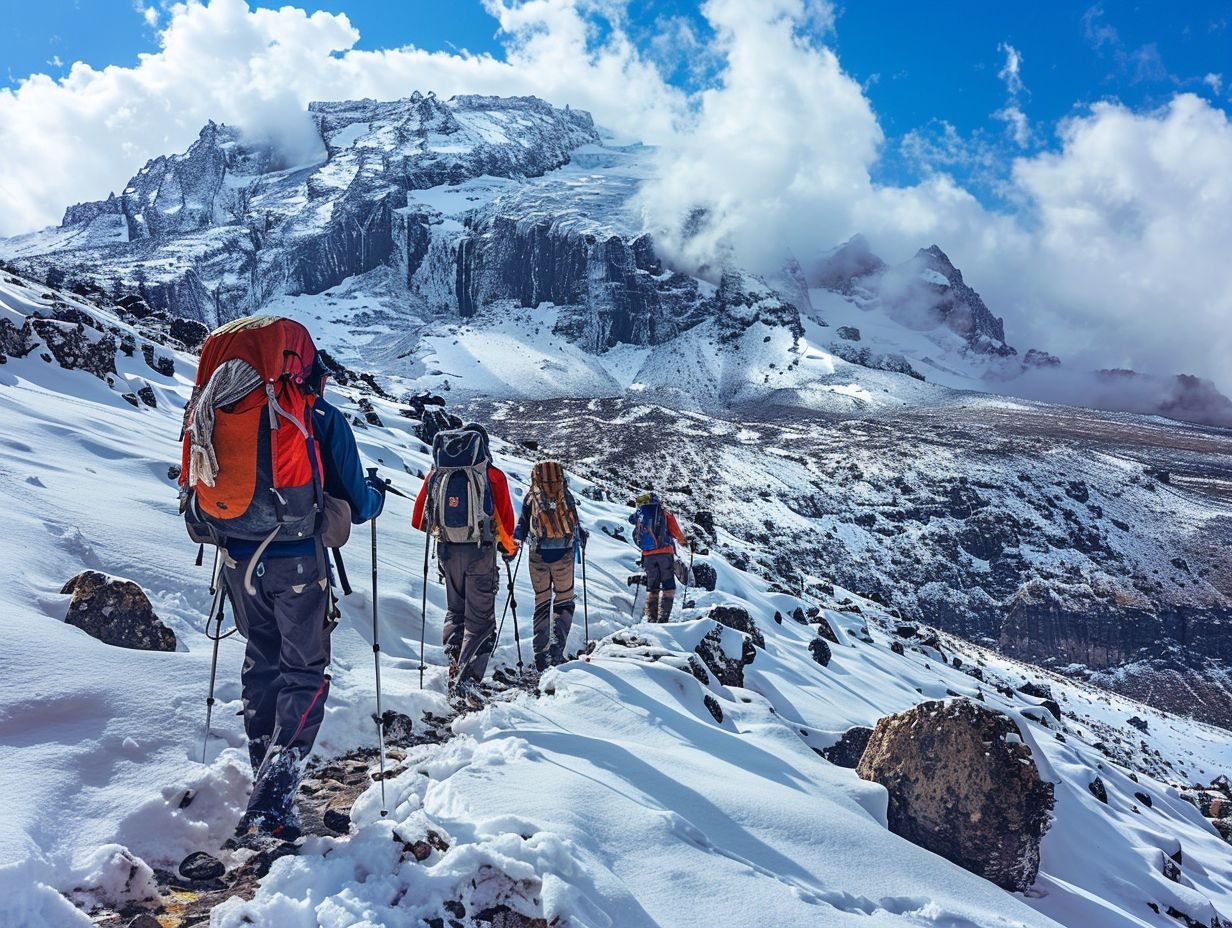
Scenic Beauty: From the outset, the Lemosho route is visually rewarding. You’ll trek through lush rainforests, often spotting colobus monkeys and other wildlife. As you gain elevation, the landscapes transition to rolling moorlands with unique giant heathers and senecios, before entering the stark, interesting alpine desert. The route also offers fantastic views of the Shira Plateau and often traverses the rim of the Shira Caldera, providing impressive panoramas.
Higher Success Rates: While no route guarantees a summit, Lemosho’s design inherently supports acclimatization. The 7-day itinerary, while efficient, still incorporates the crucial element of ‘climb high, sleep low’ where possible, and the overall path is less demanding in its initial stages compared to routes like Marangu or Machame (when taken in 6 days). This is particularly relevant for a group joining departure on 1 October 2026, where a diverse range of fitness levels might be present; a route that aids acclimatization benefits everyone.
Less Crowded Start: Compared to the more popular Marangu and Machame routes, Lemosho’s starting point on the western side is generally less congested, offering a more serene and wild trekking experience in the initial days. This allows for a more in-depth connection with the mountain’s environment.
The Trade-off for 7 Days: It’s important to be realistic about the 7-day Lemosho. While it’s a good option, the 8-day or 9-day Lemosho itineraries offer even more gradual acclimatization and an extra rest day, significantly boosting summit success rates for those who can accommodate the extra time. The 7-day version requires a more focused approach to acclimatization and a strong level of fitness. For a 1 October 2026 climb, ensure you’ve prepared adequately for this pace.
Detailed Itinerary for the 7 Days Kilimanjaro Lemosho Group Departure 1 October 2026
This itinerary outlines the typical progression for a 7-day Lemosho climb. Remember that specific timings and camp locations can sometimes vary based on park conditions, group pace, and guide decisions, but this provides a solid framework for your 1 October 2026 adventure.
Day 1: 1 October 2026 – Arrival and Preparation
Start Point: Kilimanjaro International Airport (JRO)
End Point: Moshi Town
Activities: Arrival at JRO, meet your Climb 4 Africa representative, transfer to your hotel in Moshi. You’ll have a pre-climb briefing where you can ask final questions, check your gear, and meet your guide. This is also an opportunity to rent any necessary equipment. The evening is for relaxing and preparing for the trek ahead. Your adventure truly begins on 2 October when you head to the mountain.
Day 2: 2 October 2026 – Lemosho Trailhead to Mti Mkubwa Camp
Start Point: Londorossi Gate (approx. 2,360m / 7,740 ft)
End Point: Mti Mkubwa Camp (approx. 2,820m / 9,250 ft)
Trek Duration: 3-4 hours
Trek Distance: Approx. 6 km / 4 miles
Activities: After breakfast, you’ll be driven to the Londorossi Gate. Here, park formalities are completed, and your climbing crew will finalize preparations. The trek begins through the dense rainforest. The path is relatively gentle, winding through ancient trees, ferns, and mosses. Keep an eye out for colobus monkeys and other forest dwellers. Mti Mkubwa, meaning ‘big tree’ in Swahili, is your first camp, located within the forest.
Day 3: 3 October 2026 – Mti Mkubwa Camp to Shira 1 Camp
Start Point: Mti Mkubwa Camp (approx. 2,820m / 9,250 ft)
End Point: Shira 1 Camp (approx. 3,500m / 11,500 ft)
Trek Duration: 5-7 hours
Trek Distance: Approx. 8 km / 5 miles
Activities: Today’s trek takes you out of the dense rainforest and into the heather and moorland zone. The terrain becomes steeper in places as you gain significant altitude. You’ll traverse across the Shira Plateau, a vast, high-altitude grassland. The views start to open up, offering glimpses of the Kibo massif. Shira 1 Camp is situated on the plateau, providing a stunning location. This day is crucial for acclimatization as you gain over 700 meters.
Day 4: 4 October 2026 – Shira 1 Camp to Barranco Camp
Start Point: Shira 1 Camp (approx. 3,500m / 11,500 ft)
End Point: Barranco Camp (approx. 3,950m / 12,960 ft)
Trek Duration: 6-8 hours
Trek Distance: Approx. 10 km / 6 miles
Activities: This is a longer day, characterized by a ‘climb high, sleep low’ principle. You’ll ascend towards the Lava Tower (4,600m / 15,090 ft), which serves as an excellent acclimatization point. After a break at Lava Tower, you’ll descend to Barranco Camp. This descent is important for acclimatization, allowing your body to rest at a lower altitude after reaching a higher point. Barranco Camp is famous for its stunning location below the Great Barranco Wall.
Day 5: 5 October 2026 – Barranco Camp to Karanga Camp
Start Point: Barranco Camp (approx. 3,950m / 12,960 ft)
End Point: Karanga Camp (approx. 4,200m / 13,780 ft)
Trek Duration: 4-5 hours
Trek Distance: Approx. 5 km / 3 miles
Activities: Today’s trek involves the iconic scramble up the Great Barranco Wall. This is a challenging but rewarding section, offering incredible views. Once you crest the wall, the terrain becomes less steep as you traverse across the alpine desert towards Karanga Valley. You’ll then ascend to Karanga Camp, situated in the Karanga Valley. This day is relatively short, allowing for rest and further acclimatization at a higher altitude.
Day 6: 6 October 2026 – Karanga Camp to Barafu Camp
Start Point: Karanga Camp (approx. 4,200m / 13,780 ft)
End Point: Barafu Camp (approx. 4,650m / 15,250 ft)
Trek Duration: 3-5 hours
Trek Distance: Approx. 4 km / 2.5 miles
Activities: This is a shorter trekking day, designed to conserve energy for the summit attempt. You’ll ascend through a stark alpine desert landscape, with increasingly panoramic views of the summit cone. The path can be steep and rocky. Barafu Camp is a windswept site situated on a rocky ridge. You’ll arrive in the afternoon, have an early dinner, and attempt to get some rest before the pre-dawn summit push. This is a critical day for hydration and early rest.
Day 7: 7 October 2026 – Summit Attempt and Descent to Mweka Camp
Start Point: Barafu Camp (approx. 4,650m / 15,250 ft)
End Point: Mweka Camp (approx. 3,100m / 10,170 ft)
Summit: Uhuru Peak (5,895m / 19,341 ft)
Trek Duration: 10-15 hours (summit and descent)
Trek Distance: Approx. 15 km / 9 miles (total)
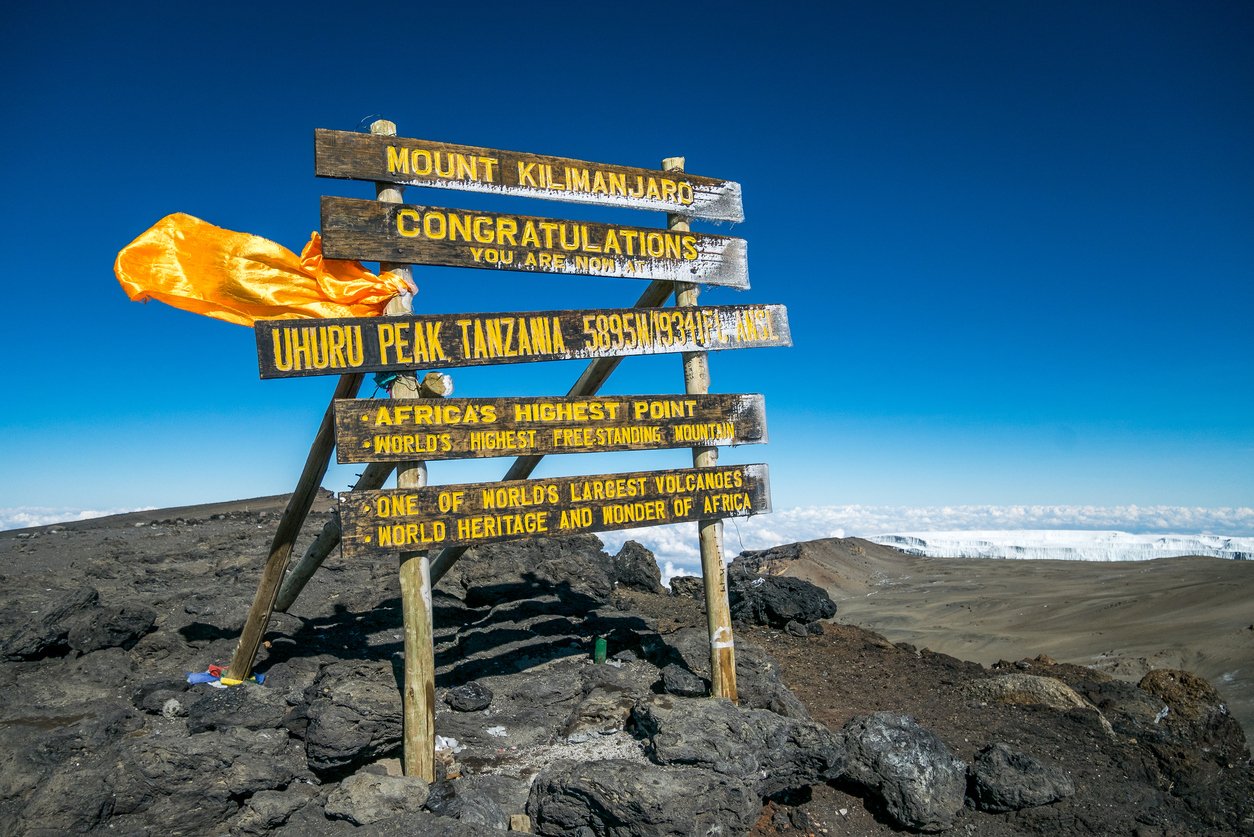
Activities: You’ll begin your ascent around midnight to 1 AM. The climb to Stella Point (5,750m / 18,865 ft) on the crater rim is the most challenging part, typically taking 5-7 hours. From Stella Point, you’ll traverse the crater rim to Uhuru Peak, the highest point in Africa. Celebrate your achievement, take photos, and then begin your descent back to Barafu Camp for a short rest. After this, you’ll continue descending to Mweka Camp, a much lower and more comfortable altitude. This is a very long and demanding day.
Day 8: 8 October 2026 – Descent to Mweka Gate and Transfer to Moshi
Start Point: Mweka Camp (approx. 3,100m / 10,170 ft)
End Point: Mweka Gate (approx. 1,640m / 5,380 ft)
Trek Duration: 3-4 hours
Trek Distance: Approx. 10 km / 6 miles
Activities: After breakfast, you’ll complete the final descent through the rainforest to Mweka Gate. Here, you’ll sign out of the park and receive your summit certificates. Your team will be waiting to congratulate you. A vehicle will transfer you back to your hotel in Moshi for a well-deserved hot shower and celebratory dinner. You’ve completed your 7 Days Kilimanjaro Lemosho Group Joining Departure 1 October 2026!
Key Considerations for Your 1 October 2026 Kilimanjaro Climb
Joining a group departure for Kilimanjaro on a specific date like 1 October 2026 requires careful planning. Here are essential aspects to consider:
Physical Fitness and Preparation
The Lemosho route, even in its 7-day format, demands a good level of cardiovascular fitness. The altitude is the primary challenge, but steep ascents and descents, combined with long trekking days, require stamina. Start training at least 3-6 months in advance. Focus on:
- Cardiovascular Exercise: Hiking, running, cycling, swimming. Aim for at least 3-4 sessions per week.
- Strength Training: Focus on legs and core. Squats, lunges, and planks are beneficial.
- Hiking Practice: Undertake long hikes with elevation gain, ideally with a backpack similar to what you’ll carry on Kilimanjaro. Practice in varying weather conditions.
- Altitude Simulation (if possible): Some individuals find altitude training or using altitude tents helpful, though this is not essential.
For a group joining departure, being well-prepared ensures you can keep pace with the group and enjoy the experience without excessive strain. Your fitness level directly impacts your acclimatization and overall enjoyment of the 7 Days Kilimanjaro Lemosho Group Joining Departure 1 October 2026.
Acclimatization Strategy
The 7-day Lemosho is designed for reasonable acclimatization, but it’s still crucial to be mindful. Listen to your body. Symptoms of Acute Mountain Sickness (AMS) can include headache, nausea, dizziness, and fatigue. Communicate any symptoms to your guide immediately. The strategy of ‘climb high, sleep low’ is employed, and staying well-hydrated is paramount. Avoid alcohol and caffeine in the days leading up to and during the climb. For the 1 October 2026 climb, ensuring you start the trek well-rested and hydrated is key.
What’s Included in Your Group Departure?
When booking a group trek like the 7 Days Kilimanjaro Lemosho Group Joining Departure 1 October 2026, understanding inclusions is vital. Typically, reputable operators like Climb 4 Africa will include:
- Park Fees: All national park and conservation fees.
- Guides and Crew: Professional, licensed mountain guides, assistant guides, cooks, and porters.
- Accommodation: Camping equipment (tents, sleeping mats) and meals on the mountain.
- Transfers: Airport transfers and transfers to/from the mountain gates.
- Food: All meals on the mountain, prepared by your dedicated cook.
- Water: Boiled or treated drinking water provided daily.
- Oxygen: Emergency oxygen cylinders are carried by guides.
Exclusions often include: flights, visa fees, travel insurance, personal gear (clothing, sleeping bag, boots), tips for the crew, alcoholic beverages, and meals/drinks in Moshi before and after the climb. Always confirm the exact inclusions and exclusions with your tour operator.
Gear and Equipment
Proper gear is essential for comfort and safety on Kilimanjaro. While Climb 4 Africa provides tents and mess tents, you’ll need to supply personal items. Key items include:
- Layered Clothing: Base layers (thermal), mid-layers (fleece), and an outer layer (waterproof and windproof jacket and trousers).
- Footwear: Broken-in hiking boots, comfortable camp shoes.
- Headwear: Warm hat, sun hat, balaclava.
- Handwear: Warm gloves, liner gloves.
- Sleeping Bag: Rated to at least -10°C (0°F).
- Backpack: Daypack (30-40L) and a large duffel bag (80-90L) for porters.
- Trekking Poles: Highly recommended for descents.
- Headlamp: With extra batteries.
- Sun Protection: Sunscreen, sunglasses, lip balm.
- Hydration: Water bottles or hydration reservoir (at least 3 litres capacity).
A detailed gear list will be provided by Climb 4 Africa upon booking your 1 October 2026 departure.
Travel Insurance
Mandatory. Ensure your travel insurance covers high-altitude trekking up to 6,000 meters (19,685 feet) and includes emergency medical evacuation. This is non-negotiable for climbing Kilimanjaro. Review policy details carefully to confirm coverage specifics for your 7 Days Kilimanjaro Lemosho Group Joining Departure 1 October 2026.
Visa and Vaccinations
Check the latest visa requirements for Tanzania for your nationality well in advance. Consult your doctor or a travel clinic regarding recommended vaccinations and malaria precautions for Tanzania. While the mountain itself is generally malaria-free, you’ll be in lower-lying areas before and after your climb.
The Climb 4 Africa Difference for Your 2026 Climb
When you choose Climb 4 Africa for your 7 Days Kilimanjaro Lemosho Group Joining Departure 1 October 2026, you’re partnering with a company deeply rooted in Tanzania. Our local expertise means we understand the mountain, the logistics, and the importance of responsible tourism.
Local Expertise and Support: We are a Tanzanian-based company, employing local guides and porters who possess intimate knowledge of Kilimanjaro. This not only supports the local economy but also ensures you have the most experienced and knowledgeable team on the mountain. Our operations are managed with a strong focus on safety and quality.
Commitment to Safety: Your safety is our paramount concern. Our guides are highly trained in first aid, altitude sickness management, and rescue procedures. We carry comprehensive medical kits and emergency oxygen, and we adhere to strict safety protocols. For the 1 October 2026 climb, you can trust our experienced team to prioritize your well-being.
Ethical Porter Treatment: Climb 4 Africa is committed to the fair treatment and ethical employment of our porters. We adhere to the Kilimanjaro Porters Assistance Project (KPAP) guidelines, ensuring porters are well-fed, adequately clothed, and treated with respect. This commitment ensures a positive experience for the entire climbing team.
Customization and Flexibility: While you are joining a group departure, Climb 4 Africa can also assist with tailor-made itineraries for safaris or Zanzibar holidays before or after your Kilimanjaro climb. If you’re considering extending your 2026 adventure, we can help craft the perfect combination. You can explore our range of Tanzania safari group departures and other tours.
Practical Support: From the moment you land at Kilimanjaro International Airport, our team is there to assist you. We provide detailed pre-departure information, assist with gear rental queries, and offer on-the-ground support throughout your trip. Our aim is to make your Kilimanjaro journey as smooth and enjoyable as possible.
Joining a Group: Pros and Cons
Group joining departures are a popular choice for Kilimanjaro climbs, offering distinct advantages and some considerations:
Advantages of Group Joining
- Cost Savings: Sharing costs for guides, porters, cooks, park fees, and logistics makes group departures more affordable than private climbs. This is a major draw for the 7 Days Kilimanjaro Lemosho Group Joining Departure 1 October 2026.
- Companionship and Motivation: Climbing with others can be incredibly motivating. Sharing the experience, challenges, and triumphs with like-minded individuals creates a strong sense of camaraderie.
- Simplified Logistics: The tour operator handles all the complex arrangements, from gate permits to camp bookings and crew management. You can focus on your climb.
- Shared Experience: You’ll meet people from different backgrounds, all with the shared goal of reaching the summit. This can lead to lasting friendships.
Considerations for Group Joining
- Pace: Group climbs typically move at a pace dictated by the slowest member. While guides manage this, it might feel slow for faster trekkers or fast for slower ones. The 7-day Lemosho is moderately paced, so it’s important to be prepared for this.
- Less Flexibility: You are part of a set itinerary and departure date. Spontaneity is limited compared to a private climb.
- Group Dynamics: While usually positive, group dynamics can sometimes be challenging depending on individual personalities.
- Shared Facilities: You’ll share tents with a trekking partner (usually same gender) and communal dining tents.
For the 1 October 2026 departure, being aware of these points helps set expectations. Climb 4 Africa strives to create a positive and supportive group environment.
Preparing for the 2026/2027 Kilimanjaro Climbing Season
The 1 October 2026 departure falls within a favourable climbing window. Generally, Kilimanjaro has two main dry seasons: June to October and December to February. Early October can occasionally see brief showers as the short rainy season begins, but it’s often characterized by clear mornings and evenings with good visibility. The crowds are usually lighter than in the peak dry months.
For those planning future climbs, the 2027 season will follow similar patterns. The main dry season from January to February 2027 is also an excellent time, with cold but clear conditions. June to September 2027 offers stable weather and cooler temperatures. Booking your 2027 climb well in advance is recommended, especially for specific group departure dates.
When planning for 2026-2027, consider the following:
- Booking Window: It’s advisable to book your 7 Days Kilimanjaro Lemosho Group Joining Departure 1 October 2026 at least 6-12 months in advance to secure your spot, especially for specific dates and group departures. For 2027, early booking is also prudent.
- Peak vs. Shoulder Seasons: Peak seasons (Jan-Feb, Jun-Sep) offer the most reliable weather but are busier and can be more expensive. Shoulder seasons like October can offer a good balance of weather, fewer crowds, and potentially better value.
- Flexibility: If your dates are flexible, you might have more options. However, fixed group departures like the one on 1 October 2026 cater to those who prefer a set plan and date.
Comparing 7-Day Lemosho vs. Other Kilimanjaro Routes
While you’ve selected the 7 Days Kilimanjaro Lemosho Group Joining Departure 1 October 2026, understanding how it compares to other options can reinforce your choice or provide context for future climbs.
| Route | Duration (Typical) | Acclimatization | Scenery | Success Rate (Approx.) | Crowds | Suitability |
|---|---|---|---|---|---|---|
| Lemosho (7-Day) | 7 Days | Good | Excellent (Rainforest, Moorland, Shira Plateau, Lava Tower) | ~75-80% | Moderate (starts quiet) | Good fitness, scenic preference, balanced acclimatization. |
| Machame (7-Day) | 7 Days | Good | Excellent (Rainforest, Shira Plateau, Barranco Wall) | ~70-75% | High | Popular, challenging, scenic, good fitness required. |
| Marangu (6-Day) | 6 Days | Fair | Moderate (less varied, hut accommodation) | ~65-70% | Very High | Comfort seekers (huts), shortest duration, lower success rate. |
| Northern Circuit (9-Day) | 9 Days | Excellent | Superb (full circuit, remote) | ~90%+ | Low | Best acclimatization, highest success, longer time commitment. |
The 7-day Lemosho offers a compelling middle ground. It provides superior acclimatization and scenery compared to the 6-day Marangu and Machame routes, while being more accessible time-wise than the 8 or 9-day Lemosho or Northern Circuit. For your 1 October 2026 departure, it represents a solid choice for a group climb aiming for success and a memorable experience.
What to Expect on Summit Night
Summit night is the most demanding part of any Kilimanjaro climb. For the 7 Days Kilimanjaro Lemosho Group Joining Departure 1 October 2026, this will likely be on the morning of October 7th. Here’s what to anticipate:
- Pre-Dawn Start: You’ll be woken up around midnight or 1 AM, dressed in your warmest layers, and have a light breakfast.
- Slow and Steady Pace: The ascent to Stella Point on the crater rim is a relentless uphill climb in the dark, often on loose scree. Your guides will set a very slow, sustainable pace, encouraging you to ‘pole pole’ (slowly, slowly).
- Extreme Cold: Temperatures can drop to -10°C to -20°C (-4°F to -4°F), with wind chill making it feel even colder. Proper layering is critical.
- Altitude Effects: The altitude above 4,500m (15,000 ft) is significant. You might experience shortness of breath, fatigue, and nausea. Staying hydrated and eating small snacks is vital.
- The Final Push: Reaching Stella Point is a major accomplishment. From there, it’s another hour or so of trekking along the crater rim to Uhuru Peak (5,895m / 19,341 ft). The sunrise from the rim or the peak is often spectacular.
- Descent: The descent is surprisingly taxing on the knees and legs. You’ll descend back to Barafu Camp for a brief rest before continuing down to Mweka Camp. This is a long day, often 12-15 hours of trekking.
Being mentally and physically prepared for summit night is crucial. Your guides will be with you every step of the way, offering encouragement and support.
Booking Your 7 Days Kilimanjaro Lemosho Group Departure 1 October 2026
Securing your place on the 7 Days Kilimanjaro Lemosho Group Joining Departure 1 October 2026 is a straightforward process with Climb 4 Africa. We pride ourselves on transparent communication and efficient booking procedures.
How to Book:
- Contact Us: Reach out to our team to confirm availability for the 1 October 2026 departure. You can do this via email at climb4africa@gmail.com or by calling/WhatsApp at +255 747 477 898.
- Inquire About Details: Ask any remaining questions you have about the itinerary, inclusions, gear, or preparation. We are happy to provide comprehensive answers.
- Booking Form: Once you are ready, we will send you a booking form to complete. This will collect necessary personal and emergency contact details.
- Deposit: A deposit is typically required to confirm your booking for the 1 October 2026 group departure. The exact amount and payment methods will be communicated.
- Final Payment: The balance is usually due a certain number of weeks before your departure date.
- Pre-Departure Information: After booking, you will receive detailed pre-departure information, including a comprehensive gear list, training recommendations, and travel advice for Tanzania.
We understand that planning a trip to climb Kilimanjaro is a significant undertaking. Our team is dedicated to assisting you every step of the way, ensuring your 2026 adventure is well-organized and unforgettable. Don’t miss this opportunity to join a fantastic group on the Lemosho route for your Kilimanjaro ascent.
For those interested in extending their African adventure, consider combining your Kilimanjaro climb with a safari. Climb 4 Africa offers incredible safari experiences, and you can find more information on our Tanzania safari tours.
We look forward to helping you achieve your dream of climbing Kilimanjaro on our 7 Days Kilimanjaro Lemosho Group Joining Departure 1 October 2026. Contact us today to reserve your spot!
Check Availability for 7 Days Kilimanjaro Lemosho Group Joining Departure 1 October | Climb 4…
Ready to compare dates, prices, and the best option for your group? Send the package name and travel month so the team can reply with a clear quote, availability, and what is included.
Can I Join A Safari Group Directly From Kilimanjaro Airport? Logistical Guide
A practical guide to coordinating your arrival at Kilimanjaro International Airport (JRO) with a scheduled group safari, including logistical requirements and booking tips.
View package detailsAfcon Kilimanjaro Safari And Zanzibar Package: Expert Planning Guide
A comprehensive guide to coordinating your AFCON 2027 travel, including Kilimanjaro trekking, Northern Circuit safaris, and Zanzibar relaxation, with expert logistical advice.
View package detailsI Land At Kilimanjaro Airport—Can I Join A Safari The Next Day? ( Planning
A practical guide to the logistics of starting your Tanzania safari immediately after landing at Kilimanjaro International Airport, including arrival times, visa tips, and itinerary...
View package details
Afcon Kilimanjaro Ngorongoro And Zanzibar Holiday
AFCON 2027 Kilimanjaro Ngorongoro and Zanzibar Holiday.
View package details
Afcon Mount Kilimanjaro And Serengeti Package
AFCON 2027 Mount Kilimanjaro and Serengeti Package.
View package details
Kilimanjaro Safari And Afcon Final Package
Kilimanjaro Safari and AFCON Final Package.
View package details
Kilimanjaro To Kampala Afcon Travel Package
Kilimanjaro to Kampala AFCON Travel Package.
View package detailsKilimanjaro to Nairobi AFCON Travel Package
Mpango wa safari wa Kilimanjaro hadi Nairobi kwa AFCON unaowezesha kushuhudia milima na miji miwili mikubwa ya Afrika pamoja na mechi za AFCON kwa njia salama na ya kipekee.
View package detailsKilimanjaro to Dar es Salaam AFCON Travel Package
Mpango wa kipekee wa Kilimanjaro hadi Dar es Salaam kwa AFCON 2027 unachanganya milima, bahari na mandhari za Tanzania, huku ukitoa ufafanuzi wa njia, upangaji na chaguo za utekelezaji.
View package details
Kilimanjaroo Airport to AFCON Host City Transfer
Katika ukurasa huu wa kina, tunakuletea mwongozo wa kina juu ya jinsi ya kuhamisha kutoka Uwanja wa Kilimanjaro kwenda mjini litakalohudhuria AFCON 2027, pamoja na mapendekezo ya usafiri...
View package details
Kilimanjaroo Climb After AFCON 2027
Mwongozo wa kina wa kupanda Kilimanjaro baada ya AFCON 2027: njia zinazofaa, ratiba inayoakisi acclimatization, na vidokezo vya kupanga pamoja na namna ya kuwasiliana na Climb 4 Africa kwa...
View package detailsNo related package matches those filters. Clear one or more filters to see the other topic-matched options.