
A Western Tanzania safari from Arusha typically involves flying from Arusha’s domestic airport (ARK) to airstrips near parks like the Serengeti’s western corridor or the Mahale Mountains, as road travel is often impractical. Accommodation ranges from mobile tented camps to permanent lodges, with prices varying significantly based on luxury level, season (expect higher costs in peak months of 2026 and 2027), and inclusions, often quoted on a per-person, per-day basis. Planning for 2026-2027 should consider booking flights and prime camps well in advance, especially for the Great Migration viewing periods.
Navigating Your Western Tanzania Safari from Arusha: The Essentials
Embarking on a Western Tanzania safari from Arusha is a journey into the wild heart of Africa, distinct from the more commonly visited northern circuit. This region offers unparalleled wildlife viewing, particularly for those seeking the dramatic spectacle of the Great Migration’s river crossings or the unique primate encounters in the Mahale Mountains. Arusha serves as the primary gateway for most Tanzanian adventures, and while it’s possible to drive to some western areas, the sheer distances and road conditions often make flying the most practical, albeit more expensive, option. This guide aims to demystify the process of organizing a Western Tanzania safari, focusing on flights, camp choices, and the pricing dynamics you can expect for trips planned for 2026 and 2027.
Understanding the logistics is crucial. Western Tanzania is vast, and accessing its prime wildlife areas requires careful planning. Unlike the northern circuit where driving between parks like the Serengeti, Ngorongoro, and Tarangire is common, reaching parks such as the Western Serengeti, Katavi, or Mahale Mountains necessitates a different approach. This often means a combination of light aircraft flights and then ground transfers to your chosen safari camp or lodge. The type of accommodation you select—whether it’s a luxurious lodge, a comfortable mid-range tented camp, or a more rustic, eco-friendly option—will significantly influence your overall experience and budget.
When planning for 2026 or 2027, it’s vital to consider the seasonality. Peak seasons, often coinciding with the dry months and the Great Migration’s movements, see higher demand and consequently higher prices. Conversely, the green season offers lush landscapes, fewer crowds, and often more competitive rates, though wildlife viewing can be more dispersed. This article will break down these elements, providing you with the knowledge to make informed decisions for your bespoke Western Tanzania safari adventure.
Flights to Western Tanzania from Arusha
The journey from Arusha to the heart of Western Tanzania is often best achieved by air. Given the vast distances and sometimes challenging road networks, domestic flights are a cornerstone of accessing remote areas like the Western Serengeti, Katavi, or Mahale. This section will explore the practicalities of these flights, from understanding the system to booking considerations and costs.
Understanding the Air Transfer System
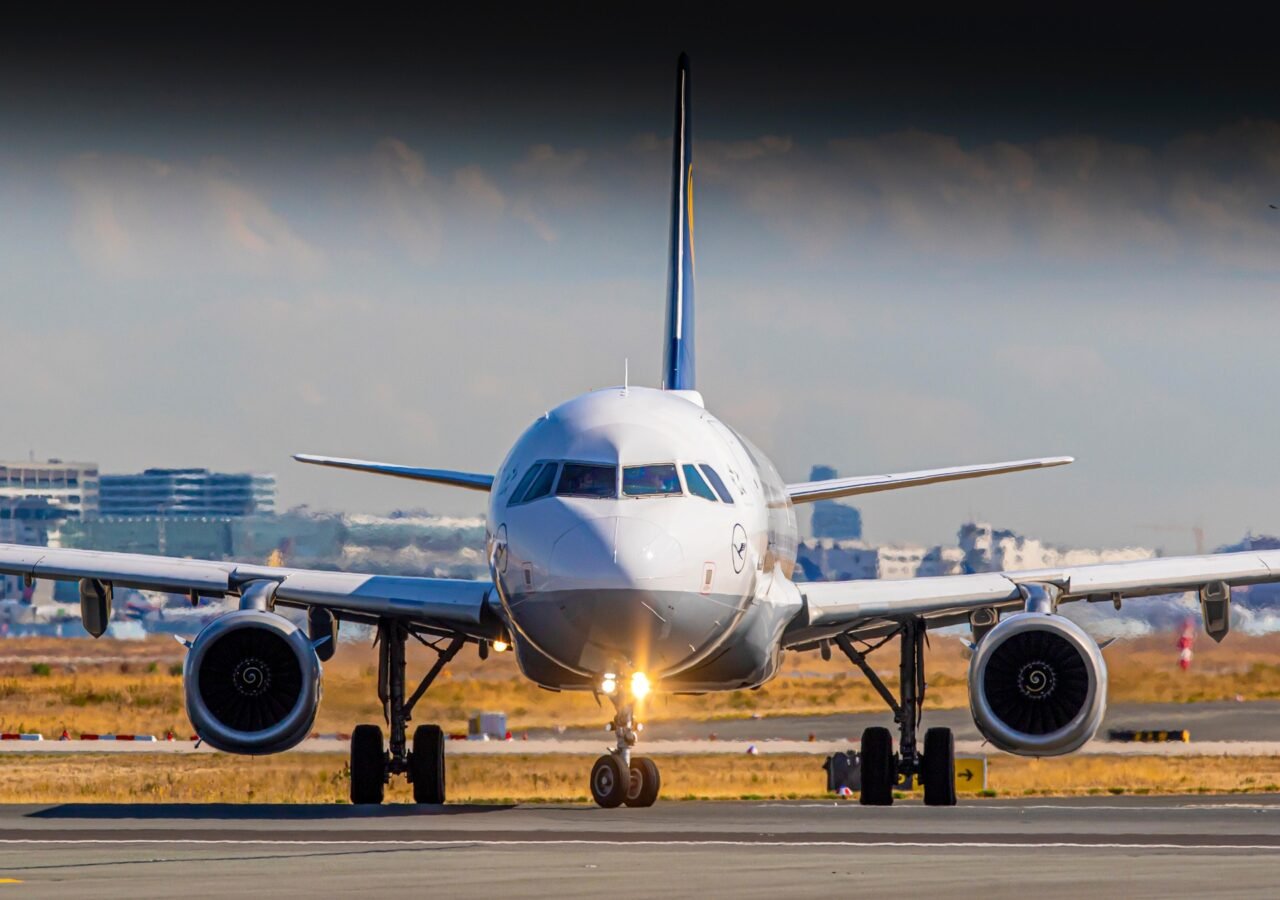
Tanzania has a well-established network of light aircraft charter and scheduled flights connecting its major tourist hubs to remote national parks and conservation areas. These flights are operated by several local airlines, with Precision Air and Coastal Aviation being prominent examples. They typically fly out of Arusha Airport (ARK), a smaller airport primarily serving domestic and regional routes, distinct from Kilimanjaro International Airport (JRO) which handles international arrivals. The aircraft are usually small to medium-sized, ranging from 10-seater Cessnas to larger Twin Otters or Dash 8s, accommodating a limited number of passengers and a strict luggage allowance, usually around 15-20 kg (33-44 lbs) in soft bags.
These flights are essential for maximizing your time on safari. Flying directly into an airstrip near your lodge or camp means you bypass hours of driving on potentially dusty and bumpy roads, allowing you to start your wildlife viewing sooner. The flight itself can also be an experience, offering impressive aerial views of the Tanzanian landscape, from the plains of the Serengeti to the dense forests of Mahale.
Key Airstrips and Their Destinations
Several key airstrips serve as gateways to Western Tanzania’s premier wildlife destinations:
- Seronera Airstrip (SEU): While centrally located in the Serengeti, it’s a crucial hub for accessing the Western Serengeti, especially during the migration season when herds are in this area. It’s also a common transit point for onward flights to other regions.
- Grumeti Airstrip (GTZ): Located specifically within the Western Serengeti corridor, this airstrip is ideal for lodges and camps situated in this prime migration-viewing zone.
- Kogatende Airstrip (KOG): Primarily serving the Northern Serengeti, it can be a viable option for reaching the northernmost edges of the Western Serengeti, depending on the specific location of your accommodation and the time of year.
- Katavi National Park Airstrips: Katavi has several airstrips, such as Mpimbwe Airstrip (MUP) and Sumbwa Airstrip (SBU), which serve the various camps within and around the park. Accessing Katavi usually requires a dedicated flight from Arusha or another major hub.
- Mahale Mountains National Park Airstrips: The primary airstrip for Mahale is Kipili Airstrip (KPL), though sometimes flights might land at nearby airstrips depending on the lodge. From Kipili, you’ll typically take a boat transfer across Lake Tanganyika to your camp.
- Gome National Park Airstrips: Similar to Mahale, Gome is accessed via airstrips like Kipili (KPL), followed by a boat transfer.
The choice of airstrip is dictated by the location of your chosen accommodation. Your safari operator will coordinate the specific airstrip based on which camp or lodge you book. It’s essential to confirm this detail when making your arrangements for 2026-2027.
Booking Your Flights: Considerations
When booking flights for your Western Tanzania safari, several factors come into play:
- Luggage Allowance: As mentioned, light aircraft have strict weight and size limits for luggage. Soft-sided duffel bags are mandatory. Any excess luggage may need to be left behind or shipped separately at an additional cost. Always confirm the exact allowance with your operator.
- Flight Schedules: Flights are often scheduled for morning departures from Arusha, allowing guests to arrive at their destinations by lunchtime. Return flights usually depart in the afternoon. These schedules can be influenced by weather and operational factors.
- Inter-Camp Flights: If your itinerary involves moving between different parks or regions within Western Tanzania (e.g., Serengeti to Katavi), you will likely need additional inter-camp flights. These add to the cost and complexity of your itinerary.
- Booking Window: For popular times, especially during the 2026-2027 migration seasons, flights can book up quickly. It’s advisable to book your safari package, which includes these flights, at least 6-12 months in advance.
- Flexibility: While generally reliable, light aircraft operations can be subject to weather delays or cancellations, particularly during the rainy seasons. It’s wise to build some buffer time into your overall itinerary if possible.
Cost of Flights
The cost of domestic flights is a significant component of a Western Tanzania safari budget. Prices can range from $350 to $600 USD per person for a one-way ticket, depending on the route and the airline. Flights to more remote airstrips, or those requiring multiple legs, will naturally be at the higher end of this spectrum. These costs are often bundled into the overall safari package price by tour operators, but it’s good to have an understanding of their individual contribution to the total.
For a 7-10 day safari that involves multiple internal flights (e.g., Arusha to Western Serengeti, then Western Serengeti to Katavi, and Katavi back to Arusha), you could easily be looking at $1000 – $2000+ USD per person for air transfers alone. This is a key reason why Western Tanzania safaris tend to be more expensive than self-drive or overland options in the Northern Circuit.
Top Safari Destinations in Western Tanzania
Western Tanzania offers a different safari experience compared to the more popular Northern Circuit. It’s known for its wild, less-trodden paths, incredible biodiversity, and opportunities for unique wildlife encounters. This section highlights the premier destinations you might consider for your 2026-2027 adventure.
Western Serengeti: Migration Hotspot
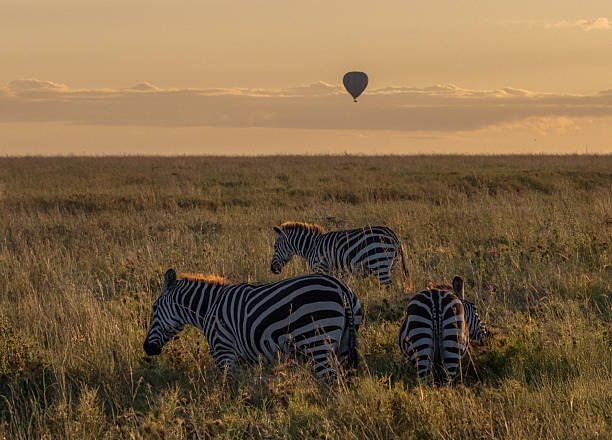
The Western Corridor of the Serengeti, particularly around the Grumeti River, is legendary for the dramatic wildebeest and zebra migration river crossings. This spectacle typically occurs between June and July, when vast herds attempt to cross the crocodile-infested Grumeti River. It’s a prime location for witnessing predator-prey interactions.
Why visit: Unrivaled drama of river crossings, excellent resident game year-round, luxurious lodges offering exclusive access.
Best time to visit: June to July for migration river crossings; resident game is excellent year-round.
Accommodation style: Primarily high-end lodges and tented camps, offering exclusivity and comfort.
Traveler type: Those seeking the peak migration experience and willing to pay a premium for remote, exclusive locations.
Katavi National Park: The True Wilderness
Often described as Tanzania’s most authentic wilderness, Katavi is a vast and remote park characterized by floodplains, woodlands, and seasonal swamps. It’s renowned for its large herds of elephants and buffalo, as well as significant populations of hippos and crocodiles in its lakes. Lion and leopard sightings are also common, and the park offers a sense of solitude and raw nature that is increasingly rare.
Why visit: Untamed wilderness, incredible density of large mammals, sense of remoteness, exceptional hippo and croc populations.
Best time to visit: Dry season (June to October) when animals congregate around dwindling water sources.
Accommodation style: Limited number of exclusive tented camps, focusing on an in-depth wilderness experience.
Traveler type: Adventurous travelers seeking true off-the-beaten-path exploration and a deep connection with nature.
Mahale Mountains National Park: Chimpanzee Trekking
Stretching along the shores of Lake Tanganyika, Mahale Mountains National Park is one of the most beautiful and biodiverse parks in Tanzania. Its primary draw is the opportunity to track and observe wild chimpanzees in their natural habitat. Besides chimpanzees, the park is home to other primates, diverse birdlife, and offers stunning lake views and beach relaxation.
Why visit: World-class chimpanzee trekking, impressive scenery of Lake Tanganyika, unique combination of forest and lake.
Best time to visit: Dry season (June to October) for best trekking conditions and chimpanzee visibility, though they can be seen year-round.
Accommodation style: Ranges from comfortable lodges with lake views to more rustic tented camps, often accessible by boat.
Traveler type: Those interested in primate tracking, unique landscapes, and a more relaxed, exploratory safari experience.
Gome National Park: More Chimpanzees
Located north of Mahale, Gome National Park is another exceptional destination for chimpanzee trekking, made famous by the research of Dr. Jane Goodall. It offers a similar experience to Mahale, with opportunities to observe habituated chimpanzee groups in the lush forests bordering Lake Tanganyika. It’s generally less visited than Mahale, offering an even more exclusive feel.
Why visit: Excellent chimpanzee trekking, historical significance in primatology, tranquility and exclusivity.
Best time to visit: Similar to Mahale, the dry season (June to October) is ideal.
Accommodation style: Limited, often simpler lodges or camps, emphasizing the natural experience.
Traveler type: Dedicated primate enthusiasts seeking a quieter, more intimate chimpanzee encounter.
Ruaha National Park: Southern Serengeti Extension
While technically in Southern Tanzania, Ruaha National Park is increasingly becoming part of Western Tanzania itineraries, especially for those looking to combine diverse landscapes and wildlife. It’s the largest national park in Tanzania and is known for its dramatic scenery, large elephant herds, and high predator concentrations, including cheetahs and wild dogs. It offers a rugged, wild safari experience.
Why visit: Largest park, vast wilderness, excellent elephant and predator sightings, rugged landscapes.
Best time to visit: Dry season (June to December), especially August to December, for the best wildlife viewing as water sources diminish.
Accommodation style: A mix of luxury lodges and tented camps, with a focus on remote locations.
Traveler type: Those seeking a wild, less-visited park with significant predator action and a sense of scale.
Accommodation Options for Western Tanzania Safaris
The choice of accommodation is paramount to the safari experience, especially in the remote regions of Western Tanzania. Options range from opulent lodges to intimate tented camps, each offering a different flavor of wilderness immersion. Understanding these choices is key to planning your 2026-2027 trip within your desired comfort and budget levels.
Luxury Lodges and Camps
For those seeking the ultimate comfort and service amidst the wild, luxury lodges and camps in Western Tanzania do not disappoint. These establishments often boast spacious en-suite rooms or tents with private verandas, fine dining, swimming pools, and impeccable service. They are typically located in prime wildlife areas, offering exclusive game drives and guided walks.
- Features: High-end furnishings, gourmet cuisine, private plunge pools, butler service, spa treatments, private vehicles for game drives.
- Examples: Camps in the Western Serengeti offering private concessions, lodges overlooking Lake Tanganyika in Mahale, or exclusive properties in Katavi.
- Who it suits: Travelers celebrating special occasions, those prioritizing comfort and service, or individuals seeking a more refined safari experience.
- Considerations: These options come with the highest price tags, often starting from $800 – $1500+ USD per person per night, excluding internal flights and park fees.
Mid-Range Tented Camps
Mid-range options strike a balance between comfort and authentic safari experience. These are often permanent or semi-permanent tented camps that provide comfortable canvas accommodation with en-suite bathrooms, good food, and knowledgeable guides. They offer a genuine connection to the environment without the extreme luxury of high-end properties.
- Features: Comfortable beds, private bathrooms (often with bucket showers or flush toilets), communal dining areas, experienced guides, usually part of national parks or conservancies.
- Examples: Many camps in the Serengeti, well-run lodges in Katavi, or comfortable tented accommodations near Mahale.
- Who it suits: Most travelers looking for a classic safari experience with good value, offering comfort and immersion.
- Considerations: Prices typically range from $400 – $800 USD per person per night, offering excellent value for the experience.
Budget and Eco-Friendly Options
While true budget options are scarce in the remote areas of Western Tanzania due to the logistics of operating there, some eco-friendly or more basic camps exist. These focus on sustainability and a simpler way of experiencing the wilderness. They might offer shared facilities or more basic amenities but still provide a safe and comfortable base for exploring.
- Features: Simpler structures, shared bathrooms in some cases, locally sourced food, emphasis on conservation and minimal footprint.
- Examples: Some community-run camps or smaller, locally-owned operations, though these are less common in the most sought-after Western Tanzania areas.
- Who it suits: Travelers with a keen interest in conservation, those on a tighter budget who still want the Western Tanzania experience, or backpackers.
- Considerations: Availability can be limited, and booking further in advance is essential. Prices might range from $250 – $400 USD per person per night, but confirm what’s included. It’s crucial to vet these options carefully for safety and reliability.
Choosing the Right Camp for You
When selecting accommodation for your 2026-2027 Western Tanzania safari, consider:
- Location: Does it offer prime viewing for the migration, chimpanzee trekking, or specific wildlife concentrations?
- Style: Do you prefer the intimacy of a tented camp or the amenities of a lodge?
- Inclusions: What activities (game drives, walks, boat trips, chimpanzee permits) are included in the daily rate?
- Reviews and Reputation: Research recent reviews and the operator’s experience in the specific area.
Your safari planner will be instrumental in guiding you through these choices, matching your preferences and budget to the best available camps.
Understanding Safari Pricing for 2026-2027
The cost of a Western Tanzania safari is influenced by numerous factors. Understanding these elements will help you budget effectively and make informed decisions for your trip planned for 2026 or 2027. Western Tanzania safaris are generally more expensive than those in the Northern Circuit due to higher operational costs, particularly for flights and remote camp logistics.
Factors Influencing Safari Costs
- Seasonality: Peak season (June-October, and December-February) commands the highest prices due to demand and favorable weather conditions. Shoulder seasons (e.g., March-May, November) may offer slightly lower rates. The 2026-2027 peak seasons will likely see the highest rates.
- Accommodation Level: As detailed above, luxury lodges are significantly more expensive than mid-range or budget options.
- Duration of Safari: Longer safaris naturally incur higher costs. However, the per-day rate might decrease slightly for longer stays.
- Number of Parks/Regions Visited: Each park entry and flight between locations adds to the total cost. A multi-park itinerary will be more expensive than a single-location safari.
- Type of Safari: Private safaris (using a private vehicle and guide) are more expensive than shared safaris, though shared options are less common and harder to arrange in remote Western Tanzania.
- Inclusions: Safaris that include all meals, drinks, park fees, conservation fees, activities (like chimpanzee permits), and internal flights will be priced higher but offer better value and predictability.
- Operator’s Margin: Different tour operators have different pricing structures and profit margins.
Typical Safari Inclusions and Exclusions
A comprehensive Western Tanzania safari package typically includes:
- Inclusions:
- Accommodation at chosen lodges/camps.
- All meals (breakfast, lunch, dinner) and often house drinks (water, soft drinks, sometimes local beer/wine).
- Park and conservation fees for the national parks.
- Game drives in a 4×4 safari vehicle with a professional guide.
- Internal flights from Arusha to the park airstrips and back.
- Activities such as chimpanzee trekking permits (if applicable).
- Airport transfers in Arusha.
- Exclusions:
- International flights to/from Tanzania.
- Visa fees.
- Travel insurance.
- Premium drinks (imported spirits, champagne).
- Gratuities for guides and camp staff.
- Personal expenses (souvenirs, laundry).
- Optional activities not specified in the itinerary.
Always clarify what is included and excluded with your tour operator when obtaining quotes for 2026-2027.
Budget Ranges for Western Tanzania
Given the factors above, here are estimated budget ranges per person, per day (excluding international flights):
- Mid-Range: $500 – $900 USD per person per day. This typically covers comfortable tented camps, all meals, park fees, and shared activities, plus internal flights.
- Luxury: $900 – $1,800+ USD per person per day. This includes high-end lodges, premium services, often private vehicles, all-inclusive drinks, and potentially more exclusive activities.
- Exclusive/Ultra-Luxury: $1,800 – $3,000+ USD per person per day. For the most exclusive camps, private charter flights, and highly personalized experiences.
Note: These figures are estimates for 2026-2027 and can fluctuate. Internal flights (around $400-$600 pp round trip from Arusha) are often quoted separately or included in a total package price.
For a typical 8-day Western Tanzania safari (e.g., 3 days Western Serengeti, 4 days Katavi, 1 day Arusha), you might expect a total package cost (including internal flights) to range from:
- Mid-Range: $4,500 – $7,500 USD per person
- Luxury: $7,500 – $15,000+ USD per person
Hidden Costs to Consider
Beyond the quoted safari price, be prepared for:
- Tipping: Budget around $20-40 USD per guest per day for guides and camp staff.
- Souvenirs: If you plan to shop.
- Travel Insurance: Essential and varies in cost.
- Vaccinations and Medications: Consult your doctor well in advance.
- Park Fees: While often included, confirm daily park fees for each park, which can be substantial (e.g., Serengeti is ~$70 pp/day, Katavi ~$40 pp/day, Mahale ~$30 pp/day, plus vehicle fees).
- Chimpanzee Permits: If trekking in Mahale or Gome, these permits can cost around $100-200 USD per person.
Planning Your Western Tanzania Safari Timeline
Successful planning for a Western Tanzania safari, especially for key wildlife events or popular destinations in 2026 or 2027, requires understanding the best times to visit and how far in advance to book. The remoteness of these areas means that timing and booking windows are crucial.
Best Time to Visit Western Tanzania
The optimal time to visit Western Tanzania largely depends on what you want to see:
- Great Migration (Western Serengeti): The wildebeest and zebra herds typically cross the Grumeti River in the Western Serengeti between June and July. This is peak season, with clear skies, dry conditions, and abundant wildlife.
- Dry Season (General): June to October is the dry season across most of Western Tanzania. Wildlife is easier to spot as animals congregate around water sources, and vegetation is less dense. This is ideal for Katavi and generally good for Mahale and Gome.
- Green Season: November to May is the rainy season. While some roads might become challenging, the landscapes are lush and beautiful, birdlife is at its best, and there are fewer tourists. Chimpanzee trekking can still be excellent, and river crossings might occur in different areas of the Serengeti during this period. Prices are often lower.
- Chimpanzee Trekking (Mahale & Gome): While possible year-round, the dry season (June to October) offers easier trekking conditions and potentially better visibility of the chimps.
For 2026-2027, the general advice holds: aim for the dry season for classic game viewing and migration events, or consider the green season for a more budget-friendly, less crowded experience with different photographic opportunities.
How Far in Advance to Book
Due to the limited number of high-quality camps and the reliance on specific flight schedules, booking well in advance is essential for Western Tanzania safaris.
- Peak Season (Migration, Dry Season): For prime lodges and camps, especially those in exclusive areas of the Western Serengeti or sought-after properties in Katavi or Mahale, booking 9-12 months ahead is highly recommended for 2026-2027. This is especially true if you have specific dates or a particular lodge in mind.
- Shoulder and Green Seasons: You might be able to book 4-6 months in advance, but it’s still wise to book early to secure the best options.
- Flights: Internal flights also have limited seats and should be booked concurrently with your accommodation.
Booking early ensures availability, secures preferred accommodation, and allows ample time for visa processing and health preparations.
Typical Safari Durations
Western Tanzania safaris often require longer durations than trips to the Northern Circuit due to travel times and the dispersed nature of wildlife.
- Minimum Recommended: 7-10 days. This allows for travel time to/from Arusha, plus at least 2-3 full days in one or two locations. For example, 3 days in Western Serengeti and 4 days in Katavi would make a good 8-day trip.
- Ideal Duration: 10-14 days. This enables you to explore two or three distinct regions in Western Tanzania (e.g., Western Serengeti, Katavi, and Mahale) with sufficient time at each location to fully appreciate the wildlife and environment.
- Extended Safaris: 14+ days. For those who want to combine Western Tanzania with other regions of Tanzania (like the Northern Circuit or Zanzibar) or explore multiple remote parks in depth.
A longer duration is often more cost-effective per day when factoring in the high cost of internal flights and transfers.
Practical Advice for Your Western Tanzania Trip
Preparing for a safari in Western Tanzania involves more than just booking. Practical considerations regarding packing, health, safety, and documentation are vital for a smooth and enjoyable trip in 2026-2027.
What to Pack
Packing for a safari requires a balance of comfort, practicality, and adherence to lodge/airline regulations.
- Clothing: Neutral-colored clothing (khaki, beige, olive green) is best for game drives to avoid startling wildlife. Pack light, breathable layers: t-shirts, long-sleeved shirts, trousers, shorts. A warm fleece or jacket is essential for cool mornings and evenings. A waterproof jacket is advisable, especially during the green season.
- Footwear: Comfortable walking shoes or hiking boots for any bush walks or chimpanzee treks. Sandals or flip-flops for relaxing at the camp.
- Sun Protection: High SPF sunscreen, a wide-brimmed hat, and sunglasses are crucial.
- Insect Repellent: Especially important for evenings and areas near water.
- Camera Gear: Binoculars are a must. Bring extra batteries, memory cards, and a good zoom lens for your camera. A dust cover is also recommended.
- Personal Items: Small backpack for day trips, personal toiletries, any prescription medications, a basic first-aid kit.
- Documentation: Passport, visa, flight details, insurance information, vaccination certificates.
- Soft Duffle Bag: Mandatory for light aircraft flights, typically with a weight limit of 15-20kg.
Health and Safety Considerations
Your health and safety are paramount. It’s essential to consult with your doctor or a travel clinic well in advance of your 2026-2027 trip.
- Vaccinations: Yellow Fever vaccination is often required for entry into Tanzania, especially if arriving from or transiting through a country with a risk of Yellow Fever. Other recommended vaccinations may include Hepatitis A, Typhoid, and Tetanus.
- Malaria Prevention: Tanzania is a malaria-endemic country. Your doctor will likely prescribe antimalarial medication. It’s also important to use insect repellent and wear long sleeves and trousers during dawn and dusk.
- Water Safety: Only drink bottled or purified water. Avoid ice in drinks unless you are sure it’s made from purified water.
- Food Safety: Eat well-cooked food. Be cautious with raw fruits and vegetables unless you peel them yourself.
- Wildlife Encounters: Always follow your guide’s instructions. Maintain a safe distance from all wildlife. Never feed animals.
- Camp Safety: Be aware of your surroundings, especially at night. Use camp lighting and follow security protocols.
Travel Insurance Essentials
Comprehensive travel insurance is not just recommended; it’s a necessity for a Western Tanzania safari.
- Coverage: Ensure your policy covers emergency medical expenses, medical evacuation (crucial for remote areas), trip cancellation or interruption, lost luggage, and personal liability.
- Activities: Verify that your policy covers activities like game drives and chimpanzee trekking.
- Booking: Purchase insurance as soon as you book your safari to ensure maximum coverage, especially for cancellation.
Visas and Entry Requirements
Ensure you have all necessary documentation well before your travel dates.
- Visa: Most nationalities require a visa to enter Tanzania. This can often be obtained online in advance (e-Visa) or upon arrival at Kilimanjaro International Airport (JRO). Check the latest requirements for your nationality.
- Passport: Your passport must be valid for at least six months beyond your intended stay and have at least two blank pages.
- Yellow Fever Certificate: Carry your Yellow Fever vaccination certificate with you, as it may be checked upon entry.
Confirm all entry requirements with the Tanzanian embassy or consulate in your country well in advance of your 2026 or 2027 travel dates.
Booking Your Western Tanzania Safari with Climb 4 Africa
Organizing a safari to the remote and stunning destinations of Western Tanzania requires expertise and local knowledge. At Climb 4 Africa, we specialize in crafting unforgettable Tanzanian adventures, from Kilimanjaro climbs to in-depth wildlife safaris. We understand the intricacies of Western Tanzania, including the best flight connections, the most suitable camps, and how to tailor itineraries to your preferences for 2026-2027.
Why Choose Climb 4 Africa
- Local Expertise: As a Tanzania-based company, we possess intimate knowledge of the parks, wildlife patterns, and logistical challenges specific to Western Tanzania.
- Tailor-Made Itineraries: We don’t offer one-size-fits-all packages. We work with you to design a safari that matches your interests, budget, and travel style. Whether you dream of witnessing the migration in the Western Serengeti, tracking chimps in Mahale, or exploring the wild plains of Katavi, we can build it.
- Quality Camps and Flights: We partner with reputable lodges and camps that offer excellent service and authentic experiences. We also manage all internal flight bookings, ensuring smooth transfers.
- Value for Money: We strive to provide the best possible value, balancing costs with quality experiences. Our understanding of local pricing helps us create competitive packages for 2026-2027.
- Practical Support: From initial inquiry to your return home, our team provides dedicated support, ensuring your safari runs smoothly.
How to Get a Custom Quote
To begin planning your dream Western Tanzania safari, we encourage you to reach out. We’ll ask for details such as:
- Your preferred travel dates or time of year (e.g., July 2026, September 2027).
- The number of travelers in your group.
- Your desired safari duration.
- Your preferred style of accommodation (luxury, mid-range, etc.).
- Any specific parks or activities you are most interested in (e.g., Western Serengeti, Mahale chimpanzee trek).
- Your approximate budget range.
Based on this information, we can begin crafting a personalized itinerary and provide you with a detailed quote. Let us help you create an unforgettable Western Tanzania safari adventure.
Contact us today to start planning your Western Tanzania Safari from Arusha for 2026-2027.
WhatsApp: +255 747 477 898
Email: climb4africa@gmail.com
We look forward to helping you plan your adventure!
“,
“faq_schema”: [
{
“question”: “What is the most efficient way to travel from Arusha to Western Tanzania for a safari?”,
“answer”: “The most efficient way to travel from Arusha to the remote parks of Western Tanzania, such as the Western Serengeti, Katavi, or Mahale Mountains, is by light aircraft. These domestic flights depart from Arusha Airport (ARK) and land at airstrips located near the parks, significantly reducing travel time compared to long road journeys.”
},
{
“question”: “What are the key destinations within Western Tanzania for a safari?”,
“answer”: “Key destinations include the Western Serengeti (famous for migration river crossings), Katavi National Park (known for its vast, wild landscapes and large mammal herds), and Mahale Mountains National Park (offering incredible chimpanzee trekking and stunning Lake Tanganyika views). Gome National Park is another excellent chimpanzee trekking location, and Ruaha National Park, though technically southern, is often included for its large elephant populations and predator sightings.”
},
{
“question”: “What types of accommodation are available for a Western Tanzania safari?”,
“answer”: “Accommodation options range from luxury lodges and tented camps offering high-end amenities and service, to comfortable mid-range tented camps that provide an authentic safari experience. True budget options are rare in these remote areas due to logistical costs.”
},
{
“question”: “How much does a Western Tanzania safari typically cost for 2026-2027?”,
“answer”: “Western Tanzania safaris are generally more expensive than those in the Northern Circuit. For 2026-2027, expect mid-range safaris to cost approximately $500-$900 USD per person per day, and luxury safaris $900-$1800+ USD per person per day. These figures often include accommodation, meals, park fees, and internal flights, but it’s crucial to confirm all inclusions.”
},
{
“question”: “When is the best time to visit Western Tanzania for wildlife viewing, especially for the Great Migration?”,
“answer”: “For the Great Migration river crossings in the Western Serengeti, the best time is typically June and July. For general wildlife viewing across Western Tanzania, the dry season from June to October is ideal as animals congregate around water sources. Chimpanzee trekking in Mahale and Gome is also best during the dry season for easier trekking conditions.”
},
{
“question”: “How far in advance should I book a Western Tanzania safari for 2026 or 2027?”,
“answer”: “Due to high demand and limited availability of prime camps and flights, it is highly recommended to book Western Tanzania safaris at least 9-12 months in advance, especially for peak seasons like the migration period in 2026 or 2027. For shoulder or green seasons, 4-6 months in advance might suffice.”
},
{
“question”: “What are the essential items to pack for a Western Tanzania safari?”,
“answer”: “Pack neutral-colored, lightweight clothing in layers, comfortable walking shoes, a warm fleece for evenings, sun protection (hat, sunglasses, sunscreen), insect repellent, binoculars, camera equipment, and a soft-sided duffel bag (mandatory for flights, typically 15-20kg limit). Always carry essential documents like your passport and visa.”
},
{
“question”: “Are there any health precautions I should take before traveling to Western Tanzania?”,
“answer”: “Yes, consult your doctor or a travel clinic
Check Availability for Western Tanzania Safari From Arusha – Flights, Camps & Prices 2026-2027
Ready to compare dates, prices, and the best option for your group? Send the package name and travel month so the team can reply with a clear quote, availability, and what is included.
Kilimanjaro And Great Migration Safari July : Your Ultimate Tanzanian
Combining a Kilimanjaro climb with a Great Migration safari in July 2027 offers a spectacular Tanzanian adventure. This guide helps you plan your ideal itinerary, considering the best...
View package details
Kilimanjaro And Grumeti Migration Safari June : The Ultimate Tanzanian
Plan your unforgettable Kilimanjaro and Grumeti Migration safari for June 2027. This comprehensive guide details how to combine the challenge of summiting Africa's highest peak with the...
View package details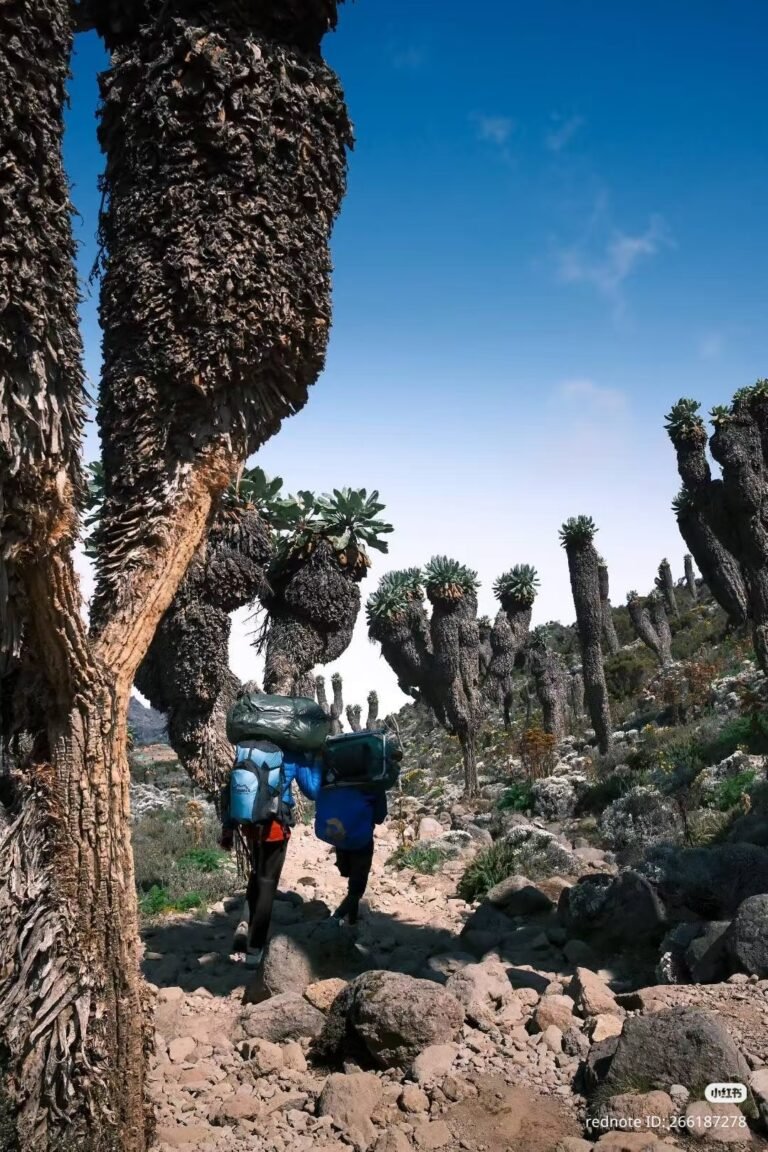
Kilimanjaro Christmas Climb And Tanzania Safari : Your Festive Adventure
Combine the magic of a Christmas ascent of Kilimanjaro with a thrilling Tanzania safari in 2026. Discover how to plan this dual adventure for a truly unique festive season.
View package detailsKilimanjaro And Mara River Crossing Safari August : Peak Season Adventure 2027
Combining the ultimate challenge of climbing Mount Kilimanjaro with the awe-inspiring spectacle of the Great Migration river crossing in the Maasai Mara offers an unparalleled African...
View package details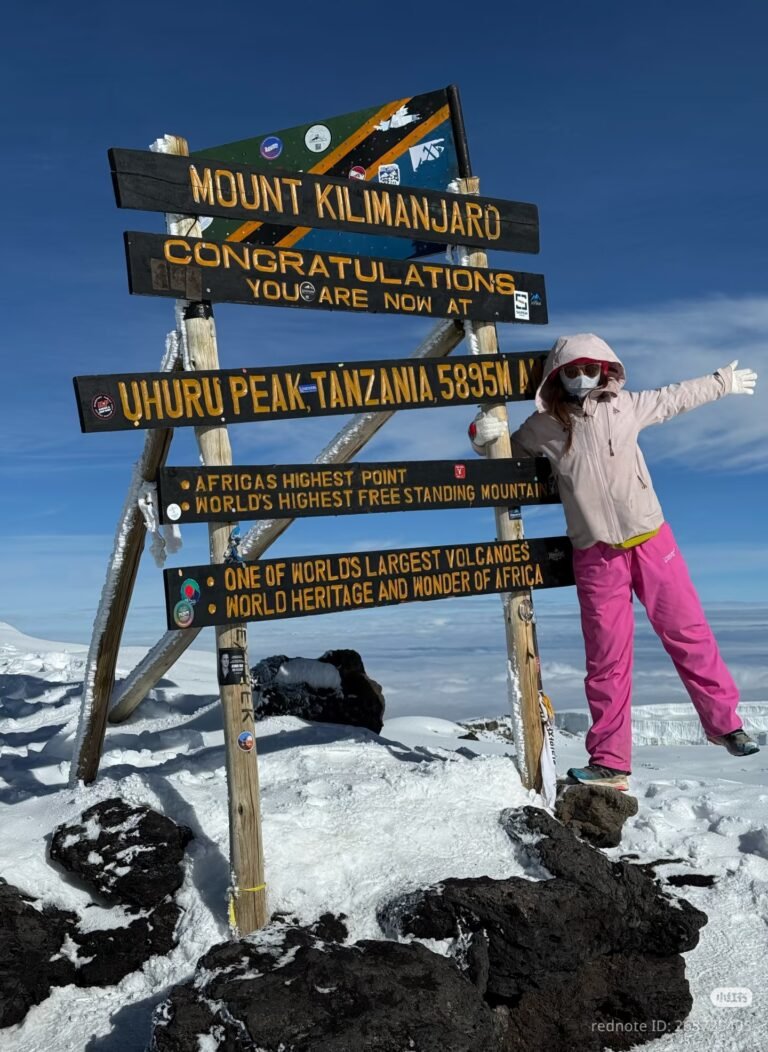
Kilimanjaro And Great Migration Safari August : Your Peak Season Adventure
Plan your ultimate Tanzanian adventure in August 2027, combining a Kilimanjaro climb with the spectacle of the Great Migration. This guide details the best timings, routes, and safari...
View package detailsKilimanjaro And Mara River Crossing Safari July 2027
Kilimanjaro and Mara River Crossing Safari July 2027 is explained with current 2027 planning, price, itinerary and booking information.
View package details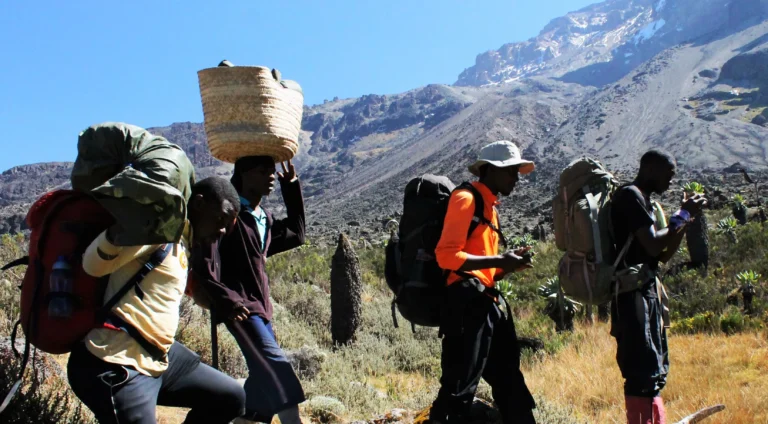
Best Kilimanjaro And Serengeti Calving Season Safari March 2027
Discover the magic of a March 2027 Kilimanjaro and Serengeti calving season safari. This guide explores the unique advantages and considerations for experiencing Tanzania's wildlife...
View package details
Kilimanjaro And Serengeti Calving Safari February : The Ultimate Planning
Combine the majesty of Mount Kilimanjaro with the impressive spectacle of the Serengeti's calving season in February 2027. This guide details how to plan this dual adventure, focusing on...
View package details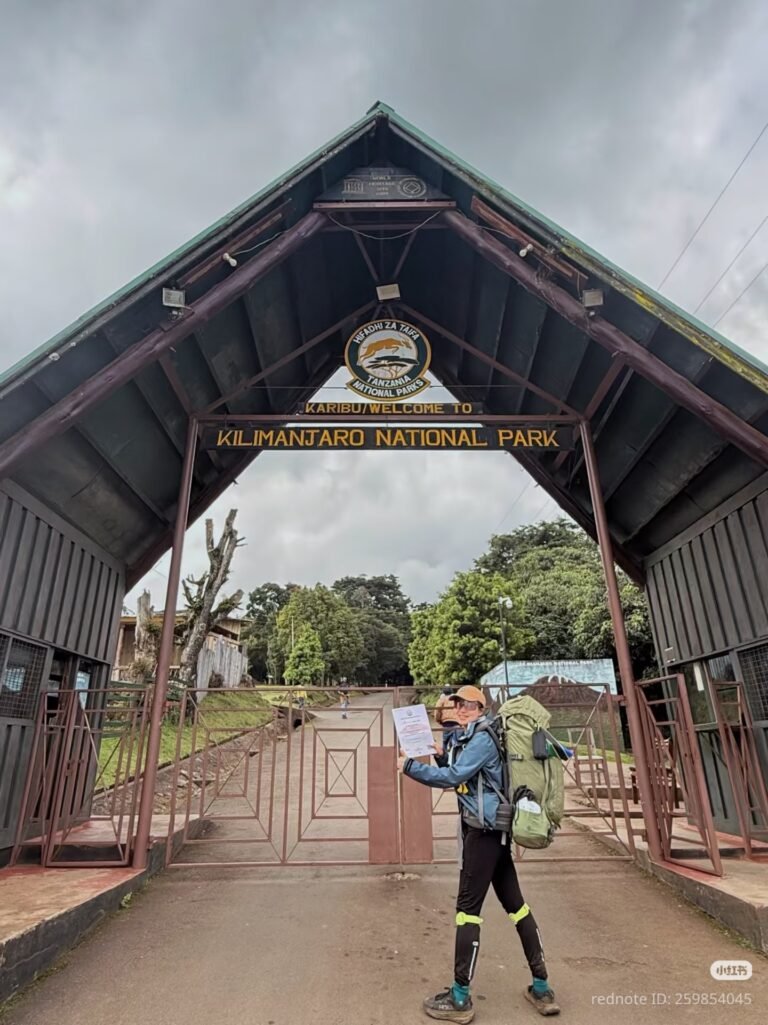
Kilimanjaro And Serengeti Calving Safari January 2026-2027
Kilimanjaro and Serengeti Calving Safari January 2027 is explained with current 2026-2027 planning, price, itinerary and booking information.
View package detailsNo related package matches those filters. Clear one or more filters to see the other topic-matched options.



