
A Tanzania professional photography safari with custom private packages in 2026-2027 involves designing an itinerary specifically for capturing high-quality wildlife images, often with specialized vehicles, guides knowledgeable in animal behavior and light, and flexible schedules. These packages are tailored to individual photographic goals, focusing on prime wildlife viewing areas like the Serengeti, Ngorongoro Crater, and Tarangire National Park, and can be booked for specific durations and interests, offering exclusivity and personalized attention for serious photographers.

Understanding the Appeal of a Tanzania Professional Photography Safari
Tanzania stands as a premier destination for wildlife photography, a fact that becomes even more pronounced when you consider a Tanzania professional photography safari focused on custom private packages. For many, the allure isn’t just seeing animals; it’s about capturing their essence, their power, their delicate beauty, and the raw drama of their existence through a lens. This requires more than a standard safari. It demands an understanding of light, animal behavior, and the specific photographic opportunities each location offers. This is where the concept of a custom private package truly shines, allowing photographers to move beyond the typical tourist circuit and explore what makes Tanzania an unparalleled photographic canvas.
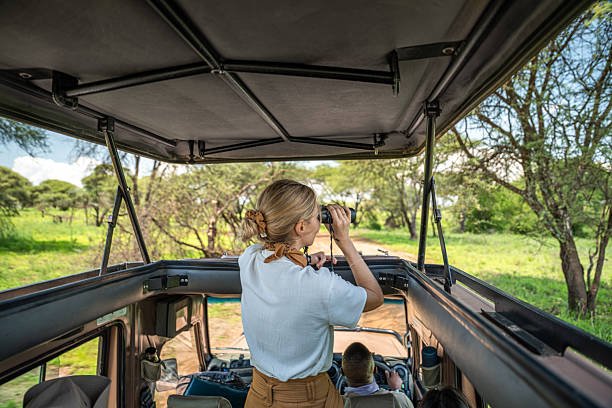
The sheer biodiversity of Tanzania is staggering. From the vast plains of the Serengeti, famous for the Great Migration, to the unique ecosystems of the Ngorongoro Crater and the elephant-rich landscapes of Tarangire, the photographic potential is immense. When you opt for a custom private package for your Tanzania professional photography safari, you are essentially commissioning an experience built around your specific needs. This might mean longer stays in areas known for specific species, early morning or late evening game drives to catch the golden hours of light, or even utilizing modified vehicles that offer better vantage points and stability for photography.
The difference between a general safari and a professional photography safari lies in the intent and execution. A general safari might aim to see the ‘Big Five.’ A photography safari aims to capture them in compelling ways – a lioness stalking prey, a leopard draped in a tree, a herd of elephants silhouetted against a sunset, or the intricate details of a bird’s plumage. This requires guides who understand photographic composition, who can anticipate animal movements, and who know the best times and places to position the vehicle. A custom private package ensures this level of specialized service is paramount.
As we look towards planning for 2026 and 2027, the demand for these highly specialized safaris continues to grow. Photographers, both amateur and professional, recognize that investing in a bespoke experience yields results far superior to a standard tour. It’s about maximizing your chances of getting that award-winning shot, creating a portfolio that tells a story, and experiencing the wild in a way that is both intimate and respectful of the environment.
Why Custom Private Packages Are Essential for Photographers
The core of a successful Tanzania professional photography safari lies in flexibility and specialization, which is precisely what custom private packages deliver. Unlike group tours with fixed schedules and routes, a private package is a blank canvas ready to be painted with your photographic vision. This adaptability is crucial when dealing with the unpredictable nature of wildlife and the ever-changing conditions of light and weather.
Unrivaled Flexibility and Control
When you book a custom private package for your Tanzania professional photography safari, you gain unparalleled control over your schedule. This means you can decide to spend an entire morning observing a pride of lions, waiting for the perfect interaction or pose. You can linger longer at a watering hole where elephants are congregating, or request to head out for a dawn game drive specifically to capture the sunrise mist over the plains. This level of freedom is impossible on a set itinerary designed for a broader audience. For photographers, this translates directly into more opportunities for unique shots.
Specialized Vehicles and Equipment Access
Many operators offering Tanzania professional photography safaris understand that standard safari vehicles are not always ideal for photography. Custom packages often include the use of specially adapted vehicles. These might feature:
- Open-sided designs: Offering unobstructed 360-degree views for wide-angle shots and easier handling of long lenses.
- Lowered seating or pop-up roofs: Providing stable shooting platforms and reducing the need for excessive neck craning.
- Camera mounts and beanbags: Essential for stabilizing heavy telephoto lenses, reducing fatigue, and ensuring sharp images.
- Inverters for charging: Keeping batteries powered up throughout long days in the field.
When discussing your custom private package for a Tanzania professional photography safari, be sure to inquire about the specific vehicle modifications available. This attention to detail can make a significant difference in your comfort and the quality of your photographic output.
Expert Guides with Photographic Acumen
A great safari guide can spot wildlife. A great photographic safari guide understands light, composition, and animal behavior from a photographer’s perspective. For a Tanzania professional photography safari, your guide should be more than just a driver; they should be a collaborator. They should be able to:
- Anticipate animal movements based on time of day, season, and behavior.
- Advise on the best angles and positioning of the vehicle for light and background.
- Understand the photographic potential of different locations and times.
- Be patient, allowing ample time for photographers to achieve their desired shots.
- Share knowledge about the animals and their habitats, enriching the photographic narrative.
When booking your custom private package, discuss your photographic goals with the tour operator. Inquire about guides who have specific experience or training in wildlife photography. This is a critical factor that elevates a standard safari into a professional photography expedition.
Maximizing Prime Lighting Conditions
The ‘golden hours’ – the period shortly after sunrise and before sunset – offer the most dramatic and flattering light for wildlife photography. These are often times when animals are most active. A custom private package for your Tanzania professional photography safari allows you to be out in the field during these critical periods, rather than being restricted by standard safari timings. This means capturing silhouettes, warm-toned landscapes, and animals with beautifully illuminated fur or feathers.
Exclusive Access and Off-Peak Exploration
While many popular areas in Tanzania can get busy, a private package offers the potential for more exclusive experiences. By working with your operator, you might arrange to visit certain areas during less crowded times or explore less-trafficked routes that still offer excellent photographic opportunities. This focus on exclusivity is a hallmark of a Tanzania professional photography safari designed for discerning clients.
Key Destinations for Your Photography Safari in Tanzania
Tanzania’s diverse landscapes and abundant wildlife offer a smorgasbord for any photographer. The choice of destination within your custom private package for a Tanzania professional photography safari will significantly influence the types of images you can capture. Understanding the unique photographic strengths of each region is key to crafting an effective itinerary for 2026 or 2027.
Serengeti National Park: The Icon of Wildlife Photography
The Serengeti is, without doubt, the jewel in Tanzania’s crown for wildlife photography. Its vast, seemingly endless plains are home to an astonishing concentration of animals. The park is most famous for the Great Migration, an annual event where over two million wildebeest, zebras, and gazelles traverse the plains in search of fresh grazing. Capturing the drama of the river crossings (particularly the Grumeti and Mara rivers), the vast herds stretching to the horizon, and the predators that follow them is a photographer’s dream.
- Photographic Highlights: Stampedes, predator-prey interactions, vast landscapes, large herds, diverse birdlife, and the iconic acacia trees.
- Best Time for Photography: Depending on the migration’s location, which varies throughout the year. Generally, the dry season (June-October) is excellent for predators and river crossings. The calving season (January-March) in the southern Serengeti offers incredible opportunities for newborn animals and their mothers.
- Customization for Photographers: Private charters allow access to remote airstrips, enabling exploration of different regions of the vast park throughout the year. Specialized vehicles and guides are essential here to navigate the terrain and anticipate migration movements.
A custom private package for a Tanzania professional photography safari in the Serengeti can be structured to follow the migration or focus on specific predator hotspots, depending on your interests.
Ngorongoro Conservation Area: The Crater’s Unique Wildlife
The Ngorongoro Crater is a UNESCO World Heritage Site and a caldera formed by a massive volcanic eruption. Its sheer walls enclose a unique and remarkably dense population of wildlife, including the rare black rhinoceros. The crater floor offers a microcosm of East African ecosystems, providing incredible photographic opportunities in a compact and easily navigable area.
- Photographic Highlights: Black rhinos, large lion prides, elephants, hippos, abundant birdlife, and the dramatic crater rim vistas.
- Best Time for Photography: Year-round, though the dry season (June-October) often offers clearer skies and more concentrated wildlife near water sources. The wet season (November-May) brings lush greenery and fewer crowds, offering a different aesthetic.
- Customization for Photographers: While vehicle numbers can be restricted on the crater floor, a private package allows for maximum time within your allotted slot. Prioritizing early morning entries can help avoid some of the crowds and capture softer light.
The Ngorongoro Crater is often included in multi-day itineraries as it offers guaranteed sightings and unique photographic subjects, especially for those seeking the elusive black rhino. Your Tanzania professional photography safari can spend dedicated time here.
Tarangire National Park: Elephants and Baobabs
Known as the ‘Land of Giants,’ Tarangire National Park is renowned for its enormous elephant herds, especially during the dry season when they congregate around the Tarangire River. The park’s landscape is also iconic, dominated by ancient baobab trees that create a surreal and striking backdrop for wildlife photography.
- Photographic Highlights: Large elephant herds, diverse birdlife (especially raptors and water birds), lions often found in trees, baobab trees, and dry riverbeds.
- Best Time for Photography: The dry season (June-October) is peak time for elephants and other animals seeking water. The green season (November-May) offers lush landscapes and is excellent for bird photography.
- Customization for Photographers: Tarangire is perfect for photographers interested in animal behavior, particularly elephants. Its open plains and distinctive trees provide excellent framing opportunities. Private guides can navigate the park’s network of tracks to find the best light and subjects.
Including Tarangire in your custom private package for a Tanzania professional photography safari offers a different feel to the Serengeti, with more intimate photographic encounters and a visually dramatic landscape.
Lake Manyara National Park: Tree-Climbing Lions and Birdlife
Though smaller than the Serengeti or Tarangire, Lake Manyara offers a rich diversity of habitats, from groundwater forests to alkaline lake shores. It’s famous for its elusive tree-climbing lions and an incredible array of birdlife. The park’s compact size makes it ideal for shorter photographic excursions or as part of a larger Northern Circuit itinerary.
- Photographic Highlights: Tree-climbing lions, flamingos (seasonal), baboons, monkeys, hippos, and diverse bird species.
- Best Time for Photography: Year-round. The wet season sees more migratory birds, while the dry season concentrates wildlife near the lake.
- Customization for Photographers: The groundwater forest offers unique opportunities for close-up shots of primates and birds in a lush, green environment. The open lake shore is ideal for capturing flocks of flamingos or wading birds.
Lake Manyara can be a valuable addition to any Tanzania professional photography safari, offering specific photographic subjects not easily found elsewhere.
Selous Game Reserve (Nyerere National Park): Wilderness and River Safaris
For those seeking a more remote and less crowded experience, the vast Selous Game Reserve (now Nyerere National Park) in southern Tanzania offers a different kind of photographic adventure. It’s one of the largest game reserves in Africa and is known for its wild, untamed landscapes, large elephant and buffalo populations, and unique boat safaris on the Rufiji River.
- Photographic Highlights: Boat safaris offering unique angles on hippos, crocodiles, and birds; large wild dog packs; elephants; diverse birdlife; and expansive, undeveloped wilderness.
- Best Time for Photography: The dry season (June-October) is best for game viewing, especially along the Rufiji River.
- Customization for Photographers: The boat safari aspect is a major draw for photographers, offering perspectives unlike those from a vehicle. Walking safaris are also often available, allowing for a more in-depth and intimate connection with the environment.
A custom private package to Nyerere National Park can focus on these unique photographic elements, providing a different perspective on Tanzania’s wildlife.
Designing Your Custom Photography Safari Itinerary (2026-2027)
Crafting the perfect Tanzania professional photography safari itinerary requires careful consideration of your photographic interests, the time of year, and the specific locations that best align with your goals for 2026 and 2027. A custom private package allows for this granular planning.
Step 1: Define Your Photographic Focus
Before you even contact an operator, reflect on what you most want to photograph. Are you focused on:
- The Great Migration: This requires precise timing and location knowledge, often involving multiple stops across the Serengeti.
- Predator-Prey Dynamics: Areas with high predator densities like the Serengeti, Ngorongoro Crater, and parts of Tarangire are ideal.
- Birdlife: Many parks offer exceptional birding, with Tarangire, Lake Manyara, and the plains of the Serengeti being particularly rich.
- Landscape Photography: The vast plains of the Serengeti, the baobab-studded landscapes of Tarangire, or the dramatic crater rim offer stunning backdrops.
- Specific Species: If you have a particular interest (e.g., rhinos in Ngorongoro, elephants in Tarangire, wild dogs in Selous), the itinerary should prioritize those locations.
Your custom private package for a Tanzania professional photography safari should be built around these priorities.
Step 2: Choose the Right Time of Year
Tanzania’s weather patterns and wildlife movements are seasonal. Your choice of travel dates for 2026 or 2027 will heavily influence your photographic opportunities:
- June – October (Dry Season): Excellent for general game viewing as animals congregate around water sources. This is prime time for river crossings during the Migration in the western/northern Serengeti. Predators are often easier to spot against the dry landscape.
- November – December (Short Rains): A transitional period. The landscape begins to green up, and wildlife can be more dispersed. Fewer tourists.
- January – March (Long Rains/Calving Season): The southern Serengeti becomes the focal point for the calving season, offering incredible opportunities to photograph young animals and the predators that hunt them. Landscapes are lush and green. Some roads can be challenging.
- April – May (Long Rains): The landscape is at its greenest. This is the ‘low season’ with fewer tourists, but heavy rains can impact game viewing and road access in some areas. Excellent for bird photographers.
Discuss these seasonal nuances with your operator when planning your Tanzania professional photography safari.
Step 3: Select Your Parks and Duration
A typical custom private package for a Tanzania professional photography safari might range from 7 to 14 days, though longer or shorter trips are possible. For a comprehensive experience, consider combining parks:
- Northern Circuit Focus (7-10 days): Tarangire, Lake Manyara, Ngorongoro Crater, and Serengeti. This is the classic route, offering diverse habitats and iconic wildlife.
- Migration Focused (10-14 days): Spend more time in the Serengeti, strategically positioning yourself to follow the migration. This might involve flying between different camps to maximize viewing opportunities.
- Southern Circuit Focus (7-10 days): Nyerere National Park (Selous) and Ruaha National Park. This offers a wilder, more remote experience with unique photographic opportunities like boat safaris.
- Combination (14+ days): Combine elements of both circuits for the ultimate photographic adventure.
The length of your stay in each park is crucial for a Tanzania professional photography safari. Rushing through locations means missed opportunities. Allocate sufficient time to truly experience the photographic potential of each area.
Step 4: Discuss Vehicle and Guide Preferences
As mentioned earlier, vehicle and guide are paramount. For a custom private package, you should feel empowered to discuss:
- Vehicle Type: Do you prefer a pop-top roof for standing, or an open-sided vehicle for maximum maneuverability? Are specific camera mounts or beanbags available?
- Guide Experience: Do they have experience working with photographers? Can they provide references or examples of their work with photographic groups?
- Patience Levels: Confirm that the guide understands the need for extended observation periods.
Climb 4 Africa, for instance, specializes in tailoring these details. Contacting them via WhatsApp +255 747 477 898 or Email climb4africa@gmail.com allows for detailed discussion on these critical elements for your Tanzania professional photography safari.
What to Expect from a Professional Photography Safari Package
Understanding the inclusions and typical structure of a Tanzania professional photography safari custom private package can help manage expectations and ensure you get the most value. These packages are designed to cater to the specific needs of photographers, going beyond standard safari offerings.
Accommodation Options
Accommodation on a photography safari can range from luxurious lodges and tented camps to more rustic mobile camps that can be strategically positioned in remote areas. For photographers, the ideal accommodation:
- Offers early access/late departure flexibility: Some lodges might allow you to leave with your vehicle before official park opening or return after closing, if permitted.
- Is well-located: Placed in areas known for high wildlife activity or scenic beauty, maximizing photographic opportunities even from the lodge grounds.
- Provides charging facilities: Essential for keeping camera batteries powered.
- Offers comfortable downtime: After long days of shooting, you’ll want a comfortable place to rest and review your images.
In a custom private package, you can often choose between permanent camps, mobile camps that follow the migration, or lodges, depending on your itinerary and preferences.
Vehicle and Guide Inclusions
This is arguably the most critical part of your Tanzania professional photography safari package. Ensure your booking clearly outlines:
- Type of vehicle: Confirm it’s suitable for photography (e.g., pop-up roof, open sides).
- Dedicated photographic guide: A guide with specific knowledge of wildlife behavior and photographic needs.
- Fuel allowance: Sufficient fuel for extended game drives and flexibility in reaching optimal photographic locations.
- Provisions: Water, snacks, and sometimes even packed lunches for full-day photographic excursions.
Operators like Climb 4 Africa pride themselves on providing guides who are not only skilled drivers but also passionate about assisting photographers in getting the best shots possible.
Meals and Refreshments
Meals are typically provided throughout your safari, often including:
- Breakfast: Usually at your lodge or camp.
- Packed lunches: Taken with you on full-day game drives, allowing you to maximize your time in the field.
- Dinner: Served at your lodge or camp, often a communal affair with fellow travelers if you are not in a fully private lodge.
- Drinks: While water is usually included, alcoholic and other soft drinks might be extra, depending on the lodge or camp.
For a custom private package, dietary requirements are easily accommodated with advance notice.
Park Fees and Conservation Contributions
Park entry fees are a significant component of any Tanzanian safari cost. A comprehensive Tanzania professional photography safari package will typically include all necessary park fees for the duration of your stay. Some operators also include contributions to local conservation initiatives, which is a valuable aspect for responsible tourism.
Logistics and Transfers
This includes airport transfers, transfers between parks (often via small bush planes for efficiency), and all ground transportation during game drives. For photographers, minimizing transit time and maximizing time in the wildlife areas is key, making efficient logistics a priority.
Planning Your 2026-2027 Photography Safari: Key Considerations
Booking a Tanzania professional photography safari custom private package requires detailed planning. The earlier you start, the better your chances of securing prime dates and the best guides and vehicles for your 2026 or 2027 adventure.
Booking Window and Availability
High season in Tanzania (typically June-October and December-February) sees high demand. For custom private packages, especially those requiring specific vehicle modifications or highly sought-after guides, it’s advisable to book 9-12 months in advance. For peak periods in 2026 and 2027, even earlier booking might be necessary. Traveling during the shoulder seasons (e.g., November, March-May, excluding Easter) can offer more flexibility and potentially better rates.
Budgetary Factors
A Tanzania professional photography safari custom private package is an investment. Costs are influenced by:
- Duration of the safari: Longer trips naturally cost more.
- Parks visited: Some parks have higher daily fees than others.
- Accommodation level: Luxury lodges are significantly more expensive than mid-range tented camps.
- Vehicle type: Specialized photographic vehicles may incur additional rental costs.
- Time of year: Peak season rates are higher.
- Number of travelers: While private, the cost per person can decrease with more participants sharing the expenses.
It’s essential to get a detailed quote that breaks down these costs. For a custom private package, operators like Climb 4 Africa can provide detailed quotations tailored to your specific requirements for 2026-2027.
Insurance and Health Precautions
Travel insurance is non-negotiable. Ensure your policy covers:
- Medical emergencies and evacuation: Essential given the remote locations.
- Trip cancellation and interruption: Protects your investment if unforeseen circumstances arise.
- Lost or damaged equipment: Crucial for photographers.
Consult your doctor about necessary vaccinations (e.g., Yellow Fever, Hepatitis A) and malaria prophylaxis well in advance of your 2026-2027 Tanzania professional photography safari.
Packing for a Photography Safari
Beyond standard safari clothing, photographers need to consider their gear:
- Camera bodies and lenses: A range of focal lengths is recommended, from wide-angle to telephoto.
- Tripod and monopod: For stability, especially in low light.
- Extra batteries and memory cards: You will take a lot of photos!
- Cleaning kits: Dust is ubiquitous in Tanzania.
- Laptop or tablet: For backing up photos and reviewing images.
- Power banks and adapters: For charging on the go.
- Clothing: Neutral, muted colors (khaki, beige, green) are best. Avoid bright colors. Layers are essential.
When discussing your Tanzania professional photography safari, ask your operator for a specific packing list tailored to the locations and activities planned.
Working with Climb 4 Africa for Your Photography Safari
When seeking a Tanzania professional photography safari with custom private packages, choosing the right tour operator is paramount. Climb 4 Africa has established itself as a reliable partner for those looking to experience Tanzania’s wilderness through a photographic lens.
Expertise in Customization
Climb 4 Africa understands that a photographer’s needs are specific. They excel at creating bespoke itineraries that align with individual photographic interests, whether it’s tracking the Great Migration, focusing on specific species, or capturing the dramatic landscapes. Their approach to building a custom private package involves detailed consultations to ensure every aspect of the trip is tailored for optimal photographic results.
Local Knowledge and Support
As a local Tanzanian company, Climb 4 Africa possesses invaluable on-the-ground knowledge. This translates to:
- Best times to visit specific areas: Based on wildlife movements and seasonal conditions.
- Understanding of park regulations: Ensuring your safari complies with all rules while maximizing photographic opportunities.
- Access to experienced guides: They work with guides who have a proven track record in wildlife tracking and understanding photographic needs.
- Logistical efficiency: smooth arrangements for transport, accommodation, and park entries.
This deep local insight is crucial for a successful Tanzania professional photography safari.
Commitment to Quality and Photography Needs
Climb 4 Africa prioritizes quality in all aspects of their tours. For photography safaris, this means ensuring the vehicles are well-maintained and suitable for photographic work, and that guides are patient and knowledgeable. They can arrange for specialized vehicles and work with guides who are adept at positioning the vehicle for the best light and angles, understanding the photographer’s need for time and specific shots.
Planning Your Inquiry
To initiate planning for your Tanzania professional photography safari for 2026 or 2027, consider sending a detailed inquiry to Climb 4 Africa:
- Specify your desired dates or travel window.
- Outline your primary photographic interests (e.g., migration, specific animals, landscapes).
- Indicate your preferred level of accommodation (e.g., luxury, mid-range, mobile camps).
- Mention any specific vehicle requirements (e.g., pop-up roof, open sides).
- State the number of travelers in your group.
You can reach them via WhatsApp +255 747 477 898 or Email climb4africa@gmail.com. They are ready to assist you in crafting the perfect photographic adventure.
Making the Decision for Your Photography Safari
Choosing a Tanzania professional photography safari through a custom private package is a significant decision, but one that promises unparalleled rewards for any serious photographer. It’s an investment in capturing moments that will last a lifetime, framed by the stunning beauty and raw power of the African wilderness.
By focusing on the unique requirements of photography – the need for flexibility, specialized equipment, expert guides, and access to prime locations at the right times – you can ensure your safari experience is optimized for creating exceptional images. The planning for 2026 and 2027 should begin now to secure the best options.
When you partner with experienced operators like Climb 4 Africa, you leverage their local expertise and dedication to client satisfaction. They understand the nuances of crafting a truly professional photography safari, transforming a dream into a tangible, impressive reality. Don’t hesitate to reach out and begin the conversation that will lead to your ultimate photographic journey across Tanzania.
Ready to capture the magic of Tanzania through your lens? Contact Climb 4 Africa today to discuss your Tanzania professional photography safari custom private package for 2026-2027. Reach out via WhatsApp +255 747 477 898 or Email climb4africa@gmail.com to start planning your bespoke adventure.
Check Availability for Tanzania Professional Photography Safari – Custom Private Packages 2026-2027
Ready to compare dates, prices, and the best option for your group? Send the package name and travel month so the team can reply with a clear quote, availability, and what is included.
Kilimanjaro And Great Migration Safari July : Your Ultimate Tanzanian
Combining a Kilimanjaro climb with a Great Migration safari in July 2027 offers a spectacular Tanzanian adventure. This guide helps you plan your ideal itinerary, considering the best...
View package details
Kilimanjaro And Grumeti Migration Safari June : The Ultimate Tanzanian
Plan your unforgettable Kilimanjaro and Grumeti Migration safari for June 2027. This comprehensive guide details how to combine the challenge of summiting Africa's highest peak with the...
View package details
Kilimanjaro Christmas Climb And Tanzania Safari : Your Festive Adventure
Combine the magic of a Christmas ascent of Kilimanjaro with a thrilling Tanzania safari in 2026. Discover how to plan this dual adventure for a truly unique festive season.
View package detailsKilimanjaro And Mara River Crossing Safari August : Peak Season Adventure 2027
Combining the ultimate challenge of climbing Mount Kilimanjaro with the awe-inspiring spectacle of the Great Migration river crossing in the Maasai Mara offers an unparalleled African...
View package details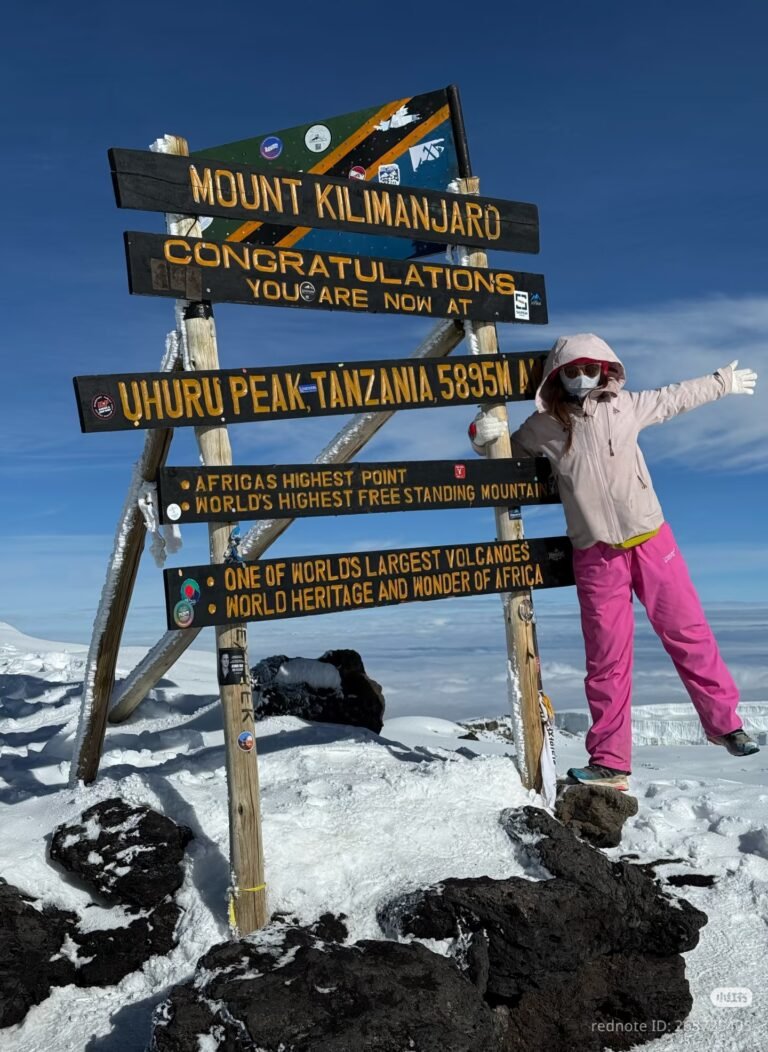
Kilimanjaro And Great Migration Safari August : Your Peak Season Adventure
Plan your ultimate Tanzanian adventure in August 2027, combining a Kilimanjaro climb with the spectacle of the Great Migration. This guide details the best timings, routes, and safari...
View package detailsKilimanjaro And Mara River Crossing Safari July 2027
Kilimanjaro and Mara River Crossing Safari July 2027 is explained with current 2027 planning, price, itinerary and booking information.
View package details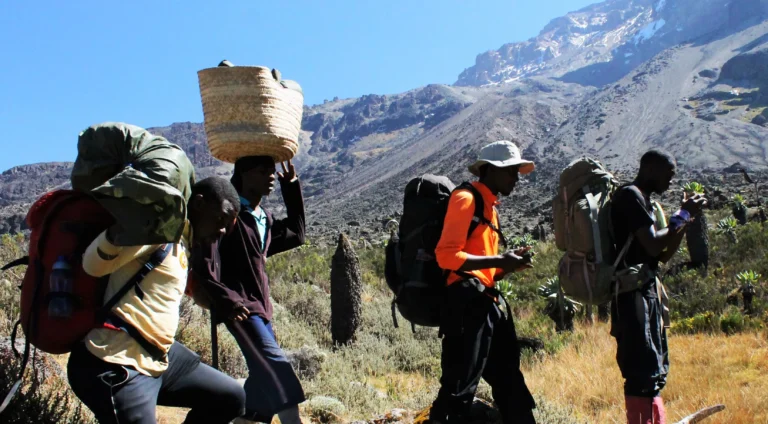
Best Kilimanjaro And Serengeti Calving Season Safari March 2027
Discover the magic of a March 2027 Kilimanjaro and Serengeti calving season safari. This guide explores the unique advantages and considerations for experiencing Tanzania's wildlife...
View package details
Kilimanjaro And Serengeti Calving Safari February : The Ultimate Planning
Combine the majesty of Mount Kilimanjaro with the impressive spectacle of the Serengeti's calving season in February 2027. This guide details how to plan this dual adventure, focusing on...
View package details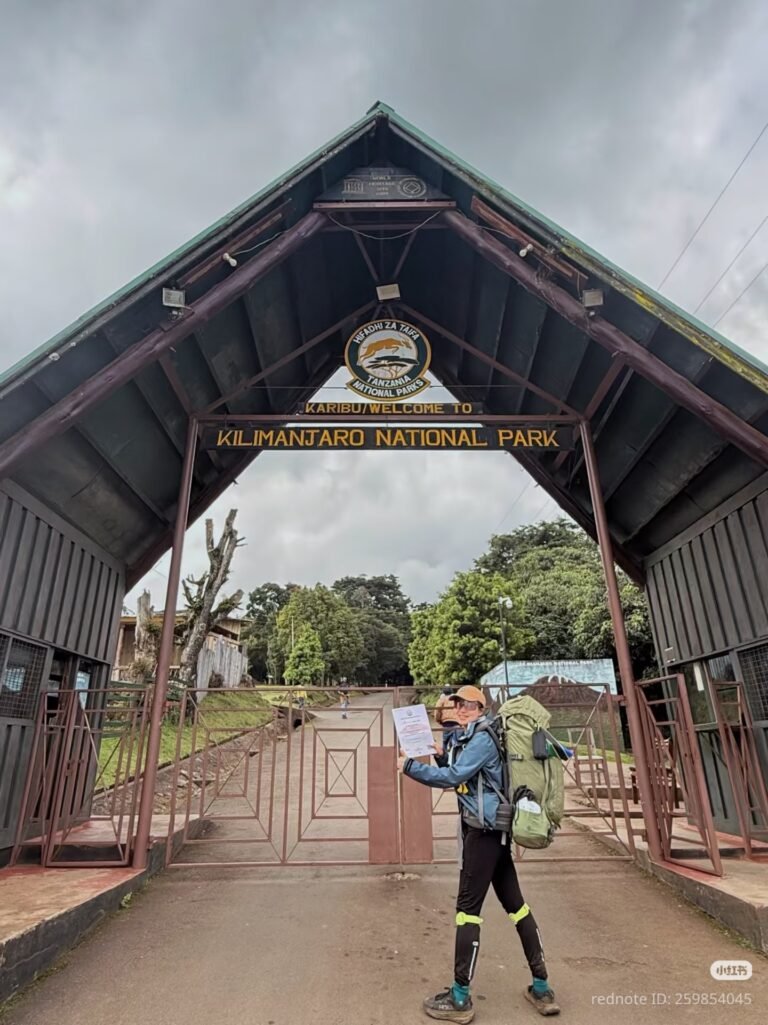
Kilimanjaro And Serengeti Calving Safari January 2026-2027
Kilimanjaro and Serengeti Calving Safari January 2027 is explained with current 2026-2027 planning, price, itinerary and booking information.
View package detailsNo related package matches those filters. Clear one or more filters to see the other topic-matched options.



