
A Tanzania wildlife filming safari in 2026-2027 typically involves significant costs for specialized vehicles, highly experienced guides with filming knowledge, and various permits. Budgeting requires careful consideration of daily vehicle hire rates (often ranging from $300-$800+ USD per day depending on type and duration), guide fees (around $100-$250+ USD per day for a dedicated filming guide), and filming permits from authorities like TANAPA and TFDC, which can vary widely but often start from a few hundred dollars and can escalate based on production scale and location, potentially reaching thousands for extensive projects. Planning well in advance is crucial for securing the best resources and navigating permit requirements.

Understanding the Core Costs of a Tanzania Wildlife Filming Safari
Embarking on a Tanzania wildlife filming safari is a complex undertaking, far removed from a typical tourist safari. The primary objective is capturing high-quality footage of wildlife in their natural habitats, which demands specific logistical considerations, specialized equipment, and a different approach to planning and execution. Consequently, the costs involved reflect these unique requirements. Unlike a standard holiday, a filming safari prioritizes access, flexibility, and the expertise needed to facilitate professional photographic and videographic work. This involves not just the obvious expenses like vehicles and guides, but also the often-overlooked but critical elements such as permits, conservation fees, and the logistics of supporting a film crew on location. For productions targeting 2026 or 2027, early planning is paramount to ensure availability of top-tier resources and to navigate the evolving landscape of filming regulations and park access.
The core financial components of any Tanzania wildlife filming safari can be broadly categorized into three main pillars: vehicle and equipment transport, specialized human resources (guides and crew), and regulatory compliance (permits and fees). Each of these pillars has its own sub-components and cost drivers, which we will explore in detail. It’s essential to approach this budgeting process with a clear understanding of your production’s specific needs, scale, and duration, as these factors will significantly influence the final figures.
When budgeting for a Tanzania wildlife filming safari, it’s vital to remember that this is not a one-size-fits-all scenario. Costs can fluctuate based on the specific parks you intend to film in (e.g., Serengeti, Ngorongoro, Selous), the duration of your shoot, the size of your crew, and the type of footage you aim to capture. For instance, filming in the highly sensitive Ngorongoro Conservation Area might incur different fees and require more stringent permit conditions than filming in the vast plains of the Serengeti. Similarly, a small documentary crew might have different vehicle and guide needs compared to a large commercial production.
We’ll explore each of these cost areas, providing practical insights based on our experience facilitating film crews in Tanzania. Our aim is to equip you with the knowledge needed to accurately estimate your budget for a successful Tanzania wildlife filming safari, whether your production is planned for late 2026 or well into 2027.
Vehicle Hire for Tanzania Wildlife Filming Safaris: Beyond the Tourist Jeep
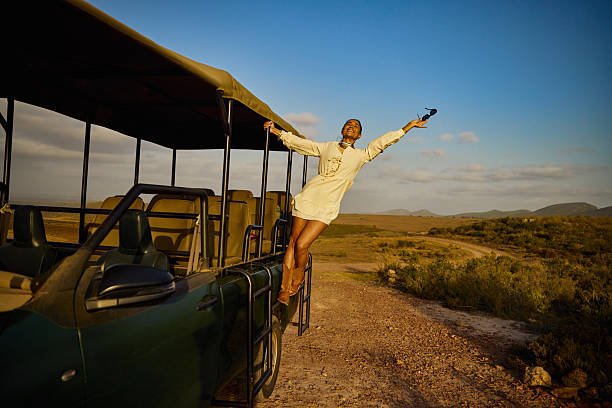
The choice of vehicle is perhaps one of the most significant cost drivers on a Tanzania wildlife filming safari. While a standard safari tourist might be content with a 7-seater Land Cruiser, film crews often require specialized vehicles that can accommodate camera equipment, provide stable shooting platforms, and offer extended range and comfort for long shooting days. These are not your average rental cars; they are robust, purpose-built machines designed for the demanding Tanzanian terrain and the specific needs of wildlife cinematographers.
Specialized 4×4 Safari Vehicles
For serious wildlife filming, the backbone of your operation will likely be a customized 4×4 safari vehicle. These are typically modified Land Cruisers or Land Rovers, built for durability and off-road capability. Key modifications for filming purposes include:
- Pop-up Roofs: Essential for 360-degree shooting angles and accommodating larger camera setups. These are often reinforced and designed to allow steady filming from a standing or kneeling position.
- Extended Wheelbase: Providing more space for equipment and crew.
- Reinforced Suspension: To handle rough terrain and the weight of camera gear.
- Power Inverters/Charging Stations: Crucial for keeping batteries charged throughout long shooting days. Many film crews require robust power solutions that can handle multiple high-drain devices simultaneously.
- Customizable Seating Arrangements: Allowing for optimal positioning of camera operators and assistants. Some vehicles can be configured to remove rear seats entirely to maximize space for tripods and other large equipment.
- Low-Noise Engines: Some operators offer vehicles with quieter engines, which can be invaluable when trying to get close to sensitive wildlife without disturbing them.
The daily cost for such a specialized 4×4 safari vehicle can range significantly. For a standard, well-equipped safari cruiser used for filming, expect rates from $300 to $600 USD per day. However, for vehicles with more extensive modifications, such as gyro-stabilized camera mounts, advanced power systems, or those specifically designed for low-speed, stealthy approaches, costs can easily climb to $700 or even $800+ USD per day. These higher-end vehicles are often preferred for high-budget productions or when specific cinematic shots are paramount. For planning purposes for your Tanzania wildlife filming safari in 2026-2027, it’s prudent to budget towards the higher end of this range to ensure you secure the best possible equipment.
Considerations for Different Vehicle Types
Beyond the standard Land Cruiser, other vehicle types might be considered depending on the specific filming needs and locations:
- Open-Sided Safari Vehicles: While offering excellent visibility, these are generally less suitable for professional filming due to stability issues and lack of protection from elements. They are more common for general tourism.
- Trucks or Larger Vans: For transporting large amounts of equipment and crew between locations, a larger support vehicle might be necessary. These would be additional to the primary filming vehicles.
- Specialized Mounts: If your production requires complex camera stabilization, you might need to budget for renting specialized mounts (e.g., cranes, sliders, remote heads) which are often mounted onto the vehicle.
Duration and Mileage
Vehicle hire costs are typically quoted on a daily basis. However, it’s essential to clarify what is included. Most operators will include a certain mileage allowance per day, with additional charges for exceeding this limit. For a Tanzania wildlife filming safari, long driving days are common, so understanding mileage policies is critical. If your shoot involves extensive travel across large parks like the Serengeti or Ruaha, mileage could become a significant factor.
Fuel is almost always an additional cost. A Tanzania wildlife filming safari can consume a considerable amount of fuel due to the distances covered and the often-demanding driving conditions. Factor in roughly $50-$100+ USD per day for fuel, depending on the vehicle’s fuel efficiency and the extent of driving.
Insurance and Maintenance
Reputable operators will include comprehensive insurance and regular maintenance in their daily rates. However, it’s wise to confirm the extent of this coverage. For a filming vehicle, ensuring it’s in peak condition is non-negotiable. A breakdown in a remote area can be disastrous for a film schedule. For productions in 2026-2027, confirm the operator’s emergency support and vehicle replacement policy.
Booking in Advance
Specialized filming vehicles are in high demand, especially during peak seasons. For a Tanzania wildlife filming safari planned for 2026 or 2027, booking your preferred vehicle well in advance, ideally 9-12 months ahead, is highly recommended. This ensures availability and allows you to negotiate terms for longer shoots. Last-minute bookings can lead to compromises on vehicle type or significantly inflated prices.
Key Takeaway on Vehicle Costs:
For your Tanzania wildlife filming safari, budget a minimum of $300-$800+ USD per day per specialized vehicle, plus an estimated $50-$100+ USD per day for fuel. Always clarify inclusions, exclusions, and mileage policies. Booking 9-12 months ahead for 2026-2027 is essential.
Expert Guides: The Unseen Asset of a Filming Safari
A guide on a standard safari is knowledgeable about wildlife. A guide for a Tanzania wildlife filming safari is a different breed. They are not just trackers and drivers; they are collaborators, experts in animal behavior, sensitive to the needs of a film crew, and often possess an understanding of photographic opportunities. Their role is critical in maximizing your chances of capturing unique wildlife moments, ensuring safety, and navigating the complex park regulations smoothly. Their fees reflect this specialized expertise and the immense value they bring to your production.
What Makes a Filming Safari Guide “Expert”?
An expert guide for a filming safari typically possesses:
- Deep Wildlife Knowledge: Beyond identifying species, they understand their habits, territories, breeding cycles, and potential behaviors that present filming opportunities (e.g., predator-prey interactions, nesting, migration patterns).
- Filming Sensitivity: They know how to approach wildlife without causing stress, understand the importance of light and composition, and can anticipate animal movements relevant to camera angles. They are patient and understand the need for long waits.
- Vehicle Maneuvering Skills: They are adept at positioning the vehicle for optimal shots, often in challenging terrain, while ensuring the safety of the crew and respecting park rules. This includes knowing where to stop, how to turn, and how to use the vehicle to shield or frame shots.
- Local Area Expertise: Extensive knowledge of the specific parks and reserves, including prime filming locations, seasonal animal movements, and less-visited areas that might offer unique opportunities.
- Safety and First Aid: A strong understanding of wildlife safety protocols and basic first aid is indispensable.
- Communication Skills: The ability to communicate effectively with the film director or cinematographer, understanding their needs and translating them into actionable guidance for tracking and positioning.
Cost Structure for Filming Guides
The daily rate for a dedicated, expert filming guide for your Tanzania wildlife filming safari will be higher than that of a standard safari driver-guide. Expect to pay in the range of $100 to $250+ USD per day. This rate usually includes their salary, accommodation, meals, and park entry fees. It is crucial to clarify what is included in the guide’s daily rate when obtaining quotes for 2026-2027.
Some productions might opt for a combination: a primary driver-guide who also acts as a tracker and local expert, and a separate specialist guide focused purely on wildlife behavior and spotting opportunities. This tiered approach can increase costs but might be necessary for highly ambitious projects.
The Value Proposition: Why Pay More?
Investing in a top-tier filming guide is not an expense; it’s an investment in the success of your production. A great guide can:
- Significantly increase your chances of capturing rare or dramatic wildlife events.
- Save you valuable time by knowing precisely where to look and when.
- Ensure you have the best possible light and angles for your shots.
- Help you avoid costly delays or missed opportunities due to poor positioning or lack of knowledge.
- Provide essential insights into animal behavior that can inform your shooting strategy.
For a Tanzania wildlife filming safari, particularly one planned for the competitive filming windows of 2026 or 2027, having a guide who is a true asset to the creative process is invaluable. They can often predict animal movements or locate elusive species that other guides might miss.
Additional Crew and Support Staff
Beyond the guide, you may need to factor in costs for:
- Assistant Guides/Trackers: Sometimes required for specific areas or for enhanced tracking capabilities.
- Fixers: Local production coordinators who handle logistics, permits, and liaise with authorities. Their fees can range from $150 to $400+ USD per day, depending on their experience and the complexity of the job. A good fixer is often indispensable for a smooth filming operation.
- Local Crew: Depending on the production’s needs, you might hire local camera assistants, drivers, or production assistants.
When budgeting for your Tanzania wildlife filming safari, ensure you account for all necessary human resources. The expertise of your local team, from the primary guide to the fixer, can make or break your filming expedition.
Booking Your Guide for 2026-2027
As with specialized vehicles, the best filming guides are highly sought after. For critical filming periods in 2026 and 2027, especially during migration seasons or prime wildlife viewing times, booking your preferred guide and fixer at least 6-9 months in advance is strongly recommended. This ensures you secure individuals with proven track records in wildlife cinematography support.
Key Takeaway on Guide Costs:
Budget $100-$250+ USD per day for an expert filming guide, and potentially additional fees for fixers and assistant crew. This investment is crucial for maximizing filming success on your Tanzania wildlife filming safari.
Permits and Fees: Navigating the Regulatory Landscape
Securing the correct permits and paying the necessary conservation fees are non-negotiable aspects of any Tanzania wildlife filming safari. These regulations are in place to manage tourism, protect wildlife, and ensure that filming activities do not negatively impact the environment or wildlife behavior. The process can be complex, with different authorities overseeing different aspects of filming, and costs can vary dramatically based on the scale and nature of your production.
National Park and Conservation Area Entrance Fees
Every person and vehicle entering a Tanzanian National Park or Conservation Area must pay entrance fees. For filming purposes, these fees are typically higher than standard tourist fees.
- Park Entry Fees: Standard fees can range from $40-$70 USD per person per day, depending on the park.
- Vehicle Entry Fees: These are often charged per vehicle per entry, ranging from $30-$50 USD, with larger vehicles incurring higher costs.
For a filming crew of, say, 4 people and 2 vehicles spending 10 days in the Serengeti, these basic fees alone could amount to several thousand dollars. These fees are usually paid directly to the park authorities (TANAPA for national parks, NCAA for Ngorongoro). For a Tanzania wildlife filming safari, ensure your operator or fixer handles these payments efficiently.
Filming Permits: The Core Regulatory Hurdle
This is where costs can escalate significantly and the process becomes more intricate. Filming permits are required for conducting commercial filming activities within protected areas.
- TANAPA (Tanzania National Parks Authority) Filming Permit: This is the primary permit for filming within national parks like the Serengeti, Kilimanjaro, Tarangire, and Mikumi. The cost is highly variable. For documentary crews, it might start from a few hundred dollars for basic filming. However, for feature films, commercials, or productions requiring extensive access or drone usage, fees can range from $1,000 to $5,000+ USD per week or per project.
- TFDC (Tanzania Film Censorship Board): You will likely need clearance from the TFDC, which issues a filming license. This ensures your content aligns with national regulations. Fees are typically modest, around $100-$300 USD, but require submitting your script, synopsis, and crew details.
- Ngorongoro Conservation Area Authority (NCAA) Permit: Filming within the Ngorongoro Crater and its surrounding areas requires a separate permit from the NCAA. These permits can be particularly expensive and restrictive, often costing upwards of $2,000-$5,000+ USD for a short filming period, with additional charges for vehicles and crew. The NCAA is very protective of the crater’s ecosystem.
- Other Authorities: Depending on your filming locations (e.g., community-managed areas, specific reserves), you might need permits from local government authorities or other relevant bodies.
For a Tanzania wildlife filming safari in 2026-2027, it is absolutely essential to work with an experienced local fixer or tour operator who understands the intricacies of the Tanzanian filming permit system. Incorrect or missing permits can lead to heavy fines, confiscation of footage, or even expulsion from the country.
Special Permits and Additional Fees
- Drone Permits: Using drones for aerial filming is subject to strict regulations and requires special permits from multiple authorities, including aviation authorities and park management. This process can be lengthy and costly, potentially adding several thousand dollars to your budget. Drone operations are often heavily restricted or prohibited in sensitive areas.
- Special Access Fees: If your production requires access to restricted areas, filming at night, or setting up base camps within park boundaries, additional fees and special permissions will be necessary.
- Conservation Fees: Beyond park entry, some areas have specific conservation levies.
Factors Influencing Permit Costs
The cost of permits for your Tanzania wildlife filming safari is not static. It is influenced by:
- Type of Production: Documentary, feature film, commercial, news gathering, educational.
- Duration of Filming: Daily, weekly, or project-based fees.
- Scale of Production: Number of crew, equipment, and vehicles.
- Locations: Specific parks and sensitive areas.
- Equipment Used: Especially drones or specialized vehicles.
- Specific Activities: Night filming, use of props, etc.
It is crucial to obtain detailed, up-to-date permit cost information from your local fixer or operator for your planned 2026-2027 shoot. Government fees can change annually.
When to Apply for Permits
The permit application process can take time, often several weeks or even months, especially for complex productions or those requiring drone usage. For a Tanzania wildlife filming safari, start the permit application process at least 3-6 months in advance of your intended filming dates for 2026-2027. TANAPA and TFDC have specific application forms and procedures that must be followed meticulously.
Key Takeaway on Permit Costs:
Budget generously for permits on your Tanzania wildlife filming safari. Basic park fees can add up, but specialized filming permits (TANAPA, NCAA, TFDC) can range from $1,000 to $10,000+ USD depending on production scale and complexity. Drone permits are particularly costly and complex. Start the application process 3-6 months in advance.
Additional Costs and Budgetary Considerations
Beyond the core expenses of vehicles, guides, and permits, a Tanzania wildlife filming safari involves numerous other costs that can add up. Overlooking these can lead to budget overruns and operational challenges. A comprehensive budget for 2026-2027 needs to account for these often-unforeseen expenses.
Accommodation
While standard tourist safaris might involve lodges and tented camps, film crews often require different arrangements.
- On-Location Accommodation: For extended shoots in remote areas, you might need to set up mobile camps or utilize specialized field accommodation. Costs can vary from $150-$500+ USD per person per night for well-equipped mobile camps or remote lodges.
- Staff Accommodation: Ensure you budget for accommodation for your guides, drivers, fixers, and any other support crew.
- Lodge/Camp Bookings: If your filming schedule includes overnight stays in established lodges or tented camps, these rates will apply. Prices range from mid-range camps at $250-$400 USD per person per night to luxury lodges at $600-$1500+ USD per person per night.
For a Tanzania wildlife filming safari, it’s often more practical and cost-effective to arrange accommodation through your tour operator, who can negotiate rates and ensure suitability for film crews.
Food and Catering
Feeding a film crew on location requires careful planning. While lodges and camps provide meals, if you are operating independently in remote areas, you will need to arrange catering.
- On-Location Catering: This can involve hiring a cook and purchasing supplies, or arranging for catered meals. Budget approximately $40-$80 USD per person per day for food and drinks, depending on the complexity and dietary requirements.
- Packaged Lunches: For full days out in the field, packed lunches are essential.
Ensure your budget includes provisions for your entire crew, including any local hires. For a Tanzania wildlife filming safari, access to fresh supplies can be challenging in remote parks, so early planning is key.
Equipment Transport and Logistics
Transporting sensitive camera equipment across vast distances and rough terrain requires specialized handling and potentially additional vehicles.
- Equipment Cases and Protection: Investing in robust, waterproof, and shockproof cases is vital.
- Additional Transport: You may need a separate vehicle solely for camera equipment, especially for larger productions.
- Shipping: If shipping equipment internationally, factor in customs duties, taxes, and courier fees.
Insurance
Comprehensive insurance is a must for any professional filming expedition.
- Equipment Insurance: Covering your valuable camera gear against damage, theft, or loss.
- Travel and Medical Insurance: For all crew members, including emergency evacuation coverage.
- Public Liability Insurance: To cover any unforeseen incidents.
Premiums will vary based on the value of equipment and the duration of the trip. Ensure your policy is valid for filming activities in remote areas.
Contingency Fund
Given the unpredictable nature of wildlife filming and the logistical challenges in Tanzania, a contingency fund is essential. Aim for at least 10-15% of your total budget to cover unexpected costs, delays due to weather, or unforeseen opportunities that require extended filming time.
For any Tanzania wildlife filming safari planned for 2026-2027, this contingency is critical. It allows for flexibility without derailing the entire production if challenges arise.
Communication Costs
Staying connected in remote areas is important for coordination and safety.
- Satellite Phones/Internet: Essential for areas with no mobile signal. Rental costs can be around $100-$300 USD per week, plus usage charges.
- Local SIM Cards: For areas with mobile coverage.
Conservation Contributions
Many productions choose to make additional contributions to local conservation efforts or community projects. While not always mandatory, these can foster goodwill and enhance the positive impact of your filming. This can range from direct donations to supporting local initiatives.
Timing and Seasonality
The time of year you choose for your Tanzania wildlife filming safari can affect costs:
- Peak Season (June-October, December-February): Higher demand for vehicles, guides, and accommodation, potentially leading to higher rates. This is also often prime wildlife viewing time.
- Green Season/Low Season (March-May): Lower demand, potentially more negotiable rates, but weather can be a factor (heavy rains). Wildlife might be more dispersed.
For 2026-2027, consider how seasonality aligns with your filming objectives and budget constraints.
Key Takeaway on Additional Costs:
Factor in accommodation ($150-$1500+ pp/night), catering ($40-$80 pp/day), insurance, equipment logistics, and a crucial 10-15% contingency fund for your Tanzania wildlife filming safari. Communication tools like satellite phones are also important.
Planning Your Tanzania Wildlife Filming Safari: Key Decisions for 2026-2027
Successful execution of a Tanzania wildlife filming safari hinges on meticulous planning and informed decision-making. As you look towards 2026-2027, consider these strategic points to ensure your production runs smoothly and efficiently, maximizing your return on investment in terms of both budget and footage.
Defining Your Production Scope
Before seeking quotes or making bookings for your Tanzania wildlife filming safari, clearly define:
- Objective: What is the primary goal? Documentary, feature, commercial, research?
- Duration: How many days/weeks are required on the ground?
- Crew Size: How many people will be in your film unit?
- Equipment: What cameras, lenses, lighting, sound gear, and support equipment will you use? This dictates vehicle needs.
- Locations: Which specific parks or reserves are essential?
- Specific Wildlife: Are you targeting particular species or behaviors?
The more detailed your plan, the more accurate the quotes you will receive, and the better prepared your local partners will be for your 2026-2027 shoot.
Choosing the Right Operator/Fixer
This is arguably the most critical decision. A local operator or fixer is your gateway to navigating Tanzania’s complexities. Look for:
- Experience with Film Crews: Do they have a proven track record of supporting professional filming operations? Ask for references.
- Knowledge of Permits: Can they demonstrate expertise in securing TANAPA, NCAA, and TFDC permits, especially for specialized activities like drone use?
- Network: Do they have strong relationships with park authorities, conservationists, and local communities?
- Logistical Capabilities: Can they provide reliable vehicles, experienced guides, and manage catering and accommodation in remote areas?
- Communication: Are they responsive, clear, and transparent in their communication?
For your Tanzania wildlife filming safari, partnering with a company like Climb 4 Africa, which understands both the operational demands of filming and the intricacies of Tanzanian logistics, is highly beneficial. Their expertise can save you time, money, and considerable stress.
Itinerary Planning
Develop a flexible yet structured itinerary. Consider:
- Wildlife Migration Patterns: For events like the Great Migration, timing is everything. Research the best months for your target locations in 2026 or 2027.
- Light Conditions: Plan shooting days to maximize the golden hours (early morning and late afternoon).
- Travel Time: Account for significant travel distances between parks and within large reserves.
- Permit Restrictions: Some permits may dictate filming times or locations.
Vehicle and Guide Selection
Based on your scope, select vehicles that can accommodate your gear and crew comfortably and safely. Choose guides who have specific experience assisting film crews, not just general safari guiding.
Permit Application Timeline
As detailed earlier, start the permit process early. For 2026-2027 productions, initiate discussions with your operator about permit requirements and applications at least 6-9 months in advance, especially if drones or special access are involved.
Risk Assessment and Mitigation
Identify potential risks (e.g., wildlife unpredictability, mechanical failures, weather, permit issues, health concerns) and develop mitigation strategies. This includes having backup plans, sufficient insurance, and a well-stocked first-aid kit.
Budget Management
Create a detailed budget, get multiple quotes, and meticulously track expenses. Always include a contingency. For a Tanzania wildlife filming safari, it’s wise to get a detailed breakdown from your operator, clearly itemizing vehicle hire, guide fees, permits, accommodation, fuel, and any other charges.
Working with Local Authorities
Maintain a respectful and cooperative relationship with park rangers, conservation officers, and local authorities. Following their guidance ensures smooth operations and can sometimes lead to unexpected access or cooperation.
Planning a Tanzania wildlife filming safari for 2026-2027 requires a blend of creative vision and logistical precision. By focusing on these key decisions and partnering with experienced professionals, you can significantly enhance your chances of a successful and rewarding production.
Comparing Options: Private vs. Group Filming Safaris
When planning your Tanzania wildlife filming safari for 2026-2027, one of the fundamental decisions influencing costs and operational flexibility is whether to opt for a private charter or a shared arrangement, although for professional filming, private is almost always the standard.
Private Filming Safari Charters
This is the most common and recommended approach for professional wildlife filming.
- Exclusivity: You have dedicated vehicles, guides, and arrangements solely for your production team and equipment.
- Flexibility: Complete control over your schedule, shooting locations, and the time spent with wildlife. You can wait for the perfect shot without impacting other tourists.
- Customization: Vehicles and itineraries can be tailored precisely to your filming needs.
- Cost: Generally higher on a daily basis compared to shared options, but offers unparalleled efficiency and effectiveness for filming. This is where the daily rates for vehicles and guides ($300-$800+ for vehicles, $100-$250+ for guides) are paid exclusively by your production.
For a Tanzania wildlife filming safari, private charters are essential for ensuring that the demands of professional cinematography—long waits, specific positioning, extensive equipment—can be met without compromise.
Shared Filming Safari Options (Limited Applicability)
While less common for professional filming, some limited sharing might occur in specific scenarios:
- Shared Park Entry: Multiple film units might be in the same park, but they typically use separate vehicles and guides.
- Shared Logistics: In rare cases, very small, low-impact productions might share a support vehicle or fixer if their objectives align and permit regulations allow. However, this is generally not advisable for professional wildlife filming due to potential conflicts in objectives and timing.
- Cost Savings (Minimal): Sharing vehicle or guide costs is rarely feasible or desirable for filming. The primary cost savings in shared safaris come from spreading lodge or camp costs among more people, which is less relevant for the specialized needs of film crews.
For a Tanzania wildlife filming safari focused on capturing broadcast-quality footage in 2026-2027, the emphasis will invariably be on private, dedicated resources. The potential for disruption, delays, or missed opportunities from sharing arrangements makes it an impractical choice for most professional productions.
What Influences Your Choice?
The decision for a private charter is usually driven by:
- Production Value: The need to capture high-quality, unique footage.
- Schedule Demands: Strict deadlines and the need for efficiency.
- Equipment Requirements: Space and stability needed for cameras and gear.
- Permit Conditions: Some permits may mandate specific vehicle types or exclusivity.
When you contact operators like Climb 4 Africa for your Tanzania wildlife filming safari, always specify that you are a film production requiring private vehicles and dedicated guides. This ensures they quote you accurately for the specialized services you need.
Key Takeaway on Charter Options:
For a Tanzania wildlife filming safari, always prioritize private charter arrangements for vehicles and guides. This offers the flexibility, control, and specialized support essential for professional filming, despite a higher daily cost.
Making the Booking: Engaging with Climb 4 Africa for Your 2026-2027 Filming Safari
Securing the right support for your Tanzania wildlife filming safari is crucial for its success. Engaging with experienced local operators like Climb 4 Africa can streamline the process, ensuring you have the necessary vehicles, guides, and permits for your 2026-2027 production.
What to Expect When You Inquire
When you reach out to us, be prepared to provide as much detail as possible about your production. This includes:
- Your intended filming dates (for 2026 or 2027).
- The number of crew members.
- The specific parks or regions you wish to film in.
- Your primary filming objectives (e.g., specific animals, behaviors, landscapes).
- Any special equipment requirements (e.g., drone, stabilization mounts).
- Your estimated budget range, if you are comfortable sharing it.
This information allows us to tailor a proposal that accurately reflects your needs and the associated costs for your Tanzania wildlife filming safari.
Our Role in Facilitating Your Shoot
Climb 4 Africa specializes in providing comprehensive safari logistics for various types of travelers, including film crews. We can assist with:
- Sourcing Specialized Vehicles: Identifying and securing appropriate 4×4 safari vehicles equipped for filming.
- Engaging Expert Guides: Connecting you with experienced, professional guides who understand wildlife behavior and the demands of filming.
- Navigating Permit Applications: Working with authorities like TANAPA and TFDC to obtain the necessary filming permits for your 2026-2027 shoot.
- Logistical Management: Arranging accommodation, catering, internal travel, and any other on-ground support required.
- Local Expertise: Providing insights into the best times and locations for wildlife viewing and filming.
The Booking Process
- Initial Consultation: Discuss your requirements with us.
- Proposal and Quote: We will provide a detailed proposal outlining the itinerary, services, and costs. For filming safaris, this will be itemized to show vehicle, guide, permit, and other expenses.
- Agreement and Deposit: Upon agreement, a deposit is typically required to secure bookings, especially for specialized vehicles and guides for 2026-2027.
- Pre-Trip Planning: We will continue to work with you on detailed logistics, permit applications, and any last-minute arrangements.
- On-Ground Support: Our team will be available to ensure your filming safari runs smoothly.
We understand that planning a Tanzania wildlife filming safari involves significant investment and requires a reliable partner. Our commitment is to provide practical, efficient, and professional support tailored to the unique demands of film productions.
To start planning your Tanzania wildlife filming safari for 2026 or 2027, or to discuss specific costs for vehicles, guides, and permits, please do not hesitate to contact us:
- WhatsApp: +255 747 477 898
- Email: climb4africa@gmail.com
We look forward to helping you bring your vision to life in the stunning landscapes of Tanzania.
“,
“faq_schema”: [
{
“question”: “What is the typical daily cost for a specialized filming vehicle on a Tanzania safari in 2026-2027?”,
“answer”: “For a Tanzania wildlife filming safari in 2026-2027, expect daily rates for specialized 4×4 safari vehicles equipped for filming to range from $300 to $800+ USD. This cost often includes the vehicle, a driver-guide, basic insurance, and maintenance, but fuel is usually additional.”
},
{
“question”: “How much does an expert filming guide cost per day for a Tanzania wildlife filming safari?”,
“answer”: “An expert guide specifically experienced in assisting film crews on a Tanzania wildlife filming safari will typically cost between $100 and $250+ USD per day for 2026-2027. This rate usually covers their salary, accommodation, and meals.”
},
{
“question”: “What are the main permits required for a wildlife filming safari in Tanzania, and what is their cost?”,
“answer”: “Key permits for a Tanzania wildlife filming safari include those from TANAPA (National Parks), NCAA (Ngorongoro), and TFDC (Film Censorship Board). Costs vary greatly by production scale, but expect to budget from $1,000 to $10,000+ USD for filming permits alone, plus standard park entrance fees for crew and vehicles. Drone permits are exceptionally costly and complex.”
},
{
“question”: “When should I book my Tanzania wildlife filming safari for 2026-2027?”,
“answer”: “For specialized vehicles and expert guides for a Tanzania wildlife filming safari in 2026-2027, it’s highly recommended to book at least 9-12 months in advance, especially for peak seasons. Permit applications should commence 3-6 months prior to your intended filming dates.”
},
{
“question”: “Are there additional costs to consider for a filming safari beyond vehicles, guides, and permits?”,
“answer”: “Yes, additional costs for a Tanzania wildlife filming safari include accommodation (lodges, tented camps, or mobile camps), catering/food, comprehensive insurance for equipment and crew, fuel, communication devices (like satellite phones), and a contingency fund (10-15% of total budget) for unforeseen expenses.”
}
]
}
“`
Check Availability for Tanzania Wildlife Filming Safari – Vehicle, Guide & Permit Costs 2026-2027
Ready to compare dates, prices, and the best option for your group? Send the package name and travel month so the team can reply with a clear quote, availability, and what is included.
Kilimanjaro And Great Migration Safari July : Your Ultimate Tanzanian
Combining a Kilimanjaro climb with a Great Migration safari in July 2027 offers a spectacular Tanzanian adventure. This guide helps you plan your ideal itinerary, considering the best...
View package details
Kilimanjaro And Grumeti Migration Safari June : The Ultimate Tanzanian
Plan your unforgettable Kilimanjaro and Grumeti Migration safari for June 2027. This comprehensive guide details how to combine the challenge of summiting Africa's highest peak with the...
View package details
Kilimanjaro Christmas Climb And Tanzania Safari : Your Festive Adventure
Combine the magic of a Christmas ascent of Kilimanjaro with a thrilling Tanzania safari in 2026. Discover how to plan this dual adventure for a truly unique festive season.
View package detailsKilimanjaro And Mara River Crossing Safari August : Peak Season Adventure 2027
Combining the ultimate challenge of climbing Mount Kilimanjaro with the awe-inspiring spectacle of the Great Migration river crossing in the Maasai Mara offers an unparalleled African...
View package details
Kilimanjaro And Great Migration Safari August : Your Peak Season Adventure
Plan your ultimate Tanzanian adventure in August 2027, combining a Kilimanjaro climb with the spectacle of the Great Migration. This guide details the best timings, routes, and safari...
View package detailsKilimanjaro And Mara River Crossing Safari July 2027
Kilimanjaro and Mara River Crossing Safari July 2027 is explained with current 2027 planning, price, itinerary and booking information.
View package details
Best Kilimanjaro And Serengeti Calving Season Safari March 2027
Discover the magic of a March 2027 Kilimanjaro and Serengeti calving season safari. This guide explores the unique advantages and considerations for experiencing Tanzania's wildlife...
View package details
Kilimanjaro And Serengeti Calving Safari February : The Ultimate Planning
Combine the majesty of Mount Kilimanjaro with the impressive spectacle of the Serengeti's calving season in February 2027. This guide details how to plan this dual adventure, focusing on...
View package details
Kilimanjaro And Serengeti Calving Safari January 2026-2027
Kilimanjaro and Serengeti Calving Safari January 2027 is explained with current 2026-2027 planning, price, itinerary and booking information.
View package detailsNo related package matches those filters. Clear one or more filters to see the other topic-matched options.



