
A 2-day Mkomazi rhino safari typically involves two full days dedicated to exploring Mkomazi National Park, primarily focused on rhino tracking, with costs influenced by accommodation choices, private versus group tours, and specific inclusions for 2026-2027 travel. Expect to cover the park’s key areas, focusing on the rhino sanctuary, and potentially spot other wildlife like elephants, giraffes, and various antelope species. The itinerary usually starts and ends in Moshi or Arusha, requiring overnight stays, often at lodges or tented camps within or near the park. It’s a focused wildlife experience designed to maximize chances of seeing the critically endangered black rhino.
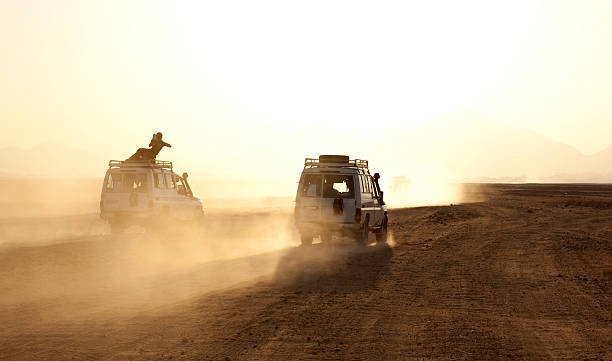
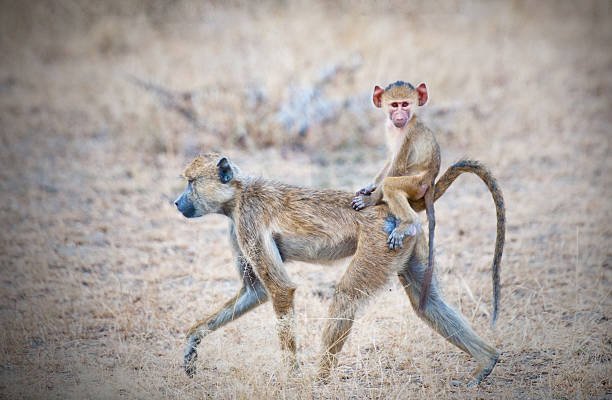
Understanding the 2-Day Mkomazi Rhino Safari
A 2-day Mkomazi rhino safari is a specialized wildlife excursion designed for travelers keen on seeing black rhinos in their natural habitat. Mkomazi National Park, located in northern Tanzania, is one of the most significant conservation areas for rhinos in East Africa. This short safari format is ideal for those with limited time who want a focused wildlife experience, distinct from the more extensive safaris often combined with Kilimanjaro climbs or visits to the northern circuit parks. It offers a chance to contribute to conservation efforts indirectly by visiting a park that relies on tourism for funding its anti-poaching and conservation programs.
This type of safari is not about vast herds or the ‘big five’ spectacle of the Serengeti or Tarangire. Instead, it’s about the thrill of tracking a critically endangered species with dedicated rangers, understanding the challenges of conservation, and experiencing a wilder, less-trodden part of Tanzania. The 2-day duration means efficiency is key, with early starts and late finishes to maximize game viewing and travel time. It’s a practical choice for many, especially those basing themselves in Moshi or Arusha, making it an accessible day trip extension or a standalone short break.
When planning for 2026 or 2027, understanding the nuances of this safari is crucial. The park’s remoteness and the specific conservation efforts for rhinos mean that a well-organized trip is essential for a rewarding experience. This guide aims to break down exactly what to expect, how pricing works, and what logistics are involved in a 2-day Mkomazi rhino safari.
Why Mkomazi National Park for Rhino Tracking?
Mkomazi National Park stands out as a premier destination for rhino tracking due to its dedicated conservation efforts and the presence of a thriving population of black rhinos. Historically, Mkomazi was a place of significant poaching, which decimated its rhino population. However, through concerted efforts by the George Adamson Wildlife Preservation Trust and the Tanzania National Parks Authority (TANAPA), the park has been transformed into a safe haven.
Key reasons why Mkomazi is the go-to for rhino encounters include:
- Rhino Sanctuary: The park hosts a highly successful breeding program for black rhinos within a fenced sanctuary. This ensures a high probability of encountering these magnificent, yet elusive, animals. The sanctuary is managed with intense security to protect the rhinos from poaching.
- Conservation Success Story: Visiting Mkomazi directly supports its conservation mandate. Tourism revenue is vital for funding anti-poaching patrols, veterinary services for the rhinos, and habitat management. Your 2-day Mkomazi rhino safari contributes to the ongoing protection of this species.
- Dedicated Ranger Guides: Rhino tracking in Mkomazi is often conducted with armed rangers from the park. These individuals are experts in rhino behavior, tracking techniques, and the park’s terrain, offering unparalleled insights and ensuring safety.
- Less Crowded Experience: Compared to the more famous northern circuit parks, Mkomazi is less visited. This means a more intimate and authentic wildlife viewing experience, especially when searching for rhinos, where you’re less likely to encounter multiple vehicles at a sighting.
- Other Endangered Species: Besides rhinos, Mkomazi is also a crucial habitat for the endangered African wild dog and has a significant population of elephants, giraffes, zebras, wildebeest, and various antelope species. While the focus is on rhinos, you’ll see plenty more.
The park’s landscape is also varied, featuring dry acacia woodlands, savanna plains, and the dramatic Usambara Mountains forming a backdrop. This diverse environment supports a rich array of wildlife, making even the journeys between sighting areas visually engaging. For those planning a 2026 or 2027 safari, Mkomazi offers a unique blend of conservation, dedicated tracking, and a chance to witness a conservation triumph firsthand.
A Typical 2-Day Mkomazi Rhino Safari Itinerary
This sample itinerary for a 2-day Mkomazi rhino safari is designed to maximize your chances of seeing rhinos while experiencing the park’s other offerings. It assumes starting from Moshi or Arusha, which are the most common departure points.
Day 1: Moshi/Arusha to Mkomazi National Park – Rhino Tracking & Game Drive
- Morning (approx. 7:00 AM): Depart from your hotel in Moshi or Arusha after an early breakfast. The drive to Mkomazi National Park takes approximately 3-4 hours, depending on road conditions and your starting point. Your safari vehicle, typically a 4×4 Land Cruiser, will be equipped for the terrain.
- Late Morning (approx. 10:00 AM): Arrive at Mkomazi National Park. You’ll complete park entry formalities at the gate. Meet your assigned park ranger, who will accompany you for the rhino tracking activity.
- Midday: Rhino Tracking and Sanctuary Visit: Head towards the rhino sanctuary. The tracking often involves a combination of driving and walking (where permitted and safe, accompanied by the ranger). This is your prime opportunity to search for black rhinos. Your ranger will interpret tracks, dung, and other signs. The duration and intensity of the walk depend on rhino movements and your preference.
- Lunch: Enjoy a packed picnic lunch at a designated scenic spot within the park. This is a chance to rest and take in the surroundings.
- Afternoon: Game Drive: After lunch, start a game drive through other sections of Mkomazi. Focus on areas known for elephant sightings, giraffes, zebras, and various antelopes. The park’s varied landscape offers opportunities for diverse wildlife viewing.
- Late Afternoon: Check-in: Drive to your chosen accommodation – either a lodge inside the park (like Babusi Campsite or special camps if available) or a lodge/tented camp just outside the park boundaries.
- Evening: Dinner and Relaxation: Settle in, have dinner, and relax, reflecting on the day’s sightings.
Day 2: Mkomazi National Park – Morning Game Drive & Return to Moshi/Arusha
- Early Morning: Wake up for an early breakfast.
- Morning Game Drive: Head out for a final game drive, focusing on areas you may have missed or revisiting spots where wildlife is commonly seen, such as waterholes or migration routes (depending on the season). You might also seek out the wild dog enclosures if accessible and time permits.
- Late Morning: Park Exit: Begin your drive back towards the park gate.
- Lunch: Depending on your schedule and preference, you might have a final picnic lunch in the park or stop at a local restaurant en route back to your base.
- Afternoon: Transfer to Moshi/Arusha: Drive back to Moshi or Arusha. You should arrive by late afternoon (around 4:00 PM – 5:00 PM).
This itinerary is a template and can be customized. For instance, if you’re particularly interested in birdwatching, you can allocate more time to specific habitats. For 2026-2027 planning, booking this itinerary through a reputable operator like Climb 4 Africa ensures all logistics, permits, and ranger arrangements are handled seamlessly.
Pricing Factors for Your 2-Day Mkomazi Rhino Safari
The cost of a 2-day Mkomazi rhino safari can vary significantly. Understanding these factors will help you budget and compare quotes for your 2026 or 2027 trip. Operators typically provide quotes based on a per-person price, which is then adjusted based on the number of travelers sharing the vehicle and accommodation.
Here are the main components that influence the price:
- Accommodation Level: This is often the biggest differentiator. Options range from budget-friendly campsites (which require you to bring your own gear or rent it) to mid-range lodges or tented camps, and potentially more upscale options if available. Higher-end accommodation means higher costs.
- Private vs. Group Tour: A private safari, where you have a dedicated vehicle and guide for your group, is more expensive per person than joining a shared group departure. Group tours offer cost savings but less flexibility.
- Vehicle Type: While most operators use well-maintained 4×4 safari vehicles, the age and specific features can sometimes influence price.
- Park Fees: Mkomazi National Park has entrance fees, vehicle fees, and potentially separate fees for activities like walking safaris or ranger services. These are usually bundled into the tour price. For 2026-2027, expect these fees to remain a significant portion of the overall cost.
- Guide and Ranger Fees: While the safari driver-guide is included, the park ranger who accompanies you for rhino tracking is a mandatory addition and often incurs a separate fee, which is typically covered by your tour operator.
- Meals: Most safari packages include all meals (breakfast, lunch, dinner). The quality and type of meals (e.g., packed lunches versus restaurant meals) can impact the price.
- Transportation: The cost includes transfers from Moshi/Arusha to Mkomazi and back. The distance and fuel costs are factored in.
- Operator’s Margin and Service Level: Different tour operators have different overheads, service standards, and profit margins. A well-established operator with a strong reputation for service, safety, and conservation support might charge more but offer a superior experience.
For a 2-day Mkomazi rhino safari in 2026-2027, you might expect prices to range roughly from $400 to $800+ per person for a mid-range private safari, depending heavily on the factors above. Budget camping options could be lower, while luxury lodges could push the price higher. It is always best to request a detailed, personalized quote. Ensure the quote clearly outlines what is included and excluded.
What is Typically Included in the Price?
To ensure you’re getting good value and to avoid unexpected expenses on your 2-day Mkomazi rhino safari, it’s vital to know what a standard package should cover. Reputable operators aim to make the experience as hassle-free as possible, so most essential safari components are usually included.
For a typical 2-day Mkomazi rhino safari package, you can generally expect the following to be included:
- Park Entrance Fees: All Mkomazi National Park entry fees for the duration of your safari. This covers your access to the park.
- Accommodation: One night’s accommodation at a lodge, tented camp, or campsite as per your chosen package level. This includes meals at the accommodation.
- Meals: All meals during the safari – typically two lunches, one dinner, and one breakfast. This often includes packed lunches for your days in the park.
- Safari Vehicle: Use of a 4×4 safari vehicle equipped for wildlife viewing, with a pop-up roof for better game observation.
- Driver-Guide: A professional, experienced English-speaking safari driver-guide.
- Ranger Fees: The cost of the mandatory armed park ranger who accompanies you for rhino tracking within the sanctuary.
- Activities: The planned activities such as game drives and guided rhino tracking walks (where applicable and safe).
- Transfers: Round-trip transportation from your hotel in Moshi or Arusha to Mkomazi National Park and back.
When you receive a quote for your 2026 or 2027 safari, carefully review the inclusions list. If anything seems ambiguous, don’t hesitate to ask your tour operator for clarification. This detailed approach ensures you know exactly what you’re paying for and what to prepare for.
What is Usually Not Included?
While comprehensive, safari packages rarely include everything. Understanding what’s typically excluded from your 2-day Mkomazi rhino safari price is just as important as knowing what’s included. This helps you budget for additional expenses and pack accordingly.
Commonly excluded items are:
- International Flights: Flights to and from Tanzania are not part of safari packages.
- Visa Fees: Costs associated with obtaining your Tanzanian visa.
- Travel Insurance: Comprehensive travel and medical insurance are essential but must be arranged separately.
- Tips: Gratuities for your driver-guide, lodge staff, and any other service providers are customary and appreciated but are not included in the tour price.
- Beverages: Alcoholic and non-alcoholic drinks (apart from water provided during game drives) are usually an extra cost at lodges and camps.
- Personal Expenses: Souvenirs, laundry services, communication costs (like Wi-Fi or phone calls), and any other personal items.
- Optional Activities: If there are any optional activities not part of the standard itinerary, they will incur additional charges.
- Pre- and Post-Safari Accommodation: Nights spent in Moshi or Arusha before the safari begins or after it concludes are typically not included unless specified.
Being aware of these exclusions allows for better financial planning for your 2026-2027 trip. It’s always a good practice to ask your tour operator for a detailed breakdown of inclusions and exclusions.
Accommodation Options for Your Overnight Stay
The choice of accommodation significantly impacts the experience and cost of your 2-day Mkomazi rhino safari. Mkomazi offers a range of options, from rustic to more comfortable, catering to different preferences and budgets for your 2026-2027 adventure.
Here’s a look at typical accommodation types:
- Campsites: Mkomazi has designated campsites, such as Babusi Campsite. These offer a very basic but authentic safari experience. You’ll typically have access to shared ablution facilities (toilets and showers). If you opt for camping, you’ll either need to bring your own camping equipment or rent it from your tour operator. This is the most budget-friendly option.
- Park Lodges/Guest Houses: TANAPA operates some simple lodges or guest houses within national parks. These offer more comfort than camping, with private rooms, en-suite bathrooms, and often a dining area. They provide a good balance of comfort and immersion in the park environment.
- Tented Camps (Outside Park): Many tour operators partner with tented camps located just outside the park boundaries. These offer comfortable canvas tents, often with proper beds, en-suite bathrooms, and communal dining areas. They provide a safari feel with a higher level of comfort than basic campsites and are often more readily available than in-park accommodation.
- Lodges (Outside Park): For those seeking more amenities, lodges outside the park offer a higher standard of comfort, including potentially swimming pools, restaurants, and bars. These are usually the most expensive option but provide a relaxing end to your safari days.
When planning for 2026 or 2027, consider what level of comfort you desire. If you’re on a strict budget, camping is the way to go. For a bit more comfort without breaking the bank, a tented camp outside the park is a great compromise. If maximum comfort is key, inquire about the best available lodges. Your tour operator can advise on the best options based on availability and your preferences.
Planning Your 2-Day Mkomazi Safari for 2026-2027
Planning a 2-day Mkomazi rhino safari involves considering several key aspects to ensure a smooth and enjoyable experience. Advance planning is especially important when looking ahead to popular travel years like 2026 and 2027.
Here’s a breakdown of essential planning steps:
- Best Time to Visit: Mkomazi is accessible year-round. However, the dry seasons (June to October and December to February) generally offer the best game viewing conditions, as wildlife congregates around water sources. The landscape is also less overgrown, making spotting animals easier. The rainy seasons can make roads challenging, but they offer lush scenery and fewer tourists.
- Booking Window: For 2026 and 2027, it’s advisable to book your safari at least 3-6 months in advance, especially if you have specific accommodation preferences or wish to travel during peak seasons. This also gives your tour operator ample time to make all necessary arrangements, including securing accommodation and park permits.
- Health Precautions: Consult your doctor about necessary vaccinations and malaria prophylaxis. Tanzania is a malaria-risk area. Ensure you have a well-stocked personal first-aid kit.
- Visa Requirements: Check the latest visa requirements for Tanzania for your nationality. Most nationalities can obtain a visa on arrival or apply online in advance.
- Travel Insurance: Comprehensive travel insurance is non-negotiable. Ensure it covers medical emergencies, evacuation, trip cancellation, and lost belongings.
- Fitness Level: While this is not a strenuous trek, some walking may be involved during rhino tracking. A moderate level of fitness is beneficial.
- Customization: Discuss your interests with your tour operator. Whether you’re passionate about photography, birding, or specific wildlife, your itinerary can be tailored. For instance, if you’re focusing on photography, you might request a vehicle with more space or specific seating arrangements.
By addressing these points well in advance, you can optimize your 2-day Mkomazi rhino safari for 2026 or 2027, ensuring you get the most out of your limited time and focus on the incredible wildlife Mkomazi has to offer.
What to Pack for Your Mkomazi Safari
Packing appropriately for a 2-day Mkomazi rhino safari is key to comfort and practicality. Since you’ll be spending time in the bush and potentially walking, versatile clothing and essential gear are important. Aim for lightweight, breathable items.
Here’s a suggested packing list:
- Clothing:
- Lightweight, neutral-colored clothing (khaki, beige, green) is best for safaris. Avoid bright colors and dark blue/black, which can attract insects or scare wildlife.
- T-shirts and long-sleeved shirts (for sun and insect protection).
- Comfortable trousers or hiking pants (convertible ones are useful).
- Shorts or comfortable skirts (for warmer days).
- A light fleece or sweater for cooler mornings and evenings.
- A waterproof and windproof jacket, especially if traveling during a shoulder season.
- Swimsuit (if your accommodation has a pool).
- Footwear:
- Comfortable walking shoes or hiking boots (broken in) for any walking safaris.
- Sandals or flip-flops for relaxing at the lodge/camp.
- Headwear and Eyewear:
- A wide-brimmed hat for sun protection.
- Sunglasses.
- Health and Personal Items:
- High SPF sunscreen.
- Insect repellent (containing DEET).
- Personal medications and a basic first-aid kit (band-aids, antiseptic wipes, pain relievers, anti-diarrhea medication).
- Hand sanitizer.
- Toiletries (biodegradable if possible).
- Gear:
- Binoculars (essential for wildlife viewing).
- Camera with extra batteries and memory cards. A zoom lens is highly recommended.
- A reusable water bottle.
- A small backpack or daypack for carrying essentials during game drives.
- Headlamp or small flashlight (useful at campsites or lodges).
- Power bank or adapter for charging devices.
Remember to pack light, as luggage space in safari vehicles can be limited. Soft-sided duffel bags are often preferred over hard suitcases. For your 2026 or 2027 trip, ensure your items are durable and suitable for warm, potentially dusty conditions.
Wildlife to Expect Beyond Rhinos
While the primary draw for a 2-day Mkomazi rhino safari is, of course, the chance to see black rhinos, Mkomazi National Park is home to a diverse array of other wildlife. The park’s conservation focus extends to several endangered species, making it a significant ecological area.
Beyond the rhinos, you can expect to see:
- African Wild Dogs: Mkomazi is one of the few places in Tanzania where you have a chance to see the endangered African wild dog. The park has a reintroduction program, and while sightings are rare due to their elusive nature and vast home ranges, it’s a significant possibility.
- Elephants: Large herds of elephants are frequently seen in Mkomazi, especially during the dry season when they seek out water. They are a common sight on game drives.
- Giraffes: The distinctive Masai giraffes are a staple of Mkomazi’s plains and woodlands, often seen browsing on acacia trees.
- Zebra and Wildebeest: These plains grazers are abundant, often seen in large numbers, especially on the open grasslands.
- Antelopes: Mkomazi hosts a variety of antelope species, including oryx, gerenuk (a unique antelope known for standing on its hind legs to reach vegetation), lesser kudu, Grant’s gazelle, Thomson’s gazelle, and dik-dik.
- Predators: While less common than in other parks, you might spot lions, leopards, cheetahs, and hyenas. However, Mkomazi is not primarily known for predator sightings in the same way as the Serengeti.
- Birds: Mkomazi is a birdwatcher’s paradise, with over 400 species recorded. Look out for ostriches, secretary birds, various raptors, guinea fowl, and numerous smaller bird species.
The 2-day itinerary allows for exploration of different habitats within the park, increasing your chances of encountering this variety of wildlife. Even the drives between the rhino sanctuary and other game viewing areas offer constant opportunities for sightings. For travelers in 2026-2027, this diversity adds significant value to the Mkomazi experience.
Logistics and Travel Time Considerations
Understanding the logistics is crucial for a successful 2-day Mkomazi rhino safari, especially given the park’s location relative to common tourist hubs like Moshi and Arusha.
- Distance from Moshi/Arusha: Mkomazi National Park is roughly 150-180 kilometers (90-110 miles) from Moshi and a similar distance from Arusha. The drive typically takes 3 to 4 hours each way.
- Road Conditions: While the main roads leading to the park are generally in reasonable condition, internal park roads can be rough and dusty, especially during the dry season. A sturdy 4×4 safari vehicle is essential for comfortable travel. For 2026-2027 trips, expect these conditions to persist, though park authorities may undertake road improvements.
- Park Gates: There are several gates for entry into Mkomazi. Your tour operator will know the most convenient one based on your starting point and accommodation.
- Time Management: With only two days, efficient time management is key. Early starts are mandatory to maximize daylight hours for game viewing and to account for travel time. The itinerary is designed to balance travel, activities, and relaxation.
- Connectivity: Mobile phone reception can be patchy to non-existent in many parts of Mkomazi. Internet access will likely be limited to your accommodation, if available at all. It’s wise to inform loved ones of your limited connectivity before you depart.
- Internal Park Travel: Travel within the park is restricted to designated tracks. Your driver-guide will navigate these, often accompanied by a park ranger for specific activities like rhino tracking.
When booking your 2026 or 2027 safari, discuss the travel times and road conditions with your operator. They can provide realistic expectations and ensure the vehicle and itinerary are suited to the conditions.
Booking Your 2-Day Mkomazi Rhino Safari
Securing your 2-day Mkomazi rhino safari is a straightforward process when you partner with an experienced tour operator. For travelers planning for 2026 or 2027, starting this process well in advance is recommended to ensure availability and to secure preferred accommodations or dates.
Here’s how to proceed:
- Choose a Reputable Operator: Look for tour companies with a proven track record in Tanzania safaris and specific experience with Mkomazi. Operators like Climb 4 Africa specialize in Tanzanian wildlife experiences and can tailor itineraries to your needs.
- Request a Custom Quote: Once you have an operator in mind, contact them with your desired dates for your 2-day Mkomazi rhino safari. Specify the number of travelers, your preferred accommodation style (budget, mid-range, luxury), and any special interests. This allows them to generate a precise quote.
- Review the Itinerary and Inclusions: Carefully examine the proposed itinerary and the list of inclusions and exclusions. Ensure it aligns with your expectations and budget for your 2026-2027 trip.
- Confirm Booking Details: Upon agreement, you’ll typically need to pay a deposit to confirm your booking. The remaining balance is usually due closer to the travel date, often 30-60 days prior.
- Provide Necessary Information: You’ll need to provide personal details, passport information, and any dietary requirements or medical conditions.
Working with a local expert means you benefit from their knowledge of the park, established relationships with park authorities and lodges, and their ability to handle all the logistical complexities. For those planning their 2026 or 2027 adventure, reaching out early ensures a well-organized and memorable Mkomazi rhino safari.
For personalized assistance with your 2-day Mkomazi rhino safari and to get a detailed quote for 2026-2027, contact Climb 4 Africa:
- WhatsApp: +255 747 477 898
- Email: climb4africa@gmail.com
They can help craft an itinerary that perfectly suits your interests and budget, ensuring a fantastic experience in Mkomazi National Park.
Check Availability for 2 Days Mkomazi Rhino Safari: Price Guide & Full Itinerary 2026-2027
Ready to compare dates, prices, and the best option for your group? Send the package name and travel month so the team can reply with a clear quote, availability, and what is included.
Kilimanjaro And Mara River Crossing Safari August : Peak Season Adventure 2027
Combining the ultimate challenge of climbing Mount Kilimanjaro with the awe-inspiring spectacle of the Great Migration river crossing in the Maasai Mara offers an unparalleled African...
View package details
Kilimanjaro And Great Migration Safari August : Your Peak Season Adventure
Plan your ultimate Tanzanian adventure in August 2027, combining a Kilimanjaro climb with the spectacle of the Great Migration. This guide details the best timings, routes, and safari...
View package detailsKilimanjaro And Mara River Crossing Safari July 2027
Kilimanjaro and Mara River Crossing Safari July 2027 is explained with current 2027 planning, price, itinerary and booking information.
View package detailsKilimanjaro And Great Migration Safari July : Your Ultimate Tanzanian
Combining a Kilimanjaro climb with a Great Migration safari in July 2027 offers a spectacular Tanzanian adventure. This guide helps you plan your ideal itinerary, considering the best...
View package details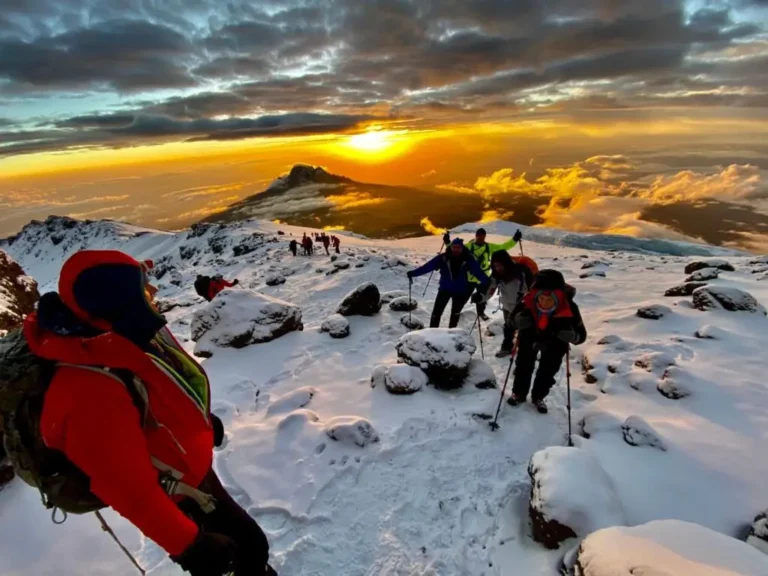
Kilimanjaro And Grumeti Migration Safari June : The Ultimate Tanzanian
Plan your unforgettable Kilimanjaro and Grumeti Migration safari for June 2027. This comprehensive guide details how to combine the challenge of summiting Africa's highest peak with the...
View package details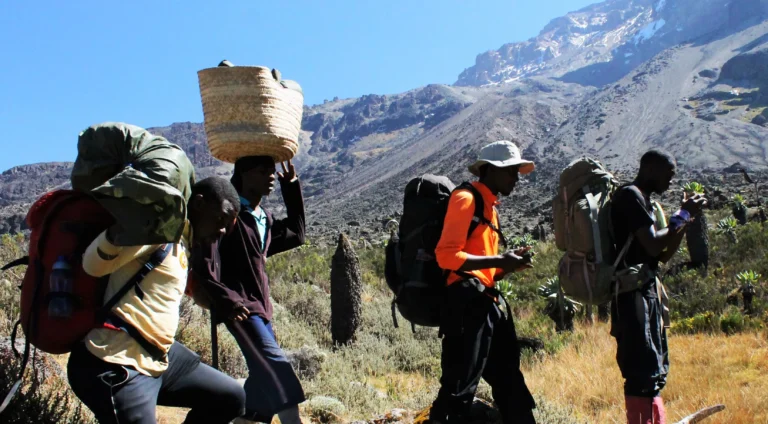
Best Kilimanjaro And Serengeti Calving Season Safari March 2027
Discover the magic of a March 2027 Kilimanjaro and Serengeti calving season safari. This guide explores the unique advantages and considerations for experiencing Tanzania's wildlife...
View package details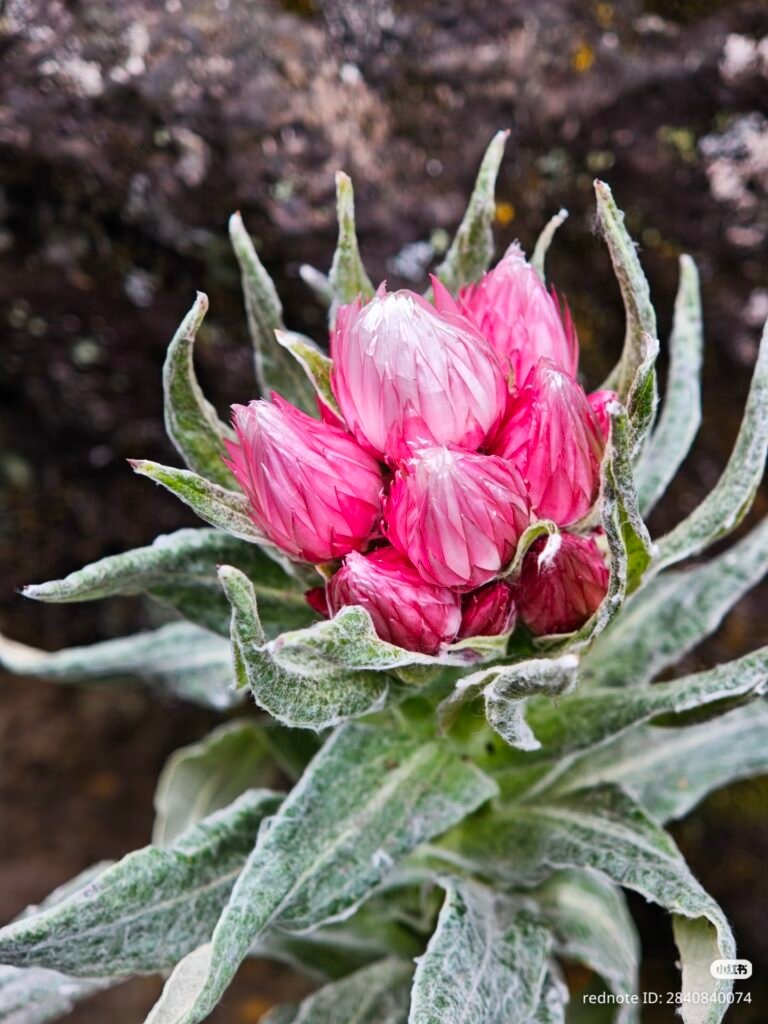
Kilimanjaro And Serengeti Calving Safari February : The Ultimate Planning
Combine the majesty of Mount Kilimanjaro with the impressive spectacle of the Serengeti's calving season in February 2027. This guide details how to plan this dual adventure, focusing on...
View package details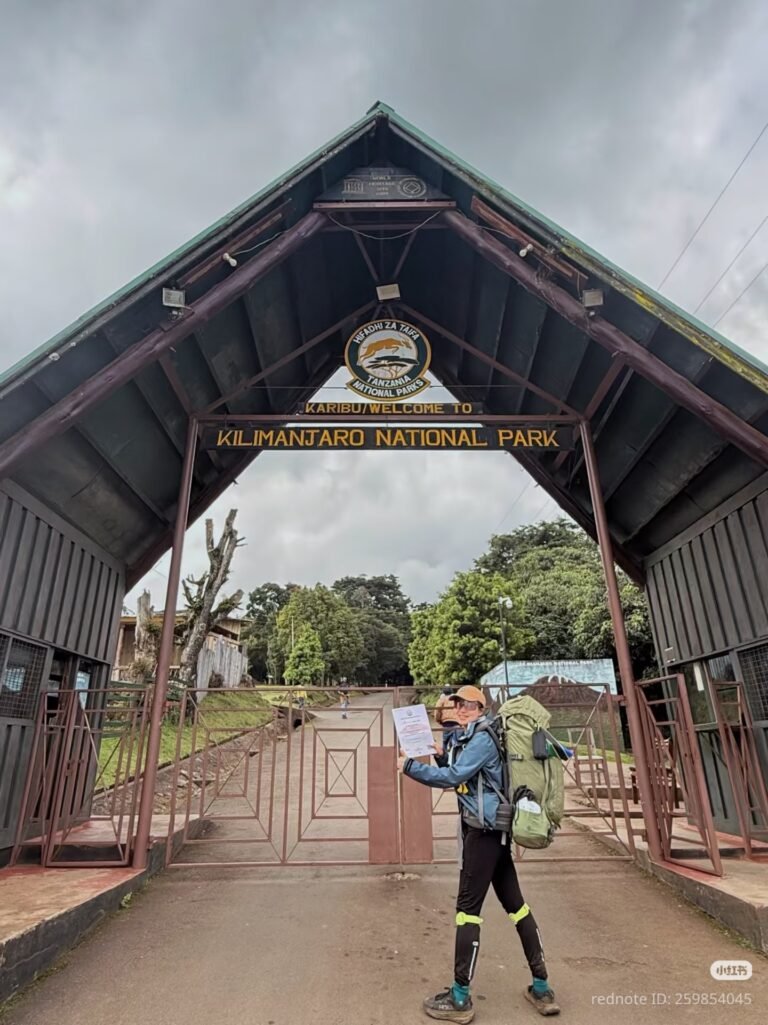
Kilimanjaro And Serengeti Calving Safari January 2026-2027
Kilimanjaro and Serengeti Calving Safari January 2027 is explained with current 2026-2027 planning, price, itinerary and booking information.
View package details
Kilimanjaro Christmas Climb And Tanzania Safari : Your Festive Adventure
Combine the magic of a Christmas ascent of Kilimanjaro with a thrilling Tanzania safari in 2026. Discover how to plan this dual adventure for a truly unique festive season.
View package detailsNo related package matches those filters. Clear one or more filters to see the other topic-matched options.



