
A Mkomazi National Park day trip from Moshi typically costs between $200 to $450 per person, depending on group size, vehicle type, park fees, and included services. The itinerary usually involves an early morning departure from Moshi, a 2-3 hour drive to the park, a full day of game driving focusing on its unique dry-land species like the black rhino and wild dogs, and a late afternoon return to Moshi, with costs encompassing transport, park entry, a guide, and potentially lunch.
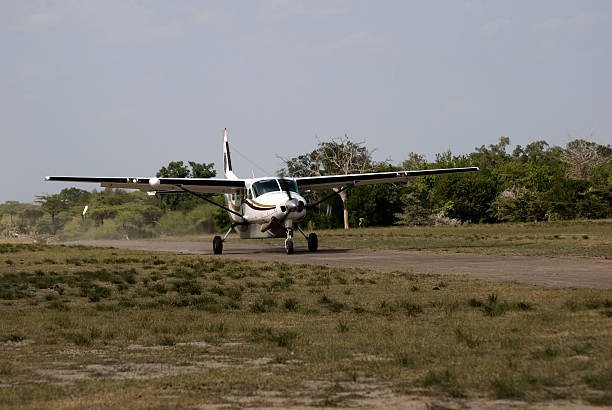
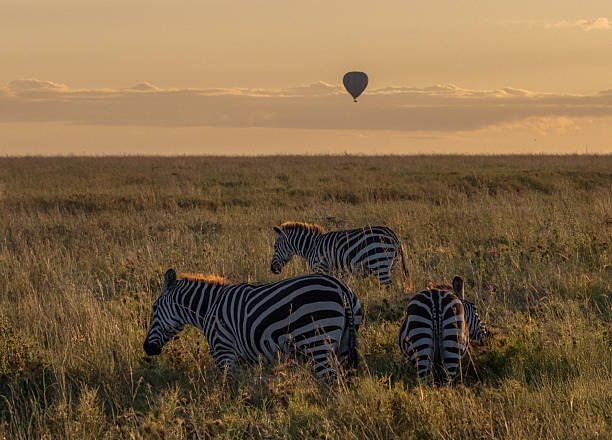
Planning a Mkomazi National Park day trip from Moshi offers a distinct safari experience, different from the more famous northern circuit parks. It’s a chance to see species adapted to arid environments and contribute to conservation efforts. For travelers based in Moshi, whether preparing for a Kilimanjaro climb or enjoying a safari, Mkomazi presents a compelling, albeit less-traveled, option for a single day of wildlife exploration. This guide will break down the practicalities, from understanding the costs involved for 2026-2027 travel to crafting an effective itinerary.
Understanding Mkomazi National Park
Mkomazi National Park is located in north-central Tanzania, bordering Kenya to the north. Its landscape is characterized by dry savanna, acacia woodlands, and rocky hills. Unlike its more verdant counterparts, Mkomazi’s ecosystem is shaped by its semi-arid climate, making it a sanctuary for species that thrive in these conditions. The park is particularly renowned for its successful breeding programs for the critically endangered black rhino and the African wild dog. These conservation efforts are central to Mkomazi’s identity and a significant draw for visitors interested in seeing these rare animals in a protected environment.
The park’s remoteness contributes to its appeal as an off-the-beaten-path destination. While it may not boast the sheer density of wildlife found in parks like the Serengeti or Tarangire, Mkomazi offers a more intimate and focused wildlife viewing experience. The vast, open plains allow for excellent visibility of animals, and the absence of large crowds enhances the feeling of being in a truly wild place. For day-trippers from Moshi, Mkomazi provides a viable, albeit long, excursion that offers a different perspective on Tanzania’s biodiversity and conservation challenges.
Conservation Focus
A key aspect of Mkomazi is its strong emphasis on conservation. The park was established in 1989 primarily to protect its endangered species, especially the black rhino and the African wild dog. These animals were brought to Mkomazi for breeding programs in fenced sanctuaries, away from poaching threats. The success of these programs has been remarkable, contributing significantly to the global population of these species. Visiting Mkomazi means you are directly supporting these vital conservation initiatives through your park fees and tourism revenue. This aspect adds a layer of purpose to a day trip, making it more than just a wildlife viewing exercise.
The park’s management, often in collaboration with organizations like the George Adamson Wildlife Preservation Trust, has been instrumental in its recovery. The fenced sanctuaries are a testament to the dedicated efforts to secure a future for these iconic animals. For a day visitor, this means there’s a high probability of seeing rhinos and wild dogs within these designated areas, making the long journey worthwhile. Understanding this conservation background enriches the experience, allowing visitors to appreciate the park’s significance beyond its scenic beauty.
Geography and Access from Moshi
Mkomazi National Park is situated approximately 150-180 kilometers northeast of Moshi. The journey typically takes between 2.5 to 4 hours one way, depending on road conditions and the specific entrance gate used. The primary access route involves driving towards Taveta, a town on the Kenya-Tanzania border, and then heading into the park. The roads within Mkomazi can be rough and dusty, particularly during the dry season, which is a factor to consider for comfort and vehicle choice. This distance is significant for a day trip, meaning an early start is essential to maximize time within the park.
The park’s vastness means that covering a lot of ground in a single day requires strategic planning. The main attractions, including the rhino sanctuary and areas known for wild dogs, are spread out. Therefore, a knowledgeable guide is crucial to navigate effectively and locate the best wildlife viewing spots. The remoteness also means that services within the park are limited, underscoring the importance of being prepared with everything you need for the day.
Cost Factors for a Mkomazi Day Trip
The cost of a Mkomazi National Park day trip from Moshi is influenced by several key elements. Understanding these factors is crucial for budgeting accurately for your 2026-2027 travel plans. While exact prices can fluctuate, the core components remain consistent.
Park Entry Fees
Park fees are a significant portion of the overall cost. For Mkomazi National Park, as of recent information, the park entry fee for foreign tourists is typically around $20-$30 per person per day. These fees are set by the Tanzania National Parks Authority (TANAPA) and are subject to change. It’s essential to confirm the current rates when booking your trip for 2026 or 2027, as they are often updated annually.
These fees contribute directly to the park’s conservation efforts, infrastructure maintenance, and anti-poaching initiatives. When you book a day trip with a tour operator, these fees are usually included in the package price, but it’s always wise to clarify this to avoid any surprises. For Tanzanian residents and East African citizens, the fees are considerably lower.
Transportation: Vehicle and Fuel
The journey from Moshi to Mkomazi is long, covering rough terrain at times. This necessitates a sturdy 4×4 safari vehicle, which is standard for most Tanzanian safaris. The cost of renting such a vehicle, along with the fuel required for the round trip and extensive game driving within the park, forms a substantial part of the expense. The longer the distance and the more driving involved, the higher the fuel costs will be. For a day trip, the vehicle will be dedicated to your group for the entire duration.
Prices can vary based on the age and condition of the vehicle, the operator’s overheads, and current fuel prices. Operators will factor in the driver’s time, vehicle wear and tear, and insurance. When comparing quotes, ensure the vehicle type is specified. A comfortable, well-maintained 4×4 is essential for the journey, especially the off-road portions within Mkomazi.
Guide Services
A knowledgeable and experienced safari guide is indispensable for a successful Mkomazi day trip. Guides are trained to track animals, understand their behavior, and navigate the park’s extensive network of tracks. Their expertise significantly enhances the wildlife viewing experience, helping you spot elusive species and learn about the ecosystem. The cost of employing a professional safari guide for the day is included in most tour packages.
Guides are often employed by the tour operator and are compensated for their time, knowledge, and the risks associated with driving in remote areas. Their ability to communicate effectively, share insights about conservation, and ensure your safety is part of what you’re paying for. A good guide can make the difference between a mediocre day and an unforgettable adventure.
Group Size and Private vs. Shared Tours
The number of people in your group will directly impact the per-person cost. A private day trip, where you have a dedicated vehicle and guide for your party, will always be more expensive per person than a shared tour. However, private tours offer flexibility and exclusivity.
Shared tours can significantly reduce the cost, making Mkomazi more accessible. These tours are typically arranged for groups of 4-7 people. If you are a solo traveler or a small group looking for a budget-friendly option, finding a shared tour is the way to go. The trade-off is less flexibility in the itinerary and sharing the vehicle with others. For 2026-2027, shared options are a popular choice for budget-conscious travelers.
Private tours offer a more personalized experience. You set the pace, decide where to focus your time, and enjoy the vehicle and guide exclusively. This is ideal for photographers, families, or groups who want maximum comfort and control over their day. While the total cost for a private trip might be higher, the per-person rate can become more competitive for groups of 3-6 people.
Meals and Refreshments
Most Mkomazi day trips include a packed lunch and bottled water. These are usually sourced by the tour operator. The quality and type of lunch can vary. Some operators provide simple packed lunches, while others may offer more elaborate meals. Ensure you clarify what is included. If meals are not included, you’ll need to budget for purchasing them, either before you leave Moshi or at a park lodge if available (though options are limited on a day trip).
Staying hydrated is critical, especially in Mkomazi’s dry climate. Operators typically provide ample bottled water, but it’s wise to confirm the quantity. If you have specific dietary requirements, inform your tour operator well in advance so they can make appropriate arrangements.
Operator Markups and Overheads
Tour operators add their profit margin to the direct costs of the trip. This markup covers their operational expenses, marketing, office staff, booking systems, and the profit they need to run their business sustainably. Different operators will have different pricing structures and overheads, leading to price variations even for similar itineraries.
When evaluating costs for 2026-2027, consider what is included in the price. A lower price might indicate fewer inclusions or a less experienced operator. It’s often beneficial to choose a reputable operator who prioritizes quality service and safety, even if their price is slightly higher. Look for transparency in their pricing and what is covered.
Estimated Cost Range for 2026-2027
Based on these factors, a typical Mkomazi National Park day trip from Moshi for foreign tourists in 2026-2027 can range from:
- Shared Tour: Approximately $200 – $300 per person. This is for travelers joining a group of 4-7 people.
- Private Tour: Approximately $350 – $450 per person for 1-2 people, or $250 – $350 per person for a group of 3-6 people. The per-person cost decreases as the group size increases for private tours.
These figures are estimates and can vary. It’s always best to request a personalized quote from your chosen tour operator. Always clarify what is included (e.g., park fees, meals, water, vehicle, guide) and what is not (e.g., tips for guide/driver, souvenirs).
Sample Itineraries for Your Day Trip
A Mkomazi National Park day trip from Moshi requires an early start and a full day dedicated to exploration. The key is to maximize the time spent within the park, given the considerable travel time. Here are a couple of sample itineraries, adaptable based on your interests and the operator’s logistics for 2026-2027.
Itinerary Option 1: Wildlife Focus (Rhino & Wild Dog Priority)
05:30 AM: Early morning pick-up from your hotel in Moshi. Your safari vehicle and guide will be ready.
05:30 AM – 08:30 AM: Drive from Moshi towards Mkomazi National Park. This involves traveling on paved roads initially, then transitioning to rougher tracks as you approach the park entrance. The journey takes approximately 2.5 to 3 hours.
08:30 AM – 09:00 AM: Arrival at the park gate, completion of entry formalities, and briefing by your guide. Depending on the gate, you might proceed directly to the rhino sanctuary.
09:00 AM – 12:30 PM: Morning game drive. The primary focus will be on reaching the fenced rhino sanctuary. You’ll have opportunities to spot black rhinos within this protected area. Your guide will also be looking for other wildlife, including giraffes, zebras, various antelope species, and potentially the African wild dog, which are often sighted in the early morning or late afternoon.
12:30 PM – 01:30 PM: Picnic lunch at a designated scenic spot within the park. Enjoy your packed meal surrounded by the unique Mkomazi landscape.
01:30 PM – 04:00 PM: Afternoon game drive. Explore different areas of the park, focusing on habitats that might yield sightings of elephants, lions, cheetahs (though less common than in other parks), and various bird species. If wild dogs were not seen in the morning, this is another prime time to search for them.
04:00 PM – 04:30 PM: Begin the drive back to the park gate.
04:30 PM – 07:30 PM: Drive back to Moshi. Depending on road conditions and traffic, you should arrive back at your hotel in Moshi by late evening.
Itinerary Option 2: Broader Wildlife and Scenic Exploration
06:00 AM: Pick-up from your Moshi accommodation. A slightly later start allows for a bit more rest, but means less time in the park.
06:00 AM – 09:00 AM: Drive to Mkomazi National Park (approx. 3 hours).
09:00 AM – 09:30 AM: Park entry and guide briefing.
09:30 AM – 12:00 PM: Morning game drive covering the southern or western sectors of the park. This route might offer sightings of elephants, buffalo, various antelope species like gerenuk (a long-necked antelope adapted to arid conditions), and if you’re lucky, cheetahs. You’ll also visit the rhino sanctuary for a chance to see these magnificent creatures.
12:00 PM – 01:00 PM: Lunch break at a scenic viewpoint or designated picnic area.
01:00 PM – 03:30 PM: Afternoon exploration. Focus on birdwatching opportunities, as Mkomazi is home to a diverse array of bird species. Continue game driving in areas known for general wildlife, perhaps seeking out the African wild dog pack’s territory. The landscape itself, with its rolling hills and acacia trees, offers excellent photographic opportunities.
03:30 PM – 04:00 PM: Head towards the park exit.
04:00 PM – 07:00 PM: Return journey to Moshi.
Important Considerations for Itineraries:
- Early Start is Key: Given the travel time, an early start is non-negotiable for a fulfilling day trip. The 2026-2027 travel season should still see this as a critical factor.
- Guide’s Expertise: Your guide will adapt the itinerary on the ground based on recent animal movements, road conditions, and your specific interests.
- Flexibility: While these are sample itineraries, the actual timing might vary. Operators aim to provide a full day of activity.
- Park Fees & Hours: Ensure your tour operator confirms the park’s operating hours and that your day trip aligns with them.
What to Expect: Wildlife and Scenery
Mkomazi National Park offers a unique wildlife and landscape experience that distinguishes it from other Tanzanian parks. It’s a place for those who appreciate the resilience of nature in challenging environments.
Key Wildlife Sightings
Mkomazi is a sanctuary for species adapted to arid conditions. While you might not see the sheer numbers of animals found in the Serengeti, the quality of sightings can be exceptional:
- Black Rhinos: This is Mkomazi’s flagship species. The park hosts a successful breeding program for black rhinos within a secure, fenced sanctuary. Sightings are highly probable in this area.
- African Wild Dogs: Mkomazi is one of the few places in Tanzania where wild dogs are found. They are elusive, but the park is part of a conservation effort to protect them, and sightings are possible, especially in the early morning or late afternoon.
- Giraffes: Several species, including the Masai giraffe, are commonly seen grazing on acacia trees.
- Antelopes: Mkomazi is home to a variety of antelope species, including the gerenuk (also known as the ‘giraffe gazelle’) with its distinctive long neck, which is well-adapted to browsing on thorny bushes. Other antelopes include the fringe-eared oryx, dik-dik, grant’s gazelle, and hartebeest.
- Zebras: Plains zebras are frequently encountered.
- Elephants: While not as numerous as in parks like Tarangire, elephants do inhabit Mkomazi, especially during certain times of the year.
- Predators: Lions and cheetahs are present, though sightings are less frequent compared to other parks. Leopards are also present but are highly elusive.
- Birds: Mkomazi is a haven for birdwatchers, with over 400 species recorded, including arid-adapted birds, raptors, and migratory species.
The Unique Landscape
The scenery in Mkomazi is starkly beautiful and characteristic of the semi-arid Sahel-Savanna biome. Expect:
- Vast Plains: Expansive grasslands dotted with acacia trees, offering wide-open vistas and excellent visibility.
- Rocky Hills and Inselbergs: Dramatic rocky outcrops and hills punctuate the landscape, providing dramatic backdrops and important habitats for certain species.
- Dry Riverbeds: Seasonal rivers and dry riverbeds are common, often attracting animals seeking water or shade.
- Sparse Vegetation: The vegetation is generally less dense than in wetter regions, with thorn bushes and drought-resistant grasses dominating.
This landscape is ideal for game drives, as the open terrain allows for easy spotting of animals from a distance. The lack of dense forest means you can often see animals moving across the plains for miles.
What Makes Mkomazi Different?
Unlike the lush green landscapes of parks like the Serengeti or Ngorongoro, Mkomazi presents a more challenging, yet rewarding, environment. Its key differentiator is its focus on conservation for endangered species. A day trip here is an opportunity to:
- Witness successful conservation in action (rhino and wild dog breeding programs).
- Experience a less crowded, more wild, and raw side of Tanzanian wildlife.
- See species adapted to dry climates, like the gerenuk, which are not as common elsewhere.
- Contribute directly to conservation efforts through park fees.
The journey itself, though long, is part of the adventure, taking you through rural landscapes and offering a glimpse into the daily life of communities outside the main tourist circuits.
Practical Planning Tips for 2026-2027
To ensure your Mkomazi National Park day trip from Moshi is as smooth and enjoyable as possible, especially when planning for the 2026-2027 travel season, consider these practical tips:
Best Time to Visit
Mkomazi can be visited year-round, but certain periods offer better conditions:
- Dry Season (June to October): This is generally considered the best time for wildlife viewing. Animals tend to congregate around remaining water sources, and the vegetation is less dense, making them easier to spot. The weather is also pleasant, with less rain. However, expect hotter temperatures.
- Wet Season (November to May): The landscape becomes greener and more beautiful. Migratory birds are present. Wildlife viewing can be more challenging due to thicker vegetation and dispersed water sources. Roads can become more difficult to navigate. However, prices might be slightly lower, and there are fewer tourists.
For a day trip, the dry season might offer a slight advantage due to easier driving and more predictable animal sightings, but any time of year can yield rewarding experiences. The 2026-2027 seasons will likely follow these general patterns.
What to Pack
Given the long day and the remote location, packing smart is essential:
- Comfortable Clothing: Light, breathable clothing in neutral colors (khaki, green, brown). Long sleeves and trousers are recommended for sun protection and to guard against insects.
- Warm Layer: Evenings and early mornings can be cool, so a light jacket or fleece is advisable.
- Sun Protection: A wide-brimmed hat, sunglasses, and high SPF sunscreen are crucial due to the strong equatorial sun.
- Insect Repellent: Especially important during dawn and dusk.
- Camera and Binoculars: To capture memories and enhance wildlife viewing. Extra batteries and memory cards are a good idea.
- Personal Medication: If you have any specific medical needs, bring them along.
- Hand Sanitizer and Wet Wipes: For hygiene on the go.
- Snacks: While lunch is usually provided, bringing a few of your favorite snacks is always a good idea.
- Power Bank: To keep your devices charged throughout the day.
Health and Safety
Vaccinations and Malaria Prevention: Consult your doctor or a travel clinic about recommended vaccinations for Tanzania and malaria prophylaxis. Mkomazi is in a malaria-risk area, so discuss preventative measures.
Hydration: Drink plenty of water throughout the day to prevent dehydration, especially during the dry season. Ensure your tour operator provides sufficient bottled water.
Road Conditions: Be prepared for potentially bumpy rides. Inform your driver if you experience any discomfort.
Wildlife Safety: Always follow your guide’s instructions. Never exit the vehicle unless explicitly permitted in a safe, designated area. Maintain a safe distance from all wildlife.
Confirming Inclusions and Exclusions
Before booking your 2026-2027 Mkomazi day trip, always clarify:
- Park Entrance Fees: Are they included?
- Vehicle: Type of 4×4, age, condition.
- Guide: Qualified, experienced, English-speaking (or your preferred language).
- Meals: Packed lunch and bottled water quantity. Any dietary accommodations?
- Activities: What specific areas will be visited? Is rhino tracking guaranteed (within sanctuary limits)?
- What’s NOT Included: Tips for the guide/driver, alcoholic beverages, personal expenses, travel insurance.
This clarity prevents misunderstandings and ensures you know exactly what your budget covers.
Booking Windows for 2026-2027
While a day trip offers more flexibility than a multi-day safari or Kilimanjaro climb, booking in advance is still recommended, especially during peak seasons (typically June-October and December-February).
- Peak Season (2026-2027): Book at least 2-4 weeks in advance to secure your preferred operator and date.
- Low Season: Booking 1-2 weeks in advance might be sufficient, but it’s always safer to book earlier to confirm availability.
Operators need time to arrange vehicles, guides, and logistics. Last-minute bookings are sometimes possible but may come with a premium or limited options.
Booking Your Mkomazi Day Trip
Choosing the right tour operator is paramount for a successful Mkomazi National Park day trip from Moshi. As a specialist in Kilimanjaro climbs and Tanzania safaris, Climb 4 Africa understands the logistics and nuances of day trips to parks like Mkomazi, ensuring a well-organized and enriching experience for your 2026-2027 adventure.
Why Choose a Specialist Operator?
Local operators like Climb 4 Africa possess invaluable knowledge:
- Local Expertise: They know the best routes, the current park conditions, and the most reliable guides.
- Logistical Prowess: They manage all the details – vehicle, fuel, park fees, permits, and guide arrangements – allowing you to focus on the experience.
- Conservation Understanding: They can provide context on Mkomazi’s conservation importance, enhancing your appreciation of the visit.
- Support Network: Being based locally means they can respond quickly to any issues that might arise.
- Value for Money: They offer competitive pricing for quality service, cutting out unnecessary intermediaries.
What to Discuss When Booking
When you contact an operator for a Mkomazi day trip quote, be ready to discuss:
- Your preferred date(s) for 2026 or 2027.
- The number of people in your group.
- Whether you prefer a private or shared tour.
- Your specific interests (e.g., focus on rhinos, birdwatching, general game viewing).
- Your accommodation in Moshi.
- Any dietary requirements or special needs.
This information helps the operator tailor the trip and provide an accurate quote. For instance, if you’re interested in seeing specific animals, they can advise on the best times and areas within Mkomazi, and ensure your guide is briefed accordingly.
Next Steps for Your Trip
Ready to plan your Mkomazi National Park day trip from Moshi? The next step is to get in touch with a trusted local tour operator. For a smooth booking process and expert advice tailored to your 2026-2027 travel plans, consider reaching out to the team at Climb 4 Africa.
You can contact them via WhatsApp at +255 747 477 898 or send an email to climb4africa@gmail.com. Provide them with your travel dates, group size, and any specific requests. They will guide you through the options, confirm costs, and help you finalize your booking, ensuring a memorable and impactful day trip to Mkomazi.
By choosing a reputable operator and planning thoughtfully, your Mkomazi National Park day trip from Moshi will be a highlight of your Tanzanian adventure, offering unique wildlife encounters and a deeper understanding of conservation efforts in this remarkable landscape.
Check Availability for Mkomazi National Park Day Trip From Moshi – Cost & Itinerary 2026-2027
Ready to compare dates, prices, and the best option for your group? Send the package name and travel month so the team can reply with a clear quote, availability, and what is included.
1 Day Nyerere Safari From Zanzibar With Flights 2026-2027
Discover the ultimate 1-day safari adventure from Zanzibar to Nyerere National Park (formerly Selous Game Reserve) with integrated flights for 2026-2027. This guide details the experience…
1 Day Mikumi Safari From Zanzibar With Return Flight 2026-2027
1 Day Mikumi Safari from Zanzibar with Return Flight 2026-2027 is explained with current 2026-2027 planning, price, itinerary and booking information.
Shira Plateau Mountain Bike Day Tour – Cycle Kilimanjaro At High Altitude
Shira Plateau Mountain Bike Day Tour – Cycle Kilimanjaro at High Altitude is explained with current 2026-2027 planning, price, itinerary and booking.
Materuni Waterfalls, Coffee & Cycling Tour – Active Kilimanjaro Foothills Day
Materuni Waterfalls, Coffee & Cycling Tour – Active Kilimanjaro Foothills Day Trip is explained with current 2026-2027 planning, price, itinerary and booking.
Join Group 1 Day Lemosho Route Starting December, Kilimanjaro 2026-2027
Plan your 1-day Lemosho Route trek on Kilimanjaro for December 2026 or 2027. This guide details the experience, what to expect, and how to join a group departure with Climb 4 Africa.
Join Group 1 Day Marangu Route Climb Starting December With 4 Africa 2026-2027
Discover the thrill of a 1-day Marangu Route ascent on Kilimanjaro with Climb 4 Africa's group departures in December 2026 and 2027. This article details the route, what to expect…
Join Group 1 Day Machame Route Starting December | Climb 4 Africa 2026-2027
start a unique 1-day adventure up Kilimanjaro's Machame Route with Climb 4 Africa's organized group departures in December 2026 and 2027. This focused trek offers a taste of the mountain's…
Best Group Joining Ngorongoro Day Trip From Arusha 2026-2027
Discover the most efficient and rewarding way to experience the Ngorongoro Crater on a group joining day trip from Arusha. This comprehensive guide covers everything you need to know for…

Group Joining Tarangire Day Trip From Arusha: Your Essential Guide 2026-2027
Discover the magic of Tarangire National Park on a group joining day trip from Arusha. This comprehensive guide covers everything you need to know for planning your 2026-2027 safari, from…
No related package matches those filters. Clear one or more filters to see the other topic-matched options.



