
A group joining Tarangire day trip from Arusha offers an excellent and budget-friendly way to experience Tanzania’s abundant wildlife, particularly its famous elephant herds and baobab trees. These shared excursions typically depart daily from Arusha, involve a drive of a few hours to the park, a full day of game driving, and return to Arusha in the evening, making them ideal for those with limited time or seeking a more economical safari option for 2026-2027. You’ll share the vehicle and costs with other travelers, significantly reducing the per-person price compared to a private tour.

What Exactly is a Group Joining Tarangire Day Trip from Arusha?
When we talk about a group joining Tarangire day trip from Arusha, we mean a safari excursion where multiple independent travelers pool together to share the cost of a single safari vehicle and guide for a one-day visit to Tarangire National Park. Instead of booking an entire vehicle for yourself, which is the norm for private safaris, you join a pre-arranged departure that’s designed to accommodate several individuals or small groups who don’t know each other. This model is particularly popular for day trips because it makes visiting iconic parks like Tarangire much more accessible financially for solo travelers, couples, or small groups who might otherwise find a private safari too expensive for a single day’s outing.
The core idea is simple: shared expenses mean reduced individual costs. A typical group joining trip from Arusha will depart early in the morning, usually between 6:00 AM and 7:00 AM, after a briefing and breakfast. The drive to Tarangire National Park takes approximately 2 to 3 hours, depending on road conditions and the exact starting point in Arusha. Upon arrival, you’ll spend the majority of the day on a game drive, searching for wildlife with your shared guide and vehicle. The park fees, vehicle hire, and guide’s salary are divided among the participants. Lunch is usually included, often as a packed picnic enjoyed within the park. The return journey to Arusha begins in the late afternoon, typically around 4:00 PM or 5:00 PM, with arrival back in Arusha by early evening, usually between 6:30 PM and 8:00 PM.
This format is ideal for travelers who are already in Arusha, perhaps before or after a Kilimanjaro climb or a longer safari, and want to maximize their wildlife viewing opportunities without committing to an extended, more costly itinerary. It’s a practical solution for experiencing the unique ecosystem of Tarangire, known for its large elephant populations and diverse birdlife, efficiently and affordably. For those planning their trips for 2026 or 2027, understanding this shared travel model is key to unlocking more budget-friendly safari experiences in Tanzania.
Why Choose a Group Trip for Your Tarangire Day Safari?
The primary allure of a group joining Tarangire day trip from Arusha is undoubtedly the cost-effectiveness. A private day trip can be quite expensive, especially when you factor in park fees, vehicle hire, guide fees, and fuel. By sharing these costs with other travelers, the per-person price drops significantly. This makes an otherwise potentially prohibitive excursion accessible to a wider range of travelers, including those on tighter budgets or who are traveling solo. For many, it’s the only way they can afford to experience a Tanzanian national park in a single day.
Beyond the financial benefits, group trips can also offer a sense of camaraderie. While you might not know the other people in your vehicle, you’re all united by a shared purpose: to witness the wonders of Tarangire. This can lead to enjoyable interactions and shared excitement as you spot different animals. It’s a chance to meet fellow travelers and perhaps even share stories and experiences from your broader Tanzania adventures. For solo travelers, this can be a welcome social aspect to their journey.
Furthermore, these trips are designed for convenience. When you book a group joining Tarangire day trip, most of the logistical planning is handled for you. You’re picked up from your accommodation in Arusha, transported in a suitable safari vehicle, guided by an experienced driver-guide, and dropped back off. This removes the stress of organizing transport, navigation, park entry, and finding wildlife yourself, allowing you to simply relax and enjoy the safari experience. This simplicity is a major draw, especially for those new to safari travel or who are coordinating multiple travel elements in Tanzania for 2026 or 2027.
The fixed departure nature of group trips also simplifies scheduling. Many operators offer daily departures, meaning you don’t have to wait for a specific date or gather a minimum number of people to make the trip happen. This flexibility is invaluable when you have a tight itinerary, perhaps fitting the day trip in between other activities or before heading to your next destination. It’s a reliable way to ensure you don’t miss out on experiencing Tarangire’s unique attractions.
However, it’s important to acknowledge the trade-offs. The main one is less flexibility compared to a private tour. In a group, decisions about where to go, how long to spend at a particular sighting, or which routes to take are often made by the guide for the benefit of the entire group. This means you might not have as much say in the pace or focus of the game drive. Also, the vehicle will have a set number of passengers, typically around 6-7, which can impact comfort and viewing angles for some individuals, especially if everyone wants to see the same thing at once. Despite these considerations, for many, the significant cost savings and convenience make the group joining Tarangire day trip from Arusha the ideal choice.
Planning Your 2026-2027 Tarangire Day Trip from Arusha
When planning your group joining Tarangire day trip from Arusha, particularly for travel in 2026 or 2027, a few key considerations will ensure a smooth and enjoyable experience. The first is choosing the right time of year. Tarangire National Park is renowned for its large elephant herds, which are particularly concentrated in the dry season, typically from June to October. During these months, the Tarangire River becomes one of the few reliable water sources, drawing animals from vast distances. This is often considered the peak season for wildlife viewing, meaning higher visitor numbers and potentially higher prices for group trips, although the cost-sharing aspect still makes it more affordable than private options.
The wet season, from November to May, offers a different experience. The landscape is lush and green, and migratory birds are present. While the large elephant herds may disperse, you can still find abundant wildlife, including predators and other herbivores. This period often sees fewer tourists and can be a more budget-friendly time to travel, with more competitive pricing on group tours. The shoulder months, like May and November, can sometimes offer a good balance of decent wildlife viewing and fewer crowds.
Next, consider the operator. For a group joining Tarangire day trip from Arusha, it’s crucial to select a reputable tour operator. Look for companies that have a strong presence in Arusha, understand the local logistics, and have a track record of reliable service. Websites like TripAdvisor or local travel forums can offer insights, but direct communication is often best. A good operator will be transparent about what’s included, the expected group size, and the itinerary. They should also be responsive to your questions regarding 2026-2027 availability and specific departure dates.
What’s included is a vital part of your planning. A standard group joining Tarangire day trip from Arusha usually includes park entry fees, a 4×4 safari vehicle with a pop-up roof, a professional driver-guide, packed lunch, and bottled water. It’s important to confirm if these are indeed part of your package. Some operators might include hotel pick-up and drop-off in Arusha, while others might specify a central meeting point. Exclusions often involve tips for the guide, personal drinks beyond water, and any souvenirs you might purchase. Clarifying these details upfront prevents surprises.
Group size is another factor. While the keyword is ‘group joining’, the actual number of people in the vehicle can vary. Some operators might aim for a maximum of 6-7 passengers in a standard Land Cruiser, while others might squeeze in more. It’s worth inquiring about the typical or maximum number of people per vehicle. Smaller group sizes generally mean more comfortable seating and better viewing opportunities for everyone. For 2026-2027 bookings, ask about their policy on vehicle capacity.
Finally, booking window. While day trips are often booked last minute, especially by travelers already in Tanzania, booking further in advance for 2026 or 2027 can sometimes secure better availability, especially if you have a specific date in mind or are traveling during peak season. Reputable operators, like Climb 4 Africa, can assist with planning and booking your group safari well in advance, ensuring you get a spot on your desired departure.
Traveler Decision Point: Pace vs. Cost
A group joining trip prioritizes cost-sharing and convenience. This means the pace of the game drive is usually set by the guide for the group’s collective experience. If you prefer to spend extended, unhurried time at specific sightings or dictate the direction of the safari, a private day trip, though more expensive, would be a better fit. For most, the value of a group joining Tarangire day trip from Arusha is the ability to see incredible wildlife without the financial burden of a private tour, making it a smart choice for 2026-2027 adventurers.
What to Expect on the Day of Your Tarangire Excursion
The day of your group joining Tarangire day trip from Arusha will begin early. Most operators will arrange for your pick-up from your hotel or lodge in Arusha between 6:00 AM and 7:00 AM. It’s wise to confirm the exact pick-up time the evening before. After a brief introduction to your guide and fellow travelers, you’ll set off. The drive to Tarangire National Park is approximately 2 to 3 hours. The roads can be a mix of paved and unpaved surfaces, so expect a bumpy ride at times, especially as you get closer to and inside the park. Many safari vehicles are equipped with pop-up roofs, offering excellent viewing opportunities, but the journey itself is part of the adventure.
Upon reaching the park entrance, your guide will handle the park fee payments and registration. Once inside, the game drive begins. This is where the shared nature of the trip becomes apparent. You’ll be in a vehicle with other travelers, and the guide will navigate the park’s tracks, looking for animals. While the guide is experienced and knows the park well, you’ll be sharing their attention and the vehicle’s space. It’s polite to communicate with your fellow passengers and the guide about what you’re keen to see, but ultimate decisions on routes and stops are usually made by the guide to ensure the best experience for everyone.
The typical game drive will last for several hours, with a break for lunch. Your packed lunch will likely be enjoyed at a designated picnic site within the park, offering a chance to stretch your legs and take in the surroundings. These sites are often scenic and can sometimes attract curious birds or monkeys, so keep your food secure. After lunch, the game drive continues, often exploring different sections of the park to maximize wildlife sightings. You’ll be scanning the savanna, the riverbanks, and the acacia woodlands for elephants, lions, giraffes, zebras, wildebeest, and a variety of antelopes.
The emphasis for a day trip is on maximizing sightings within the limited time. Guides are skilled at locating animals and will often communicate with other guides to share information about recent sightings. You might find yourself driving for a while without seeing much, and then suddenly encountering a herd of elephants or a pride of lions. Patience and observation are key. Remember to stay inside the vehicle at all times unless you are at a designated picnic spot, as the animals are wild.
The return journey typically starts around 4:00 PM or 5:00 PM. This timing ensures you have a full day in the park while also allowing for the drive back to Arusha before dark. Driving on Tanzanian roads after sunset can be challenging, so guides aim to be back in town by early evening. You can expect to arrive back at your Arusha accommodation between 6:30 PM and 8:00 PM, depending on traffic and road conditions. It’s a long but rewarding day, filled with wildlife encounters and the unique landscapes of Tarangire.
What to Pack for Your Tarangire Day Trip
- Camera and Binoculars: Essential for capturing memories and spotting distant wildlife.
- Sun Protection: A wide-brimmed hat, sunglasses, and high-SPF sunscreen are crucial.
- Comfortable Clothing: Light, neutral-colored clothing is best. Layers are recommended as mornings can be cool and afternoons warm.
- Sturdy Shoes: Comfortable walking shoes or trainers are ideal.
- Insect Repellent: Especially important during the wet season.
- Personal Medications: If you have any specific health needs.
- Snacks: While lunch is provided, some travelers prefer to bring extra snacks.
- A Small Backpack: To carry your essentials.
Tarangire National Park Highlights: What Wildlife to See
Tarangire National Park is often described as a less crowded place, a place of remarkable beauty and exceptional wildlife density, especially during the dry season. For a group joining Tarangire day trip from Arusha, the primary draw is undoubtedly the park’s famous elephant population. Tarangire is home to some of the largest elephant herds in East Africa, and during the dry season months (June to October), they congregate in large numbers along the Tarangire River and its surrounding plains. Witnessing hundreds of elephants, including large family groups with calves, is a truly unforgettable sight and a major highlight for any visitor.
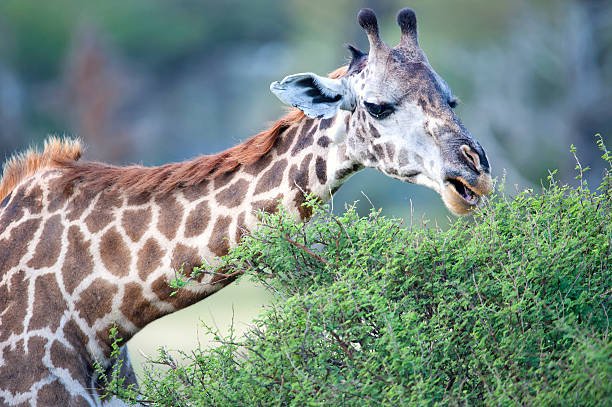
Beyond the elephants, Tarangire boasts a rich diversity of other mammals. You can expect to see large herds of wildebeest and zebras, often grazing alongside the elephants. Giraffes, particularly the distinctively marked Maasai giraffe subspecies, are commonly seen browsing on acacia trees. Various antelope species, such as dik-dik, impala, grant’s gazelle, Thomson’s gazelle, and the greater kudu, are also present. If you’re lucky, your guide might spot more elusive creatures like lions, leopards, cheetahs, and African wild dogs. Tarangire is particularly known for its tree-climbing lions, a behavior less common in other parks.
The park’s landscape itself is a significant highlight. Tarangire is characterized by its vast rolling savannas dotted with iconic baobab trees. These ancient, majestic trees, with their massive trunks, create a surreal and dramatic backdrop to the wildlife viewing. The park’s northern area, in particular, is famous for its dense clusters of baobabs, offering fantastic photographic opportunities. The Tarangire River, which flows year-round, is the lifeblood of the park, attracting animals to its banks, especially during the dry season. The riverine woodland and swamps provide different habitats, supporting a wider array of species.
Tarangire is also a paradise for birdwatchers. With over 550 recorded bird species, it’s one of Tanzania’s richest bird habitats. The park is particularly noted for its high concentration of raptors and its diverse population of endemic species. During the wet season (November to May), migratory birds from Europe and other parts of Africa arrive, further boosting the bird count. Even on a day trip, you can spot colorful species like the lilac-breasted roller, hornbills, eagles, and various kingfishers. Your guide will likely point out interesting avian sightings as you drive.
For a day trip, the focus will be on maximizing sightings of the most prominent wildlife. Elephants, giraffes, zebras, and various antelopes are almost guaranteed. Lions and other predators are possible but less predictable. The sheer density of animals, especially elephants, makes Tarangire a compelling destination for a single-day safari. The unique combination of landscape, abundant elephants, and diverse birdlife ensures that even a short visit leaves a lasting impression. Planning your group joining Tarangire day trip for 2026 or 2027 during the dry season will offer the best chance for concentrated wildlife viewing.
When to Visit Tarangire for Best Sightings (2026-2027)
Dry Season (June – October): This is prime time for wildlife viewing. Large herds of elephants, zebras, and wildebeest are concentrated around the Tarangire River. Expect excellent game viewing but also more visitors and potentially higher prices for group tours. The landscape is drier.
Wet Season (November – May): The park is lush and green, ideal for birdwatching as migratory birds arrive. Wildlife disperses across the park, making sightings potentially more challenging for large herds, but the scenery is beautiful and there are fewer tourists. This can be a more affordable time for group trips.
Shoulder Months (May, November): Can offer a good compromise with improving wildlife viewing and fewer crowds than the peak dry season.
Logistics and Practicalities of a Shared Tarangire Day Trip
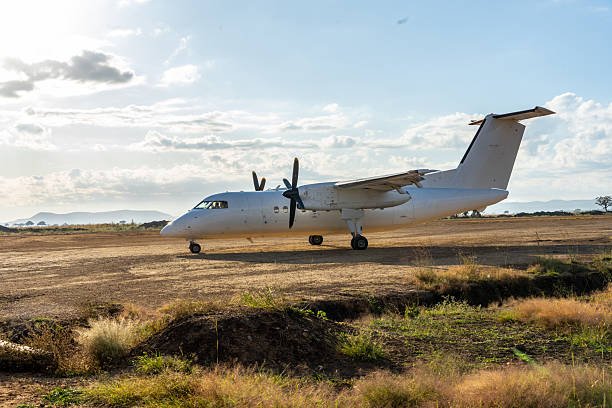
When you book a group joining Tarangire day trip from Arusha, the logistics are typically streamlined to offer maximum convenience. The most common type of vehicle used is a custom-built 4×4 safari Land Cruiser or Land Rover. These vehicles are designed for safari use, featuring high ground clearance to navigate rough terrain and, crucially, a pop-up roof. This pop-up roof is essential for game viewing, allowing you to stand up inside the vehicle and have unobstructed 360-degree views of the wildlife and landscape. The vehicles usually seat between 6 to 7 passengers comfortably, plus the driver-guide. Some operators might use smaller vehicles for smaller groups or larger ones for specific tour types, but for standard day trips, the 6-7 seater is typical.
Park fees are a significant component of the safari cost. For Tarangire National Park, these fees are charged per person per day and are usually included in the price of a group joining trip. As of recent years, park fees can be around $35-$45 USD per person per day, plus vehicle entry fees. Reputable operators will clearly state whether these are included in their quote for 2026-2027 trips. It’s always best to confirm this to avoid unexpected charges.
Meals and drinks on a day trip usually consist of a packed picnic lunch and bottled water. The lunch is prepared by the tour operator and is typically a simple but filling meal, often including sandwiches, chicken or meat, salads, and fruit. You’ll enjoy this at a designated picnic site within the park. Bottled water is usually provided throughout the day, but it’s wise to check the quantity and if refills are available. If you have specific dietary requirements, such as vegetarian, vegan, or allergies, you must inform the tour operator well in advance, ideally at the time of booking your 2026-2027 safari.
Guides are professional, experienced, and knowledgeable about wildlife behavior, park ecosystems, and the best locations for sightings. They are licensed and trained to operate safari vehicles and provide an informative experience. Communication is key; don’t hesitate to ask your guide questions about the animals, the park, or Tanzanian culture. They are a wealth of information. A tip for the guide is customary, though often not included in the initial package price. A general guideline is around $10-$20 USD per person per day, but this can vary based on service quality and group agreement.
Safety is paramount. You will be reminded to stay inside the vehicle during game drives unless you are at a designated picnic area. This is for your safety and the well-being of the wildlife. The vehicles are designed to offer protection, and guides are trained to handle various wildlife encounters. Always follow your guide’s instructions. For health, it’s advisable to use insect repellent, especially during the wet season, and to drink plenty of bottled water to stay hydrated.
Insurance is something to consider. While park fees and the safari itself are covered by the tour operator, personal travel insurance is highly recommended. This should cover medical emergencies, trip cancellations, and lost belongings. It’s a standard recommendation for any international travel, including safaris planned for 2026 or 2027.
Important Note on Group Dynamics
While group trips are cost-effective, remember that you’ll be sharing the vehicle with strangers. Be considerate of others’ viewing preferences and photographic needs. Communicate clearly but respectfully with your guide and fellow travelers. The success of a group trip often hinges on good group dynamics and a shared appreciation for the safari experience.
Booking Your Group Safari in 2026-2027
Securing your group joining Tarangire day trip from Arusha for 2026 or 2027 involves a few practical steps. The most reliable method is to book through a reputable Tanzanian tour operator based in Arusha. These companies have the local knowledge, established relationships with guides and park authorities, and the infrastructure to manage group departures effectively. Websites like Climb 4 Africa specialize in organizing these types of trips and can provide detailed itineraries, pricing, and availability for your chosen dates.
When you inquire, be specific about your interest in a group joining Tarangire day trip. Provide your preferred travel dates for 2026-2027. The operator will then check their schedule for pre-arranged group departures or inform you about the possibility of forming a group for your dates. They should be able to provide a clear quote that outlines what is included (park fees, vehicle, guide, lunch, water) and what is excluded (tips, personal expenses).
Payment terms are important. Typically, operators require a deposit to secure your booking, with the balance due closer to the departure date, often a few weeks or days before. Ensure you understand these terms and the cancellation policy. For bookings made well in advance for 2026 or 2027, understanding the payment schedule is crucial for financial planning.
Communication with the operator is key throughout the booking process. Don’t hesitate to ask questions about the vehicle type, typical group size, guide experience, and any specific concerns you might have. A responsive operator who answers your questions clearly and promptly is a good sign of their professionalism. For example, you can reach Climb 4 Africa via WhatsApp at +255 747 477 898 or email at climb4africa@gmail.com to discuss your 2026-2027 safari plans.
Consider looking for operators who offer shared departure dates. Many companies list their scheduled group departures online, often for longer safaris but also for popular day trips. This allows you to join an existing group, ensuring the trip is confirmed and reducing the waiting time for a group to form. Websites such as Climb 4 Africa’s group departures page can be a good starting point to see available dates for various safaris, including potential day trips.
For those planning further ahead for 2026 or 2027, booking your Tarangire day trip as part of a larger itinerary, like a combination with a Kilimanjaro climb or another safari, can sometimes lead to package discounts or simplified logistics. Discuss your entire Tanzanian travel plan with the operator to see how the group joining Tarangire day trip can best fit in.
Booking Guidance for 2026-2027 Group Trips
When booking your group joining Tarangire day trip from Arusha for 2026-2027:
- Confirm Inclusions: Ensure park fees, vehicle, guide, lunch, and water are covered.
- Clarify Exclusions: Be aware of costs for tips, personal drinks, and souvenirs.
- Understand Payment: Check deposit requirements and final payment deadlines.
- Ask About Group Size: Inquire about the typical number of passengers per vehicle.
- Dietary Needs: Communicate any special dietary requirements well in advance.
- Contact for Quotes: Reach out to operators like Climb 4 Africa (WhatsApp: +255 747 477 898, Email: climb4africa@gmail.com) for personalized quotes and availability for your 2026-2027 dates.
Choosing a group joining Tarangire day trip is a smart, practical decision for experiencing one of Tanzania’s most interesting national parks without breaking the bank. It offers a fantastic opportunity to witness incredible wildlife and unique landscapes, all while sharing the adventure and costs with fellow travelers. With careful planning and the right operator, your 2026-2027 safari day trip to Tarangire will be a highlight of your Tanzanian journey.
Check Availability for Group Joining Tarangire Day Trip From Arusha: Your Essential Guide 2026-2027
Ready to compare dates, prices, and the best option for your group? Send the package name and travel month so the team can reply with a clear quote, availability, and what is included.
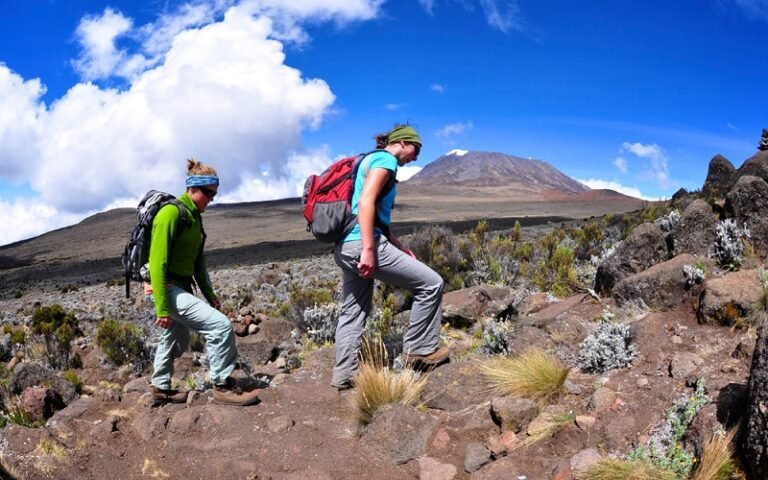
Kilimanjaro And Mara River Crossing Safari August : Peak Season Adventure 2027
Combining the ultimate challenge of climbing Mount Kilimanjaro with the awe-inspiring spectacle of the Great Migration river crossing in the Maasai Mara offers an unparalleled African...
View package details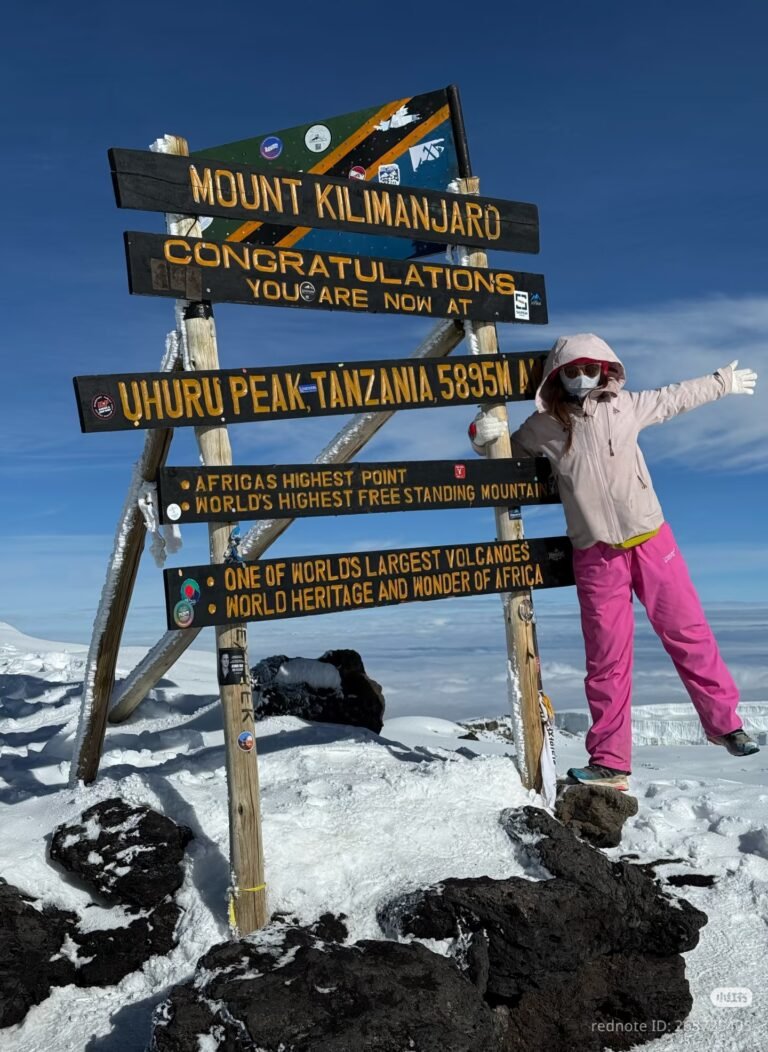
Kilimanjaro And Great Migration Safari August : Your Peak Season Adventure
Plan your ultimate Tanzanian adventure in August 2027, combining a Kilimanjaro climb with the spectacle of the Great Migration. This guide details the best timings, routes, and safari...
View package detailsKilimanjaro And Mara River Crossing Safari July 2027
Kilimanjaro and Mara River Crossing Safari July 2027 is explained with current 2027 planning, price, itinerary and booking information.
View package detailsKilimanjaro And Great Migration Safari July : Your Ultimate Tanzanian
Combining a Kilimanjaro climb with a Great Migration safari in July 2027 offers a spectacular Tanzanian adventure. This guide helps you plan your ideal itinerary, considering the best...
View package details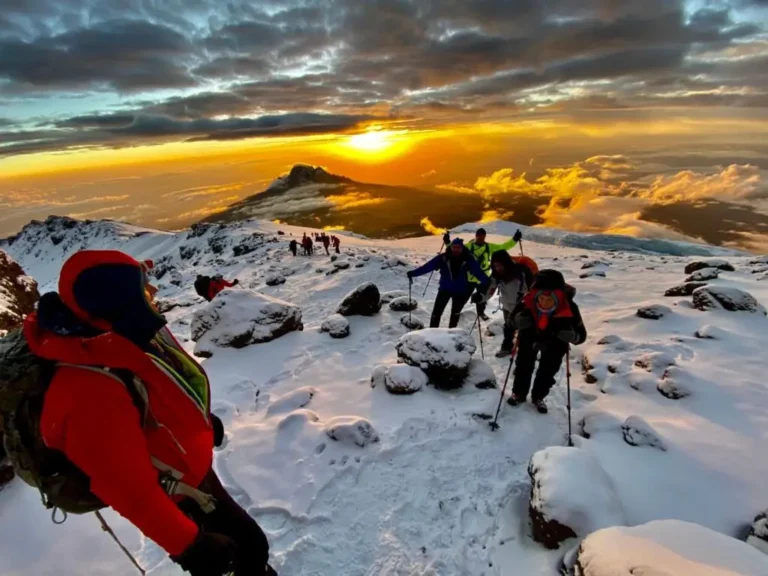
Kilimanjaro And Grumeti Migration Safari June : The Ultimate Tanzanian
Plan your unforgettable Kilimanjaro and Grumeti Migration safari for June 2027. This comprehensive guide details how to combine the challenge of summiting Africa's highest peak with the...
View package details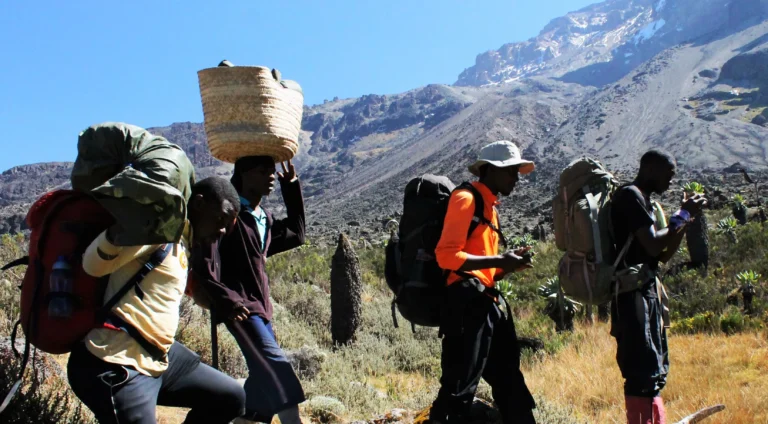
Best Kilimanjaro And Serengeti Calving Season Safari March 2027
Discover the magic of a March 2027 Kilimanjaro and Serengeti calving season safari. This guide explores the unique advantages and considerations for experiencing Tanzania's wildlife...
View package details
Kilimanjaro And Serengeti Calving Safari February : The Ultimate Planning
Combine the majesty of Mount Kilimanjaro with the impressive spectacle of the Serengeti's calving season in February 2027. This guide details how to plan this dual adventure, focusing on...
View package details
Kilimanjaro And Serengeti Calving Safari January 2026-2027
Kilimanjaro and Serengeti Calving Safari January 2027 is explained with current 2026-2027 planning, price, itinerary and booking information.
View package details
Kilimanjaro Christmas Climb And Tanzania Safari : Your Festive Adventure
Combine the magic of a Christmas ascent of Kilimanjaro with a thrilling Tanzania safari in 2026. Discover how to plan this dual adventure for a truly unique festive season.
View package detailsNo related package matches those filters. Clear one or more filters to see the other topic-matched options.



