The 8 Days Kilimanjaro Lemosho Group Joining trek from August 15-22, 2027, offers a balanced approach to summiting Africa’s highest peak, combining a scenic route with a good acclimatization profile. This specific departure date is ideal for those seeking a shared experience on the mountain, allowing for cost efficiencies and the camaraderie of trekking with like-minded adventurers. The Lemosho route is renowned for its beauty and higher success rates due to its gradual ascent, making it a popular choice for this late summer window in 2027.
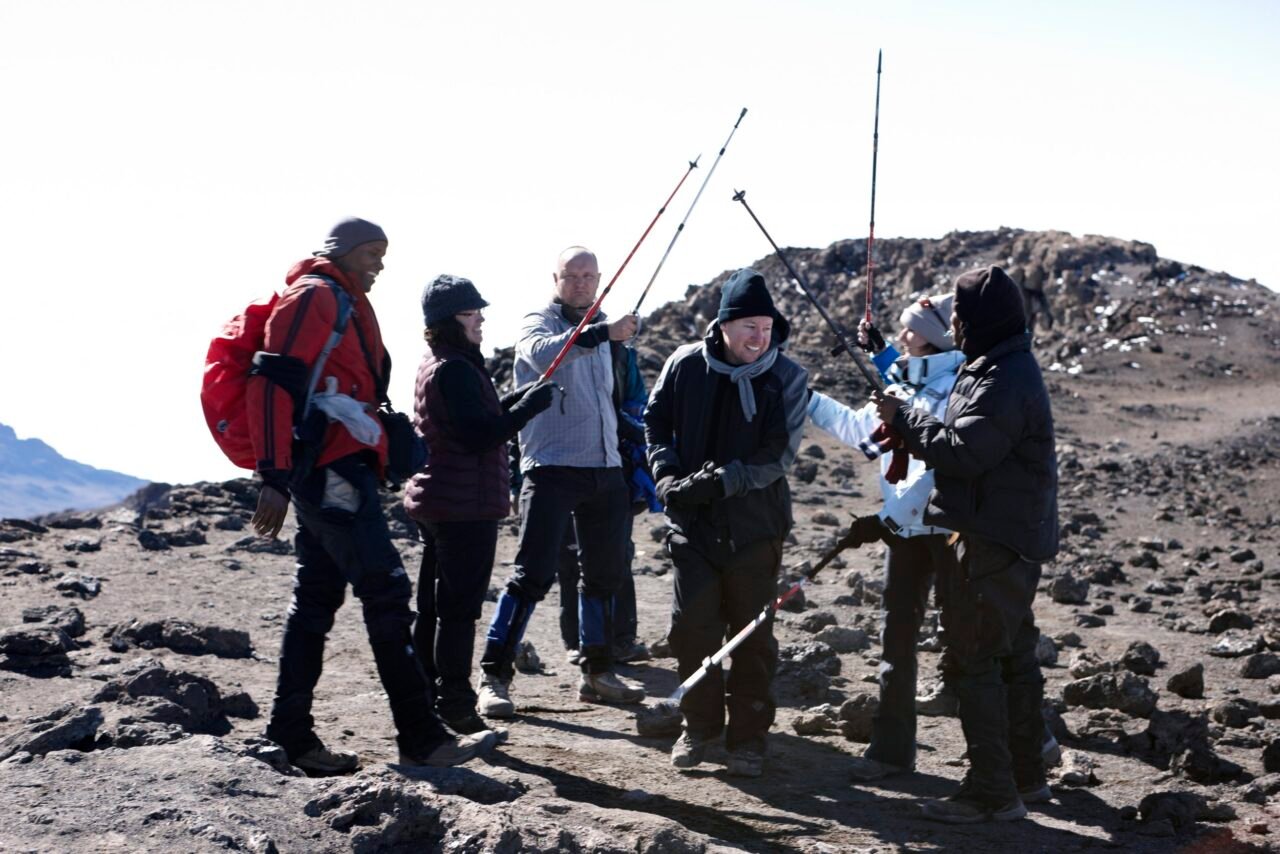
Your Essential Guide to the 8 Days Kilimanjaro Lemosho Group Joining 15-22 August 2027
Embarking on a Kilimanjaro expedition is a significant undertaking, and choosing the right route, dates, and tour operator is paramount. For those specifically targeting the 8 Days Kilimanjaro Lemosho Group Joining departure on August 15-22, 2027, this guide provides an in-depth look at what to expect, how to prepare, and why this particular combination of route, duration, and group departure is a compelling choice. We’ll break down the itinerary, discuss the unique advantages of the Lemosho route, and offer practical advice to ensure your climb is as successful and enjoyable as possible.
Climb 4 Africa specializes in Kilimanjaro treks, offering a local perspective and comprehensive support. Understanding the nuances of each route, including the Lemosho, and the importance of specific departure dates like this August 2027 window, is central to our expertise. This group joining trek is designed for individuals who want to experience Kilimanjaro with the support of a team and a shared budget, making it an accessible adventure.
The 8-day Lemosho route is widely considered one of the best options for acclimatization and scenery. Its longer duration allows for a slower, more methodical ascent, significantly increasing your chances of reaching Uhuru Peak. The August 2027 dates fall within Kilimanjaro’s dry season, characterized by clear skies and pleasant daytime temperatures, though nights can be cold. This period is popular, so booking in advance for this 8 Days Kilimanjaro Lemosho Group Joining 15-22 August 2027 departure is highly recommended.
This comprehensive guide will cover everything from the day-by-day itinerary of the 8-day Lemosho route to essential packing lists, training advice, and what makes a group joining trek an attractive option. We aim to equip you with all the information needed to make an informed decision and prepare effectively for your Kilimanjaro adventure in late summer 2027.
For those ready to commit to this specific adventure, securing your place on the August 15-22, 2027, 8 Days Kilimanjaro Lemosho Group Joining trek is the next crucial step. Understanding the logistics and what is included in your climb package will help alleviate pre-trek anxieties and allow you to focus on the excitement of the journey ahead.
Why Choose the Lemosho Route for Your 2027 Climb?
The Lemosho route stands out as a premier choice for Kilimanjaro ascents, and its popularity is well-deserved, especially for an expedition like the 8 Days Kilimanjaro Lemosho Group Joining 15-22 August 2027. This route offers a superior acclimatization profile compared to shorter options, significantly boosting your chances of reaching the summit. Its longer duration allows your body to gradually adjust to the increasing altitude, a critical factor in preventing altitude sickness.
From a scenic perspective, Lemosho is arguably the most beautiful route. It begins on the western side of Kilimanjaro, traversing the remote and pristine Shira Plateau before joining the more popular Barranco and Barafu routes towards the summit. This allows for diverse landscapes, from lush rainforests in the initial stages to the stark, alpine desert and volcanic scree higher up. The western approach also offers stunning views of the Shira Ridge and Mount Meru.
The longer itinerary, typically 7 or 8 days, is crucial for effective acclimatization. The 8-day version, as scheduled for August 15-22, 2027, provides an extra day for the body to adapt, often spent at Karanga Camp or en route to Barafu Camp. This slower pace is a key differentiator, allowing for more rest and a less rushed experience. For group joining departures, this extended timeline is particularly beneficial as it accommodates varying fitness levels within the group.
Furthermore, the Lemosho route is known for its lower traffic, especially in the initial days. This provides a more serene and wild trekking experience, allowing you to connect more deeply with the mountain environment. As you progress, you’ll join the Machame route, which is well-established and offers excellent camping spots and support infrastructure.
Considering the August 2027 window, Lemosho remains an excellent choice. This period is within Kilimanjaro’s dry season, offering generally stable weather conditions. While any mountain weather can be unpredictable, August typically provides clear skies and manageable temperatures, making the scenic vistas of Lemosho even more rewarding. The 8-day duration ensures you have ample time to appreciate these views and the journey itself.
For group joining treks, the 8-day Lemosho is often the most sought-after option because it balances acclimatization, scenery, and cost-effectiveness. By sharing resources, group departures make the Lemosho route more accessible financially, without compromising on the quality of the experience or the crucial elements needed for a successful summit attempt.
The 8-Day Lemosho Itinerary: August 15-22, 2027
The 8-day Lemosho itinerary is meticulously designed to maximize acclimatization and enjoyment of Kilimanjaro’s diverse ecosystems. This structure is ideal for the 8 Days Kilimanjaro Lemosho Group Joining 15-22 August 2027 departure, offering a progressive ascent that caters to a higher success rate.
Day 1: Arrival in Moshi & Preparation
Your Kilimanjaro journey begins upon arrival at Kilimanjaro International Airport (JRO). You will be met by a representative from Climb 4 Africa and transferred to your comfortable hotel in Moshi, the bustling town at the foot of the mountain. This day is dedicated to rest, acclimatization to the local climate, and a pre-trek briefing. Your guide will meet with you to discuss the upcoming climb, answer any last-minute questions, and conduct a gear check to ensure you have everything necessary for the August 2027 expedition. It’s also an opportunity to rent any equipment you might need, such as sleeping bags or trekking poles. A good night’s sleep is crucial before the adventure truly begins.
Day 2: Shira Gate to Mti Mkubwa Camp
After breakfast, you’ll be driven to the Lemosho Gate (approx. 2,100m / 6,890ft). Here, you will complete park formalities and meet your support crew – porters and guides. The trek begins with a walk through the lush rainforest, a stark contrast to the summit you aim for. The trail is relatively gentle, winding through dense vegetation, home to various bird species and colobus monkeys. Your destination for the night is Mti Mkubwa Camp (approx. 2,820m / 9,250ft). The ascent is about 700 meters, and the walk takes approximately 3-4 hours. The air is humid and rich with the scent of damp earth and vegetation.
Day 3: Mti Mkubwa Camp to Shira 2 Camp
Today’s trek takes you out of the rainforest and into the moorland zone. The path becomes steeper as you ascend towards the Shira Plateau. You’ll pass through beautiful open moorlands dotted with unique giant heathers and groundsels. The views begin to open up, offering glimpses of the Kibo and Shira massifs. The camp, Shira 2 (approx. 3,500m / 11,500ft), is situated on the plateau, providing a stunning location with expansive views. This day involves a significant altitude gain of about 680 meters and takes approximately 5-6 hours of trekking. The air starts to feel thinner, and the temperature drops noticeably as you gain altitude.
Day 4: Shira 2 Camp to Barranco Camp
This is a day of acclimatization and incredible scenery. You will trek across the Shira Plateau, heading east towards the Lava Tower (3,950m / 12,960ft). This is a good point to stop for lunch and further acclimatize. After Lava Tower, the route descends into the Barranco Gorge, a dramatic valley filled with giant senecio trees and lobelias. You will then climb up to Barranco Camp (approx. 3,970m / 13,025ft), located at the base of the famous Barranco Wall. The total walking time is around 5-7 hours, covering a distance that involves ups and downs, with the net altitude gain being minimal but the high point reached being significant for acclimatization.
Day 5: Barranco Camp to Karanga Camp
The highlight of today is the ascent of the Barranco Wall, a steep, challenging, but not technically difficult scramble. Your guides will assist you, ensuring safety. This climb is crucial for acclimatization and offers rewarding views from the top. After cresting the wall, the path becomes a series of ups and downs across ridges and valleys. You’ll reach Karanga Camp (approx. 4,000m / 13,125ft), located in a valley with spectacular views of the Kibo massif and the Southern Circuit. This day is shorter in terms of distance but involves significant climbing and descending, taking about 4-5 hours. The reduced oxygen levels are becoming more apparent.
Day 6: Karanga Camp to Barafu Camp
Today’s trek leads you across a stark, rocky landscape towards Barafu Camp (approx. 4,670m / 15,320ft), the base camp for your summit attempt. The terrain is largely scree and alpine desert. The walk is relatively short, about 3-4 hours, but the altitude gain is substantial (nearly 700 meters). The key here is to conserve energy and hydrate well, as tomorrow is the most demanding day. You will arrive at Barafu Camp in the early afternoon, allowing ample time for rest, hydration, and an early dinner. The temperature drops significantly as you gain altitude, and the wind can be a factor. Preparing your gear for the summit push is a priority.
Day 7: Summit Day & Descent to Mweka Camp
This is the pinnacle of your 8 Days Kilimanjaro Lemosho Group Joining 15-22 August 2027 trek. You will wake up around midnight and begin your ascent towards Uhuru Peak (5,895m / 19,341ft). The climb is steep and challenging, often done in the dark with headlamps. You will pass Stella Point (5,756m / 18,885ft) on the crater rim before continuing to Uhuru Peak, the highest point in Africa. Congratulations will be in order! After celebrating your achievement and taking photos, you will begin your descent. The descent is significantly faster and can be tough on the knees. You will descend back to Barafu Camp for a brief rest and then continue down to Mweka Camp (approx. 3,100m / 10,170ft), located in the lower forest zone. This is a very long and tiring day, often 10-15 hours of trekking.
Day 8: Mweka Camp to Mweka Gate & Departure
Your final day on the mountain involves a relatively short and easy descent from Mweka Camp through the rainforest to Mweka Gate (approx. 1,640m / 5,380ft). The walk takes about 3-4 hours. At the gate, you will complete park formalities, and your successful summit team will receive their certificates. A vehicle will be waiting to transfer you back to your hotel in Moshi. You’ll have the opportunity to rest, shower, and perhaps celebrate your incredible achievement. Depending on your flight schedule, you might depart for the airport today or the following day.
The Benefits of Group Joining for Your August 2027 Climb
Choosing a group joining departure for your 8 Days Kilimanjaro Lemosho Group Joining 15-22 August 2027 trek offers several distinct advantages, making it an appealing option for many adventurers. The primary benefit is economic. By sharing the operational costs of the trek – such as park fees, guide and porter salaries, and logistical arrangements – with other climbers, the per-person price is significantly reduced compared to a private trek. This makes the Lemosho route, with its extended duration and higher operational costs, more accessible.
Beyond cost savings, group joining fosters a sense of camaraderie. Trekking with like-minded individuals from diverse backgrounds can lead to new friendships and shared experiences. The journey up Kilimanjaro is challenging, and supporting each other, sharing stories during rest stops, and celebrating summit success together creates a unique bond. This shared effort can be incredibly motivating, especially during the tougher sections of the climb.
For solo travelers, a group departure offers built-in companionship. You won’t be alone on the mountain, and there’s always someone to share the journey with. This can be particularly reassuring for those who might feel apprehensive about trekking alone.
Climb 4 Africa ensures that even on group joining treks, the quality of service remains high. You will still have experienced guides, well-trained porters, and a comprehensive support system. The group dynamics are managed professionally to ensure everyone’s needs are considered, and the pace is set to accommodate the group’s overall progress, especially considering the importance of acclimatization on the 8-day Lemosho route.
The August 15-22, 2027, departure date means you’ll be joining a pre-scheduled group. This simplifies your planning significantly – you just need to book your spot, pack your bags, and show up. The logistics are handled by Climb 4 Africa, from airport transfers to the trek itself and back.
It’s important to note that while you are part of a group, the pace is generally managed by the lead guide to ensure safe acclimatization. While you might not be trekking at your absolute fastest pace, this is often beneficial for preventing altitude sickness. The group setting encourages a steady, sustainable rhythm, which is precisely what’s needed on Kilimanjaro.
If you’re considering the 8 Days Kilimanjaro Lemosho Group Joining 15-22 August 2027, understand that you’re not just signing up for a climb; you’re joining a team of adventurers on a shared mission. This collective spirit can enhance the overall experience, making it more memorable and enjoyable.
Preparing for Your 8 Days Kilimanjaro Lemosho Trek
A successful Kilimanjaro climb, especially the 8 Days Kilimanjaro Lemosho Group Joining 15-22 August 2027 trek, hinges on thorough preparation. This involves physical conditioning, acquiring the right gear, understanding altitude, and addressing health concerns.
Physical Training & Fitness
Kilimanjaro is a non-technical climb, but it is physically demanding. The key is building cardiovascular endurance and leg strength. Focus your training on activities that simulate trekking, such as hiking with a weighted backpack, stair climbing, and long walks. Aim for at least 3-4 days of training per week in the months leading up to your August 2027 climb.
Hiking: Regularly undertake long hikes (4-6 hours) on varied terrain, including inclines. Practice hiking with the backpack you intend to use, gradually increasing its weight. This helps your body adapt to the demands of carrying gear and ascending/descending slopes.
Cardiovascular Exercise: Incorporate activities like running, cycling, swimming, or using an elliptical machine to improve your aerobic capacity. Aim for at least 30-60 minutes per session, 3-4 times a week.
Strength Training: Focus on leg muscles (quadriceps, hamstrings, calves) and core strength. Squats, lunges, step-ups, and planks are excellent exercises. Strong legs help with ascents, and a strong core provides stability.
Stamina: The most crucial aspect is building stamina for long days of trekking. Practice back-to-back long hikes on weekends to simulate consecutive trekking days. This helps your body and mind prepare for the sustained effort required on Kilimanjaro.
The 8-day Lemosho route demands endurance, and good physical preparation will not only increase your chances of summiting but also make the experience more enjoyable. Remember, you don’t need to be an elite athlete, but a good level of fitness is essential.
Essential Gear and Packing List
Having the right gear is critical for comfort and safety on Kilimanjaro. Temperatures can vary dramatically from the humid rainforest at the base to the freezing summit. Layers are key. For the August 2027 trek, consider the following:
Clothing Layers:
- Base Layers: Moisture-wicking thermal tops and bottoms (merino wool or synthetic).
- Mid Layers: Fleece jacket or down vest for insulation.
- Outer Layer: Waterproof and windproof jacket and trousers (Gore-Tex or similar).
- Trekking Trousers: Comfortable, quick-drying hiking pants.
- Shirts: Several moisture-wicking t-shirts and long-sleeved shirts.
Headwear & Handwear:
- Warm, insulated hat covering ears.
- Sun hat or cap with a wide brim.
- Warm gloves (waterproof outer, fleece inner).
- Liner gloves for dexterity.
Footwear:
- Hiking Boots: Broken-in, waterproof, sturdy hiking boots with good ankle support.
- Camp Shoes/Sandals: For relaxing at camp.
- Socks: Several pairs of thick wool or synthetic hiking socks. Liner socks can help prevent blisters.
Sleeping Gear:
- Sleeping Bag: Rated to at least -10°C (0°F) or -20°C (-4°F). Down or synthetic fill.
- Sleeping Bag Liner: Adds warmth and keeps your bag clean.
Trekking Equipment:
- Backpack: 30-40 liter daypack for carrying essentials (water, snacks, rain gear, camera).
- Duffel Bag: 80-100 liter waterproof duffel bag for porters to carry your main gear.
- Trekking Poles: Highly recommended for stability and reducing knee strain.
- Headlamp: With extra batteries.
- Water Bottles/Hydration Reservoir: At least 2-3 liters capacity. Insulated covers are useful in cold weather.
- Sunglasses: With good UV protection.
- Sunscreen: High SPF.
- Lip Balm: With SPF.
- Toiletries: Biodegradable soap, toothbrush, toothpaste, wet wipes, hand sanitizer.
- Personal First-Aid Kit: Including blister treatment, pain relievers, and any personal medications.
- Camera: With extra batteries and memory cards.
Climb 4 Africa can assist with renting some of the larger items like sleeping bags and trekking poles. A detailed packing list will be provided upon booking your 8 Days Kilimanjaro Lemosho Group Joining 15-22 August 2027 trek.
Understanding Acclimatization on Lemosho
The 8-day Lemosho route is specifically chosen for its excellent acclimatization profile. The principle of ‘climb high, sleep low’ is implicitly followed. This means ascending to higher altitudes during the day and then descending to lower altitudes for sleeping. The longer duration of the 8-day itinerary allows for more gradual ascent, giving your body more time to adapt to the decreasing oxygen levels.
Key points for acclimatization on this route include:
- Gradual Ascent: The route’s length means you are not gaining altitude too quickly.
- High Point Reached: Days like the trek to Lava Tower (3,950m) and the climb over Barranco Wall (4,200m) are critical for acclimatization.
- Rest Days: While not explicit rest days in the itinerary, the pace is managed to allow for recovery.
- Hydration: Drinking plenty of water (3-4 liters per day) is crucial for acclimatization.
- Pacing: “Pole pole” (slowly, slowly) is the mantra. Avoid overexertion.
- Nutrition: Eat well, even if your appetite is reduced. High-carbohydrate meals are beneficial.
- Avoid Alcohol and Caffeine: These can dehydrate you and interfere with acclimatization.
The August 15-22, 2027, departure date falls within the dry season, which generally means stable weather, but altitude effects are independent of weather. Paying close attention to your body and communicating any symptoms to your guide is paramount.
Health and Medical Considerations
Consult your doctor or a travel clinic 4-6 weeks before your trek to discuss necessary vaccinations and prophylaxis for malaria (though risk is low on the mountain, it’s present in lower areas). Diamox (acetazolamide) is often prescribed to aid acclimatization; discuss its suitability with your doctor.
Altitude Sickness: Be aware of the symptoms: headache, nausea, dizziness, fatigue, loss of appetite, and difficulty sleeping. Severe symptoms include shortness of breath, confusion, and loss of coordination. If symptoms worsen, descend immediately. Your guides are trained to recognize and manage these conditions.
Travel Insurance: Ensure your travel insurance covers high-altitude trekking up to 6,000 meters and includes emergency medical evacuation by helicopter. This is non-negotiable for any Kilimanjaro climb.
Pre-existing Conditions: If you have any pre-existing medical conditions, consult your doctor about their suitability for high-altitude trekking.
Logistics and Support on the Mountain
Climb 4 Africa provides a comprehensive support system for all its treks, including the 8 Days Kilimanjaro Lemosho Group Joining 15-22 August 2027 departure. This ensures a safe and well-managed expedition from start to finish.
Experienced Guides: Your guides are certified, highly experienced, and trained in first aid, wilderness medicine, and mountain rescue. They are knowledgeable about the mountain, flora, fauna, and local culture. Their primary responsibility is your safety and well-being.
Support Crew: A team of dedicated porters will carry your main luggage, tents, food, and cooking equipment. They are essential to the smooth operation of the trek. A cook will prepare nutritious and delicious meals at each camp.
Equipment: We provide high-quality tents (mess tent, toilet tent, sleeping tents), cooking equipment, and safety gear (e.g., portable oxygen, first-aid kit, satellite phone for emergencies).
Food: Meals are carefully planned to provide energy and sustenance. Expect hearty breakfasts, packed lunches, and hot dinners. We cater to dietary requirements if notified in advance.
Communication: While mobile phone service is generally unavailable on the mountain, guides carry satellite phones for emergency communication. For non-emergencies, you can often send messages via satellite devices used by some tour operators.
Safety Protocols: Regular health checks are conducted by guides, especially concerning altitude sickness symptoms. Emergency evacuation procedures are in place.
The group joining format means you’ll share these resources with fellow trekkers, making the expedition efficient and cost-effective while maintaining high safety standards. The logistical planning for the August 2027 window is handled by Climb 4 Africa, allowing you to focus solely on the climb.
Understanding the Cost and Inclusions for August 2027
The cost of a group joining Kilimanjaro trek like the 8 Days Kilimanjaro Lemosho Group Joining 15-22 August 2027 is generally lower than a private climb due to shared operational expenses. While exact pricing can vary based on the operator and specific inclusions, Climb 4 Africa aims to provide excellent value for money with transparent pricing.
Typical Inclusions for a Group Joining Lemosho Trek:
- Airport transfers to and from Kilimanjaro International Airport (JRO).
- 2 nights’ accommodation in a hotel in Moshi (before and after the climb) on a bed and breakfast basis.
- All meals and accommodation during the 8-day trek.
- Boiled water, tea, and coffee during the trek.
- All park entry fees and rescue fees.
- Experienced, licensed, and English-speaking mountain guides.
- Assistant guides (ratio of 1:2 guides to clients).
- Porters to carry all camping and cooking equipment, and your personal duffel bag (usually up to 15kg).
- Cook for preparing meals on the mountain.
- Campsite fees.
- Government taxes and levies.
- A celebratory meal and certificate presentation
Check Availability for 8 Days Kilimanjaro Lemosho Group Joining 15-22 August 2026-2027
Ready to compare dates, prices, and the best option for your group? Send the package name and travel month so the team can reply with a clear quote, availability, and what is included.
12 closely related packages
Kilimanjaro Climb : Guided Group Tours & Planning Guide 2026-2027
A deep look at planning your 2027 Kilimanjaro expedition. Learn why guided group tours are the preferred choice for safety, logistics, and shared camaraderie on the roof of Africa.
View package detailsKilimanjaro Climb August : Dates And Costs Planning Guide 2026-2027
Expert guide to planning a Kilimanjaro expedition in August 2027. We break down the logistics, cost factors, route choices, and seasonal weather patterns for your summit attempt.
View package details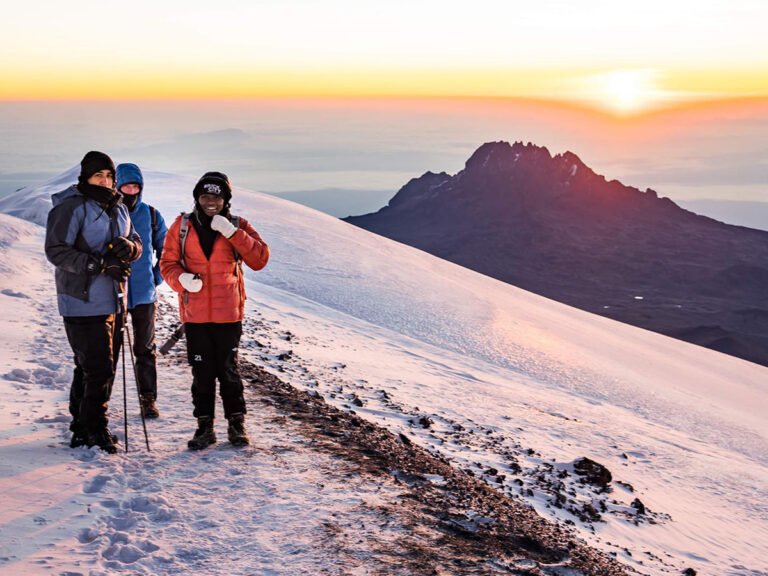
Kilimanjaro Machame Route 7 Days: A Practical Guide To Itinerary And Costs
A deep look at the 7-day Machame Route on Kilimanjaro. Understand the itinerary, why the extra day matters for your summit success, and how to plan your 2026-2027 expedition.
View package details
Afcon Kilimanjaro Ngorongoro And Zanzibar Holiday
AFCON 2027 Kilimanjaro Ngorongoro and Zanzibar Holiday.
View package details
Afcon Mount Kilimanjaro And Serengeti Package
AFCON 2027 Mount Kilimanjaro and Serengeti Package.
View package details
Kilimanjaro Safari And Afcon Final Package
Kilimanjaro Safari and AFCON Final Package.
View package details
Kilimanjaro To Kampala Afcon Travel Package
Kilimanjaro to Kampala AFCON Travel Package.
View package detailsKilimanjaro to Nairobi AFCON Travel Package
Mpango wa safari wa Kilimanjaro hadi Nairobi kwa AFCON unaowezesha kushuhudia milima na miji miwili mikubwa ya Afrika pamoja na mechi za AFCON kwa njia salama na ya kipekee.
View package detailsKilimanjaro to Dar es Salaam AFCON Travel Package
Mpango wa kipekee wa Kilimanjaro hadi Dar es Salaam kwa AFCON 2027 unachanganya milima, bahari na mandhari za Tanzania, huku ukitoa ufafanuzi wa njia, upangaji na chaguo za utekelezaji.
View package details
Kilimanjaroo Airport to AFCON Host City Transfer
Katika ukurasa huu wa kina, tunakuletea mwongozo wa kina juu ya jinsi ya kuhamisha kutoka Uwanja wa Kilimanjaro kwenda mjini litakalohudhuria AFCON 2027, pamoja na mapendekezo ya usafiri...
View package details
Kilimanjaroo Climb After AFCON 2027
Mwongozo wa kina wa kupanda Kilimanjaro baada ya AFCON 2027: njia zinazofaa, ratiba inayoakisi acclimatization, na vidokezo vya kupanga pamoja na namna ya kuwasiliana na Climb 4 Africa kwa...
View package detailsNo related package matches those filters. Clear one or more filters to see the other topic-matched options.