
A 4-day Tanzania safari from Zanzibar to the Serengeti and Ngorongoro in 2026-2027 offers a condensed yet spectacular wildlife experience, typically starting with a flight from Zanzibar to a Serengeti airstrip, followed by game drives in the Serengeti, a transfer to the Ngorongoro Conservation Area for crater descent and game viewing, and concluding with a return flight to Zanzibar or mainland Tanzania. This short but intense itinerary is ideal for maximizing wildlife encounters in two of Africa’s most renowned parks within a limited timeframe.
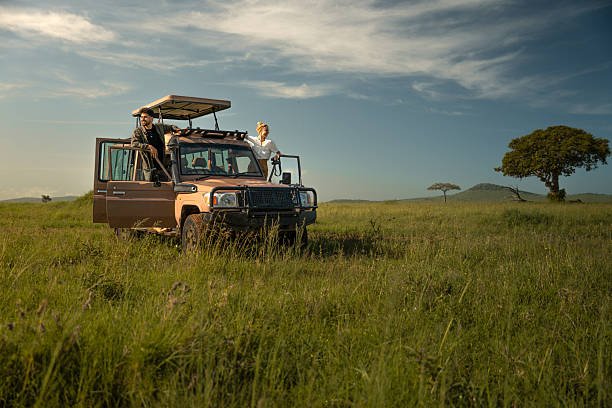
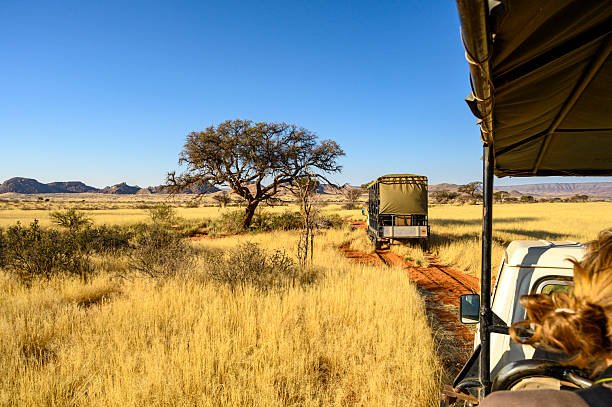


Understanding the 4-Day Safari from Zanzibar
The allure of Tanzania’s wildlife is undeniable, and for many, the journey begins on the idyllic shores of Zanzibar. However, the vastness of the Serengeti and the unique ecosystem of the Ngorongoro Crater often seem distant. A 4-day Tanzania safari from Zanzibar to Serengeti and Ngorongoro bridges this gap, offering a concentrated yet incredibly rewarding wildlife immersion. This itinerary is crafted for travelers who have limited time but a strong desire to witness the heart of the African bush. It’s about maximizing your experience, focusing on the most iconic landscapes and game-rich areas within a short, impactful timeframe.
This safari style is a strategic choice. Instead of spending days traveling overland, you’ll utilize short bush flights. This significantly cuts down travel time, allowing more precious hours on the ground, spotting lions, elephants, rhinos, leopards, and buffalos – the famed Big Five – along with countless other species. The primary trade-off is the higher cost associated with these flights compared to overland travel, and the need for efficient planning to fit everything into four days. For 2026-2027 travel, this remains one of the most popular ways for Zanzibar visitors to experience the mainland’s wildlife wonders.
What makes this 4-day safari particularly compelling is the sheer diversity packed into such a short period. You transition from Zanzibar’s beaches to the open plains of the Serengeti, famous for the Great Migration (depending on the time of year), and then descend into the Ngorongoro Crater, a caldera teeming with wildlife in a contained, almost surreal environment. It’s an efficient way to tick off major Tanzanian safari highlights.
Your 4-Day Serengeti & Ngorongoro Adventure: A Bird’s-Eye View
The structure of a 4-day safari from Zanzibar to Serengeti and Ngorongoro is generally dictated by flight schedules and the need to experience the key attractions of both parks. It’s a fast-paced journey, designed to give you the most impactful wildlife sightings. Here’s a typical flow:
Typical Itinerary Flow:
- Day 1: Morning flight from Zanzibar (or Arusha, if you transit there first) to a Serengeti airstrip. Immediate game drive en route to your lodge/camp. Afternoon game drive.
- Day 2: Full day in the Serengeti with morning and afternoon game drives, exploring different regions of the park.
- Day 3: Morning game drive in the Serengeti, then drive towards the Ngorongoro Conservation Area, descending into the crater for an afternoon game drive. Overnight at a lodge on the crater rim or nearby.
- Day 4: Morning game drive (optional, depending on flight times) or a leisurely breakfast, then transfer to an airstrip for your flight back to Zanzibar or Arusha.
This outline is a template, and variations exist. For instance, some itineraries might swap the order, spending the first night near Ngorongoro and then heading into the Serengeti. However, the most common and logistically efficient approach for a 4-day trip is to fly directly into the Serengeti to maximize game viewing time there. When planning for 2026-2027, confirm the specific flight routes and times available, as these can influence the exact order and duration of activities each day.
The decision to focus on these two parks within four days is deliberate. The Serengeti offers vast, iconic savannah landscapes and is central to the Great Migration. Ngorongoro provides a unique, densely populated wildlife haven within its caldera. Combining them gives you a rich, diverse safari experience that’s hard to replicate in such a short period.
Day 1: Zanzibar Departure to Serengeti’s Vast Plains
Your adventure begins early. After breakfast in Zanzibar, you’ll be transferred to Abeid Amani Karume International Airport (ZNZ) for your flight to the Serengeti. These flights are typically operated by small aircraft, offering incredible aerial views of the Tanzanian coastline and mainland as you fly inland. The destination airstrip within the Serengeti depends on the season and the specific wildlife movements, but common arrival points include Seronera, Kogatende, or Grumeti.
Upon landing, you’ll be met by your safari guide and your 4×4 safari vehicle. This is where the magic truly begins. Your first game drive is not a separate event; it’s the journey from the airstrip to your chosen lodge or camp. The Serengeti is vast, and wildlife is often encountered right from the moment you touch down. Expect to see plains game like zebras, wildebeest, giraffes, and gazelles, alongside opportunistic predators.
After checking into your accommodation and perhaps a quick lunch, you’ll head out for your first dedicated afternoon game drive. The Serengeti ecosystem is immense, stretching over 14,750 square kilometers. Depending on where you are based, your guide will focus on areas known for high concentrations of animals. This could be the Seronera River valley, famous for its big cats year-round, or the northern Serengeti, a prime location for witnessing the dramatic river crossings of the Great Migration during specific months.
The choice of lodge or camp significantly impacts your experience. Options range from luxurious tented camps offering an intimate bush feel to more permanent lodges with excellent amenities. For a 4-day safari in 2026-2027, selecting accommodation that is strategically located for game viewing is paramount to maximizing your limited time.
Day 2: Serengeti’s Endless Horizons and Iconic Wildlife
Day two is dedicated to exploring the Serengeti National Park. You have a full day to experience its wild beauty. The morning game drive typically starts at dawn, the best time to see predators like lions and leopards when they are most active. The soft morning light provides fantastic photographic opportunities, and the air is crisp and cool.
Your experienced guide will tailor the game drive based on recent sightings and animal movements. They understand the Serengeti’s rhythms and know where to look for specific species. This might involve following a pride of lions, searching for elusive cheetahs on the open plains, or observing elephants interacting near a waterhole. The sheer scale of the Serengeti means that each game drive offers new discoveries. Even if you’ve seen a particular animal, seeing it in its natural habitat, behaving naturally, is always a unique moment.
After a morning of exploration, you’ll typically return to your lodge or camp for lunch and a short rest during the hottest part of the day. Some camps offer guided nature walks or cultural visits to local Maasai communities, though for a tight 4-day itinerary, most travelers prioritize maximizing game drive time.
The afternoon game drive continues your exploration, often heading to different areas of the park. If the Great Migration is in the vicinity (which depends heavily on the month you travel in 2026 or 2027), your guide will aim to position you for the best viewing opportunities. Even outside of the migration season, the Serengeti boasts incredible resident wildlife populations. The sheer density of animals, especially around the Seronera area, ensures that you will rarely have a dull moment. This day is about experiencing the raw, untamed beauty of one of Africa’s most legendary wildlife destinations.
Day 3: Ngorongoro Crater – A Natural Amphitheater of Wildlife
On your third day, you transition from the open plains of the Serengeti to the unique environment of the Ngorongoro Crater. After an early morning game drive in the Serengeti, you’ll begin your journey towards the Ngorongoro Conservation Area (NCA). This drive itself is scenic, passing through the Ngorongoro Highlands, often dotted with Maasai bomas (homesteads).
The highlight of the day is the descent into the Ngorongoro Crater, a UNESCO World Heritage Site. This massive caldera, formed by a collapsed volcano, is an ecological island that supports an astonishing density and diversity of wildlife. It’s one of the few places in Tanzania where you have a very high chance of spotting all of the Big Five – lion, elephant, buffalo, leopard, and rhino – in a single day, thanks to the crater’s enclosed nature.
Your safari vehicle will take you down the steep crater walls to the crater floor. The landscape is impressive, a mosaic of grasslands, acacia woodlands, soda lakes, and swamps. Game drives here are incredibly productive. You’ll encounter large herds of wildebeest and zebras, gazelles, hyenas, and hippos. The black rhino, an endangered species, is a significant draw, and the crater is one of the best places in Africa to see them.
Your guide will navigate the crater floor, looking for animal activity. The time spent on the crater floor is usually limited to about six hours by park regulations, ensuring the preservation of this delicate ecosystem. This restriction helps manage visitor impact and maintains the wildness of the experience.
Accommodation for the night is typically in lodges located on the crater rim, offering spectacular views into the caldera, or in lodges and camps just outside the crater in the wider NCA. Staying on the rim provides unparalleled convenience for an early morning descent on Day 4, should your schedule allow, or simply for enjoying the sunset over the crater. Planning for 2026-2027 means booking these sought-after rim lodges well in advance.
Day 4: Final Safari Moments and Departure
Your final day of this 4-day Tanzania safari from Zanzibar to Serengeti and Ngorongoro is about cherishing the last moments of your wildlife adventure before heading back to civilization. Depending on your flight schedule, you might have the opportunity for one last early morning game drive. This could be a final exploration of the Ngorongoro Crater floor or a brief drive within the NCA, offering a last chance to spot any animals you might have missed or to revisit a favorite sighting.
Alternatively, if your flight departs mid-morning or early afternoon, you’ll enjoy a leisurely breakfast at your lodge, perhaps taking in the panoramic views one last time. Your guide will then drive you to the nearest airstrip. Common departure points for this itinerary include Lake Manyara Airstrip or Arusha Airport (ARK), depending on your onward travel plans. If you flew into the Serengeti from Zanzibar on Day 1, you’ll likely fly back to Arusha and then connect to a flight back to Zanzibar, or continue your journey elsewhere in Tanzania.
The transfer to the airstrip is not just about getting there; it’s often punctuated by final glimpses of wildlife along the roadside. Maasai herders with their cattle, giraffes silhouetted against the horizon, or a troop of baboons can make the journey memorable.
Your safari concludes with your flight from the airstrip. As you ascend, you’ll look down on the landscapes that have captivated you over the past few days, reflecting on the incredible wildlife encounters and the profound beauty of Tanzania’s northern circuit. For travelers planning for 2026-2027, ensuring your departure flight timing aligns with your international travel plans is crucial for a smooth end to your safari.
Choosing Your Safari Style: Private vs. Shared for 2026-2027
When booking a 4-day Tanzania safari from Zanzibar to Serengeti and Ngorongoro, a key decision revolves around whether to opt for a private or a shared safari. This choice significantly influences your experience, flexibility, and budget, particularly for trips planned for 2026-2027.
Private Safari: The Ultimate Flexibility
- Pros: Complete control over your itinerary. You decide when to start drives, where to go, how long to spend at sightings, and which routes to take. You travel with your own dedicated vehicle and driver-guide, ensuring personalized attention and expertise. Ideal for photographers, families, or groups who want to move at their own pace.
- Cons: Higher cost per person. The vehicle and guide are exclusively yours, so the total cost is divided among fewer people.
Shared Safari: Budget-Conscious Exploration
- Pros: More affordable. You share the safari vehicle and guide with other travelers, spreading the costs. This makes safaris accessible to a wider range of budgets. It’s a great way to meet fellow travelers.
- Cons: Less flexibility. You adhere to a set itinerary and group decisions on timings and routes. Game drives might be shared with up to 6-7 other people, potentially limiting photographic opportunities or the ability to spend extended time at sightings if the group has differing interests.
For a short, high-impact trip like the 4-day safari, a private option often provides the best value for money, even if the upfront cost seems higher. The ability to optimize every hour for game viewing, adjust plans on the fly based on animal movements, and have your guide solely focused on your interests can make a significant difference in the quality of sightings and overall experience. When planning for 2026-2027, consider that popular private tours are booked well in advance.
Climb 4 Africa specializes in crafting both private and small-group shared safaris. For this specific itinerary, we often recommend a private safari to ensure you maximize every moment. We can discuss your budget and preferences to find the perfect fit. For shared departures, check our schedule for 2026-2027 group dates.
Where to Stay: Lodges and Camps in the Serengeti & Ngorongoro
Your accommodation is a critical component of your 4-day Tanzania safari from Zanzibar to Serengeti and Ngorongoro. Given the short duration, strategic location is key. The Serengeti offers a spectrum of options, from rustic tented camps to luxurious lodges, while Ngorongoro provides lodges on the crater rim or within the surrounding conservation area.
Serengeti Accommodation Types:
- Tented Camps (Luxury/Mid-Range): These offer an authentic “glamping” experience. Permanent canvas tents are set up on solid bases, featuring comfortable beds, en-suite bathrooms with flushing toilets and hot showers. They provide an intimate connection with the bush, often with sounds of wildlife audible at night. Location is crucial – camps positioned in areas with high wildlife density or along migration routes offer superior game viewing.
- Lodges (Mid-Range/Luxury): More permanent structures, lodges offer private rooms, often with swimming pools, restaurants, and bars. They provide more conventional hotel-like comforts and can be ideal for those seeking a higher level of amenity.
- Mobile Camps: These camps move with the Great Migration. While fantastic for witnessing the migration spectacle, they are less common on a 4-day itinerary due to the fixed locations often prioritized for maximizing game viewing in shorter trips.
Ngorongoro Accommodation Types:
- Crater Rim Lodges: These are the most sought-after and expensive options. Lodges like the Ngorongoro Serena Safari Lodge, Ngorongoro Crater Lodge, and Lemala Ngorongoro Tented Camp are perched directly on the crater rim, offering unparalleled views and immediate access for early morning descents. Booking these for 2026-2027 is essential, often months in advance.
- Crater Rim Camps: Similar to lodges but often with a more intimate tented feel.
- NCA Lodges/Camps: Located outside the immediate crater rim, these offer good value and still provide access to the crater. They might require a slightly longer drive to the crater floor.
For a 4-day safari, we typically recommend flying into a central Serengeti airstrip like Seronera, which allows access to resident wildlife year-round. Then, on Day 3, you’ll drive towards Ngorongoro. Staying on the crater rim for your night near Ngorongoro is highly advantageous for maximizing your time on the crater floor on Day 3 or for an early start on Day 4. When considering your 2026-2027 travel dates, consult with your safari operator to choose accommodations that align with your budget and desired experience, and importantly, that are available.
smooth Logistics: Flights, Transfers, and Park Fees
The success of a 4-day Tanzania safari from Zanzibar to Serengeti and Ngorongoro hinges on meticulous logistical planning. This is where a reputable tour operator becomes invaluable, especially for travelers planning for 2026-2027.
Key Logistical Elements:
- Internal Flights: These are the cornerstone of this short safari. Flights typically run from Zanzibar (ZNZ) to Serengeti airstrips (e.g., Seronera, Kogatende). You’ll also need a flight out of the Serengeti/Ngorongoro region, usually to Arusha (ARK) or Kilimanjaro International Airport (JRO), and then a connection back to Zanzibar if needed. Major operators include Auric Air, Precision Air, and Coastal Aviation. Prices can vary significantly based on season and booking time.
- Safari Vehicle and Guide: For a 4-day trip, a 4×4 safari vehicle (usually a Land Cruiser or Land Rover) with a pop-up roof is standard. Your driver-guide is your navigator, interpreter of wildlife behavior, and guardian of your safety. For a private safari, you have this vehicle and guide exclusively. For shared safaris, you’ll share with others.
- Park Fees: These are a substantial part of the safari cost. Fees are typically charged per person, per 24-hour period, and vary between the Serengeti National Park and the Ngorongoro Conservation Area. The Ngorongoro Crater has an additional entrance fee per vehicle and per person. These fees are subject to change, so confirm the rates for 2026-2027 with your operator.
- Transfers: This includes airport transfers in Zanzibar, transfers to the domestic airport, and transfers from the final airstrip back to your hotel or international airport.
- Park Regulations: Strict rules govern game drives, including the duration allowed on the Ngorongoro Crater floor and off-road driving. Your guide will ensure compliance.
Climb 4 Africa handles all these logistical complexities for you. We work with reliable flight partners and experienced guides. We provide clear breakdowns of what park fees are included and what might be an additional cost. Understanding these elements upfront is crucial for budgeting your 2026-2027 safari. For example, the exact Serengeti airstrip you land at can affect the driving time to your lodge, so this detail is important for itinerary planning.
When booking, always clarify what is included in your package. Common inclusions are accommodation, all meals while on safari, park fees, crater fees, and game drives. Exclusions often are international flights, visa fees, travel insurance, tips, drinks, and personal expenses. For a 4-day trip, ensuring smooth transitions between flights and game drives is paramount to avoid wasting precious time.
Timing Your 4-Day Safari: Seasons and Wildlife Viewing in 2026-2027
Choosing the right time to start your 4-day Tanzania safari from Zanzibar to Serengeti and Ngorongoro can significantly enhance your wildlife viewing experience. Tanzania has distinct seasons, each offering unique advantages for spotting animals.
Dry Season (June to October):
- Pros: Excellent for wildlife viewing as animals congregate around permanent water sources. Vegetation is less dense, making animals easier to spot. This is also the prime time for witnessing the Great Migration river crossings in the northern Serengeti (typically July-September). The weather is generally sunny and pleasant.
- Cons: This is peak tourist season, meaning higher prices and more crowded parks. Accommodation availability is lower, requiring early booking for 2026-2027.
Wet Season (November to May):
- Pros: Fewer crowds and lower prices. The landscape is lush and green, offering stunning photographic opportunities. This is the calving season for wildebeest in the southern Serengeti (typically January-March), a spectacular event. Birdwatching is at its best.
- Cons: Some roads can become difficult to navigate, potentially impacting travel times. Wildlife can be more dispersed as water is plentiful. Heavy rains can occur, though safaris usually continue.
For a 4-day safari, the focus is on maximizing sightings. If witnessing the Great Migration river crossings is a priority, aim for July to September. If you’re interested in the calving season, plan for January to March. Outside of these specific events, the Serengeti offers excellent resident wildlife viewing year-round, particularly around the Seronera area. Ngorongoro Crater is a year-round destination with consistently high game densities.
When planning for 2026-2027, consider that shoulder seasons (e.g., late May, early June, November) can offer a good balance of decent wildlife viewing, fewer crowds, and slightly more moderate prices. Always discuss your priorities with your safari operator to align your travel dates with the best possible wildlife viewing opportunities for your chosen timeframe.
What to Pack for Your 4-Day Tanzania Safari
Packing efficiently is crucial for a short safari, especially when incorporating flights where luggage restrictions apply. For your 4-day Tanzania safari from Zanzibar to Serengeti and Ngorongoro, focus on lightweight, practical items. Remember that safari vehicles and small bush planes often have strict weight limits for luggage, typically around 15-20 kg (33-44 lbs) per person in soft duffel bags.
Essential Packing List:
- Clothing: Neutral-colored, lightweight clothing (khaki, beige, green, brown). Avoid bright colors and dark colors like black or navy blue, which can attract insects or be too hot. Pack layers for cooler mornings and evenings. Include long-sleeved shirts and trousers for sun and insect protection.
- Footwear: Comfortable, closed-toe walking shoes or hiking boots. Sandals for relaxing at the lodge.
- Outerwear: A light to medium-weight jacket or fleece for cooler mornings/evenings, especially on the crater rim. A waterproof jacket is advisable, particularly during the wet season.
- Sun Protection: Wide-brimmed hat, sunglasses, and high SPF sunscreen.
- Insect Repellent: Essential for evenings and early mornings.
- Camera & Binoculars: Essential for wildlife viewing and photography. Bring extra batteries and memory cards. Consider a zoom lens.
- Personal Items: Prescription medications, basic first-aid kit, hand sanitizer, wet wipes.
- Documents: Passport, visa (if required), flight tickets, insurance details, vaccination certificates. Keep copies separate.
- Adapter: Tanzania uses Type G sockets (UK style), 230V.
- Soft Duffel Bag: Mandatory for most internal flights. Hard suitcases are generally not accepted.
While on safari, you’ll be provided with meals and often bottled water. Bring a reusable water bottle to stay hydrated. For your 2026-2027 trip, check the specific luggage allowances with your chosen airline and tour operator. Don’t forget to pack light, but pack smart. You can often wash clothes at lodges, so you don’t need an outfit for every occasion.
Planning Your 2026-2027 Safari: Key Decisions and Considerations
Planning a 4-day Tanzania safari from Zanzibar to Serengeti and Ngorongoro requires careful consideration of several factors to ensure a smooth and memorable experience, especially when looking ahead to 2026-2027.
Key Planning Decisions:
- Timing: As discussed, the time of year dictates wildlife movements, particularly the Great Migration. Decide if you want to target specific events like river crossings or calving season, or if general game viewing is sufficient.
- Budget: This safari style, involving flights, is generally mid-range to luxury. Determine your budget early, as it will guide your choice of accommodation, vehicle type (private vs. shared), and potentially the specific lodges chosen.
- Accommodation Style: Do you prefer the rustic charm of a tented camp or the amenities of a lodge? Do you want to splurge on a crater rim lodge for Ngorongoro?
- Pace: While this is a short safari, you can still influence the pace. A private safari offers more control over your daily schedule.
- Departure Point: While the keyword specifies Zanzibar, sometimes travelers fly into Kilimanjaro (JRO) first. Confirm your starting point and your desired end point (e.g., back to Zanzibar, or onward travel from Arusha/JRO).
- Travel Insurance: Absolutely essential. Ensure it covers medical emergencies, trip cancellations, and lost luggage.
- Vaccinations and Health: Consult your doctor about recommended vaccinations and malaria prophylaxis well in advance of your 2026-2027 travel dates.
The earlier you start planning for 2026-2027, the better your chances of securing preferred accommodations and flights, especially for peak seasons. For a 4-day itinerary, the logistical coordination is intense. Having a dedicated team like Climb 4 Africa manage these details saves you time and reduces the risk of errors. We can help you navigate the complexities of flight bookings, park fees, and accommodation availability to craft an itinerary that perfectly fits your desires and constraints.
Consider what your must-see wildlife experiences are. Are you hoping for specific sightings? Are you a keen photographer? These details help tailor the itinerary, choosing lodges and game drive routes that best suit your interests. For instance, if spotting leopards is high on your list, we’d focus on areas known for them in the Serengeti.
Booking Your 4-Day Safari: Next Steps with Climb 4 Africa
Ready to start your incredible 4-day Tanzania safari from Zanzibar to Serengeti and Ngorongoro in 2026-2027? The next step is to connect with a trusted safari operator who can handle the intricate planning and ensure a smooth experience. Climb 4 Africa specializes in creating tailor-made Tanzanian adventures, and this popular short safari is one of our expertly crafted itineraries.
To start the booking process and receive a personalized quote for your 2026-2027 safari, we recommend reaching out to us with the following information:
Information to Provide When Booking:
- Desired Travel Dates: Please provide your preferred travel dates or a range of dates.
- Number of Travelers: Specify the total number of adults and children.
- Safari Style: Indicate if you prefer a private safari or are interested in joining a shared group departure.
- Accommodation Preferences: Let us know your budget level (e.g., mid-range, luxury) and any specific preferences for lodges or camps.
- Departure Point: Confirm if you will be starting from Zanzibar or elsewhere.
- Any Specific Interests: Do you have particular wildlife you’re keen to see, or specific activities you’re interested in?
Once we receive your inquiry, our team will work diligently to design an itinerary that matches your requirements and budget. We will provide a detailed proposal, including accommodation options, flight details, and a comprehensive cost breakdown. Our goal is to make planning your dream safari as straightforward and enjoyable as the safari itself.
Don’t hesitate to ask us any questions you may have about the itinerary, the parks, or the travel logistics. We are here to provide expert advice and ensure your 4-day Tanzania safari from Zanzibar to Serengeti and Ngorongoro is an unforgettable adventure. You can reach us via WhatsApp at +255 747 477 898 or email us at climb4africa@gmail.com. We look forward to helping you plan your 2026-2027 Tanzanian safari!
“,
“faq_schema”: [
{
“question”: “What is the typical cost of a 4-day Tanzania safari from Zanzibar to Serengeti and Ngorongoro for 2026-2027?”,
“answer”: “The cost for a 4-day Tanzania safari from Zanzibar to Serengeti and Ngorongoro for 2026-2027 typically ranges from approximately $1,500 to $3,500+ per person, depending on accommodation style (mid-range, luxury), whether it’s a private or shared safari, the specific lodges chosen, and the season of travel. Internal flights are a significant cost factor in this short itinerary. Prices are subject to change, and it’s best to get a personalized quote.”
},
{
“question”: “Is a 4-day safari enough time to see both the Serengeti and Ngorongoro Crater?”,
“answer”: “Yes, a 4-day safari is designed to give you a concentrated yet impactful experience of both the Serengeti and Ngorongoro Crater. While it’s a short duration, the itinerary focuses on key wildlife areas and uses flights to maximize game viewing time, making it feasible to see highlights of both parks within this timeframe.”
},
{
“question”: “What is the best time of year for a 4-day Serengeti and Ngorongoro safari in 2026-2027?”,
“answer”: “The best time depends on your priorities. For the Great Migration river crossings in the Serengeti, aim for July to September. For calving season, January to March. Ngorongoro Crater offers excellent game viewing year-round. Generally, June to October (dry season) offers reliable sightings, while November to May (wet season) can be more budget-friendly and less crowded.”
},
{
“question”: “What kind of wildlife can I expect to see on this 4-day safari?”,
“answer”: “You can expect to see a wide array of wildlife. In the Serengeti, look for lions, leopards, cheetahs, elephants, giraffes, zebras, wildebeest, and numerous antelope species. In the Ngorongoro Crater, there’s a high chance of spotting the Big Five (lion, elephant, buffalo, leopard, rhino), as well as hippos, hyenas, flamingos, and many other bird species. The specific wildlife, especially the Great Migration, depends on the season.”
},
{
“question”: “What are the luggage restrictions for the flights from Zanzibar to the Serengeti?”,
“answer”: “Internal flights for safaris typically have strict luggage limitations, usually around 15-20 kg (33-44 lbs) per person, and require soft duffel bags. Hard suitcases are generally not permitted. It’s essential to confirm the exact weight and type of luggage allowed with your tour operator when booking for 2026-2027.”
}
]
}
“`
Check Availability for 4 Days Tanzania Safari From Zanzibar To Serengeti And Ngorongoro 2026-2027
Ready to compare dates, prices, and the best option for your group? Send the package name and travel month so the team can reply with a clear quote, availability, and what is included.
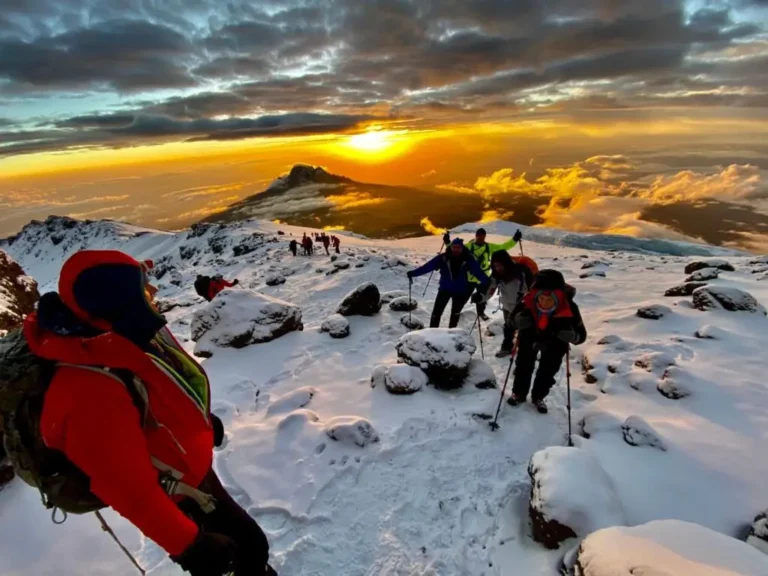
Kilimanjaro And Grumeti Migration Safari June : The Ultimate Tanzanian
Plan your unforgettable Kilimanjaro and Grumeti Migration safari for June 2027. This comprehensive guide details how to combine the challenge of summiting Africa's highest peak with the...
View package details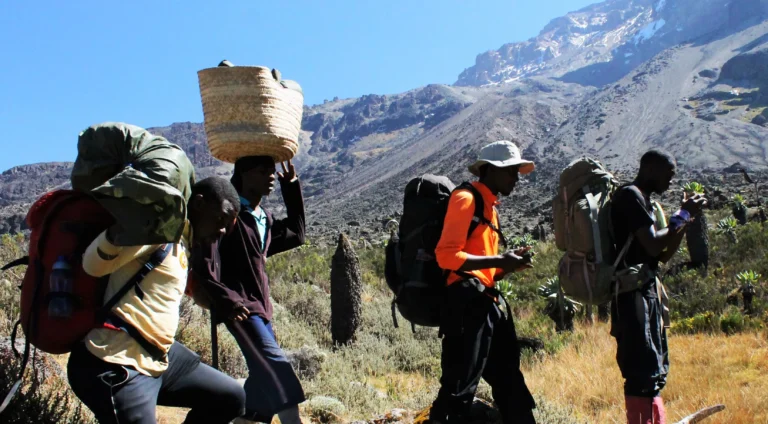
Best Kilimanjaro And Serengeti Calving Season Safari March 2027
Discover the magic of a March 2027 Kilimanjaro and Serengeti calving season safari. This guide explores the unique advantages and considerations for experiencing Tanzania's wildlife...
View package details
Kilimanjaro And Serengeti Calving Safari February : The Ultimate Planning
Combine the majesty of Mount Kilimanjaro with the impressive spectacle of the Serengeti's calving season in February 2027. This guide details how to plan this dual adventure, focusing on...
View package details
Kilimanjaro And Serengeti Calving Safari January 2026-2027
Kilimanjaro and Serengeti Calving Safari January 2027 is explained with current 2026-2027 planning, price, itinerary and booking information.
View package details
Christmas Kilimanjaro And Zanzibar Holiday : Your Ultimate Adventure 2026-2027
Experience an unforgettable Christmas combining the thrill of climbing Mount Kilimanjaro with the serene beauty of Zanzibar's beaches. This guide covers planning for your 2026-2027 festive...
View package details
Kilimanjaro And Great Migration Safari July : Your Ultimate Tanzanian
Combining a Kilimanjaro climb with a Great Migration safari in July 2027 offers a spectacular Tanzanian adventure. This guide helps you plan your ideal itinerary, considering the best...
View package details
Kilimanjaro Christmas Climb And Tanzania Safari : Your Festive Adventure
Combine the magic of a Christmas ascent of Kilimanjaro with a thrilling Tanzania safari in 2026. Discover how to plan this dual adventure for a truly unique festive season.
View package detailsKilimanjaro And Mara River Crossing Safari August : Peak Season Adventure 2027
Combining the ultimate challenge of climbing Mount Kilimanjaro with the awe-inspiring spectacle of the Great Migration river crossing in the Maasai Mara offers an unparalleled African...
View package details
Kilimanjaro And Great Migration Safari August : Your Peak Season Adventure
Plan your ultimate Tanzanian adventure in August 2027, combining a Kilimanjaro climb with the spectacle of the Great Migration. This guide details the best timings, routes, and safari...
View package detailsKilimanjaro And Mara River Crossing Safari July 2027
Kilimanjaro and Mara River Crossing Safari July 2027 is explained with current 2027 planning, price, itinerary and booking information.
View package detailsNo related package matches those filters. Clear one or more filters to see the other topic-matched options.



