
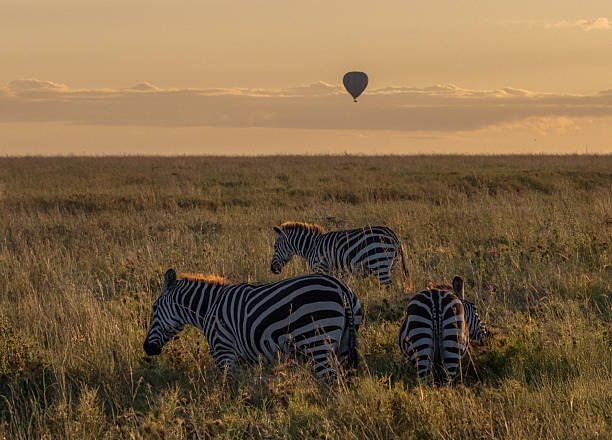
A 10-day Tanzania bird watching safari typically focuses on Northern Tanzania’s prime wildlife areas, offering a rich diversity of avian life alongside iconic mammals. This itinerary, ideal for 2026-2027, strategically covers Tarangire National Park (known for its raptors and water birds), Lake Manyara National Park (famous for its flamingoes and forest birds), the Ngorongoro Conservation Area (a unique caldera ecosystem), and the vast Serengeti National Park (home to many endemic species and migratory birds). The cost is quote-based, influenced by accommodation level, group size, and specific birding interests, generally ranging from $3,500 to $7,000+ per person for mid-range to luxury options covering 2026-2027 departures.

Comprehensive Overview: Your 10-Day Tanzania Bird Watching Safari
Embarking on a 10 days Tanzania bird watching safari is a journey into one of Africa’s most biodiverse regions. Unlike a general wildlife safari, this specialized trip prioritizes habitats and timings that maximize opportunities to observe a vast array of avian species. While iconic mammals like lions, elephants, and giraffes will undoubtedly make appearances, the true focus is on the feathered inhabitants. This itinerary is crafted to take you through varied ecosystems – from the acacia woodlands and baobab-dotted plains of Tarangire to the soda-rich shores of Lake Manyara, the unique caldera of Ngorongoro, and the expansive grasslands of the Serengeti. Each location offers distinct birding experiences, with specific species tied to particular environments. For 2026-2027, this plan ensures you are in regions known for both resident and migratory bird populations, providing a comprehensive introduction to Tanzania’s incredible birdlife.
The core of a successful bird watching safari lies in understanding the local ecology, the specific needs of different species, and the best times for observation. This means early morning and late afternoon drives are paramount, often with specialized guides who can identify calls and subtle movements. We focus on areas that are less disturbed by general tourist traffic, allowing for more intimate encounters with birds in their natural settings. The 10-day duration allows for a good balance between travel time and dedicated birding, ensuring you don’t feel rushed. It’s a commitment to experiencing the wild, not just seeing it, with a keen eye for the smallest, most colorful, and most melodious residents of Tanzania.
Why Tanzania for Bird Watching? An Ornithological Hotspot
Tanzania stands out as a premier destination for bird watchers due to its extraordinary avian diversity, estimated at over 1,100 bird species. This sheer number is a testament to the country’s varied landscapes, which range from coastal mangroves and montane forests to vast savannas, semi-arid bushlands, and large inland lakes. These diverse habitats support a rich mix of resident birds, including numerous endemic species found nowhere else on earth, alongside significant numbers of intra-African and palaearctic migrants that visit during specific seasons. The Northern Safari Circuit, which forms the backbone of most Tanzanian safaris, is particularly rewarding for birders. It encompasses national parks and conservation areas that are managed to preserve these natural habitats, making them ideal for spotting species such as:
- Endemics: Such as the Rufous-tailed Weaver, Grey-crested Francolin, and Usambara Weaver (though the latter is more common in eastern Tanzania, its range can extend).
- Raptors: Eagles, buzzards, and falcons thrive in open country and around water bodies.
- Waterfowl and Waders: Lakes and rivers attract a multitude of ducks, geese, herons, storks, and sandpipers.
- Forest Birds: While the Northern Circuit is savanna-heavy, areas like Lake Manyara’s groundwater forest and the Ngorongoro highlands harbor unique forest-dwelling species.
- Passerines: The small birds, often overlooked by general tourists, offer incredible variety, from sunbirds and weavers to warblers and flycatchers.
The conservation efforts in Tanzania’s national parks and reserves are crucial. They provide protected areas where bird populations can flourish. For bird watchers planning a trip in 2026 or 2027, the infrastructure in these parks, while primarily geared towards wildlife viewing, is also suitable for birding. Specialized guides, often trained in ornithology or with extensive field experience, can significantly enhance the birding experience, helping to locate specific species and identify them by sight and sound. The sheer scale of parks like the Serengeti means that even within a limited time, the opportunities for discovery are immense.
Best Time for Your 10-Day Bird Watching Safari: 2026-2027 Outlook
Timing is everything for a successful bird watching safari in Tanzania, especially when planning for 2026-2027. The best periods generally coincide with the arrival of migratory birds and the breeding season for resident species, which often leads to more active and colorful birds. Tanzania has two main seasons that are particularly good for birding:
- The Green Season (November to April): This is the primary season for Palaearctic migrants from Europe and Asia, and also the breeding season for many resident birds. The landscape is lush and green, which can sometimes make spotting birds more challenging, but it’s also when many species are in their most vibrant breeding plumage and are actively nesting. The rains can be unpredictable, but often come in short bursts, allowing for game drives between showers. This period is excellent for photographers due to the soft light and the abundance of young animals and birds. Expect to see a plethora of species that have migrated south for the warmer months.
- The Dry Season (June to October): While often considered the prime time for viewing large mammals due to animals congregating around water sources, the dry season is also excellent for birding. Water bodies become focal points for many bird species, including waders and waterfowl. Migratory birds are still present, and resident birds are often easier to spot against the dry, sparser vegetation. This is also a popular time for tourists, so parks can be busier, but for birding, the clear conditions and accessible roads are advantageous.
Specific considerations for 2026-2027:
- November to March: Ideal for migratory species. The rains begin in November, with heavier showers often in March and April.
- June to October: Best for spotting birds around water sources and easier viewing in drier landscapes. This period is also excellent for general wildlife viewing.
For a 10 days Tanzania bird watching safari, aiming for the shoulder months like late October/early November or late March/early April can offer a good balance of migratory and resident species, potentially with fewer crowds and beautiful landscapes. However, any time of year offers remarkable birding opportunities in Tanzania. It’s always advisable to check with local experts for the most current conditions and species movements closer to your planned travel dates in 2026 or 2027.
Detailed 10-Day Tanzania Bird Watching Safari Itinerary
This 10-day itinerary is designed to maximize bird watching opportunities across diverse habitats in Northern Tanzania. It balances travel time with dedicated hours in prime birding locations, focusing on species-rich areas. This is a template, and can be customized to your specific interests and pace for 2026-2027 travel.
Day 1: Arrival in Arusha & Preparation
Upon arrival at Kilimanjaro International Airport (JRO), you will be met by your Climb 4 Africa guide and transferred to your lodge in Arusha. Arusha serves as the gateway to the Northern Safari Circuit and is a good place to acclimatize and prepare for your birding adventure. Depending on your arrival time, you might have the opportunity for a short birding walk around the lodge grounds, which often host various sunbirds, weavers, and other common garden birds. This day is crucial for a final gear check and briefing with your guide about the upcoming 10 days Tanzania bird watching safari. You’ll discuss target species and any specific interests you have for 2026-2027.
- Accommodation: Lodge in Arusha.
- Meals: Dinner.
- Focus: Arrival, acclimatization, gear check, initial birding around lodge.
Day 2: Tarangire National Park – Raptors and Water Birds
After breakfast, we drive to Tarangire National Park, renowned for its large elephant herds and diverse birdlife. The park’s landscape is characterized by vast savanna, acacia woodlands, and the seasonal Tarangire River. Birding here is excellent, especially around the swamps and riverbanks. Keep an eye out for numerous raptors, including the Lappet-faced Vulture, Martial Eagle, and various kestrels and buzzards. Water birds like Hamerkop, Kingfishers, and Herons are abundant. The park’s woodlands are home to species like the Yellow-bellied Elaenia and White-faced Scops Owl. We’ll spend the full day exploring Tarangire with picnic lunches, focusing on its rich avian populations.
- Accommodation: Tented camp or lodge inside/near Tarangire.
- Meals: Breakfast, Lunch, Dinner.
- Focus: Raptors, water birds, woodland species, elephants.
Day 3: Tarangire to Lake Manyara – Diverse Habitats
We begin the day with an early morning birding drive in Tarangire, targeting species missed on the previous day or enjoying the dawn chorus. After breakfast, we depart for Lake Manyara National Park. The drive itself offers scenic views and potential roadside birding. Lake Manyara is famous for its shallow, alkaline lake, which attracts vast flocks of Lesser Flamingos (though numbers can vary seasonally). Beyond the flamingos, the park’s groundwater forest is a haven for many bird species. Look for Narina’s Trogon, Silvery-cheeked Hornbill, and various forest dwellers. The open grasslands and acacia trees host species like the Pangani Longclaw and Rufous-crowned Roller. We’ll conduct a game drive that doubles as a birding excursion.
- Accommodation: Lodge near Lake Manyara or Karatu.
- Meals: Breakfast, Lunch, Dinner.
- Focus: Flamingos, groundwater forest birds, hornbills, rollers.
Day 4: Lake Manyara Birding & Transfer to Ngorongoro Highlands
Enjoy a final morning birding session in Lake Manyara National Park, perhaps focusing on the lake shore for waders and water birds, or exploring the forest trails for arboreal species. After our morning’s pursuit, we will drive towards the Ngorongoro Conservation Area. The journey takes us up into the highlands, offering cooler temperatures and stunning vistas. We’ll stop at viewpoints along the way for birding, and upon arrival in the Karatu area or near the crater rim, there might be opportunities for local birding walks around the lodge or conservancy. This transition day allows for appreciating different microclimates and their associated birdlife. Keep an eye out for birds of prey soaring overhead.
- Accommodation: Lodge in Karatu or on the Ngorongoro Crater rim.
- Meals: Breakfast, Lunch, Dinner.
- Focus: Lake shore birds, highland species, scenic drives, acclimatization to altitude.
Day 5: Ngorongoro Crater – A Unique Avian Sanctuary
Today is dedicated to exploring the Ngorongoro Crater, a UNESCO World Heritage Site and one of the most wildlife-dense areas on earth. The crater floor is a microcosm of habitats, supporting a remarkable array of birdlife. While game viewing is spectacular, birders will be particularly interested in the numerous water birds on the crater lake, including Greater Flamingos, Yellow-billed Storks, and Marabou Storks. The grasslands host species like the Fischer’s Sparrow-lark and Pink-billed Lark. Raptors are also well-represented, with Augur Buzzards and Eagles often seen. The highlands surrounding the crater rim also harbor unique species. Our guide will focus on identifying both common and rare birds within this unique caldera ecosystem.
- Accommodation: Lodge in Karatu or on the Ngorongoro Crater rim.
- Meals: Breakfast, Lunch, Dinner.
- Focus: Crater floor birds, water birds, raptors, endemic species within the caldera.
Day 6: Ngorongoro to Serengeti National Park (Central) – Plains Birds
After an early breakfast and perhaps a final short birding session on the crater rim, we start our journey to the legendary Serengeti National Park. The drive itself is a game drive, passing through the Ngorongoro Conservation Area and into the Serengeti plains. We’ll aim to enter the park via the Naabi Hill gate. The central Serengeti (Seronera area) is known for its year-round wildlife and diverse birdlife, supported by the Seronera River and its tributaries. This area is excellent for spotting raptors, including Bateleur Eagles and Secretarybirds. The acacia woodlands and kopjes are home to various passerines, sunbirds, and weavers. We will conduct a full afternoon game drive, focusing on both mammals and birds.
- Accommodation: Tented camp or lodge in Central Serengeti.
- Meals: Breakfast, Lunch, Dinner.
- Focus: Transition to Serengeti, plains birds, raptors, kopje species.
Day 7: Serengeti National Park – Exploring Different Zones
The Serengeti is vast, and depending on the time of year and recent sightings, we can tailor today’s exploration. If bird activity is high in the northern or western sectors (which can be seasonal, particularly for migratory birds), we might venture further afield. Alternatively, we can continue to explore the central region more deeply. The Serengeti is home to the spectacular Lilac-breasted Roller, numerous species of Hornbills, and a plethora of Weavers. The open plains can host large flocks of Bustards and Ostrich. We will spend the day on game drives, with our guide constantly scanning for birdlife, using binoculars and spotting scopes effectively. This flexibility is key to a successful 10 days Tanzania bird watching safari.
- Accommodation: Tented camp or lodge in Central or another selected Serengeti sector.
- Meals: Breakfast, Lunch, Dinner.
- Focus: Diverse Serengeti habitats, seasonal bird movements, varied species.
Day 8: Serengeti – Following the Avian Movements
Today is dedicated to further exploration of the Serengeti, perhaps focusing on areas known for specific bird species or following general wildlife movements that might indicate concentrated bird activity. We can explore riverine forests for forest birds, open grasslands for ground birds, or kopjes for resident species. The presence of the Great Migration (if applicable to the season and location) can also attract raptors and scavengers. Your guide will use their expertise to find areas where bird activity is highest, whether it’s a mixed-species flock in the trees or a gathering of water birds along a seasonal pool. This day is about maximizing sightings and experiencing the dynamic nature of the Serengeti’s avian inhabitants.
- Accommodation: Tented camp or lodge in Central or another selected Serengeti sector.
- Meals: Breakfast, Lunch, Dinner.
- Focus: Deep look at Serengeti birding, targeting specific species or habitat types.
Day 9: Serengeti to Arusha – Final Birding Opportunities
We will have an early morning game drive in the Serengeti, perhaps focusing on a specific area or species we haven’t yet seen. After breakfast, we begin our drive back towards Arusha. Along the way, we can make stops for birding in areas that might have been overlooked on the way in. This drive provides a last chance to spot any desired species. Alternatively, if time and interest permit, we could arrange a visit to a local community project or a cultural site en route. We will arrive back in Arusha in the late afternoon or early evening and check into our lodge. This is a good time to reflect on the incredible sightings of your 10 days Tanzania bird watching safari.
- Accommodation: Lodge in Arusha.
- Meals: Breakfast, Lunch, Dinner.
- Focus: Final Serengeti birding, scenic drive back to Arusha, reflection.
Day 10: Departure from Arusha
Depending on your flight schedule, you may have time for some last-minute souvenir shopping in Arusha or a final short birding walk. You will then be transferred to Kilimanjaro International Airport (JRO) for your onward flight, filled with memories of Tanzania’s spectacular birdlife and landscapes. We hope this 10 days Tanzania bird watching safari has met your expectations for 2026-2027.
- Meals: Breakfast.
- Focus: Departure.
Key Bird Species to Spot on Your 10-Day Safari
While a 10-day safari cannot guarantee sightings of every single species, this itinerary is designed to maximize encounters with a wide variety of birds, including many sought-after species. Here are some highlights you might encounter:
Raptors:
- Martial Eagle
- African Fish Eagle
- Bateleur
- Augur Buzzard
- Lappet-faced Vulture
- Secretarybird
Water Birds & Waders:
- Lesser Flamingo (Lake Manyara, Ngorongoro)
- Greater Flamingo (Lake Manyara, Ngorongoro)
- African Jacana
- Grey Heron
- Hamerkop
- Yellow-billed Stork
- Various Kingfishers (e.g., Malachite Kingfisher, Pied Kingfisher)
Woodland & Savanna Birds:
- Lilac-breasted Roller (iconic and common)
- Rufous-crowned Roller
- Superb Starling
- Lilac-breasted Roller
- Yellow-billed Oxpecker
- Various Hornbills (e.g., Silvery-cheeked Hornbill, Yellow-billed Hornbill, Trumpeter Hornbill)
- Various Weavers (e.g., Speke’s Weaver, Rüppell’s Weaver, Baglafecht Weaver)
- Northern Ground Hornbill
- Abyssinian Scimitarbill
- White-faced Scops Owl
Endemic & Near-Endemic Species (possibilities):
- Grey-crested Francolin
- Usambara Weaver (less common in this specific circuit but possible)
- Rufous-tailed Weaver
- Fischer’s Lovebird
- Fischer’s Sparrow-lark
The exact species encountered will depend on the season, specific locations visited within each park, and the skill of your guide. For the 2026-2027 birding season, focusing on the Green Season (Nov-Apr) will yield more migratory species, while the Dry Season (Jun-Oct) concentrates birds around water. A good guide is key to spotting many of these species, especially the more elusive ones or those that are camouflaged.
Planning Your 10-Day Tanzania Bird Watching Safari
Organizing a specialized bird watching safari requires attention to detail beyond a standard wildlife trip. Here are key planning considerations for your 10 days Tanzania bird watching safari, especially for trips planned for 2026-2027:
Accommodation Options for Birders
Accommodation plays a significant role in your birding experience. For a 10 days Tanzania bird watching safari, we recommend lodges and tented camps that are either located within or on the borders of national parks, offering early morning and late evening birding opportunities. These can range from:
- Budget: Basic tented camps or guesthouses offering essential amenities. Birding might be more limited to the immediate surroundings.
- Mid-Range: Comfortable lodges and permanent tented camps with en-suite bathrooms, good food, and often located in scenic spots conducive to birding. These are popular for 2026-2027 trips.
- Luxury: High-end lodges and exclusive tented camps offering premium services, gourmet dining, and prime locations. Some may have dedicated birding guides or nature trails.
When choosing accommodation, consider proximity to diverse habitats. Lodges near water bodies, forests, or varied woodland types will offer more opportunities for spotting different species right from your doorstep or during short walks. Some camps offer guided bird walks as an additional activity.
Transportation and Vehicles for Bird Watching
The standard safari vehicle, typically a 4×4 Land Cruiser or Land Rover, is well-equipped for bird watching. Key features include:
- Pop-up roof: Essential for unobstructed 360-degree viewing and photography.
- Comfortable seating: Allowing for long hours of observation.
- Binoculars and scopes: Your guide will usually carry high-quality optics, but it’s advisable to bring your own.
- Window access: Most vehicles allow comfortable viewing from open windows.
For a dedicated birding safari, it’s crucial to have a guide who is not only knowledgeable about mammals but also proficient in identifying birds by sight and sound. Climb 4 Africa ensures our guides have extensive birding experience. The vehicle should be able to navigate park tracks comfortably and stop at any time for prolonged bird observation, which is a common request on a 10 days Tanzania bird watching safari.
Essential Birding Gear and Packing List
To make the most of your 10 days Tanzania bird watching safari, proper gear is essential. Here’s a recommended packing list for 2026-2027 trips:
- Binoculars: High-quality, lightweight binoculars (e.g., 8×42 or 10×42) are a must. Consider bringing a spare pair.
- Field Guide: A comprehensive field guide to the birds of East Africa is invaluable.
- Camera: With a good telephoto lens (e.g., 300mm or more) for photography. Extra batteries and memory cards are essential.
- Sun Protection: Wide-brimmed hat, sunglasses, and high SPF sunscreen.
- Clothing: Lightweight, breathable clothing in neutral colors (khaki, olive, beige). Avoid bright colors. Long sleeves and trousers are recommended for sun and insect protection. A waterproof and windproof jacket is useful for cooler mornings and potential rain.
- Footwear: Comfortable walking shoes or hiking boots for any lodge walks or light treks.
- Insect Repellent: With DEET or picaridin for evenings and forested areas.
- Personal First-Aid Kit: Including any personal medications.
- Power Bank/Adapter: For charging electronic devices.
- Notebook and Pen: To record sightings and notes.
- Reusable Water Bottle: To stay hydrated and reduce plastic waste.
Packing light but smart is key, as luggage space in safari vehicles can be limited.
Budget and Pricing for a 10-Day Tanzania Bird Watching Safari (2026-2027)
The cost of a 10 days Tanzania bird watching safari can vary significantly based on several factors. For 2026-2027, travelers can expect a range, but it’s important to understand what influences the price. Climb 4 Africa provides custom quotes tailored to your specific needs.
Typical Price Range (per person, based on 2 people sharing):
- Budget: $3,500 – $4,500 (Basic accommodation, fewer private guiding hours, shared vehicles).
- Mid-Range: $4,500 – $6,500 (Comfortable lodges/camps, private vehicle and guide, good value). This is the most common choice for 2026-2027 bookings.
- Luxury: $6,500 – $9,000+ (High-end lodges/camps, premium services, exclusive guiding, often includes internal flights).
Key Factors Influencing Price:
- Accommodation Level: From basic tented camps to luxury lodges.
- Vehicle and Guide: Private vehicle and dedicated guide are standard for specialized safaris but increase cost. Shared vehicles are cheaper but offer less flexibility for birding.
- Park Fees: These are fixed per park per person per day and are a significant component of the cost.
- Season: Peak season (June-October) can be slightly more expensive than the Green Season (November-April), though birding is excellent in both.
- Group Size: Traveling solo or in a small group will generally be more expensive per person than a larger group sharing costs.
- Inclusions: What’s included (meals, drinks, activities, park fees, transfers) can vary.
What is typically included:
- Park entrance fees
- Accommodation as per itinerary
- All meals during the safari (breakfast, lunch, dinner)
- Professional English-speaking birding guide
- 4×4 safari vehicle with pop-up roof for game viewing
- Bottled water during game drives
- Airport transfers
What is typically excluded:
- International flights
- Visa fees
- Travel insurance
- Tips for guides and lodge staff
- Personal expenses (souvenirs, laundry, alcoholic beverages)
- Optional activities not listed in the itinerary
For an accurate quote for your 2026-2027 10 days Tanzania bird watching safari, please contact Climb 4 Africa with your preferred travel dates, accommodation style, and group size.
Customization and Tailoring Your Birding Safari
The beauty of a safari with Climb 4 Africa is its flexibility. While the 10-day itinerary provides a solid framework, we understand that every birder has unique interests and priorities. For your 10 days Tanzania bird watching safari, we can tailor the experience in several ways for 2026-2027:
- Target Species: If you have specific birds you are particularly keen to see, we can adjust the itinerary to focus on habitats or regions where they are more commonly found.
- Pace: Some birders prefer a more relaxed pace with more time spent in each location, while others want to cover more ground. We can adjust the daily schedule accordingly.
- Accommodation Style: We can mix and match accommodation types to suit your budget and preferences, perhaps opting for a more rustic camp in one area and a comfortable lodge in another.
- Duration: While this is a 10-day plan, we can extend or shorten your safari to fit your travel plans.
- Inclusion of Other Activities: If you wish to incorporate other interests, such as cultural visits, walking safaris (where permitted), or specific photography needs, we can integrate these.
For instance, if you are particularly interested in bird photography, we can ensure you have a private vehicle and a guide experienced in assisting photographers with optimal positioning and timing. If your focus is on specific families of birds, like raptors or weavers, we can dedicate more time to parks or areas known for their abundance. Contacting us early for your 2026-2027 trip allows ample time for detailed planning and customization.
Booking Your 10-Day Tanzania Bird Watching Safari
Booking your 10 days Tanzania bird watching safari is a straightforward process designed to ensure you get the most personalized and fulfilling experience. We recommend starting the booking process well in advance, especially for popular travel dates in 2026-2027, to secure preferred accommodations and guides.
Steps to Book:
- Inquiry: Reach out to Climb 4 Africa with your interest in a 10 days Tanzania bird watching safari. Please provide your desired travel dates (including the year 2026 or 2027), the number of travelers, your preferred accommodation style (budget, mid-range, luxury), and any specific birding interests.
- Customized Quote: Based on your inquiry, we will prepare a detailed itinerary and a personalized quote, outlining all inclusions and exclusions.
- Review and Refine: Discuss the proposal with us. We are happy to make adjustments to the itinerary, accommodation, or activities to perfectly match your requirements.
- Confirmation and Deposit: Once you are happy with the plan, a deposit is required to confirm your booking and secure your accommodations and guides.
- Pre-Departure Information: We will provide comprehensive information regarding visas, vaccinations, packing, and other essential details to prepare you for your trip.
- Final Payment: The remaining balance is typically due a few weeks before your departure date.
We pride ourselves on offering practical, local support and expert advice. Our team is passionate about Tanzania and dedicated to creating unforgettable bird watching experiences. Whether you’re planning for 2026 or 2027, we are here to help you craft the perfect safari. You can reach us via WhatsApp at +255 747 477 898 or by email at climb4africa@gmail.com. Let us help you discover the incredible avian wonders of Tanzania!
Check Availability for 10 Days Tanzania Bird Watching Safari: Itinerary, Best Locations & Planning
Ready to compare dates, prices, and the best option for your group? Send the package name and travel month so the team can reply with a clear quote, availability, and what is included.
Kilimanjaro And Great Migration Safari July : Your Ultimate Tanzanian
Combining a Kilimanjaro climb with a Great Migration safari in July 2027 offers a spectacular Tanzanian adventure. This guide helps you plan your ideal itinerary, considering the best...
View package details
Kilimanjaro And Grumeti Migration Safari June : The Ultimate Tanzanian
Plan your unforgettable Kilimanjaro and Grumeti Migration safari for June 2027. This comprehensive guide details how to combine the challenge of summiting Africa's highest peak with the...
View package details
Kilimanjaro Christmas Climb And Tanzania Safari : Your Festive Adventure
Combine the magic of a Christmas ascent of Kilimanjaro with a thrilling Tanzania safari in 2026. Discover how to plan this dual adventure for a truly unique festive season.
View package detailsKilimanjaro And Mara River Crossing Safari August : Peak Season Adventure 2027
Combining the ultimate challenge of climbing Mount Kilimanjaro with the awe-inspiring spectacle of the Great Migration river crossing in the Maasai Mara offers an unparalleled African...
View package details
Kilimanjaro And Great Migration Safari August : Your Peak Season Adventure
Plan your ultimate Tanzanian adventure in August 2027, combining a Kilimanjaro climb with the spectacle of the Great Migration. This guide details the best timings, routes, and safari...
View package detailsKilimanjaro And Mara River Crossing Safari July 2027
Kilimanjaro and Mara River Crossing Safari July 2027 is explained with current 2027 planning, price, itinerary and booking information.
View package details
Best Kilimanjaro And Serengeti Calving Season Safari March 2027
Discover the magic of a March 2027 Kilimanjaro and Serengeti calving season safari. This guide explores the unique advantages and considerations for experiencing Tanzania's wildlife...
View package details
Kilimanjaro And Serengeti Calving Safari February : The Ultimate Planning
Combine the majesty of Mount Kilimanjaro with the impressive spectacle of the Serengeti's calving season in February 2027. This guide details how to plan this dual adventure, focusing on...
View package details
Kilimanjaro And Serengeti Calving Safari January 2026-2027
Kilimanjaro and Serengeti Calving Safari January 2027 is explained with current 2026-2027 planning, price, itinerary and booking information.
View package detailsNo related package matches those filters. Clear one or more filters to see the other topic-matched options.



