
On any Tanzania safari, you should never underestimate the power, intelligence, or unpredictable nature of any wild animal, but particularly the buffalo, lion, elephant, hippo, rhino, leopard, cheetah, hyena, wild dog, and crocodile. These animals, while magnificent, possess formidable defenses and behaviors that demand respect and caution to ensure your safety and their well-being during your 2026-2027 wildlife adventures.
A Tanzanian safari is often envisioned as a series of awe-inspiring encounters with iconic wildlife. While the image of a pride of lions basking in the sun or a herd of elephants gracefully crossing the plains is a staple of safari dreams, it’s crucial to approach every wildlife sighting with a profound sense of respect. The creatures you’ll encounter are not characters in a documentary; they are wild, powerful beings living by their own rules. Underestimating them can lead to dangerous situations, disrupting not only your experience but also the natural behavior of the animals. This guide focuses on ten specific animals that travelers commonly perceive in certain ways, but whose true capabilities and potential for danger are often overlooked. Understanding these nuances is key to planning a responsible and unforgettable safari in 2026 or 2027.
Understanding the Safari Mindset: Respect Over Underestimation
The allure of a safari lies in its raw, untamed nature. Unlike zoos or sanctuaries, African national parks and reserves are the animals’ homes, and we are merely visitors. This fundamental difference dictates how we should behave. The primary rule of safari etiquette, repeated by every reputable guide and operator, is to maintain a safe distance and never interfere with wildlife. This isn’t just about protecting the animals; it’s about protecting ourselves.
Many travelers arrive with preconceived notions, often shaped by media portrayals or a desire for dramatic encounters. While thrilling sightings are part of the safari experience, the most memorable moments often stem from quiet observation and a deep appreciation for the wild. The animals listed here are not inherently aggressive towards humans unless provoked, threatened, or protecting their young or territory. However, their natural instincts can kick in swiftly, and their physical capabilities far surpass ours.
For instance, an elephant, often perceived as gentle due to its size and herbivorous diet, can be incredibly dangerous if it feels cornered or threatened. A hippo, seemingly placid as it wallows in water, is one of the most territorial and aggressive animals in Africa. Recognizing these traits is not about fostering fear, but about cultivating informed respect. This approach ensures that your safari, whether planned for the peak season of 2026 or the greener months of 2027, is filled with wonder, not worry.
The Role of Your Safari Guide
Your safari guide is your most valuable asset in navigating the complexities of wildlife viewing. Experienced guides are trained to read animal behavior, understand their typical habitats, and know the safest distances to maintain. They are also skilled in vehicle handling, capable of maneuvering away from potentially dangerous situations quickly and safely. Trusting your guide’s judgment is paramount. They will advise you on when it’s safe to observe, when to remain quiet, and when it’s time to move on.
Guides often have decades of experience and an intimate understanding of the parks and reserves they operate in. They know which areas are frequented by particular animals at different times of the year, and how to approach them without causing undue stress. When planning your 2026-2027 safari, selecting a reputable operator like Climb 4 Africa, with local guides who have an unparalleled understanding of Tanzania’s wildlife, significantly enhances your safety and the quality of your experience. They can interpret subtle cues—a flick of an ear, a shift in posture—that signal an animal’s mood and intentions, insights that are often missed by the untrained eye.
1. The African Buffalo (Syncerus caffer) – The “Black Death”
Often appearing as a placid grazer, the African buffalo is one of the most dangerous animals in Africa, earning it the nickname “Black Death.” These massive bovines, weighing up to 900 kg (2,000 lbs), are known for their unpredictable temperament and their tendency to charge when threatened. Unlike many other herbivores, they do not flee easily and often stand their ground, or even attack.
Buffalo live in large herds, which provides safety in numbers. However, solitary or injured individuals can be particularly unpredictable and aggressive. They have excellent memories and are known to stalk and ambush hunters who have previously harmed them. On safari, this translates to maintaining a considerable distance, especially if you encounter a lone bull or a herd with young calves.
Their strength is immense. A charge from a buffalo can easily overturn a safari vehicle. Their horns, sharp and powerful, are capable of inflicting severe injuries. Furthermore, their herd mentality means that if one buffalo feels threatened, the entire group can react defensively. Guides will always ensure the vehicle is positioned with an escape route and never between a buffalo and its herd, or a calf and its mother.
Why They Are Misunderstood
Many people see buffalo as just another large herbivore, similar to wildebeest or zebras. While they share the plains, their disposition is markedly different. Their sheer power, combined with a volatile temperament, makes them a significant threat. They are not easily startled and may even approach vehicles out of curiosity, which can be deceptive. A curious buffalo can quickly turn aggressive if it perceives any sign of threat.
Safari Best Practices
When viewing buffalo, always listen to your guide. Never attempt to get closer for a photograph. If a buffalo charges, your guide will know the best course of action, which usually involves accelerating away. Remember, they are herd animals, and while a single buffalo can be dangerous, a stampeding herd is an even more formidable force. Respect their space; they are not to be trifled with.
2. The Lion (Panthera leo) – The Apex Predator’s Power
Lions, the undisputed kings of the savanna, are often viewed with awe and perhaps a degree of romanticism. However, their power as apex predators means they command respect. While lion attacks on humans are relatively rare, especially in controlled safari environments, they are capable of immense strength and speed. A mature male lion can weigh over 200 kg (440 lbs), and their powerful jaws and sharp claws are designed for bringing down large prey.
Lions are most active at dawn and dusk, and sometimes at night. During the day, they often rest in the shade. This resting period can make them appear docile, but they are always aware of their surroundings. It’s crucial to remember that a resting lion is still a wild predator. They can spring into action with surprising speed if they perceive a threat, or if they are hungry.
While attacks are infrequent, there have been instances where lions have approached vehicles or even attacked people who have strayed too far from their guides or vehicles. The key is to maintain a safe distance and never leave the safety of your vehicle unless in a designated, secure area under guide supervision. This applies even if the lions appear calm or uninterested.
The Lion’s Hunter Instincts
Lions are intelligent hunters, often working cooperatively to bring down prey. Their strength, agility, and predatory instincts are finely honed. Even a playful interaction between cubs can demonstrate incredible power. Never forget that you are in their territory, and they are wild animals driven by instinct. Their apparent indifference can be deceptive; they are constantly assessing their environment.
Safari Viewing Tips
When observing lions, remain quiet and avoid sudden movements. Do not feed them, ever. Your guide will position the vehicle at a safe distance, allowing you to observe their natural behavior without disturbing them. If lions approach the vehicle, your guide will manage the situation, likely by slowly moving the vehicle away. Never attempt to take photos by leaning out of the vehicle or opening doors. The thrill of seeing lions should always be tempered with caution.
3. The African Elephant (Loxodonta africana) – Gentle Giant’s Raw Power
Elephants are often seen as gentle giants, and for the most part, they are. Their intelligence, social structure, and generally peaceful demeanor contribute to this perception. However, an adult bull elephant can weigh up to 6,000 kg (13,000 lbs), and a cow up to 3,000 kg (6,600 lbs). Their sheer size alone makes them formidable. When an elephant feels threatened, particularly a mother protecting her calf, or a bull in musth (a period of heightened aggression and sexual tension), they can be incredibly dangerous.
An elephant charge is a terrifying display of power. They can reach speeds of up to 40 km/h (25 mph) and can easily topple a safari vehicle or cause significant damage. Their tusks are powerful weapons, and their trunks, while often used delicately, can deliver crushing blows. Even a playful nudge from a young elephant can be dangerous to a human.
Musth bulls are particularly unpredictable. Their hormonal state can lead to aggressive behavior towards anything they perceive as a challenge, including safari vehicles. Experienced guides are adept at identifying signs of musth and will give such elephants a wide berth.
Understanding Elephant Behavior
Elephants communicate through a complex system of rumbles, trumpets, and body language. Raised ears, flapping them, head shaking, and mock charges are all warning signs that should be heeded immediately. A mock charge, while not intended to make full contact, is a powerful display designed to intimidate. It’s crucial to understand these signals and trust your guide’s interpretation.
Safe Elephant Encounters
Always maintain a safe distance, as advised by your guide. Never drive between a mother and her calf. Avoid loud noises or sudden movements when elephants are near. If an elephant charges, your guide will take evasive action. Remember, they are intelligent and can remember negative encounters. Respect their space, and you’ll have incredible viewing opportunities. Planning your 2026-2027 safari with operators who prioritize wildlife welfare and safety protocols is essential for these encounters.
4. The Hippopotamus (Hippopotamus amphibius) – The Water’s Deadly Guardian
The hippopotamus, with its large, seemingly docile appearance, is responsible for more human fatalities in Africa than any other large mammal. They spend most of their day submerged in water, appearing lazy and harmless. However, hippos are extremely territorial, aggressive, and surprisingly fast on land, capable of reaching speeds of up to 30 km/h (19 mph) over short distances.
Their enormous jaws can open up to 150 degrees, revealing massive canine teeth that can grow up to 50 cm (20 inches) long. These can inflict devastating bite wounds. Hippos are most dangerous when they feel their territory is threatened, particularly during mating season or when protecting their young. They are also known to attack boats, capsizing them and attacking the occupants.
While most safari vehicles stay on land, river excursions or walking safaris near water bodies require extreme caution. Even from a distance, observing hippos requires vigilance. They can emerge suddenly from the water, and their speed can be astonishing.
The Territorial Nature of Hippos
Hippos are highly social but also fiercely territorial. Males often dominate stretches of river or lake, and they will aggressively defend their space against intruders, including other hippos and any perceived threats. Their aggression is not limited to the water; they will also patrol and defend their territories on land, especially when moving between water sources or grazing at night.
Viewing Hippos Safely
When viewing hippos, always maintain a safe distance from the water’s edge. Never approach a hippo that has come onto land. If on a boat safari, ensure your guide maintains a respectful distance and is aware of the hippos’ behavior. Avoid startling them, as this can trigger an aggressive response. Their placid appearance in the water is deceptive; they are always alert and ready to defend their space.
5. The Rhinoceros (Rhinoceridae family) – The Armored Tank
Rhinos, with their thick, armored hides and formidable horns, might seem like slow-moving tanks. While they are not as fast as cheetahs or as agile as leopards, both black and white rhinos possess surprising speed and strength. White rhinos can reach speeds of up to 50 km/h (31 mph), and black rhinos are even faster and more unpredictable.
Rhinos have poor eyesight but excellent hearing and smell. This means they can be easily startled if they don’t see you coming, and their reaction can be defensive or aggressive. A rhino that charges is a powerful force, capable of causing significant damage to vehicles and posing a serious threat to anyone outside of a vehicle.
Black rhinos, in particular, are known for their more aggressive and unpredictable nature compared to the generally more placid white rhinos. However, both species should be treated with extreme caution. Their horns, while beautiful to behold from a distance, are weapons capable of piercing and goring.
Rhino’s Sensory World
Because their eyesight is limited, rhinos rely heavily on their other senses. This means that if they detect your presence through scent or sound, they may investigate or charge defensively. Understanding this can help explain why a rhino might react aggressively even if it hasn’t “seen” you clearly. They are reacting to a perceived intrusion.
Respecting Rhino Space
When on safari in areas where rhinos are found, particularly in parks like the Serengeti or Ngorongoro Crater in 2026-2027, listen closely to your guide’s instructions. Keep noise levels down, and avoid sudden movements. If a rhino approaches, remain calm and allow your guide to maneuver the vehicle. Never attempt to approach a rhino on foot, even if it appears calm. Their unpredictable nature and powerful build demand a wide berth.
6. The Leopard (Panthera pardus) – The Stealthy Hunter
Leopards are masters of camouflage and stealth, renowned for their elusive nature. They are solitary, powerful predators, capable of taking down prey larger than themselves. While they typically avoid human contact and are rarely aggressive towards people, their strength and agility should never be underestimated. A leopard can weigh up to 90 kg (200 lbs) and is incredibly strong, able to haul its kill up into trees to protect it from scavengers.
The danger with leopards isn’t usually a direct charge. Instead, it’s their ability to move unseen and their capacity for ambush. They are also known to be curious and can sometimes approach human settlements or vehicles if drawn by food scents or habituation. This is why it’s critical never to leave food scraps unattended on a safari.
In rare instances, a leopard might become habituated to humans, losing its natural fear. This can lead to them becoming bolder and potentially dangerous, especially if they see a small child or a lone individual as potential prey. This is a critical reason why guides enforce strict rules about staying within vehicles and maintaining distance.
The Leopard’s Elusive Nature
Their ability to blend seamlessly into their environment makes them incredibly difficult to spot. This stealth, combined with their powerful build, makes them formidable hunters. When you do see a leopard, it’s often a moment of pure luck, and it’s vital to appreciate it from a distance, allowing the animal to continue its life undisturbed.
Observing Leopards Responsibly
If you are fortunate enough to spot a leopard, keep your voice low and avoid sudden movements. Your guide will position the vehicle for the best viewing angle without disturbing the animal. Never try to entice a leopard closer with calls or gestures. Their wildness is their defining characteristic, and respecting that is key to a safe and rewarding safari experience.
7. The Cheetah (Acinonyx jubatus) – Speed Deception
The cheetah is famous for being the fastest land animal, capable of reaching speeds over 100 km/h (60 mph) in short bursts. This incredible speed is primarily used for hunting fast-moving prey like gazelles. While their reputation is built on speed, they are also relatively slender and not as powerful as lions or leopards. They are generally shy and avoid confrontation with larger predators or humans.
However, cheetahs are still wild predators. They can be fiercely protective of their kills and their cubs. While not prone to attacking humans, underestimating their capability to defend themselves or their young would be a mistake. Their speed allows them to escape danger, but their agility and sharp claws are also formidable defenses.
Cheetahs are most active during the cooler parts of the day, often hunting in the early morning or late afternoon. Observing them during a hunt is a impressive spectacle, but it’s essential to remember the raw power and instinct at play, even in this graceful cat.
Misconceptions About Cheetahs
Because they are so slender and their primary defense is speed and evasion, some might mistakenly view them as less dangerous than other big cats. However, their predatory instincts are just as sharp. They are incredibly efficient hunters, and their speed is a manifestation of their power and predatory prowess.
Viewing Cheetahs with Respect
When observing cheetahs, especially during a hunt or when they are with cubs, maintain a significant distance. Your guide will ensure you have a good view without intruding on their space or potentially startling them. Never try to get closer for a photo, as this could disrupt their hunting patterns or cause them stress. Appreciate their incredible speed and grace from a safe and respectful distance.
8. The Spotted Hyena (Crocuta crocuta) – Intelligent and Powerful
Spotted hyenas are often portrayed as cowardly scavengers, but this couldn’t be further from the truth. They are highly intelligent, incredibly strong, and very effective hunters, often taking down more prey than lions. A clan of hyenas can be a formidable force, capable of bringing down large animals like wildebeest and even zebras.
Hyenas possess incredibly powerful jaws, capable of crushing bone. They are also known for their endurance and their complex social structures. While they do scavenge, they are opportunistic predators and will not hesitate to hunt when the opportunity arises. Their strength and pack mentality mean they should never be underestimated.
Hyenas are also curious animals and can sometimes approach vehicles or campsites if they become habituated or attracted by food. This is another reason why strict adherence to safari rules, such as proper food storage and never leaving the vehicle, is crucial. A hyena that has lost its fear of humans can become a nuisance and potentially dangerous.
The Hyena’s True Nature
Their complex social system, sophisticated hunting techniques, and powerful physique make them one of the most successful predators in Africa. Their “laugh” is not a sign of amusement but often a call or a sign of stress or excitement. Understanding their social dynamics reveals them as far more than mere scavengers.
Safe Hyena Observation
When viewing hyenas, maintain a safe distance. Your guide will ensure you can observe their behavior without disturbing them. Avoid feeding them under any circumstances. If you encounter a hyena at night or near your camp, report it to your guide immediately. Their powerful jaws and pack behavior warrant respect and caution.
9. The African Wild Dog (Lycaon pictus) – The Coordinated Pack Hunter
African wild dogs, also known as painted wolves, are highly social and incredibly efficient pack hunters. While they are not physically imposing like lions or leopards, their coordinated hunting strategies and relentless pursuit make them one of the most successful predators in Africa. They are known for their endurance, running down prey over long distances.
A pack of wild dogs can be a formidable force, capable of taking down prey much larger than themselves. Their hunting success rate is remarkably high, often exceeding 80%. While they generally avoid humans, their dedication to their hunt and their pack mentality mean they are powerful in their own right. They are also known for their distinctive calls and high level of social interaction within the pack.
Wild dogs are becoming increasingly rare due to habitat loss and disease, making sightings a special privilege. When you do see them, it’s important to appreciate their unique hunting style and social bonds from a distance, without disrupting their activities.
The Wild Dog’s Hunting Prowess
Their unique hunting method, involving chasing prey until exhaustion and then dispatching it with powerful bites, showcases their incredible stamina and teamwork. This efficiency makes them highly respected predators, despite their smaller size compared to other large carnivores.
Respecting Wild Dog Packs
When observing wild dogs, it is crucial to remain quiet and allow them to carry on with their activities. Your guide will position the vehicle to provide a good view while minimizing disturbance. Avoid making loud noises or sudden movements, as this can interrupt their hunting or social interactions. Their conservation status means that every sighting is precious, and responsible viewing is paramount.
10. The Nile Crocodile (Crocodylus niloticus) – The Ancient Ambush Predator
Nile crocodiles are ancient reptiles that inhabit the rivers and lakes of Africa. They are apex predators, perfectly adapted for an ambush lifestyle. With powerful jaws capable of delivering immense crushing force and a stealthy approach, they are incredibly dangerous, especially in or near water. They can remain submerged for long periods, waiting for unsuspecting prey.
Crocodiles are responsible for numerous human fatalities each year, often catching people who venture too close to the water’s edge for drinking, washing, or fishing. On safari, even though you are typically in a vehicle, the proximity to water bodies where crocodiles reside requires vigilance. They can move surprisingly fast on land over short distances and are masters of camouflage.
Their immense power lies in their ambush tactics and their ability to drag prey into the water. Their bite is incredibly strong, and once they have a hold, escape is nearly impossible. Never underestimate a crocodile, even one basking passively on a riverbank; they are always alert and ready to strike.
The Crocodile’s Predatory Strategy
Their primary hunting strategy is patience and surprise. They lie in wait, often partially submerged, and then launch a lightning-fast attack. This ambush capability, combined with their sheer power and armored hide, makes them incredibly dangerous. Their jaws are built for holding and crushing, not for chewing.
Safe Crocodile Viewing
When on game drives that cross rivers or pass lakes known to host crocodiles, always listen to your guide. Never lean out of the vehicle to get a better view near the water. If you are on a boat trip, ensure the boat operator maintains a safe distance. Avoid swimming or wading in any waters that might contain crocodiles. Their presence, often indicated by just their eyes or snout above the water, should be a signal for extreme caution.
Planning Your 2026-2027 Safari with Respect
Planning a safari for 2026 or 2027 is an exciting prospect, and a deep understanding of the wildlife you’ll encounter is the first step toward a safe and rewarding journey. The animals highlighted above are magnificent precisely because they are wild and possess these powerful capabilities. Respecting them means appreciating their strength, intelligence, and instincts from a safe distance.
When choosing an operator, look for those with a strong commitment to ethical wildlife viewing and experienced guides. Climb 4 Africa specializes in creating Tanzania safari experiences that prioritize both client safety and wildlife conservation. Our guides are local experts, deeply familiar with the behavior of these animals and the best practices for observing them responsibly. They understand the nuances of animal interaction and will ensure your safari is not only thrilling but also safe.
Consider the time of year for your 2026-2027 safari. The dry season (June to October) often brings animals closer to water sources, making sightings more frequent, but also potentially increasing the risk of close encounters if caution isn’t exercised. The wet season (November to May) offers lush landscapes and fewer crowds, but animals may be more dispersed.
Choosing the Right Itinerary
Your itinerary should be designed to maximize wildlife viewing opportunities while adhering to safety protocols. Parks like the Serengeti, Ngorongoro Conservation Area, Tarangire, and Lake Manyara offer incredible diversity. A well-planned itinerary will include drives in areas known for the animals you wish to see, at times when they are most active, always under the guidance of experienced professionals.
For example, a trip focusing on the Great Migration in the Serengeti during 2026 or 2027 would involve tracking large herds, and thus, a higher likelihood of encountering predators like lions and cheetahs. Understanding the dynamics of these migrations and the predators that follow them is part of the safari education that your guide will provide.
Booking Your Safari
When you’re ready to book your safari adventure for 2026 or 2027, selecting a reputable operator is crucial. Climb 4 Africa offers tailor-made safari packages and group departures designed to give you an authentic and safe wildlife experience. We focus on providing knowledgeable guides, well-maintained vehicles, and itineraries that respect the natural behavior of the wildlife.
To discuss your dream safari and learn more about how we ensure safety and respect for all animals, please contact us. Our team is ready to help you plan an unforgettable journey. You can reach us via WhatsApp at +255 747 477 898 or email us at climb4africa@gmail.com. We look forward to helping you explore the wonders of Tanzania responsibly.
Frequently Asked Questions About Safari Animal Safety
Q1: What is the most dangerous animal on safari in Tanzania?
While many animals pose risks, the hippopotamus is statistically responsible for the most human fatalities in Africa due to its aggressive territorial nature and surprising speed. African buffalo are also considered extremely dangerous due to their unpredictable temperament and immense strength.
Q2: Should I be afraid of lions on safari?
You should be respectful, not fearful. Lion attacks on humans during guided safaris are rare. Lions are apex predators, and maintaining a safe distance as advised by your guide is paramount. They are more likely to avoid humans unless provoked, threatened, or habituated.
Q3: Can I get out of the safari vehicle to take photos?
Generally, no. You should only exit the vehicle in designated, secure areas or under the direct supervision of your guide. The safari vehicle provides essential protection from wildlife, and stepping outside can put you in immediate danger.
Q4: What should I do if an animal approaches our safari vehicle?
Remain calm and quiet. Your guide is trained to handle these situations and will likely move the vehicle slowly away. Avoid sudden movements, loud noises, or attempting to take photos by leaning out. Trust your guide’s instructions implicitly.
Q5: Are smaller animals like snakes or insects a threat on safari?
Yes, while large animals are often the focus, venomous snakes, scorpions, and certain insects can also pose a threat. Always be aware of your surroundings, especially when walking or in your tent. Wear appropriate footwear and clothing, and never reach into areas you cannot see.
Q6: How can I ensure my safari in 2026-2027 is safe?
Book with a reputable operator like Climb 4 Africa, listen carefully to your guide’s instructions at all times, maintain a safe distance from all wildlife, never feed animals, and always stay within the designated safe areas or your vehicle unless otherwise instructed.
Key Takeaway for Safari Goers
The essence of a successful and memorable safari lies in respecting the wild. Every animal, from the mighty elephant to the seemingly docile hippo, possesses capabilities that demand caution. By understanding these animals and adhering to safety guidelines provided by experienced guides, you ensure a thrilling yet secure experience. Planning your 2026-2027 safari with experts who prioritize ethical wildlife viewing is the best way to encounter the untamed beauty of Tanzania.
“,
“faq_schema”: [
{
“question”: “What is the most dangerous animal on safari in Tanzania?”,
“answer”: “While many animals pose risks, the hippopotamus is statistically responsible for the most human fatalities in Africa due to its aggressive territorial nature and surprising speed. African buffalo are also considered extremely dangerous due to their unpredictable temperament and immense strength.”
},
{
“question”: “Should I be afraid of lions on safari?”,
“answer”: “You should be respectful, not fearful. Lion attacks on humans during guided safaris are rare. Lions are apex predators, and maintaining a safe distance as advised by your guide is paramount. They are more likely to avoid humans unless provoked, threatened, or habituated.”
},
{
“question”: “Can I get out of the safari vehicle to take photos?”,
“answer”: “Generally, no. You should only exit the vehicle in designated, secure areas or under the direct supervision of your guide. The safari vehicle provides essential protection from wildlife, and stepping outside can put you in immediate danger.”
},
{
“question”: “What should I do if an animal approaches our safari vehicle?”,
“answer”: “Remain calm and quiet. Your guide is trained to handle these situations and will likely move the vehicle slowly away. Avoid sudden movements, loud noises, or attempting to take photos by leaning out. Trust your guide’s instructions implicitly.”
},
{
“question”: “Are smaller animals like snakes or insects a threat on safari?”,
“answer”: “Yes, while large animals are often the focus, venomous snakes, scorpions, and certain insects can also pose a threat. Always be aware of your surroundings, especially when walking or in your tent. Wear appropriate footwear and clothing, and never reach into areas you cannot see.”
},
{
“question”: “How can I ensure my safari in 2026-2027 is safe?”,
“answer”: “Book with a reputable operator like Climb 4 Africa, listen carefully to your guide’s instructions at all times, maintain a safe distance from all wildlife, never feed animals, and always stay within the designated safe areas or your vehicle unless otherwise instructed.”
}
]
}
“`
Check Availability for 10 Animals You Should Never Underestimate On Safari 2026-2027
Ready to compare dates, prices, and the best option for your group? Send the package name and travel month so the team can reply with a clear quote, availability, and what is included.
20 Things You Never Knew About African Safari Animals Guide
Uncover fascinating and often overlooked aspects of African safari animals. This comprehensive guide reveals 20 incredible facts that will deepen your appreciation for wildlife on your...
View package details10 Most Dangerous Animals You Can Encounter On An African Safari 2026-2027
Planning an African safari involves understanding the incredible wildlife, but also acknowledging the potential dangers. This guide details the 10 most dangerous animals you might...
View package detailsPrivate Vs Group Safari: What Should You Know? 2026-2027
Private vs Group Safari: What Should You Know? is explained with current 2026-2027 planning, price, itinerary and booking information.
View package details10 Things You Should Know Before Going On An African Safari In 2026-2027
Before embarking on your dream African safari, arm yourself with essential knowledge. This guide covers everything from wildlife viewing etiquette and packing essentials to understanding...
View package detailsThe Wild Side Of Tanzania: Animals You Need To Know Before Your Safari
The Wild Side of Tanzania: Animals You Need to Know Before Your Safari is explained with current 2026-2027 planning, price, itinerary and booking information.
View package details10 Wild Animals You Might See On A Tanzania Safari 2026-2027
10 Wild Animals You Might See on a Tanzania Safari is explained with current 2026-2027 planning, price, itinerary and booking information.
View package detailsAre African Safaris Safe? What First-Time Visitors Should Know For 2026-2027
Planning your first African safari in 2026 or 2027? This comprehensive guide addresses the crucial question: 'Are African safaris safe?' We cover everything from wildlife encounters and...
View package details10 Safari Animals That Look Harmless But Aren’t: A Tanzania Experts Guide
While many safari animals captivate with their beauty, some possess a deceptive charm. This guide explores 10 species that look harmless but can pose significant risks, offering crucial...
View package details
2 Days 1 Night Safari To Mikumi, Udzungwa & Maasai Village: 2026
Discover the highlights of Tanzania's southern circuit on a rapid 2-day, 1-night safari, combining wildlife viewing in Mikumi, unique landscapes in Udzungwa, and cultural immersion with the...
View package details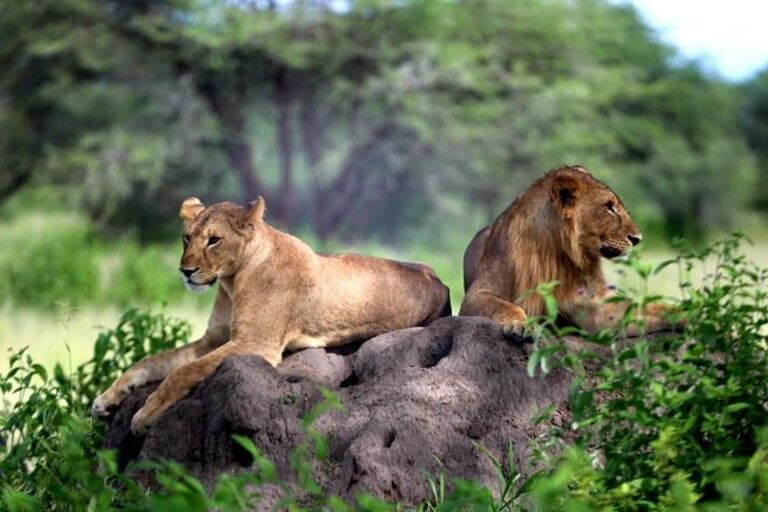
3 Day Joining Safari Group Departures From Moshi: 2026
Discover convenient 3-day group safari departures from Moshi, perfect for maximizing your Tanzania adventure. Explore wildlife-rich parks like Tarangire, Manyara, or the Serengeti on shared...
View package details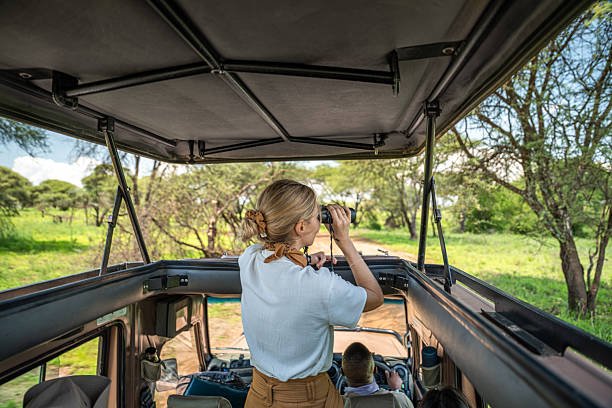
2 Day Group Joining Safari Departures From Moshi: Your Essential Guide
Explore 2-day group joining safaris departing from Moshi, Tanzania. This guide covers essential planning, itinerary options, what's included, and how to book your shared wildlife adventure...
View package detailsWhat Do You Actually Pay For On An African Safari? 2026-2027
What Do You Actually Pay for on an African Safari? is explained with current 2026-2027 planning, price, itinerary and booking information.
View package detailsNo related package matches those filters. Clear one or more filters to see the other topic-matched options.



