
While many safari animals captivate with their gentle appearance, several species in Tanzania, such as hippos, giraffes, and certain antelope, can be surprisingly dangerous due to their size, strength, or defensive instincts. Understanding these deceptive creatures is crucial for safe and responsible wildlife viewing on your 2026 or 2027 safari.
Planning a safari in Tanzania is often about anticipating the majestic encounters: the lion’s roar, the elephant’s grandeur, the cheetah’s speed. However, the wilderness is full of surprises, and not all dangers come with sharp teeth or imposing horns. Some of the most hazardous animals are those that might initially elicit a sense of calm or even endearment. These are the creatures that can catch travelers off guard, leading to potentially serious situations if proper respect and distance aren’t maintained. For anyone heading to the iconic plains of the Serengeti, the Ngorongoro Crater, or the vast expanses of Selous, understanding these often-underestimated threats is paramount for a safe and unforgettable experience.
Understanding the Deceptive Nature of Safari Wildlife
The allure of a Tanzania safari lies in its raw, untamed beauty. We envision wide-eyed gazelles and playful monkeys. Yet, the reality of wildlife is that survival often dictates behavior, and many animals have developed incredible defensive mechanisms that can be dangerous to humans. These aren’t malicious acts; they are survival strategies born from millions of years of evolution. For us, as visitors, it means shifting our perception from ‘cute’ or ‘docile’ to ‘wild’ and ‘respectful’. This perspective is especially important when considering animals that might appear relatively benign at first glance. Their harmless façade often masks immense power, unpredictable temperament, or a strong territorial instinct that can be triggered by perceived threats.
When you book a safari with us, our guides are trained to emphasize this respect for all wildlife. They know the subtle signs of agitation and understand the territories and habits of even the most seemingly innocuous creatures. This local expertise is invaluable, especially for those planning their trips for 2026 or 2027, when wildlife viewing seasons continue to draw visitors seeking authentic African experiences.
1. Hippopotamus: The Water’s Surprisingly Aggressive Guardian
When you think of a hippopotamus, you might picture a large, lumbering creature enjoying a dip in the river. They often look placid, even a bit comical, submerged in water with only their eyes and nostrils visible. This image, however, is incredibly misleading. Hippos are widely considered one of the most dangerous animals in Africa, responsible for more human fatalities in Africa than many other large mammals. Their calm appearance belies an incredibly aggressive, territorial, and unpredictable nature. They are surprisingly fast on land, capable of outrunning a human over short distances, and possess enormous jaws with tusks that can inflict devastating injuries.
Why They Appear Harmless: Their semi-aquatic lifestyle means they spend much of their day submerged, giving the impression of a gentle giant at rest. They often appear to be dozing, and their large size can sometimes lead to underestimation of their agility and speed.
The Real Danger: Hippos are fiercely territorial, especially in water. They can become aggressive if they feel their space is encroached upon, which includes boats or even people approaching their favored bathing spots. Bulls are particularly volatile. They are also known to attack boats, capsizing them and attacking occupants. On land, they are most dangerous at dawn and dusk when they leave the water to graze. If they feel threatened or cornered, they will charge. Their powerful bite can crush bone and inflict massive blood loss. A hippo’s yawn, often interpreted as a sign of fatigue or boredom, is actually a threat display, showing off their formidable teeth.
Safari Safety Tips: Never approach hippos in the water, whether on foot or in a boat. Maintain a significant distance, especially if you are on a boat safari. Your guide will know safe viewing distances and times. Avoid walking near riverbanks or lakeshores where hippos may be present, particularly during dawn and dusk. If you encounter a hippo on land, give it a very wide berth and allow it to move away. Never get between a hippo and its water source.
For those planning a safari in locations like the Ruaha National Park or the Selous Game Reserve (now Nyerere National Park), where hippos are abundant, understanding their behavior is key. Our 2026 and 2027 safari itineraries are designed with these safety considerations in mind, ensuring your guides are well-versed in managing encounters with these powerful animals.
2. Giraffe: Gentle Giants with a Powerful Kick
Giraffes are often perceived as the epitome of gentle giants. Their long necks, graceful movements, and placid demeanor make them a favorite for many safari-goers. They seem so serene, munching leaves from the highest branches. However, these towering herbivores possess a surprisingly formidable defense mechanism: a powerful kick that can kill predators like lions.
Why They Appear Harmless: Their diet is strictly vegetarian, and they typically move slowly and deliberately. Their large size can be imposing, but it doesn’t convey the potential for aggression. They often seem unbothered by vehicles and other animals.
The Real Danger: While not typically aggressive towards humans, giraffes can become defensive if they feel threatened, particularly if they have young calves nearby. A cornered or startled giraffe will use its powerful legs to deliver kicks. These kicks are not just a shove; they are delivered with immense force, capable of shattering bones or causing fatal internal injuries. A bull giraffe can also use its ossicones (horn-like structures) and its neck in sparring matches, and while this is usually directed at other males, a panicked giraffe might lash out.
Safari Safety Tips: Always maintain a respectful distance. While giraffes are often tolerant of safari vehicles, never attempt to approach them on foot. If a giraffe appears agitated, or if it’s a mother with a calf, give them even more space. Your guide will ensure you view them from a safe distance where they feel unthreatened. Do not stand directly behind or in front of a giraffe, as this can be perceived as blocking their path or cornering them.
When exploring parks like Tarangire National Park, famous for its large elephant and giraffe populations, our expert guides ensure you have excellent viewing opportunities while prioritizing your safety. This is a crucial aspect of our planning for 2026 and 2027 safari packages.
3. Warthog: More Than Just a Pumbaa
The common warthog, often fondly remembered from the character Pumbaa in The Lion King, can appear somewhat comical with its warty face, downward-curving tusks, and habit of kneeling to graze. They often seem skittish and will flee rather than fight. This portrayal can lead visitors to believe they are entirely harmless, perhaps even a bit goofy.
Why They Appear Harmless: Their rotund bodies, short legs, and tendency to run away with their tails held high can make them seem more vulnerable than dangerous. They are often seen foraging peacefully in groups.
The Real Danger: While warthogs are generally timid and will try to escape threats, they are equipped with sharp, ever-growing tusks. When cornered or protecting their young, they can become surprisingly aggressive. They will charge, and their tusks can inflict deep, nasty wounds. Their speed and agility can make them difficult to evade, especially in thick bush. They are also known to be carriers of diseases like African swine fever, though this is not a direct threat to humans.
Safari Safety Tips: As with all wildlife, maintain a safe distance. Do not approach warthogs, especially if they are with piglets. If a warthog charges, your guide will know how to react, which typically involves slowly backing away while keeping it in sight. Never try to corner a warthog. Their wild nature means they can react unpredictably when frightened.
Warthogs are common sights in almost all Tanzanian parks, from the Serengeti to the Ngorongoro Conservation Area. Our tailored safaris in 2026 and 2027 are designed to give you close-up views of these animals from the safety of your vehicle.
4. Elephant: The Majestic but Misunderstood Mammal
Elephants are often seen as gentle, intelligent giants, and in many ways, they are. Their complex social structures, apparent empathy, and family bonds can make them seem approachable. However, their sheer size, immense strength, and potential for unpredictable behavior make them one of the most dangerous large animals on the savanna.
Why They Appear Harmless: Their intelligence and social nature, coupled with their herbivorous diet, can create an impression of docility. They often seem calm and unconcerned by safari vehicles.
The Real Danger: Elephants are wild animals with unpredictable temperaments. A seemingly calm elephant can charge if it feels threatened, if it is protecting its young, or if it is in musth (a period of heightened aggression in males). Their massive size means that even a playful nudge can be dangerous. A charge from an elephant, even a mock charge, can be terrifying and incredibly dangerous. They can easily overturn vehicles, and their tusks can impale. A stressed or agitated elephant is a force of nature that should be treated with extreme respect. Mothers with calves are particularly protective and will not hesitate to defend their young.
Safari Safety Tips: Always follow your guide’s instructions implicitly. Maintain a significant distance from elephants. Never honk your vehicle’s horn or make loud noises near them, as this can startle or provoke them. Do not try to get closer for a photograph if your guide advises against it. If an elephant charges, your guide will know the correct procedure, which usually involves staying calm, not making sudden movements, and potentially slowly reversing the vehicle. Never get between an elephant and its calf or between an elephant and its escape route.
When planning your 2026 or 2027 safari, remember that elephants are a highlight in parks like Amboseli (just across the border but influencing Tanzanian park dynamics) and especially Tarangire. Our safari packages ensure you experience their majesty safely.
5. Blue Wildebeest: The Stampede’s Unpredictable Force
The blue wildebeest, a common sight during the Great Migration in the Serengeti and Maasai Mara, often appear as ungainly, somewhat comical creatures with their shaggy manes and distinctive horns. They are usually seen in large herds, grazing peacefully or moving in large, slow-moving groups. Their sheer numbers can make them seem less threatening individually.
Why They Appear Harmless: They are herbivores, and their typical behavior involves grazing and migrating in large, seemingly uncoordinated herds. They often appear nervous and will flee from predators.
The Real Danger: While an individual wildebeest might not seem like a major threat, their danger lies in their sheer numbers and the potential for stampedes. During migration crossings of rivers like the Mara, or when startled by predators or other disturbances, a panicked herd can become a thundering, unstoppable force. These stampedes can crush anything in their path, including humans, vehicles, or other animals. Even an individual wildebeest, if cornered or injured, can deliver a powerful kick or use its horns defensively.
Safari Safety Tips: When observing large herds, especially near river crossings, maintain a safe distance from the water’s edge and the main herd. Your guide will position the vehicle to give you excellent views without putting you in danger from a stampede. Never attempt to drive through a moving herd. If a stampede occurs, your guide will ensure you are in a safe location, away from the main path of the animals. Respect the power of the collective when it comes to herd animals like wildebeest.
The Great Migration is a key attraction for many visiting Tanzania in 2026 and 2027. Understanding the dynamics of wildebeest herds is part of the safari experience we curate for you.
6. Buffalo Weaver Bird: A Small Bird with a Big Bite (Metaphorically Speaking)
This entry is a bit of a curveball, as it focuses on a small creature whose danger isn’t physical in the way a lion’s is, but rather in its surprising territoriality and the potential for its nests to cause issues. The Buffalo Weaver bird is a common sight in many African savannas, known for its industrious nest-building. They appear to be just busy birds going about their business.
Why They Appear Harmless: They are small, insectivorous birds. Their primary activity is building intricate nests, often in thorny trees. They seem entirely preoccupied with their construction projects.
The Real Danger: Buffalo Weaver birds can be fiercely territorial, especially around their nesting sites. While they won’t attack humans directly in a dangerous way, they can become quite aggressive if you get too close to their nests. They might dive-bomb intruders, making a lot of noise and potentially pecking or scratching if one is unlucky enough to be in their direct flight path. More significantly, their large, bulky nests, often built in acacia trees, can be quite heavy. If a nest is built over a path or a campsite, it can pose a falling hazard. In some instances, their nesting materials can also clog engine intakes or cause minor issues if left unchecked near vehicles or tents.
Safari Safety Tips: Admire the nests from a distance. If you see birds exhibiting agitated behavior, it’s best to move away from the area, especially if you notice a nest nearby. Be aware of your surroundings when walking or setting up camp, looking out for nests overhead. While not a life-threatening danger, it’s a reminder that even small creatures have their defenses and territorial behaviors.
While not a primary focus for safari planning in 2026-2027, recognizing the small wonders (and minor hazards) of the bush is part of the rich mix of a Tanzanian experience.
7. Zebra: Beautiful Stripes, Dangerous Temperament
Zebras are iconic symbols of the African savanna, instantly recognizable by their striking black and white stripes. They are often seen grazing peacefully in large herds alongside wildebeest and other herbivores. Their presence is a quintessential safari image, and they generally appear calm and placid.
Why They Appear Harmless: They are herbivores, typically found in large, peaceful herds. They often seem more interested in grazing or keeping watch for predators than interacting with other species.
The Real Danger: Despite their seemingly docile nature, zebras possess a powerful kick and sharp teeth. They are known to be more aggressive and unpredictable than many other herbivores. A threatened zebra can deliver a kick with enough force to break a predator’s jaw or kill it. They will also bite fiercely. While they usually flee from danger, if cornered or if a mare is protecting her foal, they can become quite aggressive. Their kicks are delivered with surprising speed and power, and their bites can cause serious lacerations.
Safari Safety Tips: Maintain a safe distance from zebra herds. Never approach a zebra, especially a mare with a foal. If a zebra shows signs of agitation, such as pinning its ears back or stamping its feet, give it plenty of space. Your safari vehicle provides excellent protection, but it’s always wise to follow your guide’s advice on safe viewing distances and behaviors.
Zebras are a common and beautiful sight across Tanzania’s parks, including the Serengeti and Ngorongoro. Our 2026 and 2027 safari itineraries ensure you can enjoy their presence responsibly.
8. Honey Badger: Small Size, Enormous Courage (and Teeth)
The honey badger, also known as the ratel, is a creature of legend in the animal kingdom, famed for its ferocity, tenacity, and fearlessness. Despite its relatively small size (comparable to a large dog), it has a reputation for taking on much larger predators, including lions and hyenas. They appear somewhat stocky and determined, but their true danger lies in their incredibly tough skin, powerful jaws, sharp claws, and absolute lack of fear.
Why They Appear Harmless: Their size is deceptive. They often appear more curious than aggressive when observed from a distance, and their solitary nature means they aren’t usually seen in large, intimidating groups.
The Real Danger: Honey badgers are renowned for their aggressive defense. They possess incredibly thick, loose skin that is difficult for predators to penetrate, allowing them to twist and turn even when being bitten. Their powerful jaws can crush bone, and their sharp claws are formidable weapons. They have a reputation for being fearless and will attack anything they perceive as a threat, often without provocation. They are also known to be quite persistent and can inflict significant damage. While a direct encounter for a tourist is rare, their sheer tenacity makes them one of the most dangerous small animals in Africa.
Safari Safety Tips: The best advice is to observe honey badgers from the safety of your vehicle and maintain a significant distance. They are not animals to be trifled with. Never attempt to feed or interact with a honey badger. If one approaches your vehicle, stay inside and allow your guide to manage the situation. They are best admired from afar.
While not as commonly sought after as the Big Five, spotting a honey badger during your 2026 or 2027 Tanzanian safari would be a unique experience. Our guides are trained to ensure safe observation of all wildlife, including these tenacious creatures.
9. Crocodiles: The Silent, Ancient Predators
The Nile crocodile is an ancient predator that often appears to be nothing more than a submerged log or a basking reptile on a riverbank. Their stillness and camouflage can lead one to underestimate their deadly capabilities. They are perfectly adapted for ambush, lying in wait with incredible patience.
Why They Appear Harmless: Their primary mode of operation is stillness and patience. When basking, they appear inert. When submerged, only their eyes and nostrils might be visible, giving them a passive appearance.
The Real Danger: Crocodiles are apex predators responsible for numerous human fatalities each year in Africa. They are incredibly fast and powerful in the water and possess a bone-crushing bite. Their ambush technique means they can launch themselves out of the water with surprising speed to snatch prey from the riverbank or capsized boats. They are opportunistic hunters and will attack anything that enters their territory, including humans, livestock, and even other large animals. Their powerful jaws can easily dismember prey.
Safari Safety Tips: Never approach the edge of rivers or lakes where crocodiles may be present. Always heed warnings from your guide about safe viewing areas. When on boat safaris, remain seated and keep all limbs inside the boat at all times. Do not swim in any bodies of water that might contain crocodiles. Even if you don’t see one, assume they are present. Be particularly cautious near river crossings during the Great Migration.
For safaris that include river excursions, such as in the Rufiji River in Nyerere National Park, or if your route involves crossing major rivers, understanding crocodile behavior is essential. Our 2026 and 2027 safari plans prioritize safety around these ancient predators.
10. Cheetah: The Elegant Hunter’s Cautionary Tale
The cheetah is renowned for its incredible speed and elegant hunting prowess, often depicted as a graceful feline. They are typically shy and elusive, and when spotted, they often appear relatively calm, perhaps resting after a hunt or surveying their surroundings. Their slender build and gentle facial features can give an impression of vulnerability.
Why They Appear Harmless: They are known for speed, not brute force. Their diet consists of smaller prey, and they are generally less aggressive towards humans than larger cats like lions or leopards. When seen resting, they can appear quite serene.
The Real Danger: While cheetahs are not typically aggressive towards humans and rarely pose a direct threat, it’s crucial to remember they are still wild predators. If a cheetah feels threatened, especially if it’s a mother protecting cubs, it can become defensive. While a direct attack is extremely rare, a cornered cheetah could potentially lash out with its claws and teeth. The danger is more indirect: their hunting behavior can lead them to be in areas where other, more dangerous predators might be present, or their speed can make them unpredictable. Furthermore, their focus on smaller prey means they might be less cautious about approaching closer to vehicles than larger predators, potentially leading observers to underestimate their wild nature.
Safari Safety Tips: Maintain a respectful distance. Never attempt to approach a cheetah, especially if it is with cubs. Allow them to move freely without feeling confined or threatened. Your guide will ensure you have optimal viewing opportunities while adhering to safety protocols. Do not exit your vehicle if a cheetah is nearby. Their elegance should not be mistaken for tameness.
Spotting a cheetah, perhaps on the plains of the Serengeti or in the Ngorongoro Crater, is a highlight for many. Our 2026 and 2027 safari packages are crafted to maximize these viewing opportunities safely and ethically.
Planning Your Tanzania Safari for 2026-2027: Safety First
Choosing to start a safari in Tanzania is an incredible decision, and planning ahead is key to ensuring a safe and rewarding experience. As you look towards 2026 and 2027 for your adventure, remember that understanding the wildlife is as important as seeing it. The animals that appear most harmless are often the ones that demand the most respect due to their hidden strength, territorial instincts, or unpredictable nature. For instance, a seemingly peaceful hippo can be exceptionally dangerous, and a giraffe’s gentle appearance hides a powerful defense.
Choosing the Right Itinerary: When selecting an itinerary, consider the parks you’ll visit and the types of wildlife common there. Parks like Nyerere National Park (formerly Selous) have significant hippo and crocodile populations, requiring specific safety considerations. The Serengeti and Ngorongoro Crater offer diverse wildlife viewing, including large herds of wildebeest and zebras, where understanding herd dynamics is crucial. Our tailor-made safaris for 2026-2027 are designed by local experts who know these environments intimately, ensuring your route balances incredible sightings with paramount safety.
Guide Expertise is Crucial: The most critical element of safari safety is your guide. An experienced guide is not just a driver; they are a trained naturalist who understands animal behavior, tracks, and the subtle signs of agitation. They know how to position the vehicle, maintain safe distances, and react to unexpected situations. When booking with Climb 4 Africa, you are assured of highly trained, local guides who prioritize your safety above all else. They are adept at identifying the animals that look harmless but aren’t, and will educate you on their behavior throughout your trip.
Vehicle Safety: Safari vehicles are designed for wildlife viewing and safety. They are typically open-sided for better views but are robust enough to withstand accidental contact from curious animals. Always stay inside the vehicle unless your guide explicitly permits otherwise, and even then, follow their instructions precisely. Never stand up in a moving vehicle when animals are close, and keep all body parts inside at all times.
Timing Your Visit: The best time for wildlife viewing in Tanzania often aligns with the dry seasons (typically June to October and December to February). These periods concentrate wildlife around water sources, increasing viewing opportunities but also potentially increasing interactions with territorial animals. Understanding the seasonal behaviors of animals like hippos or elephants during these times is part of our pre-safari briefing for 2026 and 2027 trips.
Booking Considerations for a Safe Safari
When you’re planning your dream safari for 2026 or 2027, the details matter. Choosing the right tour operator and understanding what’s included in your package can significantly impact your safety and overall experience, especially concerning wildlife encounters. At Climb 4 Africa, we believe in transparency and providing practical advice to ensure you are well-prepared.
Inclusions and Exclusions: Always check what your safari package includes. Essential safety features like experienced guides, well-maintained vehicles, and park entry fees should be standard. Some packages might include specific activities like boat safaris on rivers known for hippos or crocodiles; ensure these are conducted with reputable operators who adhere to strict safety protocols. Our all-inclusive safari packages are designed to cover these essentials, providing peace of mind.
Guide Qualifications: Don’t hesitate to ask about the qualifications and experience of the guides. A guide’s knowledge of animal behavior, particularly regarding animals that look harmless but aren’t, is invaluable. Our guides are not only licensed but are also passionate locals with years of experience navigating Tanzania’s wilderness.
Customization for Safety: If you have specific concerns or interests, especially regarding wildlife safety, communicate them when booking. We specialize in crafting tailor-made African travel experiences that can incorporate your preferences while ensuring safety. For instance, if you’re particularly interested in observing hippo behavior from a safe distance or learning more about elephant social dynamics, we can adjust your itinerary accordingly for 2026 or 2027.
Understanding Risks: While we strive for the safest possible experiences, it’s important to acknowledge that safaris involve inherent risks associated with wild animals. We equip you with knowledge, and our operations are designed to mitigate these risks. However, respecting the wild nature of these animals is paramount. This includes understanding that animals that appear docile can exhibit dangerous behaviors, as highlighted with species like the hippopotamus or giraffe.
Booking Your 2026-2027 Safari: To plan a safari that balances incredible wildlife encounters with your safety, it’s best to speak directly with our experts. We can guide you through itinerary options, discuss safety protocols, and help you understand the nuances of wildlife viewing in Tanzania. You can reach us via WhatsApp at +255 747 477 898 or by emailing us at climb4africa@gmail.com. Let us help you craft an unforgettable and safe adventure for 2026 or 2027.
Key Takeaway for 10 Safari Animals That Look Harmless but Aren’t
The safari landscape in Tanzania is filled with wonders, but a key to a safe journey is recognizing that perceived harmlessness in wildlife is often an illusion. Animals like the hippopotamus, giraffe, warthog, elephant, wildebeest, zebra, honey badger, crocodile, and even cheetah, all possess the potential to be dangerous due to their strength, territoriality, or unpredictable nature. Always maintain a respectful distance, heed your guide’s advice, and never underestimate the wild instincts of these magnificent creatures. Planning your 2026-2027 Tanzania safari with experienced operators like Climb 4 Africa ensures you receive expert guidance on navigating these encounters safely.
Check Availability for 10 Safari Animals That Look Harmless But Aren’t: A Tanzania Experts Guide
Ready to compare dates, prices, and the best option for your group? Send the package name and travel month so the team can reply with a clear quote, availability, and what is included.
What Does A $1,000 African Safari Look Like? 2026-2027
What Does a $1,000 African Safari Look Like? is explained with current 2026-2027 planning, price, itinerary and booking information.
View package details20 Things You Never Knew About African Safari Animals Guide
Uncover fascinating and often overlooked aspects of African safari animals. This comprehensive guide reveals 20 incredible facts that will deepen your appreciation for wildlife on your...
View package details10 Most Dangerous Animals You Can Encounter On An African Safari 2026-2027
Planning an African safari involves understanding the incredible wildlife, but also acknowledging the potential dangers. This guide details the 10 most dangerous animals you might...
View package detailsThe Wild Side Of Tanzania: Animals You Need To Know Before Your Safari
The Wild Side of Tanzania: Animals You Need to Know Before Your Safari is explained with current 2026-2027 planning, price, itinerary and booking information.
View package details10 Wild Animals You Might See On A Tanzania Safari 2026-2027
10 Wild Animals You Might See on a Tanzania Safari is explained with current 2026-2027 planning, price, itinerary and booking information.
View package details10 Things That Can Surprise You On Your First African Safari 2026-2027
Your first African safari is an adventure, but what might catch you off guard? This guide details 10 surprising elements, from wildlife behavior and camp life to the sheer scale of the...
View package details10 Animals You Should Never Underestimate On Safari 2026-2027
10 Animals You Should Never Underestimate on Safari is explained with current 2026-2027 planning, price, itinerary and booking information.
View package details
2 Days 1 Night Safari To Mikumi, Udzungwa & Maasai Village: 2026
Discover the highlights of Tanzania's southern circuit on a rapid 2-day, 1-night safari, combining wildlife viewing in Mikumi, unique landscapes in Udzungwa, and cultural immersion with the...
View package details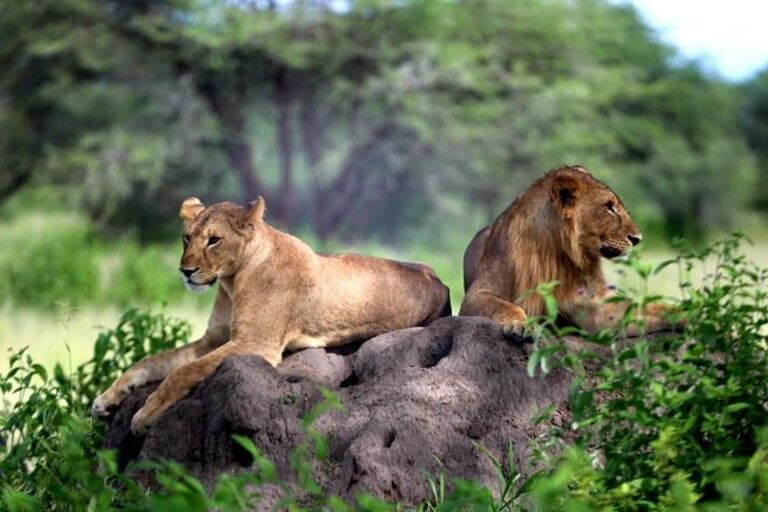
3 Day Joining Safari Group Departures From Moshi: 2026
Discover convenient 3-day group safari departures from Moshi, perfect for maximizing your Tanzania adventure. Explore wildlife-rich parks like Tarangire, Manyara, or the Serengeti on shared...
View package details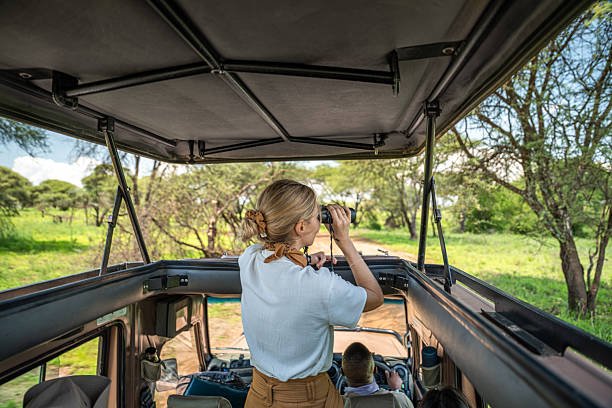
2 Day Group Joining Safari Departures From Moshi: Your Essential Guide
Explore 2-day group joining safaris departing from Moshi, Tanzania. This guide covers essential planning, itinerary options, what's included, and how to book your shared wildlife adventure...
View package detailsWhat Do You Actually Pay For On An African Safari? 2026-2027
What Do You Actually Pay for on an African Safari? is explained with current 2026-2027 planning, price, itinerary and booking information.
View package detailsWhy Are Leopards So Difficult To See On Safari? 2026-2027
Why Are Leopards So Difficult to See on Safari? is explained with current 2026-2027 planning, price, itinerary and booking information.
View package detailsNo related package matches those filters. Clear one or more filters to see the other topic-matched options.



