
A Wildebeest Migration safari from Zanzibar is achievable by flying from Zanzibar’s international airport (ZNZ) to a mainland airstrip, typically in the Serengeti or Masai Mara regions, with the best viewing months usually from June to October for the river crossings and January to March for the calving season. Planning for 2026-2027 involves choosing between various safari styles, from luxury lodges to mobile tented camps, and understanding that the exact location of the herds shifts annually, requiring flexible itineraries. Flights to and from Zanzibar are essential for this combined beach and bush experience.
Understanding the Great Wildebeest Migration: The Heart of Your Safari
The Great Wildebeest Migration is arguably the planet’s most spectacular wildlife event. It’s not a static phenomenon but a continuous, circular journey undertaken by over 1.5 million wildebeest, zebras, and gazelles across the Serengeti-Mara ecosystem. Understanding its rhythm is crucial for planning a successful Wildebeest Migration safari from Zanzibar for 2026-2027.
This immense herd moves in search of fresh grazing lands and water, following the rains. Their migration is dictated by the seasons, creating distinct viewing opportunities throughout the year. Knowing where the herds are expected to be during your chosen travel window is the single most important factor in maximizing your chances of witnessing this natural marvel. The herds are constantly on the move, so a flexible itinerary is key.
The Annual Cycle of the Migration
The migration’s path is a complex, year-round dance:
- December to March: Southern Serengeti (Ndutu Area). This is the calving season. Around February, hundreds of thousands of wildebeest calves are born, making it a prime time for predators. The landscape is lush and green, offering fantastic photographic opportunities. While not directly a river crossing, the sheer concentration of animals and predator activity is immense.
- April to May: The Wet Season & Moving North. The herds begin their journey northwards as the southern plains dry out. This period, often referred to as the ‘long rains’, can make some areas inaccessible, and tourism is generally quieter.
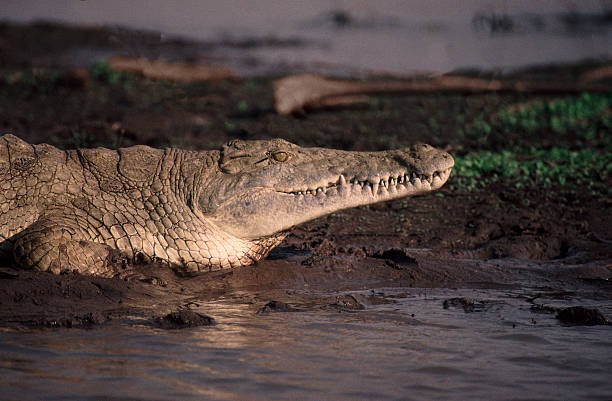
- June to July: Western Corridor & Grumeti River. The migration heads towards the western Serengeti. The Grumeti River can present its first significant crossing challenges, with crocodiles waiting. This is a great time to see the herds, though not as dramatic as the Mara River crossings.
- July to October: Northern Serengeti & Mara River Crossings. This is the most iconic period. The herds congregate in the northern Serengeti, preparing to cross the Mara River into Kenya’s Masai Mara National Reserve. These crossings are dramatic, dangerous, and a photographer’s dream. The exact timing and location of crossings vary daily based on rainfall and predator presence.
- November: Moving South. As the short rains begin in the southern Serengeti, the herds start their journey back south, often through the eastern Serengeti.
For travelers aiming for a Wildebeest Migration safari from Zanzibar in 2026-2027, understanding this cycle allows you to pinpoint the most opportune months. If witnessing a dramatic river crossing is your priority, aim for July through October. If you prefer seeing the vast plains dotted with newborns and intense predator action, February and March are ideal. It’s important to remember that while these are general patterns, the migration is a wild event, and the exact movements can be influenced by weather patterns year to year.
When you book a safari with Climb 4 Africa, our guides use their extensive local knowledge and real-time information to position you for the best possible viewing experiences, adapting itineraries as needed to follow the herds. This is crucial for a safari from Zanzibar, as you’ll want to maximize your time in the migration’s path.
Why Combine Zanzibar with the Wildebeest Migration Safari?
Zanzibar, with its pristine white-sand beaches, turquoise waters, and rich history, offers a perfect counterpoint to the thrilling adventure of a safari. Combining these two experiences creates a truly unforgettable African holiday, blending impressive wildlife encounters with serene tropical relaxation. This combination is particularly appealing for those seeking a diverse travel experience without the hassle of multiple complex international trips.
The logistical ease of connecting Zanzibar to safari destinations in Tanzania makes it a popular choice. Most international flights arrive in Kilimanjaro (JRO) or Nairobi (NBO), from where you can easily connect to Zanzibar (ZNZ) for beach time, or fly directly to safari airstrips. After your safari, you can fly back to Zanzibar to unwind before your international departure. This flow is designed to minimize travel time and maximize enjoyment.
The Perfect Blend: Beach Bliss and Bush Adventure
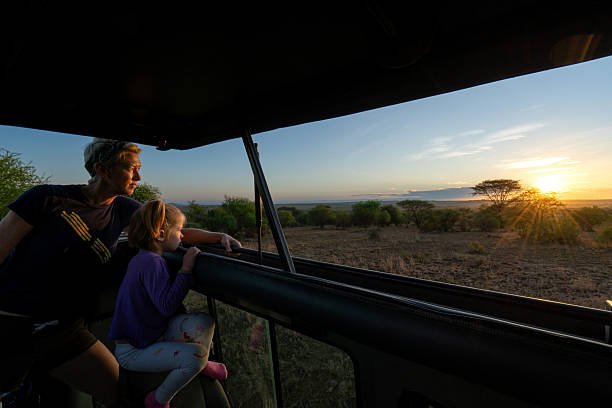
Imagine spending your mornings tracking lions and elephants in the vast plains of the Serengeti, and your afternoons relaxing on a hammock under a palm tree, listening to the gentle lapping of the Indian Ocean. This contrast is what makes a Zanzibar and migration safari combination so compelling:
- Diverse Landscapes and Experiences: From the dry savannahs teeming with wildlife to the lush spice plantations and coral reefs of Zanzibar, you experience the incredible diversity Tanzania has to offer.
- Relaxation After Adventure: A safari can be intense and exhilarating. Zanzibar provides the perfect setting to decompress, enjoy water sports, explore Stone Town’s history, or simply soak up the sun.
- Cultural Immersion: Both destinations offer rich cultural experiences. Safari camps provide insights into local communities and conservation efforts, while Zanzibar’s Stone Town is a UNESCO World Heritage site with a fascinating blend of Swahili, Arab, Indian, and European influences.
- Logistical Efficiency: Tanzania’s infrastructure is well-developed for tourism, making it relatively straightforward to transition from safari to beach. Flights between the mainland and Zanzibar are frequent and affordable.
For your Wildebeest Migration safari from Zanzibar in 2026-2027, this combination allows you to tick off a major wildlife bucket list item and then indulge in tropical paradise. It’s ideal for honeymooners, families, or anyone looking for a comprehensive East African adventure. Climb 4 Africa specializes in crafting these smooth journeys, ensuring your transition between destinations is smooth and enjoyable.
Planning Your 2026-2027 Wildebeest Migration Safari from Zanzibar
Planning a safari to witness the Great Migration, especially when combining it with Zanzibar, requires careful consideration of several factors to ensure you have the best possible experience for 2026-2027. The key is to align your travel dates with the expected location of the herds and to choose a safari itinerary that suits your interests and budget.
When you plan a Wildebeest Migration safari from Zanzibar, you’re essentially looking at a multi-destination trip. This means thinking about internal flights, safari duration, the specific parks you’ll visit, and the type of accommodation. The beauty of using a local operator like Climb 4 Africa is that we handle these intricate details for you, based on extensive experience and up-to-date knowledge of wildlife movements and park conditions.
Timing is Everything: When to Go for the 2026-2027 Migration
As outlined earlier, the timing is critical for witnessing the migration. Here’s a breakdown to help you decide for your 2026-2027 trip:
- Best for River Crossings (July – October): If seeing wildebeest and zebras brave the crocodile-infested Mara River is your primary goal, aim for these months. The Northern Serengeti is the place to be. Expect peak season prices and higher visitor numbers.
- Best for Calving Season (January – March): Witnessing the birth of thousands of calves in the Southern Serengeti (Ndutu) is incredibly special, offering unparalleled predator action. This period is also great for general game viewing across the Serengeti.
- Shoulder Seasons (June, November): These months can offer a good balance of migration activity, fewer crowds, and potentially better value. The herds are on the move, and you might catch some smaller crossings or significant concentrations of animals.
For 2026-2027, it’s wise to book well in advance, especially if you’re targeting peak season (July-October) or specific events like the calving season. High demand means accommodations and flights fill up quickly.
Choosing Your Safari Parks
While the wildebeest migration is the star, Tanzania offers other incredible wildlife destinations that can be incorporated into your itinerary. For a comprehensive Wildebeest Migration safari from Zanzibar, you’ll typically focus on:
- Serengeti National Park: This is the main stage for the migration. Different sectors of the park (Central, Western, Northern, Southern) offer different experiences depending on the time of year.
- Ngorongoro Conservation Area: Home to the Ngorongoro Crater, a UNESCO World Heritage site, this area boasts an incredible density of wildlife, including the Big Five, often seen year-round. It’s a fantastic addition for guaranteed sightings.
- Masai Mara National Reserve (Kenya): If your safari extends into Kenya, the Mara is the northern extension of the Serengeti plains and hosts the migration for a significant part of the year. Note that travel between Tanzania and Kenya requires separate park fees and logistical planning.
Climb 4 Africa can tailor your Wildebeest Migration safari from Zanzibar to include these parks, creating a richer and more diverse wildlife experience. We consider the time of year, your interests, and the best routes to ensure you see the most wildlife.
Duration of Your Safari
A safari focused on the migration typically requires a minimum of 3-4 days within the Serengeti alone. However, to truly experience yourself and account for travel time from Zanzibar, an 5-7 day safari is often recommended. This allows for travel to and from the park, sufficient time to track the herds, and perhaps a visit to another park like Ngorongoro. Combining this with your Zanzibar stay means a total trip duration of 10-14 days is common.
For 2026-2027, consider the pace you prefer. Do you want to focus intensely on the migration, or do you prefer a more relaxed pace with time to explore different areas and enjoy your lodge or camp?
Key Planning Decisions for 2026-2027:
- Travel Dates: Align with migration patterns.
- Safari Parks: Serengeti is essential; Ngorongoro is highly recommended.
- Duration: 5-7 days for safari, plus Zanzibar time.
- Budget: Influences accommodation and safari style.
- Travel Style: Private vs. group, luxury vs. mid-range.
Let Climb 4 Africa help you navigate these choices. We create bespoke itineraries that maximize your chances of seeing the migration while ensuring comfort and enjoyment throughout your Wildebeest Migration safari from Zanzibar.
Flight Options from Zanzibar to the Migration Areas
Since Zanzibar is an island, flying is the most practical and time-efficient way to reach the prime locations for the Wildebeest Migration. Direct flights from Zanzibar (ZNZ) to the safari destinations are common and form a crucial part of any Wildebeest Migration safari from Zanzibar itinerary for 2026-2027.
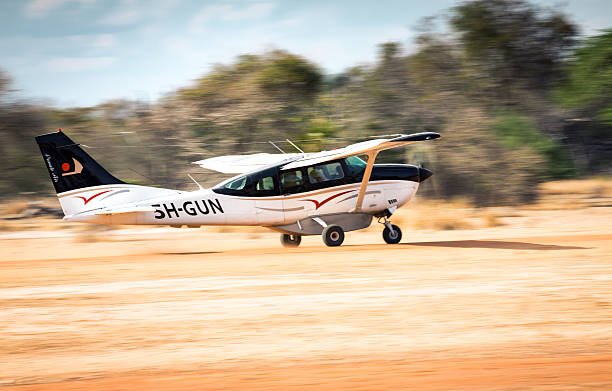
The primary hubs for accessing the Serengeti and surrounding migration areas are Kilimanjaro International Airport (JRO) and various airstrips within the national parks themselves. Flights from Zanzibar are typically operated by local airlines like Precision Air, Coastal Aviation, or Auric Air. These flights are usually scheduled daily, connecting the island to key mainland airports and remote airstrips.
Connecting via Kilimanjaro (JRO) or Arusha (ARK)
Many itineraries involve a flight from Zanzibar (ZNZ) to either Kilimanjaro International Airport (JRO) or Arusha Airport (ARK). Arusha serves as the gateway town for Northern Tanzania safaris. From JRO or ARK, you would then typically take another short flight into a specific Serengeti airstrip.
Typical Flight Path:
- Leg 1: Zanzibar (ZNZ) to Kilimanjaro (JRO) or Arusha (ARK). This flight usually takes about 1 to 1.5 hours.
- Leg 2: JRO/ARK to a Serengeti Airstrip (e.g., Seronera, Kogatende, Grumeti). These flights are usually in small bush planes and take between 45 minutes to 1.5 hours, depending on the airstrip.
Booking these internal flights as part of a package with Climb 4 Africa simplifies the process. We coordinate the schedules to ensure smooth transfers, minimizing waiting times and potential missed connections. This is particularly important when planning for 2026-2027, as flight availability can be a limiting factor.
Direct Flights to Serengeti Airstrips
Depending on the season and your specific itinerary, it may be possible to fly directly from Zanzibar (ZNZ) to an airstrip closer to the migration’s current location, such as Kogatende in the north or Seronera in the central Serengeti. These direct flights are often more expensive and less frequent than flying via Arusha, but they save considerable travel time.
Considerations for Flights:
- Luggage Restrictions: Small bush planes have strict luggage limits, usually around 15-20 kg (33-44 lbs) per person, in soft-sided duffel bags. Hard suitcases are generally not permitted.
- Flight Schedules: Flights are often in the morning or early afternoon. This impacts your safari start and end times on travel days.
- Cost: Internal flights are a significant part of the safari budget. We can provide detailed costings for your 2026-2027 trip.
- Airstrip Choice: The choice of airstrip in the Serengeti depends on where the migration is located during your visit. A good tour operator will select the most strategic airstrip for your dates.
When you book your Wildebeest Migration safari from Zanzibar with Climb 4 Africa, we handle all flight bookings. We monitor schedules and advise on the best connections to ensure your safari begins smoothly. We understand the importance of these flights for maximizing your time with the wildlife and making the most of your journey in 2026-2027.
Choosing Your Safari Style and Accommodation
The type of safari and accommodation you choose significantly impacts your experience and budget for a Wildebeest Migration safari from Zanzibar. Tanzania offers a range of options, from rustic camps to ultra-luxury lodges, each providing a unique perspective on the wildlife and landscape. For 2026-2027, selecting the right style ensures your safari aligns with your expectations.
Your choice will depend on your priorities: comfort, proximity to wildlife, exclusivity, or budget. Climb 4 Africa works with a variety of partners to offer options that cater to different preferences, ensuring your safari is both memorable and comfortable.
Safari Styles
There are generally two main safari styles for witnessing the migration:
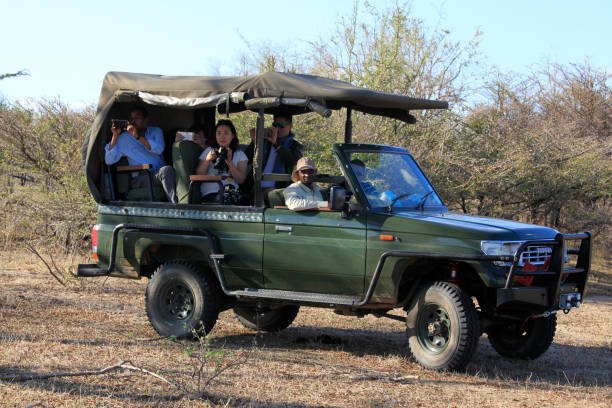
- Lodge Safaris: These safaris utilize permanent lodges or semi-permanent tented camps. Lodges offer more amenities, such as swimming pools, fine dining, and en-suite bathrooms with flush toilets and hot showers. They are generally more fixed in location, meaning your specific lodge might be a short drive from the prime migration viewing spots, depending on the season. This style is popular for those seeking comfort and a higher level of service.
- Mobile Camping Safaris: For a more adventurous and in-depth experience, mobile camping safaris follow the migration. Tents are set up in designated campsites, often in more remote locations closer to the wildlife. While still comfortable, they offer a more rustic feel with basic facilities. These safaris are excellent for experiencing the true wilderness and can offer a more intimate encounter with nature. They are often more budget-friendly than lodge safaris.
Accommodation Options
Within these styles, accommodation varies greatly:
- Luxury Lodges & Camps: These offer top-tier service, gourmet dining, spacious suites, private verandas, and often exceptional locations with stunning views. Examples include properties in the Four Seasons, Singita, and andBeyond portfolios. Ideal for honeymooners or those seeking indulgence.
- Mid-Range Lodges & Tented Camps: Comfortable and well-appointed, these options provide en-suite bathrooms, good food, and excellent service. They strike a balance between comfort and value. Many popular lodges fall into this category.
- Budget-Friendly Camps: These may be more basic tented camps or public campsites used for mobile safaris. Facilities are cleaner and functional, but less luxurious. They are perfect for travelers on a tighter budget who still want a quality wildlife experience.
- Mobile Tented Camps: These are often set up specifically to follow the migration. They offer a fantastic sense of being in the heart of the action, with comfortable beds and private bathrooms (sometimes), but the focus is on location and immersion rather than opulence.
The location of your accommodation is paramount for migration viewing. For example, if the migration is in the far north of the Serengeti in July, staying in a camp in the central Serengeti will mean long game drives. A mobile camp or a lodge strategically located in the north during this period would be far more advantageous.
Considering 2026-2027 Availability
For 2026-2027, popular lodges and exclusive-use camps, especially those in prime migration locations, book up 9-12 months in advance. If you have specific accommodation preferences, it’s crucial to plan and book early. Climb 4 Africa can advise on the best camps and lodges based on the expected migration patterns for your chosen dates and your budget.
Key Factors to Consider:
- Proximity to Migration: Is the lodge/camp located where the herds are expected to be?
- Comfort Level: What level of luxury or rustic experience do you desire?
- Exclusivity: Do you prefer a private experience or are you comfortable with shared lodges?
- Budget: Luxury options significantly increase the cost.
We recommend a mix of experiences if possible – perhaps a few nights in a luxury lodge in a prime location and then a few nights in a more intimate tented camp to experience different aspects of the safari. Let us help you find the perfect fit for your Wildebeest Migration safari from Zanzibar.
Sample Itineraries for 2026-2027
To give you a clearer picture of what a Wildebeest Migration safari from Zanzibar might look like for 2026-2027, here are a few sample itineraries. These are flexible and can be customized to your interests, pace, and budget. They highlight how the migration’s location dictates the safari’s focus.
Sample Itinerary 1: River Crossings Focus (July – October)
This itinerary prioritizes witnessing the dramatic Mara River crossings in the Northern Serengeti.
Day 1: Arrival in Zanzibar & Relaxation
Arrive at Zanzibar International Airport (ZNZ). Transfer to your beach resort. Relax and acclimatize.
Day 2: Zanzibar Beach Experience
Enjoy activities like snorkeling, diving, or exploring Stone Town. Prepare for your safari departure tomorrow.
Day 3: Fly to Northern Serengeti
Morning flight from Zanzibar (ZNZ) to Kogatende Airstrip (NKY) in the Northern Serengeti (may involve a brief stop in Arusha). Met by your guide and begin your first game drive en route to your lodge/camp. Focus on the herds gathering for river crossings.
Day 4-5: Northern Serengeti – River Crossings
Two full days dedicated to tracking the migration and witnessing potential Mara River crossings. Game drives will focus on areas where crossings are most likely. Keep an eye out for crocodiles and predators.
Day 6: Central Serengeti & Game Drive
After a morning game drive in the north, fly from Kogatende to Seronera Airstrip (SEU) in the Central Serengeti. Check into your lodge/camp. Afternoon game drive in the diverse central plains, known for resident wildlife.
Day 7: Ngorongoro Crater Excursion
Descend into the Ngorongoro Crater for a full-day game drive. The crater floor is a caldera teeming with wildlife, including the Big Five. Enjoy a picnic lunch.
Day 8: Fly to Zanzibar & Departure Prep
Morning game drive in the Serengeti or Ngorongoro area, followed by a flight from Seronera (or Arusha) back to Zanzibar (ZNZ). Transfer to your hotel for your final night.
Day 9: Departure
Transfer to Zanzibar Airport for your international flight home.
Sample Itinerary 2: Calving Season & General Game Viewing (February – March)
This itinerary focuses on the Southern Serengeti’s calving season and the abundance of predators.
Day 1-2: Zanzibar Beach Bliss
Arrive in Zanzibar, transfer to your resort, and enjoy the beaches and island culture.
Day 3: Fly to Southern Serengeti (Ndutu)
Morning flight from Zanzibar (ZNZ) to an airstrip in the Ndutu area (southern Serengeti/Ngorongoro Conservation Area). Met by your guide and begin a game drive en route to your mobile camp or lodge, searching for the calving herds and predators.
Day 4-5: Southern Serengeti – Calving Season
Two full days exploring the Ndutu plains. Witness the thousands of newborn wildebeest and zebras, and the abundant predators (lions, cheetahs, hyenas) that follow. Enjoy morning and afternoon game drives.
Day 6: Central Serengeti Exploration
After a final morning drive in Ndutu, fly from Ndutu to Seronera Airstrip in the Central Serengeti. Check into your lodge/camp and start an afternoon game drive in this wildlife-rich area.
Day 7: Ngorongoro Crater Game Drive
Drive to the Ngorongoro Conservation Area. Descend into the crater for a spectacular game drive. Return to your lodge/camp on the crater rim or in Karatu.
Day 8: Fly to Zanzibar & Relaxation
Morning transfer to Arusha Airport (ARK) or Seronera Airstrip for your flight back to Zanzibar (ZNZ). Transfer to your beach hotel.
Day 9: Departure
Enjoy a final breakfast on Zanzibar before transferring to the airport for your international flight.
Customizing Your 2026-2027 Safari
These are just examples. For your Wildebeest Migration safari from Zanzibar in 2026-2027, we can adjust:
- Duration: Extend or shorten your safari or beach stay.
- Accommodation Style: Mix luxury lodges with tented camps.
- Parks Visited: Add Tarangire National Park (known for elephants and baobabs) or Lake Manyara.
- Pace: Opt for slower-paced game viewing or more active days.
- Budget: Tailor choices to fit your financial plan.
Climb 4 Africa excels at creating personalized itineraries. We consider the specific migration patterns for 2026-2027 and your personal preferences to design a safari that is uniquely yours. Contact us to start planning your dream trip.
Practical Considerations and Booking Your 2026-2027 Safari
Planning a Wildebeest Migration safari from Zanzibar involves more than just choosing dates and locations; it requires attention to practical details that ensure a smooth and enjoyable trip. For 2026-2027 travel, early planning is key, especially for popular seasons.
Visa Requirements
Most nationalities require a visa for Tanzania. You can typically obtain a visa on arrival at the airport, but it’s often more convenient and sometimes cheaper to apply for an e-visa in advance through the official Tanzanian immigration website. Check the latest requirements for your nationality well before your travel dates in 2026-2027.
Health and Vaccinations
Consult your doctor or a travel clinic at least 6-8 weeks before your trip regarding recommended vaccinations and malaria precautions. Yellow fever vaccination may be required, especially if you are arriving from or traveling to other endemic countries. Tanzania is a malaria-risk area, and preventative medication is usually advised. Pack insect repellent.
Travel Insurance
Comprehensive travel insurance is essential. It should cover medical emergencies, trip cancellation, lost luggage, and importantly, emergency medical evacuation. This is particularly crucial for remote safari locations. Ensure your policy covers activities like game drives and water sports in Zanzibar.
Packing Essentials
Pack light, neutral-colored clothing (khaki, beige, olive green) that blends with the environment. Avoid bright colors and black/dark blue, which can attract insects. Key items include:
- Lightweight long-sleeved shirts and trousers for sun and insect protection
- A warm fleece or jacket for cool mornings and evenings
- Comfortable walking shoes or hiking boots
- Sandals or flip-flops for Zanzibar and camp
- Sun hat, sunglasses, and high SPF sunscreen
- Binoculars (highly recommended)
- Camera with extra batteries and memory cards
- Personal toiletries and a basic first-aid kit
- Adapter for electronics (Tanzania uses Type D sockets)
- Swimsuit for Zanzibar
Remember the luggage restrictions for internal flights (soft-sided bags only, typically 15-20 kg).
Best Time to Book for 2026-2027
For peak migration viewing (July-October) or the popular calving season (February-March), booking 9-12 months in advance is highly recommended for 2026-2027. This secures the best lodges, camps, and internal flight availability. Shoulder seasons (June, November) might allow for slightly later bookings, but early planning is always beneficial.
Why Book with Climb 4 Africa?
As a local Tanzanian tour operator, Climb 4 Africa offers unparalleled expertise and support for your Wildebeest Migration safari from Zanzibar. We understand the nuances of the migration, the best times to travel, and the most strategic locations. Our local presence means we have strong relationships with lodges, camps, and airlines, ensuring competitive pricing and smooth logistics.
Benefits of booking with us:
- Local Knowledge: Real-time information on wildlife movements and park conditions.
- Customization: Tailor-made itineraries to fit your exact needs.
- Logistical Support: We handle all internal flights, transfers, and accommodation bookings.
- Value for Money: We offer competitive pricing without compromising on quality.
- 24/7 Support: You’ll have local support throughout your trip.
When you’re ready to plan your Wildebeest Migration safari from Zanzibar for 2026-2027, get in touch. We’ll guide you through every step, from choosing the best time to see the migration to selecting the perfect accommodation and ensuring your flights are booked efficiently. Let us craft your unforgettable Tanzanian adventure.
Contact Climb 4 Africa today to start planning your 2026-2027 safari adventure:
- WhatsApp: +255 747 477 898
- Email: climb4africa@gmail.com
Frequently Asked Questions
Can I see the Wildebeest Migration if I’m staying in Zanzibar?
Yes, absolutely. The most practical way to see the Wildebeest Migration while based in Zanzibar is by taking short internal flights from Zanzibar’s airport (ZNZ) to the Serengeti or Masai Mara regions. This allows you to combine your beach holiday with a spectacular wildlife safari experience.
What is the best time of year for a Wildebeest Migration safari from Zanzibar in 2026-2027?
The best time depends on what you want to see. For the dramatic river crossings, aim for July to October in the Northern Serengeti. For the calving season and predator action, February to March in the Southern Serengeti (Ndutu area) is ideal. Planning for 2026-2027 means booking these popular periods well in advance.
How long should my safari be?
A safari focused on the migration typically needs at least 3-4 days in the Serengeti. Including travel time from Zanzibar and potentially a visit to another park like Ngorongoro, a 5-7 day safari is often recommended. This allows for a more comprehensive experience without feeling rushed.
What are the flight options from Zanzibar to the migration areas?
Flights from Zanzibar (ZNZ) typically go to Kilimanjaro (JRO) or Arusha (ARK), followed by a bush plane flight into a Serengeti airstrip (like Seronera, Kogatende, or Grumeti). Some direct flights from Zanzibar to Serengeti airstrips may be available but are less common. Luggage is restricted to soft-sided bags on bush planes.
What is the typical cost of a Wildebeest Migration safari from Zanzibar?
The cost varies significantly based on accommodation style (luxury lodges are more expensive than mid-range or mobile camps), safari duration, and the time of year. A 7-day safari package combined with Zanzibar, including internal flights, can range from approximately $3,500 to $8,000+ per person, excluding international flights. For accurate pricing for 2026-2027, it’s best to request a custom quote.
Do I need a visa for Tanzania?
Yes, most nationalities require a visa for Tanzania. You can often obtain this on arrival, but applying for an e-visa online in advance is recommended for convenience and to ensure entry. Always check the latest requirements for your specific nationality.
What should I pack for a safari and Zanzibar trip?
Pack light, neutral-colored clothing, a warm layer for evenings, sun protection (hat, sunscreen, sunglasses), comfortable walking shoes, binoculars, and a camera. For Zanzibar, add swimwear and lighter attire. Remember the strict luggage limits for internal flights (soft-sided bags only).
Check Availability for Wildebeest Migration Safari From Zanzibar With Flights | Climb 4 Africa
Ready to compare dates, prices, and the best option for your group? Send the package name and travel month so the team can reply with a clear quote, availability, and what is included.
Christmas Kilimanjaro And Zanzibar Holiday : Your Ultimate Adventure 2026-2027
Experience an unforgettable Christmas combining the thrill of climbing Mount Kilimanjaro with the serene beauty of Zanzibar's beaches. This guide covers planning for your 2026-2027 festive...
View package details
Kilimanjaro And Great Migration Safari August : Your Peak Season Adventure
Plan your ultimate Tanzanian adventure in August 2027, combining a Kilimanjaro climb with the spectacle of the Great Migration. This guide details the best timings, routes, and safari...
View package details
Kilimanjaro And Great Migration Safari July : Your Ultimate Tanzanian
Combining a Kilimanjaro climb with a Great Migration safari in July 2027 offers a spectacular Tanzanian adventure. This guide helps you plan your ideal itinerary, considering the best...
View package details
Kilimanjaro And Grumeti Migration Safari June : The Ultimate Tanzanian
Plan your unforgettable Kilimanjaro and Grumeti Migration safari for June 2027. This comprehensive guide details how to combine the challenge of summiting Africa's highest peak with the...
View package detailsKilimanjaro And Mara River Crossing Safari August : Peak Season Adventure 2027
Combining the ultimate challenge of climbing Mount Kilimanjaro with the awe-inspiring spectacle of the Great Migration river crossing in the Maasai Mara offers an unparalleled African...
View package detailsKilimanjaro And Mara River Crossing Safari July 2027
Kilimanjaro and Mara River Crossing Safari July 2027 is explained with current 2027 planning, price, itinerary and booking information.
View package details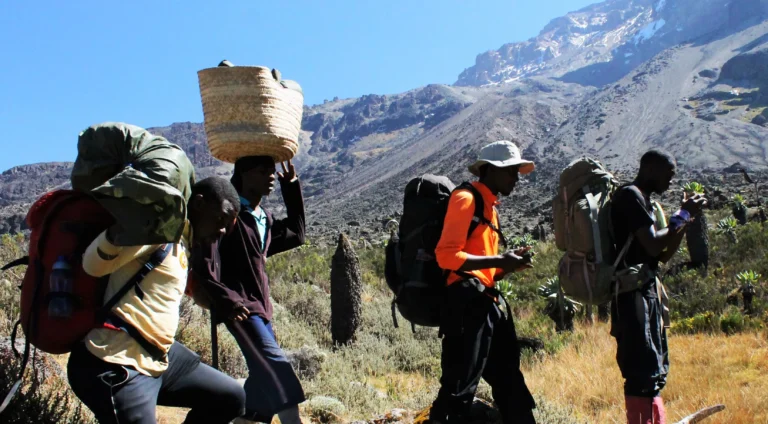
Best Kilimanjaro And Serengeti Calving Season Safari March 2027
Discover the magic of a March 2027 Kilimanjaro and Serengeti calving season safari. This guide explores the unique advantages and considerations for experiencing Tanzania's wildlife...
View package details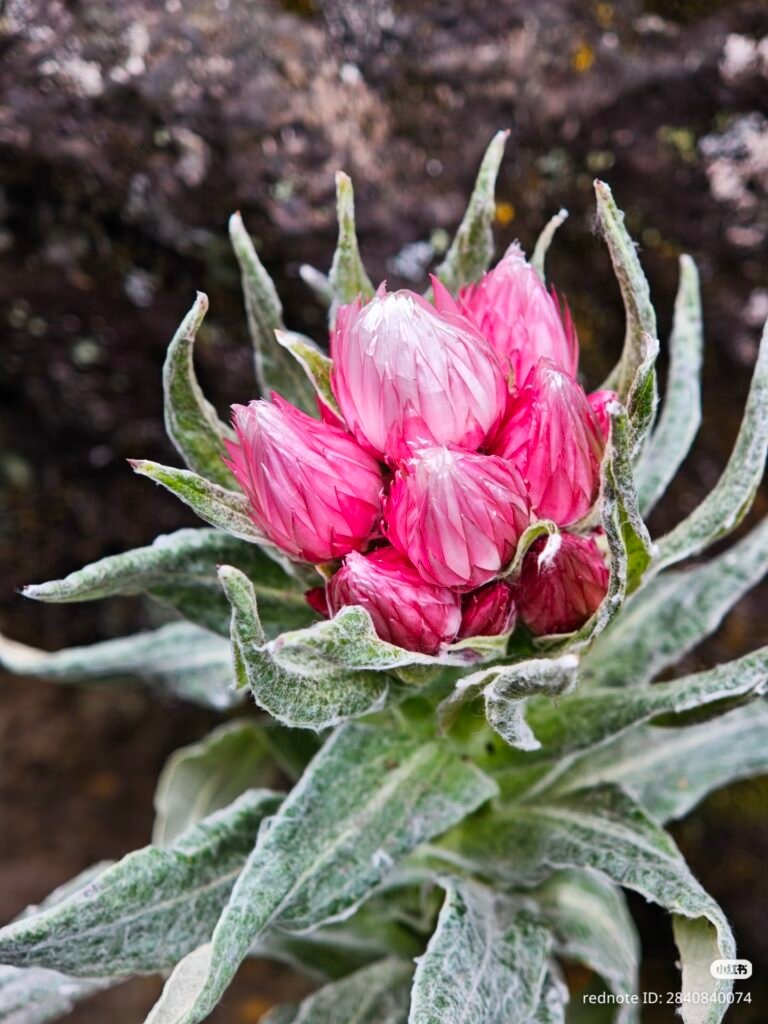
Kilimanjaro And Serengeti Calving Safari February : The Ultimate Planning
Combine the majesty of Mount Kilimanjaro with the impressive spectacle of the Serengeti's calving season in February 2027. This guide details how to plan this dual adventure, focusing on...
View package details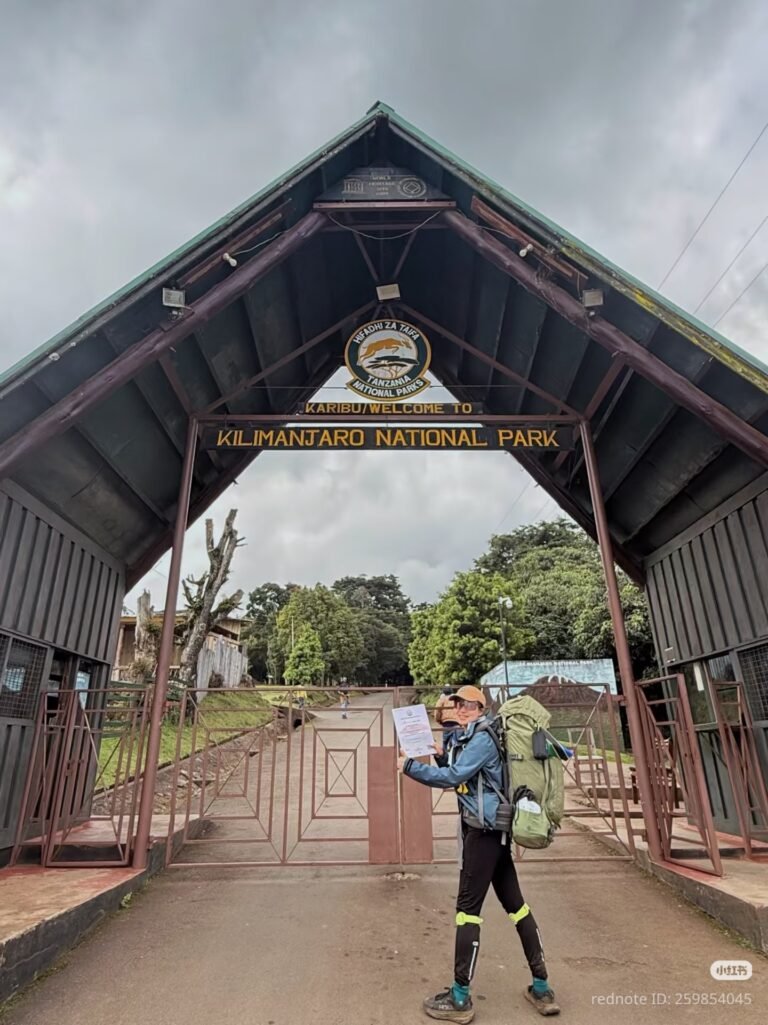
Kilimanjaro And Serengeti Calving Safari January 2026-2027
Kilimanjaro and Serengeti Calving Safari January 2027 is explained with current 2026-2027 planning, price, itinerary and booking information.
View package details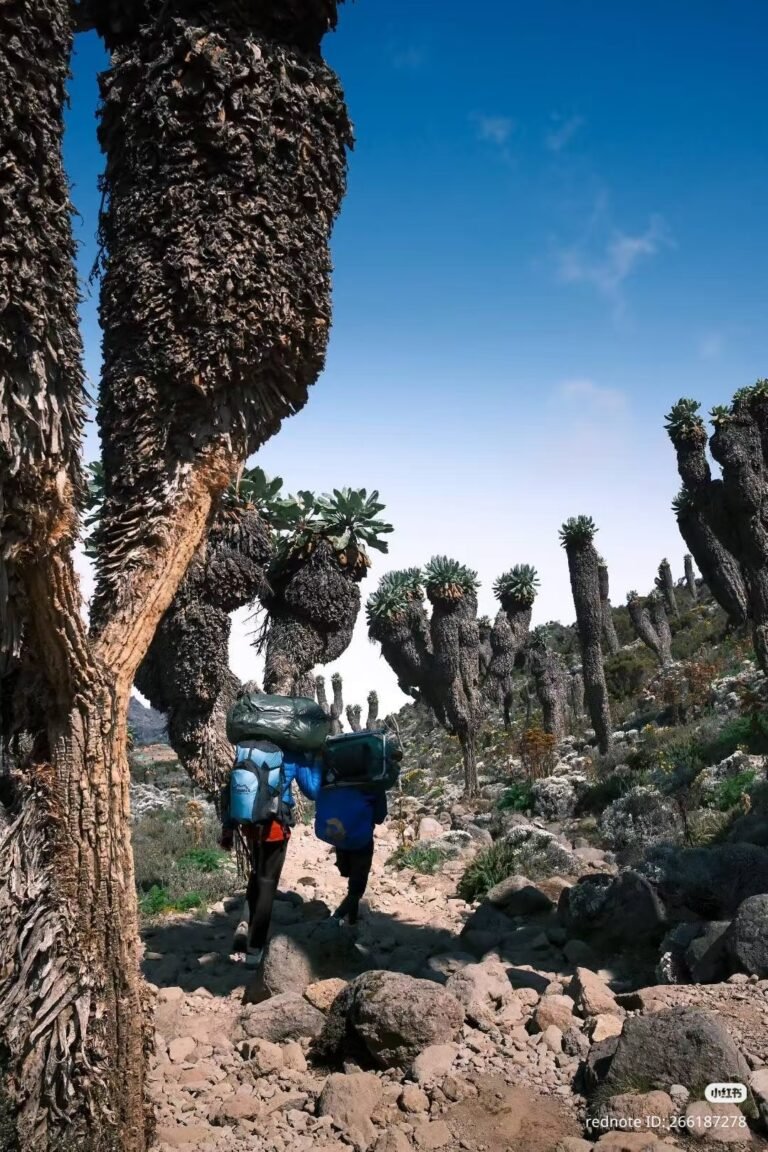
Kilimanjaro Christmas Climb And Tanzania Safari : Your Festive Adventure
Combine the magic of a Christmas ascent of Kilimanjaro with a thrilling Tanzania safari in 2026. Discover how to plan this dual adventure for a truly unique festive season.
View package detailsNo related package matches those filters. Clear one or more filters to see the other topic-matched options.



