Yes, Tarangire National Park is an excellent choice if you desire a quieter safari experience compared to the Serengeti. While both parks offer incredible wildlife viewing, Tarangire typically hosts fewer vehicles and visitors, especially outside peak migration periods, providing a more intimate and less congested encounter with Tanzania’s natural beauty. Its unique landscape, dominated by massive baobab trees and the Tarangire River, supports diverse wildlife, including large elephant herds, lions, leopards, and a rich birdlife, making it a fantastic alternative for those prioritizing tranquility alongside game drives.
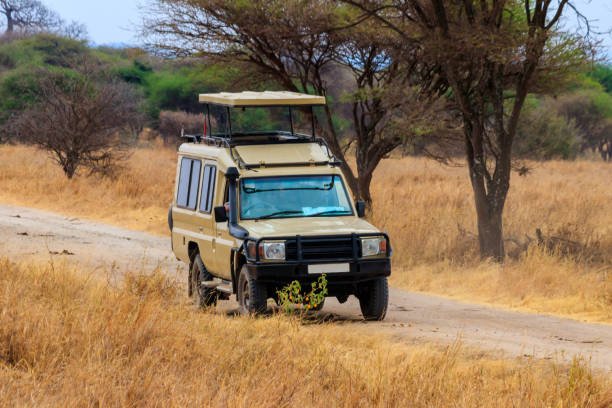

Understanding the Tarangire vs. Serengeti Dynamic for a Quieter Safari
The question of whether Tarangire is a good choice for a quieter safari than the Serengeti is a common one, reflecting a desire for authentic wildlife encounters without the bustle that can sometimes accompany the most famous destinations. Both parks are jewels in Tanzania’s crown, but they offer distinctly different experiences, particularly concerning crowd levels and overall atmosphere. Understanding these differences is key to planning a safari that meets your specific expectations for peace and immersion.
The Serengeti, with its vast, open plains, is world-renowned for the Great Migration – an awe-inspiring natural spectacle that draws significant attention and, consequently, a considerable number of safari vehicles. While the migration is undoubtedly a highlight, its popularity means that prime viewing areas can become quite busy, especially during peak migration seasons (roughly June to October, and again December to March, depending on the herd’s location). For travelers who envision vast, unblemished landscapes and don’t mind sharing sightings with other safari-goers, the Serengeti remains unparalleled.
However, if your priority is to feel a greater sense of solitude, to hear the sounds of the bush more clearly, and to have more personal moments with wildlife, Tarangire National Park often fits the bill perfectly. Situated south of the more northerly parks like Lake Manyara and west of the Maasai Steppe, Tarangire is characterized by its ancient baobab trees, acacia woodlands, and the life-giving Tarangire River. This varied habitat supports a dense and year-round population of wildlife, including one of the largest elephant populations in Tanzania. While Tarangire also experiences its own ebb and flow of visitors, its larger size and less central role in the Great Migration circuit often mean a more relaxed safari pace.
Choosing Tarangire over the Serengeti, or perhaps combining them for a varied experience, depends on what you prioritize. If seeing the dramatic river crossings of the wildebeest and zebra during the migration is your absolute top goal, and you’re prepared for busier viewing spots, then the Serengeti is essential. But if you want to experience exceptional game viewing, including massive elephant herds, a rich diversity of predators, and a stunning landscape, all while enjoying more space and fewer vehicles, Tarangire National Park is indeed a superior choice for a quieter safari.
This distinction is particularly relevant for travelers planning their trips for the upcoming seasons, including 2026 and 2027. As safari tourism continues to grow, understanding these nuances allows for more informed decisions to ensure the most fulfilling experience. Many travelers discover that a well-planned itinerary that includes Tarangire can offer the impressive wildlife encounters they seek without the feeling of being in a crowded parade.
Tarangire’s Unique Appeal: Beyond the Serengeti’s Shadow
Tarangire National Park isn’t just a ‘less crowded Serengeti’; it possesses its own distinct character and ecological significance that captivates visitors. Its landscape, sculpted by ancient baobab trees and dissected by the Tarangire River, creates a different kind of safari drama. This unique environment dictates not only the scenery but also the wildlife behavior and viewing opportunities, offering a rich, albeit different, wildlife spectacle.
The Iconic Baobab Landscape
One of the most striking features of Tarangire is its population of massive baobab trees. These ‘upside-down trees’ (Adansonia digitata) are ancient giants, some estimated to be thousands of years old. Their presence lends an almost prehistoric, majestic feel to the landscape. Unlike the sweeping, treeless plains of the central Serengeti, Tarangire’s woodlands and savannas are dotted with these colossal trees, creating picturesque vistas and providing essential shade and sustenance for a variety of wildlife. Driving through Tarangire, with baobabs towering overhead and elephants browsing nearby, is an unforgettable visual experience that sets it apart.
The Tarangire River: A Lifeline for Wildlife
The Tarangire River is the park’s lifeblood, especially during the dry season (typically June to October). As water sources dwindle elsewhere, animals from a vast surrounding area congregate along the riverbanks and in the swamps fed by it. This concentration of wildlife makes Tarangire exceptionally reliable for game viewing during these drier months. You can expect to see large herds of elephants, as well as buffalo, wildebeest, zebras, giraffes, and a variety of antelopes, all drawn to the water. The river also attracts predators like lions, leopards, and cheetahs, who lie in wait for opportunities. The presence of the river creates distinct viewing opportunities, such as elephant bathing and drinking, often in close proximity to safari vehicles.
Abundant Elephant Herds
Tarangire is famously known as the ‘Land of Giants’ due to its massive elephant populations. The park is home to one of the largest concentrations of elephants in Tanzania, with herds often numbering in the hundreds. These elephants are not just passing through; they are resident populations that thrive in Tarangire’s diverse habitats. Seeing such large family groups, with calves playfully interacting, is a common and profoundly moving experience. The sheer scale of these herds, often seen feeding amongst the baobabs or making their way to the river, is a major draw for many visitors. This density of elephants is often more consistently visible in Tarangire than in other parks outside of the main migration corridors.
Birdlife Bonanza
For ornithologists and bird enthusiasts, Tarangire is a paradise. The park boasts over 550 bird species, a testament to its varied habitats, including the riverine areas, woodlands, and grasslands. You’ll find a dazzling array of birds, from raptors like the martial eagle and tawny eagle to colorful species like the lilac-breasted roller and the giant kingfisher. Several species endemic to Tanzania or specific to the region can be spotted here. Bird viewing is particularly rewarding during the wet season (November to May) when migratory birds are present, and the resident birdlife is in full plumage. The presence of the river and its associated swamps further enhances the diversity of avian life.
Predator Sightings
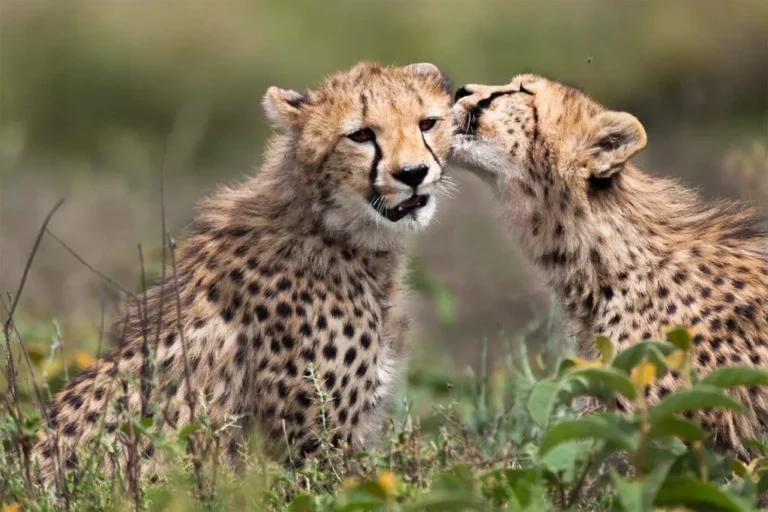
While perhaps not as famous for predator density as the Serengeti during the migration’s peak, Tarangire offers excellent opportunities to spot lions, leopards, and cheetahs. Lions in Tarangire are known for their tree-climbing habits, a behavior less commonly seen in other parks. These lions often lounge in the branches of acacia trees, seeking respite from the heat or a vantage point. Leopards, being more elusive, are also present and can sometimes be spotted draped over branches, especially near the river. Cheetahs, though less common than lions, can be seen hunting in the more open grassland areas. The park’s varied terrain provides good hunting grounds for these magnificent cats.
Tarangire vs. Serengeti: Crowd Dynamics and Visitor Experience
The core of the query – seeking a quieter park than the Serengeti – hinges on understanding the visitor experience and crowd levels. This is where Tarangire truly shines as a distinct alternative.
Serengeti: The Epicenter of the Migration
The Serengeti’s fame is intrinsically linked to the Great Migration, a continuous movement of over 1.5 million wildebeest, zebras, and gazelles across its plains. This phenomenon is a magnet for wildlife enthusiasts, photographers, and tourists worldwide. Consequently, during peak migration seasons, particularly when the herds are in areas like the central Serengeti, Grumeti River, or Mara River, the number of safari vehicles can be substantial. While tour operators strive to position vehicles optimally and park regulations aim to manage traffic, it’s not uncommon to find multiple vehicles gathered at a single sighting, especially for dramatic events like river crossings. This can, at times, detract from the feeling of wilderness and solitude for some visitors.
However, it’s important to note that the Serengeti is vast. Away from the prime migration hotspots or during the migration’s ‘off-peak’ periods (e.g., when herds are spread out across the northern or southern plains), the Serengeti can feel remarkably empty and wild. The experience is highly dependent on timing and specific location within the park.
Tarangire: Consistent Wildlife and Fewer Vehicles
Tarangire, while a popular destination, does not typically experience the same level of concentrated vehicle traffic as the Serengeti during the Great Migration. Its primary draw is its resident wildlife, particularly the large elephant herds and diverse birdlife, which are present year-round, with numbers swelling even further during the dry season as animals congregate around the Tarangire River. Because it’s not a primary transit point for the Great Migration (though some migration animals do pass through), visitor numbers tend to be more evenly distributed throughout the year, and significantly lower than the Serengeti’s peak periods.
This translates into a more relaxed safari. You are more likely to have a magnificent elephant sighting all to yourself, or to spend extended time observing a pride of lions without other vehicles crowding the scene. The landscapes are often more intimate, with game drives winding through woodlands and along the riverbanks, offering a constant sense of discovery rather than chasing specific herds across vast plains. For those who find the presence of many vehicles intrusive, Tarangire offers a more peaceful and personal safari.
Timing is Key for Both Parks
The perception of crowds is heavily influenced by the time of year. For the Serengeti, the dry season months of June through October are often the busiest due to the migration’s presence and excellent game viewing conditions. Similarly, the calving season in the southern Serengeti (December to March) attracts significant numbers. In Tarangire, the dry season (June to October) is also a prime time for game viewing as animals concentrate along the river. During this period, Tarangire can be busier than in the wet season, but it still generally remains less crowded than the Serengeti’s migration hotspots.
If you are planning a safari in 2026 or 2027 and prioritize fewer crowds, consider visiting Tarangire during its dry season for excellent game viewing, or explore the Serengeti during its shoulder seasons or in areas less frequented by the main migration herds. A combination of both parks, strategically timed, can offer the best of both worlds: the iconic migration spectacle with moments of solitude, and the intimate, tranquil wildlife encounters of Tarangire.
Best Times to Visit Tarangire for a Quieter Experience
While Tarangire generally offers a less crowded experience than the Serengeti, understanding the seasonal variations in wildlife and visitor numbers will help you maximize your chances of a tranquil and rewarding safari in 2026 and 2027.
The Dry Season (June to October): Peak Wildlife, Moderate Crowds
This is often considered the prime time for a safari in Tarangire, and indeed much of northern Tanzania. As the landscape dries, animals are forced to congregate around the Tarangire River and its swamps, leading to exceptionally high concentrations of wildlife. You’ll see vast herds of elephants, as well as wildebeest, zebras, buffalo, and various antelopes. Predators are also more visible as they hunt near these water sources.
Pros: Unparalleled game viewing, especially for elephants. Reliable sightings due to animal concentrations. Excellent for photography with clear skies and dramatic landscapes. This is also a popular time for the Serengeti’s migration, meaning Tarangire can feel relatively quieter in comparison.
Cons: This is also a peak tourist season, so Tarangire will be busier than in the wet season, though still typically less so than the Serengeti’s prime migration spots. Dust can be an issue on game drives.
Quieter Strategy: To enhance the feeling of solitude during the dry season, consider staying in lodges or tented camps located further from the main park entrance or in areas that are less frequently visited by day-trippers. Opting for private game drives also provides more flexibility and personal space.
The Wet Season (November to May): Lush Landscapes, Fewer Visitors
The rainy season brings a transformation to Tarangire. The vegetation becomes lush and green, the air is fresh, and the birdlife is at its most vibrant, with the arrival of migratory species. While wildlife disperses across the wider landscape as water becomes more plentiful, game viewing remains good, particularly in areas with permanent water sources. The dispersed wildlife means that sightings might require more patient tracking, but the rewards are often more intimate encounters away from any potential crowds.
Pros: Significantly fewer tourists, offering a truly tranquil and exclusive safari experience. Lush, green scenery is stunning for photography. Excellent birdwatching opportunities. Prices for accommodation and tours might be lower.
Cons: Game viewing can be more challenging as animals spread out. Some roads might become difficult to navigate, potentially limiting access to certain areas. Migratory birds are present, but resident wildlife is more dispersed.
Quieter Strategy: The wet season is inherently quieter. This is the ideal time if your absolute top priority is to experience Tarangire with minimal human presence. Even in the popular areas, you’re likely to have extended viewing periods without other vehicles.
Shoulder Seasons (e.g., April-May, November): A Balance
These transitional periods can offer a good balance. You might catch the tail end of the rains or the beginning of the dry spell, with moderate wildlife activity and fewer visitors than the peak dry season. The landscape is often still green and beautiful.
Pros: Good value for money, fewer crowds than peak season, beautiful scenery.
Cons: Weather can be unpredictable.
Planning for 2026-2027
When booking for 2026 or 2027, consider your tolerance for crowds versus your desire for peak game viewing conditions. If a quieter experience is paramount, the wet season (November to May) is your best bet. If you want the highest probability of seeing large herds and are okay with moderate numbers of vehicles, the dry season (June to October) is ideal, but remember that even during this time, Tarangire is often less crowded than the Serengeti.
To ensure the quietest possible experience in Tarangire National Park, consider booking a private safari. This allows you to customize your game drive times, choose less-trafficked routes, and enjoy your sightings without pressure from other groups. It’s a significant factor in achieving that sought-after peaceful immersion in nature.
What Wildlife Can You Expect in Tarangire?
While the Serengeti might boast the spectacle of the Great Migration, Tarangire offers a consistently rich and diverse wildlife population. Its unique ecosystem supports a remarkable array of animals year-round, with particular concentrations during the dry season.
Mammals: The Big and the Small
Elephants: As mentioned, Tarangire is synonymous with elephants. Expect to see large herds, often numbering in the hundreds, particularly along the Tarangire River during the dry season. These are often matriarchal herds consisting of females and their young, but large bull elephants are also common.
Big Cats: Lions are abundant and often seen resting in trees. Leopards are more elusive but present, particularly in the woodland areas and near the river. Cheetahs can be spotted in the more open grasslands, though they are less common than lions.
Hoofed Mammals: The park teems with a variety of ungulates. Wildebeest and zebras are present in large numbers, especially during the dry season when they are drawn to the river. Other common sightings include giraffes (both Masai and Reticulated species can be seen depending on the area), buffalo, impalas, Grant’s gazelles, Thomson’s gazelles, dik-dik, waterbucks, greater and lesser kudus, eland, and warthogs.
Primates: Olive baboons and various monkey species, such as vervet monkeys and blue monkeys, are frequently encountered in the woodland areas and along the riverbanks.
Other Notable Mammals: Keep an eye out for animals like the African wild dog (though sightings are rarer), hyenas, jackals, mongooses, and a variety of smaller antelopes and rodents.
Birds: A Birder’s Delight
Tarangire’s status as a birding hotspot is well-earned. The park’s diverse habitats support over 550 bird species. Some of the most sought-after include:
- Raptors: Martial eagle, tawny eagle, bateleur eagle, African fish eagle.
- Ground Birds: Ostrich, helmeted guineafowl, various francolins.
- Waterfowl and Waders: Herons, egrets, storks, kingfishers, and numerous species found in the swamps and along the river.
- Colorful Species: Lilac-breasted roller, superb starling, weavers, and lovebirds.
- Specialty Birds: Yellow-necked spurfowl, chestnut-banded plover, and various endemic species.
The presence of the Tarangire River and its swamps creates a unique microhabitat that attracts a rich variety of aquatic and semi-aquatic birdlife, making it a fantastic place for birdwatching throughout the year, with even more variety during the wet season.
Activities and Experiences in Tarangire National Park
While traditional game drives are the cornerstone of a Tarangire safari, the park offers other activities that can enhance your experience and further contribute to a sense of tranquility and connection with nature.
Game Drives: The Classic Safari
Game drives are the primary way to explore Tarangire. Whether on a shared or private safari, your guide will navigate the park’s network of tracks, searching for wildlife. The varied terrain – from open grasslands to dense woodlands and riverine areas – means that game drives are always interesting. The abundance of baobab trees creates iconic backdrops for photos, and the density of wildlife, especially elephants, ensures frequent and exciting sightings.
Choosing a private game drive can significantly enhance the ‘quieter’ aspect. You have the vehicle to yourself, allowing for more flexibility in how long you spend at a sighting, the ability to go off-track on designated routes with your guide’s expertise, and the freedom to dictate the pace and focus of your drive. This is a key consideration for those prioritizing a peaceful experience.
Walking Safaris: An Intimate Encounter
Tarangire is one of the few national parks in Tanzania that allows guided walking safaris. These excursions offer a completely different perspective, allowing you to connect with the bush on foot. Accompanied by an armed ranger and a knowledgeable guide, you can learn about the smaller details of the ecosystem – tracking, animal signs, medicinal plants, and the sounds of the wild. Walking safaris are usually conducted in specific areas of the park and are typically offered by lodges located just outside the park boundaries or within concessions bordering the park.
Benefits for a Quieter Experience: Walking safaris are inherently intimate and quiet. You move at a slower pace, engaging all your senses. The focus is on the details often missed from a vehicle, fostering a deeper appreciation for the environment. They are an excellent way to escape any potential vehicle traffic and experience true wilderness solitude.
Night Game Drives: Nocturnal Wonders
Night game drives are another activity that can be arranged, often from lodges located within or just outside the park. Equipped with spotlights, these drives offer a chance to see nocturnal animals that are rarely active during the day. You might spot civets, genets, bush babies, aardvarks, porcupines, and various nocturnal predators like owls and serval cats. Lions and leopards may also be more active at night.
Enhancing the Quiet Experience: Night drives can feel particularly wild and secluded, especially when venturing away from lodge areas. The darkness and the focused beam of the spotlight create a sense of adventure and discovery, often with fewer vehicles participating compared to daytime drives.
Cultural Encounters: Maasai and Datoga Villages
While Tarangire is primarily a wildlife destination, opportunities for cultural interaction exist, often through visits to nearby Maasai or Datoga villages. These visits, arranged by tour operators, offer a glimpse into the traditional lifestyles of the local communities. It’s important to approach these visits with respect and a genuine interest in learning.
Note on Quieter Experience: While cultural visits are enriching, they are often guided group activities. If your priority is solitude, you might choose to focus more on the wildlife and nature aspects of Tarangire.
Planning Your Tarangire Safari for 2026-2027
To ensure your safari in Tarangire National Park is as peaceful and rewarding as possible, careful planning is essential. This involves selecting the right time to visit, choosing appropriate accommodation, and opting for a safari style that aligns with your desire for a quieter experience.
Itinerary Design: Combining Parks Strategically
Many travelers opt for a Northern Circuit safari, which typically includes Tarangire, Lake Manyara, the Serengeti, and the Ngorongoro Crater. To maximize the ‘quieter’ aspect:
- Prioritize Tarangire: Spend more time in Tarangire, especially during the dry season when wildlife is concentrated. This allows for in-depth exploration without feeling rushed.
- Strategic Serengeti Timing: If including the Serengeti, consider visiting during its shoulder seasons or focusing on less congested areas if your goal is peace.
- Alternative Parks: For an even quieter experience, consider adding parks like Ruaha National Park (requires a domestic flight) or Selous Game Reserve (now Nyerere National Park) in southern Tanzania, which are known for their vastness and fewer visitors.
Accommodation Choices for Tranquility
Your choice of accommodation plays a crucial role in the overall feel of your safari. For a quieter experience in or around Tarangire:
- Lodges/Camps within the Park: Staying inside the park offers the advantage of being immersed in the wilderness from the moment you wake up. While more expensive, these lodges often have fewer rooms and can provide a more exclusive feel.
- Lodges/Camps bordering the Park: Many excellent lodges and tented camps are situated just outside the park boundaries, often in private concessions or community areas. These can offer fantastic game viewing opportunities, walking safaris, and night drives, often with a more intimate atmosphere and potentially fewer vehicles than those strictly within the park’s main tourist areas.
- Luxury Tented Camps: These offer a blend of comfort and immersion, often with canvas walls that bring the sounds and sights of the bush right to your doorstep. Opting for smaller, boutique camps can ensure a more personalized and tranquil stay.
Safari Vehicle and Guide Selection
As mentioned, a private safari vehicle and guide is perhaps the single most impactful decision for ensuring a quieter, more personalized safari. You control the itinerary, the pace, and the duration of sightings. Your guide’s expertise is also invaluable in finding wildlife in less-visited areas.
Booking Considerations for 2026-2027
Safari bookings, especially for popular destinations and peak seasons, are often made many months, even a year or more, in advance. For 2026 and 2027 travel, especially if you’re looking for specific lodges or private safari options:
- Book Early: Popular lodges and private safari slots, particularly for the dry season, fill up quickly. Early booking is recommended to secure your preferred dates and accommodations.
- Work with Local Experts: Partnering with a reputable local tour operator like Climb 4 Africa is highly beneficial. They have up-to-date knowledge of park conditions, lodge availability, and can tailor itineraries to your specific needs, such as prioritizing quieter experiences.
- Consultation is Key: Discuss your desire for a quieter safari explicitly with your tour operator. They can advise on the best times, locations, and safari styles to achieve this goal.
Important Note on Park Fees
Park entrance fees are charged per person per day and contribute to conservation efforts. These fees are standard across the parks and do not typically vary based on crowd levels. However, the overall cost of your safari will be influenced by accommodation choices, safari type (private vs. shared), and the duration of your stay. For detailed pricing and a custom quote for your 2026-2027 Tarangire safari, it’s best to contact a local specialist.
Is Tarangire Always Quieter Than the Serengeti?
While Tarangire generally offers a more tranquil safari experience, it’s not an absolute guarantee of solitude at all times. Understanding the nuances is important for managing expectations.
Dry Season Dynamics
During the peak dry season (June to October), Tarangire becomes a magnet for wildlife due to the river. This excellent game viewing also attracts more visitors. While you’ll likely see fewer vehicles than at the Serengeti’s most popular migration points (like the Mara River crossings), you will encounter other safari vehicles, especially around the river and popular sighting spots. If you opt for a lodge very deep within the park or a private safari, you can still maintain a strong sense of seclusion.
Wet Season Serenity
Conversely, during the wet season (November to May), Tarangire is significantly quieter. The dispersed wildlife and lush vegetation mean fewer vehicles venture out, and those that do often have sightings to themselves. This is the period where Tarangire truly embodies a peaceful wilderness experience.
Comparison with Serengeti’s Peak vs. Off-Peak
The Serengeti’s crowd levels fluctuate dramatically. During the Great Migration’s most dramatic moments (e.g., river crossings), it can be very busy. However, in areas like the Western Corridor during the Grumeti River crossings (around July), or the Southern Plains during the calving season (February/March), or even just driving through less-visited sectors, the Serengeti can feel remarkably empty. The comparison is therefore not always black and white; it depends heavily on the specific timing and location within each park.
Conclusion on Quietness
In summary, if your primary goal is to minimize the presence of other safari vehicles and enjoy a more intimate connection with nature, Tarangire National Park is a consistently better choice than the Serengeti for a quieter safari, particularly if you visit during the wet season or are strategic about your timing and location during the dry season. It provides an exceptional wildlife experience with a more relaxed atmosphere, making it a highly recommended destination for those who value peace and solitude alongside their wildlife encounters.
Frequently Asked Questions About Tarangire vs. Serengeti for Quiet Safaris
What is the main difference between Tarangire and Serengeti for safari-goers?
The main difference lies in their primary attractions and typical crowd levels. The Serengeti is world-famous for the Great Migration, drawing large numbers of visitors during peak migration periods. Tarangire, while rich in wildlife, is particularly known for its massive elephant herds and baobab-studded landscapes, and generally experiences fewer vehicles, offering a quieter, more intimate safari experience.
When is the best time to visit Tarangire for fewer crowds?
The best time to visit Tarangire for the fewest crowds is during the wet season, from November to May. During this period, the vegetation is lush, birdlife is abundant, and wildlife disperses, leading to fewer safari vehicles on the ground.
Are there elephants in the Serengeti?
Yes, the Serengeti also has a significant elephant population, particularly in areas like the Seronera Valley and the northern reaches of the park. However, Tarangire is renowned for having one of the largest concentrations of elephants in Tanzania, with herds often numbering in the hundreds, especially along the Tarangire River during the dry season.
Can you see the Great Migration in Tarangire?
Tarangire is not a primary location for the Great Migration’s main events like river crossings or calving. While some wildebeest and zebras may pass through Tarangire as part of their broader movements, the epic scale of the migration is witnessed in the Serengeti. Tarangire’s wildlife viewing is more focused on its resident populations, especially elephants.
Is Tarangire suitable for a first-time safari?
Absolutely. Tarangire offers fantastic game viewing, stunning scenery, and a more relaxed pace, making it an excellent introduction to Tanzanian safaris. Its accessibility from Arusha also makes it a convenient starting point for a Northern Circuit itinerary.
What are the costs like for Tarangire safaris compared to the Serengeti?
Generally, safari costs are determined more by accommodation style (budget, mid-range, luxury), the type of vehicle (shared vs. private), and the duration of the safari rather than the specific park. However, because Tarangire is often visited as part of a multi-park itinerary, its cost contribution is proportional to the days spent there. Private safaris in any park will be more expensive than shared ones. For specific pricing for 2026-2027 safaris, it is best to get a custom quote.
How far is Tarangire from the Serengeti?
Tarangire National Park is located south of the Serengeti. The drive from Tarangire to the nearest Serengeti entrance gate (e.g., Naabi Hill Gate) can take approximately 2-3 hours, depending on road conditions and the specific starting point in Tarangire. This makes it a feasible combination for a single safari itinerary.
Making Your Decision: Tarangire for Tranquility
If the idea of vast, open plains filled with numerous safari vehicles feels less appealing than the prospect of intimate wildlife encounters in a more secluded setting, then Tarangire National Park is undoubtedly a superior choice for a quieter safari than the Serengeti. Its unique landscape, dominated by ancient baobabs and the life-giving Tarangire River, supports an incredible density of wildlife, most notably its famous elephant herds. The park offers a distinct safari experience that is both impressive and peaceful, allowing for a deeper connection with the natural world.
Whether you choose to visit during the lush wet season for the ultimate in solitude or strategically plan your dry season trip to maximize game viewing while minimizing crowds, Tarangire delivers. The option for walking safaris and night drives further enhances the in-depth and tranquil nature of the experience.
When planning your Tanzanian adventure for 2026 or 2027, and especially if a quieter safari is a priority, we highly recommend considering an extended stay in Tarangire. Combining it with other parks can provide a well-rounded experience, but ensuring ample time in Tarangire will allow you to fully appreciate its unique charm and peaceful atmosphere.
To craft a personalized safari itinerary that focuses on your desire for a quieter experience, tailored to the best times for 2026-2027 travel, and includes the optimal mix of activities and accommodations, consider reaching out to local experts. Climb 4 Africa specializes in creating bespoke Tanzanian safari experiences that align with your preferences. We can help you navigate the options, ensuring you get the most out of your journey into the wild.
For a personalized safari plan designed for a quieter experience in Tarangire and other Tanzanian gems, contact us:
- WhatsApp: +255 747 477 898
- Email: climb4africa@gmail.com
Let us help you design an unforgettable safari that offers abundant wildlife and the peace you’re looking for.
Check Availability for Tarangire National Park: A Quieter Alternative To The Serengeti For Tanzania
Ready to compare dates, prices, and the best option for your group? Send the package name and travel month so the team can reply with a clear quote, availability, and what is included.
Dec 12, – 6 Day Serengeti, Ngorongoro, Tarangire And Manyara Group Safari 2026
Dec 12, 2026 – 6 Day Serengeti, Ngorongoro, Tarangire and Manyara Group Safari.
View package details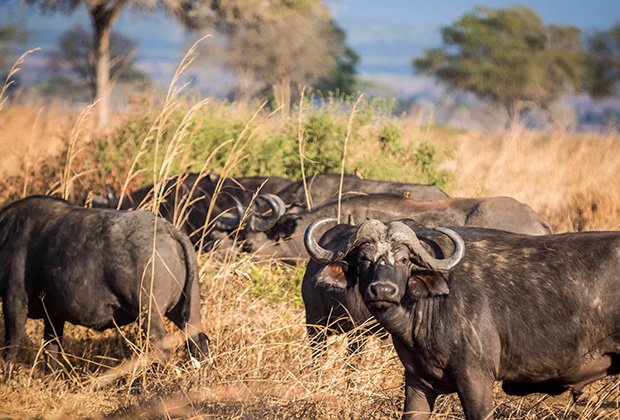
Dec 8, – 4 Day Tarangire, Serengeti And Ngorongoro Group Safari 2026
A detailed guide to our December 8, 2026 group joining safari, covering the itinerary, logistics, and what to expect during this 4-day wildlife adventure in Tanzania.
View package detailsNov 10, – 4 Day Serengeti, Ngorongoro And Tarangire Group Safari 2026
Join our group safari on November 10, 2026, for an intensive 4-day tour of Tanzania's Northern Circuit. Perfect for those with limited time who want to experience the best of the Serengeti...
View package detailsOct 31, – 6 Day Serengeti, Ngorongoro, Tarangire And Manyara Group Safari 2026
A detailed look at the 6-day Northern Circuit group safari departing October 31, 2026, covering Tarangire, Manyara, Serengeti, and Ngorongoro Crater.
View package detailsOct 29, – 4 Day Tarangire, Serengeti And Ngorongoro Group Safari 2026
Plan your October 2026 Tanzania adventure. This 4-day group safari covers Tarangire, Serengeti, and Ngorongoro Crater with reliable local support.
View package details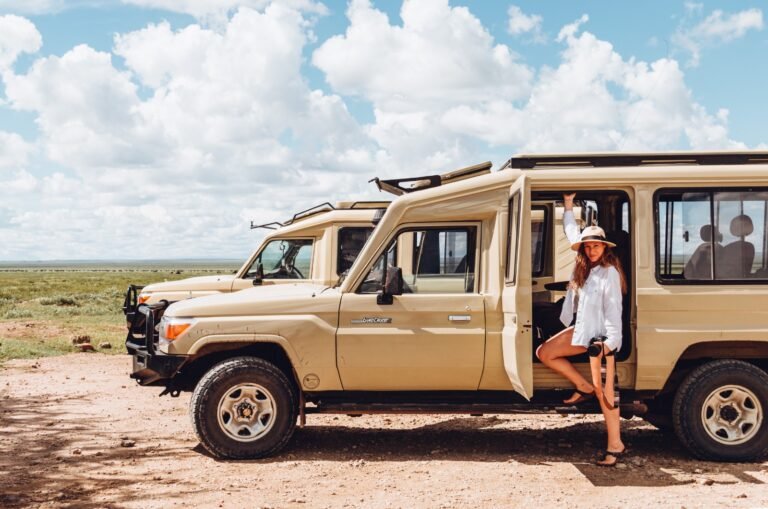
Dec 14, – 7 Day Complete Tanzania Northern Circuit Group Safari 2026
Planning for December 2026? Join our 7-day complete Tanzania Northern Circuit group safari. A deep look at the Serengeti, Ngorongoro, and Tarangire with expert, locally-led logistics.
View package detailsAfcon Private Serengeti Safari With Lodges
AFCON 2027 Private Serengeti Safari with Lodges.
View package detailsAfcon Luxury Serengeti Safari Packages
AFCON 2027 Luxury Serengeti Safari Packages.
View package details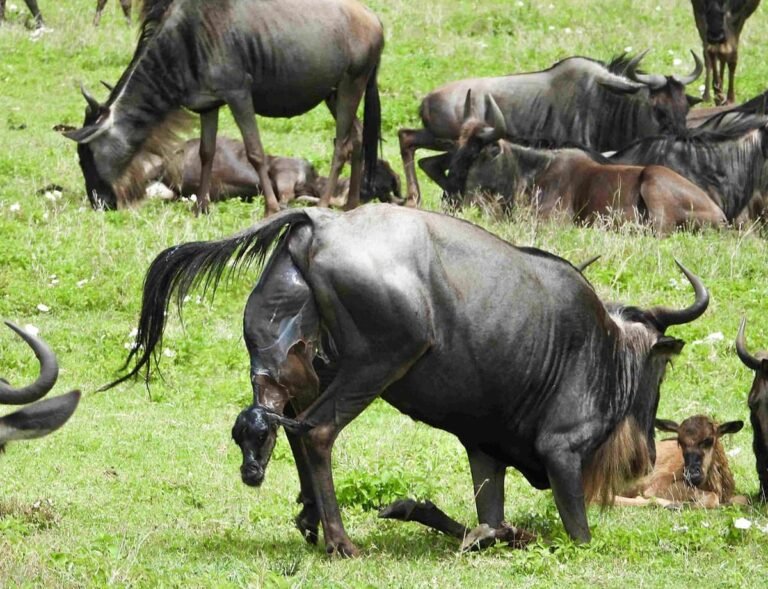
Serengeti Great Migration Safari During AFCON 2027
Mwongozo wa kina kwa safari ya Serengeti Great Migration wakati wa AFCON 2027, ukilenga kuelewa maeneo, kipindi cha mwendo wa mnyama, na mapendekezo ya mipango ya kiutendaji.
View package details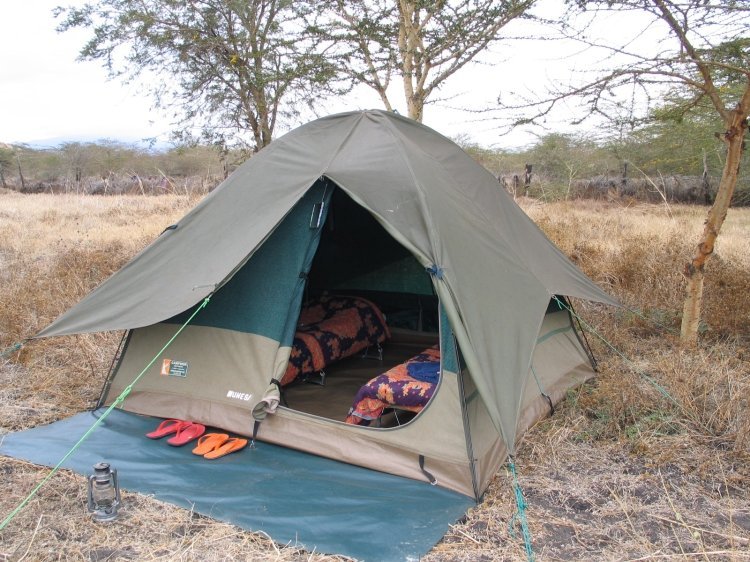
Four Day Serengeti na Ngorongoro Safari During AFCON 2027
Mwongozo wa safari ya siku 4 kwenye Serengeti na Ngorongoro wakati AFCON 2027; jinsi ya kupanga, nini cha kujali, na jinsi ya kuandaa,”
View package detailsThree Day Serengeti Safari During AFCON 2027
Mwongozo wa kiutendaji kwa safari ya siku tatu ya Serengeti wakati AFCON 2027, ukijumuisha mwelekeo wa maeneo, ratiba ya siku, na ushauri wa ubashiri wa kupanga pamoja na jinsi ya...
View package detailsAFCON 2027 Tarangire Safari Packages
Mpango wa safari ya Tarangire katika AFCON 2027 unaangazia mbuga ya Tarangire, nyakati za mwitu, mipango ya kulala na usafiri wa ndani, na jinsi ya kupanga kwa ufanisi pamoja na Climb 4...
View package detailsNo related package matches those filters. Clear one or more filters to see the other topic-matched options.