
An Usambara Endemic Birding Safari focuses on spotting rare and unique bird species found only in Tanzania’s Usambara Mountains, utilizing a private guide for personalized attention and a carefully curated package for smooth logistics. This specialized trip is ideal for dedicated birdwatchers aiming to see species like the Usambara Weaver, Usambara Akalat, and Usambara Green-bul, with itineraries typically ranging from 5 to 10 days, often starting from Lushoto or Amani, and offering a deep look at the rich biodiversity of the Eastern Arc Mountains. Planning for 2026-2027 involves selecting specific lodges, tailoring routes to peak bird activity, and confirming guide availability.
Understanding the Usambara Endemic Birding Safari
When we talk about an Usambara Endemic Birding Safari, we’re not just referring to a general birdwatching trip. This is a highly specialized journey designed to seek out the avian treasures unique to the Usambara Mountains, a biodiversity hotspot within Tanzania’s Eastern Arc Mountains. These ancient forests are isolated, acting like islands in the sky, which has led to the evolution of species found nowhere else on Earth. For a dedicated birder, this means an opportunity to achieve significant personal birding goals. The ‘private guide’ aspect is crucial here; it ensures that your itinerary is flexible, your pace is respected, and your guide possesses expert knowledge not only of the birds’ locations but also their calls, behaviours, and the best times to find them. The ‘package’ element simplifies planning, covering accommodation, transport, park fees, and guide services, allowing you to focus entirely on the birds.
The Usambara Mountains are broadly divided into the West Usambara and East Usambara ranges, each with its own distinct microclimates and species assemblages. A comprehensive endemic birding safari might explore both, or focus on one depending on your interests and the time available. For instance, the West Usambaras are known for species like the Usambara Thrush, while the East Usambaras hold the Usambara Barbet. Your private guide will be instrumental in navigating these nuances and maximizing your chances of sightings. When planning for 2026-2027, it’s wise to book well in advance, especially if you have specific dates in mind, as specialist guides and preferred accommodations can fill up quickly.
Why Choose a Private Guide for Usambara Birding?
The decision to opt for a private guide fundamentally changes the nature of your Usambara birding experience. Unlike larger group tours where the itinerary is fixed and the pace dictated by the group’s average, a private guide offers unparalleled flexibility and personalization. For endemic birding, this means the guide can spend extra time in a particular spot if a rare species is showing well, or adjust the route on the fly based on recent sightings or weather conditions. They are not bound by a strict schedule that accommodates multiple people’s interests; their sole focus is your birding success.
Expertise is paramount. A guide specializing in Usambara birding will have an encyclopedic knowledge of the local avifauna. They can differentiate between similar-looking species by sound alone, understand the specific habitat requirements of each endemic, and know the best times of day and year to find them. This level of detail is essential for ticking off those highly sought-after endemic species. They can also advise on photography opportunities, point out other wildlife, and share insights into the local culture and conservation efforts in the Usambaras. For a Usambara Endemic Birding Safari, a private guide is less a service provider and more a dedicated partner in achieving your birding objectives.
Furthermore, a private guide can cater to different fitness levels and mobility needs. If you prefer a more leisurely pace or need assistance on challenging terrain, they can adapt the daily walks and routes accordingly. This personalized approach ensures comfort and maximizes the enjoyment of the safari. When discussing your trip for 2026-2027, be sure to inquire about the specific qualifications and experience of the guides offered; a true specialist will be able to detail their knowledge of Usambara endemics.
Key Usambara Endemic Bird Species to Target
The allure of an Usambara Endemic Birding Safari lies in the chance to see birds found nowhere else. The Usambara Mountains are a stronghold for several highly sought-after endemic species, making them the primary targets for any serious birder visiting the region. Understanding these key species will help you appreciate the significance of your sightings.
West Usambara Endemics
The West Usambara Mountains are home to a suite of unique birds, often found in the higher altitude forests. Among the most prized are:
- Usambara Thrush (Turdus roehli): A beautiful, medium-sized thrush with a rich brown plumage. It prefers dense forest undergrowth and can be challenging to spot, often detected by its melodious song.
- Usambara Boubou (Laniarius sublacteus): This striking black and white shrike-like bird is known for its distinctive duetting calls. It typically inhabits forest edges and thickets.
- Usambara Barbet (Trachyphonus usambiro): While sometimes listed as an East Usambara endemic, its presence is also noted in the West. This is a vibrant, colourful bird, a member of the African barbet family, often found in slightly more open woodland within the mountain range.
East Usambara Endemics
The East Usambaras, with their humid lowland and submontane forests, boast a different set of endemics, some of which are particularly elusive:
- Usambara Weaver (Ploceus nicolli): A small, striking weaver with males displaying bright yellow plumage. They build distinctive, pendulous nests in trees, often near water.
- Usambara Akalat (Sheppardia lowei): This small, retiring bird is a true forest dweller, favouring dense undergrowth and stream banks. It’s a member of the Old World flycatcher family and is notoriously difficult to observe.
- Usambara Green-bul (Phyllastrephus orixensis usambarae): While technically a subspecies, it’s often treated as a distinct target for birders in the Usambaras. This bulbul is found in thickets and forest interiors.
- Dappled Mountain-Robin (Modulatrix stictophania): A shy bird of the forest floor and understorey, often identified by its soft, musical song.
A truly comprehensive Usambara Endemic Birding Safari will aim to locate as many of these as possible. Your private guide will have specific knowledge of their preferred habitats within the various forest reserves and plantations, significantly increasing your chances. When planning for 2026-2027, consider the timing of your visit, as some species might be more active or vocal during certain seasons.
Usambara Birding Safari Packages: What to Expect
A well-structured Usambara Endemic Birding Safari package is designed to handle the logistical complexities of visiting remote mountain forests, allowing you to focus on the birding. These packages typically include a range of services, but the specifics can vary significantly between operators. It’s essential to understand what is included and excluded to ensure a smooth and enjoyable trip.
Typical Inclusions
- Private Guiding Services: This is the cornerstone of the package, providing you with an expert ornithologist and local guide. Their knowledge is invaluable for finding endemic species.
- Accommodation: This can range from comfortable lodges and guesthouses in towns like Lushoto or Amani to more rustic forest cabins or tented camps closer to prime birding sites. The quality and type of accommodation are key differentiators between package tiers.
- Meals: Most packages will include all meals (breakfast, lunch, dinner) during your time in the Usambaras. This is particularly important when you are in remote areas where dining options are limited.
- Transportation: This typically includes airport transfers and 4×4 vehicle transport for getting between locations and to trailheads. The vehicle should be comfortable and suitable for potentially rough roads.
- Park and Conservation Fees: Entry fees for forest reserves, national parks, and community-managed areas are usually bundled into the package price.
- Activities: Guided walks, birding excursions, and potentially cultural visits are part of the package.
Potential Exclusions
- International Flights: Flights to and from Tanzania are almost always excluded.
- Visa Fees: The cost of obtaining a Tanzanian visa.
- Travel Insurance: Comprehensive travel and medical insurance are vital and typically your responsibility.
- Personal Expenses: Tips for guides and staff, alcoholic beverages, laundry, and souvenirs are usually not included.
- Gratuities: While sometimes mentioned, it’s good practice to budget for tipping your guide and driver.
- Vaccinations and Medications: Costs associated with any necessary health precautions.
When evaluating packages for your 2026-2027 trip, pay close attention to the accommodation options and the level of guiding. A premium package might offer exclusive lodges and a highly experienced, perhaps internationally recognized, ornithological guide, whereas a more budget-conscious option might use standard guesthouses and a general local guide. Understanding these trade-offs is crucial for aligning the package with your expectations and budget. For instance, staying closer to the forest in basic camps can significantly improve early morning birding opportunities.
Itinerary Planning for Your Usambara Birding Safari
Designing an effective itinerary for an Usambara Endemic Birding Safari requires careful consideration of the two main mountain ranges, their specific habitats, and the bird species endemic to each. A well-planned trip maximizes your chances of seeing target species while ensuring a comfortable and engaging experience. Most itineraries range from 5 to 10 days, depending on whether you focus on one range or attempt to cover both.
Sample 7-Day Usambara Endemic Birding Itinerary (East & West Focus)
This sample itinerary balances exploration of both the East and West Usambara Mountains, aiming for a broad spectrum of endemic species. It assumes arrival in Arusha or Kilimanjaro International Airport (JRO).
- Day 1: Arrival & Transfer to Lushoto (West Usambaras)
- Arrive at JRO, meet your private guide.
- Transfer to Lushoto (approx. 4-5 hours), a town located in the West Usambaras.
- Check into your lodge/guesthouse. Briefing on the upcoming days.
- Accommodation: Comfortable lodge in Lushoto.
- Day 2: West Usambara Forest Exploration
- Early morning birding in the Irente viewpoint area or surrounding forests.
- Target species: Usambara Thrush, Usambara Boubou, various forest birds.
- Afternoon walk focusing on specific forest patches known for resident species.
- Accommodation: Lodge in Lushoto.
- Day 3: Shagayu Forest & Transfer to Amani (East Usambaras)
- Morning birding in the Shagayu Forest Reserve, known for its montane forest birds.
- After a packed lunch, begin the scenic drive towards Amani (approx. 4-6 hours, depending on road conditions).
- Check into your lodge/guesthouse in the Amani area.
- Accommodation: Lodge or guesthouse near Amani.
- Day 4: Amani Nature Reserve Birding
- Full day dedicated to birding within the Amani Nature Reserve, a prime location for East Usambara endemics.
- Focus on trails leading through the montane and submontane forests.
- Target species: Usambara Weaver, Usambara Akalat, Dappled Mountain-Robin.
- Accommodation: Lodge or guesthouse near Amani.
- Day 5: Coastal Forests & Plantations
- Explore areas around Amani that transition into coastal forest patches and agricultural lands, which can host different species.
- Look for species adapted to disturbed habitats or forest edges.
- Potential for Usambara Barbet and other local specialities.
- Accommodation: Lodge or guesthouse near Amani.
- Day 6: Further Exploration & Transfer back towards Arusha/Moshi
- Final morning birding session in the East Usambaras for any missed species.
- Begin the drive back towards Arusha or Moshi (approx. 6-8 hours), depending on your departure flight schedule for the next day.
- Overnight in Arusha or Moshi.
- Accommodation: Hotel in Arusha or Moshi.
- Day 7: Departure
- Transfer to Kilimanjaro International Airport (JRO) for your onward flight.
This itinerary provides a solid foundation, but a private guide will tailor it to your specific interests, pace, and the latest birding intelligence. For instance, if you are particularly keen on the Usambara Akalat, your guide might allocate more time to specific stream-side trails in the East Usambaras. When booking for 2026-2027, discuss these itinerary customizations thoroughly. You might also consider adding extra days to focus exclusively on one range, or to explore adjacent forest patches that are less visited.
Choosing Your Accommodation: Lodges vs. Camps
Accommodation plays a significant role in the comfort and overall experience of an Usambara Endemic Birding Safari. Given the remote nature of prime birding spots, options can range from comfortable hotels in towns to very basic forest camps. Your choice will impact accessibility, amenities, and, of course, cost.
In Towns (Lushoto, Amani)
When based in towns like Lushoto (West Usambaras) or Amani (East Usambaras), you’ll find a variety of guesthouses and lodges. These offer:
- Convenience: Easy access to shops, restaurants, and communication facilities.
- Comfort: Often include private bathrooms, hot water, and reliable electricity.
- Accessibility: Generally easier to reach via road.
- Trade-off: You’ll need to drive or walk to the actual birding sites each day, meaning less time for very early morning or late evening birding directly from your room.
Forest Lodges & Camps
For a more in-depth birding experience, staying in or near the forests is ideal. These options can include:
- Proximity to Birds: Wake up to forest sounds and be on the trails within minutes. This is crucial for finding crepuscular or very active dawn species.
- Tranquility: Experience the peace and quiet of the forest environment.
- Trade-off: Amenities can be more basic. Electricity might be generator-powered and limited, hot water might be scarce, and internet access could be non-existent. Roads to these locations can also be challenging.
For a Usambara Endemic Birding Safari, especially in 2026-2027, it’s worth discussing with your tour operator whether a combination of town-based and forest accommodation would suit you best. For example, spending a few nights in a comfortable lodge in Lushoto and then moving to a basic forest camp closer to prime West Usambara birding sites. The same applies to the East Usambaras, where staying near Amani allows for accessible exploration of the nature reserve.
Consider your personal comfort levels. If you require certain amenities, opt for lodges in towns. If your priority is maximum birding time and immersion, forest camps might be the way to go, provided you are prepared for simpler facilities. Your private guide can often advise on the best options based on current conditions and your specific needs.
Best Time to Visit for Usambara Birding
Timing is everything in birdwatching, and the Usambara Mountains have distinct seasons that can influence bird activity and the overall success of your Usambara Endemic Birding Safari. While endemic species are present year-round, certain periods offer better viewing conditions and higher chances of sightings.
Rainy Seasons
Tanzania generally experiences two rainy seasons:
- Long Rains (March to May): This is typically the wettest period, with heavy, prolonged rainfall. Birding can be challenging, with many trails becoming muddy and difficult to navigate. Some birds may move to different altitudes or habitats.
- Short Rains (November to December): These are usually lighter and more sporadic showers. While they can make the landscape lush and beautiful, they can also affect bird activity and visibility.
Dry Seasons
The dry seasons are generally considered the best times for birding in the Usambaras:
- Main Dry Season (June to October): This period offers the most stable weather. Skies are often clear, and the landscape is drier, making trekking easier. Birds may congregate around remaining water sources, making them easier to find. This is a popular time for international tourists, so booking for 2026-2027 during this window requires advance planning.
- Post-Short Rains Dry Spell (January to February): This is another good period for birding. The rains have usually ended, leaving the vegetation green and birds active. It often precedes the main breeding season for many species, meaning they can be more vocal and visible.
Breeding Seasons
While not strictly tied to dry or wet seasons, many bird species in Tanzania, including in the Usambaras, breed between September and March. During the breeding season, males are often more colourful and vocal as they establish territories and attract mates. This can significantly increase your chances of spotting and identifying species, particularly the more elusive ones. Planning your Usambara Endemic Birding Safari to coincide with this period can be highly rewarding.
Recommendation for 2026-2027: The months of July to October and January to February are generally considered optimal for an Usambara birding trip due to favourable weather and bird activity. However, a dedicated birder with a skilled private guide can achieve excellent results at almost any time of year, as the guide’s expertise can compensate for seasonal variations.
What to Pack for Your Usambara Birding Safari
Packing appropriately is essential for comfort and effectiveness on an Usambara Endemic Birding Safari. The mountain climate can be unpredictable, with cooler temperatures at higher altitudes and the possibility of rain at any time. Your private guide will offer specific advice, but here’s a general checklist:
Essential Birding Gear
- Binoculars: A good quality pair (e.g., 8×42 or 10×42) is non-negotiable.
- Field Guide: A comprehensive bird identification guide for East Africa or Tanzania.
- Camera with Telephoto Lens: For capturing those sought-after endemic species. Consider a spare battery and memory cards.
- Notebook and Pen: To record sightings, observations, and bird calls.
Clothing
Layering is key. Temperatures can fluctuate significantly between day and night, and with altitude changes.
- Lightweight, quick-drying trousers: Two or three pairs. Avoid jeans as they are heavy and slow to dry.
- Long-sleeved shirts: Two or three, for sun protection and to ward off insects.
- T-shirts/base layers: For warmer parts of the day or as a first layer.
- Fleece jacket or warm sweater: Essential for cool mornings and evenings.
- Waterproof and windproof jacket: A good quality, breathable rain jacket is a must.
- Comfortable walking/hiking boots: Broken-in and waterproof.
- Socks: Several pairs of moisture-wicking hiking socks.
- Hat: A wide-brimmed hat for sun protection and a warm beanie for cooler periods.
Other Essentials
- Backpack: A comfortable daypack for carrying water, snacks, camera, and rain gear during walks.
- Water bottle or hydration reservoir: Staying hydrated is crucial.
- Sunscreen and lip balm with SPF.
- Insect repellent: Containing DEET or Picaridin.
- Personal first-aid kit: Including any personal medications, pain relievers, antiseptic wipes, and blister treatment.
- Headlamp or torch: Useful for early morning or late evening activities.
- Power bank/adapter: For charging electronics.
- Small towel: Quick-drying travel towel.
When preparing for your Usambara Endemic Birding Safari in 2026-2027, remember that comfort directly impacts your birding ability. Being too cold, wet, or uncomfortable will distract from the experience. Consult your tour operator for any specific recommendations related to the accommodation and activities included in your package.
Booking Your Usambara Endemic Birding Safari
Securing your Usambara Endemic Birding Safari is the final step in planning your incredible birdwatching adventure. As Climb 4 Africa specializes in tailor-made Tanzanian experiences, we can craft a private guiding package that precisely meets your needs and interests.
When you’re ready to book for 2026-2027, or even to start preliminary planning, the best approach is to contact us directly. We understand that a successful birding safari hinges on meticulous planning, expert guiding, and comfortable logistics. Our team is experienced in arranging specialized safaris, including those focused on the unique avian life of the Usambara Mountains.
What to Include in Your Inquiry:
- Your desired travel dates or timeframe (e.g., looking at July 2026, or late January 2027).
- The approximate duration of your safari (e.g., 7 days, 10 days).
- The number of people in your party.
- Your preferred level of accommodation (e.g., comfortable lodges, basic forest camps, or a mix).
- Any specific bird species you are particularly eager to see.
- Your general fitness level and any mobility concerns.
- Your departure point (e.g., flying into Kilimanjaro International Airport – JRO).
Once we receive your inquiry, we will work with you to design a bespoke itinerary. This will include details on the private guide’s expertise, the specific locations we will visit, the accommodation options, and a clear breakdown of what the package includes. We pride ourselves on providing practical local support and expert advice, ensuring your Usambara Endemic Birding Safari is a truly memorable and successful expedition. Starting the conversation early for 2026-2027 allows us to secure the best guides and accommodations for you.
Reach out to us today to begin crafting your personalized Usambara birding adventure. You can contact us via WhatsApp at +255 747 477 898 or email us at climb4africa@gmail.com. Let’s make your dream birding safari a reality.
Frequently Asked Questions about Usambara Birding Safaris
Here are some common questions travelers have when considering an Usambara Endemic Birding Safari:
Q1: How difficult is birding in the Usambaras?
A1: Birding in the Usambaras can range from moderately challenging to very challenging, depending on the specific species you’re targeting and the terrain. Endemic species often prefer dense forest undergrowth or specific microhabitats, making them elusive. However, with a skilled private guide, your chances of success are significantly increased. The terrain can also be steep and uneven in places, so a reasonable level of fitness is beneficial, though routes can be adapted.
Q2: Can I see all Usambara endemics on a single trip?
A2: It is ambitious but possible to see many, if not all, of the key Usambara endemics on a well-planned 7-10 day safari that covers both the East and West Usambara Mountains. However, birding success is never guaranteed. Some species are naturally rarer or harder to find than others. A private guide will focus efforts on the most likely locations and times for each target species.
Q3: What is the typical group size for these safaris?
A3: As the keyword specifies “Private Guide & Package,” these safaris are typically for individuals, couples, or small private groups (e.g., 2-6 people). This ensures personalized attention and flexibility, which is ideal for serious birdwatching. The focus is on a private experience, not a large group tour.
Q4: What is the best time of year for birding in the Usambaras, considering 2026-2027?
A4: The dry seasons, generally from June to October and January to February, are often considered the best times due to more stable weather and easier trekking. However, the breeding season (roughly September to March) can also be excellent as birds are more vocal and visible. Your private guide can advise on the best timing based on current conditions and your specific goals for 2026-2027.
Q5: What level of accommodation can I expect?
A5: Accommodation options vary. In towns like Lushoto or Amani, you’ll find comfortable lodges and guesthouses. Deeper in the forests, options might be more rustic forest cabins or basic camps. Most packages can be customized to your preference, from standard comfort to more premium options. It’s essential to discuss this with your tour operator.
Q6: Do I need any special permits for birding in the Usambaras?
A6: Park and conservation fees for entering the forest reserves (like Amani Nature Reserve or Shagayu Forest Reserve) are typically included in the safari package. Your guide will handle the necessary arrangements for access and permits for the areas you visit.
Q7: How does Climb 4 Africa handle custom requests for 2026-2027 bookings?
A7: Climb 4 Africa excels at creating tailor-made itineraries. When you inquire, please provide as much detail as possible about your interests, preferred dates for 2026-2027, accommodation style, and specific birding goals. We will then craft a personalized quote and itinerary for your Usambara Endemic Birding Safari, ensuring it aligns perfectly with your expectations.
“,
“faq_schema”: [
{
“question”: “How difficult is birding in the Usambaras?”,
“answer”: “Birding in the Usambaras can range from moderately challenging to very challenging, depending on the specific species you’re targeting and the terrain. Endemic species often prefer dense forest undergrowth or specific microhabitats, making them elusive. However, with a skilled private guide, your chances of success are significantly increased. The terrain can also be steep and uneven in places, so a reasonable level of fitness is beneficial, though routes can be adapted.”
},
{
“question”: “Can I see all Usambara endemics on a single trip?”,
“answer”: “It is ambitious but possible to see many, if not all, of the key Usambara endemics on a well-planned 7-10 day safari that covers both the East and West Usambara Mountains. However, birding success is never guaranteed. Some species are naturally rarer or harder to find than others. A private guide will focus efforts on the most likely locations and times for each target species.”
},
{
“question”: “What is the typical group size for these safaris?”,
“answer”: “As the keyword specifies ‘Private Guide & Package,’ these safaris are typically for individuals, couples, or small private groups (e.g., 2-6 people). This ensures personalized attention and flexibility, which is ideal for serious birdwatching. The focus is on a private experience, not a large group tour.”
},
{
“question”: “What is the best time of year for birding in the Usambaras, considering 2026-2027?”,
“answer”: “The dry seasons, generally from June to October and January to February, are often considered the best times due to more stable weather and easier trekking. However, the breeding season (roughly September to March) can also be excellent as birds are more vocal and visible. Your private guide can advise on the best timing based on current conditions and your specific goals for 2026-2027.”
},
{
“question”: “What level of accommodation can I expect?”,
“answer”: “Accommodation options vary. In towns like Lushoto or Amani, you’ll find comfortable lodges and guesthouses. Deeper in the forests, options might be more rustic forest cabins or basic camps. Most packages can be customized to your preference, from standard comfort to more premium options. It’s essential to discuss this with your tour operator.”
},
{
“question”: “Do I need any special permits for birding in the Usambaras?”,
“answer”: “Park and conservation fees for entering the forest reserves (like Amani Nature Reserve or Shagayu Forest Reserve) are typically included in the safari package. Your guide will handle the necessary arrangements for access and permits for the areas you visit.”
},
{
“question”: “How does Climb 4 Africa handle custom requests for 2026-2027 bookings?”,
“answer”: “Climb 4 Africa excels at creating tailor-made itineraries. When you inquire, please provide as much detail as possible about your interests, preferred dates for 2026-2027, accommodation style, and specific birding goals. We will then craft a personalized quote and itinerary for your Usambara Endemic Birding Safari, ensuring it aligns perfectly with your expectations.”
}
]
}
“`
Check Availability for Usambara Endemic Birding Safari – Private Guide & Package 2026-2027
Ready to compare dates, prices, and the best option for your group? Send the package name and travel month so the team can reply with a clear quote, availability, and what is included.
Kilimanjaro And Mara River Crossing Safari August : Peak Season Adventure 2027
Combining the ultimate challenge of climbing Mount Kilimanjaro with the awe-inspiring spectacle of the Great Migration river crossing in the Maasai Mara offers an unparalleled African...
View package details
Kilimanjaro And Great Migration Safari August : Your Peak Season Adventure
Plan your ultimate Tanzanian adventure in August 2027, combining a Kilimanjaro climb with the spectacle of the Great Migration. This guide details the best timings, routes, and safari...
View package detailsKilimanjaro And Mara River Crossing Safari July 2027
Kilimanjaro and Mara River Crossing Safari July 2027 is explained with current 2027 planning, price, itinerary and booking information.
View package detailsKilimanjaro And Great Migration Safari July : Your Ultimate Tanzanian
Combining a Kilimanjaro climb with a Great Migration safari in July 2027 offers a spectacular Tanzanian adventure. This guide helps you plan your ideal itinerary, considering the best...
View package details
Kilimanjaro And Grumeti Migration Safari June : The Ultimate Tanzanian
Plan your unforgettable Kilimanjaro and Grumeti Migration safari for June 2027. This comprehensive guide details how to combine the challenge of summiting Africa's highest peak with the...
View package details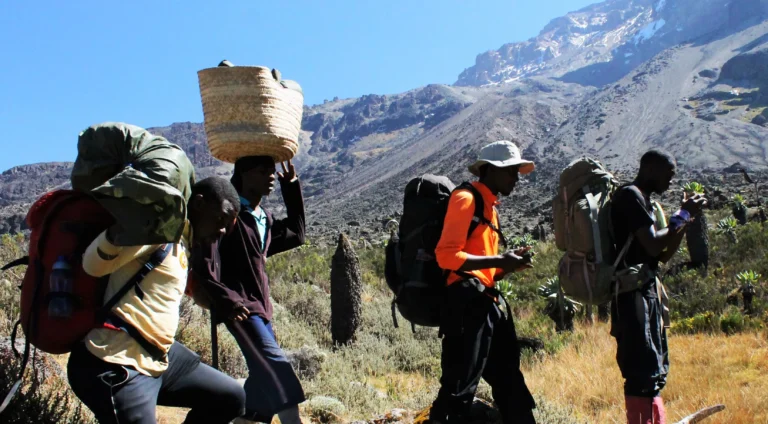
Best Kilimanjaro And Serengeti Calving Season Safari March 2027
Discover the magic of a March 2027 Kilimanjaro and Serengeti calving season safari. This guide explores the unique advantages and considerations for experiencing Tanzania's wildlife...
View package details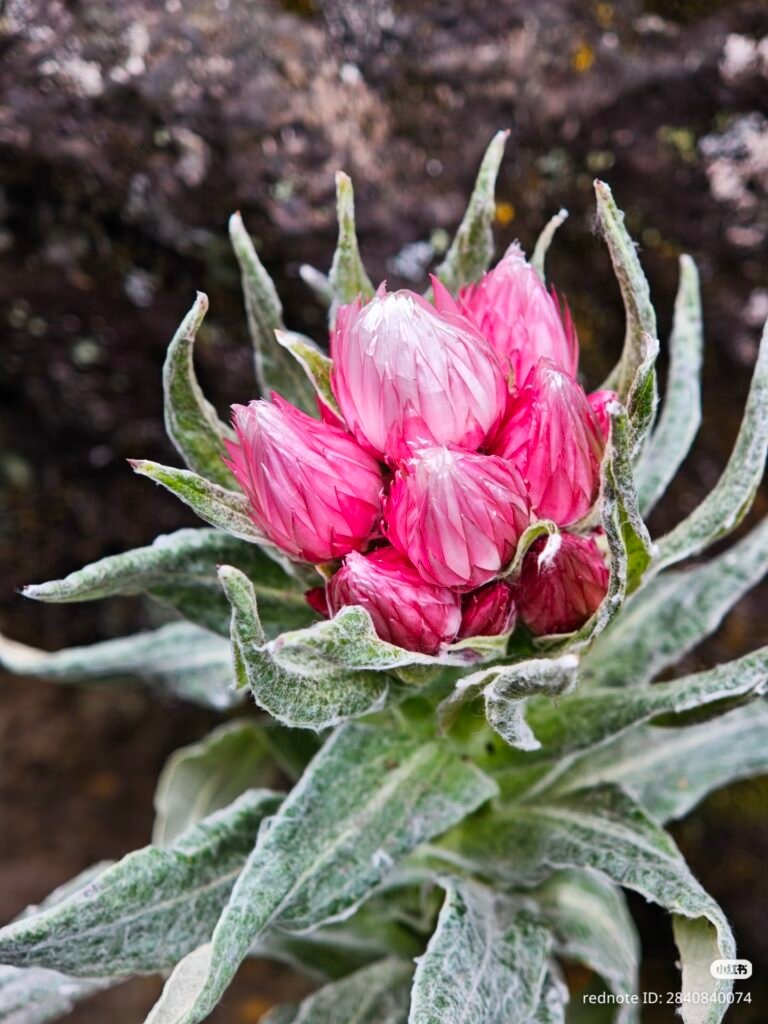
Kilimanjaro And Serengeti Calving Safari February : The Ultimate Planning
Combine the majesty of Mount Kilimanjaro with the impressive spectacle of the Serengeti's calving season in February 2027. This guide details how to plan this dual adventure, focusing on...
View package details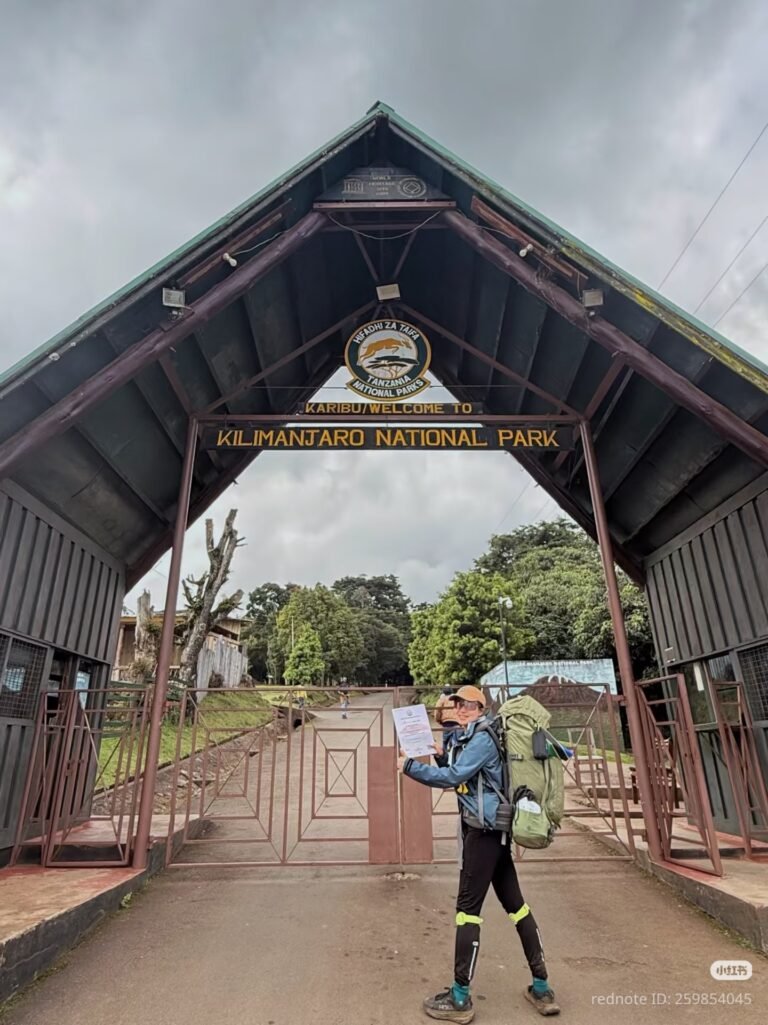
Kilimanjaro And Serengeti Calving Safari January 2026-2027
Kilimanjaro and Serengeti Calving Safari January 2027 is explained with current 2026-2027 planning, price, itinerary and booking information.
View package details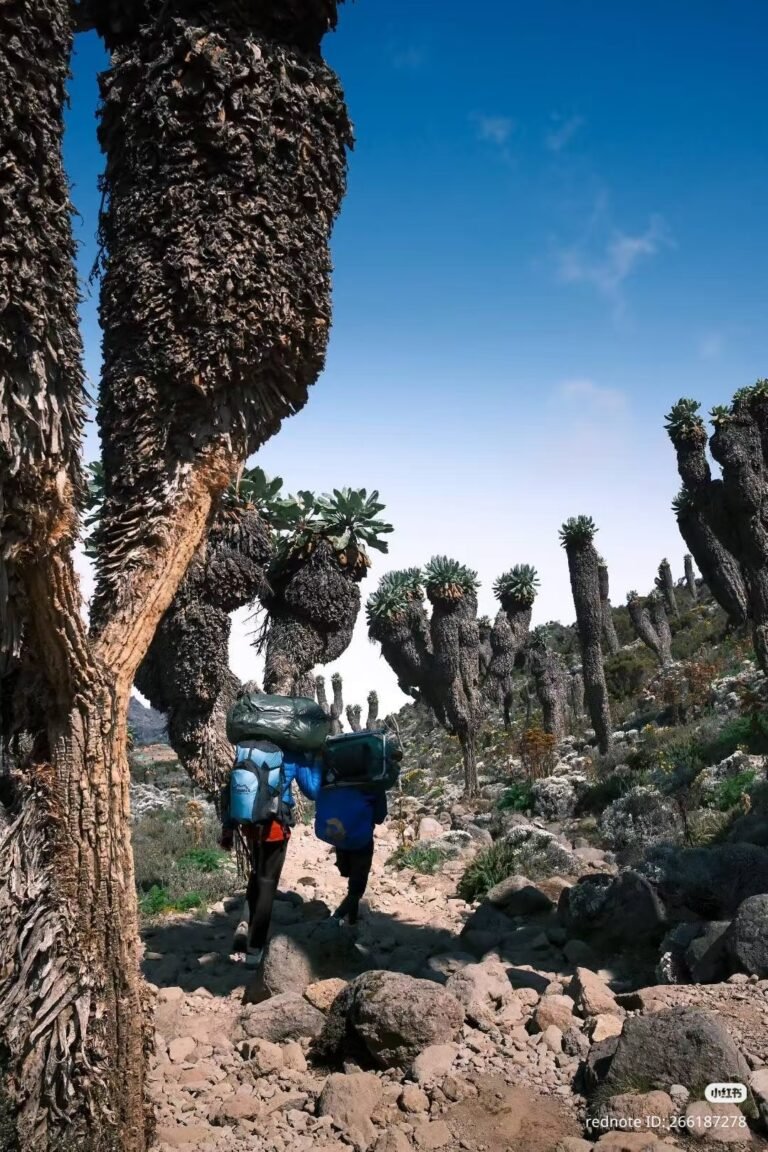
Kilimanjaro Christmas Climb And Tanzania Safari : Your Festive Adventure
Combine the magic of a Christmas ascent of Kilimanjaro with a thrilling Tanzania safari in 2026. Discover how to plan this dual adventure for a truly unique festive season.
View package detailsNo related package matches those filters. Clear one or more filters to see the other topic-matched options.



