
A Njombe Highlands tour offers an unparalleled opportunity to explore the remote, impressive landscapes and vibrant cultural mix of Southern Tanzania, far from the usual tourist trails. Expect a journey featuring rolling hills, lush tea and coffee plantations, unique indigenous communities, stunning waterfalls, and opportunities for hiking, birdwatching, and cultural immersion, with planning for 2026-2027 adventures now open.
Introduction to the Njombe Highlands
The Njombe Highlands, located in the southern highlands of Tanzania, represent one of East Africa’s best-kept secrets. This region is a world away from the bustling safari circuits of the Serengeti or the iconic peak of Kilimanjaro. Instead, it offers a serene, verdant landscape characterized by rolling hills, mist-shrouded mountains, expansive tea and coffee plantations, and a deeply rooted cultural heritage. For the traveler seeking authenticity, natural beauty, and a genuine escape, a Njombe Highlands tour is an exceptional choice. This area is known for its cool climate, lush vegetation sustained by ample rainfall, and a pace of life that invites contemplation and connection. It’s a destination that rewards curiosity and encourages exploration, revealing its charms slowly and profoundly to those who venture here. As we look towards 2026 and 2027, the Njombe Highlands remain a pristine destination, offering a unique Tanzanian experience that is both enriching and profoundly peaceful.
Why Choose Njombe Highlands for Your Tour?
Deciding on a destination for your next adventure involves weighing numerous factors. The Njombe Highlands stand out for several compelling reasons, appealing to a specific type of traveler who values depth, authenticity, and natural splendor over mass tourism.
Unspoiled Natural Beauty
The most immediate draw of the Njombe Highlands is its sheer, unadulterated natural beauty. Unlike more developed tourist regions, this area retains a wild, pristine quality. Imagine trekking through verdant valleys where the air is crisp and clean, passing by cascading waterfalls that plunge into clear pools, and gazing out over panoramic vistas of undulating hills carpeted in emerald green. The landscape is dynamic, shifting with the seasons but always offering a sense of profound tranquility. From the high-altitude grasslands to the denser montane forests, the biodiversity is remarkable, offering a feast for the eyes and a sanctuary for the soul. This is a place where nature dictates the rhythm, offering a refreshing contrast to the manufactured experiences found elsewhere.
Authentic Cultural Experiences
Perhaps the greatest treasure of the Njombe Highlands is its people and their enduring traditions. This region is home to several ethnic groups, including the WaBena and WaKinga, who maintain rich cultural practices that have been passed down through generations. A tour here offers a rare chance to engage with these communities respectfully, learning about their daily lives, agricultural practices, traditional crafts, and social structures. Unlike staged cultural performances, interactions in the Njombe Highlands are often organic, arising from visiting local markets, sharing a meal, or participating in community-based activities. This provides a genuine window into a way of life that remains largely untouched by the homogenizing forces of globalized tourism. For travelers seeking meaningful human connection and a deeper understanding of different cultures, Njombe is profoundly rewarding.
Adventure and Activity Options
While serene, the Njombe Highlands are far from dormant. The topography lends itself perfectly to a range of adventurous pursuits. Hiking and trekking are paramount, with trails winding through diverse landscapes, from gentle walks to more challenging ascents. Waterfall hunting is a popular pastime, leading to secluded spots perfect for a refreshing dip. Birdwatching is exceptional, with numerous endemic and migratory species found in the varied habitats. For those who enjoy a more active exploration, cycling through the scenic routes and mountain biking on rugged tracks offer exhilarating ways to experience the region. The cool climate also makes these activities far more comfortable than in the hotter lowlands.
Off-the-Beaten-Path Appeal
For many travelers, the allure of a destination lies in its exclusivity – the feeling of discovering a place before it becomes widely known. The Njombe Highlands perfectly embody this “off-the-beaten-path” appeal. It’s a destination that requires a conscious effort to reach, filtering out casual tourists and attracting those with a genuine interest in exploration and discovery. This means fewer crowds, more intimate experiences, and a stronger sense of adventure. The journey itself is part of the experience, often involving scenic drives through rural landscapes that offer glimpses into everyday Tanzanian life. This remoteness ensures that the natural environment and cultural integrity are preserved, offering a more authentic and less commercialized encounter with Tanzania.
Strategic Location and Accessibility
While remote, the Njombe Highlands are not entirely inaccessible. They serve as a crucial link between the southern safari areas and the northern circuits, and are increasingly accessible via improved road networks. Njombe town itself has basic amenities, including guesthouses and local eateries, and acts as a convenient staging point for exploring the wider region. Its proximity to other significant areas like Iringa and Mbeya, and its connection to the Tanzanian road network, make it a feasible addition to a broader Tanzanian itinerary. For travelers looking to combine diverse experiences – perhaps a safari in Ruaha National Park with the cultural and natural wonders of the highlands – the Njombe region offers a logical and enriching extension. Planning for 2026-2027 tours can leverage these improving accessibility factors.
Planning Your Njombe Highlands Tour (2026-2027)
A well-planned tour to the Njombe Highlands ensures you make the most of this unique destination. Careful consideration of timing, logistics, and personal preferences is key to a rewarding experience. As you look ahead to 2026 and 2027, here’s what you need to know.
Best Time to Visit Njombe Highlands
The Njombe Highlands enjoy a cooler climate than much of Tanzania due to their high altitude. The region experiences distinct wet and dry seasons. The dry season, typically from June to October, is generally considered the best time to visit. During these months, the weather is pleasant, with sunny days and cool evenings, making outdoor activities like hiking comfortable. Rainfall is minimal, reducing the chances of travel disruptions. The shoulder months of May and November can also be good, offering fewer crowds and lush landscapes, though occasional rain showers are possible. The rainy season (March to May) sees heavier rainfall, which can make some roads impassable and limit outdoor activities, though the landscape is exceptionally green and waterfalls are at their most impressive. For 2026-2027, these patterns are expected to hold, with June-October remaining the prime window for most visitors.
Duration and Itinerary Ideas
The ideal duration for a Njombe Highlands tour depends on your interests and pace. For a comprehensive introduction, 4 to 7 days is often recommended. This allows time to explore Njombe town, visit key attractions like Kitulo National Park and local waterfalls, and engage with communities.
Sample Itinerary (5 Days):
- Day 1: Arrival in Njombe & Town Exploration Arrive in Njombe, settle into your accommodation, and take a guided walk through the town, visiting the local market and perhaps a craft center.
- Day 2: Kitulo National Park Excursion A full day trip to Kitulo National Park, renowned for its floral diversity. Enjoy scenic drives and short walks to appreciate the unique montane ecosystem.
- Day 3: Waterfalls and Coffee Plantations Visit impressive waterfalls such as Matumizi or Ruhangu. In the afternoon, explore a local coffee or tea plantation, learning about the cultivation and processing.
- Day 4: Cultural Immersion & Ikondo Viewpoint Spend time in a local village, engaging with community members. Visit Ikondo Viewpoint for panoramic views of the highlands.
- Day 5: Departure Enjoy a final highland breakfast before departing from Njombe.
For those with more time, extending the tour to 10-14 days allows for deeper exploration of remote villages, multi-day treks, and visits to lesser-known natural sites. Planning for 2026-2027 can accommodate these longer, more in-depth journeys.
Transportation Options
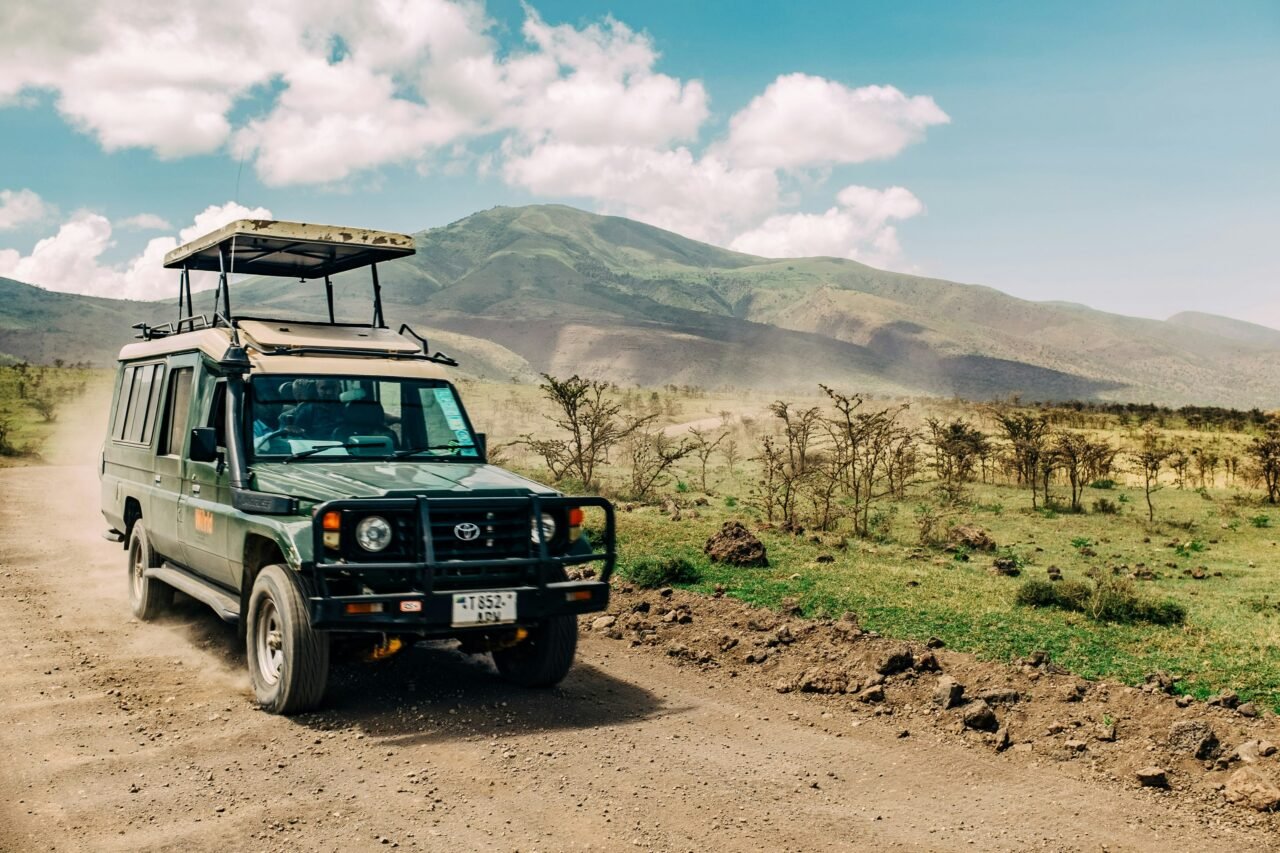
Getting to and around the Njombe Highlands requires careful planning. The primary gateway is usually via road from major cities like Iringa or Mbeya. Private 4×4 vehicles are highly recommended for exploring the region, especially outside of Njombe town. These vehicles offer comfort, reliability, and the capability to navigate potentially rougher roads. Hiring a vehicle with a driver is often the most practical option, as local drivers possess invaluable knowledge of the terrain and routes. Public transport (buses and dala-dalas) exists between major towns but is less suitable for reaching specific attractions or for flexible touring. For longer journeys to Njombe, consider flying into airports near Iringa or Mbeya and then arranging road transport.
Accommodation Styles
Accommodation in the Njombe Highlands ranges from basic to comfortable, reflecting the region’s developing tourism infrastructure. Njombe town offers guesthouses and small hotels that provide clean rooms and essential amenities. These are typically locally run and offer a good base for exploring the surrounding areas. Outside of town, options become more limited but can include community-run lodges or homestays for a truly in-depth experience. Some former colonial estates or lodges near Mufindi may offer more upscale comfort, often surrounded by beautiful grounds. When booking for 2026-2027, it’s wise to confirm accommodation availability well in advance, especially for unique or higher-end options.
What to Pack for the Highlands
The cooler climate and varied terrain of the Njombe Highlands necessitate specific packing considerations:
- Layered Clothing: Pack items that can be layered, as temperatures can fluctuate throughout the day. Include t-shirts, long-sleeved shirts, fleeces, and a warm jacket.
- Rain Gear: A waterproof and windproof jacket is essential, even during the dry season, as mountain weather can be unpredictable.
- Comfortable Walking/Hiking Shoes: Sturdy, broken-in hiking boots are crucial for exploring trails and uneven terrain.
- Sun Protection: A wide-brimmed hat, sunglasses, and high-SPF sunscreen are necessary due to the high altitude and strong sun.
- Insect Repellent: While generally less of an issue than in lowland areas, it’s wise to pack repellent.
- Personal First-Aid Kit: Include any personal medications, plus basics like pain relievers, antiseptic wipes, and bandages.
- Camera and Extra Batteries/Power Bank: The scenery is incredibly photogenic.
- Reusable Water Bottle: Staying hydrated is important; consider a water purification system or tablets.
- Small Backpack: For day trips, carrying water, snacks, and extra layers.
Always pack light but smart, considering the activities you plan for your 2026-2027 tour.
Health and Safety Considerations
As with any travel to Tanzania, it’s important to take health precautions. Consult your doctor or a travel clinic well in advance of your trip regarding vaccinations (e.g., Yellow Fever, Hepatitis A, Typhoid) and malaria prophylaxis. While malaria risk is lower in the cool highlands, it’s still present in Tanzania. Ensure you have adequate travel insurance covering medical emergencies and evacuation. For safety, it’s advisable to travel with a local guide, especially when hiking or visiting remote areas. Be mindful of road conditions, particularly during the rainy season. Njombe town has basic medical facilities, but for serious emergencies, evacuation to larger centers might be necessary.
Visa and Entry Requirements
Most foreign nationals require a visa to enter Tanzania. This can typically be obtained in advance through the Tanzanian embassy in your country, online via the e-visa portal, or upon arrival at major entry points (though e-visas are often faster). Requirements can change, so it’s crucial to check the latest regulations for your nationality well before your planned travel dates in 2026 or 2027. Ensure your passport is valid for at least six months beyond your intended stay and has sufficient blank pages.
Key Destinations and Attractions within the Njombe Highlands
The Njombe Highlands are dotted with places of natural and cultural significance, each offering a unique facet of the region’s charm. Exploring these will form the heart of your tour.
Njombe Town and Surroundings
Njombe town is the administrative and commercial hub of the region. While not a major tourist destination in itself, it serves as an excellent base for exploring the highlands. The town offers a glimpse into local life, with bustling markets selling fresh produce, local crafts, and everyday goods. You can find basic guesthouses, restaurants serving local Tanzanian cuisine, and opportunities to arrange local transport and guides. The surrounding areas offer gentle walking trails and opportunities to visit nearby villages and agricultural lands, providing an introduction to the highland environment and its people.
Mufindi Plateau Tea Estates
The Mufindi Plateau, often considered part of the broader Njombe Highlands region, is famous for its expansive and picturesque tea plantations. Visiting these estates offers insight into the cultivation and processing of tea, a significant local industry. The rolling hills covered in meticulously manicured tea bushes create a stunning visual landscape, particularly in the early morning mist. Some estates offer guided tours, allowing visitors to learn about the process from leaf to cup, and often include opportunities for tea tasting. The cool, moist climate of Mufindi is ideal for tea growing, and the estates themselves are often beautifully maintained.
Kitulo National Park (The “Flower Route”)
Often referred to as the “Garden of God” or the “Serengeti of Flowers,” Kitulo National Park is a unique montane grassland ecosystem. Unlike typical national parks focused on large mammals, Kitulo’s primary attraction is its staggering diversity of orchids and other wildflowers. The park boasts over 350 species of flowering plants, including 45 species of orchids, many of which are endemic. The best time to witness this floral spectacle is during the rainy season, from late November to April, when the landscape bursts into vibrant color. While mammal sightings are rare, the park is a haven for birds and offers stunning panoramic views. It’s an ideal destination for botanists, nature photographers, and anyone who appreciates unique natural beauty. Planning a 2026-2027 visit during the blooming season will offer the most spectacular displays.
Matumizi Waterfalls and Natural Pools
The Njombe Highlands are crisscrossed by numerous rivers and streams, creating spectacular waterfalls. Matumizi Waterfalls is one of the most accessible and impressive, featuring a powerful cascade that plunges into a clear, inviting pool. These natural pools offer a refreshing opportunity for a swim, especially after a hike. The surrounding area is typically lush and verdant, making it a beautiful spot for a picnic and relaxation. Exploring these waterfalls often involves short, scenic hikes through local trails, providing a chance to experience the highland flora and fauna.
Ikondo Viewpoint and Cultural Villages
For impressive panoramic views of the Njombe Highlands, Ikondo Viewpoint is a must-visit. From this vantage point, you can see the vast expanse of rolling hills, valleys, and distant mountains, offering incredible photographic opportunities. Ikondo is also situated near several traditional villages. Visiting these communities provides an intimate look at the daily lives of the local people, their farming methods, and their unique customs. Engaging respectfully with residents can lead to memorable cultural exchanges, offering insights into the heart of highland life. A guided visit is recommended to ensure a meaningful and respectful interaction.
Ruhangu Waterfalls and Forest Reserves
Similar to Matumizi, Ruhangu Waterfalls offers another stunning natural spectacle. These falls are often set within or near protected forest reserves, which are home to diverse plant life and a variety of bird species. Exploring these reserves can involve guided walks that highlight the local ecology. The falls themselves might be more remote, requiring a more adventurous trek, but the reward is often a more secluded and pristine natural setting. These areas are vital for the region’s biodiversity and offer a tranquil escape into nature.
Local Markets and Crafts
The weekly local markets in Njombe and surrounding villages are vibrant hubs of activity. These markets are the perfect place to observe local life, sample regional produce, and purchase authentic handicrafts. You might find intricately woven baskets, carved wooden items, traditional clothing, and locally produced honey or coffee. Engaging with the local artisans and vendors offers a direct connection to the region’s culture and economy. Supporting these local businesses through your purchases is a meaningful way to contribute to the community during your 2026-2027 tour.
Njombe Highlands Cultural Experiences
Beyond the scenic beauty, the true soul of a Njombe Highlands tour lies in its cultural encounters. This region offers a rare opportunity for authentic interactions with communities that have maintained their traditions.
Meeting the Local Communities
The people of the Njombe Highlands, primarily the WaBena and WaKinga, are known for their hospitality. A well-organized tour will facilitate respectful visits to local villages. This isn’t about observing from a distance; it’s about genuine interaction. You might be invited into a home, share a cup of locally grown coffee, or witness traditional farming practices. It’s important to approach these encounters with humility, curiosity, and respect for local customs. Learning a few basic Swahili phrases can greatly enhance these interactions. Your tour operator can facilitate introductions and ensure these visits are mutually beneficial and culturally sensitive.
Understanding Traditional Lifestyles
The highlands are characterized by agricultural communities. Many residents rely on subsistence farming, cultivating crops like maize, beans, potatoes, and increasingly, tea and coffee for cash. Understanding these agricultural cycles, the role of family in the community, and the social structures provides a deeper appreciation of life here. Visiting farms, seeing how crops are tended, and learning about traditional building methods offers tangible insights. For instance, understanding the importance of communal work or the role of elders provides a nuanced perspective on highland society.
Participating in Local Activities
Where appropriate and welcomed, participating in simple daily activities can be incredibly rewarding. This might include helping with light farm work, learning to prepare a traditional meal, or joining in local music or dance if an opportunity arises. Such participation, always guided and respectful, fosters a deeper connection than mere observation. For example, learning to pound grain or weave a simple mat can be a hands-on way to appreciate the effort and skill involved in traditional life. These experiences are often the most memorable parts of a Njombe Highlands tour.
Culinary Journeys Through Njombe
The cuisine of the Njombe Highlands is hearty and based on locally sourced ingredients. Staple foods include maize (ugali), beans, vegetables, and tubers. You’ll find opportunities to taste fresh, locally grown coffee and tea. Local dishes might include various stews, grilled meats (where available), and traditional snacks. Don’t miss the chance to try freshly baked bread from local bakeries or sample seasonal fruits. Exploring local eateries or enjoying meals prepared by your hosts provides an authentic taste of the region. For food enthusiasts, the Njombe Highlands offer a simple yet satisfying culinary exploration, distinct from the more spiced flavors found in coastal Tanzania.
Adventure Activities in the Njombe Highlands
The rugged and scenic terrain of the Njombe Highlands provides a perfect playground for adventure enthusiasts. The cool climate makes these activities particularly enjoyable.
Hiking and Trekking Trails
The highlands are laced with numerous hiking trails, catering to various fitness levels. From gentle walks through villages and farmlands to more strenuous treks up hills and into montane forests, there’s an option for everyone. Popular routes might lead to viewpoints, waterfalls, or through scenic valleys. Guided treks can range from half-day excursions to multi-day expeditions, allowing you to fully experience the landscape. Trails around Kitulo National Park offer opportunities to explore its unique flora, while paths leading to waterfalls provide rewarding destinations.
Birdwatching and Wildlife Spotting
The diverse habitats of the Njombe Highlands, including montane forests, grasslands, and agricultural lands, support a rich variety of birdlife. Birdwatchers can look for Albertine Rift endemics, various sunbirds, turacos, and raptors. While large mammals are not the primary draw as in safari parks, you might encounter smaller wildlife such as various monkey species, bushbucks, and a wealth of insects and butterflies. The key is to explore different elevations and habitat types, ideally with a knowledgeable local guide who can spot and identify the species.
Waterfall Explorations and Swimming
The highlands are characterized by numerous rivers and streams, resulting in spectacular waterfalls. Matumizi, Ruhangu, and other less-known falls offer chances for exploration. Many of these cascades plunge into clear, cool pools that are perfect for a refreshing swim, especially after a hike. The experience of reaching a secluded waterfall, surrounded by lush vegetation, is a highlight for many visitors. Always ensure it is safe to swim and that you have permission if the falls are on private land.
Photography Opportunities
The Njombe Highlands are a photographer’s dream. The dramatic landscapes, from mist-covered hills and expansive plantations to the vibrant colors of Kitulo National Park and the daily life in villages, offer endless subjects. Golden hour light can transform the rolling hills into a painterly scene. Capturing portraits of the welcoming local people, the intricate details of local crafts, and the power of the waterfalls provides a rich portfolio. Ensure you have adequate memory cards and batteries for your 2026-2027 adventure.
Cycling and Mountain Biking
For the more adventurous, cycling and mountain biking offer exhilarating ways to explore the region. The network of rural roads and tracks winds through stunning scenery, offering both challenging climbs and rewarding descents. You can cycle between villages, explore tea estates, or tackle more rugged mountain biking trails. It’s advisable to arrange bike rentals and potentially a support vehicle for longer rides, ensuring you have water and assistance if needed. This mode of transport allows for a very intimate connection with the landscape and a sense of freedom.
Comparing Njombe Highlands Tours for 2026-2027
Choosing the right tour operator and tour style is crucial for maximizing your Njombe Highlands experience. Understanding the options available for 2026-2027 will help you make an informed decision.
Private vs. Group Tours
Private tours offer the most flexibility and personalization. You set the pace, choose the specific sites you want to visit, and have dedicated transport and a guide. This is ideal for couples, families, or small groups with specific interests. While generally more expensive per person, they offer unparalleled control over your experience.
Group tours, if available, can be more budget-friendly. They involve traveling with other like-minded individuals. However, the itinerary is usually fixed, and the pace is set for the group, which might not suit everyone. For a less-visited destination like Njombe, group tours might be less common, making private or tailor-made options more prevalent.
Customized Itineraries
Given the unique nature of the Njombe Highlands, tailor-made itineraries are often the best approach. A reputable tour operator, like Climb 4 Africa, can work with you to design a trip that perfectly matches your interests, budget, and timeframe. Whether you prioritize cultural immersion, adventure activities, photography, or a blend of everything, a customized tour ensures you experience the Njombe Highlands exactly as you envision for your 2026-2027 journey.
Inclusions and Exclusions to Consider
When comparing tour packages, pay close attention to what is included and excluded:
- Inclusions: Typically include accommodation, transportation (vehicle, driver, fuel), park fees (if applicable), guided activities, and sometimes meals. Ensure you know which meals are covered.
- Exclusions: Often include international flights, visa fees, travel insurance, tips for guides and drivers, personal expenses (souvenirs, drinks), and sometimes some meals.
Clarifying these details upfront prevents surprises and helps you budget accurately for your 2026-2027 trip.
Choosing a Reputable Tour Operator
For a destination like the Njombe Highlands, which requires local expertise and logistical support, choosing a knowledgeable operator is paramount. Look for companies with a strong presence in Tanzania, good customer reviews, and a commitment to responsible tourism. Operators who understand the nuances of the southern highlands, can arrange reliable transport, and have established relationships with local communities will provide a far superior experience. Consider their responsiveness to inquiries and their willingness to customize itineraries. For instance, Climb 4 Africa has extensive experience in Tanzania and can craft bespoke itineraries to suit your specific desires for a Njombe Highlands tour.
Booking Your Njombe Highlands Adventure
Ready to plan your unforgettable Njombe Highlands tour for 2026-2027? The journey begins with connecting with an expert who understands the region’s unique appeal and logistical challenges. At Climb 4 Africa, we specialize in crafting authentic Tanzanian travel experiences, including in-depth explorations of the less-traveled southern highlands. We can help you design a personalized itinerary that balances impressive landscapes, rich cultural encounters, and exciting adventures, ensuring every detail is meticulously planned for your comfort and enjoyment.
To start creating your bespoke Njombe Highlands adventure, or to inquire about available group departures for 2026-2027, please feel free to reach out. We recommend discussing your interests, desired travel dates, budget considerations, and any specific activities you’d like to include. Our team is ready to answer all your questions and guide you through the booking process, making your dream trip a reality.
Contact Climb 4 Africa today:
- WhatsApp: +255 747 477 898
- Email: climb4africa@gmail.com
Let us help you discover the less crowded place that is the Njombe Highlands.
”
}
“`
Check Availability for Njombe Highlands Tour 2026-2027
Ready to compare dates, prices, and the best option for your group? Send the package name and travel month so the team can reply with a clear quote, availability, and what is included.



