
A Maswa Game Reserve safari offers a highly exclusive and authentic wildlife viewing experience in Tanzania, providing a less crowded alternative to some of the more famous national parks, with excellent opportunities to see the Big Five, wildebeest migrations (depending on the season), and unique predators, typically enjoyed over 3-5 days with stays in intimate tented camps or lodges. Planning for 2026-2027 involves understanding its location bordering the Serengeti, the best seasons for game viewing, and the types of unique safari activities available, such as walking safaris and night drives, which are often more restricted in other areas.
What is Maswa Game Reserve?
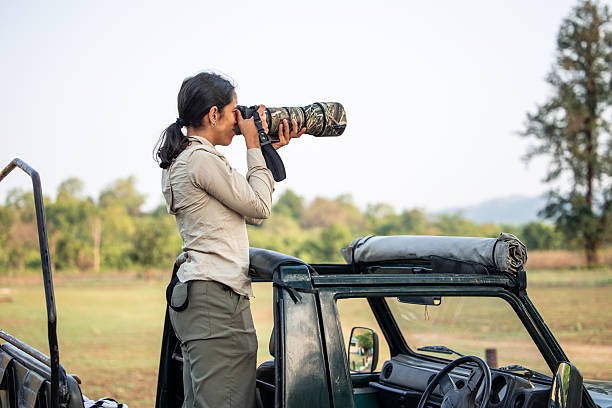
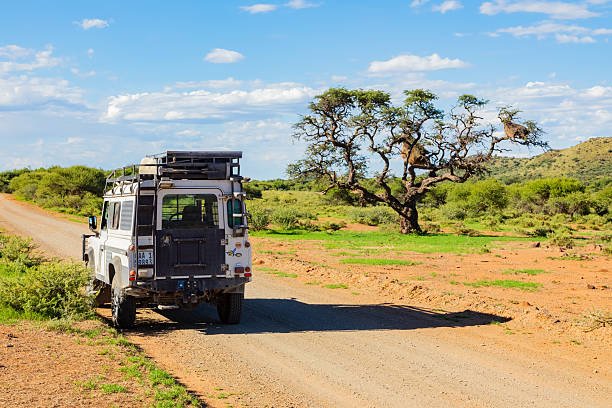
Maswa Game Reserve, also often referred to as the Maswa Conservation Area, is a privately managed wilderness area in northern Tanzania. It’s not one of the larger, more well-known national parks, but its significance lies in its strategic location and its role in the broader ecosystem of the Serengeti. Situated to the southwest of the main Serengeti National Park, Maswa acts as a vital buffer zone and a crucial corridor for wildlife movement, particularly during the annual Great Migration. Its landscapes are a mosaic of acacia woodlands, open grasslands, kopjes (rocky outcrops), and riverine forests, creating diverse habitats that support a rich array of fauna. Unlike national parks where tourist access and activities can be highly regulated, Maswa is often managed under concession, allowing for more flexible and exclusive safari experiences. This often translates to fewer vehicles, more intimate encounters with wildlife, and the ability to offer activities like night drives and walking safaris that are typically restricted in more heavily visited areas. The reserve’s name itself, Maswa, is derived from the Maasai word for a particular type of acacia tree, reflecting the deep connection between the land, its people, and its wildlife.
For travelers seeking an authentic safari that feels a world away from the crowds, Maswa presents a compelling proposition. It embodies the wild heart of Africa, offering vast, untamed spaces where animals roam freely. The reserve’s management often prioritizes conservation efforts, working in partnership with local communities and stakeholders to ensure the long-term survival of its wildlife and habitats. This commitment to conservation means that a Maswa Game Reserve safari is not just a holiday, but also a contribution to protecting one of Africa’s most precious natural resources. Understanding Maswa’s unique character is the first step in appreciating the special safari it offers.
Why Choose a Maswa Game Reserve Safari?
The decision to visit Maswa Game Reserve for your safari hinges on a desire for a specific type of travel experience – one that emphasizes exclusivity, authenticity, and a deep connection with nature. While Tanzania boasts iconic parks like the Serengeti and Ngorongoro Crater, Maswa offers distinct advantages that appeal to discerning travelers. Here’s why a Maswa Game Reserve safari stands out:
- Unrivalled Exclusivity and Low Visitor Numbers: Perhaps the most significant draw of Maswa is its relative lack of crowds. Unlike the Serengeti, where multiple vehicles might converge on a single sighting, Maswa’s concession-based management often limits the number of visitors and camps. This means you’re more likely to have impressive wildlife sightings all to yourself, fostering a profound sense of solitude and connection with the wilderness. This is particularly appealing for photographers and those seeking a peaceful, unhurried experience.
- Authentic Wilderness Immersion: Maswa feels wild and untamed. The landscapes are vast, and the wildlife is habituated to the natural environment rather than to constant human presence. This creates a more genuine safari experience, where you witness animals behaving naturally, without the distractions of large tourist infrastructure. The sense of being truly ‘in the bush’ is palpable here.
- Enhanced Safari Activities: Many lodges and camps operating in Maswa are permitted to offer activities that are restricted or prohibited in national parks. This includes guided walking safaris, which allow you to explore the smaller details of the ecosystem, track animals on foot, and gain a different perspective on the environment. Night game drives are another highlight, revealing a completely different cast of nocturnal creatures – from elusive leopards and lions on the hunt to civets, genets, and a host of other animals that are active after dark. These activities significantly enrich the safari experience.
- Proximity to the Great Migration (Seasonal): Maswa’s location southwest of the Serengeti means it can be an excellent place to witness parts of the Great Wildebeest Migration, especially during certain times of the year. If your visit coincides with the migration’s movement through the western or southern Serengeti corridor, Maswa can offer fantastic viewing opportunities without the intense competition found in the heart of the park.
- Excellent Predator Sightings: The reserve is renowned for its healthy predator populations. Its diverse habitats, including woodlands and open plains, are ideal for lions, leopards, cheetahs, and hyenas. The lower visitor numbers mean that tracking and observing these magnificent animals can be a more rewarding and less intrusive experience.
- Conservation Focus: Many operations within Maswa are deeply committed to conservation and community engagement. Choosing a Maswa safari often means supporting initiatives that protect wildlife and benefit local people, adding a layer of purpose to your travels.
- Variety of Landscapes: From rolling grasslands to acacia-dotted savannas and rocky outcrops, Maswa offers a varied and visually appealing landscape. This diversity not only supports a wide range of wildlife but also provides stunning backdrops for your safari adventures.
For travelers in 2026 or 2027 looking for a safari that goes beyond the standard itinerary, Maswa Game Reserve delivers an intimate, adventurous, and profoundly memorable experience. It’s a choice for those who value solitude, appreciate the thrill of exclusive sightings, and wish to engage more deeply with the African wilderness.
Maswa Wildlife Encounters: What to See
Maswa Game Reserve is a haven for wildlife, offering a spectacular diversity of species that will captivate any nature enthusiast. Its varied habitats, from open savannas and woodlands to riverine areas and kopjes, support a rich ecosystem. While sightings are never guaranteed, the reserve’s health and lower visitor density significantly increase your chances of memorable encounters. Here’s a look at what you can expect to see during a Maswa Game Reserve safari:
The Big Five in Maswa
The iconic Big Five – Lion, Leopard, Elephant, Buffalo, and Rhinoceros – are all present in Maswa Game Reserve, though sightings, especially of the more elusive species, require patience and a bit of luck. The reserve’s sprawling territory and excellent predator densities make it a prime location to seek them out.
- Lions: Maswa is home to a healthy lion population. You’ll often find prides resting in the shade during the heat of the day or on the move in the early morning and late afternoon. Their roars are a common soundtrack to the African night.
- Leopards: These magnificent, solitary cats are notoriously elusive, but Maswa offers good opportunities to spot them, particularly during night drives or early morning excursions. They often rest in trees or stalk prey in the dense bush.
- Elephants: While not as densely populated as in some other parks, elephants are present in Maswa, often found near water sources or browsing in the acacia woodlands. Seeing a herd move through the landscape is always a majestic sight.
- Cape Buffalo: Buffalo are common in Maswa, often seen in large herds grazing on the open plains or near water. They are powerful and formidable animals, and observing their social dynamics is fascinating.
- Rhinoceros: Black rhinos are present in Maswa, though they are critically endangered and highly elusive. Sightings are rare and often require considerable luck and the expertise of your guide. Their presence underscores the importance of the reserve’s conservation efforts.
Predators and Specialists
Beyond the Big Five, Maswa is a hotspot for a variety of other predators and specialized species:
- Cheetahs: The open grasslands of Maswa are ideal hunting grounds for cheetahs. Witnessing their incredible speed and hunting prowess is a highlight for many visitors.
- Hyenas: Both spotted and striped hyenas inhabit Maswa. Spotted hyenas are often seen in their large, complex clan structures, while striped hyenas are more solitary. Their haunting calls are a distinctive feature of the African night.
- Wild Dogs (African Painted Dogs): Maswa is one of the key areas where wild dogs can be found. These highly social and endangered predators are known for their incredible stamina and cooperative hunting strategies. Sighting a pack is a truly special event.
- Other Predators: You may also encounter various smaller cats like Serval and Caracal, as well as Jackals and Bat-eared Foxes.
- Giraffes: Maasai giraffes are a common sight, elegantly browsing on acacia trees.
- Various Antelope Species: Maswa is home to numerous antelope species, including Thomson’s gazelles, Grant’s gazelles, impalas, topi, hartebeest, wildebeest (outside the main migration period), eland, and dik-dik, each adapted to different niches within the reserve.
- Warthogs and Bushpigs: These common residents are frequently spotted foraging in groups or individually.
Birdlife of Maswa
For birdwatchers, Maswa Game Reserve is a paradise. The diverse habitats support over 300 bird species, ranging from large raptors to tiny sunbirds. Keep an eye out for:
- Raptors: Martial eagles, Bateleur eagles, Tawny eagles, and various falcons and kestrels are common.
- Waterbirds: Along riverine areas and temporary waterholes, you might see egrets, herons, kingfishers, and various waders.
- Ground Birds: Ostriches, secretary birds, and guinea fowl are often seen on the plains.
- Colorful Species: Look for Lilac-breasted rollers, Bee-eaters, Hornbills, and Sunbirds, which add vibrant splashes of color to the landscape.
Seasonal Migration Patterns
While Maswa itself is not the primary stage for the entirety of the Great Migration, its position means it plays a role in the movement of vast herds of wildebeest and zebra. Depending on the year and rainfall patterns, large numbers of these animals may pass through or graze in the southern and western areas of the Serengeti ecosystem, which directly impacts Maswa. Generally:
- Late December to March: This is calving season for wildebeest and zebra, typically occurring in the southern Serengeti plains. Depending on grass availability, herds may extend into areas adjacent to Maswa.
- May to July: As the dry season progresses, herds begin to move north and west. Parts of this movement can traverse the western Serengeti corridors, bringing animals closer to Maswa.
- July to October: The peak of the dry season sees the migration concentrated in the western and northern Serengeti, often crossing the Mara River. While Maswa is further south, there can still be resident herds and individuals of various antelope species that remain year-round.
Understanding these patterns helps in timing your Maswa Game Reserve safari for the best possible wildlife viewing, especially if seeing large concentrations of migratory animals is a priority for your 2026 or 2027 trip. However, Maswa’s true strength lies in its resident wildlife and the intimate encounters it offers year-round.
Planning Your Maswa Safari for 2026-2027
A Maswa Game Reserve safari requires careful planning to maximize your experience and ensure a smooth journey. Unlike more developed tourist hubs, Maswa’s remote nature means logistics are key. Here’s a breakdown of essential planning considerations for your 2026-2027 adventure:
Best Time to Visit Maswa
Maswa Game Reserve can be visited year-round, but the ‘best’ time depends on your priorities. Its location on the edge of the Serengeti ecosystem means that wildlife viewing is generally good throughout the year, with variations based on rainfall and animal movements.
- The Dry Season (June to October): This is widely considered the prime time for safaris in northern Tanzania, including Maswa. The weather is pleasant, with sunny days and cool nights. Vegetation thins out, making animals easier to spot as they congregate around permanent water sources. If you’re hoping to catch parts of the Great Migration, this period is often excellent, as herds move through the western Serengeti corridors. Predator activity tends to be high as they hunt the concentrated prey.
- The Shoulder Seasons (November-December and March-May):
- November-December (Short Rains): These months can offer good game viewing with fewer visitors than the peak dry season. The rains are usually brief, and the landscape starts to turn green. It’s a good time for birdwatching as migratory birds arrive.
- March-May (Long Rains): This is the low season. The landscape is lush and green, and it’s beautiful. However, the rains can make some tracks impassable, and wildlife may disperse. The Great Migration is typically in the southern Serengeti during February/March, which can still be accessible. You’ll find fewer tourists and potentially lower accommodation rates. This period is excellent for photography due to the vibrant colours.
- The Green Season (January-February): This period often coincides with the calving season of the wildebeest and zebra in the southern Serengeti. While not strictly within Maswa, the proximity means animals might be found in adjacent areas. The rains are usually scattered, and the landscape is vibrant. Birdlife is abundant.
For 2026-2027 planning: If you prioritize the classic dry-season safari experience with the highest chances of seeing large herds and the Big Five, aim for June to October 2026 or June to October 2027. For a more exclusive experience with beautiful scenery and potentially lower prices, consider the shoulder months like November 2026 or March 2027. Always check with your tour operator about specific conditions closer to your travel dates.
How Long to Stay
To truly appreciate the exclusivity and activities Maswa offers, a minimum stay of 3 nights is recommended. This allows sufficient time for game drives, the unique activities like walking safaris and night drives, and to soak in the atmosphere of the reserve.
- 3 Nights: Ideal for a focused experience, allowing for 2 full days of activities. You’ll get a good feel for the reserve and its wildlife.
- 4 Nights: Provides a more relaxed pace and deeper exploration. You can dedicate more time to tracking specific animals, enjoy longer walks, and explore different areas of the concession.
- 5 Nights or More: For the ultimate immersion, especially if you are a keen photographer or deeply interested in conservation, extended stays allow for a comprehensive understanding of the ecosystem and a chance to encounter a wider range of species and behaviors.
Many visitors combine Maswa with other destinations in the northern circuit, such as the Serengeti, Ngorongoro, or Tarangire. In such cases, 3-4 nights in Maswa would be a fitting duration to experience its unique offerings without overshadowing other parts of the itinerary.
Getting to Maswa Game Reserve
Access to Maswa Game Reserve is primarily via light aircraft. Due to its remote location and the nature of the safari camps, driving directly can be time-consuming and often impractical for tourists with limited time.
- Flights from Arusha: The most common way to reach Maswa is by taking a scheduled or chartered light aircraft flight from Arusha Airport (ARK) to a nearby airstrip serving the reserve. The flight duration is typically around 1 to 1.5 hours.
- Airstrip Transfers: Upon arrival at the airstrip, you will be met by your lodge’s representative or guide for a short transfer (usually 15-45 minutes) to your accommodation. This transfer is often your first game drive, offering immediate wildlife viewing opportunities.
- Driving (Limited): While it’s technically possible to drive from Arusha or other northern circuit hubs, it’s a very long and often rough journey, typically taking several hours, and is usually only undertaken by those on extensive overland expeditions or for specific logistical reasons. Most tourists opt for the quicker and more comfortable flight option.
Booking flights: Flights are usually arranged by your safari operator as part of your package. Ensure you confirm luggage restrictions for light aircraft, which are typically strict (around 15-20 kg per person in soft-sided bags).
Maswa Safari Logistics
Logistics are handled by your chosen safari operator and the lodge or camp you stay at. Key logistical considerations include:
- Vehicle Type: Safaris in Maswa are typically conducted in custom-built 4×4 safari vehicles (usually Land Cruisers or Land Rovers). These are essential for navigating the terrain and offer excellent viewing and photography opportunities. Ensure your vehicle has pop-up roofs or open sides.
- Guides: Your guide is crucial. Experienced guides are knowledgeable about the local wildlife, ecosystems, and conservation efforts. They are skilled in tracking animals and ensuring safe yet thrilling encounters.
- Park Fees: Maswa Game Reserve operates under a concession system, and fees are usually incorporated into your overall safari package. These fees contribute to wildlife conservation and management.
- Communication: Mobile phone reception can be patchy in Maswa. Lodges usually have satellite phones for emergencies and sometimes limited internet access, but don’t rely on constant connectivity.
- Power: Most camps and lodges provide charging facilities for cameras and electronics, often via generators or solar power, typically available during specific hours.
Careful planning with a reputable operator like Climb 4 Africa ensures that all these logistical aspects are covered, allowing you to focus on the incredible wildlife and landscapes of Maswa for your 2026-2027 safari.
Accommodation Options in Maswa
The accommodation in Maswa Game Reserve is a significant part of its exclusive appeal. Designed to blend seamlessly with the environment, the lodges and tented camps offer comfort and immersion without compromising the wilderness experience. The focus is on intimate settings, personalized service, and authentic safari ambiance.
Tented Camps vs. Lodges
While both types of accommodation aim to provide a high-quality safari experience, they differ in their structure and feel:
- Tented Camps: These are the quintessential Maswa experience. They typically feature spacious canvas tents, often on permanent platforms, with comfortable beds, en-suite bathrooms (usually with flush toilets and hot showers, often bucket-style or plumbed), and private verandas. Tented camps offer a closer connection to nature; you can often hear the sounds of the bush right outside your tent. They are usually smaller, fostering a more intimate and communal atmosphere around the central dining and lounge areas.
- Lodges: Lodges in Maswa are generally more permanent structures, often built with natural materials like wood and thatch. They offer similar comforts to tented camps, including comfortable rooms, en-suite bathrooms, and dining areas. Lodges might offer slightly more robust infrastructure, potentially with swimming pools or more extensive common areas. They provide a solid, comfortable base while still being designed to complement the natural surroundings.
Both options are designed to be environmentally sensitive and offer a high level of service, including delicious meals, excellent guiding, and organized safari activities.
Choosing the Right Camp or Lodge
When selecting accommodation for your Maswa Game Reserve safari in 2026-2027, consider these factors:
- Level of Luxury: Maswa camps and lodges generally fall into the mid-range to luxury category. While even the most luxurious options maintain an authentic feel, some offer more refined amenities, gourmet dining, and premium services than others.
- Size and Atmosphere: Smaller camps (fewer than 10-15 tents/rooms) offer the most intimate and exclusive experience. They often feel more personal and allow for highly tailored service. Larger lodges might offer more facilities but can feel less exclusive.
- Activities Offered: Confirm that the camp or lodge you choose offers the specific activities you’re interested in, such as walking safaris and night drives, as these are managed by the camp and their guides.
- Location within Maswa: Some camps are situated in areas known for specific wildlife concentrations or offer access to particular landscapes. Your safari operator can advise on the best location based on the season and your interests.
- Sustainability Practices: Many Maswa accommodations are committed to eco-friendly operations. If this is important to you, inquire about their conservation initiatives, waste management, and community support programs.
- Budget: Accommodation is typically the largest component of a Maswa safari cost. Understand what is included in the rate (e.g., meals, drinks, activities, park fees) to compare effectively.
Examples of the kind of quality accommodation you might find (though specific operators and lodges can change) include intimate tented camps that offer a very ‘out of Africa’ feel, often with private plunge pools or stunning views, and smaller lodges built with local materials that blend harmoniously with the environment. Your safari planner will guide you based on your preferences and budget for 2026 or 2027.
Unique Safari Activities in Maswa
One of the most compelling reasons to choose a Maswa Game Reserve safari is the opportunity to participate in activities that are often restricted in national parks. These unique experiences allow for a deeper, more in-depth connection with the wilderness.
Walking Safaris
Guided walking safaris are a signature experience in many concessions like Maswa. Led by experienced, armed rangers or guides, these excursions offer a completely different perspective on the African bush. You’ll learn to identify animal tracks, understand the medicinal uses of plants, appreciate the smaller details of the ecosystem, and experience the thrill of encountering wildlife on foot. Walking safaris are conducted at a slower pace, allowing for quiet observation and a more intimate connection with the environment. They are typically offered in the early morning or late afternoon when temperatures are cooler and wildlife is more active. Safety is paramount, and you’ll be briefed thoroughly on how to behave in the presence of wildlife.
Night Game Drives
Maswa Game Reserve permits night game drives, which open up a world of nocturnal creatures often unseen during daylight hours. As dusk settles, the savanna transforms. Equipped with powerful spotlights, your guide will search for leopards, lions on the prowl, hyenas, civets, genets, aardvarks, bushbabies, and various other animals that are most active after dark. It’s an exciting and often thrilling experience, offering a glimpse into the hidden life of the bush. Night drives provide unique photographic opportunities and a chance to hear the sounds of the African night – the calls of owls, the distant roar of a lion, or the rustling of unseen creatures.
Cultural Visits
While Maswa is primarily a wildlife destination, many camps and lodges in the area facilitate visits to nearby Maasai or other local communities. These visits, when conducted respectfully and ethically, offer a valuable insight into the traditional ways of life of the people who share this land with the wildlife. You can learn about their customs, social structures, and their relationship with the environment. It’s important that these visits are arranged through your lodge or operator and are conducted in a way that benefits the community and respects their privacy and culture. It’s a chance to understand the human element of this unique landscape.
Maswa vs. Other Tanzanian Parks: Making the Choice
When planning a Tanzanian safari, the sheer number of incredible destinations can be overwhelming. Maswa Game Reserve offers a distinct experience compared to the more famous national parks. Understanding these differences helps in crafting the perfect itinerary for 2026-2027.
Maswa vs. Serengeti
- Serengeti National Park: Known globally for the Great Migration, vast open plains, and abundant wildlife, especially predators. It is larger and has more established infrastructure, with a wider range of lodges and camps, and higher visitor numbers, particularly in key areas during peak migration months. Activities are generally limited to game drives in vehicles.
- Maswa Game Reserve: Located southwest of the Serengeti, Maswa offers a more exclusive and intimate experience with significantly fewer vehicles. It’s ideal for those seeking solitude and deeper immersion. Crucially, Maswa permits walking safaris and night game drives, activities not allowed in the main Serengeti National Park. While it hosts wildlife year-round and can be part of the migration’s path, it doesn’t offer the sheer scale of the migration spectacle found in the central Serengeti during specific times.
- When to Choose: Choose Serengeti for the ultimate Great Migration experience and vast, iconic landscapes. Choose Maswa for exclusivity, unique activities (walking, night drives), and a more personal wildlife encounter, especially if the migration isn’t your sole focus or if you want a less crowded addition to a Serengeti visit.
Maswa vs. Tarangire
- Tarangire National Park: Famous for its massive elephant herds, baobab trees, and diverse birdlife. It’s particularly spectacular during the dry season (July-October) when animals congregate around the Tarangire River. It’s a national park, meaning standard safari rules apply (no night drives, limited walking).
- Maswa Game Reserve: Offers a different ecological setting, more akin to the Serengeti’s plains and woodlands. Maswa’s advantage lies in its exclusivity and the permission for night drives and walking safaris, offering more diverse safari experiences.
- When to Choose: Choose Tarangire for iconic elephant herds and baobab scenery, especially in the dry season. Choose Maswa for a more exclusive, less crowded experience with the added thrill of walking safaris and night drives, and if your visit is timed to potentially catch migratory movements.
Maswa vs. Selous (Nyerere National Park)
- Selous Game Reserve (now Nyerere National Park): Located in southern Tanzania, Selous is one of Africa’s largest game reserves. It’s known for its vast wilderness, diverse landscapes (including the Rufiji River), and a wider range of activities like boat safaris and walking safaris. It’s less crowded than northern circuit parks and offers a different feel, often with more elephants and wild dogs.
- Maswa Game Reserve: Situated in the northern circuit, Maswa is adjacent to the Serengeti, benefiting from its ecosystem and migration patterns. Maswa’s strengths are its proximity to the Serengeti, its exclusivity, and its excellent predator viewing, coupled with walking and night drives.
- When to Choose: Choose Selous for a more remote, expansive wilderness feel, boat safaris on the Rufiji River, and a good chance of seeing wild dogs and large elephant populations. Choose Maswa if you are combining it with a northern circuit itinerary (Serengeti, Ngorongoro) and desire exclusivity, walking safaris, and night drives within that ecosystem context.
Ultimately, the choice depends on your safari priorities for 2026-2027. Maswa Game Reserve is best suited for travelers seeking a more private, intimate, and activity-rich safari experience away from the main tourist trails, offering a unique complement to a broader Tanzanian adventure.
Responsible Tourism in Maswa
Maswa Game Reserve’s value as a pristine wilderness area is intrinsically linked to responsible tourism practices. As a visitor, your choices can have a positive impact on conservation efforts and local communities. Reputable safari operators and lodges in Maswa are typically committed to minimizing their environmental footprint and maximizing their social benefits.
- Supporting Conservation: The concession fees paid by visitors directly contribute to anti-poaching patrols, wildlife monitoring, habitat management, and research within Maswa. By choosing to visit Maswa, you are directly funding these vital conservation initiatives.
- Minimizing Environmental Impact: Lodges and camps in Maswa generally adhere to strict environmental guidelines. This includes responsible waste management, water conservation, and the use of sustainable energy sources. As a guest, you can contribute by being mindful of your resource consumption, avoiding single-use plastics where possible, and respecting designated paths and areas.
- Respecting Wildlife: Adhering to your guide’s instructions is paramount. Maintain a safe distance from animals, avoid feeding them, never disturb their natural behavior, and always follow the guidelines for photography. The privilege of observing wildlife up close comes with the responsibility to do so respectfully.
- Community Engagement: Many Maswa operations work closely with local communities, providing employment opportunities, supporting schools, and investing in local infrastructure. When engaging in cultural visits, ensure they are conducted ethically, with respect for local customs and traditions. Purchasing locally made crafts directly supports artisans.
- Choosing Ethical Operators: Selecting a tour operator committed to responsible tourism is crucial. Climb 4 Africa, for instance, emphasizes ethical practices and works with lodges that share these values. Researching your operator and understanding their approach to conservation and community involvement will enhance your trip’s positive impact.
By being a conscious traveler in Maswa Game Reserve, your safari contributes not only to an unforgettable personal experience but also to the long-term protection of this vital ecosystem and the well-being of its people.
Booking Your Maswa Safari for 2026-2027
Securing your Maswa Game Reserve safari for 2026 or 2027 is an exciting step towards an incredible adventure. Given Maswa’s exclusive nature and limited accommodation, booking well in advance is highly recommended, especially for peak seasons. Here’s how to approach the booking process:
- Work with a Specialist Operator: The most effective way to book a Maswa safari is through a reputable tour operator specializing in Tanzanian travel. They have the local knowledge, established relationships with lodges, and expertise to craft a smooth itinerary tailored to your preferences and budget. They can advise on the best camps, optimal timings for 2026-2027, and handle all the complex logistics, including flights, transfers, and park fees.
- Define Your Priorities: Before contacting an operator, consider what you most want from your Maswa experience. Are you focused on specific wildlife? Do you prioritize walking safaris and night drives? What level of comfort and luxury are you seeking? What is your budget range? Knowing these details will help your operator find the best fit.
- Consultation and Itinerary Design: A good operator will engage in a detailed consultation to understand your needs. They will then propose a draft itinerary, outlining daily activities, accommodation, and estimated costs. This is your opportunity to ask questions and make adjustments.
- Understand Inclusions and Exclusions: Carefully review what is included in your safari package. Typically, this covers accommodation, meals, park and concession fees, guided game drives, and transfers from the nearest airstrip. Exclusions often include international flights, visa fees, travel insurance, gratuities, and personal expenses.
- Booking and Payment: Once you approve an itinerary, you’ll receive a formal quote. A deposit is usually required to confirm your booking, with the balance due closer to your travel date. Ensure you understand the payment schedule and cancellation policy.
- Travel Insurance: Comprehensive travel insurance is essential for any safari, covering medical emergencies, trip cancellation, and lost luggage.
- Visa Requirements: Check the visa requirements for Tanzania for your nationality well in advance.
Why Choose Climb 4 Africa for Your Maswa Safari?
At Climb 4 Africa, we specialize in creating authentic and unforgettable safari experiences in Tanzania, including exclusive destinations like Maswa Game Reserve. Our deep local knowledge allows us to select the best camps and lodges, design personalized itineraries that highlight the unique aspects of Maswa, and ensure all logistical details are handled with precision. We understand the importance of responsible tourism and work with partners who share our commitment to conservation and community. Whether you’re planning for late 2026 or early 2027, we can help you craft a Maswa safari that offers exclusivity, adventure, and a profound connection with the wild.
Ready to plan your Maswa Game Reserve safari? Contact us today to discuss your dream itinerary for 2026-2027. We’re here to answer your questions and help you create a journey that exceeds your expectations. You can reach us via WhatsApp at +255 747 477 898 or by email at climb4africa@gmail.com. Let’s start planning your unforgettable African adventure!
Check Availability for Maswa Game Reserve Safari: Your Ultimate Guide To Unforgettable Wildlife
Ready to compare dates, prices, and the best option for your group? Send the package name and travel month so the team can reply with a clear quote, availability, and what is included.
Kilimanjaro And Mara River Crossing Safari August : Peak Season Adventure 2027
Combining the ultimate challenge of climbing Mount Kilimanjaro with the awe-inspiring spectacle of the Great Migration river crossing in the Maasai Mara offers an unparalleled African...
View package details
Kilimanjaro And Great Migration Safari August : Your Peak Season Adventure
Plan your ultimate Tanzanian adventure in August 2027, combining a Kilimanjaro climb with the spectacle of the Great Migration. This guide details the best timings, routes, and safari...
View package detailsKilimanjaro And Mara River Crossing Safari July 2027
Kilimanjaro and Mara River Crossing Safari July 2027 is explained with current 2027 planning, price, itinerary and booking information.
View package detailsKilimanjaro And Great Migration Safari July : Your Ultimate Tanzanian
Combining a Kilimanjaro climb with a Great Migration safari in July 2027 offers a spectacular Tanzanian adventure. This guide helps you plan your ideal itinerary, considering the best...
View package details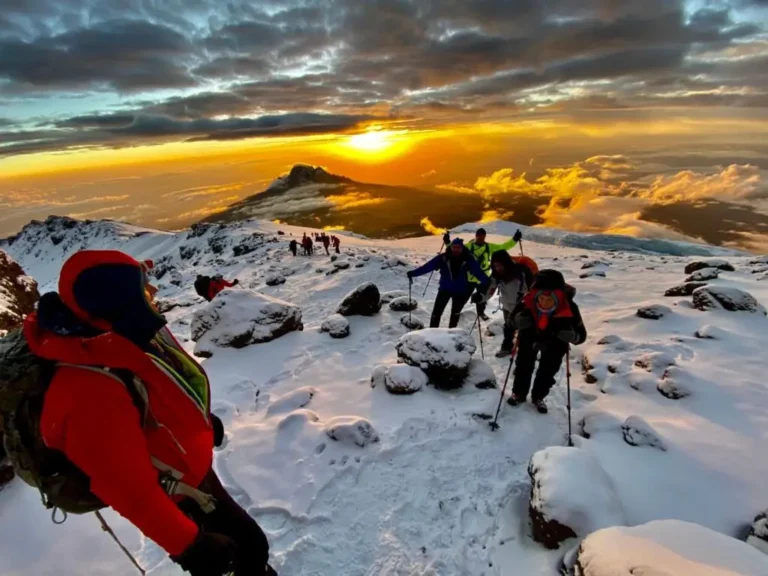
Kilimanjaro And Grumeti Migration Safari June : The Ultimate Tanzanian
Plan your unforgettable Kilimanjaro and Grumeti Migration safari for June 2027. This comprehensive guide details how to combine the challenge of summiting Africa's highest peak with the...
View package details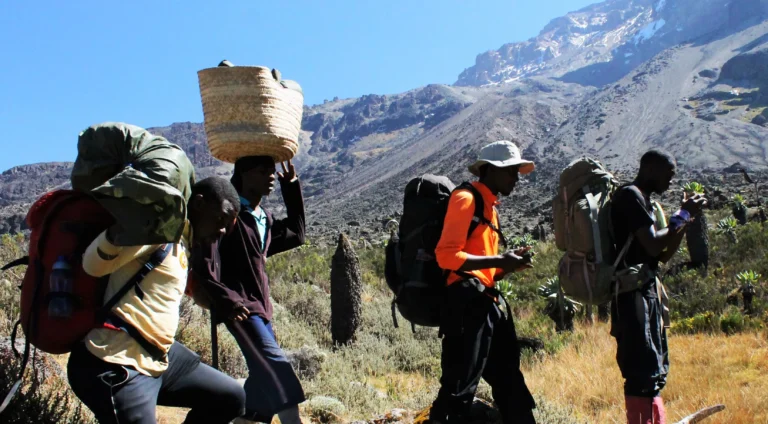
Best Kilimanjaro And Serengeti Calving Season Safari March 2027
Discover the magic of a March 2027 Kilimanjaro and Serengeti calving season safari. This guide explores the unique advantages and considerations for experiencing Tanzania's wildlife...
View package details
Kilimanjaro And Serengeti Calving Safari February : The Ultimate Planning
Combine the majesty of Mount Kilimanjaro with the impressive spectacle of the Serengeti's calving season in February 2027. This guide details how to plan this dual adventure, focusing on...
View package details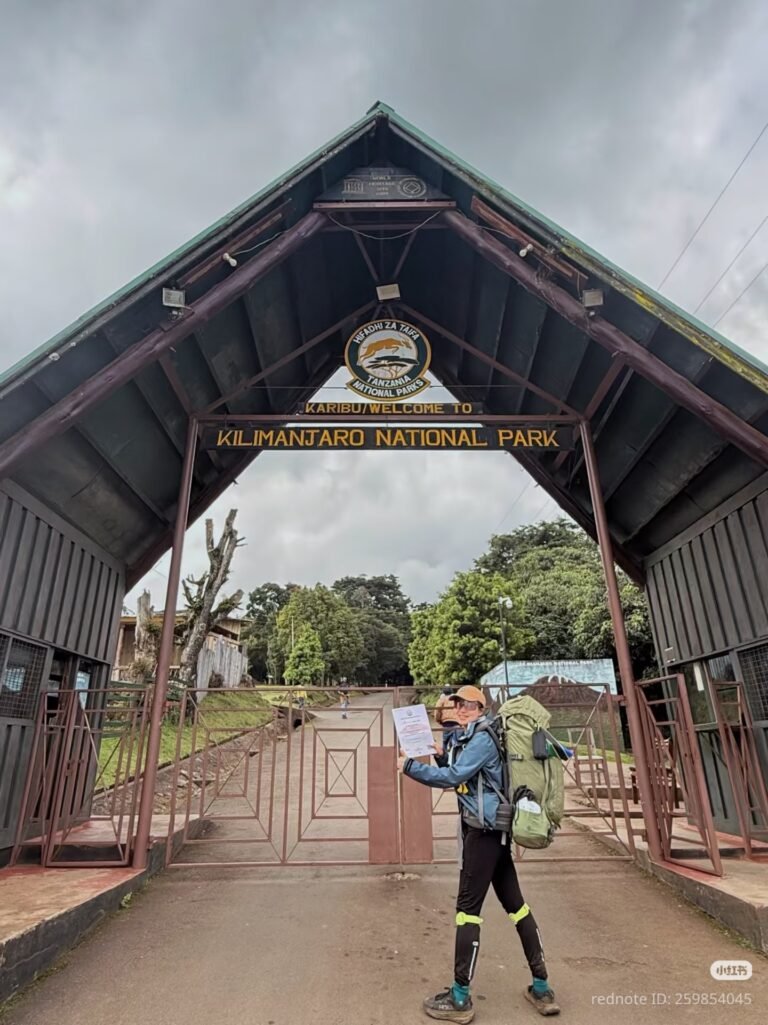
Kilimanjaro And Serengeti Calving Safari January 2026-2027
Kilimanjaro and Serengeti Calving Safari January 2027 is explained with current 2026-2027 planning, price, itinerary and booking information.
View package details
Kilimanjaro Christmas Climb And Tanzania Safari : Your Festive Adventure
Combine the magic of a Christmas ascent of Kilimanjaro with a thrilling Tanzania safari in 2026. Discover how to plan this dual adventure for a truly unique festive season.
View package detailsNo related package matches those filters. Clear one or more filters to see the other topic-matched options.



